
Analysis: Donald Trump unlikely to avoid blame for health care loss
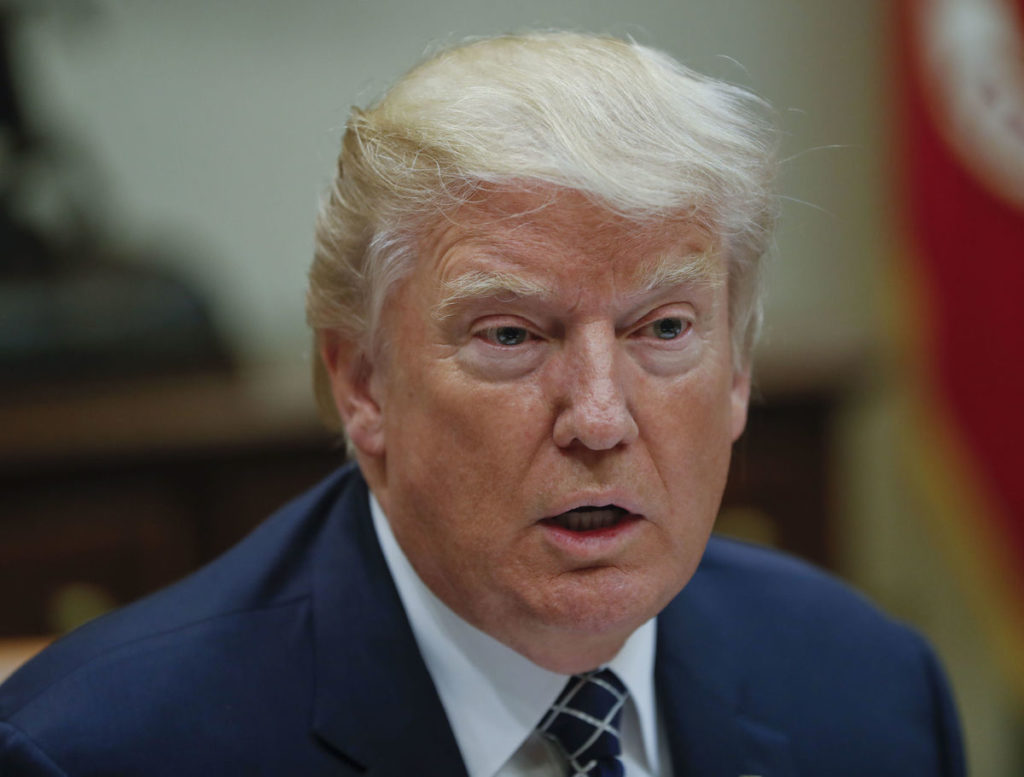
It was a far cry from “The buck stops here.” President Donald Trump, dealt a stinging defeat with the failure of the Republican health care bill in the Senate, flipped the script from Harry Truman’s famous declaration of presidential responsibility and declared Tuesday, “I am not going to own it.” He had tweeted earlier, “We were let down by all of the Democrats and a few Republicans.” This is the same president who thundered night after night on the campaign trail that it would be “so easy” to repeal and replace the Obama health care law on Day One of his administration. Try and tweet as he might, Trump can’t now avoid a share of the blame for the stall-out of that repeal effort. It’s a president’s burden to shoulder the nation’s problems whether they are inherited or created in real time. Barack Obama took office with the American economy facing its worst crisis since the Great Depression. John F. Kennedy accepted responsibility for the failure of the invasion of Cuba at the Bay of Pigs, ordered on his own watch. “That’s the nature of being elected president: You own the policies, the economy and the government,” said presidential historian Julian Zelizer, a professor at Princeton University. “You own the positives and negatives of the job whether you think it’s your fault or not. You live in the White House: You can’t disassociate yourself from what happens if you don’t like it.” Trump took office armed with Republican control of both houses of Congress and an ambitious agenda that would begin with the repeal and replacement of Obamacare. Six months later, the collapse of the GOP plan was a sharp rebuke for the president, who was unable to cajole or threaten Republicans to stay in line and who exerted little of his diminished political capital to see through a promise that had been at the core of his party since Obamacare became law seven years ago. The president’s disjointed support for the health care plan did little to persuade Republicans to support it, and the fact that his approval ratings had dropped below 40 percent didn’t help either. Trump never held a news conference or delivered a major speech to sell the bill to the public. He never leveraged his popularity among rank-and-file Republican voters by barnstorming the districts of wavering GOP senators. And he never spearheaded a coherent communications strategy — beyond random tweets — to push for the plan. “The best way to motivate members is talk to their constituents and at no point did he try to talk to Americans about health care reform in any sort of serious way,” said Alex Conant, a Republican strategist who worked on Florida Sen. Marco Rubio’s 2016 presidential campaign. “His attention seems to drift with whatever is on cable news on any given moment as opposed to what is on the Senate floor any given week.” Sounding almost like a bystander during his brief Oval Office remarks Tuesday, Trump six times expressed “disappointment” that the Republican effort had failed. And he insisted the fault rested with Democrats and suggested Obamacare should be left to fail on its own. “I’m not going to own it,” Trump insisted. “I can tell you that Republicans are not going to own it.” Democrats blasted Trump’s blame game, with Senate Minority Leader Chuck Schumer saying his refusal to accept responsibility demonstrated “such a lack of leadership.” “That is such a small and petty response,” Schumer said. “Because the president, he’s in charge. And to hurt millions of people because he’s angry he didn’t get his way is not being a leader.” Despite Trump’s efforts to shift blame across the aisle, the White House made little effort to court Democrats. Instead of initially pursuing an infrastructure plan — which would have likely received support from unions and blue-collar workers, making it hard for Democrats to oppose — Trump opted to tackle the far more polarizing issue of health care first. He outsourced most of the work to House Speaker Paul Ryan and Senate Majority Leader Mitch McConnell. It became a strictly Republican effort which, due to the party’s slight advantages in the House and Senate, had little margin for error. And it was conservatives from Trump’s own wing of the Republican party who thwarted him. The conservative House Freedom Caucus defied him and ignored his Twitter threats. The two senators who withdrew their support Monday night, effectively killing the bill, didn’t even give the White House a heads-up before announcing their decisions. And even though Trump allies have threatened to aid primary challengers to a pair of on-the-fence senators — Jeff Flake of Arizona and Dean Heller of Nevada — the Republicans did not cave, potentially setting a worrisome precedent for the White House as it tries to move ahead with the rest of its stalled agenda. Former House Speaker Newt Gingrich, a Trump adviser, believes that both Congress and the White House share blame after seemingly forgetting that “opposition parties pass press releases that get vetoed, while governing parties pass bills in which every paragraph gets scrutinized.” “I hope the president learns that do something really, really big, you need to be disciplined and focused and sort out your communications program,” said Gingrich. “So far, they are clearly not capable of doing that.” Republished with permission of The Associated Press.
Mo Brooks, House Freedom Caucus nonplussed over Donald Trump threats
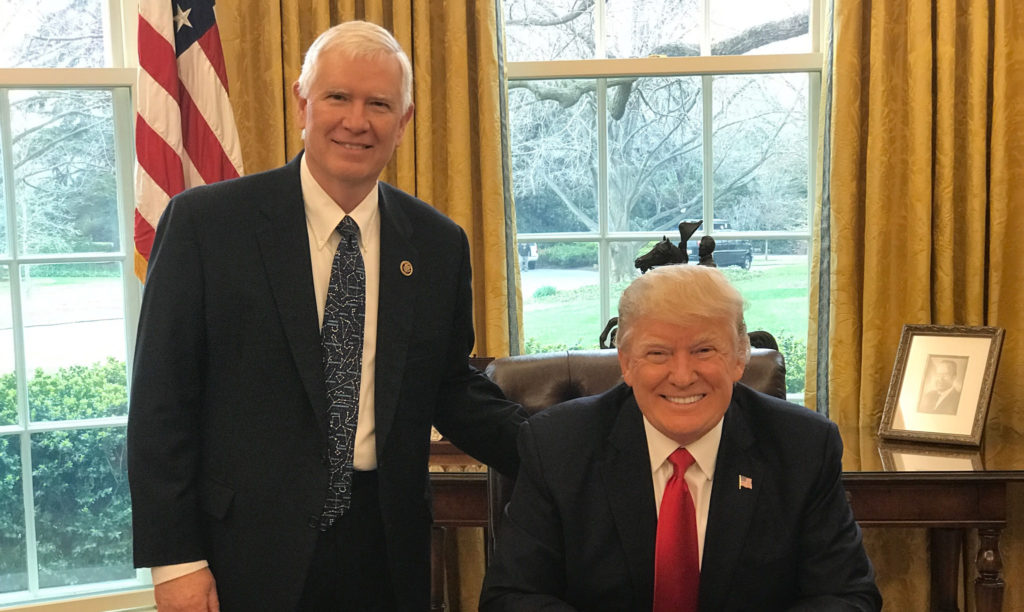
President Donald Trump was nonplussed with members of the House Freedom Caucus after Republicans were forced to pull the American Health Care Act after realizing it didn’t have the votes to pass. In a Thursday tweet, Trump even threated to oppose the conservative Republican group with the same vigor as Democrats in 2018 if they don’t fall in line with his priorities. “The Freedom Caucus will hurt the entire Republican agenda if they don’t get on the team, & fast. We must fight them, & Dems, in 2018,” Trump wrote. Alabama U.S. Rep. Mo Brooks, a member of the ultraconservative caucus, doesn’t seem worried though. “Trump’s tweets reaffirm that the Freedom Caucus is having a major impact on public policy in Congress — that the Freedom Caucus is not a force to be ignored,” he said in an interview with The Daily Signal. “This Twitterverse is the new Washington. I have zero worries about it. If you want me to vote for a piece of legislation, either persuade me it is good for America or change it so that it is good for America.” Brooks likely doesn’t have much to worry about in 2018, either. The CD 5 Republican has been in the House of Representatives since 2011 and in his most recent election he doubled the vote count of Democratic challenger Will Boyd.
New Congress, all-GOP, same political divisions
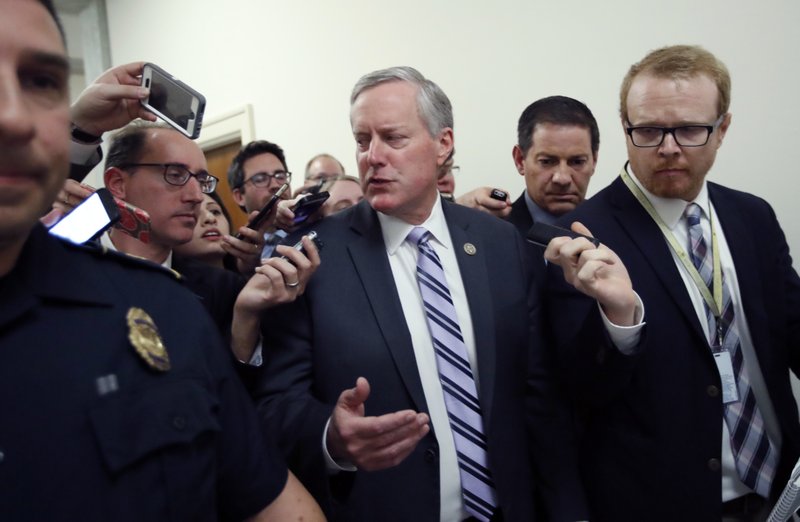
With control of the White House and Senate and a commanding majority in the House, Republicans were supposed to brush off any challenge from the hardline Freedom Caucus and work their will with impunity. But something happened on the way to governing. Now, House Republican leaders are struggling with the same divisions that plagued them under President Barack Obama. The House Freedom Caucus consists of about 30 of the most conservative members, many of whom were elected in the tea party wave of 2010 that surged in opposition to Obama’s Affordable Care Act. In their repeated challenges to GOP leadership, they helped drive former Rep. John Boehner from the speakership. Now they hold the fate of President Donald Trump‘s agenda in their hands. The House was scheduled to vote Thursday on a bill that would repeal and replace Obama’s health law. But House leaders delayed the vote because critics from the left and right were reluctant to support it. Some conservatives, including the Freedom Caucus, say the bill looks too much like Obama’s health law, with the federal government mandating the kinds of coverage that insurance companies must provide. More moderate Republicans are concerned that many of their constituents would lose coverage, and that older taxpayers would face higher premiums. The Freedom Caucus is headed by Rep. Mark Meadows, an affable Republican from North Carolina. After rejecting Trump’s latest offer on the bill, he pledged to work with the president to reach an agreement. “We’re committing to stay as long as it takes to get this done because the president has promised this to the people, we’ve promised it to the American people,” Meadows said. “So whether the vote is tonight, tomorrow or five days from here, the president will get a victory because I believe we all want to negotiate in good faith and deliver on the promise for the president.” If the Freedom Caucus falls in line, it can help hand Trump a major victory on health care, boosting the president’s standing to take on other tough issues. If it stands defiant, it can kill the Republican heath care bill while raising fundamental questions about the GOP’s ability to govern in Washington, even with a 237-193 House majority (there are five vacancies). If Republicans can’t agree on repealing and replacing a health care law they loathe, what can they agree on? “In my view this is the first real test of whether we’re a governing party — and it’s a pretty big test,” said Kevin Cramer, R-N.D., who supports the bill. The measure would repeal major parts of Obama’s health law, capping future funding for Medicaid and cutting tax increases for high-income families, health insurance companies and drug makers. The bill repeals tax credits that people can use to purchase health insurance and replaces them with a new tax credit that is less generous for most. Trump has taken the lead in lobbying the Freedom Caucus, inviting members to the White House multiple times this week. At a meeting Thursday, a White House official posted a picture on Twitter saying the Freedom Caucus gave Trump a standing ovation when he entered the room. One member of the caucus, Rep. Mo Brooks, R-Ala., isn’t likely to fall in line. He called the health bill “the biggest Republican welfare plan in the history of the party.” It’s not. That honor falls to the Medicare Part D prescription drug plan passed under President George W. Bush. Republished with permission of The Associated Press.
House sets risky health care vote after Donald Trump demands it
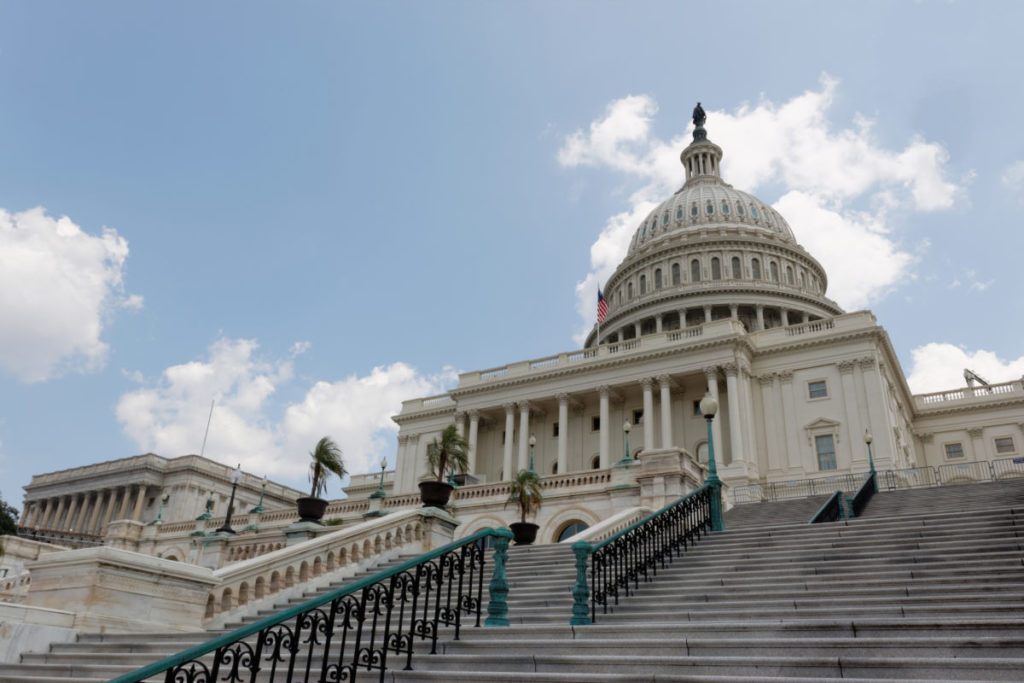
In a gamble with monumental political stakes, Republicans set course for a climactic House vote on their health care overhaul after President Donald Trump claimed he was finished negotiating with GOP holdouts and determined to pursue the rest of his agenda, win or lose. House Speaker Paul Ryan set the showdown for Friday, following a nighttime Capitol meeting at which top White House officials told GOP lawmakers that Trump had decided the time for talk was over. “We have been promising the American people that we will repeal and replace this broken law because it’s collapsing and it’s failing families. And tomorrow we’re proceeding,” Ryan tersely told reporters after scheduling what loomed as the most momentous vote to date for Trump and for the Wisconsin Republican’s own speakership. In an embarrassing and stinging setback hours earlier, leaders abruptly postponed the vote because a rebellion by conservatives and moderates would have doomed the measure. They’d hoped for a roll call Thursday, which marked the seventh anniversary of President Barack Obama‘s enactment of his landmark health care statute that Republicans have vowed ever since to annul. There was no evidence that leaders had nailed down sufficient support to prevail, nor that their decision to charge ahead was a feint and that they’d delay again if necessary. But they seemed to be calculating that at crunch time, enough dissidents would decide against sabotaging the bill, Trump’s young presidency and the House GOP leadership’s ability to set the agenda, with a single, crushing defeat. “The president has said he wants the vote tomorrow,” White House budget chief Mick Mulvaney told the lawmakers, according to Rep. Chris Collins, R-N.Y., a Trump ally. “If for any reason it goes down, we’re just going to move forward with additional parts of his agenda. This is our moment in time.” Even if they prevail, Republicans face an uphill climb in the Senate, where conservatives and moderates are also threatening to sink it. The GOP bill eliminates the Obama statute’s unpopular fines on those who do not obtain coverage and the often generous subsidies for those who purchase insurance. Instead, consumers would face a 30 percent premium penalty if they let coverage lapse. Republican tax credits would be based on age, not income. The bill would also end Obama’s Medicaid expansion and trim future federal financing for the federal-state program and let states impose work requirements on some of its 70 million beneficiaries. In a bid to coax support from conservatives, House leaders proposed a fresh amendment — to be voted on Friday — repealing Obama’s requirement that insurers cover 10 specified services like maternity and mental health care. Conservatives have demanded the removal of those and other conditions the law imposes on insurers, arguing they drive premiums skyward. Many moderates are opposed because they say the GOP bill would leave many voters uninsured. Medical associations, consumer groups and hospitals are opposed or voicing misgivings, and some Republican governors say the bill cuts Medicaid too deeply and would leave many low-income people uncovered. Republicans can lose only 22 votes in the face of united Democratic opposition. A tally by The Associated Press found at least 32 “no” votes, but the figure was subject to fluctuation amid frantic GOP lobbying. Rep. Mark Meadows, R-N.C., head of the hard-right House Freedom Caucus, said he remained a “no” but didn’t answer when asked whether the group still had enough votes to kill the legislation. He’d long said caucus opposition alone would defeat it without changes. One member of that group, Rep. Paul Gosar, R-Ariz., responded indirectly when asked if his opposition had changed. “Everybody asked us to take a moment and reflect. Well, we’ll reflect,” he said. Other foes said they’d not flipped. These included moderate Reps. Charlie Dent of Pennsylvania, Dan Donovan of New York and Leonard Lance of New Jersey, plus conservative Walter Jones of North Carolina, who had his own words of warning. “He’s there for three-and-a-half more years,” Jones said of Trump. “He better be careful. He’s got a lot of issues coming.” The nonpartisan Congressional Budget Office said changes Republican leaders had proposed before Thursday to win votes had cut the legislation’s deficit reduction by more than half, to $150 billion over the next decade. But it would still result in 24 million more uninsured people in a decade. Obama’s law increased coverage through subsidized private insurance for people who don’t have access to workplace plans, and a state option to expand Medicaid for low-income residents. More than 20 million people gained coverage since the law was passed in 2010. Many who purchase individual health insurance and make too much to qualify for the law’s tax credits have seen their premiums jump and their choices diminished. Republished with permission of The Associated Press.
White House, in gamble, demands make-or-break health vote
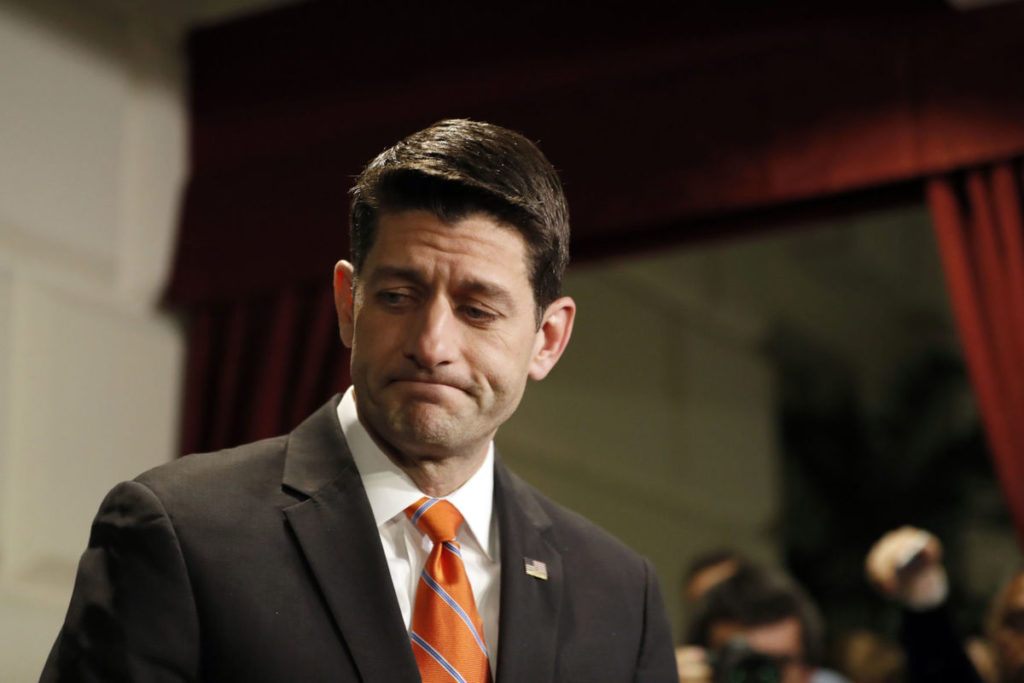
Abandoning negotiations, President Donald Trump demanded a make-or-break vote on health care legislation in the House, threatening to leave “Obamacare” in place and move on to other issues if Friday’s vote fails. The risky move, part gamble and part threat, was presented to GOP lawmakers behind closed doors Thursday night after a long and intense day that saw a planned vote on the health care bill scrapped as the legislation remained short of votes amid cascading negotiations among conservative lawmakers, moderates and others. At the end of it the president had had enough and was ready to vote and move on, whatever the result, Trump’s budget director Mick Mulvaney told lawmakers. “‘Negotiations are over, we’d like to vote tomorrow and let’s get this done for the American people.’ That was it,” Rep. Duncan Hunter of California said as he left the meeting, summarizing Mulvaney’s message to lawmakers. “Let’s vote,” White House chief strategist Steve Bannon said as he walked out. “For seven and a half years we have been promising the American people that we will repeal and replace this broken law because it’s collapsing and it’s failing families, and tomorrow we’re proceeding,” House Speaker Paul Ryan said, then walked off without answering as reporters demanded to know whether the bill had the votes to pass. The outcome of Friday’s vote was impossible to predict. Both conservative and moderate lawmakers had claimed the bill lacked votes after a long day of talks. But the White House appeared ready to gamble that the prospect of failing to repeal former President Barack Obama‘s health law, after seven years of promising to do exactly that, would force lawmakers into the “yes” column. “It’s done tomorrow. Or ‘Obamacare’ stays,” said Rep. Chris Collins, R-N.Y., a top Trump ally in the House. Collins was among those predicting success Friday, but others didn’t hide their anxiety about the outcome. Asked whether Republicans would be unified on Friday’s vote, freshman Rep Matt Gaetz of Florida said, “I sure hope so, or we’ll have the opportunity to watch a unified Democratic caucus impeach Donald Trump in two years when we lose the majority.” Thursday’s maneuvers added up to high drama on Capitol Hill, but Friday promised even more suspense with the prospect of leadership putting a major bill on the floor uncertain about whether it would pass or fail. The Republican legislation would halt Obama’s tax penalties against people who don’t buy coverage and cut the federal-state Medicaid program for low earners, which the Obama statute had expanded. It would provide tax credits to help people pay medical bills, though generally skimpier than Obama’s statute provides. It also would allow insurers to charge older Americans more and repeal tax boosts the law imposed on high-income people and health industry companies. The measure would also block federal payments to Planned Parenthood for a year, another stumbling block for GOP moderates. In a concession to the conservative House Freedom Caucus, many of whose members have withheld support, the legislation would repeal requirements for insurers to cover “essential health benefits” such as maternity care and substance abuse treatment. The drama unfolded seven years to the day after Obama signed his landmark law, an anniversary GOP leaders meant to celebrate with a vote to undo the divisive legislation. “Obamacare” gave birth to the tea party movement and helped Republicans win and keep control of Congress and then take the White House. Instead, as GOP leaders were forced to delay the vote Thursday, C-SPAN filled up the time playing footage of Obama signing the Affordable Care Act. “In the final analysis, this bill falls short,” GOP Rep. Jaime Herrera Beutler of Washington state said in a statement Thursday as she became the latest rank-and-file Republican, normally loyal to leadership, to declare her opposition. “The difficulties this bill would create for millions of children were left unaddressed,” she said, citing the unraveling of Medicaid. In a danger sign for Republicans, a Quinnipiac University poll found that people disapprove of the GOP legislation by 56 percent to 17 percent, with 26 percent undecided. Trump’s handling of health care was viewed unfavorably by 6 in 10. House Minority Leader Nancy Pelosi, D-Calif., who as speaker was Obama’s crucial lieutenant in passing the Democratic bill in the first place, couldn’t resist a dig at the GOP disarray. “You may be a great negotiator,” she said of Trump. “Rookie’s error for bringing this up on a day when clearly you’re not ready.” Obama declared in a statement that “America is stronger” because of the current law and said Democrats must make sure “any changes will make our health care system better, not worse for hardworking Americans.” Trump tweeted to supporters, “Go with our plan! Call your Rep & let them know.” Unlike Obama and Pelosi when they passed Obamacare, the Republicans had failed to build an outside constituency or coalition to support their bill. Instead, medical professionals, doctors and hospitals — major employers in some districts — as well as the AARP and other influential consumer groups were nearly unanimously opposed. So were outside conservative groups who argued the bill didn’t go far enough. The Chamber of Commerce was in favor. Moderates were given pause by projections of 24 million Americans losing coverage in a decade and higher out-of-pocket costs for many low-income and older people, as predicted by the nonpartisan Congressional Budget Office. In an updated analysis Thursday, the CBO said late changes to the bill meant to win over reluctant lawmakers would cut beneficial deficit reduction in half, while failing to cover more people. And, House members were mindful that the bill, even if passed by the House, faces a tough climb in the Senate. Republished with permission of The Associated Press.
Donald Trump says Michelle Obama’s ‘no hope’ comment about the past
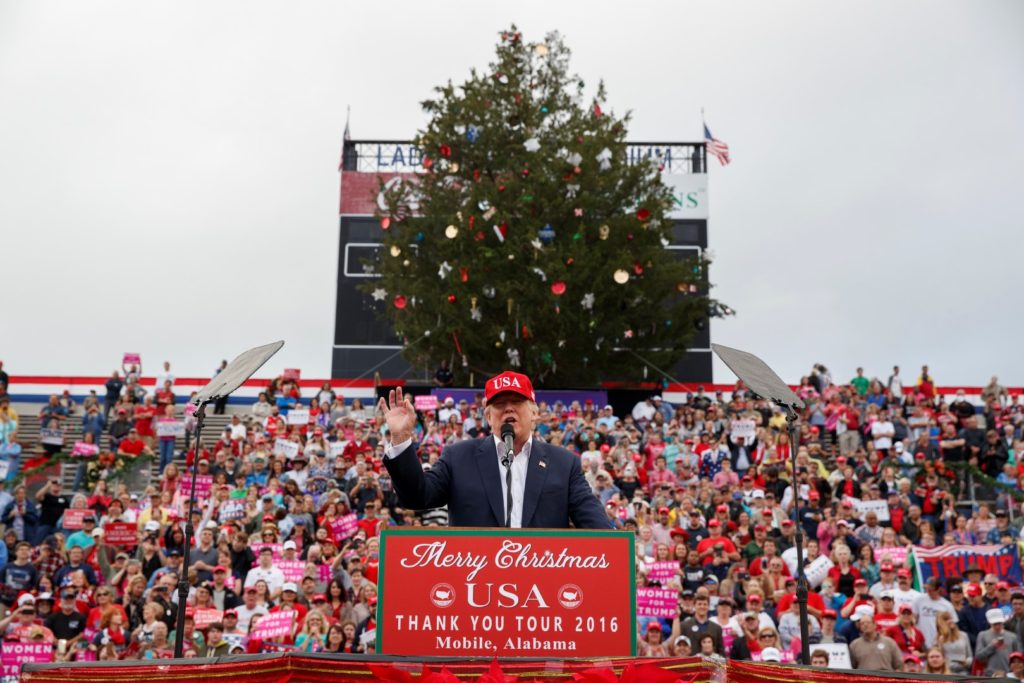
President-elect Donald Trump said first lady Michelle Obama “must have been talking about the past” when she said there’s no sense of hope after his election. Trump, speaking Saturday at the final rally of his postelection “thank you” tour, then resisted escalating the spat further, suggesting “she made that statement not meaning it the way it came out.” But as Trump praised the Obamas for treating him so nicely when he visited the White House shortly after the election, many in the Mobile, Alabama, crowd booed the first family. Michelle Obama, in an interview with Oprah Winfrey set to air Monday on CBS, said she was now certain that her husband’s victory had inspired people because “now we’re feeling what not having hope feels like.” “What do you give your kids if you can’t give them hope?” she added. Trump’s comments about Michelle and President Barack Obama was one of the few conciliatory notes he sounded during a victory tour in which he showed few signs of turning the page from his blustery campaign to focus on uniting a divided nation a month before his inauguration. At each stop, the Republican gloatingly recapped his election night triumph, reignited some old political feuds while starting some new ones, and did little to quiet the hate-filled chants of “Lock her up!” directed at Democratic rival Hillary Clinton. At the tour’s finale at the same football stadium in Mobile that hosted the biggest rally of his campaign, Trump saluted his supporters as true “patriots” and made little attempt to reach out to the more than half of the electorate that didn’t vote for him. “We are really the people who love this country,” said Trump. He reminisced about his campaign announcement and his ride down Trump Tower’s golden escalator. His disputed a newspaper’s account of the size of the crowd at one of his rallies and bashed the press as dishonest. And he joked that he had booked a small ballroom for his election night party so, if he lost, he “could get out!” He paid homage to the August 2015 rally in the same stadium that he said jump-started his campaign. Though the crowd was not as large on Saturday, it was no less fervid, repeatedly chanting “Build the wall!” when Trump renewed his vow to build an impenetrable border at the Mexican border. Trump brought his nominee for attorney general, Sen. Jeff Sessions of Alabama, up onstage to receive cheers from his hometown crowd. When Trump’s plane landed, he received a water cannon salute from a pair of fire trucks and was greeted by several Azalea Trail Maids, local women dressed in antebellum Southern Belle outfits. The raucous rallies, a hallmark of his campaign, are meant to salute supporters who lifted him to the presidency. But these appearances also have been his primary form of communication since the Nov. 8 election. Trump has eschewed the traditional news conference held by a president-elect within days of winning. He’s done few interviews, announced his Cabinet picks via news release and continues to rely on Twitter to broadcast his thoughts and make public pronouncements. That continued Saturday morning when Trump turned to social media to weigh in on China’s seizure of a U.S. Navy research drone from international waters, misspelling “unprecedented” when he wrote “China steals United States Navy research drone in international waters – rips it out of water and takes it to China in unpresidented act.” He later corrected the tweet. China said Saturday it intended to return the drone to the U.S. Within days of beating Clinton, Trump suggested to aides that he resume his campaign-style barnstorming. Though he agreed to hold off until he assembled part of his Cabinet, Trump has repeatedly spoken of his fondness for being on the road. Aides are considering more rallies after he takes office, to help press his agenda with the public – a possibility that Trump embraced from the stage Saturday. But Trump has also sounded some notes of unity on the tour. In Mobile, he acknowledged that “now the hard work begins” and ended with a plea for all Americans, including those who did not support him, to “never give up.” After the rally, Trump planned to return to Mar-a-Lago, his Palm Beach estate. Aides said the president-elect probably would spend Christmas week there and could stay until New Year’s. Earlier Saturday, he announced the nomination of South Carolina Rep. Mick Mulvaney to head the Office of Management and Budget, choosing a Tea Partyer and fiscal conservative with no experience assembling a government spending plan. Mulvaney, a founder of the hard-right House Freedom Caucus, has taken a hard line on budget matters, routinely voting against increasing the government’s borrowing cap and pressing for major cuts to benefit programs as the path to balancing the budget. Republished with permission of The Associated Press.
Tea Party conservatives block Congressional budget; Paul Ryan cites anxiety among voters
Tea party conservatives have blocked a budget plan backed by GOP leaders, a blow to House Speaker Paul Ryan and a reflection of the anti-Washington mood pushed by GOP front-runner Donald Trump. The move by the House Freedom Caucus, the same band of conservatives that toppled his predecessor, would mean that the House would fail to pass a budget for the first time since Republicans reclaimed control of the chamber in 2011. Ryan cited “all of the anxiety that’s coming to a crescendo in this country” for the reluctance of conservatives to endorse the leadership-backed budget plan. “We’re the body of government that’s closest to the people. We’re up for election every other year,” said Ryan, R-Wis. “And there’s just a lot of anxiety that’s out there.” The Freedom Caucus announced Monday night that it won’t support the budget measure, which was released Tuesday by Budget Committee Chairman Tom Price. The move by the bloc of 40 or so conservatives leaves the GOP budget well short of the votes required to pass it and reflects enduring opposition from tea party lawmakers over higher spending levels permitted by last year’s bipartisan budget and debt deal. Price is nonetheless pressing ahead with a panel vote Wednesday on the 10-year measure, which relies on huge spending cuts – $6.5 trillion over the coming decade – to demonstrate that the budget can be balanced. “Surrendering to the status quo or failing to act boldly will mean Americans today and in the future will have less opportunity and less security,” Price said in a statement. “It is a plan to balance the budget through commonsense reforms and greater economic growth; to create a healthier economy, more secure nation, and a more accountable Washington.” But as in past years, GOP leaders have no plans to implement the severe cuts recommended by nonbinding blueprint. Instead, the main goal of the budget moves is to set in motion the annual appropriations process, in which the 12 spending bills that set agency operating budgets are produced. That’s the $1.1 trillion “discretionary” portion of the $4 trillion-plus federal budget that is passed by Congress each year. Conservatives are sharply opposed to last year’s budget deal, which provided an additional $46 billion or so for higher budgets this year for the Pentagon and domestic agencies, easing cuts opposed by both GOP defense hawks and Democrats, who demanded more money for domestic programs. GOP-led committees are moving ahead with a more modest series of spending cuts. Republished with permission of the Associated Press.
Prospective speakers multiply in House as all wait on Paul Ryan
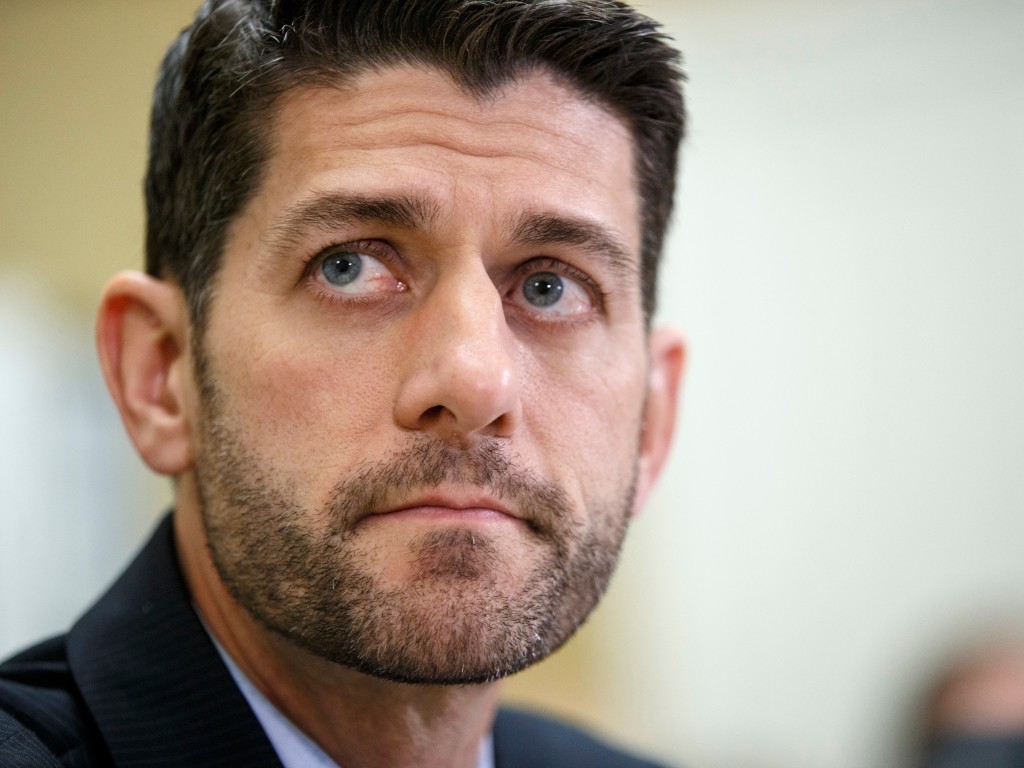
Every day another Republican lawmaker seems to wake up and decide that he – and in at least one case, she – might make a pretty good speaker of the House. The profusion of potential candidates, now approaching double digits, is happening even with all attention focused on Wisconsin Rep. Paul Ryan, the former GOP vice presidential nominee widely seen as the best person for the job. Ryan, who has made clear he does not want to be speaker, is home in Janesville, Wisconsin, thinking it over anyway under pressure from top party leaders. And with Congress out of session for a weeklong recess, Capitol Hill has fallen quiet after a series of wild days during which Speaker John Boehner shocked the House by announcing his planned resignation, and Boehner’s heir apparent, Majority Leader Kevin McCarthy, abruptly took himself out of the running. The stunning developments left a leadership vacuum at the pinnacle of Congress. Now into it are stepping a growing number of Republican lawmakers from around the country, some relative newcomers, others with experience to point to, united by a chance to lunge at the once-in-a-lifetime opportunity to become speaker of the U.S. House, second-in-line to the presidency. Why any of them would want a job that defeated the current occupant and scared off his No. 2 is another question. The daunting rift between establishment-minded lawmakers and the hard-line conservatives who pushed Boehner to the exits shows no sign of dissipating, and threatens to complicate life for whoever next occupies the speaker’s chair. Congress also faces a series of formidable tasks over the next several months, including increasing the federal borrowing limit to avoid a default and paying the government’s bills to stave off a shutdown. Nevertheless, the wannabe speakers are multiplying. “I am humbled to have my name mentioned as a potential candidate, and I am considering the pursuit of the speakership in response to those requests,” Rep. Bill Flores, R-Texas, wrote in a letter to fellow House members Wednesday. “If we all spend enough time on our knees praying for each other, we can heal our divisions and truly work together to restore America to the ‘Shining City on a Hill’ that President Reagan challenged us to become.” Rep. Mike Pompeo, R-Kansas, released a statement observing: “I know every member of the House is looking for the right person. If I can serve the American people and the conservative movement in any way, sign me up. However, a couple weeks ago I was floated as a presidential candidate, so I might be pretty busy.” And a freshman congressman from Montana, Ryan Zinke, got into the action. “We’re looking at it. Our phones are ringing off the hook because I think America wants something different,” Zinke said. “I haven’t decided, but what I have decided is that Congress better do our duty and defend our values of this country.” Several of the lawmakers sought to make clear that they were being urged by their fellow Republicans to run for speaker; not doing so out of their own ambitions. And several also took pains to make clear that they would run only if Ryan does not. “We are all hopeful that Paul is going to say that he would appreciate the opportunity to serve as speaker,” said Rep. Marsha Blackburn of Tennessee, adding that she’s been encouraged by colleagues to look at the job. “It is going to take a listening ear and a steady head to walk our conference through some of these issues,” she said. Others who’ve suggested their interest in the speakership, or contacted fellow lawmakers to sound them out, include GOP Reps. Michael McCaul and Michael Conaway of Texas, Lynn Westmoreland of Georgia, and Darrell Issa of California. Reps. Daniel Webster of Florida and Jason Chaffetz of Utah were running against McCarthy before he dropped out, and remain in the race. Still others, such as Rep. Matt Salmon of Arizona, have seen their names pushed by outside groups seeking new leadership for the House GOP. “These are all really, really, good people, and I think if they could convince the conference that they would run the conference in a way that’s more member-oriented, many of them could be good speakers,” GOP Rep. Mick Mulvaney of South Carolina, a founding member of the hard-line House Freedom Caucus, said in an interview after several potential candidates contacted him to gauge support. Although Ryan would be the prohibitive favorite for the job if he does seek it, Mulvaney and others disputed arguments that he’s the only one who could unite the House GOP. Ryan, an expert on budgetary matters who chairs the tax-writing Ways and Means Committee chairman, is already drawing criticism from some on the right for his support for comprehensive immigration legislation and government bailouts. “I like him and I respect him, and I think there are a number of directions he might take us that I don’t want to go, and immigration is one of those,” said Rep. Steve King, R-Iowa. “I don’t think he would be one who would transform (the House) and turn it into a membership-driven organization and I think this is our one chance to do that.” Republished with permission of the Associated Press.
