
Martha Roby: Creating and protecting new ideas
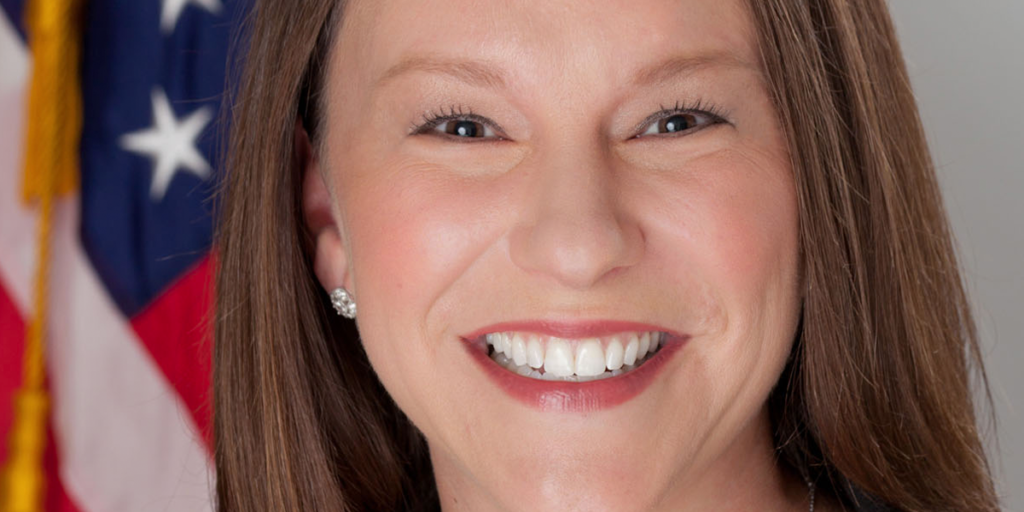
Congresswoman Martha Roby discusses the state of intellectual property protections in the United States.
Fiery disagreements as Donald Trump impeachment hearing opens
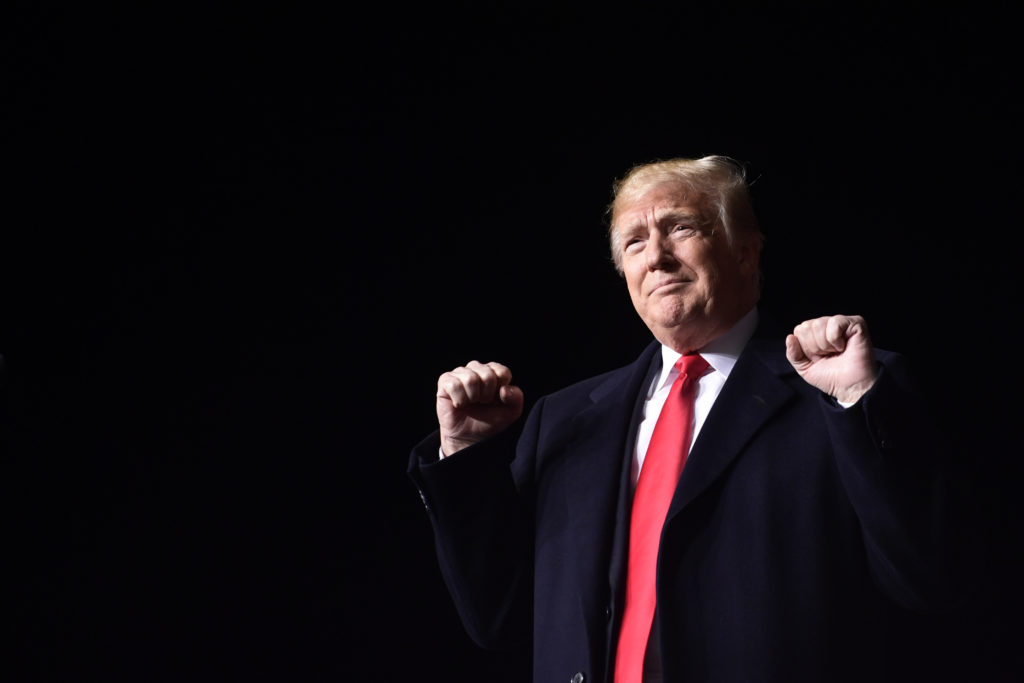
The House Judiciary Committee’s first impeachment hearing quickly burst into partisan infighting Wednesday as Democrats charged that President Donald Trump must be removed from office for enlisting foreign interference in U.S. elections and Republicans angrily retorted there were no grounds for such drastic action. The panel responsible for drafting articles of impeachment convened as Trump’s team was fanning out across Capitol Hill. Vice President Mike Pence met behind closed doors with House Republicans, and Senate Republicans were to huddle with the White House counsel as GOP lawmakers stand with the president and Democrats charge headlong into what has become a one-party drive to impeach him. Chairman Jerrold Nadler, Democrat-New York, gaveled open the hearing saying, “’The facts before us are undisputed.” Nadler said Trump’s phone call with Ukraine’s president last July wasn’t the first time Trump sought a foreign power to influence American elections, after Russian interference in 2016, and if left unchecked he could do again in next year’s campaign. “We cannot wait for the election to address the present crisis,” Nadler said. “The president has shown us his pattern of conduct. If we do not act to hold him in check, now, President Trump will almost certainly try again to solicit interference in the election for his personal political gain.” Republicans protested the proceedings as unfair to the president, the dredging up of unfounded allegations as part of an effort to undo the 2016 election and remove Trump from office. “You just don’t like the guy,” said Rep. Doug Collins of Georgia, the top Republican on the panel. He called the proceedings a “disgrace” and a “sham.” Several Republicans immediately objected to the process, interjecting procedural questions, and they planned to spend much of the session interrupting, delaying and questioning the rules. House Speaker Nancy Pelosi said Democrats “haven’t made a decision” yet on whether there will be a vote on impeachment. She also meeting privately with the Democratic caucus. But a vote by Christmas appears increasingly likely with the release of a 300-page report by Democrats on the House Intelligence Committee that found “serious misconduct” by the president. Intelligence Committee Chairman Adam Schiff, Democrat-California, told The Associated Press. “Americans need to understand that this president is putting his personal political interests above theirs. And that it’s endangering the country.” The Judiciary Committee heard Wednesday from legal experts, delving particularly into the issue of whether Trump’s actions stemming from the July 25 phone call with Ukraine’s president rose to the constitutional level of “bribery” or “high crimes and misdemeanors” warranting impeachment. The report laid out evidence that the Democrats say shows Trump’s efforts to seek foreign intervention in the U.S. election and then obstruct the House’s investigation. Trump told reporters in London, where he was attending a NATO meeting, that he doubted many people would watch the live hearing “because it’s going to be boring.” Trump did phone in to the House GOP’s morning meeting with Pence to talk with House Minority Leader Kevin McCarthy. The California Republican said impeachment didn’t come up. “The unity has been very positive,” he said. New telephone call records released with the report deepen Trump lawyer Rudy Giuliani’s known involvement in what House investigators called the “scheme” to use the president’s office for personal political gain by enlisting a foreign power, Ukraine, to investigate Democrats including Joe Biden, and intervene in the American election process. Trump told reporters he really doesn’t know why Giuliani was calling the White House’s Office of Management and Budget, which was withholding $400 million in military aid to the ally confronting an aggressive Russia at its border. “’You have to ask him,” Trump said. “Sounds like something that’s not so complicated. … No big deal.” At the hearing, the three legal experts called by Democrats backed impeachment. Noah Feldman, a Harvard Law School professor, said he considered it clear that the president’s conduct met the definition of “high crimes and misdemeanors/” Pamela Karlan, a Stanford Law School professor and former Obama administration Justice Department official, said the president’s action constituted an especially serious abuse of power “because it undermines democracy itself.” Republican witness Jonathan Turley, a law professor at George Washington University, said that the Democrats were bringing a “slipshod impeachment” case against the president, but he didn’t excuse the president’s behavior. “It is not wrong because President Trump is right,” according to Turley. “A case for impeachment could be made, but it cannot be made on this record,” he said. The political risks are high for all parties as the House presses only the fourth presidential impeachment inquiry in U.S. history. Based on two months of investigation sparked by a still-anonymous government whistleblower’s complaint, the Intelligence Committee’s Trump-Ukraine Impeachment Inquiry Report relies heavily on testimony from current and former U.S. officials who defied White House orders not to appear. The inquiry found that Trump “solicited the interference of a foreign government, Ukraine, to benefit his reelection,” Schiff wrote in the report’s preface. In doing so, the president “sought to undermine the integrity of the U.S. presidential election process, and endangered U.S. national security,” the report said. When Congress began investigating, it added, Trump obstructed the investigation like no other president in history. Along with revelations from earlier testimony, the new phone records raised fresh questions about Giuliani’s interactions with the top Republican on the intelligence panel, Rep. Devin Nunes of California. Nunes declined to comment. Schiff said his panel would continue its probe. Republicans defended the president in a 123-page rebuttal claiming Trump never intended to pressure Ukraine when he asked for a “favor” — investigations of Democrats and Biden and his son. They say the military aid the White House was withholding was not being used as leverage, as Democrats claim — and besides, the $400 million was ultimately released, although only after a congressional outcry. For Republicans falling in line behind Trump, the inquiry is simply a “hoax.” Trump criticized the House for pushing forward with the proceedings while he was overseas, a breach of political decorum that traditionally leaves partisan
House panel to vote on Ukraine report as Donald Trump mulls defense
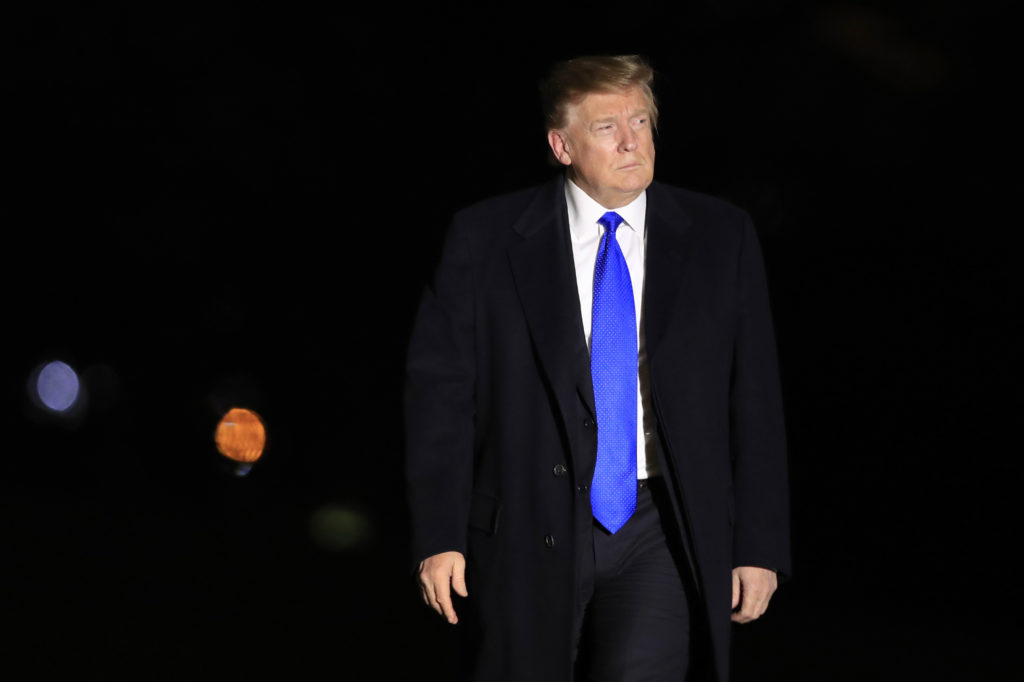
The House impeachment inquiry enters a pivotal stage this week, with investigators planning a vote Tuesday to approve their report making the case for President Donald Trump’s removal from office as he decides whether to mount a defense before a likely Senate trial. A draft report will be available for members of the House Intelligence Committee to view in a secure location before their planned vote on Tuesday, which would send their findings to the House Judiciary Committee to consider actual charges. Majority Democrats say the report will speak for itself in laying out possible charges of bribery or “high crimes and misdemeanors,” the constitutional standard for impeachment. Republicans want Democratic Rep. Adam Schiff, chairman of the Intelligence Committee, to testify, though they have no power to compel him to do so, as they try to cast the Democratic-led inquiry as skewed against the Republican president. “If he chooses not to (testify), then I really question his veracity in what he’s putting in his report,” said Rep. Doug Collins, the top Republican on the Judiciary Committee. “It’s easy to hide behind a report,” Collins added. “But it’s going to be another thing to actually get up and have to answer questions.” Schiff has said “there’s nothing for me to testify about,” that he isn’t a “fact” witness and that Republicans are only trying to “mollify the president, and that’s not a good reason to try to call a member of Congress as a witness.” Coming after two weeks of public testimony, the findings of the House Intelligence Committee report are not yet publicly known. But the report is expected to mostly focus on whether Trump abused his office by withholding military aid approved by Congress as he pressed Ukrainian President Volodymyr Zelenskiy to launch investigations into Trump’s political rivals. Democrats also are expected to include an article on obstruction of Congress that outlines Trump’s instructions to officials in his administration to defy subpoenas for documents or testimony. Democrats are aiming for a final House vote by Christmas, which would set the stage for a likely Senate trial in January. “I do believe that all evidence certainly will be included in that report so the Judiciary Committee can make the necessary decisions that they need to,” said Rep. Val Demings, Democrat – Florida, a member of both the Intelligence and Judiciary committees. She said Democrats had not yet finalized witnesses for the upcoming Judiciary hearings and were waiting to hear back from Trump on his plans to present a defense. “If he has not done anything wrong, we’re certainly anxious to hear his explanation of that,” Demings said. The Judiciary Committee’s first hearing is Wednesday. It’s expected to feature four legal experts who will examine questions of constitutional grounds as the committee decides whether to write articles of impeachment against Trump, and if so, what those articles will be. After weeks of deriding the process as a sham, Trump has yet to say whether he or his attorneys will participate in the Judiciary hearings. He’s previously suggested that he might be willing to offer written testimony under certain conditions. “The Democrats are holding the most ridiculous Impeachment hearings in history. Read the Transcripts, NOTHING was done or said wrong!” Trump tweeted Saturday, before falling silent on Twitter for much of Sunday. It’s unlikely that the president himself would attend on Wednesday, as Trump is scheduled to be at a summit with NATO allies outside London. The Judiciary Committee gave the White House until Sunday evening to decide whether Trump or his attorneys would attend. Trump must then decide by Friday whether he would take advantage of due process protections afforded to him under House rules adopted in October for follow-up hearings, including the right to request witness testimony and to cross-examine the witnesses called by the House. “Why would they want to participate in just another rerun?” asked Collins, noting that the Judiciary Committee previously heard from constitutional scholars on impeachable offenses during special counsel Robert Mueller’s Russia investigation. “This is a complete American waste of time of here,” Collins said, who is calling on the committee chairman, Rep. Jerrold Nadler, Democrat – New York, to expand the witness list to include those sought by Republicans. “This is why this is a problematic exercise and simply a made-for-TV event coming on Wednesday.” Still, Republican Rep. Tom McClintock of California, a Judiciary Committee member, said he believes Trump would benefit if he presents his own defense. “I think it would be to the president’s advantage to have his attorneys there. That’s his right,” he said. McClintock said he doesn’t believe Trump did anything wrong in the July 25 call with Zelenskiy that is at the heart of the investigation. “He didn’t use the delicate language of diplomacy in that conversation, that’s true. He also doesn’t use the smarmy talk of politicians,” McClintock said. To McClintock, Trump was using “the blunt talk of a Manhattan businessman” and “was entirely within his constitutional authority” in his dealings with Ukraine’s leader. Collins appeared on “Fox News Sunday” and Demings and McClintock were on ABC’s “This Week.” By Hope Yen Associated Press. Republished with the Permission of the Associated Press.
Democrats prep for open hearings, seek John Bolton testimony
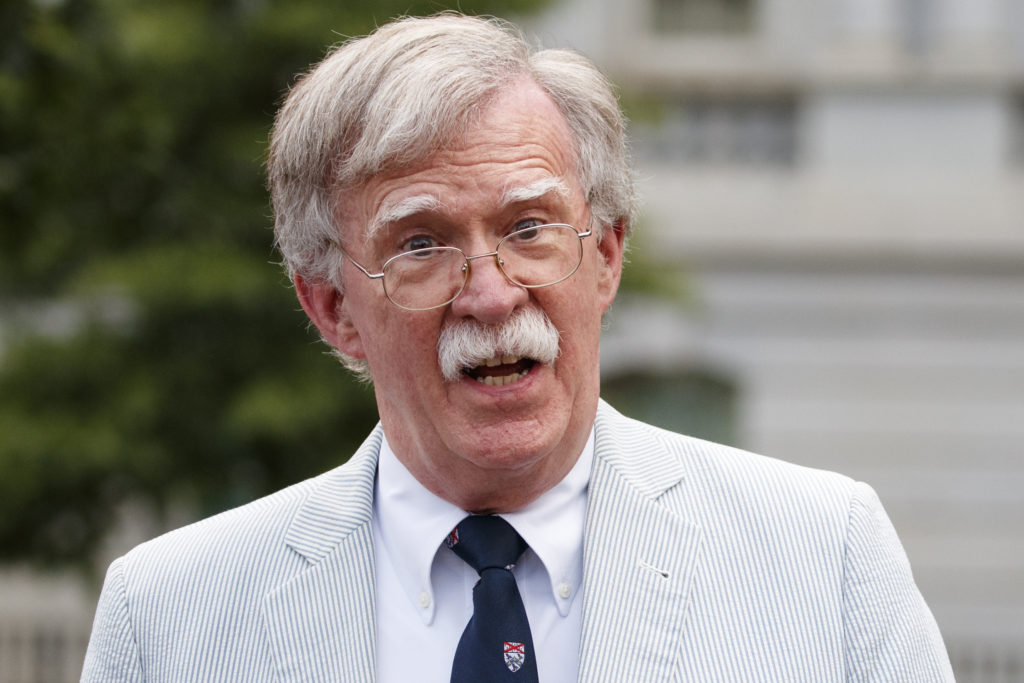
For only the fourth time in U.S. history, the House of Representatives has started a presidential impeachment inquiry. House committees are trying to determine whether President Donald Trump violated his oath of office by asking Ukraine to investigate political rival Joe Biden and his family, and to investigate the country’s involvement in the 2016 U.S. presidential election. A quick summary of the latest news and what’s to come: MOVING INTO PUBLIC VIEW The chairman of the House Intelligence Committee, Rep. Adam Schiff, told The Associated Press on Friday that the three committees leading the impeachment investigation plan to begin releasing transcripts of closed-door interviews as soon as early this week. The committees have interviewed current and former officials from the State Department and White House who have expressed concerns about Trump’s efforts to urge Ukraine to investigate Biden and his family. California Rep. Jackie Speier, a Democratic member of the Intelligence Committee, told CBS’ “Face the Nation” on Sunday that she expects one more week of closed-door interviews before committees move into open hearings. It’s so far unclear who will be asked to testify or how many hearings will be held. Leaders of the investigation say the hearings will be crucial to explain their inquiry to the American people. Schiff, Democrat-California said he hopes the testimony will eventually show “what the president did, why his misconduct is so serious” and how the “machinery of government” was pressed to help Trump influence the 2020 election. THE WHISTLEBLOWER A lawyer for the whistleblower who raised alarms about Trump’s dealings with Ukraine says his client has offered to answer written questions submitted by House Republicans.The surprise offer was made to Rep. Devin Nunes, the top Republican on the House Intelligence Committee. It would allow Republicans to ask questions of the whistleblower, who spurred the Democratic-led impeachment inquiry, without having to go through Schiff.Attorney Mark Zaid tweeted Sunday that the whistleblower would answer questions directly from Republican members “in writing, under oath & penalty of perjury,” part of a bid to stem escalating efforts by Trump and his GOP allies to unmask the person’s identity. Only queries seeking the person’s identity won’t be answered, he said. Nunes hasn’t commented on the proposal. Rep. Jim Jordan, an Ohio Republican and member of the House Judiciary Committee who has been highly critical of the impeachment process, said in a statement that written answers wouldn’t be sufficient to probe and cross-examine the whistleblower. The whistleblower raised concerns about Trump’s July 25 call with Ukrainian President Volodymyr Zelenskiy, in which he pressed Zelenskiy to investigate Trump’s political rivals. MORE BEHIND CLOSED DOORS As they prepare to go public, impeachment investigators are continuing to schedule private depositions. Democrats have called in 11 witnesses this week, including Energy Secretary Rick Perry and former national security adviser John Bolton. It’s unclear whether any of them will come to Capitol Hill. Perry is the first member of Trump’s Cabinet asked to appear before the House. His testimony is scheduled for Wednesday, according to an official working on the impeachment inquiry who spoke wasn’t authorized to publicly discuss the planning and spoke on condition of anonymity. Energy Department spokeswoman Shaylyn Hynes indicated Friday that Perry would not appear for the closed-door hearing but would consider testifying in a public session.On Bolton, Schiff said he “has very important information about the president’s misconduct that the American people should hear.” Other witnesses in the inquiry have described Bolton’s concerns as Trump urged the Ukrainian investigations. The committees have invited Bolton to appear Thursday but not issued a subpoena for his testimony. Trump says he’s not going to insist that Bolton not testify. Bolton’s lawyer has said he will not appear without a subpoena. “It’s up to him and it’s up to the lawyers,” Trump told reporters. The committees also have scheduled and subpoenaed other witnesses from the White House and State Department. They include David Hale, an undersecretary at the State Department who has been mentioned in previous testimony. Key witnesses last week included Alexander Vindman and Tim Morrison of the National Security Council. Morrison, who stepped down the day before his testimony, confirmed that military aid to Ukraine was held up by Trump’s demands for the investigations. But Morrison testified that there was nothing illegal, in his view, about the quid pro quo at the center of the impeachment inquiry. Vindman testified that he had raised concerns about Trump’s pleas. COURT BATTLES Democrats are also fighting impeachment battles in court, though they have indicated that they don’t want to delay the investigation as those cases proceed. One witness called by Democrats, former National Security Council deputy Charles Kupperman, has asked a judge to decide whether he must appear before Congress. Trump has said his administration will not cooperate, and Kupperman has said he is caught between the two. Kupperman’s lawyer, Charles Cooper, is also Bolton’s lawyer. He said Bolton could be added to the case. Republished with the permission of the Associated Press.
Impeachment watch: Nearly half of house democrats support inquiry
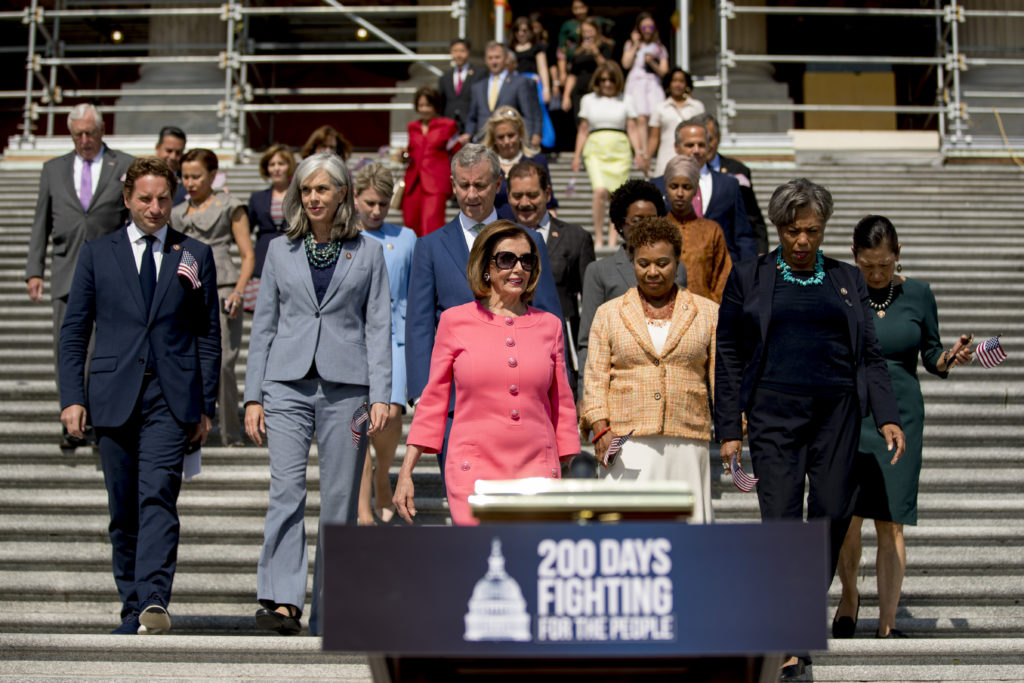
Nearly half the House Democrats now support an impeachment inquiry of President Donald Trump — a milestone but still probably not enough to push Speaker Nancy Pelosi to launch proceedings. A tally by The Associated Press on Wednesday showed 114 Democrats in the House, and one Republican-turned independent, are now publicly backing an inquiry, a notable spike in the days since special counsel Robert Mueller testified on Capitol Hill. Some two dozen House Democrats, and two top senators, added their names after Mueller’s public appearance last week. The numbers also show the limits. Even with half the Democrats favoring impeachment efforts, it’s not seen by leadership as a working majority for quick action. Pelosi, who needs at least a 218-vote majority to pass most legislation in the House, has been unwilling to move toward impeachment without a groundswell of support — both on and off Capitol Hill. “The dynamics have shifted,” said Kevin Mack, the lead strategist at Need to Impeach, a group funded by Tom Steyer, who’s now a Democratic presidential contender and stepped down from the organization. “It’s time to get it started. It’s not enough to keep kicking the can down the road, running out the clock.” For Democrats who won control of the House, partly on the promise of providing a checks-and-balance on the Trump administration, the weeks ahead will be pivotal as lawmakers hear from voters during the August recess and attention turns toward the 2020 election.Outside groups have struggled to make inroads with the House, despite tens of thousands of phone calls and office visits pushing lawmakers to act more urgently. Steyer’s group and another founded by activist Sean Eldridge have been key advocates for impeachment. But it’s taken longer than expected to reach this benchmark, some say. Their work may become more daunting ahead of the primary elections if Democrats are reluctant to take greater strides toward impeachment. Still, what’s striking about the growing list of House Democrats who support some sort of impeachment inquiry is as much the names as the numbers. This week, Rep. Eliot Engel of New York, the chairman of the Foreign Affairs Committee, became the ninth to call for impeachment inquiry — almost half of the House’s committee chairmen now on record in favor. Engel said the president’s “repeated abuses have brought American democracy to a perilous crossroads.” His committee is among those investigating Trump’s business dealings and ties to Russia – and running into obstruction by the administration that some say are grounds for impeachment. Also joining the list in the immediate aftermath of Mueller’s testimony was a top party leader, Rep. Katherine Clark, Democrat-Massachusetts, the vice chair of the Democratic caucus, who said the House has been met with “unprecedented stonewalling and obstruction” by the Trump administration. “That is why I believe we need to open an impeachment inquiry that will provide us a more formal way to fully uncover the facts,” she said. Two top Democratic senators, Patty Murray of Washington and Debbie Stabenow of Michigan, the third and fourth-ranking members of leadership, also announced their support for a House impeachment inquiry. Republican-turned independent Rep. Justin Amash of Michigan announced his support for impeachment shortly after he said he read Mueller’s findings about Russian interference in the 2016 election and the Trump administration’s response. Mueller’s testimony was supposed to be a game changer, his appearance months in the making since the April release of his 448-page report. But the 74-year-old Mueller’s halting testimony and one-word answers left a mixed result. Pelosi swiftly assembled lawmakers behind closed doors the evening after Mueller testified. The speaker has held Democrats in line on her strategy, with many deferring to her leadership. Pelosi’s only counsel was that if they needed to speak in favor of impeachment, they should not to turn it into a moral ultimatum. It was a signal that Democrats should not badmouth lawmakers who were still reluctant to call for an inquiry, according a person familiar with the private session and granted anonymity to discuss it. While the speaker called Mueller’s appearance “a crossing of a threshold,” she also quickly pivoted to the House’s legal action against the White House, saying Democrats are building the case that Trump is obstructing their ability to conduct oversight of the executive branch. “We still have some outstanding matters in the courts,” Pelosi said. She reminded that the Watergate case burst open after the House sued for access to audio tapes Richard Nixon made in the White House. “We want to have the strongest possible case to make a decision as to what path we will go down and that is not endless, in terms of time, or endless in terms of the information that we want,” she said. Yet the House Judiciary Committee has yet to file a lawsuit on one of their next priorities — enforcing a subpoena against Donald McGahn. That filing could come as soon as this week, but the process could take several months, pushing the impeachment timeline closer to the end of the year and the presidential primaries. The former White House counsel is among long list of administration officials who have refused to testify or provide documents to the panel under orders from Trump. The suit would challenge White House claims that such officials have “absolute immunity” from such testimony. In a separate case, the committee is in court trying to obtain secret grand jury information underlying Mueller’s report. In a court filing Wednesday, the committee and the Justice Department agreed to next steps in that matter by the end of September, pushing any resolution until October. Pelosi is of the mindset that impeachment should not be done for political reasons, or not done for political reasons, as she pursues a step-by-step case. In many ways, she is protecting those lawmakers who joined the House from districts Trump creating the House majority, from having to make tough choices on impeachment. But critics say Pelosi is depriving Democrats of a clear vote on
House republicans vow tough questions for Robert Mueller at hearing
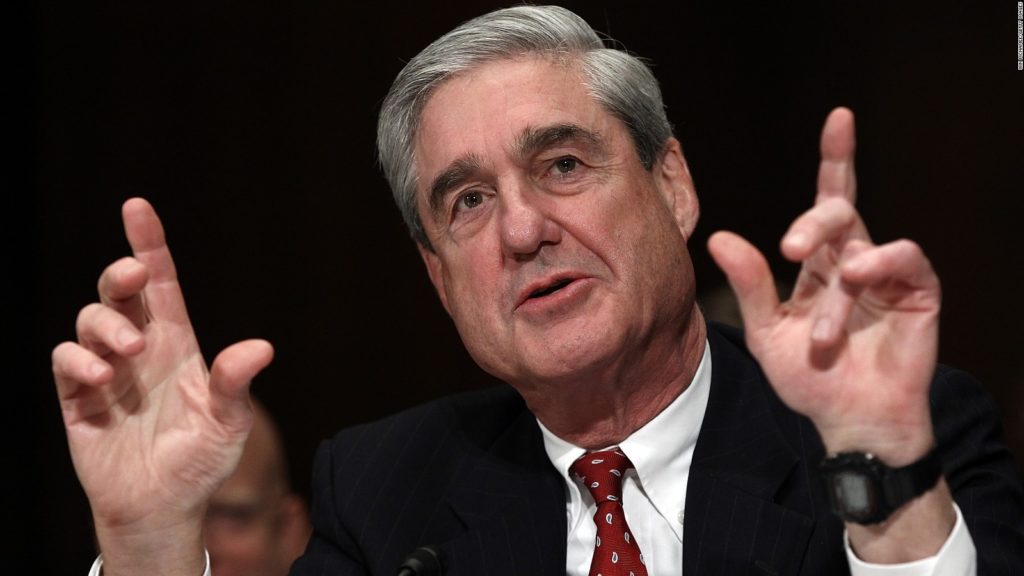
House Republicans are pledging tough questioning of special counsel Robert Mueller when he testifies before Congress this week as Democrats plan to air evidence of wrongdoing by President Donald Trump in a potentially last-ditch bid to impeach him. Rep. Doug Collins, the top Republican on House Judiciary Committee, said the American public is growing weary of the Russia investigation three months after the release of the special counsel’s 448-page report and that “any thought of impeachment is waning.” He said Republicans will be focused on making clear that the report represents a “final episode” in the Russia probe, which he described as flawed. “Remember, the Mueller report is a one-sided report,” Collins said. “It has not been questioned from the other side. This is our chance to do that.” Days before back-to-back hearings Wednesday, both sides seemed to agree that Mueller’s testimony could be pivotal in shifting public opinion on the question of “holding the president accountable.” “This is a president who has violated the law 6 ways from Sunday,” said New York Rep. Jerrold Nadler, chairman of the Judiciary Committee. He argued that Mueller’s report lays out “very substantial evidence” that Trump is guilty of “high crimes and misdemeanors,” the constitutional standard for impeachment. “We have to present — or let Mueller present — those facts to the American people … because the administration must be held accountable and no president can be above the law,” Nadler said. The House Judiciary Committee and the House Intelligence Committee will question Mueller in separate hearings on the report. While the report did not find sufficient evidence to establish charges of criminal conspiracy between the Trump campaign and Russia to swing the election, it said Trump could not be cleared of trying to obstruct the investigation . But Mueller believed Trump couldn’t be indicted in part because of a Justice Department opinion against prosecuting a sitting president. Mueller has said he doesn’t intend to speak beyond the findings of the report in congressional hearings. Still, Democrats on the Judiciary Committee plan to focus on a narrow set of episodes laid out in the report to direct Americans’ attention to what they see as the most egregious examples of Trump’s conduct, which point to obstruction of justice. The examples include Trump’s directions to then-White House counsel Donald McGahn to have Mueller removed and, later, orders from Trump to McGahn to deny that happened. Democrats also will focus questioning on a series of meetings Trump had with former campaign manager Corey Lewandowski in which the Republican president directed Lewandowski to persuade then-Attorney General Jeff Sessions to limit Mueller’s investigation. Collins, meanwhile, said Republicans will focus in part on the origins of the Russia investigation, which Trump has long derided as a political “witch hunt” as well as evidence they see of potential bias in the FBI’s handling of the probe. “There’s going to be a lot of questions for what he did say, what he didn’t say, and how this thing started,” he said, referring to Mueller. “This is the time that the Democrats have got to show on their end how much time they have been wasting of our committee and how we have not been getting things done because they simply don’t like this president, who was elected by the people in 2016, and they’re just trying to derail him for 2020.” Mueller’s appearance comes more than two years since the start of the Russia investigation, an extraordinary moment in Trump’s presidency when, after Trump had fired FBI Director James Comey, his Justice Department appointed Mueller to take over the inquiry into election interference and the potential role that Trump and his winning 2016 campaign may have played. While Mueller’s testimony was once envisioned as a crystalizing event, a Watergate-style moment to uncover truths, public attention has drifted in the months since the report was released. “We want Bob Mueller to bring it to life, to talk about what’s in that report,” said Rep. Adam Schiff, Democrat-California, Chairman of the House Intelligence Committee. “It’s a pretty damning set of facts that involve a presidential campaign in a close race welcoming help from a hostile foreign power, not reporting it but eagerly embracing it, building it into their campaign strategy, lying about it to cover up, then obstructing an investigation into foreign interference again to try to cover up.” Intelligence committee aides have said they believe the public has received a slanted view of what Mueller found on the question of criminal conspiracy because of Trump’s repeated claims of “no collusion,” and because the details of Russia’s interference in the election — and the outreach to the Trump campaign — haven’t gotten enough attention. “Who better to bring them to life than the man who did the investigation himself?” Schiff asked. Nadler said he’s not worried that Republicans might seek to attack the credibility of the Russia investigation and says he hopes to take cues from the public after the hearing about “where we go from here.” “We hope it won’t end up being a dud,” he said. Nadler spoke on “Fox News Sunday,” Schiff appeared on CBS’ “Face the Nation” and Collins was on Fox News Channel’s “Sunday Morning Futures.” By Hope Yen Associated Press Associated Press writer Mary Clare Jalonick contributed to this report. Republished with permission of the Associated Press.
Hope Hicks rebuffs questions on Donald Trump White House in interview
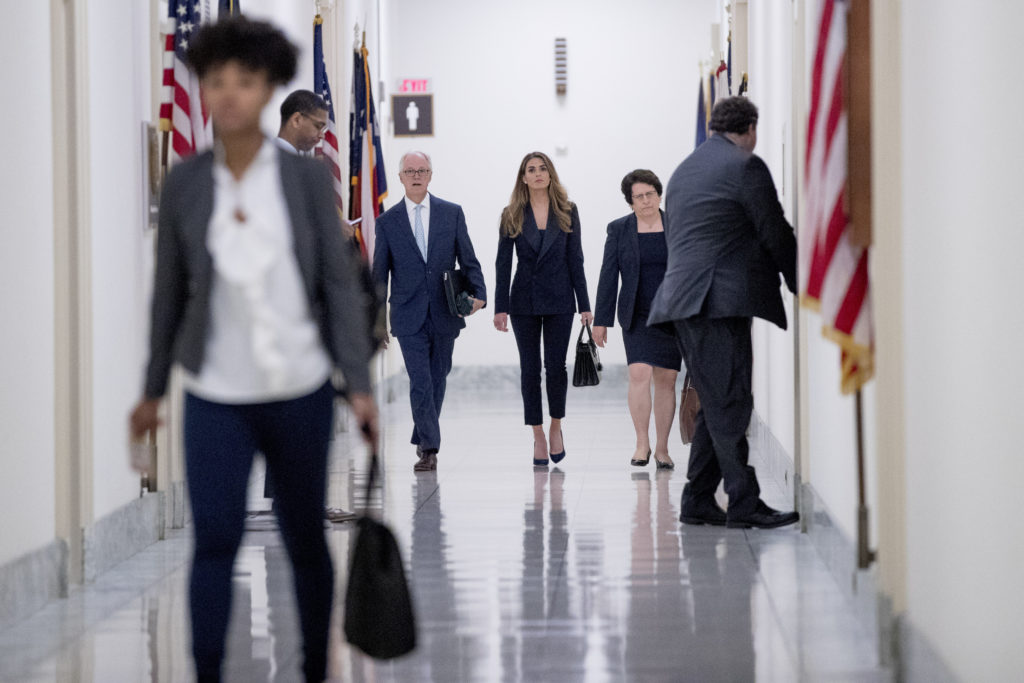
Former top White House adviser Hope Hicks refused to answer questions related to her time in the White House in a daylong interview with the House Judiciary Committee, dimming Democrats’ chances of obtaining new or substantive information about President Donald Trump in their first interview with a person linked to his inner circle. Frustrated Democrats leaving the meeting Wednesday said Hicks and her lawyer rigidly followed White House orders to stay quiet about her time there and said they would be forced to go to court to obtain answers. House Judiciary Committee Chairman Jerrold Nadler, Democrat-New York, said Hicks’ lawyers asserted the White House’s principle that as one of Trump’s close advisers she is “absolutely immune” from talking about her time there because of separation of powers between the legislative and executive branches. Nadler said that principle is “ridiculous” and Democrats intend to “destroy” it in court. Nadler said the committee plans to take the administration to court on the immunity issue, and Hicks’ interview would be part of that litigation. In a letter Tuesday to Nadler, White House counsel Pat Cipollone wrote that Trump had directed Hicks not to answer questions “relating to the time of her service as a senior adviser to the president.” The White House has similarly cited broad executive privilege with respect to many of the Democrats’ other investigative demands, using the president’s power to withhold information to protect the confidentiality of the Oval Office decision-making process. Hicks did answer some questions about her time on Trump’s campaign, the lawmakers said, but they said they learned little that was new. “She’s objecting to stuff that’s already in the public record,” California Rep. Karen Bass said on a break from the interview. Rep. Pramila Jayapal, Democrat-Washington, called her answers “a farce.” California Rep. Ted Lieu tweeted about the meeting while it was ongoing, writing that Hicks refused to answer even innocuous questions such as whether she had previously testified before Congress and where her office was located in the White House. In all, she was behind closed doors for eight hours, with an hourlong break for lunch. Democrats pressed Hicks on episodes she might have witnessed as one of Trump’s closest advisers. During questioning about the campaign, Rep. Madeleine Dean, Democrat-Pennsylvania, said she asked Hicks if she had been aware of any outreach from the Russians. After Hicks responded no, Dean named apparent contacts, such as emails, some of which are mentioned in special counsel Robert Mueller’s report. Hicks said she hadn’t thought those contacts were “relevant,” according to Dean. Republicans had a different perspective, saying she was cooperative and the interview was a waste of time, especially in light of Mueller’s two-year investigation. The top Republican on the panel, Georgia Rep. Doug Collins, said after the interview that the committee “took eight hours to find out what really most of us knew at the beginning.” Hicks was a key witness for Mueller, delivering important information to the special counsel’s office about multiple episodes involving the president. Mueller wrote in his report released in April that there was not enough evidence to establish a criminal conspiracy between Trump’s 2016 campaign and Russia, but said he could not exonerate Trump on obstruction of justice. The report examined several situations in which Trump attempted to influence or curtail Mueller’s investigation. Democrats has planned to ask Hicks about several of those episodes, including efforts to remove Mueller from the investigation, pressure on former Attorney General Jeff Sessions and the firing of FBI Director James Comey. They also planned to ask about Hicks’ knowledge of hush-money payments orchestrated by former Trump lawyer Michael Cohen to two women who claimed to have had affairs with Trump — the porn actress Stormy Daniels and model Karen McDougal. Trump has denied the allegations. Cohen is now serving three years in prison partly for campaign violations related to the payments. One lawmaker who was in the room said Hicks would not answer many of those questions. The person requested anonymity to discuss the closed-door interview. As Hicks spoke to the committee, Trump tweeted throughout the day. He said the interview was “extreme Presidential Harassment,” and wrote that Democrats “are very unhappy with the Mueller Report, so after almost 3 years, they want a Redo, or Do Over.” He also tweeted that it was “so sad that the Democrats are putting wonderful Hope Hicks through hell.” Trump has broadly stonewalled House Democrats’ investigations and said he will fight “all of the subpoenas.” House Speaker Nancy Pelosi is taking a methodical approach to investigating Trump. More than 60 lawmakers in her caucus — including around a dozen on the Judiciary Committee — have called for opening an impeachment inquiry, but she has said she wants committees to investigate first and come to a decision on impeachment later. While Trump has continued to block their requests, Democrats have recently made some minor gains, such as the Justice Department’s agreement to make some underlying evidence from Mueller’s report available to committee members. The Judiciary panel wanted a higher-profile interview with Hicks, subpoenaing her for public testimony. But they agreed to the private interview after negotiations. A transcript of the session will be released in the coming days. The committee has also subpoenaed Hicks for documents, but she has only partially complied. She agreed to provide some information from her work on Trump’s campaign, but none from her time at the White House because of the administration’s objections. Also Wednesday, House Intelligence Committee Chairman Adam Schiff said Russia-born business executive Felix Sater will talk to House intelligence committee staff behind closed doors as part of its investigation into Russian election interference. Schiff wouldn’t give a date for the interview, but another person familiar with the meeting said it will happen Friday. The person requested anonymity to discuss the private interview. Sater worked with Cohen on a Trump Tower deal in Moscow before the 2016 election. The project was later abandoned. Schiff said the committee will also talk to
Jeff Sessions on Roy Moore: ‘No reason to doubt’ Roy Moore accusers
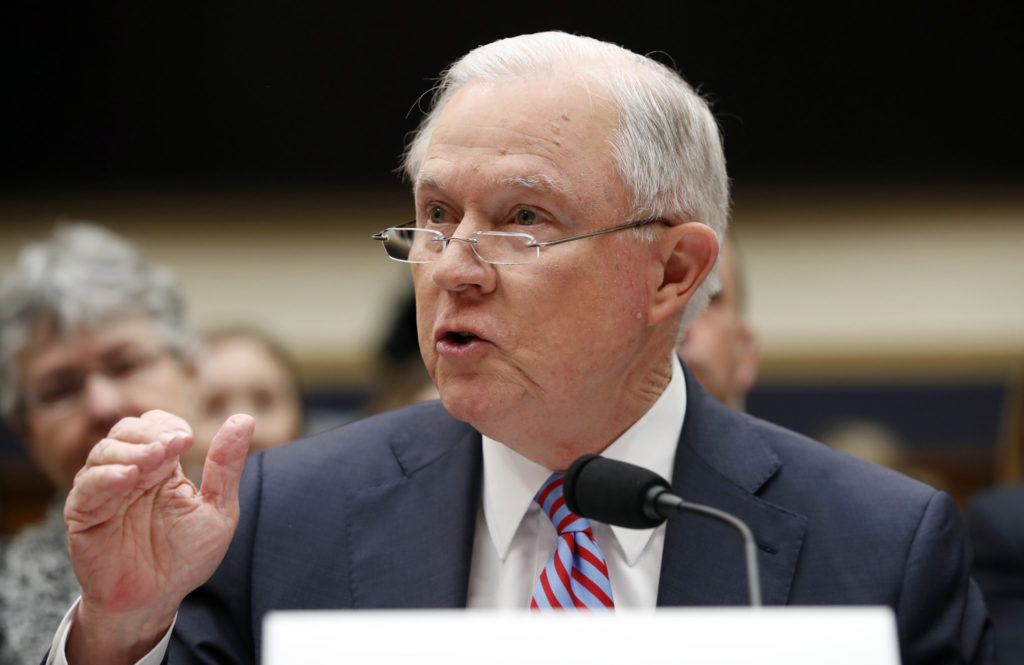
On Tuesday, Attorney General Jeff Sessions, said during testimony before the U.S. House of Representatives he has “no reason to doubt” the women who have accused Alabama GOP Senate candidate Roy Moore of sexual misconduct. “I have no reason to doubt these young women,” Sessions told the House Judiciary Committee. Sessions, whose seat Moore is seeking in the U.S. Senate, made the remark during his testimony following a question from Democratic Rep. Sheila Jackson Lee asking him whether or not he believed Moore’s accusers, and whether the Department of Justice (DOJ) would investigate the allegations against Moore should he win the seat Sessions declined to weigh in on whether or not he believed Moore should drop out of the Dec. special election, citing federal ethics restrictions at the DOJ. He went on to say the department “will evaluate every case as to whether or not it should be investigated.” Moore has been under fire since The Washington Post published an explosive report Thursday afternoon with the accounts of four women who claim he sexually pursued them when he was in his 30s and they were in their teens. The news has caused rapid fallout from dozens within the Republican Party who have called on him to withdraw his name from next month’s special election if the allegations are true. Moore faces the Democratic nominee Doug Jones on Dec. 12.
Steve Flowers: Luther Strange feeling heat over ‘brazen’ Senate appointment
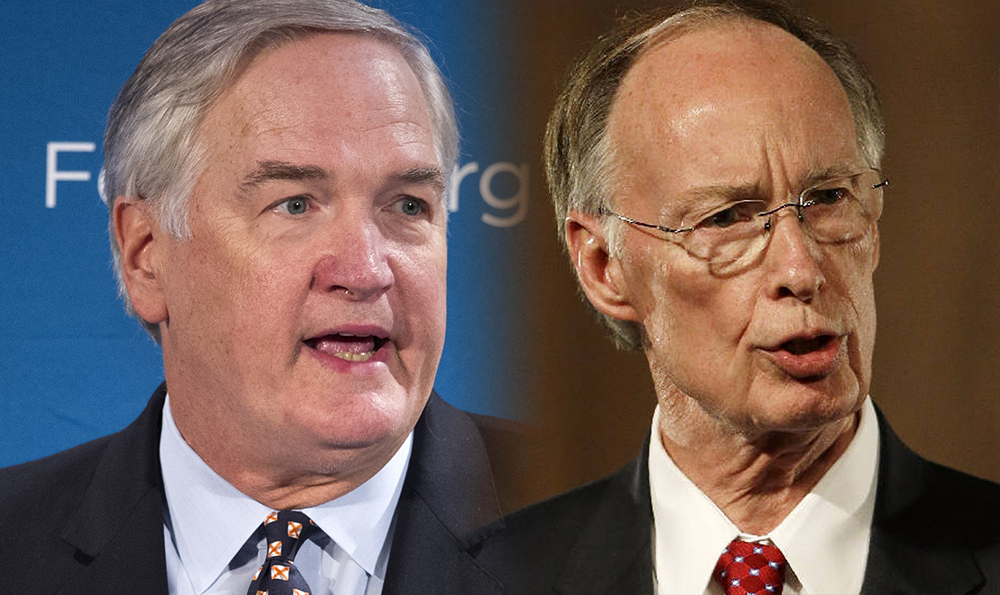
Lots of folks are still mad about our lame duck governor Robert Bentley naming Attorney General Luther Strange to Jeff Sessions Senate seat. If the sitting attorney general of a state openly states that he is investigating the governor for misfeasance and then that governor appoints that attorney general to the Senate seat it looks funny. It gives new meaning to the word collusion. This brazen move has incensed legislators who have heard from their constituents back home. It has especially upset members of the House Judiciary Committee. They were asked to cease the impeachment proceedings last year in deference to Strange’s request to lead an investigation of the governor’s shenanigans. Needless to say, they have reinstated their impeachment proceedings against old Bentley with renewed vigor. Several legislators have taken issue with the governor’s calling for the Senate seat election in 2018, rather than immediately. The constitution says the election should be held forthwith. That is open to interpretation. The more prudent path is 2018, since there are elections anyway. That is traditionally the way it has been done in the state in the past. However, most seats in bygone days were vacated by the death of one of our senators and the governor usually appointed the deceased senator’s widow for the remaining year or so on the term. She was considered a caretaker to the seat. There has been so much grief and acrimony to Strange’s appointment that he may be a caretaker. I have never before seen a governor treated with such disdain and irreverence by a legislature as ol’ Bentley. They probably will not technically impeach the ol’ fellow. He only has about 20 months left in his tenure and he is essentially impeached from power anyway. Most of them look at him as a buffoon or clown. He has about as much relevance in the legislative process as one of the former goats that used to graze on Goat Hill. The ultimate fallout from Bentley’s actions and unpopularity may accrue to Luther Strange in his election race in 14 months. Winning the GOP primary in this Senate race is tantamount to election in Alabama. Therefore, the race is in June of next year. Big Luther stands a good 6 feet 9 inches. His height is daunting. He was actually a college basketball player at Tulane. Luther spent the first 20 years of his career as a corporate lobbyist in Washington. Seeing the power and deference of being a U.S. Senator made an impression. He came home to run for a secondary constitutional office and get ready to run for a Senate seat vacated by either of his friends, Richard Shelby or Jeff Sessions. He chose the right stepping stone job, Attorney General. Big Luther is basically a shy and reserved fellow. He is not a natural politician. He was on the right course when he initially said that he would not seek nor accept Bentley’s appointment and that he was running for the post independent of the discredited governor’s appointment. He changed his mind and met with Bentley and took the appointment. His trusted advisors convinced him that folks have short memories and that over the next year as a sitting U.S. Senator he can raise so much Washington campaign cash that he can outspend his opposition to such an extent that it will wash away the taint of the Bentley appointment. He may be right. That may be a good bet. However, folks may be smarter and more cognizant of bold brazen backroom deals than some think. Just ask Bill Baxley how that worked out in 1986 when some Democratic Party leaders got behind closed doors and selected Baxley to be the Democratic nominee over Charlie Graddick who got the most votes. The people were so incensed they elected an unknown Republican named Guy Hunt as Governor. However, there is the pragmatic side of the equation. During that 1986 debacle Bill Baxley, who was lieutenant governor, had become close with the King of Alabama politics, Gov. George Wallace. Wallace was in his last term as governor and Baxley had sensed a backlash might occur with such an audacious brazen move by his Democratic Party buddies, so he went to Wallace for his advice. Ole Wallace took a puff on his cigar and looked at Baxley wryly and said, “Bill you know what they call a governor who gets to be governor by a backroom deal?” Baxley asked “What?” Wallace said, “They call him Governor.” See you next week. ___ Steve Flowers is Alabama’s leading political columnist. His weekly column appears in over 60 Alabama newspapers. He served 16 years in the state Legislature. Steve may be reached at www.steveflowers.us.
23 Alabama legislators sign Robert Bentley articles of impeachment
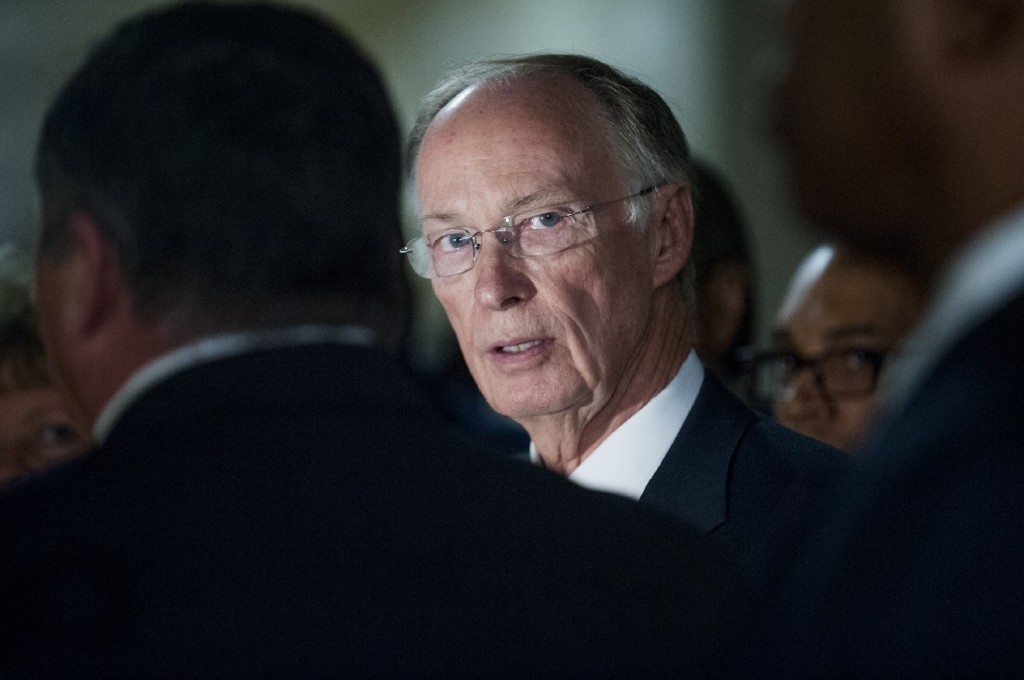
Twenty-three members of the Alabama House of Representatives have signed a resolution authored by Republican from Hartselle Ed Henry calling for the impeachment of Governor Robert Bentley in light of an alleged affair and the possibility of improper use of taxpayer funds. The resolution’s signatures slightly exceeded the 21 needed to file the resolution, according to a separate resolution sponsored and passed by Rep. Matt Fridy, Republican of Montevallo Tuesday which established the procedures for impeachment. An impeachment clause exists in the Alabama Constitution, but has never been used on a constitutional officer. Under the procedure resolution, 63 members of the 105-member house will have to vote to begin the Senate-led trial. The Resolution has been referred to the House Judiciary Committee for further action. While the majority of the impeachment resolution’s signees are Republicans who have previously called for the Governor’s resignation, it took a few Democrats signing on to meet the new procedure’s requirements. The following representatives signed the resolution calling for the governor’s impeachment. Ed Henry (Sponsor) Will Ainsworth (Republican of Guntersville) Mike Ball (Republican of Madison) Mack Butler (Republican of Gadsden) Danny Crawford (Republican of Athens) Allen Farley (Republican of Pleasant Grove) Craig Ford (Democrat of Gadsden) Tommy Hanes (Republican of Bryant) Mike Holmes (Republican of Wetumpka) Reed Ingram (Republican of Montgomery) Arnold Mooney (Republican of Birmingham) Barry Moore (Republican of Elba) Johnny Mack Morrow (Democrat of Red Bay) Becky Nordgren (Republican of Gadsden) Jim Patterson (Republican of Meridianville) David Sessions (Republican of Grand Bay) David Standridge (Republican of Oneonta) Patricia Todd (Democrat of Birmingham) Isaac Whorton (Republican of Valley) Ritchie Whorton (Republican of Owens Cross Roads) Margie Wilcox (Republican of Mobile) Jack W. Williams (Republican of Georgetown) Phil Williams (Republican of Harvest) Below is the entire text of the articles of impeachment. ARTICLES OF IMPEACHMENT AGAINST GOVERNOR BENTLEY. WHEREAS, in 2010, Governor Bentley was elected the 53rd Governor of the State of Alabama and was reelected to a second term in 2014; and WHEREAS, Section 173 of the Constitution of Alabama of 1901 provides that the Governor and other constitutional officers of this state may be impeached upon the adoption of articles of impeachment by this body and upon trial by the Senate, acting as a court of impeachment; and WHEREAS, two formal complaints have been filed with the Alabama Ethics Commission to determine whether Governor Bentley violated state ethics laws by misusing state property; and WHEREAS, in recognition of the gravity of the adoption of these articles of impeachment and upon findings that Governor Bentley has violated the public trust, this body concludes Governor Bentley should be impeached for cause; now therefore, BE IT RESOLVED BY THE HOUSE OF REPRESENTATIVES OF THE LEGISLATURE OF ALABAMA, That Governor Bentley is impeached for cause and that the following articles of impeachment, based upon the findings in this resolution, be transmitted to the Senate for trial as provided in Section 173 of the Constitution of Alabama of 1901: ARTICLE I. Willful Neglect of Duty. Credible evidence exists to create probable cause to believe that, in his conduct while Governor of the State of Alabama, he willfully neglected his duty as Governor by failing to faithfully execute the laws of this state and by refusing to perform his constitutional and statutory duties. ARTICLE II. Corruption in Office. Credible evidence exists to create probable cause to believe that, in his conduct while Governor of the State of Alabama, he unlawfully misused state property, misappropriated state resources, and consistently acted in violation of law to promote his own personal agenda.
Advocates for grandparents’ rights prepare for committee hearing

A group of parents, grandparents and doctors gathered outside of the Alabama state capitol today in preparation to throw their support behind the grandparents’ visitation bill which is set to go before the House Judiciary Committee. SB334 from Rep. Mike Jones (R-Andalusia) would allow grandparents, whose visitation rights have been revoked by family members, to prove by “clear and convincing” evidence that they have a relationship with the child in question. If that relationship is proven, a procedure would be established to reconnect grandparents and grandchildren. The group is an informal organization known as “Grandparents ROC (Rights of Children),” which has advocated for the rights of grandparents and children for the past two years. Dee Booker, who founded the organization, told a woeful tale of her own experience in losing access to her grandchildren. Booker said that her son was in the military and, after his death, his ex-wife cut off all access to Booker’s granddaughter. “The day I buried my son was the last time I saw my granddaughter,” Booker said. It was then that Booker began rallying for grandparent’s and children’ rights. “Alabama pretty much has no rights at all for grandparents and children,” Booker said. “We felt like we had to do something to see our grandkids.” Booker noted that she has watched similar legislation fail over the last two years, but hopes momentum is on her side this year.
Two Alabama mothers seek assistance for ailing children
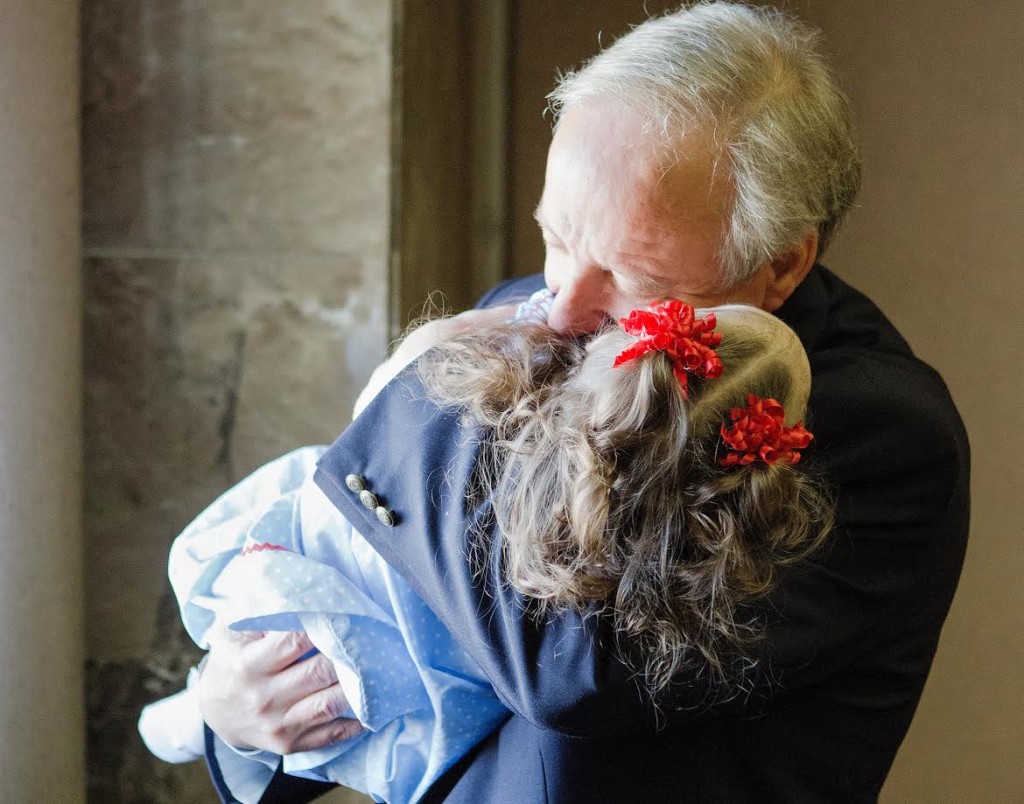
Kari Forsyth and Jody Mitchell, two mothers from Athens and Decatur respectively, travelled to Montgomery Tuesday to meet with Alabama lawmakers to discuss “Leni’s Law,” a bill from Rep. Mike Ball (R-Madison) that would decriminalize the possession of CBD oil and give caretakers the ability to discuss the use thereof with physicians. CBD oil came into the Alabama lexicon with the passage of “Carly’s Law” last year, a piece of legislation which provided the University of Alabama at Birmingham the ability to conduct clinical trials of the cannabis-based medicine. But “Carly’s Law” left out many desperate children in Alabama, including Forsyth’s daughter Chesney, who was deemed too sick to participate. Mitchell’s son, Robert, was forced to leave the trials because the oil was interacting poorly with his other medications. According to Forsyth and Mitchell, no Senators were available to meet with them and every Representative they met with mentioned UAB – the university at the center of the “Carly’s Law” trials but mentioned nowhere in Ball’s legislation. “Somewhere, everybody knows that UAB wants in it,” Forsyth said of the new bill. “All I’ve gotten today is that they’re trying to get UAB in it.” The prospect of involving UAB in Ball’s legislation concerns both mothers because the namesake of “Leni’s Law” was denied entrance into the CBD studies and forced to move to Oregon. “Anything that this bill does wrong, we’re out of here,” Forsyth said, who has already acquired a medical marijuana card in Oregon. “We can’t wait for them anymore,” Mitchell said. “We need help now, like yesterday.” According to the duo, Iowa has obtained a copy of “Leni’s Law,” edited it and plans to bring it before the legislature next week. For his part, Ball says his legislation, which is currently pending in the House Judiciary Committee, should come up for a hearing next week. Currently, the two desperate mothers have more questions than answers, more concerns than assurances. The study at UAB, contrary to popular belief, was not established to test CBD’s efficacy but to test the effect of high doses on patients, Leni is currently receiving 45mg a day in Oregon, while Jody’s son was receiving 800mg a day before being pulled from the trials. The mothers were also curious as to how the $1 million pulled from the Education Trust Fund last year to fund the study was used, as GW Pharmaceuticals, who produced the Epidiolex used in the studies, generally funds its own clinical trials. Forsyth noted that she is in close contact with 25 to 30 parents of suffering children who have already given their children CBD oil illegally. She hasn’t, afraid that doing so would turn her into a criminal. “Leni’s Law,” in its original incarnation, would eliminate such fears. Only time will tell if that will be the case or if Alabama will lose more families opting to migrate to heal their children.
