
House moving swiftly on $7.9B Harvey relief bill
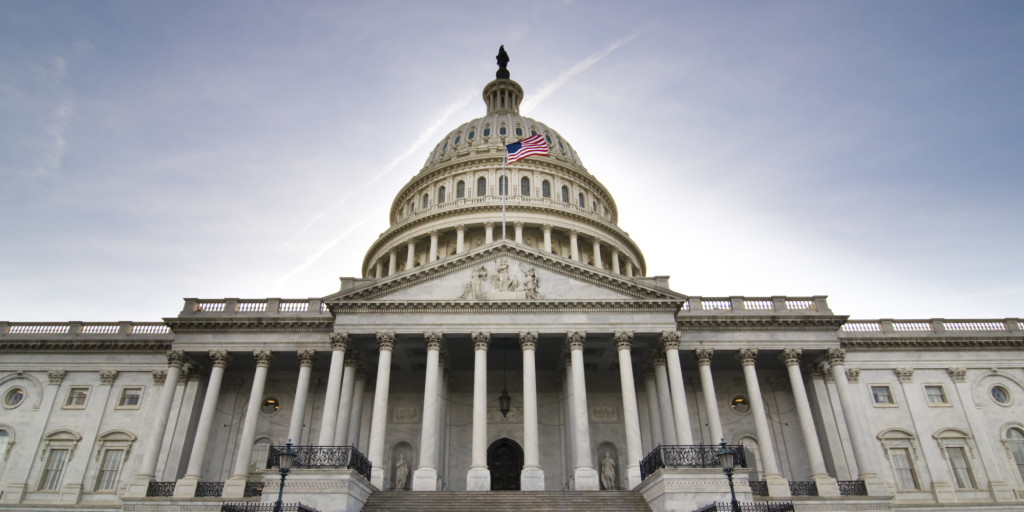
The House on Wednesday moved swiftly toward approving $7.9 billion in Harvey disaster relief as Democratic leaders signaled they would back the measure along with a short-term increase in the nation’s borrowing limit to avoid an economy-rattling default. The announcement by House Minority Leader Nancy Pelosi, D-Calif., and Senate Minority Leader Chuck Schumer of New York is aimed at retaining Democratic influence and trying to ensure the Republican-controlled Congress addresses health care and immigration as the hectic fall agenda kicked off. “Given Republican difficulty in finding the votes for their plan, we believe this proposal offers a bipartisan path forward to ensure prompt delivery of Harvey aid as well as avoiding a default, while both sides work together to address government funding, DREAMERS, and health care,” Pelosi and Schumer wrote. Democratic votes are needed to quickly pass a debt limit increase, even though Republicans control Congress. Many Republicans simply won’t vote to increase the debt limit without cuts elsewhere in government spending. Wednesday’s House vote comes as the government’s response to Harvey is draining existing disaster reserves, with Federal Emergency Management Agency‘s disaster accounts hovering at $1 billion or less. FEMA is warning lawmakers that disaster funds run out on Friday, even as a much more powerful hurricane, Irma, is bearing down on the eastern U.S. This week’s measure is to handle the immediate emergency needs and replenish reserves in advance of Irma. Far more money will be needed once more complete estimates are in this fall, and Harvey could end up exceeding the $110 billion government cost of Hurricane Katrina. The move by Pelosi and Schumer is aimed at winning assurances that minority party Democrats will be treated fairly as Congress advances through its daunting to-do list, which includes extending a popular children’s health program, federal flood insurance, and, perhaps, a budget that would ease tight limits on Pentagon and domestic spending. The statement came out as the House Wednesday took up a $7.9 billion request by President Donald Trump‘s for a $7.9 billion first installment of relief for victims of Harvey. House action on Wednesday would set up a Senate debate that, as of Wednesday, would follow an uncertain path. GOP leaders have signaled that they want to use the urgent Harvey aid bill to solve perhaps the most vexing issue facing Congress this month: Increasing the U.S. debt limit make sure the government can borrow freely again to cover its bills, including Harvey aid. Senate Majority Leader Mitch McConnell, R-Ky., said again Wednesday that increased Harvey costs show the importance of acting swiftly to increase the government’s debt cap to make sure there’s enough borrowed cash to pay out the surge in disaster aid. “I think it’s a terrible idea,” said House Freedom Caucus Chairman Mark Meadows, R-N.C., who conceded that conservatives were getting outmaneuvered. “I think at this point there are bigger issues that we have to focus on,” Meadows said. “I have opposed a debt ceiling increase every time it has come up for a vote,” said Rep. Roger Williams, R-Texas. “I am heavily opposed to lumping these two separate issues together.” Analysts at the Bipartisan Policy Center, a Washington think tank, say Harvey aid wouldn’t cause a cash crunch for weeks. “We’re dealing with all these things at this point in time anyway,” said House Democratic Caucus Chairman Joe Crowley of New York. “Democrats have said we’re for a clean debt ceiling and we’re also for making sure the people from Texas, Louisiana, and elsewhere who’ve been severely damaged by these storms – with one more on the way as well – that their needs need to be addressed as well.” Republished with permission from the Associated Press.
Harvey aid, debt on returning Congress’ daunting to-do list
Congress ends its five-week summer recess Tuesday as storm-ravaged states clamor for Harvey aid, the Trump administration demands a swift increase in the nation’s borrowing authority, and President Donald Trump‘s actions on immigration seem certain to upend the fall agenda. Lawmakers face a daunting workload and fast-approaching deadlines, including the need to fund the government and increase the United States’ $19.9 trillion debt ceiling by month’s end. A Republican-led Congress with no major legislative achievement in the first seven months of Trump’s presidency also is intent on overhauling the nation’s tax code, hoping for a political win after the failure of repealing and replacing Barack Obama‘s health care law. The immediate focus will be rushing a $7.9 billion disaster relief package to Harvey victims. Treasury Secretary Steve Mnuchin raised the stakes last weekend by calling on Congress to combine the aid with a contentious increase in the nation’s borrowing limit. Conservatives oppose raising the borrowing limit without getting something in exchange, such as deep cuts elsewhere in federal spending. “The president and I believe that it should be tied to the Harvey funding,” Mnuchin said Sunday. “If Congress appropriates the money, but I don’t have the ability to borrow more money and pay for it, we’re not going to be able to get that money to the state. So, we need to put politics aside.” The House and Senate are expected to vote quickly on the first $7.9 billion aid installment to help with immediate recovery and rebuilding needs in Houston and beyond. Additional billions will be tucked into a catchall spending bill later in the month that will keep the lights on in government past Sept. 30, when the current budget year ends. “Somebody who’s just been pulled off their roof doesn’t want to hear about our internecine squabbles and debates over procedure when they’ve lost their homes and are trying to figure out where they’re going to sleep the next night,” said Rep. Charlie Dent, R-Pa. Swift action on Harvey will give Congress and Trump the chance to look competent and remind voters that government can be a positive force. GOP lawmakers head into the final quarter of the year desperate to notch accomplishments and make headway on a sweeping tax overhaul, and the majority party is eager for the chance to turn around its dreary track record ahead of next year’s midterm elections. Trump may toss another tricky issue Congress’ way. The president was expected to announce that he will end protections for young immigrants who were brought into the country illegally as children, but with a six-month delay. The postponement in the formal dismantling of the Deferred Action for Childhood Arrivals, or DACA, program would be intended to give Congress time to address the issue. But it was unclear whether it could resolve the problem given that it has had several failures in attempts to enact comprehensive immigration reform. Some Republicans, led by House Speaker Paul Ryan, R-Wis., have urged Trump not to end the program and save nearly 800,000 from threat of deportation. Adding to the pile of work, a few important programs are expiring at the end of September and need to be renewed. They include children’s health insurance payments and a national federal flood insurance program that has bipartisan support but continually pays out more than it takes in through premiums. Republished with permission from the Associated Press.
Harvey continues to impact gas prices in Alabama, pipeline opening delayed
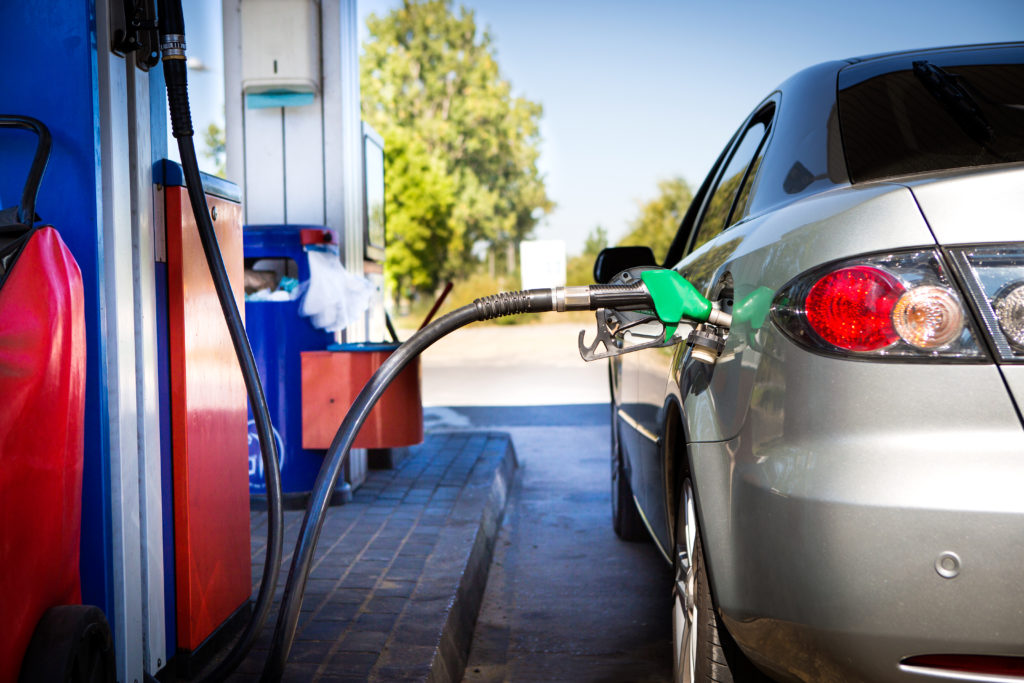
Gas prices continue to rise in the Yellowhammer State as delays to repair the nation’s largest fuel system continue. The Colonial Pipeline, which provides 40 percent of the east coast, shut down its fuel line Thursday due to damage sustained when Hurricane Harvey devastated the Gulf Coast. “We continue to work expeditiously to complete final repairs to our facilities damaged by the storm, and to assess our lines and right of ways to ensure the integrity of our system between Houston and Hebert,” Colonial Pipeline said in a statement. According to the company, the assessments are ongoing and they hope to restart the distillates (Line 2) on Monday, September 4, and gasoline (Line 1) on and Tuesday, September 5 . Alabama drivers have been feeling the pain at the pump since Harvey hit. The average price of a gallon of regular gas is $2.48 in Alabama on Monday, up $0.06 from Friday’s $2.42 due to increased demand from the Labor Day holiday weekend as well from the impact of Harvey. Nationally, the gas average has climbed to $2.65 in the wake of the storm. On Friday, Gov. Kay Ivey declared a state of emergency and enacted the state’s price gouging law to protect drivers in light of shortage.
Kay Ivey issues State of Emergency to prevent price gouging after Harvey
Alabama Governor Kay Ivey has issued a State of Emergency making it illegal for anyone in Alabama to price gouge in the wake of Hurricane Harvey. The declaration comes after Colonial Pipeline, which provides nearly 40 percent of the South’s gasoline including Alabama’s, shutdown earlier in the day after the hurricane forced the closure of refineries and some of the pipeline’s own facilities. “As a result of Hurricane Harvey, oil refineries in Texas and Louisiana have suffered a temporary interruption of production which has caused a disruption in the supply of petroleum products, including gasoline to Alabama,” Ivey said in the declaration. “This disruption in supply inherently placed upward pressure on gasoline prices, but does not justify the imposition of unconscionable prices.” Ivey’s declaration amends a Wednesday declaration that waived the federal limits on number of hours petroleum transport motor carriers and drivers can work to help mitigate the impact of the disruption in the supply of gas. “Weds I issued a limited State of Emergency to prevent gas shortage due to #Harvey. Today I’ve made it clear price gouging is not acceptable.” Weds I issued a limited State of Emergency to prevent gas shortage due to #Harvey. Today I’ve made it clear price gouging is not acceptable. pic.twitter.com/H7GyaaNj78 — Governor Kay Ivey (@GovernorKayIvey) September 2, 2017
Harvey aid package likely vehicle for debt ceiling increase
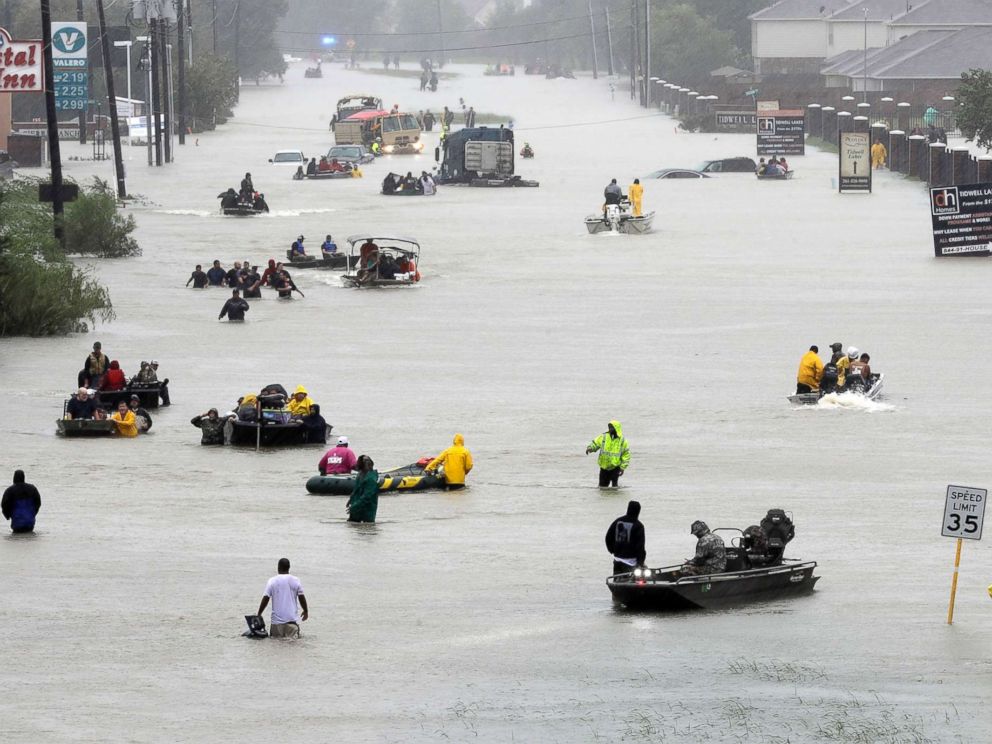
The White House plans to ask Congress Friday for a $5.9 billion down payment for initial Harvey recovery efforts. Republican leaders are already making plans to use the aid package, certain to be overwhelmingly popular, to win speedy approval of a contentious increase in the federal borrowing limit. A senior House Republican, who spoke on condition of anonymity because the deliberations were private, disclosed the approach. It ignores objections from House conservatives who are insisting that disaster money for Harvey should not be paired with the debt limit increase. Other senior GOP aides cautioned that no final decision had been made, and Democrats, whose votes would be needed in the Senate, have not signed off on the approach. For GOP lawmakers who support a straightforward increase in the debt limit, pairing it with Harvey money makes the unpopular vote easier to cast. Congress must act by Sept. 29 to increase the United States’ $19.9 trillion debt limit, in order to permit the government to continue borrowing money to pay bills like Social Security and interest payments. Failing to raise the debt limit would risk a market-shattering first-ever U.S. default. “Look, some members are going to vote against the debt ceiling under any circumstances and they want their ‘no’ vote to be as easy as possible,” said Rep. Charlie Dent, R-Pa. “The issue is not making the debt ceiling vote easier for the ‘no’ votes. The issue is making it easier for the ‘yes’ votes.” The government’s cash reserves are running low since the nation’s debt limit has actually already been reached, and the Treasury Department is using various accounting measures to cover expenses. Billions of dollars in Harvey aid are an unexpected cost that at least raises the potential that Congress would have to act earlier than expected to increase the government’s borrowing authority. And despite threats from President Donald Trump that he would shut down the government if his U.S.-Mexico border wall is not paid for, lawmakers and aides say the White House has eased off that threat and any fight over the border wall will be delayed until later in the year. “I just don’t think a shutdown is in anyone’s interest or needed for anyone’s interests,” House Speaker Paul Ryan, R-Wis., said in an interview Friday with the Milwaukee Journal Sentinel. The initial package of Harvey aid would replenish Federal Emergency Management Agency disaster coffers through Sept. 30. The White House is finalizing the request, which was expected to be sent to Capitol Hill later Friday. A senior congressional aide said Friday the request would include $5.5 billion for the disaster relief fund and $450 million for the Small Business Administration Disaster Loan Program. The aide wasn’t authorized to publicly disclose the information in advance of a formal announcement and spoke on condition of anonymity. The initial aid money would be a down payment for immediate recovery efforts, to be followed by larger packages later. An additional $5 billion to $8 billion for Harvey could be tucked into a catch-all spending bill Congress must pass in the coming weeks to fund the government past Sept. 30, according to the senior House Republican. Ryan said nothing will stop a Harvey aid bill from getting through Congress and he didn’t foresee any problems with it passing, despite opposition to federal aid from some Republicans following Hurricane Sandy. “It’s going to take us time until we know the full scope of it,” Ryan said of Harvey’s toll. He said a storm the size of Harvey is unprecedented, and because of that it “deserves and requires federal response.” Republished with permission from the Associated Press.
Mountain Brook Police seek supplies for Texas, Birmingham’s own Buffalo Rock steps up
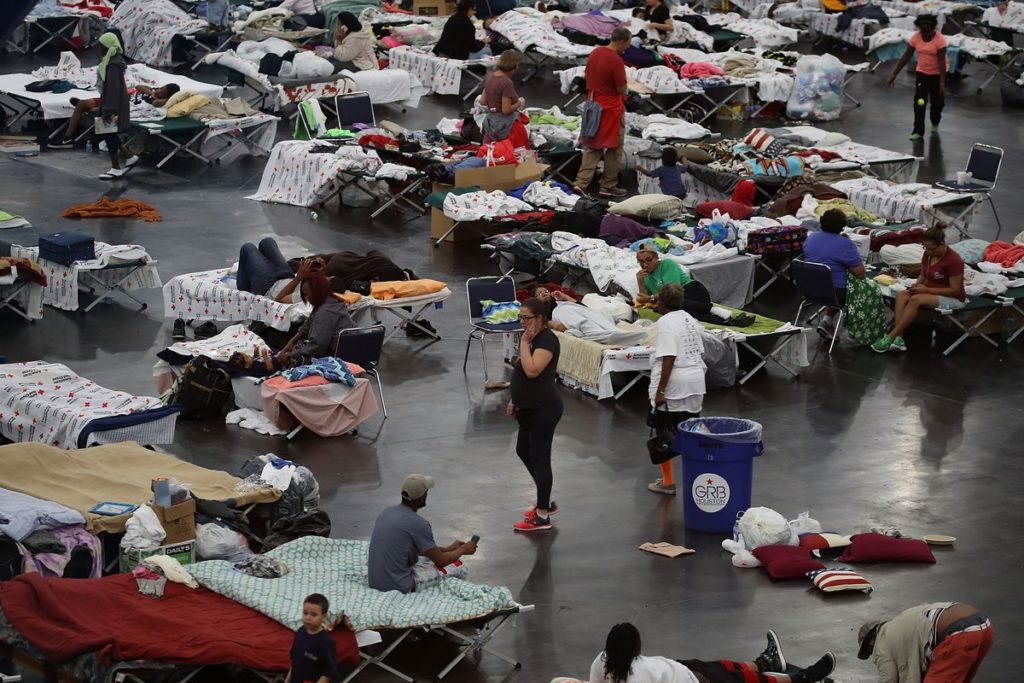
Members of the Mountain Brook Police Department have organized a collection effort for bottled water and medical supplies to aid victims of Hurricane Harvey in Houston and other impacted areas. According to a post on the department’s Facebook page Tuesday, they’re seeking donations that can be dropped off in front of the PD located at 101 Tibbett St. “MBPD is accepting donations of bottled water and Diabetes type medical supplies(not insulin or meds) for areas impacted by Hurricane Harvey,” the department wrote in one post. The PD will continue to take donations into next week that will be sent to Houston, the nation’s fourth largest city, as Harvey continues to destroy homes, claim lives and displace tens of thousands of people. Already, Birmginham’s own Buffalo Rock — the largest independent single shareholder owned Pepsi Bottler in the U.S. — is stepping up to the call to help. MPPD thanked the company via Facebook on Friday for donating 12 pallets of supplies to Harvey victims. “Our friends at Buffalo Rock truly do ROCK! They contacted us about donating some water, then they added fruit juices,then they added beef jerky! A pallet or so blossomed into THIS pic (12 pallets!). This is being straight to the Christian Service Mission who is sending trucks every week to Texas!,” wrote the Mountain Brook Police Department.
Authorities brace for wave of hurricane-related fraud
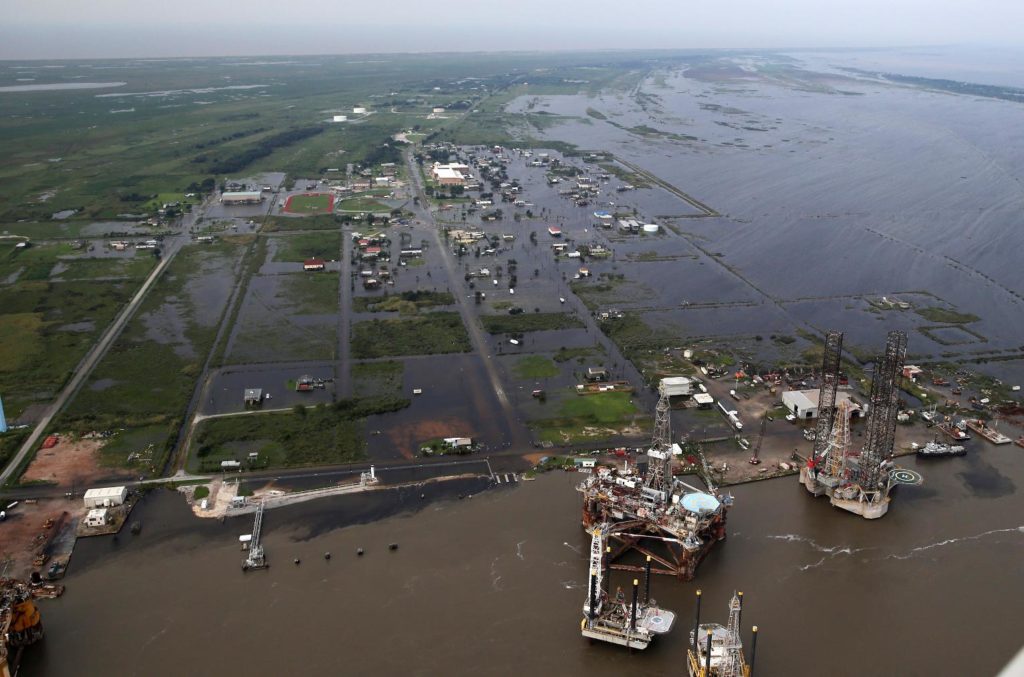
As high water spreads from Houston through Texas and Louisiana, authorities are bracing for an inevitable wave of fraud and other criminal activity set into motion by Harvey’s punishing rains. In a warning to those who would seek to defraud the government and people wanting to help or seeking assistance, a dozen federal and state agencies were banding together to investigate and prosecute wrongdoers. Federal and state officials are warning residents, volunteers and officials in flood zones in Texas and Louisiana they could be targeted by storm-related scams, contract corruption, document fraud, identify theft and other crimes. They emphasize that the easy availability of personal information and documents on the internet has widened criminal activities and potential victims to anywhere in the U.S. “Protect yourself and your wallet from unscrupulous operators,” warned a new flyer by the Texas attorney general, whose office had received nearly 700 complaints by late Wednesday. Most alleged price gouging but a few reported fraud, said Kayleigh Lovvorn, a spokeswoman for Texas Attorney General Ken Paxton. A disaster-related task force headed by Justice Department officials and other authorities has operated since Hurricane Katrina in 2005. It has arrested and prosecuted defendants for disaster-related crimes, including more than 1,460 in connection with crimes associated with Hurricanes Katrina and Rita. Those prosecutions, between 2005 and 2011, targeted defendants in 49 federal districts across the country – a clear indication that criminal activities spawned by Harvey could originate anywhere. “We recognize that much of the fraud may occur in areas far removed from the disaster,” said Corey R. Amundson, the acting U.S. attorney for the Middle District of Louisiana. Amundson is also the executive director of the National Center for Disaster Fraud, the Baton Rouge-based federal task force. In a sign of the magnitude of fraud anticipated in Harvey’s wake, federal and state law enforcement officials formed a working group to investigate and prosecute illegal activity stemming from the hurricane. Houston-based Acting U.S. Attorney Abe Martinez said storm victims had already suffered devastation and “the last thing that victims of the damage need is to be victimized again.” The relationship, if any, between the new working group and the existing task force wasn’t clear. After Katrina, many of the task force’s early criminal prosecutions targeted those accused of fraudulently obtaining emergency assistance funds intended to help storm and flood victims. The unit’s scrutiny broadened to people and companies that filed fraudulent home repair and disaster loan applications and also to contract and kickback schemes involving corrupt public officials. Among officials investigated by the task force were Benjamin L. Edwards Sr., a former New Orleans city sewerage director who pleaded guilty in 2010 to wire fraud and tax evasion for soliciting more than $750,000 in payoffs from hurricane cleanup contractors – and Gregory Brent Warr, the former mayor of Gulfport, Mississippi, who admitted guilt in 2009 for improperly receiving federal disaster funds. The U.S. Government Accountability Office criticized the Federal Emergency Management Agency and other federal agencies for loose scrutiny of disaster relief and recovery spending after Katrina. Walt Green, a Baton Rouge lawyer and former U.S. attorney in Baton Rouge, said FEMA and other federal agencies have tightened oversight during recent disasters, but are still overrun after each new disaster with fraudulent addresses, personal information and other spurious documentation. “Identify fraud is the newest angle,” said Green. “You can find long lists of social security numbers of the dark web and people are purchasing them to use after disasters.” Green, who led the federal disaster task force between 2013 and last March, said some criminal activity likely spiked even before Harvey’s landfall last week. Green said hurricane-related internet addresses – often with wording stressing storm charity and relief – are quickly purchased in the hours before a hurricane’s landfall. Some web addresses later surface in charity scams that bilk unsuspecting donors or lure viewers to virus-infected sites. “Without a doubt, charity fraud is going on right now,” Green said. On Wednesday, the government-funded Multi-State Information Sharing & Analysis Center reported more than 500 domain names associated with Harvey had been registered over the preceding week. The majority of those names, the center reported, used words associated with philanthropy and aid, including “help,” ”relief,” ”donate” and “victims.” The center warned of “the potential for misinformation” and that “malicious actors are also using social media to post false information or links to malicious websites.” Four domain names referencing Harvey and the words “relief,” ”fund” and “recovery” were listed for auction on eBay.com earlier this week, starting at $5,000 each. James Streigel, a northern California man who acknowledged offering them for sale, said he had no malicious intent and intended to sell them to the highest bidder. Streigel said his listings also carried notices saying he would donate 20 percent of his earnings to the American Red Cross. He acknowledged to The Associated Press that he had no way of preventing prospective buyers from using the domain names for criminal activity. “We can’t be sure of anything these days,” Streigel said. Hours later, an eBay spokesman, Ryan Moore, said the listings had been removed from eBay’s site. “We’ve issued a warning to this seller that these listings violate eBay policy,” Moore said. The site’s “offensive material policy” prohibits listings that “attempt to profit from human tragedy or suffering, or that are insensitive to victims of such events.” Republished with permission from the Associated Press.
Daniel Sutter: Technology, sharing, and disaster assistance
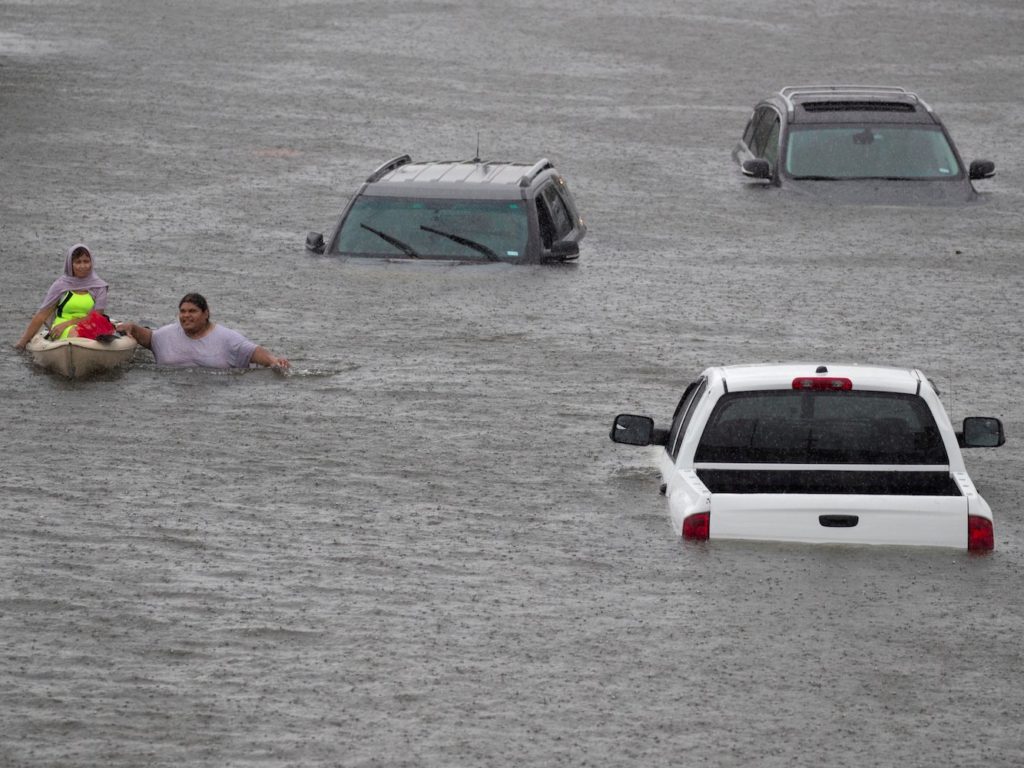
Hurricane Harvey struck Texas last weekend with winds of 130 mph and then stalled, dumping feet of rain and causing catastrophic flooding. Thousands of people evacuated coastal and low-lying areas in advance of Harvey. Home sharing company Airbnb’s Disaster Response program is helping Harvey evacuees and victims and illustrating how technology is helping us assist our fellow citizens. Airbnb provides a platform connecting people with homes, apartments or even spare rooms with visitors looking for rental accommodations. The company does not own or manage the properties it lists, but rather serves as an intermediary between visitors and hosts. Airbnb provides background on hosts and guests, helping assure each party that the other is legitimate. The disaster program emerged spontaneously after hosts in New York allowed people displaced by Hurricane Sandy to stay for free. Airbnb formalized this for other disasters. Participating hosts offer their properties for free, and Airbnb waives its commission. Both hosts and guests still benefit from Airbnb’s assurance of trust. The Disaster Response has been activated for almost 50 different events worldwide, producing over 3,000 free rentals. These totals almost certainly understate the assistance provided by hosts, as they exclude smaller events and include only free (as opposed to discounted) rentals. Airbnb activated the Disaster Response for Harvey before landfall to assist with evacuation. Evacuating can be expensive, with lodging typically the biggest expense for people unable to stay with family or friends. The expense often deters evacuation, particularly by lower income families without significant savings. Furthermore, hourly workers lose hours and income if they evacuate, upping the cost. Imperfect hurricane forecasts can unfortunately provide an excuse to not evacuate. For every devastating storm like Harvey or Katrina, there are storms like Matthew in 2016, which threatened Florida as a major hurricane yet delivered only a glancing blow before weakening and hitting South Carolina. If evacuating would break your budget, it is tempting to hope that the next storm will also be like Matthew. By helping families afford to evacuate, Airbnb’s Disaster Response will save lives. Keep this case in mind the next time someone claims that businesses care only about profit. Airbnb hosts display Americans’ desire to help people after disasters. For example, in our research, my Johnson Center colleague Dan Smith and I found that 98 percent of the 7,000 households displaced by the 2011 Joplin tornado relocated within 25 miles. FEMA provided about 600 temporary housing units, so most of the housing need was met without government. Some victims rented vacant housing, some stayed with friends and family, and still others stayed with neighbors or families from their church. The citizens of Joplin also housed many of the thousands of volunteers and youth groups who came to help after the tornado. Although Airbnb is not doing anything completely new, extending the scope of assistance after disasters is valuable. Many Americans want to help disaster victims however they can. Some people help by retweeting requests for help made via Twitter, an activity which has been dubbed “Voluntweeting.” People willing and able to offer material assistance, however, may lack connections to victims through friends or community groups. Airbnb helps connect people wanting to help with disaster victims. As an economist who studies weather disasters, I see an important challenge for Airbnb’s Disaster Response program, one which also looms for other uses of social media to direct aid to disaster victims. Are the persons staying with the hosts truly disaster victims, or just scamming a free stay? Airbnb’s guest profiles help hosts evaluate the validity of a guest’s disaster victim claims. Perhaps this will work well. But Airbnb’s program will probably not prove sustainable if hosts get scammed too often. Technology is enabling the emergence of a sharing economy. Airbnb’s Disaster Response uses technology to expand America’s long-standing tradition of neighbors helping neighbors in time of need. Here’s hoping that it works long term, and that we can find other ways to use technology to help us help our fellow citizens. ••• Daniel Sutter is the Charles G. Koch Professor of Economics with the Manuel H. Johnson Center for Political Economy at Troy University and host of Econversations on TrojanVision. The opinions expressed in this column are the author’s and do not necessarily reflect the views of Troy University.
Government eases student loan rules for Hurricane Harvey victims

The Education Department is easing financial aid rules and procedures for those affected by Harvey. The department is encouraging students whose financial needs have been altered by the storm to contact their school’s financial aid office. The agency says in a statement that colleges and career schools will be allowed to use “professional judgment” to adjust a student’s financial information in the aftermath of Harvey. A school may even be able to waive certain paperwork requirements if documents were destroyed in the flooding. The department says borrowers struggling to pay off loans because of Harvey should inform their loan servicers – and they’ve been directed to give borrowers flexibility in managing loan payments. Republished with permission from the Associated Press.
Kay Ivey asks Alabamians to pray for and help Hurricane Harvey victims
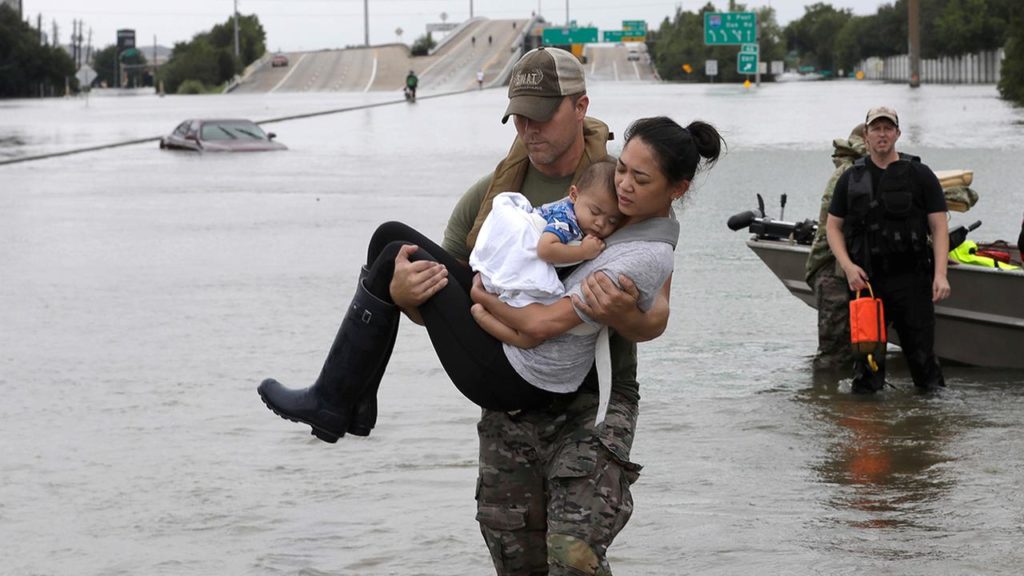
As Hurricane Harvey continues to devastate Texas, Alabama Governor Kay Ivey asked her fellow Alabamians to pray for and help the victims of the storm. “I am urging all Alabamians to join me in praying for those effected by this tragedy and in considering ways to help with recovery efforts,” Ivey said in a statement. “In addition to supporting worthy causes like the Red Cross and faith-based groups, I encourage everyone to help meet the urgent needs caused by this storm.” She continued, “Today, we are reminded that despite our differences, despite our political ideologies, despite what may separate us, each of us are Americans, united by our common heritage and our commitment to liberty as given to every man, woman, and child by Almighty God Himself. Though we never wish for a catastrophic event such as this, it certainly gives us perspective and reminds us of what is important in life.” Ivey explained she reached out to Texas Gov. Gregg Abbott and pledged “the full support of all Alabamians.” “In the days ahead, we will see the best our nation has to offer, as we join together to support Texas,” she added. “To our friends in Texas, know we are behind you and are here to help. May God bless the great State of Texas and those effected by Hurricane Harvey.” Ivey also tweeted her support. To our friends in Texas, know we are behind you and are here to help @GovAbbott #Harvey https://t.co/sSBcs7JY3U — Governor Kay Ivey (@GovernorKayIvey) August 29, 2017 Hurricane Harvey was a Category 4 hurricane that made landfall with heavy rains and winds of 130 miles per hour late Aug. 25 into the Rockport, Texas area, northeast of Corpus Christi. It is said to be the strongest one to hit the United States in more than a decade and the National Weather Service said in an Aug. 27 tweet the rainfall expected after the hurricane and storm are over “are beyond anything experienced before.” “Today, we are reminded that despite our differences, despite our political ideologies, despite what may separate us, each of us are Americans, united by our common heritage and our commitment to liberty as given to every man, woman, and child by Almighty God Himself,” Ivey said. “Though we never wish for a catastrophic event such as this, it certainly gives us perspective and reminds us of what is important in life.” To learn how you can help, please visit https://governor.alabama.gov/helpfortexas.
Alabama National Guard deploys to Texas for Hurricane Harvey assistance
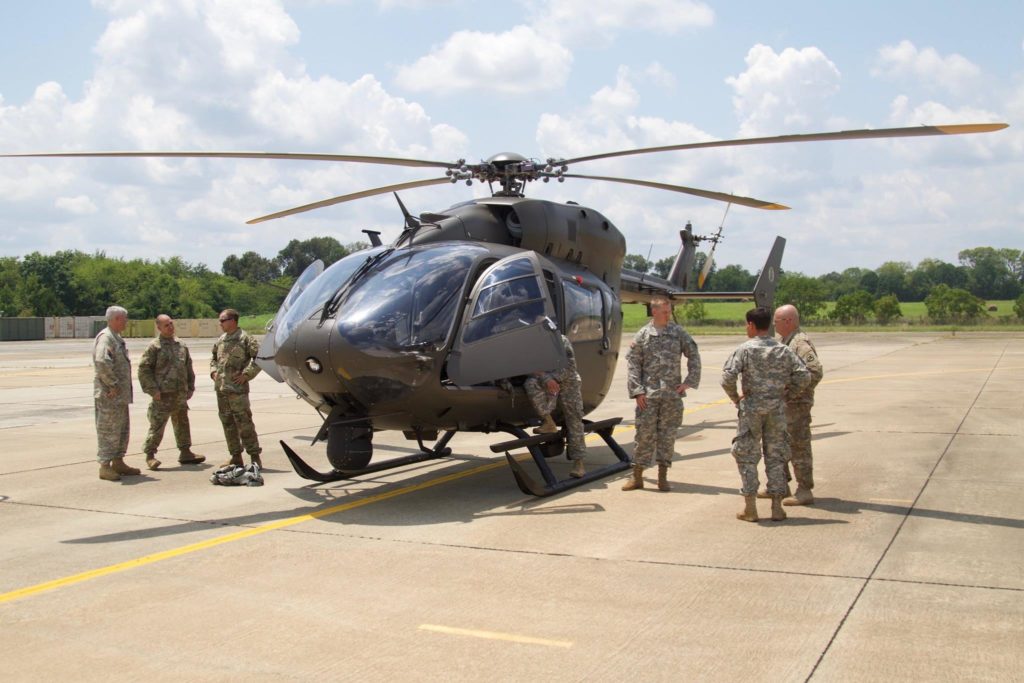
Three days after Hurricane Harvey made landfall in Texas, Alabama Gov. Kay Ivey announced Monday night the Alabama National Guard was being deployed to the Lone Star State to assist in recovery efforts. Ivey authorized Alabama Adjutant General Sheryl Gordon to send two CH-47 Chinook Helicopters and two UH-60M medical aircraft, along with their respective crews upon a request from the National Guard Bureau. “One of the hallmarks of the American spirit is the desire to help each other when disaster strikes,” Ivey said. “Alabama is proud to help our friends in Texas through lending our National Guard resources and offering our prayers and continued support in the days of recovery which lie ahead.” Harvey made landfall as a Category 4 hurricane Friday night unleashing winds of up to 130 mph and “catastrophic” flooding across parts of southeastern Texas. On Monday, Texas Gov. Greg Abbott announced he had activated the entire Texas National Guard in response to hurricane, bringing the total number of deployed personnel for rescue efforts to 12,000. “It is imperative that we do everything possible to protect the lives and safety of people across the state of Texas as we continue to face the aftermath of this storm,” the governor said in a news release. The National Weather Service said some areas of East Texas could be slammed with an “unprecedented” 50 inches of rain by week’s end as the storm lingers in the region, reports USA TODAY. “While this is still a dangerous situation with a long response effort ahead, the state and people of Texas are resilient,” said FEMA Administrator Brock Long. “FEMA was here before the storm hit, and we will be here as long as needed, actively coordinating the full resources of the federal government, to support Gov. Abbott and the state.”
Former Alabama leader, FEMA Director Brock Long faces first first big test
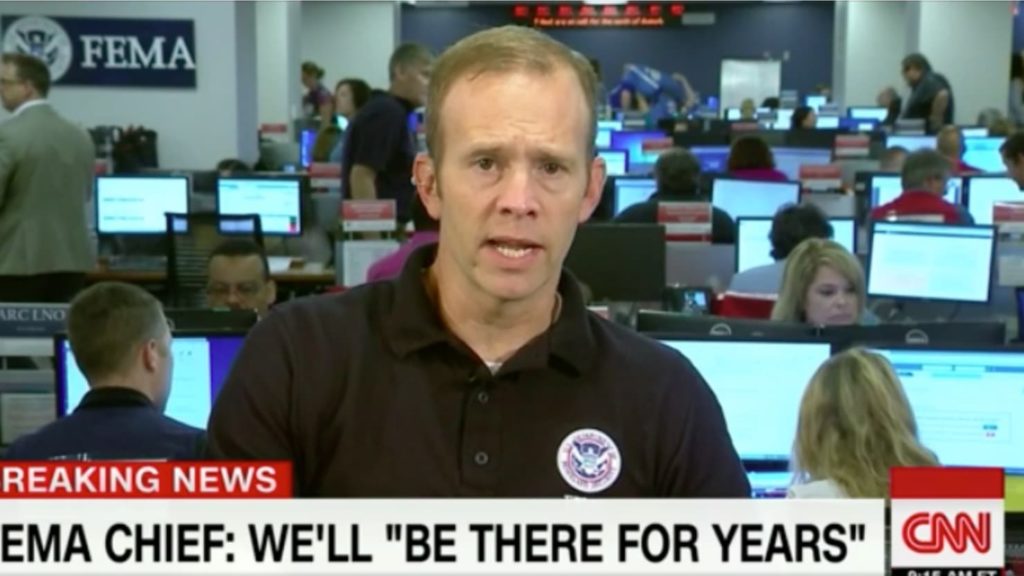
Brock Long, the Director of the Federal Emergency Management Agency (FEMA), is getting ready to face one of the toughest challenges of his career — coordinating the federal response to the damage done by Hurricane Harvey in Houston, Texas. While he’s only been on the job for two months, Long will be relying on years of experience in working with natural disasters in the weeks, months and years of Hurricane Harvey clean-up that lies ahead. From 2008 to 2011 Long served was at the helm of the Alabama Emergency Management Agency (AEMA), where he worked on the Yellowhammer State’s response to the Deepwater Horizon oil spill and numerous other natural disasters. As Director, he served as the State Coordinating Officer for 14 disasters, including eight presidentially-declared events. Prior to that he was a FEMA Regional Hurricane Program Manager from 2001 to 2006. Long’s already relying on his experience as the storm continues to do damage to the Lonestar State. On Monday, he asked for all Americans to help in what will be a lengthy recovery from the historic flooding caused by Hurricane Harvey. “Helping Texas overcome this disaster is going to be far greater than FEMA coordinating the mission of the entire federal government,” Long said at as news conference in Washington. “We need citizens to be involved. This is a landmark event. We have not seen an event like this. You could not draw this forecast up. You could not dream this forecast up.” “This is a whole community effort,” he added. The extent of the damage remains unknown, and the rainfall is not expected to let up for several days. Long urges individuals and organizations to check the website nvoad.org or call 1-800-621-FEMA to find out how to help.
