
Border patrol’s growing presence at hospitals creates fear
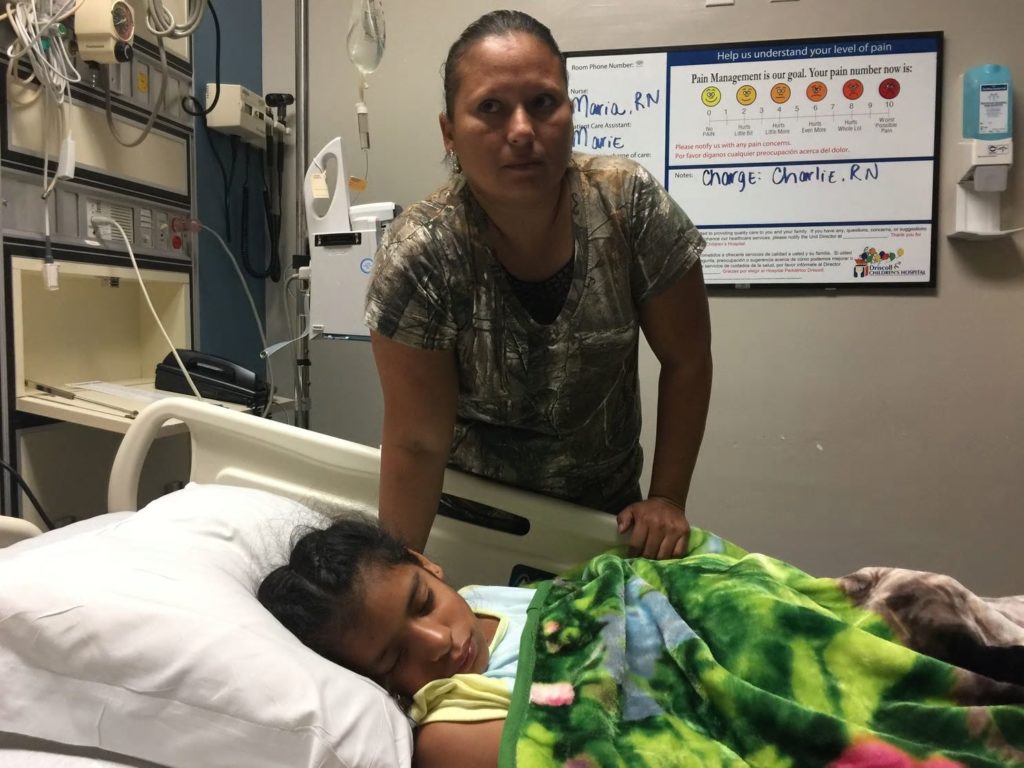
An armed Border Patrol agent roamed the hallways of an emergency room in Miami on a recent day as nurses wheeled stretchers and medical carts through the hospital and families waited for physicians to treat their loved ones. The agent in the olive-green uniform freely stepped in and out of the room where a woman was taken by ambulance after throwing up and fainting while being detained on an immigration violation, according to advocates who witnessed the scene. The presence of immigration authorities is becoming increasingly common at health care facilities around the country, and hospitals are struggling with where to draw the line to protect patients’ rights amid rising immigration enforcement in the Trump administration. Some doctors say this increased presence could undermine public health in cities with large immigrant populations, frightening patients who need care and prompting them to avoid hospitals. Normally, Immigration and Customs Enforcement officers and Border Patrol agents enter hospitals when detainees require emergency medical services or specialized care. In many cases, agents escort sick immigrants to the hospital after apprehending them at the border. In some instances, they have detained them after leaving a hospital. In 2017, Border Patrol agents followed a 10-year-old immigrant with cerebral palsy to a Texas hospital and took her into custody after the surgery. She had been brought to the U.S. from Mexico when she was a toddler. Doctors, lawyers and family members have complained about immigrants being shackled in hospitals and the intrusive presence of uniformed agents in exam rooms during treatment and discussions with physicians about medical care. The American Medical Association Journal of Ethics devoted its entire January issue to medical care for immigrants who are in the country illegally, including a discussion of whether medical facilities should declare themselves “sanctuary hospitals,” similar to sanctuary cities. “Our patients should not fear that entering a hospital will result in arrests or deportation. In medical facilities, patients and families should be focused on recovery and their health, not the ramifications of their immigration status,” the association said in a statement. But Dr. Elisabeth Poorman, a primary care physician at the University of Washington in Seattle, says facilities need to constantly train staff on how to interact with law enforcement and immigrant patients in these situations. “The ground is constantly shifting. I can tell the patient I am committed to your safety, but in the current administration we cannot tell everyone that they are 100% safe,” she said. Earlier this year, the agency that oversees Border Patrol said its agents averaged 69 trips to the hospital each day across the country. In the first half of the year, the federal government said Border Patrol agents had spent about 153,000 hours monitoring detained people at hospitals, as more families and children were crossing the border from Mexico. That’s the equivalent of about 20,000 8-hour shifts spent at hospitals. Hospitals, schools and places of worship are considered “sensitive locations” by a government policy and are generally free from immigration enforcement. But the rule is discretionary and ambiguous when an enforcement action begins before a trip to a hospital or when an immigrant is already in custody. Thomas Kennedy, policy director of the Florida Immigrant Coalition, says his organization received a call on Sunday alerting them of the detention and hospitalization of a woman in the suburb of Aventura. The woman’s identity was not disclosed by the group, saying the family asked for privacy. The woman and her ex-husband were driving with their two children, who are U.S. citizens, after a day at Haulover Beach on Sunday when a Border Patrol car flashed its lights to pull them over. Border Patrol conducts operations within 100 miles (160 kilometers) of a U.S. land or coastal border, and Florida lies entirely within this zone. Kennedy said the agents told her she had to go with them, and shortly after, she threw up and fainted. The agents then called for an ambulance. Keith Smith, a spokesman for the U.S. Customs and Border Protection agency, said the woman was detained for being “illegally present” in the United States, and clarified Border Patrol does not conduct any enforcement operations in hospitals in Florida. “However, agents will transport persons in custody and remain with them until medically treated and cleared,” he said in an email. Smith added agents were following national standards when escorting the woman to the hospital. In what Kennedy says is a recorded exchange between him and the Border Patrol agent with their faces off camera, Kennedy is heard asking the agent to show a warrant. The agent’s response: I don’t need one. “It is a little unorthodox to have a Border Patrol officer outside of her room and going in and out while she is receiving medical treatment,” Kennedy said. “This type of stuff creates fear. It prevents undocumented immigrants from seeking care.” Kennedy said he confronted the staff at Aventura Hospital and Medical Care, but employees told him they didn’t want to get involved and were simply providing care. The hospital, which is part of the Nashville-based health care giant HCA, Inc., did not respond to questions regarding cooperation with immigration authorities. The immigration agency said its agents must document the hospitalization providing a discharge summary, treatment plans and prescribed medications from any medical evaluation. Health care lawyers and medical associations say providers generally should not allow law enforcement unrestricted access to treatment areas, to comply with the federal Health Insurance Portability and Accountability Act, known as HIPAA. The law protects against improper disclosure of confidential information that may result from offering such access. A spokesman for NYC Health and Hospitals, which operates the public hospitals and clinics, said that when patients show up in custody of immigration enforcement, officers would be posted outside the treatment room, the same way it happens with police officers. But hospitals have yet to come up with a universal set of policies on how medical staff and physicians interact with immigration authorities. Dr. Poorman said she
Donald Trump will sign border deal but will also declare emergency
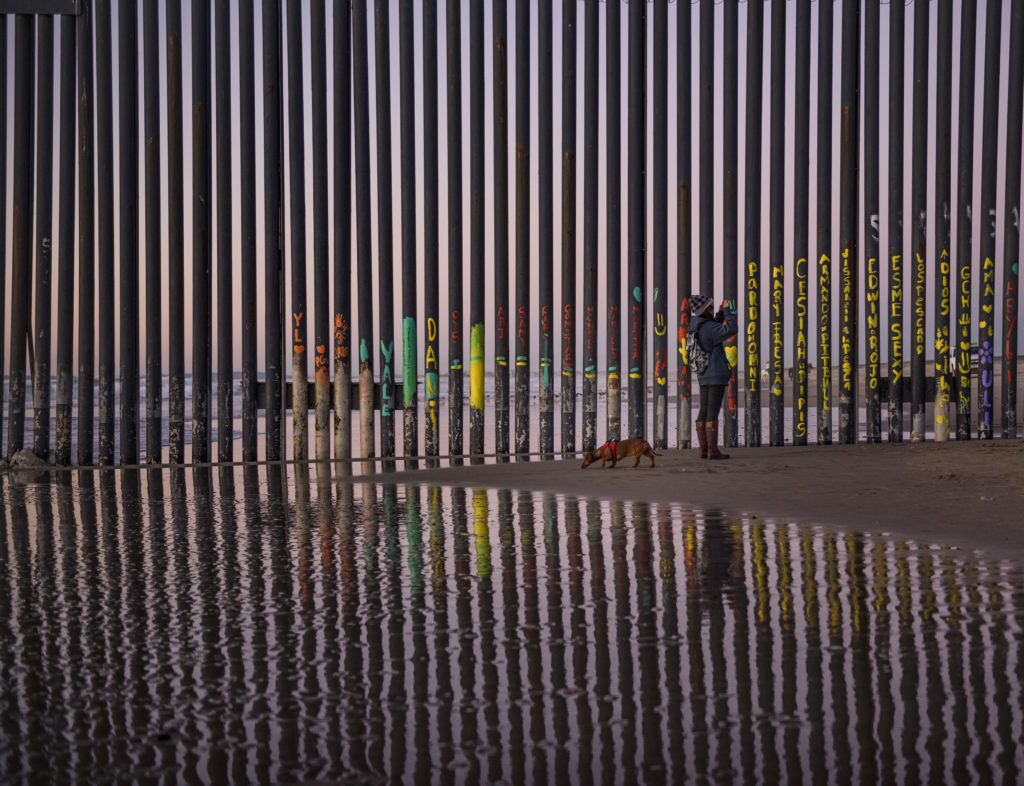
Congress lopsidedly approved a border security compromise that would avert a second painful government shutdown. But a new confrontation has been ignited — this time over President Donald Trump‘s plan to bypass lawmakers and declare a national emergency to siphon billions of dollars from other federal coffers for his wall on the Mexican boundary. Money in the bill for border barriers, about $1.4 billion, is far below the $5.7 billion Trump insisted he needed and would finance just a quarter of the 200-plus miles (322 kilometers) he wanted. The White House said he’d sign the legislation but act unilaterally to get more, prompting condemnations from Democrats and threats of lawsuits from states and others who might lose federal money or said Trump was abusing his authority. The uproar over Trump’s next move cast an uncertain shadow over what had been a rare display of bipartisanship to address the grinding battle between the White House and lawmakers over border security. The Senate passed the legislation 83-16 Thursday, with both parties solidly aboard. The House followed with a 300-128 tally, with Trump’s signature planned Friday. Trump will speak Friday morning in the Rose Garden about border security, the White House said. Trump is expected to announce that he will be spending roughly $8 billion on border barriers — combining the money approved by Congress with funding he plans to repurpose through executive actions, including a national emergency, said a White House official who was not authorized to speak publicly. The money is expected to come from funds targeted for military construction and counterdrug efforts. House Democrats overwhelmingly backed the legislation, with only 19 — most of whom were Hispanic — opposed. Just over half of Republicans voted “no.” Should Trump change his mind, both chambers’ margins were above the two-thirds majorities needed to override presidential vetoes. Lawmakers, however, sometimes rally behind presidents of the same party in such battles. Lawmakers exuded relief that the agreement had averted a fresh closure of federal agencies just three weeks after a record-setting 35-day partial shutdown that drew an unambiguous thumbs-down from the public. But in announcing that Trump would sign the accord, White House Press Secretary Sarah Sanders also said he’d take “other executive action, including a national emergency,” In an unusual joint statement, House Speaker Nancy Pelosi, D-Calif., and Senate Minority Leader Chuck Schumer, D-N.Y., said such a declaration would be “a lawless act, a gross abuse of the power of the presidency and a desperate attempt to distract” from Trump’s failure to force Mexico to pay for the wall, as he’s promised for years. “Congress will defend our constitutional authorities,” they said. They declined to say whether that meant lawsuits or votes on resolutions to prevent Trump from unilaterally shifting money to wall-building, with aides saying they’d wait to see what he does. Democratic state attorneys general said they’d consider legal action to block Trump. Puerto Rico Gov. Ricardo Rossello told the president on Twitter “we’ll see you in court” if he makes the declaration. Despite widespread opposition in Congress to proclaiming an emergency, including by some Republicans, Trump is under pressure to act unilaterally to soothe his conservative base and avoid looking like he’s lost his wall battle. The abrupt announcement of Trump’s plans came late in an afternoon of rumblings that the volatile president — who’d strongly hinted he’d sign the agreement but wasn’t definitive — was shifting toward rejecting it. That would have infused fresh chaos into a fight both parties are desperate to leave behind, a thought that drove some lawmakers to ask heavenly help. “Let’s all pray that the president will have wisdom to sign the bill so the government doesn’t shut down,” Sen. Charles Grassley, R-Iowa, said Thursday’s Senate session opened. Moments before Sanders spoke at the White House, Senate Majority Leader Mitch McConnell, R-Ky., took to the Senate floor to announce Trump’s decisions to sign the bill and declare an emergency. Sen. John Cornyn, R-Texas, told reporters there were two hours of phone calls between McConnell and the White House before there were assurances that Trump would sign. McConnell argued that the bill delivered victories for Trump over Pelosi. These included overcoming her pledge to not fund the wall at all and rejecting a Democratic proposal for numerical limits on detaining some immigrants, said a Republican speaking on condition of anonymity to describe private conversations. In a surprising development, McConnell said he would support Trump’s emergency declaration, a turnabout for the Kentucky Republican, who like many lawmakers had opposed such action. Democrats say there is no border crisis and Trump would be using a declaration simply to sidestep Congress. Some Republicans warn that future Democratic presidents could use his precedent to force spending on their own priorities, like gun control. GOP critics included Maine Sen. Susan Collins, who said emergency declarations are for “major natural disasters or catastrophic events” and said its use would be of “dubious constitutionality.” White House staff and congressional Republicans have said that besides an emergency, Trump might assert other authorities that could conceivably put him within reach of billions of dollars. The money could come from funds targeted for military construction, disaster relief and counterdrug efforts. Congressional aides say there is $21 billion for military construction that Trump could use if he declares a national emergency. By law, the money must be used to support U.S. armed forces, they say. The Defense Department declined to provide details on available money. With many of the Democrats’ liberal base voters adamantly against Trump’s aggressive attempts to curb immigration, four declared presidential hopefuls opposed the bill in the Senate: Cory Booker of New Jersey, New York’s Kirsten Gillibrand, Elizabeth Warren of Massachusetts and Kamala Harris of California. Amy Klobuchar of Minnesota voted for it, as did Vermont independent Bernie Sanders, who is expected to join the field soon. Notably, the word “wall,” the heart of many a chant at Trump campaign events and his rallies as president, is absent from the compromise’s 1,768-page
ICE arrest of approximately 30 illegal immigrants in N. Alabama sparks conversation
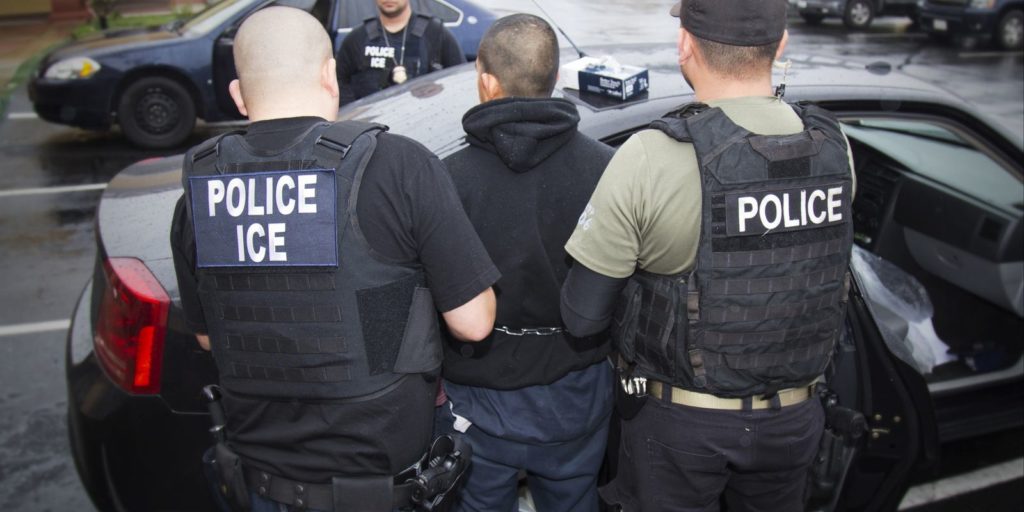
Agents from the U.S. Immigration and Custom Enforcement (ICE) arrested “approximately 30 persons” in North Alabama the last week of August, an ICE spokesperson has confirmed to Alabama Today. “ICE makes targeted arrests on a daily basis in accordance with its ongoing enforcement activity,” explained Bryan Cox, the Southern Region Communications Director for ICE. “The general premise I’ve seen from some in the area that ICE’s presence in North Alabama is a new development is not accurate. These arrests were made by Alabama-based officers regularly assigned to the area who conduct targeted enforcement actions as part of their everyday duties.” According to the ICE spokesman, the local field office, which is based in Louisiana and covers a territory spanning Alabama, Arkansas, Louisiana, Mississippi and Tennessee, is averaging, thus far this year, approximately 200 arrests in any given week. A local immigrants rights group is calling the arrests held a press conference in Huntsville, Ala. on Thursday titled “Stop Tearing Families Apart,” where they voiced their concerns over the recent arrests. The Alabama Coalition for Immigrant Justice (ACIJ) claims many of the people arrested did not have criminal records. They said they’ve collected information that ICE arrested people from Huntsville, Decatur, Athens, Hartselle, many whom of were simply getting ready for work or pumping gas. “We are for sure clear this is a racial profiling issue,” said ACIJ Executive Director Sarai Portillo. But ICE says that’s not the case. “ICE continues to focus its limited resources first and foremost on those who pose the greatest threat to public safety and any suggestions as to ICE engaging in random or indiscriminate enforcement are categorically false,” explained Cox. “ICE does not conduct any type of indiscriminate raids or sweeps that target aliens indiscriminately. The agency’s arrest stats clearly reflect this reality.” Nationally, 90 percent of all foreign nationals arrested by ICE to date in FY18 either had a criminal conviction, faced a criminal charge, or were already subject to a final order of removal. In explaining the reasons in which someone facing deportation may not have a criminal conviction or a pending criminal charge though they have been arrested for or suspected of criminal activity ICE noted that decisions of criminal prosecution is up to local prosecutors who when faced with a criminal facing imminent deportation may drop charges in order to allow ICE to expedite the deportation process thus saving the costs associated with incarceration and of trial. This decision to drop charges by the prosecutor, in which ICE has no say, allows for what some have called the manipulative ability of lawyers and family members of those being deported to claim that their family member has no record and thus pose no threat. The term “criminal alien” below signifies that an alien has been convicted of a an additional crime in the U.S. beyond their violation of federal immigration law. Sixty-one percent of the non-criminal aliens ICE has arrested in FY18 thus far nevertheless came to ICE’s attention due to criminal charges. New Orleans (of which Alabama is a part) field office ICE administrative arrest stats: FY18 (Q1-Q3): 7,584 arrests, 4,478 convicted criminal (59 percent) FY17: 7,968 arrests, 5,059 convicted criminal (64 percent) FY16: 5,174 arrests, 4,347 criminal (84 percent) FY15: 5,244 arrests, 4,385 criminal (84 percent) FY14: 7,429 arrests, 5,504 criminal (74 percent) FY13: 9,115 arrests, 6,370 criminal (70 percent) ICE national administrative arrest stats: FY18 (Q1-Q3): 119,884 arrests, 79,644 convicted criminal (66 percent) FY17: 143,470 arrests, 105,736 convicted criminal (74 percent) FY16: 110,104 arrests, 94,751 criminal (86 percent) FY15: 119,772 arrests, 101,880 criminal (85 percent) FY14: 183,703 arrests, 134,734 criminal (73 percent) FY13: 232,287 arrests, 168,444 criminal (73 percent) Watch the ACIJ press conference below:
Poll: Few Democrats favor liberal cry to abolish ICE
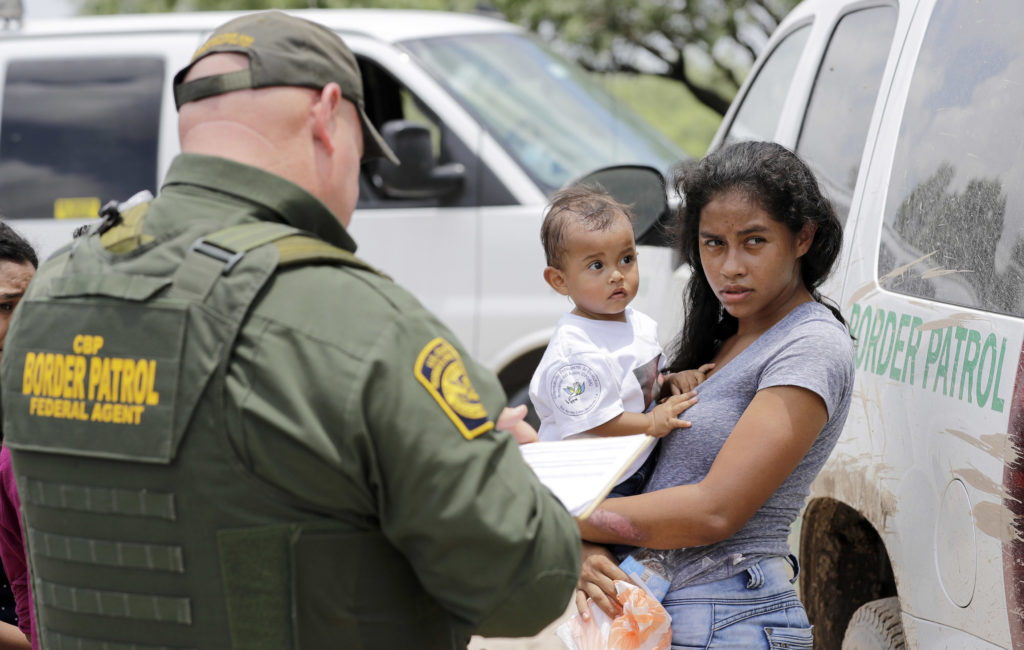
The rallying cry from some liberals to abolish Immigration and Customs Enforcement isn’t a likely winner this election year, as a new poll finds only a quarter of Democrats support eliminating the agency that carried out the Trump administration’s policy of separating immigrant children from their parents. But even as they don’t want to fully dismantle ICE, 57 percent of Democrats view the agency negatively, including nearly three-fourths of those who describe themselves as liberal, according to a poll released Monday by The Associated Press-NORC Center for Public Affairs Research. The findings demonstrate tension among Democrats about how to address the crisis at the border that intensified in June when the Trump administration instituted a family separation policy to deter illegal immigration. Some potential Democratic presidential contenders, such as Sen. Kirsten Gillibrand of New York, backed getting rid of ICE in response to the separations. Others, including Sen. Kamala Harris of California, urged a rethinking of the agency, but stopped short of calling for its abolition. President Donald Trump has seized on the Democratic criticism of ICE to paint the party as weak on immigration and national security. The administration reversed its separation policy amid an international outcry, but hundreds of children remain separated from their families. Overall, opinions about ICE are divided along partisan lines. While a majority of Democrats view the agency negatively, Republicans largely have favorable views of ICE. A sizable chunk — a full one-third of Americans — are too unfamiliar with the agency to form an opinion. Dianne Stone, a 68-year-old retired bus driver from Charlotte, North Carolina, said ICE should be modified but not scrapped. After spending decades living in Southern California, she said ICE ought to be less of a law enforcement agency and more dedicated to helping immigrants negotiate the border. “Yes, there are more drugs and crime coming across the border than years ago. But you can’t keep kids in cages,” Stone said. “ICE can be part of a more sophisticated vetting process where you’re keeping criminals out.” The public is largely critical of the administration’s progress in reuniting families. Nearly 6 in 10 think the Trump administration is doing too little, though 8 percent say it’s doing too much, and a third think it is doing enough. Anna Lee Lish was appalled by the scenes of children separated from their parents at the border in June, but does not blame ICE for the problem. “I thought it was horrific,” said the 60-year-old social worker from Pocatello, Idaho. “ICE was just doing its job, following orders. But it’s the policy of separating families that needs to change, not abandon ICE.” The partisan divide is dramatic: 85 percent of Democrats say the administration is doing too little to reunite children with their families, compared to 22 percent of Republicans. Still, that means nearly a quarter of Republicans feel the administration should be doing more. Reviews of Trump’s overall handling of immigration are also divided. More than three-quarters of Republicans have largely favorable views of the president’s immigration performance while more than 90 percent of Democrats disapprove. Nearly two-thirds of independent voters said they don’t approve of Trump’s handling of the issue. And while the Trump administration seeks to curb legal immigration, Americans are more likely to say they want to keep it at existing levels (42 percent) than to want the number of immigrants let in to be increased (29 percent) or decreased (28 percent). The push to abolish ICE became something of a litmus test among liberal Democrats this summer after Alexandria Ocasio-Cortez unseated a 10-term party leader for a New York congressional seat in part by campaigning on the issue. But it hasn’t proved a political winner in other races. Democrat Brent Welder, endorsed by Ocasio-Cortez in July, backed ending ICE but was narrowly beaten in an August primary in suburban Kansas. And no Democrats running in competitive Senate races in November have advocated abolishing ICE. More common among prominent Democrats is the suggestion the agency be reformed. Rep. Kyrsten Sinema, a Democrat running for Senate in Republican-heavy Arizona with its 378-mile (608-kilometer) border with Mexico, said last month that “ICE does provide some important functions,” though she has recommended changes to the agency. ___ The AP-NORC poll of 1,055 adults was conducted Aug. 16-20 using a sample drawn from NORC’s probability-based AmeriSpeak panel, which is designed to be representative of the U.S. population. The margin of sampling error for all respondents is plus or minus 4.2 percentage points. Republished with permission from the Associated Press.
Steve Marshall talks illegal immigration, drug trafficking at White House event
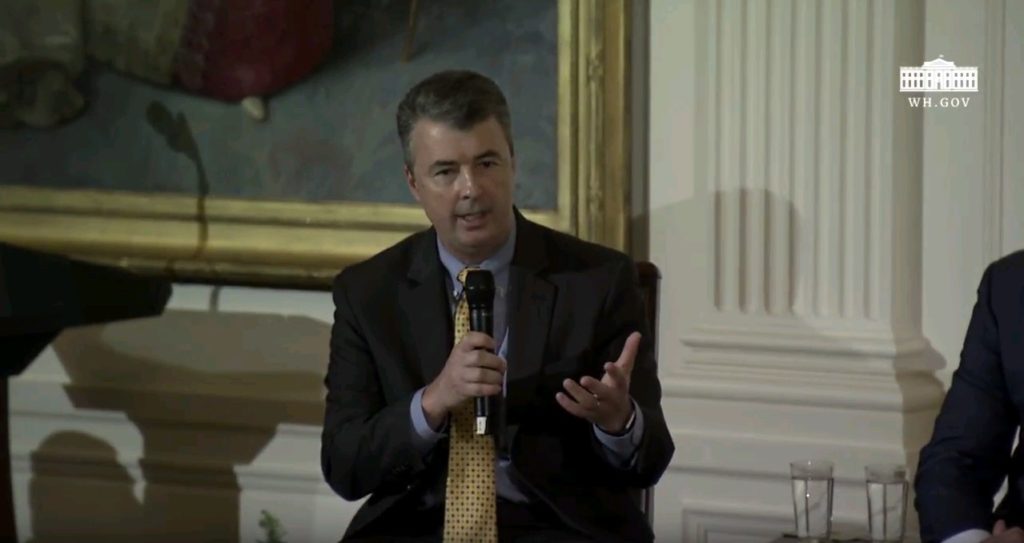
Concerned with border security and the crime associated with cross-border drug trafficking and illegal immigration, Alabama Attorney General Steve Marshall accepted an invitation to the White House to participate in a panel discussion on Monday about cooperation between federal, state, and local government in protecting national borders. Chaired by Mercy Schlapp, Assistant to the President and Senior Advisor for Strategic Communications, the panel consisted of Marshall, along with CBP Commissioner Kevin McAleenan, ICE Deputy Director Ron Vitiello, U.S. Senator David Perdue (R-GA), Governor Doug Ducey (R-AZ), and Cochise County, Arizona, Sheriff Mark J. Dannels in a discussion in the East Room of the White House. “Due to our state’s proximity to Atlanta, a major distribution point for drugs, and to Texas, a border state, Alabama has become a prime transit point for drug trafficking,” said Marshall. “We see marijuana, cocaine, meth, and now illicit fentanyl coming into our state as a result. The drug trade brings dangerous and violent illegal aliens into Alabama. Just this summer, our state was rocked by the brutal murder of a special needs 13-year-old girl—killed by affiliates of the Mexican drug cartel. I am grateful to the President and the White House for allowing me to share the observations of Alabama law enforcement and our citizens.” The day also featured an immigration a ceremony with President Donald Trump‘s that honored the men and women of Immigration and Customs Enforcement (ICE) and Customs and Border Protection (CBP). There, agents, ho have been caught in the crosshairs of the immigration policy debate as they uphold their sworn duty to enforce the law, were brought to the podium to note their achievements in addressing unlawful border crossings and stemming the flow of illicit drugs. “As the chief law enforcement officer of the State of Alabama, I want to thank each member of ICE and CBP for your courage and your loyalty to enforcing the laws of this country in the face of irresponsible rhetoric and meritless attacks,” added Marshall. “The people of Alabama thank you, too. The work of ICE and CBP has a direct connection to the safety of the citizenry that extends far beyond those states that are on the border.” Marshall continued, “A shared mission and strong partnership between state and local law enforcement and the brave agents of ICE and CBP are in the best interest of public safety and I am pleased with the coordination that I see in Alabama. But in the immigration debate, public safety is not the only threat we must contend with. The rule of law—America’s bedrock principle—is under attack as well.” Marshall singled out Trump and former Alabama U.S. Senator, U.S. Attorney General Jeff Sessions for their strong support of border security. “Under the previous administration, amnesty programs were unconstitutionally initiated by executive fiat and without any action from Congress. The former United States Attorney General turned a blind eye to sanctuary cities that brazenly refused to work with ICE and CBP,” said Marshall. “The Justice Department also failed to cooperate with Congress when Border Patrol Agent Brian Terry was killed in relation to a botched gunwalking operation. Thanks to the leadership of President Trump, Attorney General Sessions, and Secretary [Kristjen] Nielsen, we have finally begun to see the pendulum swing in the other direction. But the work is far from over. We must secure our borders and we must restore respect for the rule of law throughout this country. The men and women of ICE and CBP are critical to securing our borders, and Attorneys General—I believe—must play a major role in restoring the rule of law.” Watch the White House panel discussion below:
Bradley Byrne confirms illegal immigrants will not be housed in Baldwin County
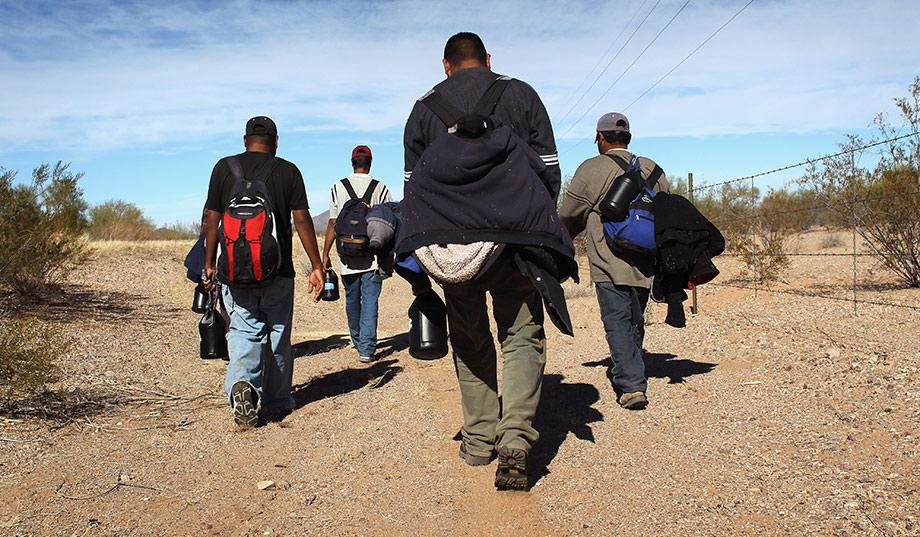
Alabama 1st District U.S. Rep. Bradley Byrne on Tuesday tweeted there are no plans to house immigrants at the Navy airfields in south Baldwin County. “BREAKING: My office has learned that there are no plans to house illegal immigrants at Navy airfields in south Baldwin County! This was a bad idea from the start, and I am pleased it will not come to fruition,” Byrne tweeted upon receiving confirmation from the Department of Homeland Security (DHS) and Immigration and Customs Enforcement (ICE). BREAKING: My office has learned that there are no plans to house illegal immigrants at Navy airfields in south Baldwin County! This was a bad idea from the start, and I am pleased it will not come to fruition. — Rep. Bradley Byrne (@RepByrne) August 14, 2018 “Housing illegal immigrants at ill-equipped airfields along the Gulf Coast was always a terrible idea, so I appreciate the confirmation that this plan is no longer being considered,” Byrne said in a statement following his tweet. “We had a team effort to push back this flawed idea, and I especially want to thank Baldwin County Commissioners Chris Elliott and Tucker Dorsey and Baldwin County Sheriff Hoss Mack for their advocacy on this issue.” Byne continued, While I am glad this issue is resolved, we must continue working to secure the border and eliminate the need for additional housing for illegal immigrants altogether. I remain 100% committed to working with President Trump to build a border wall, hire additional border patrol officers, and ensure our border security is as strong as possible.” Byrne led an effort in Washington in June to express opposition to housing up to 10,000 illegal immigrants at Naval Outlying Field Silverhill and Naval Outlying Field Wolf in south Baldwin County. He joined other members of the Alabama and Florida Congressional delegations in sending a letter to Secretary of Defense James Mattis and Secretary of Homeland Security Kirstjen Nielson outlining concerns with the proposal. Byrne also hosted Baldwin County officials in Washington for a series of meetings to convene local concerns with the proposal. Read the letter from ICE Deputy Director Ronald Vitiello below:
Donald Trump moving forward with border wall, weighs refugee cuts
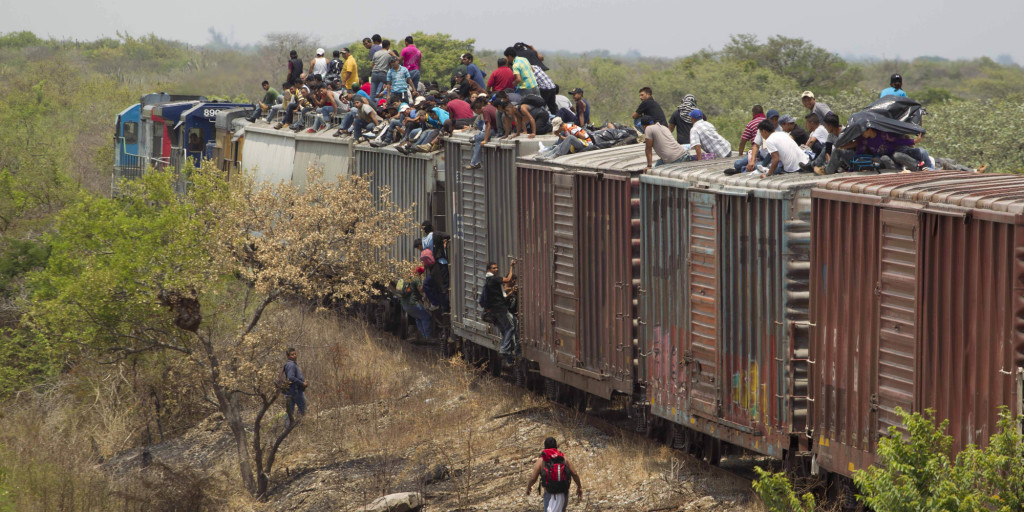
President Donald Trump will use his executive authority Wednesday to jumpstart construction of his proposed U.S.-Mexico border wall, one of his signature campaign promises. He is also expected to target so-called sanctuary cities and potentially restrict the flow of refugees to the United States, according to administration officials. The president will sign the first actions — including the measure authorizing work on the wall —during a trip to the Department of Homeland Security Wednesday afternoon. He’ll also move to increase the number of border patrol and Immigration and Customs Enforcement agents. On his personal Twitter account Tuesday night, Trump tweeted: “Big day planned on NATIONAL SECURITY tomorrow. Among many other things, we will build the wall!” The president is said to still be weighing the details of plans to curb the number of refugees coming to the U.S. The current proposal includes at least a four-month halt on all refugee admissions, as well as a temporary ban on people coming from some Muslim-majority countries, according to a source from a public policy organization that monitors refugee issues. The person was briefed on the details of that proposed action by a government official and outlined the plan to The Associated Press. The officials and the public policy organization source insisted on anonymity in order to outline the plans ahead of the president’s official announcements. Trump campaigned on pledges to tighten U.S. immigration policies, including strengthening border security and stemming the flow of refugees. His call for a border wall was among his most popular proposals with supporters, who often broke out in chants of “build that wall” during rallies. In response to terrorism concerns, Trump controversially called for halting entry to the U.S. from Muslim countries. He later turned to a focus on “extreme vetting” for those coming from countries with terrorism ties. While the specifics of Trump’s orders were unclear, both administration officials said Wednesday’s actions would focus in part on the president’s plans to construct a wall along the southern border with Mexico. He’s also expected to move forward with plans to curb funding for cities that don’t arrest or detain immigrants living in the U.S. illegally — localities dubbed “sanctuary” cities — which could cost individual jurisdictions millions of dollars. Trump has insisted that Mexico will pay for construction of the border wall, though he has not detailed how he make that happen given the Mexican government’s insistence that it will not cover the costs. Earlier this month, Trump said the building project would initially be paid for with a congressionally approved spending bill and Mexico would eventually reimburse the U.S. Trump is expected to discuss the matter with Mexican President Enrique Pena Nieto when he visits the White House next week. In claiming authority to build a wall, Trump may rely on a 2006 law that authorized several hundred miles of fencing along the 2,000-mile frontier. That bill led to the construction of about 700 miles of various kinds of fencing designed to block both vehicles and pedestrians. The Secure Fence Act was signed by then-President George W. Bush, and the majority of that fencing in Texas, New Mexico, Arizona and California was built before he left office. The last remnants were completed after President Barack Obama took office in 2009. The Trump administration also must adhere to a decades-old border treaty with Mexico that limits where and how structures can be built along the border. The 1970 treaty requires that structures cannot disrupt the flow of the rivers, which define the U.S.-Mexico border along Texas and 24 miles in Arizona, according to The International Boundary and Water Commission, a joint U.S.-Mexican agency that administers the treaty. Other executive actions expected Wednesday include ending what Republicans have labeled a catch-and-release system at the border. Currently, some immigrants caught crossing the border illegally are released and given notices to report back to immigration officials at a later date. If Trump’s actions result in those caught being immediately jailed, the administration would have to grapple with how to pay for additional jail space and what to do with children caught crossing the border with their parents. It appeared as though the refugee restrictions were still being finalized. The person briefed on the proposals said they included a ban on entry to the U.S. for at least 30 days from countries including Iran, Iraq, Libya, Somalia, Sudan and Yemen, though the person cautioned the details could still change. There is also likely to be an exception for those fleeing religious persecution if their religion is a minority in their country. That exception could cover Christians fleeing Muslim-majority nations. As president, Trump can use an executive order to halt refugee processing. Bush used that same power in the immediate aftermath of the Sept. 11 attacks. Refugee security vetting was reviewed and the process was restarted several months later. Republished with permission of The Associated Press.
DHS freed nearly 20,000 convicted criminal immigrants in 2015

The U.S. repeatedly tried to deport Jean-Jacques, an immigrant living in the U.S. illegally, but his native Haiti wouldn’t take him back after he served more than a decade in a state prison for attempted murder and committed multiple parole violations. Each time Jacques was arrested on a parole violation, he would serve a sentence in state prison and then be released to immigration custody. At least three times, Haiti refused to take him back, so Immigration and Customs Enforcement officials in early 2015 did the same thing they do thousands of times a year – they released a violent criminal immigrant from jail. Six months later, Jacques killed Casey Chadwick, a young Norwich, Connecticut, woman. He was convicted of murder last April and faces sentencing this summer. Jacques is a textbook example of the kind of immigrant living in the U.S. illegally that the Obama administration says should be returned to his home country. But that’s easier said than done. Jacques’ release and that of more than 19,700 convicted criminal immigrants during the 2015 budget year reveal yet another complication in the country’s complicated immigration system. ICE has released tens of thousands of convicted criminals. Combined, those people have been convicted of hundreds of thousands of crimes, including murder and sexual assault. Jacques’ case and those of others like him show how difficult it would be to carry out proposals by some politicians, including presumptive Republican presidential nominee Donald Trump, which immigration officials simply find and deport the estimated 11 million immigrants living in the country illegally. ICE Director Sarah Saldana told Congress recently that agents routinely have little choice but to release immigrants. Saldana said the agency is bound by a complex set of immigration laws and rules that govern which immigrants have to be detained and which ones can be set free while they wait for an immigration judge to rule on their case. Add to the mix a yearslong immigration court backlog of nearly half a million cases and some criminal immigrants could be free in the United States for years before being ordered out of the country. “What is unacceptable is even one (release). Why did you release even one person?” Rep. Jason Chaffetz, R-Utah, asked Saldana. Saldana also told lawmakers that an effort to develop a system to alert local authorities about a newly released criminal immigrant is underway. But lawmakers and others say it’s not enough. “They got caught committing a crime. They were convicted of the crime and instead of following the law and deporting them; you released them … and they commit more crimes,” Chaffetz said. “That is so wholly unacceptable.” Chester Fairlie, the Chadwick family’s lawyer, said criminal immigrants like Jacques need to stay in jail. And the government could pressure other governments to take back their citizens, he said, by cutting aid packages or reducing the number of visas available for their citizens to come to the United States. “It seems to me that our State Department should have enough leverage to say to them, you cannot arbitrarily refuse to take these people back,” Fairlie said. The House Judiciary Committee approved a bill in March 2015 that would allow the U.S. to continue to detain some criminal immigrants even if their home country won’t take them back. It hasn’t progressed beyond the committee. But Chaffetz said the administration already can pressure foreign governments to take their citizens back by curbing visas. He said Homeland Security officials need to ask the State Department to impose those visa sanctions. “By U.S. law, these countries must accept deportations or we won’t give any more visas,” Chaffetz said. “All I’m asking is that the administration enforces current law.” The State Department said Wednesday it has been asked to curb visas in the past, and a meeting is planned between State and DHS officials. It is expected that DHS officials will make a new request for some visa sanctions, but it’s unclear which countries may be targeted. The government has briefly stopped issuing some temporary work visas for immigrants from certain countries that have refused the return of their citizens, including Guyana in 2001. Such efforts can be a sort of signal to other nations considering blocking the return of some criminal immigrants. “You can do it in a targeted way and stop issuing certain categories of visas,” said Igor Timofeyev, a former director of immigration policy and a special adviser for refugee and asylum affairs at DHS during President George W. Bush‘s administration. But the effort can be fraught with political and diplomatic complications, Timofeyev said. In the case of China, for instance, a complicated political and economic relationship means that being able to send home criminal immigrants is not the only consideration for an administration. Nevertheless, Chaffetz and other Republican lawmakers have repeatedly pressed DHS officials to kick-start efforts to penalize countries whose governments have refused to cooperate with deportation efforts. “They shouldn’t be getting federal aid,” Chaffetz said during the hearing on the issue. “And we shouldn’t be giving them visas so that more people from those countries can come to the United States.” Republished with permission of the Associated Press.
