
Doug Jones co-sponsors legislation to ensure equal pay for women
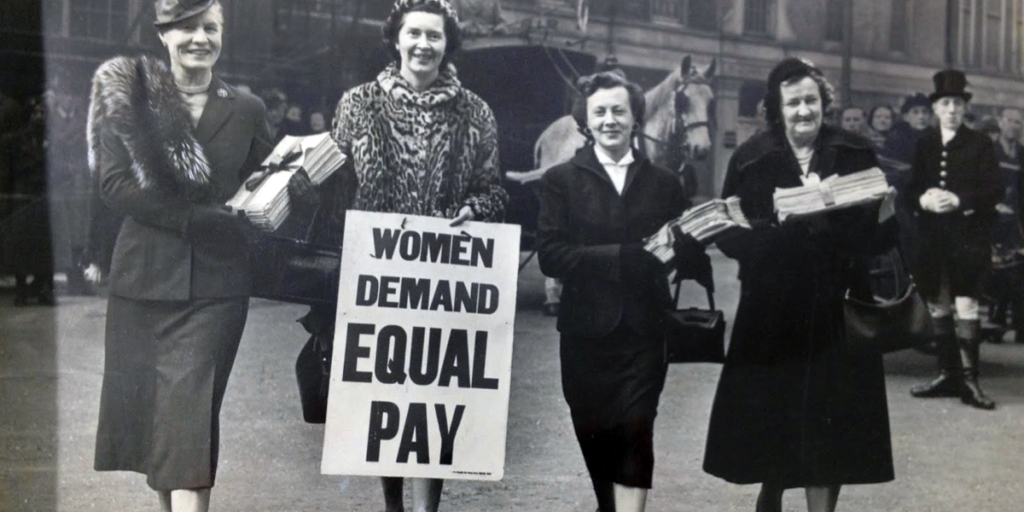
Newly elected U.S. Sen. Doug Jones is calling for an equal pay law. On Tuesday, the Democrat announced he will co-sponsor legislation designed to address the pay gap between men and women. S.819: The Paycheck Fairness Act, would strengthen the Equal Pay Act of 1963 and guarantee that women can challenge pay discrimination and hold employers accountable. “Despite making up half the workforce, American women still routinely face obstacles to receiving the pay and benefits they’ve earned,” said Jones. “We have a duty to make sure that women are compensated fairly for the jobs they do. I’m proud to co-sponsor the Paycheck Fairness Act and I look forward to working with my colleagues to see this common-sense legislation passed.” According to the Institute for Women’s Policy Research (IWPR), five decades after the Equal Pay Act of 1963, women continue make an average of 80 cents for every dollar earned by a man. The pay gap is even wider for women of color, with African American women making 63 cents on the dollar, and Hispanic women making only 54 cents, on average, compared with white men. The Paycheck Fairness Act would strengthen and close loopholes in the Equal Pay Act of 1963 by holding employers accountable for discriminatory practices, subject to the same remedies as discrimination based on race or national origin. The bill endeavors to end the practice of pay secrecy by easing workers’ ability to individually or jointly challenge pay discrimination, and strengthening the available remedies for wronged employees.
Study finds Alabama worst state in South for women

A new study from the Institute for Women’s Policy Research ranks Alabama as the worst state in the South for women. The study, “Status of Women in the South,” explores a variety of topics relative to women’s lives, including political participation, employment and earnings, work and family, poverty and opportunity, reproductive rights and health and well-being. In all seven categories, Alabama received a D or F grade. The study examined 14 states deemed “Southern” states — Alabama, Georgia, Tennessee, Mississippi, Arkansas, Louisiana, Kentucky, North and South Carolina, Texas, Virginia, West Virginia, Florida, and the District of Columbia — and, of those, Alabama ranked dead last overall. The breakdown of grading for the state was as follows: Political Participation: D- Employment and Earnings: F Work and Family: D- Poverty and Opportunity: D- Reproductive Rights: D Health and Well-Being: F Along with rating each state individually, the study notes that poverty rates among women in the South are some of the highest in the country and closing the gender wage, estimated to cost Southern women $155.4 billion annually, would reduce women’s poverty rate by more than half. But not all of the findings were negative: Women in the South generally have better access to affordable and quality childcare and Southern women are more likely to be business owners than women in other parts of the country. However, the poverty rate for Southern women, now at 16.4 percent, is higher than non-Southern states, which currently rests just over 13 percent, and women in the South are more likely to die from heart disease and breast cancer, and more likely to suffer from diabetes or AIDS. Further, maternal and infant mortality are startlingly high in the South and 11 Southern states accounted for more than one-third of all female homicides by males.
Nationwide study: Not easy being a woman in Alabama

The Institute for Women’s Policy Research recently completed a comprehensive state-by-state survey on the economic and political status of women and it did not portray Alabama in a flattering light. The state received grades of “D” and below in each of the six chapters of the study, which included categories such as “Employment & Earnings, “Reproductive Rights,” and “Political Participation.” In the area of “Poverty & Opportunity,” for instance, Alabama received a D-minus. While the statistics show the proportion of women entrepreneurs here is higher than the national average — 28.1 percent compared to 53.5 percent of men, good for 19th in the country — low ranks in rates of health insurance (32nd), educational attainment (46th) and percentage of women who live under the poverty line (46th) dragged down the overall grade severely. The most controversial aspect of the study focused on access to abortion providers, which the Institute sees as an indicator of sexual and reproductive freedom, a view that many Alabamians, including many women, would disagree with. Nonetheless, the state was docked in a big way for the following aspects of its body politic, among others: the state’s parental notification and consent laws with regard to abortion, the mandatory waiting period before one is available, a generally pro-life governor and legislature, and a minority of women (41 percent) who live in counties where abortion providers offer their services. The highest marks the IWPR gave the Yellowhammer state were for “Work & Family” — the state’s relatively low gender gap is workforce participation among those with young children (20.9 percent fewer women than men in that category work) and high “Child Care Index,” which measures access and affordability, buoyed the state’s rankings, edging it past Mississippi, Arkansas, Idaho and West Virginia. Other select Alabama findings from the 2015 study: 31.5 percent of employed women work in low-wage jobs Men are 2.4 times more likely to work in a STEM field Women earn 76 cents on the dollar compared to men in the state 14 percent of women have diabetes, as well as 13.6 percent of men The state ranked 51st in mental health: women reported 5.6 days of ill mental health per month Heart disease remains a major problem: 184.3 women per one hundred thousand, and 281.8 men, die per annum of the malady.
