
Dana Hall McCain: American institutions losing competence, losing trust
Dana Hall McCain discusses the state of American institutions, such as the Iowa caucuses.
2020 Democratic race is wide open in Iowa as caucuses near
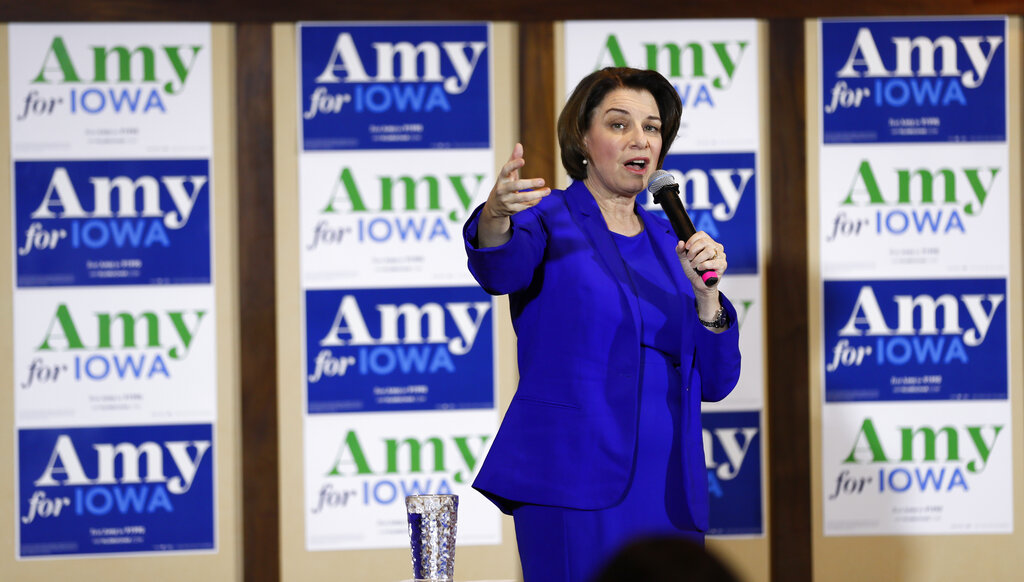
Iowa has a solid record of backing the ultimate Democratic nominee.
Donald Trump calls for Iowa election do-over
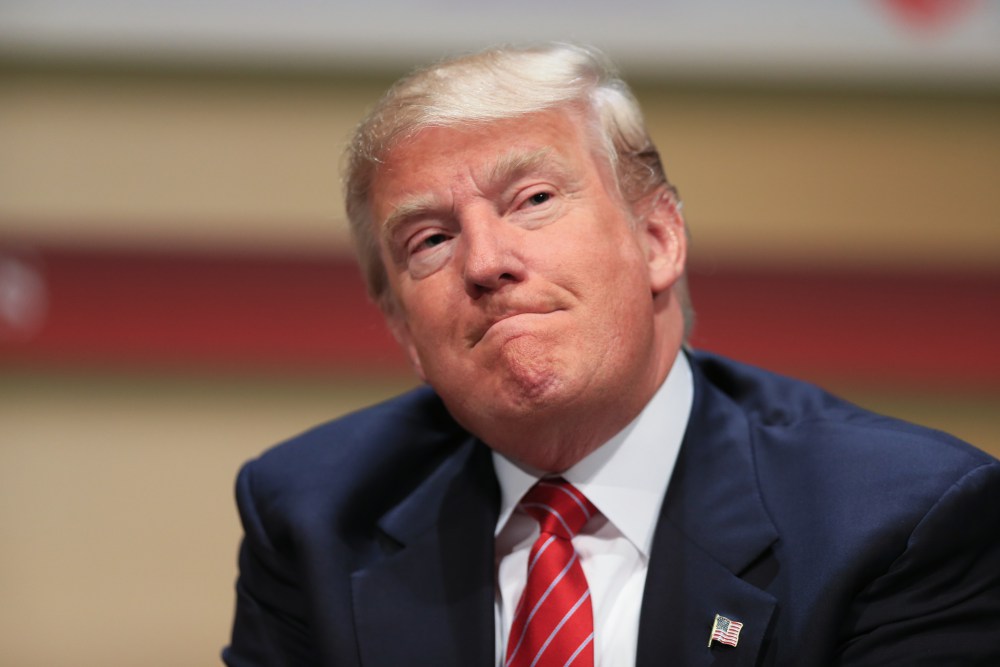
Republican presidential candidate Donald Trump is accusing rival Ted Cruz of stealing the Iowa caucuses and is demanding a do-over. On his official Twitter account Wednesday, Trump said: “Based on the fraud committed by Senator Ted Cruz during the Iowa Caucus, either a new election should take place or Cruz results nullified.” He based his claim of fraud largely on developments that had been known for days and had not stopped him from congratulating Cruz on his victory Monday night. The Cruz campaign had no immediate response. Trump tweeted earlier: “Ted Cruz didn’t win Iowa, he stole it. That is why all of the polls were so wrong and why he got far more votes than anticipated.” The inflammatory accusation marked a reversal for Trump, who on Monday night delivered a concession speech thanking Iowans for his second-place finish and congratulating Cruz. On Tuesday night in New Hampshire, he told reporters he was “very happy with what happened in Iowa.” But by Wednesday, Trump was laying out a list of accusations. He said Cruz had told Iowans that “Trump was strongly in favor of ObamaCare and ‘choice’ – a total lie!” Trump says he would repeal President Obama’s health care law if he’s elected. He used to support abortion rights, but changed. He pointed to a mailer sent by the Cruz campaign that was headlined “voting violation” and resembled an official notice. The mailer showed recipients their history of voting or not in past caucuses, along with the turnout record of their neighbors, and drew complaints from Iowa’s secretary of state. And Trump called out Cruz backers for circulating a false rumor Monday night that Ben Carson was dropping out of the race as caucusing was underway. “Many people voted for Cruz over Carson because of this Cruz fraud,” Trump wrote, suggesting the efforts may have given Cruz a winning edge. Iowa Rep. Steve King, a national co-chairman of Cruz’s campaign, wrote on Twitter Monday evening: “Looks like (Carson) is out. … Skipping NH & SC is the equivalent of suspending. Too bad this information won’t get to all caucus goers.” Carson has called the comments “dirty tricks.” Cruz spokesman Rick Tyler told CNN on Wednesday that Cruz apologized personally to Carson for the mistake. He said the Cruz team “as a campaign” never alleged Carson was dropping out. “It may be that some of the surrogates or some of our caucus precinct captains … went too far,” Tyler told CNN. If so, he added, “that was in error, that was wrong.” Trump’s Twitter reaction to his Iowa showing strayed significantly from his public comments on several morning TV shows Wednesday and at a rally on Tuesday night. Asked about Cruz at a press conference before the rally, Trump said Cruz had insulted Carson and Iowans but would not say whether he thought the Texas senator had run a dirty campaign. “I don’t know, I can’t tell you yet,” he said. But Trump campaign manager Corey Lewandowski was pointed on the matter Wednesday. “What Senator Cruz did to Ben Carson was a disgrace and an insult to Doctor Carson and the process,” he said. “What Senator Cruz did to the voters of Iowa was also a disgrace in regard to their phony voter violation form. Additionally, they misrepresented Mr. Trump and unfortunately this happens all the time with crooked politicians.” Asked whether the campaign planned to file a formal complaint, he said: “Wait and see.” Officials from the Iowa Republican Party did not respond immediately to questions about their process for handling complaints like Trump’s. Republished with permission of the Associated Press.
Jeb Bush invokes dad’s Iowa victory as hopeful sign of things to come
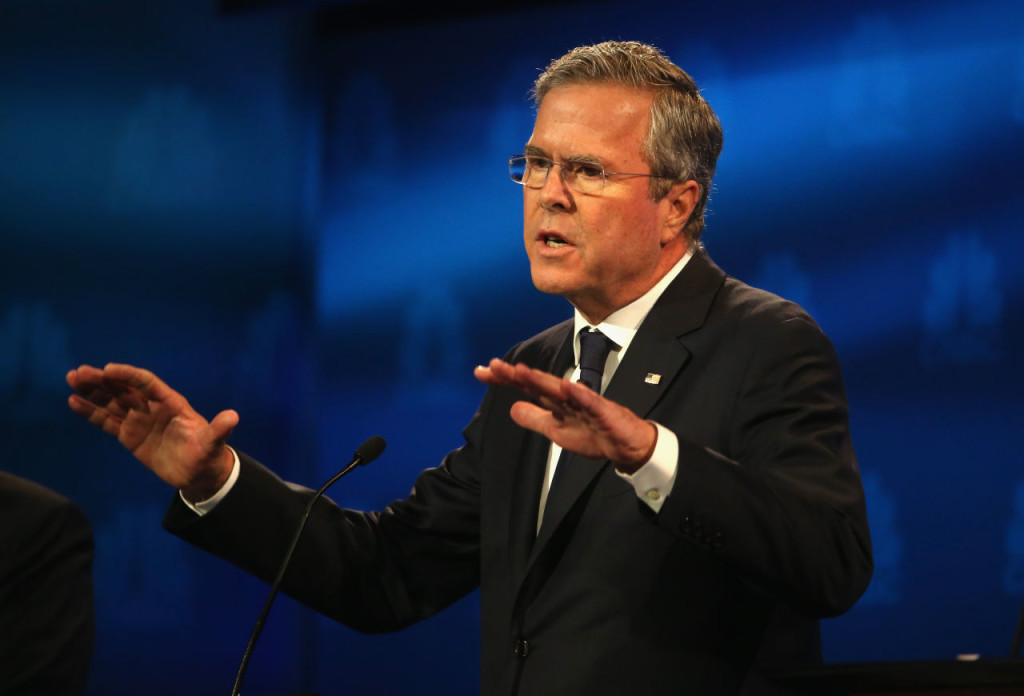
Jeb Bush was never expected to be a serious contender in Iowa, but his paltry total of just 2.8 percent of Iowa caucus voters still has to hurt. That’s after his Super PAC spent nearly $15 million there. The former Florida governor knew the results wouldn’t be pretty. He wasn’t even in Iowa Monday night, instead campaigning at a town hall meeting in New Hampshire. Appearing on “Fox and Friends” early Tuesday, Bush referenced a breaking story from Paris (where French police say five people were arrested with plans to stage attacks on nightspots and leave for Syria), and pivoted to his foreign policy gravitas. “We have a national security threat that is not going to go away, we need someone with a steady hand, someone who can has the backbone to be able to be a commander in chief to lead this country,” he said. Bush refused to play along with Fox anchor Steve Doocy‘s question about what he would do over if he could in Iowa. “I don’t look back,” he said, adding that he looks forward to campaigning in New Hampshire, South Carolina and Nevada. Doocy reminded Bush that the Iowa winner often doesn’t become the GOP nominee, referring to George H.W. Bush‘s surprise victory in 1980. “Yeah, I remember in 1980 we were all excited, with my dad upsettingRonald Reagan in the Iowa caucus. He had big mo, he came here to New Hampshire and it didn’t work out. And many other candidates have the same story.” In fact, it’s been 16 years since Republican caucus-goers here have accurately picked the eventual GOP nominee for president. Some polls have shown Bush with growth in the polls in New Hampshire. The Real Clear Politics average of polls in New Hampshire shows Bush locked in a tight four-man battle for second place, less than a point below Ted Cruz and John Kasich in fourth place with 10.3 percent. All are way behind Donald Trump, however, who dominates currently with a poll average rating of 33 percent.
The day after the big day: What to watch in NH and beyond
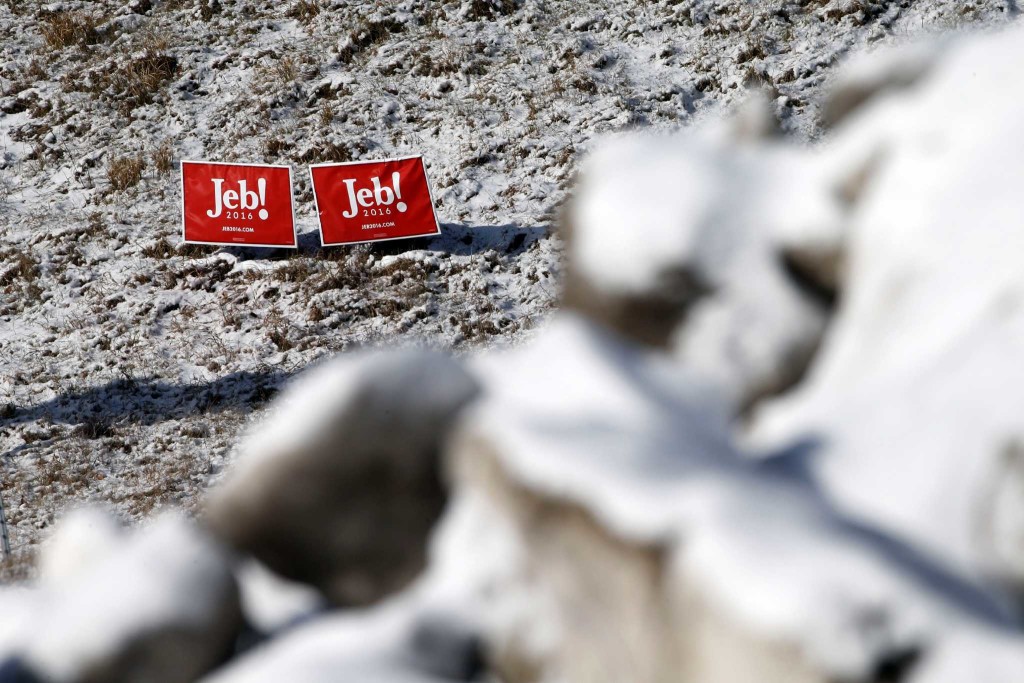
The political suspense isn’t over now that the Iowa caucuses are history. There will be plenty of intrigue to track on the day after, too. What to watch Tuesday: UMM, WHO WON?: The Democratic caucus results were so tight that Hillary Clinton and Bernie Sanders both went to bed unsure who’d won. Will party bigwigs declare a winner Tuesday or simply leave it as a draw? CLAIMING VICTORY: There’s more than one way to define victory. Multiple candidates will try to claim a win simply by exceeding low expectations. Marco Rubio is fashioning his third-place showing as an “important step to winning the nomination.” Rand Paul is trumpeting a “strong top-five finish.” EXIT STRATEGIES: Does Iowa turn into a knockout blow for more bottom-tier candidates? Democrat Martin O’Malley and Republican Mike Huckabee bailed out before midnight on caucus night. More candidates could look for the exits after sleeping on it. SPIN CYCLE – WHY IOWA DOESN’T MATTER: Poor performers in the caucuses will look for ways to play down the importance of Iowa. Ben Carson, for one, complained in his evening speech that he’d been the target of caucus-night dirty tricks. SPIN CYCLE – WHY IOWA MATTERS: Winners and those who exceeded expectations will be happy to play up the significance of the Iowa results. Just how far do they stretch that victory lap? WHERE NEXT? It’s not just where the candidates point their planes, but where they ship all those Iowa staffers who will be packing their bags Tuesday. With New Hampshire just a week away, the state already is flooded with campaign staff and advertising dollars. While most candidates were planting themselves in New Hampshire, Texas Sen. Ted Cruz has stops Tuesday in both New Hampshire and South Carolina; he thinks his conservative message may resonate in the latter state. ADS, ADS, ADS: For Iowans, it’s now safe to turn on the TV; viewers in New Hampshire, beware. From Tuesday forward, presidential candidates and the outside groups helping them are set to spend $11 million on TV and radio ads in the state, according to advertising tracker Kantar Media’s CMAG. By New Hampshire primary night, spending in the state will have topped $116 million. If the month of January is a guide, look for Trump with a side of Trump. Political ads already are popping up in states with later primaries and caucuses: Nevada has $1.7 million in ads scheduled. MONEY CHASE: Beware of inbox overload. Wins and losses have one thing in common: They’re both fundraising opportunities. Expect many breathless emails from the candidates that convert their Iowa performances – fantastic or dismal – into pleas for campaign cash. Iowa winner Cruz had an email out before midnight warning that “I must raise over ONE MILLION DOLLARS in the next 24 hours or I risk wasting our Iowa victory.” ENDORSEMENT CHASE: As candidates exit the race, where do they point their supporters? Donald Trump plans to campaign in Arkansas on Wednesday. Could he be hoping to pick up an endorsement from Huckabee? Republished with permission of the Associated Press.
Iowa Takeaways: Donald Trump can’t meet hype, Hillary Clinton underwhelms
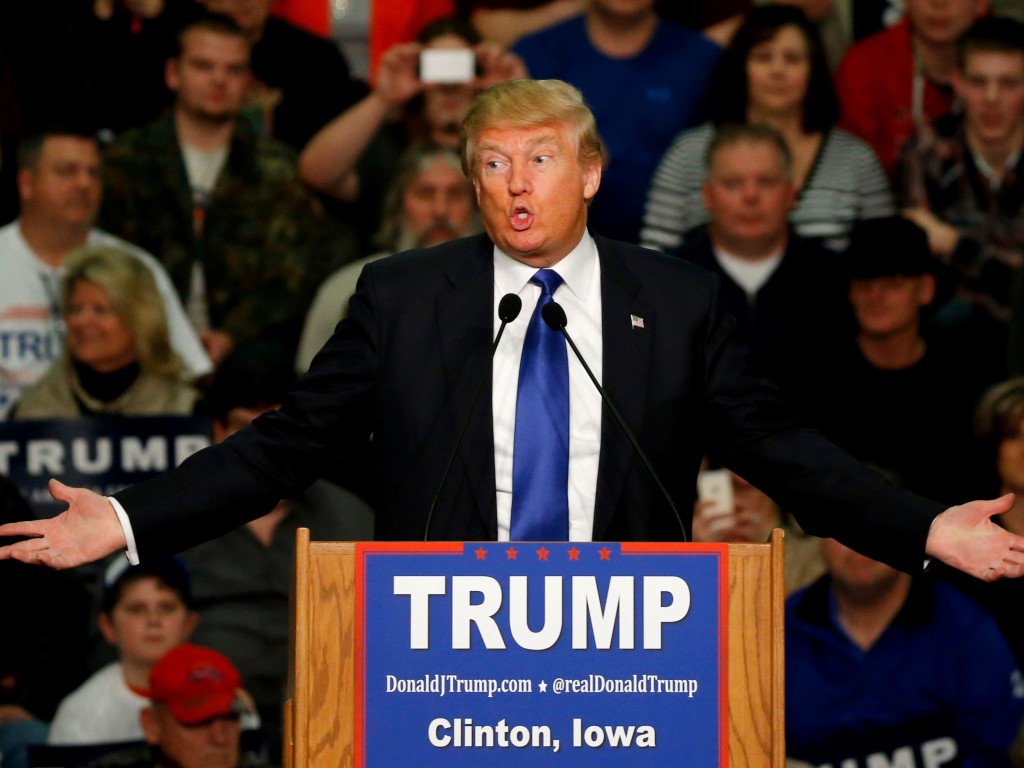
Donald Trump failed to live up to his own hype and finished second to Ted Cruz, but it was a late surge from Marco Rubio that may wind up the as the biggest surprise of the Iowa caucuses. Democrats Hillary Clinton and Bernie Sanders finished in what the Vermont senator termed a “virtual tie,” an outcome that may further embolden her critics even as her team claimed victory. The 2016 presidential contest moves on to New Hampshire, where the nation’s first primary is now just seven days away. To get you started, here are some takeaways from Iowa’s leadoff caucuses: — A HUGE TURNOUT, BUT NOT HUGE ENOUGH FOR TRUMP Before Monday’s contest, the major question about Trump was whether his legion of fans would ultimately become an army of voters. Plenty did, as turnout in the Republican caucuses was up by nearly 60,000 people compared to 2012. The problem for the billionaire businessman was that he still didn’t have enough backers to push past the first-term Texas senator. Trump, a New Yorker through and through, was never well-positioned to win over rural Iowa’s evangelical voters. More than 4 in 10 Republicans arriving at caucus sites said the candidate quality that mattered most in their vote was that the candidate shares their values. Among those who said so, Cruz won the support of nearly 4 in 10, compared to less than 1 in 10 for Trump. Trump will be quick to point out that Iowa backed two deeply flawed GOP candidates in 2008 and 2012, neither of whom went on to win the party’s nomination. Yet he missed an opportunity to deal Cruz a blow that would have made his path to the nomination far easier. — A CLOSE DEMOCRATIC RACE Hillary Clinton’s campaign team declared victory in the early morning hours as they headed to New Hampshire, pointing to her capture of at least 22 delegates to the party’s national convention to Sanders’ 21 – with one left to be decided. But the Iowa results appeared likely to benefit Sanders’ campaign far more than her own. “We came in and we took on the entire political establishment and we fought them to a draw,” said Sanders adviser Tad Devine. “It’s a huge step forward for us. We’re very, very pleased with what happened.” Even before the caucuses, Sanders said he was prepared to compete deep into the spring and fight until the summer convention. He raised $20 million in January and will be well-positioned to build a campaign organization in the lengthy list of states holding contests in March. Still, Iowa has a largely white, liberal Democratic electorate, which will make it difficult for Sanders to argue that he’s a stronger candidate than Clinton to face off against the GOP in the general election. To do so, he’ll need to win over the minority voters who play a major role in upcoming states on the primary calendar, including Nevada, South Carolina and several Southern states that hold contests in March. — IOWA TRUSTED CRUZ By claiming victory in Iowa, Cruz ensures he’ll be a force in the Republican primary contest for weeks to come – if not longer. He moves on to New Hampshire as the favorite of his party’s most conservative voters. Expect him to pick up support from likeminded candidates who underwhelmed on Monday, among them former neurosurgeon Ben Carson and Kentucky Sen. Rand Paul – and former Arkansas Gov. Mike Huckabee, who dropped out of the race. Cruz won with an impressive ground game and beat back brutal attacks from Trump and others about his trustworthiness, the cornerstone of his campaign and his “TRUSTED” slogan. And he’s got built-in advantages that will help him sustain his momentum as the race moves into the spring. Cruz began the year with more money than most of his competitors combined, and after New Hampshire, he’ll be able to spend it in more friendly territory as the GOP race moves into the South. — RUBIO RISING He didn’t win the most votes, but Marco Rubio had a very good night in Iowa. The first-term Florida senator claimed third place, finishing just behind Trump. More importantly, he absolutely dominated his competitors in the mainstream wing of the party, earning more votes than former Florida Gov. Jeb Bush, New Jersey Gov. Chris Christie and Ohio Gov. John Kasich combined. Rubio’s team also proved to be masters of the expectations game. By casting Trump and Cruz as the overwhelming front-runners in recent weeks, Rubio’s strong third place finish exceeded expectations and recent polls alike – which made it feel like a victory of sorts. Republished with permission of the Associated Press.
Jeb Bush doing whatever it takes to stay relevant

Jeb Bush‘s supporters have spent $15 million on slickly produced ads to win over Iowa voters. Barely registering in the polls and increasingly desperate in the shadow of the Iowa caucuses, he’s now trying a cost-free, personal tactic: hugs. When 67-year-old Harrison Cass, Jr., of Waterloo, pledged to caucus for Bush Monday night, the former Florida governor jogged across a crowded town hall-style meeting to embrace him. “I give out hugs,” Bush said at the Cedar Falls event. “I’m from Miami, that’s what we do.” Bush, once considered the Republican presidential front-runner, is doing whatever it takes to stay relevant in the 2016 contest. And whether it’s a friendly squeeze or a scathing attacks ad from his allies, he’s showing no signs of going quietly. That’s despite the wishes of some Republican strategists, who fear his underdog candidacy is making it harder for his party’s mainstream wing to coalesce behind another candidate. All the while, billionaire businessman Donald Trump has maintained a huge lead over the so-called establishment candidates. Bush’s super PAC, Right to Rise, has disgorged tens of millions of dollars attacking the candidates seen to be in direct competition with him: Florida Sen. Marco Rubio, Ohio Gov. John Kasich and New Jersey Gov. Chris Christie. Right to Rise has spent more than $24 million on ads contrasting the former Florida governor with one or more of those three, most often Rubio, data from advertising tracker Kantar Media’s CMAG show. That’s on top of a tidal wave of millions of dollars of mail to voters in Iowa and New Hampshire opposing Rubio, Kasich and Christie — sometimes all three at once, expenses documented in Federal Election Commission reports. Overall, Bush’s allied super PAC had spent more than $80 million on television and radio advertising this campaign season as of midday Sunday. That includes more than $15 million in Iowa alone — which is about as much as the total by super PACs aligned with the other Republican candidates still in the race. Bush’s team privately jokes they’ve successfully lowered expectations headed into Monday contest by having scored just 2 percent in the Des Moines Register’s weekend poll. “Talk to me on Tuesday,” Bush said when asked about his precarious political standing during a brief interview with The Associated Press, referencing the day after Iowa’s caucuses. He also told Rubio supporters to stop “whining” about attack ads. “You don’t think that the Republican nominee is gonna get the bark scraped off him by the Clinton machine? This is minor league baseball, man,” Bush told AP. “If you can’t handle that, then how you gonna deal with a unified Democratic Party that will go out to try to destroy you? And be president of the United States?” he said. “This is a tough job. This isn’t bean bag. Everybody’s gotta get a grip.” Of Right to Rise’s 22 different commercials on broadcast television, none has played more frequently than a vicious spot hammering Rubio as inconsistent, CMAG data show. That commercial, depicting Rubio as a weather vane atop a house blowing around to point to different positions the super PAC says he has taken, had been on TV some 2,791 times as of early this week. Another of the super PAC’s most-broadcast spots is a cutting portrayal of Rubio as just as unqualified for the White House as Trump and Ted Cruz, the conservative Texas senator who has been near the top of many Iowa polls. The commercial begins by reminding viewers that the president must protect the country from attacks. One by one, the images of Trump, then Cruz, then Rubio are traced behind a desk in the Oval Office as a narrator asks, “Will he be impulsive and reckless, like Donald Trump? Will he have voted to dramatically weaken counterterrorism surveillance, like Ted Cruz? Will he have skipped crucial national security hearings and votes just to campaign, like Marco Rubio?” “The gross piling on against Marco by Right to Rise does not feel strategic, it feels personal and vindictive,” said Katie Packer, a Republican strategist who favors Rubio and is now leading a campaign to weaken Trump. “There’s no fundamental flaw other than who he is,” Packer said of Bush, suggesting that voters simply never warmed to the idea of a third Bush presidency. “The best marketing campaign in the world can’t sell a product that people aren’t interested in considering.” Bush is spending the Iowa campaign’s final hours campaigning alongside his son, Jeb Bush Jr., who set a low bar for success during a campaign appearance in Hiawatha Sunday afternoon. “It’d be great to be the best governor to out of here and beat expectations, whatever those are,” the younger Bush said when asked about his expectations. Meanwhile, Harrison said Bush was the first presidential candidate he ever physically embraced. Bush’s public display of affection caught him off guard. “I thought he was going to shake my hand,” Harrison said. “He’s really trying to reach out to people.” Republished with permission of the Associated Press.
Quinnipiac poll: First-time voters help boost Donald Trump’s lead

With hours to go before the first votes are cast, a new poll shows Donald Trump’s lead widening, due in large part to support from likely first-time caucus goers. Trump holds a 7 point lead over Ted Cruz, according to a Quinnipiac University poll released Monday morning. Trump is at 31 percent, followed by Cruz at 24 percent. Marco Rubio holds his third place position with 17 percent, followed by Ben Carson at 8 percent. Trump leads Cruz 40 percent to 22 percent among first-time Republican caucus goers. Cruz leads Trump 26 percent to 25 percent among those Republicans who have attended a caucus before. Eighty-one percent of people who picked Trump as their first choice said their mind were made up. While Trump holds a significant lead over the Republican field, many Iowa Republicans said they would not support the New York businessman if he were the Republican nominee. The poll found 35 percent of likely Republican caucus goers said they would not support Trump as the nominee; while 21 percent said they would not support Jeb Bush if he were the nominee. On the Democratic side, Bernie Sanders leads Hillary Clinton 49 percent to 46 percent among likely Democratic caucus goers. Among first time caucus goers, Sanders leads Clinton 62 percent to 35 percent. Eighty-five percent of likely Democratic caucus goers said their mind was already made up. The Quinnipiac University poll took place between Jan. 25 and Jan. 31. The Republican survey has a margin of error of 3.3 percent; while the Democratic survey has a margin of error of 3.2 percent.The Iowa caucuses start at 7 p.m. Central time.
Ted Cruz-Marco Rubio feud flares in Iowa closer
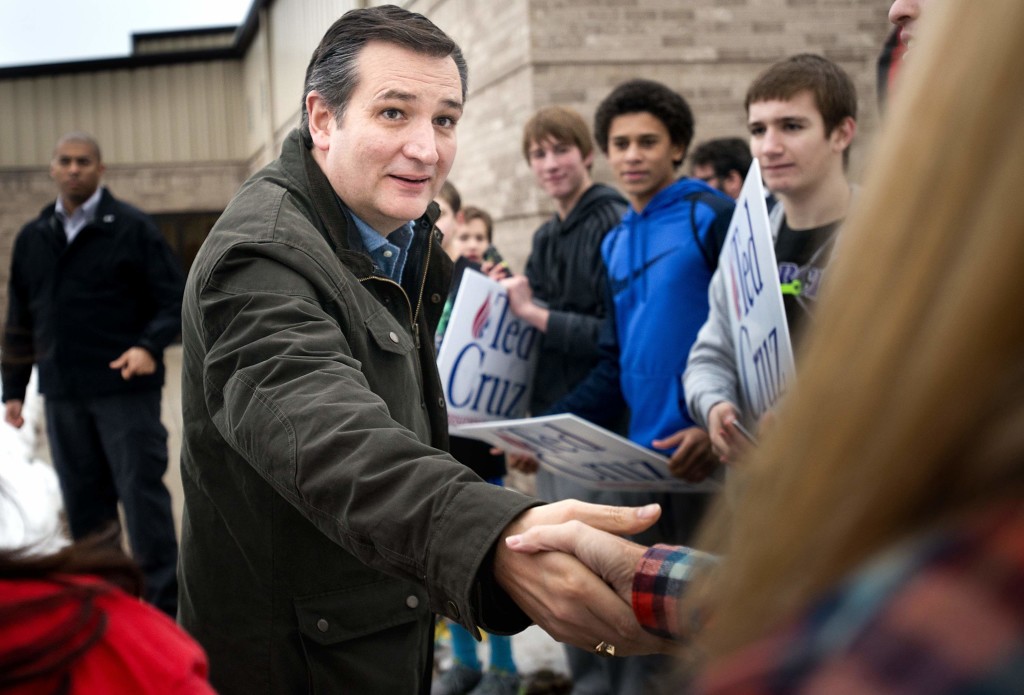
As if hearing Marco Rubio’s footsteps creeping up on him, Ted Cruz directed much of his final advertising against the Florida senator in the frenzied weekend prelude to the Iowa caucuses, feeding a Republican feud that turned increasingly bitter before voters have their first say in the 2016 presidential race. Considered to be vying with front-runner Donald Trump for Iowa victory Monday, Cruz denounced the next in line, according to polls, sharply challenging Rubio’s conservative credentials on the airwaves while ignoring him face to face with Iowans. One ad said darkly of Rubio: “Tax hikes. Amnesty. The Republican Obama.” “The desperation kicks in,” Rubio said in response to Cruz. “From my experience, when people start attacking you it’s because you’re doing something right.” On the Democratic side, Bernie Sanders implored Iowa supporters Saturday to get on their feet in two days and convert their monthslong infatuation with his upstart campaign against Hillary Clinton into actual votes. That call to action was echoed by Democratic and Republican hopefuls alike as they worked to motivate Iowans to attend the caucuses. Trump, the showman of the Republican race and its front-runner, made a dramatic entrance to a Dubuque rally as his jet flew low over a hangar half-filled by the waiting crowd and music played from the movie “Air Force One.” There was more drama inside, as a small group of protesters interrupted him and Trump joined the crowd in chanting “USA” to drown out the discord. He asked security to “get them out” but “don’t hurt them.” Iowa offers only a small contingent of the delegates who will determine the nominees, but the game of expectations counts for far more than the electoral math in the state. Campaigns worked aggressively to set those expectations in their favor (meaning, lower them) for Iowa, next-up New Hampshire and beyond. Asked whether Rubio could win or come second, his senior strategist Todd Harris laughingly responded with an obscenity and said the goal in Iowa is third, behind the flamboyant Trump and the highly organized Cruz. “There’s no question we are feeling some wind at our back,” he told The Associated Press. But, he added, “It’s very hard to compete with the greatest show on earth and the greatest ground game in Iowa history. So we feel very confident that what we need to do here is finish a strong third. I don’t care what any of the polls say, Ted Cruz is going to win this caucus.” With that, he tried to set expectations so that if Rubio finishes better than third, it can be proclaimed a great performance and if Cruz doesn’t win, it will be seen as a great failure. In the last major preference poll before the caucuses, Trump had the support of 28 percent of likely caucus-goers, with Cruz at 23 percent and Rubio at 15 percent. The Iowa Poll, published by The Des Moines Register and Bloomberg, also found Clinton with 45 percent support to Sanders’ 42 percent. The poll of 602 likely Republican caucus-goers and 602 likely Democratic caucus-goers was taken Tuesday to Friday and has a margin of error of plus or minus 4 percentage points. Cruz’s campaign was challenged by Iowa Secretary of State Paul Pate over a mailer sent to potential voters that seemed designed to look like an official notice warning recipients about “low expected voter turnout in your area.” The mailer refers to a “voting violation” and grades the recipient’s voting history and that of several neighbors, citing public records. Pate said Cruz’s campaign “misrepresents Iowa election law.” There’s “no such thing as an election violation related to frequency of voting,” he said, and insinuating otherwise is “not in keeping in the spirit of the Iowa caucuses.” Cruz brushed off the fuss. “I will apologize to nobody for using every tool we can to encourage Iowa voters to come out and vote,” he said. In Charles City, Iowa, a testy Sanders accused Clinton of misrepresenting his positions. He cited an ad from her campaign that says she would defend Planned Parenthood, “not attack it,” and implies he has taken on the organization that offers contraceptive and abortion services. The ad, without naming him, also says she would “build on Obamacare,” not start over, and stand up to the gun lobby, “not protect it,” all swipes at the senator. Sanders slammed the “idea that I am attacking Planned Parenthood when I have a 100 percent lifetime voting record for Planned Parenthood” and bristled at the implication that he’s not for tougher gun laws. “Let’s debate those differences of opinion, but let’s not go around distorting a record that I am very proud of,” he said. Clinton has worked assiduously to avoid a repeat of 2008, when then-Illinois Sen. Barack Obama scored a surprise win in Iowa, she dropped to third and her days as the prohibitive favorite for the nomination faded. She faced the prospect of escalating political heat from revelations Friday that the private email server she used when she was Obama’s first secretary of state contained top-secret messages that should have remained within proper, secured channels. That heat was coming from Republicans; Sanders earlier declared the email flap a nonissue in his mind. But at a Sanders rally in Manchester, Iowa, Ruth Lewin, a retired grocery store clerk and child care provider, said the latest news about Clinton’s emails reinforced why she will be caucusing for Sanders on Monday. “It’s a matter of honesty, integrity along with other issues I have about her,” Lewin said. “When you get $600,000 for a speaking engagement, I mean that’s more than I’ve made in my entire lifetime.” And Sanders? “I believe he’s like we are,” she said. Republished with permission of the Associated Press.
Turnout is name of the game in Monday’s Iowa caucuses
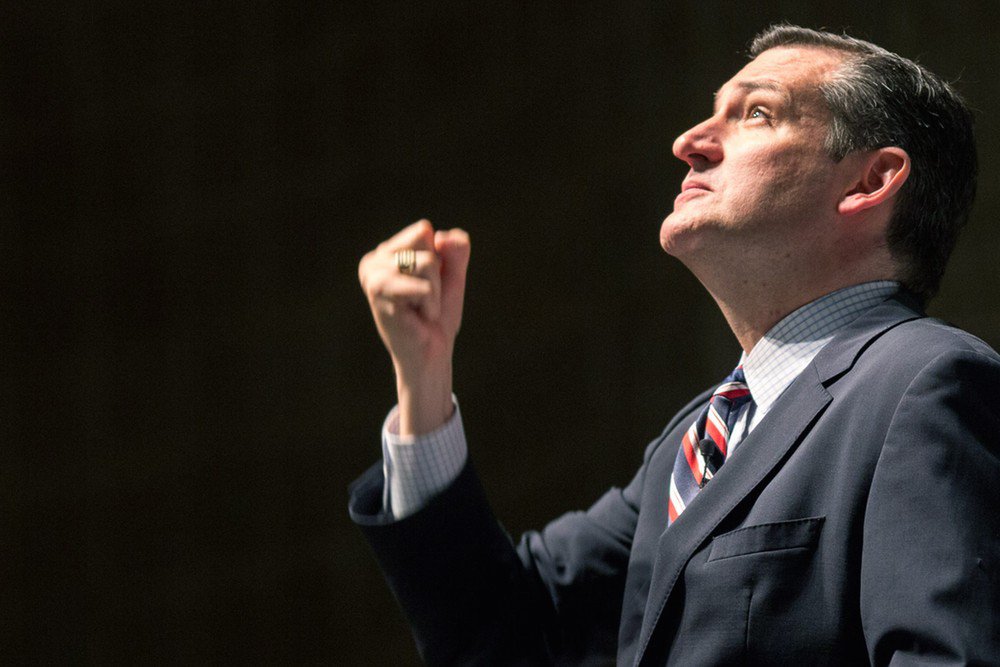
In a final frenzy to inspire supporters to turn out for Monday’s Iowa caucuses, the presidential contenders scrambled to close the deal with the first voters to have a say in the 2016 race for the White House. The result Sunday was a blur of sometimes conflicting messages. Even as the candidates begged backers to caucus, many hopefuls also tried to lower expectations and look ahead to the New Hampshire primary on Feb. 9 and later contests. Republican Donald Trump, who has a slight edge over Ted Cruz in Iowa, predicted that “many” senators “soon” would endorse him rather than their Texas colleague. Trump didn’t name any such senators, and none immediately emerged. Democratic Hillary Clinton, in a tight race with Vermont Sen. Bernie Sanders, suggested that political point-scoring helped explain the hubbub over the State Department’s announcement Friday that it was withholding some emails on the home server she used while secretary of state. One development — the weather — was beyond the candidates’ control. A snowfall forecast to start Monday night appeared more likely to hinder the hopefuls in their rush out of Iowa than the voters. Republican John Kasich already has decamped to New Hampshire. Iowa offers only a small contingent of the delegates who will determine the nominees, but the game of expectations counts for far more than the electoral math in the state. Campaigns worked aggressively to set those expectations in their favor (read: lower them) for Iowa, New Hampshire and beyond. Meantime, a pastor at a church outside Des Moines urged politicians to treat their opponents with love and not attack ads. With Cruz and his family in the audience, pastor Mike Housholder of Lutheran Church of Hope played two parody attack ads questioning the faith of church members. There is a better way, he said — by speaking the truth with love. He says if you can’t do that, don’t speak. Too late: The candidates were all over the airwaves Sunday, talking about each other in distinctly unloving ways. Trump, for example, called Cruz a liar at least three times on ABC’s “This Week” for having said in a Des Moines Register ad that Trump supports President Barack Obama‘s signature health care law. Trump says he wants people’s health care “taken care of” but not with the current program. He did not say how he’d pay for such coverage. The candidates’ agreed on one thing: It’s all about turnout now. “People are really enthusiastic, and if people come out to vote, I think you’re going to look at one of the biggest political upsets in the modern history of our country,” Sanders told CNN’s “State of the Union.” Clinton said she had been subjected to “years of scrutiny, and I’m still standing.” On ABC’s “This Week,” she said, “I feel vetted. I feel ready. I feel strong, and I think I’m the best person to be the nominee and to defeat whoever they nominate in November.” Trump said “I don’t have to win” in Iowa, before adding that he believes he has “a good chance” of a caucus victory. He said he was confident of taking New Hampshire and many other contests down the road. “One of the reasons that I’ll win and, I think, none of the other guys will win is because I’m going to get states that they’ll never get,” he told CBS’ “Face the Nation,” citing Pennsylvania, Ohio, Michigan, Florida, along with strong hopes for New York and Virginia. Cruz is conceding nothing. “What we’re seeing is the old Reagan coalition coming together. We’re seeing conservatives and evangelicals and libertarians and Reagan Democrats. And if conservatives come out, we’re going to win tomorrow,” the Texas senator told “Fox News Sunday.” Cruz directed much of his final advertising against Marco Rubio as the senators’ feud grew even more bitter in the final day. Cruz took to the airwaves to challenge the conservative credentials of Rubio, the Floridian running third in Iowa, according to the polls. One ad said of Rubio: “Tax hikes. Amnesty. The Republican Obama.” Rubio shot back, telling CNN that as voters learn more about Cruz’s record, they will understand that “he’s always looking to take whatever position it takes to win votes or raise money.” Rubio said Republicans won’t beat Clinton “with someone that will say or do anything to get elected.” In the last major preference poll before the caucuses, Trump had the support of 28 percent of likely Republican caucus-goers, with Cruz at 23 percent and Rubio at 15 percent. The Iowa Poll, published by The Des Moines Register and Bloomberg, also found Clinton with 45 percent support to Sanders’ 42 percent in the Democratic race. The poll was taken from Tuesday to Friday and has a margin of error of plus or minus 4 percentage points. Republished with permission of the Associated Press.
Des Moines Register poll: Donald Trump captures top spot in Iowa
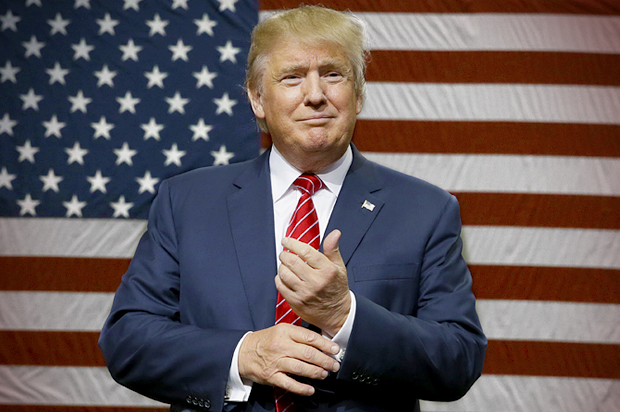
With two days before the Iowa caucuses, Donald Trump leads among likely Republican caucus-goers, according to the Des Moines Register/Bloomberg Politics Iowa Poll released Saturday. Trump leads Ted Cruz in Iowa 28 percent to 23 percent. Marco Rubio is in third with 15 percent, followed by Ben Carson with 10 percent and Rand Paul with 5 percent. Fifty-five percent of likely Republican caucus-goers polled said their minds were made up; 45 percent of respondents said they could still be persuaded. When asked who their second choice of candidates would be, 20 percent of likely Republican caucus-goers said Rubio, while 17 percent said Cruz. The poll found 71 percent of Trump supporters said their minds were made up. According to Bloomberg Politics, in the final Iowa Poll before the 2012 GOP caucus, 51 percent said their minds were made up. Trump’s lead is a reversal from a Des Moines Register/Bloomberg Politics poll in early January. That poll showed Cruz leading Trump, 25 percent to 22 percent. Seventy percent of likely Republican caucus-goers said they had a favorable opinion of Rubio; while Jeb Bush was among the most disliked candidates. The survey found 53 percent of respondents had an unfavorable opinion of the former Florida governor. The Iowa Poll is considered one of the most respected polls. The Iowa-based firm of Selzer & Company was awarded an A-plus rating from the FiveThirtyEight blog. On the Democratic side, Hillary Clinton leads Bernie Sanders 45 percent to 42 percent. The Des Moines Register/Bloomberg Politics Iowa Poll was conducted from Jan. 26 to Jan. 29 and has a margin of error 4 percent.
Gravis poll: Donald Trump maintains lead over Ted Cruz in Iowa
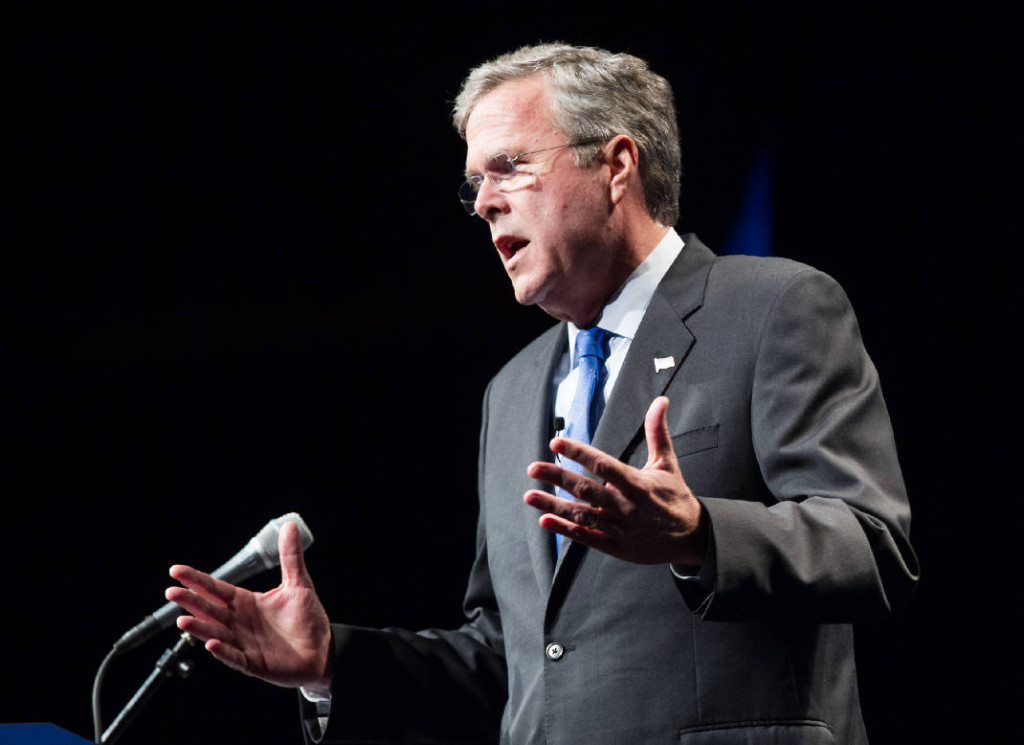
With just two days before the Iowa caucuses, Donald Trump remains in the top spot among Iowa Republicans. According to a Gravis Marketing poll, Trump leads in Iowa with 31 percent, followed by Ted Cruz at 27 percent. Among likely Republican primary voters, Marco Rubio is in third with 13 percent, followed by Ben Carson and Jeb Bush at 7 percent and 6 percent respectively. On the Democratic side, Hillary Clinton leads Bernie Sanders 53 percent to 42 percent. Of those polled, 88 percent said they were likely or very likely to participate in either the Republican or Democratic caucus on Monday. The poll, done for One America News, was conducted on Jan. 26 and Jan. 27. The poll surveyed 1,827 likely primary voters — 724 Republicans and 810 Democrats, the remainder of which were independents. It has a sampling margin of error of 2 percent. The HuffPost Pollster averages currently show Trump leading Cruz in Iowa, 32.1 percent to 24.7 percent. The polling averages place Rubio in third with 13.5 percent, Carson at 8.1 percent and Bush at 4.1 percent. The Iowa caucuses are Monday.
