
Coalition airstrikes destroy air defense weapon in Syria
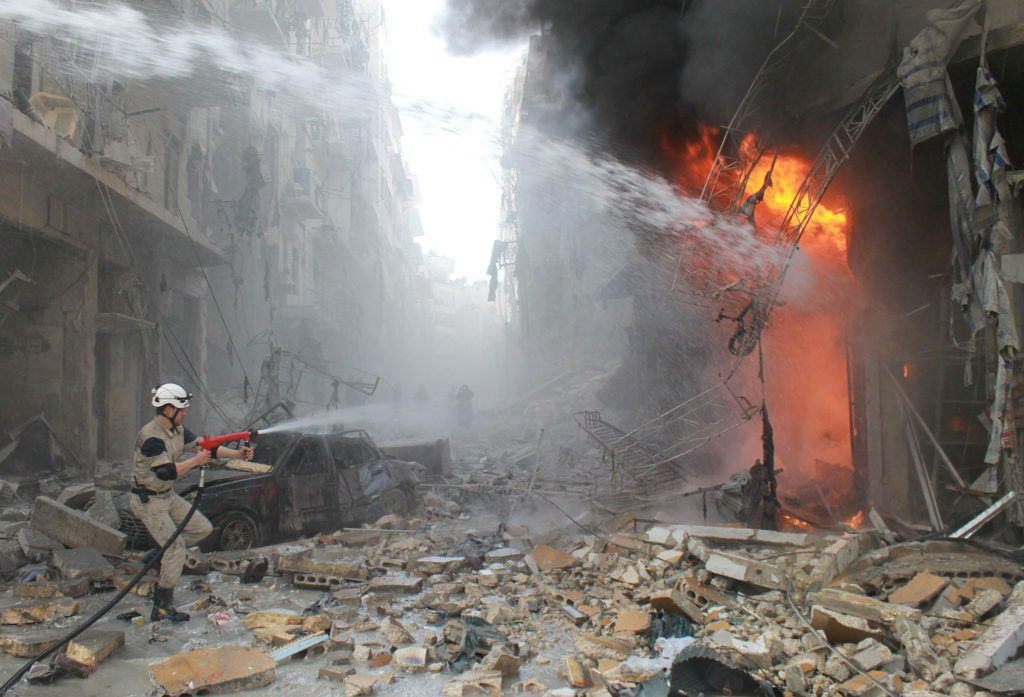
Coalition airstrikes destroyed an air defense system that Islamic State militants had captured last weekend when they retook the Syrian city of Palmyra from Russian and Syrian regime forces. The U.S.-led coalition says that strikes in 10 locations destroyed the artillery system, 14 tanks, buildings and vehicles. The top U.S. general leading the fight against IS had warned that the coalition would likely target the area if Russian and Syria forces didn’t take action in Palmyra. He said the weapons posed a threat to the coalition. Islamic State militants retook Palmyra on Sunday, scoring a major advance by taking advantage of the Syrian and Russian focus on Aleppo. Palmyra was taken over by IS last year and the militants spent 10 months in control. Republished with permission of The Associated Press.
Donald Trump says Ohio State attacker shouldn’t have been in US
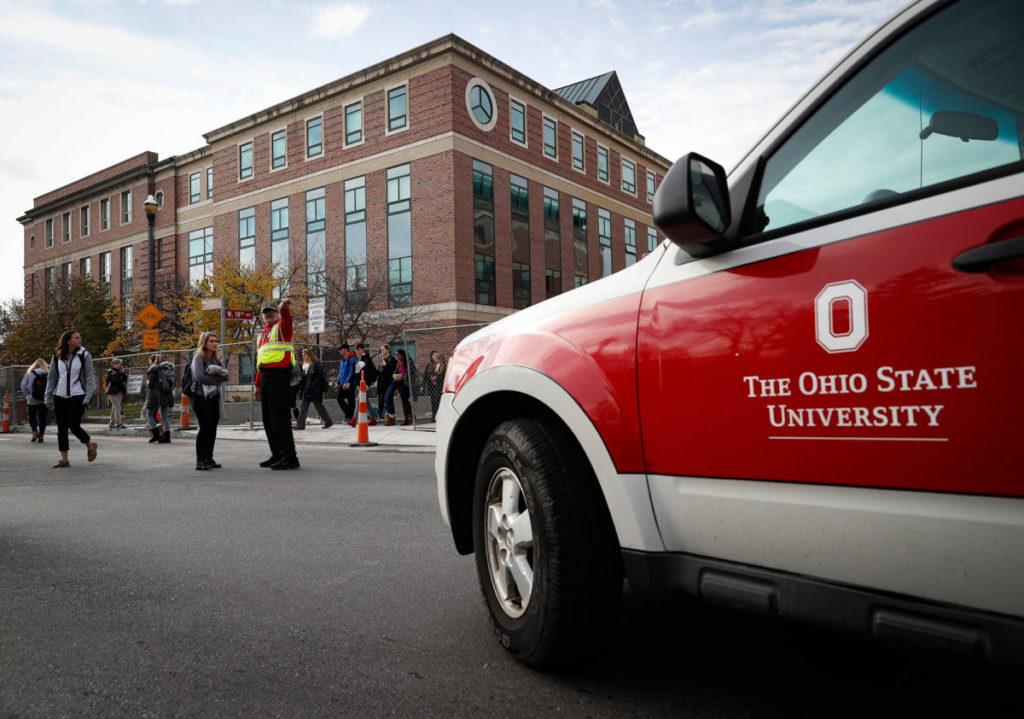
President-elect Donald Trump tweeted Wednesday that the 18-year-old Ohio State student who carried out a car-and-knife attack on his college campus “should not have been in our country.” It’s unclear from Trump’s tweet whether he thinks there was some failure in the screening system or whether he was offering this case as evidence to support his proposals to overhaul immigration policies, especially to restrict the entry of refugees. If Trump is arguing that Abdul Razak Ali Artan‘s family wasn’t properly checked out, there is no evidence of that. If Trump is referring to his plans to overhaul immigration, that may be difficult to accomplish. A look at both scenarios: — THE VETTING PROCESS Trump correctly described Artan, who was killed by police, as a refugee originally from Somalia. Artan and his family moved in 2014 to the United States after living in Pakistan since 2007. As part of that process of being admitted to the United States, the family was subjected to a lengthy background check that generally includes multiple in-person interviews, checks with federal law enforcement and intelligence agencies, and the collection of biometric data, including fingerprints. When the family arrived in the U.S., Artan had a secondary inspection by immigration officials, but no negative information was found and he was allowed into the country, according to a U.S. official briefed on the case. The official was not authorized to publicly discuss details on the case and spoke on the condition of anonymity. The government conducted a second background check on Artan when he became a legal permanent resident in 2015. — TRUMP’S PROPOSALS If Trump was referring to his proposal to end some refugee processing and to block migration from certain countries, that’s a different issue. During the presidential campaign, Trump initially proposed banning all Muslims “entering the United States until our country’s representatives can figure out what is going on.” He later suggested temporarily blocking migration from certain countries and adding “extreme vetting” to the process. He never specified which countries would be affected. It’s unclear how he would accomplish either an all-out ban on Muslims or select which countries no longer would be able to send people to the United States. There is no religious test for anyone asking to enter the United States. Adding one would likely lead to litigation from civil libertarians. Trump will have authority to control the volume of refugees entering the country, but may need legislative and likely diplomatic support to bar migration from certain countries. Republished with permission of The Associated Press.
Joe Henderson: Predicting Donald Trump in final debate is risky business

Game-changer? Or victory lap? That’s two potential outcomes for tonight’s third and final presidential debate. The first one applies to Donald Trump fails. If he fails to change the election narrative in his last head-to-head face off with Hillary Clinton, his White House aspirations likely are finished (if they aren’t already). Clinton, ahead in the polls, likely just needs to avoid committing a major gaffe in the face of what is expected to be a flurry of attacks and allegations from an opponent with nothing to lose. Trying to guess what Trump might do is risky business. In the first debate, he interrupted Clinton repeatedly and accused her, among other things, of “fighting ISIS your whole adult life.” Fact-check alert: That terrorist organization didn’t exist until Abu Bakr al-Baghdadi gave it a name in 2013. If you want to stretch and say its brand of terrorism has been around since the 1990s, even that doesn’t fit Trump’s charge. Trump did better in the second debate but a big story that emerged was that he essentially stalked Clinton around the stage while she was speaking. It may have been an attempt at intimidation. It didn’t work. So what’s it going to be tonight? Here are a few possibilities. DRAIN THE SWAMP Team Trump has been telegraphing this one. Trump could focus on his five-point proposal aimed at curbing lobbying by lawmakers and members of the executive branch after they leave government service. It’s a populist approach that Trump has called “Drain The Swamp” and it definitely has appeal. It also helps focus attention on Clinton’s reputation as the ultimate Washington insider as well as the controversies surrounding the Clinton Foundation. YOU MISOGYNIST PIG Trump has tried to say the multiple women who accused him of unwanted sexual advances are lying. His case is not helped by the now-infamous audio of him and former NBC host Billy Bush engaging in “locker room talk” (Trump’s words) about how big shots like The Donald can do anything they want with any woman they want. Trump’s base has wholeheartedly bought his “they’re all liars” gambit. Tonight, we’ll see if the rest of America does. PAGING OLIVER STONE, PLEASE REPORT TO TRUMP TOWER Trump’s latest line of attack is that the “crooked media” has conspired with Clinton to rig the election in her favor. Well, the media certainly have been reporting the things Trump says and does, along with what people say about him. But a conspiracy? You can bet he will advance that theory in the debate. It could be a pre-emptive move by Trump to have a fallback if election night goes as many predict. He will just say he was robbed, and will set his followers’ hair on fire with allegations that precincts here or there had suspicious activity. Arguing the election is “rigged” has been denounced by most high-level Republicans, including Mike Pence — Trump’s running mate. Clinton can make Trump look extra foolish on that point in front of millions of TV viewers. STAY ABOVE IT Clinton’s strategy likely will involve staying above the fray, refusing to engage on Trump’s expected batch of dark theories and oft-repeated accusations about her alleged misconduct. Her best gambit should be to show voters she isn’t the monster Trump is trying to depict. Clinton can be a wooden campaigner. She doesn’t have her husband’s natural gift for connecting with an audience. She has further been battered by three decades of attacks by Republicans. They have, at times, depicted her to be complicit in a murder (former aide Vince Foster’s suicide). The beneficiary of a shady land deal (Whitewater). A traitorous secretary of state (we didn’t forget Benghazi or her use of a private email server for sensitive government business). Trump even suggested recently she wasn’t faithful to her husband. Despite all that, she has a solid lead in the polls. Early voting is underway and CBS News reported that 94 percent of Clinton voters say they have made up their minds (compared to 93 percent for Trump). If she can stay away from political quicksand tonight, she might be home free. ___ Joe Henderson has had a 45-year career in newspapers, including the last nearly 42 years at The Tampa Tribune. He covered a large variety of things, primarily in sports but also including hard news. The two intertwined in the decade-long search to bring Major League Baseball to the area. Henderson was also City Hall reporter for two years and covered all sides of the sales tax issue that ultimately led to the construction of Raymond James Stadium. He served as a full-time sports columnist for about 10 years before moving to the metro news columnist for the last 4 ½ years. Henderson has numerous local, state and national writing awards. He has been married to his wife, Elaine, for nearly 35 years and has two grown sons – Ben and Patrick.
Donald Trump speech will focus on ‘foreign policy realism’
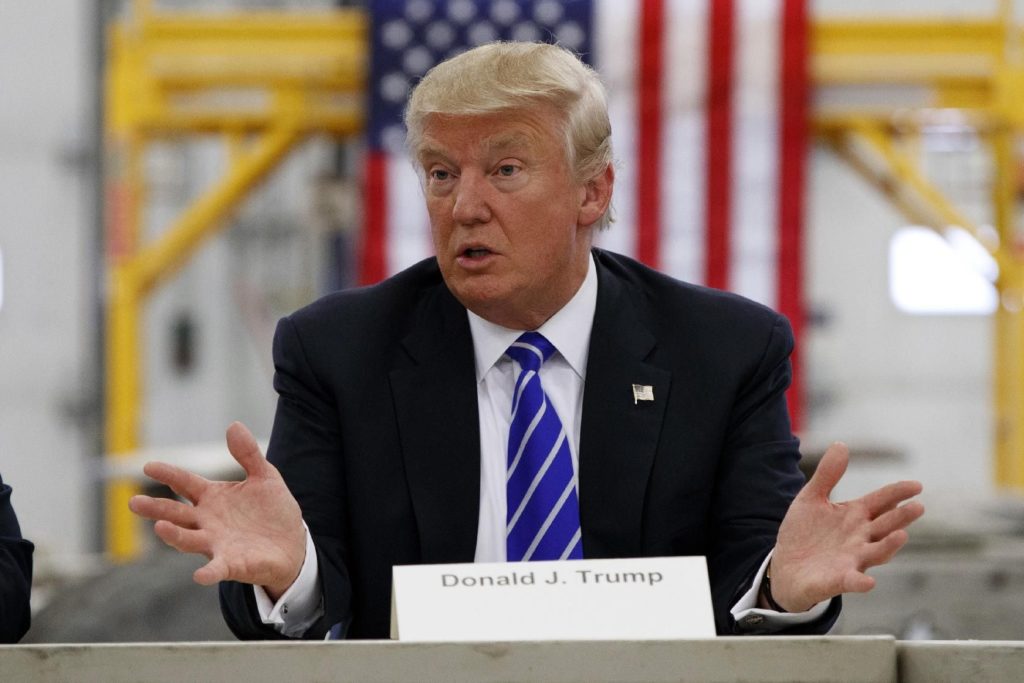
Donald Trump will declare an end to nation-building if elected president, replacing it with what aides described as ‘‘foreign policy realism’’ focused on destroying the Islamic State and other terrorist organizations. In a speech the Republican presidential nominee was scheduled to deliver Monday in Ohio, Trump will argue that the country needs to work with anyone who shares that mission, regardless of other ideological and strategic disagreements. Any country that wants to work with the United States to defeat ‘‘radical Islamic terrorism’’ will be a US ally, he is expected to say. ‘‘Mr. Trump’s speech will explain that while we can’t choose our friends, we must always recognize our enemies,’’ Trump senior policy adviser Stephen Miller said ahead of the speech. Trump is also expected to outline a new immigration policy proposal under which the United States would stop issuing visas in any case where it cannot perform adequate screenings. It will be the third iteration of a policy that began with Trump’s unprecedented call to temporarily bar foreign Muslims from entering the country — a religious test that was criticized across party lines as un-American. In a speech after the Orlando nightclub shooting, Trump introduced a new standard, vowing to ‘‘suspend immigration from areas of the world where there is a proven history of terrorism against the United States, Europe or our allies, until we fully understand how to end these threats.’’ Now, aides say, the campaign needs access to undisclosed government documents to assess exactly where the most serious threats lie. He is also expected to propose creating a new ideological test for admission to the country that would assess a candidate’s stances on issues such as religious freedom, gender equality, and gay rights. Through questionnaires, searching social media, or other means, applicants would be vetted to see whether they support US values like tolerance and pluralism. The candidate is also expected to call in the speech for declaring in explicit terms that, like during the Cold War in the fight against communism, the nation is in an ideological conflict with radical Islam. Trump’s Democratic rival Hillary Clinton and top US government officials have warned of the dangers of using that kind of language to describe the conflict, arguing that it plays into militants’ hands. While Trump has been criticized in the past for failing to lay out specific policy solutions, aides say that Monday’s speech will again focus on his broader vision. Additional speeches with more details are expected in the weeks ahead, they said. Trump is also expected to spend significant time going after President Obama and Clinton, the former secretary of state, blaming them for enacting policies he argues allowed the Islamic State to spread. ‘‘Mr. Trump will outline his vision for defeating radical Islamic terrorism, and explain how the policies of Obama-Clinton are responsible for the rise of ISIS and the spread of barbarism that has taken the lives of so many,’’ Miller said Sunday in an email, using an alternative acronym for the Islamic State group. The speech comes as Trump has struggled to stay on message. Last week, an economic policy speech he delivered calling for lower corporate taxes and rolling back federal regulations was overshadowed by a series of provocative statements, including falsely declaring that Obama was the ‘‘founder’’ of the Islamic State group. Trump’s allies said Sunday they’re confident that this time, the billionaire developer will stay on track. ‘‘Stay tuned, it’s very early in this campaign. This coming Monday, you’re going to see a vision for confronting radical Islamic terrorism,’’ his vice presidential running mate, Mike Pence, said on Fox News Sunday. Trump and his top advisers, meanwhile, have blamed the media for failing to focus on his proposals. ‘‘If the disgusting and corrupt media covered me honestly and didn’t put false meaning into the words I say, I would be beating Hillary by 20 percent,’’ he tweeted Sunday. Republished with permission of The Associated Press.
Bradley Byrne: Defense bill offers strong response to Orlando shooting
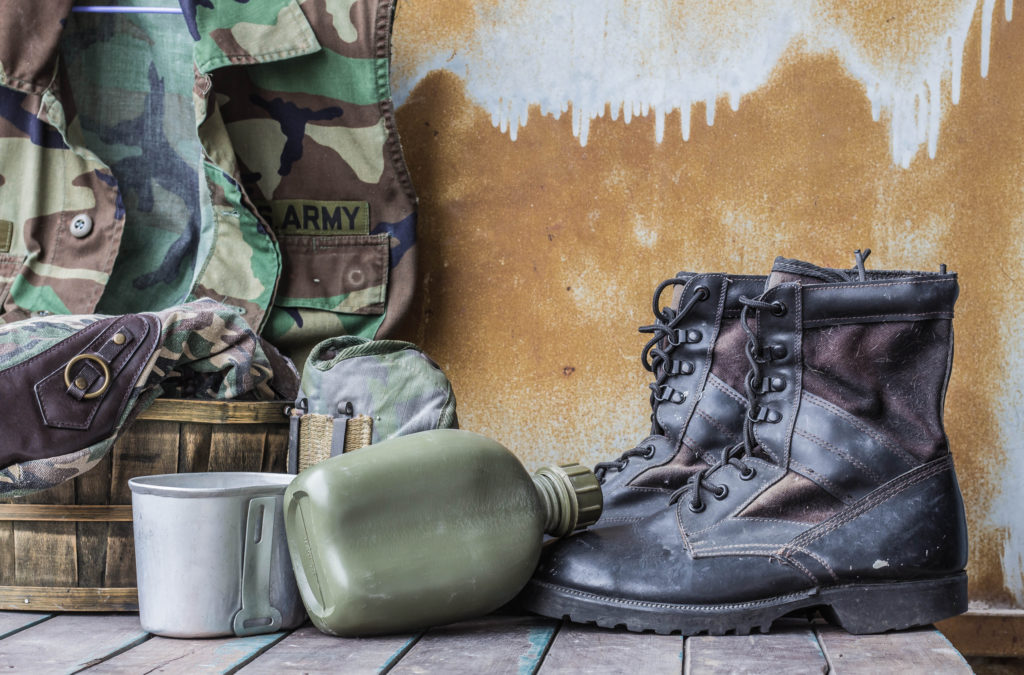
The recent terrorist attack in Orlando was a strike at each and every American. My heart breaks for every person involved, and especially for the family and friends of those who lost their lives. There is no room for hate in America, and this ugly crime was the result of a coward following his own hate. It doesn’t matter what the source of that hate was — it was and is an affront to God himself. In the days that followed the attack, we learned more about the shooter, including his background and motives. We learned that he had pledged allegiance to the Islamic State of Iraq and Syria (ISIS). We also found out that he had been on the radar of federal investigators in the past because of his radical Islamic leanings. This information and the attack further reaffirm the need to have a strong military that can adequately defeat these radical Islamic terrorists overseas. If we continue to let their reign of terror spread across the Middle East, these kind of attacks will become more and more likely right here at home. Following the Orlando attack, I found it fitting the House passed the annual Defense Appropriations Act. This bill provides funding for our nation’s military and ensures our troops have the tools they need to keep us safe. Let me share a few highlights of the bill with you. The bill contains $58.6 billion for the Global War on Terrorism. This money goes directly to our service members stationed in the Middle East and helps us support our allies in the region as they fight against radical Islamic terrorists. The bill makes important investments in military readiness by providing for equipment procurement for each of the service branches while also putting money aside for maintenance and repairs to current equipment. The Defense Appropriations Act includes funding to ensure our military receives a 2.1 percent pay raise. Members of the Armed Forces put their lives on the line each and every day, and it only makes sense that they are appropriately compensated. It is also important that our military pay and benefits remain strong if we are going to continue recruiting the best and the brightest to serve. The bill also includes funding for the Defense Health Program, which provides care for our troops while also spurring investment in important areas like traumatic brain injury care, cancer research, suicide prevention programs, and sexual assault prevention. Of particular interest to our area, the bill includes funding for three more Littoral Combat Ships. These are the ships built by Austal USA in Mobile, which employs over 4,000 men and women. I also offered an amendment that was included in the bill to prohibit the Department of Defense from using any funding to construct or modify facilities to house illegal migrant children. This issue is especially important to Southwest Alabama because the Obama Administration is currently considering a plan to house migrant children from Central America at two Navy airfields in Baldwin County. Ultimately, the Defense Appropriations Act passed the House by a strong bipartisan vote of 282 to 138. If we are going to prevent future attacks like the one in Orlando, then we must defeat the radical Islamic terrorists who wish to do us harm. In order to do that, a strong military is required. The Defense Appropriations Act will help ensure our military has the tools they need to defeat terrorism, and I was proud to support it. • • • Bradley Byrne is a member of U.S. Congress representing Alabama’s 1st Congressional District.
Hillary Clinton, Donald Trump adjust politicking following Florida shooting
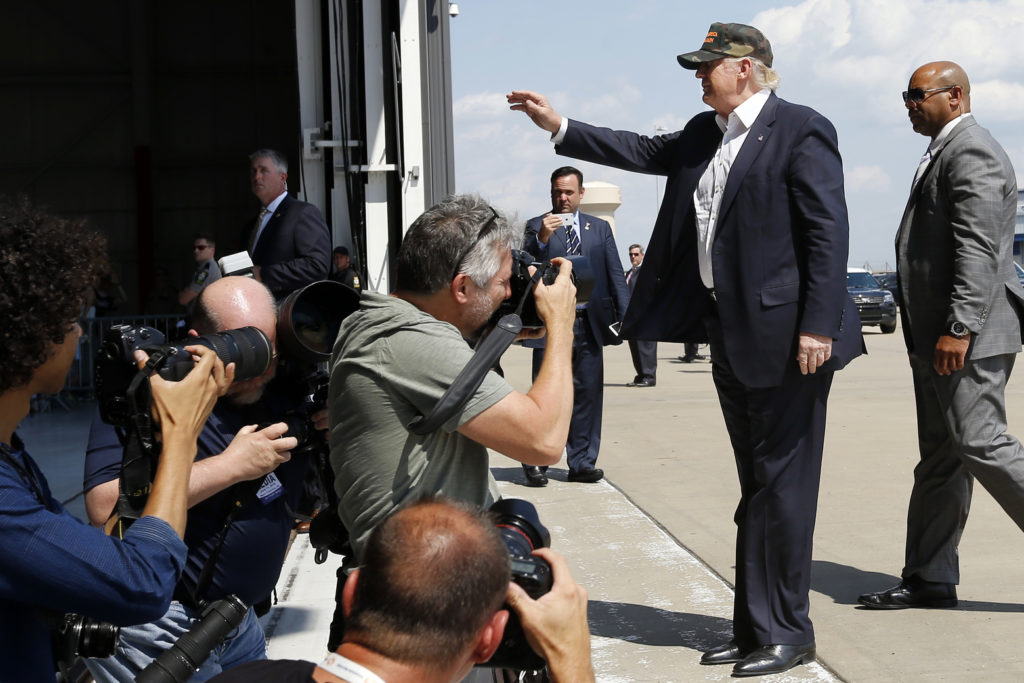
Donald Trump and Hillary Clinton adjusted their presidential politicking Sunday, first offering prayers and support to the victims of the worst mass shooting in U.S. history. But they both infused their sympathy with statements that favor their presidential aspirations, and the presidential race rolled on. The presumptive candidates made statements hours after a gunman wielding an assault-type rifle and a handgun opened fire inside a crowded gay nightclub early Sunday, killing at least 50 people before dying in a gunfight with SWAT officers, police said. Another 53 were hospitalized, most in critical condition. Officials identified the shooter as Omar Mateen of Port St. Lucie, Florida, a U.S. citizen born in New York. Clinton, the presumptive Democratic nominee, pushed for gun control and reached out to a key constituency — gays and lesbians. “The gunman attacked an LGBT nightclub during Pride Month. To the LGBT community: please know that you have millions of allies across our country. I am one of them,” she said in a statement, adding a call to keep assault weapons out of the hands of “terrorists or other violent criminals.” Trump, the presumptive Republican nominee, also offered words of support. But then spent the day congratulating himself apparently for predicting more attacks inside the U.S. On Twitter, he renewed talk of his plan to ban Muslims from the U.S. for an indeterminate time. And he went after President Barack Obama. As Obama stepped to the podium in Washington to address the nation early Sunday afternoon, Trump tweeted: “Is President Obama going to finally mention the words radical Islamic terrorism? If he doesn’t he should immediately resign in disgrace!” In his address Obama called the tragedy an act of terror and hate. He didn’t talk about religious extremists, nor did others, reluctant to inflame a stunned nation already on edge about attacks inspired by the Islamic State group. Obama said the FBI would investigate the shootings in the gay nightclub as terrorism but that the alleged shooter’s motivations were unclear. He said the U.S. “must spare no effort” to determine whether Mateen had any ties to extremist groups. Hours later, a law enforcement official confirmed to The Associated Press that Mateen had made a 911 call from the club, professing allegiance to the leader of Islamic State group, Abu Bakr al-Baghdadi. The official was familiar with the investigation but not authorized to discuss the matter publicly and spoke on condition of anonymity. The shootings inspired the candidates to shift their schedules and focus. Clinton’s presidential campaign announced it was postponing its first joint event with Obama on Wednesday in Green Bay, Wisconsin, because of the Orlando shooting. Trump said he was changing the focus of his speech Monday at Saint Anselm College in New Hampshire from his case against Clinton to “this terrorist attack, immigration and national security.” He also noted that he “said this was going to happen” and repeated his call for Obama to resign for refusing to use the words “radical Islam.” Clinton, Trump added, should drop out of the presidential race for the same reason. Trump has proposed temporarily barring all foreign Muslims from entering the country and has advocated using waterboarding and other harsh interrogation methods. Trump’s first tweet of the day was factual: “Really bad shooting in Orlando. Police investigating possible terrorism. Many people dead and wounded.” Tweeted Clinton: “Woke up to hear the devastating news from FL. As we wait for more information, my thoughts are with those affected by this horrific act.” And then they resumed their plans Sunday. On schedule, Clinton’s campaign unveiled its first general election ad Sunday morning. It will run in battleground states beginning Thursday. And Sen. Bernie Sanders, still in the contest for the Democratic nomination despite Clinton’s claim on it, went on with a round of appearances on the Sunday talk shows. He acknowledged the tragedy — then said he would not drop out of the race and endorse Clinton until he’s convinced she’s committed to fighting wealth disparity. He later issued a statement of sympathy to the Florida victims, with no political overtones. Two hours later, Trump responded to the Clinton ad. “Clinton made a false ad about me where I was imitating a reporter GROVELING after he changed his story. I would NEVER mock disabled. Shame!” The Clinton ad uses footage of Trump onstage, flailing his arms in an apparent attempt to mimic New York Times reporter Serge Kovaleski, who suffers from a congenital condition that restricts joint movement. At the time, Trump was taking issue with a story Kovaleski had written for The Washington Post. Roughly two hours after that tweet, Trump returned to the shootings. “Horrific incident in FL. Praying for all the victims & their families. When will this stop? When will we get tough, smart & vigilant?” he tweeted. An hour later, he followed up with some self-praise: “Appreciate the congrats for being right on radical Islamic terrorism, I don’t want congrats, I want toughness & vigilance. We must be smart!” Republished with permission of The Associated Press.
Darryl Paulson: Donald Trump the demagogue: Have you no sense of decency?

(First of three parts) With Donald Trump‘s victory in Indiana and the withdrawal of his last two opponents, he is assured a first ballot victory at the July convention in Cleveland. The good news is that there will be no riots as Trump threatened with a deadlocked convention. The bad news is that Donald Trump is the Republican presidential nominee. Lincoln must be spinning in his grave. On June 9, 1954, Joseph Welch was testifying before the Army/McCarthy Hearings in Washington. Welch was chief counsel for the U.S. Army while that branch of the service was under investigation for communist activities before Sen. Joe McCarthy‘s Senate Permanent Subcommittee on Investigations. During the hearings, McCarthy attacked Fred Fisher, an attorney in Welch’s law firm. While a student at Harvard, Fisher had joined the Lawyers Guild, identified by the FBI as a communist-front organization. Fisher had notified Welch of his “youthful indiscretion,” and did not participate in the hearings. Nevertheless, McCarthy persisted in his attacks. Welch asked McCarthy not to “assassinate this lad further, Senator.” McCarthy continued his assault on Fisher. Welch interrupted and berated McCarthy. “You’ve done enough. Have you no sense of decency, sir, at long last? Have you left no sense of decency?” Welch’s confrontation with McCarthy attracted national attention. It was the beginning of the end for McCarthy and McCarthyism. Within three years, McCarthyism was dead and so was the senator. Has Trumpism now replaced McCarthyism? Right before the Indiana primary, Trump went on Fox and Friends and attacked Rafael Cruz, the father of Ted Cruz. Trump accused the elder Cruz of being involved with Lee Harvey Oswald in the assassination of President John F. Kennedy. Trump told Fox viewers that “this was reported and nobody talks about it.” Who reported the story? The National Enquirer, long known for its exposés on Hollywood starlets and their Martian babies. David Peeker, the CEO of the Enquirer, is a Friend of Trump and has endorsed his candidacy. The Enquirer previously ran a story accusing Cruz of having affairs with five women. McCarthy and Trump both destroy lives based on little or no evidence and a lot of lies. As long as their goal is advanced, it matters not what happens to the wrongly accused. New York Times columnist David Brooks has called Trump the “most dishonest person to run for high office in our lifetime.” Trump is “oblivious to accuracy.” In a position that demands the highest level of maturity, we are left with a childish man lacking a moral compass. Here are a baker’s dozen of reasons why Trump is unqualified to be president: Trump has called for “a total and complete shutdown of Muslims entering the U.S.” Forget that means 1.2 billion individuals and that it violates both U.S. and international law. Trump accuses Mexican illegals as “bringing drugs. They’re bringing crime. They’re rapists.” Trump wants to deport all 11 million illegals, but offers no plan on how to do it. Trump’s proposal to eliminate ISIS is very simple, and I mean that in the worse way possible. Trump says he would “bomb the shit out of them.” Now, that’s a plan. Carly Fiorina has an “ugly face! Would anyone vote for that?” Megyn Kelly asks a tough question of Trump and he accuses her of being unbalanced due to her period. Trump accuses Ben Carson of being “pathological” and, thus, unfit to be president. He stretches Carson’s youthful temper tantrums by comparing it to child molesters. Child molesters are “pathological” and “you don’t cure a child molester.” Trump attacks John McCain as not being a war hero because his plane was shot down over North Vietnam. “I like people who weren’t captured.” When asked to renounce the endorsement of longtime Klansman David Duke, Trump responded that he doesn’t know anything about Duke. Strange. In 2000, Trump wrote an opinion piece for The New York Times saying he was leaving the Republican Party because of its ties to Duke. Trump frequently asks participants at his rallies to raise their right arm and pledge allegiance to him. The salute reminded many of salutes to Adolf Hitler when he controlled Germany. Der Spiegel, a German magazine, called Trump “the world’s most dangerous man,” and the leader of a “hate-filled movement.” Trump encourages torture against terrorists and the killing of families of terrorists. Both would violate U.S. and international law. At his rallies, Trump spoke of wanting “to punch protesters in the face.” After a Black Lives Matter protester was assaulted, Trump said, “Maybe he should have been roughed up.” Trump’s language seeks to divide Americans rather than unite them. Trump talks about “you” and “we” needing to attack the dangerous “them.” His opponents are branded as “stupid,” “weak,” or “losers.” Trump often attacks people and then denies doing so. He said he would never “call Megyn Kelly a bimbo because that would be politically incorrect.” He called her a bimbo and then said he would never do it. Trump consistently distorts the truth, changes positions and lies. PolitiFact called Trump’s collection of misstatements the “lie of the year.” It found that 76 percent of the 77 Trump statements were False, Mostly False or Pants on Fire. Trump is the first and only presidential candidate to defend the size of his penis in a debate. I wish reason would be sufficient to sway individuals from supporting Trump, but I know that reason seldom succeeds. Like in most mass movements, Trump’s supporters will deny that Trump ever said or did the things he has done. They will rally to his defense. Trump is not fit to be president. The sooner Americans realize this, the sooner we can end this national nightmare that is Donald Trump. Part II on Monday: Democracy and Demagogues will examine why demagogues so frequently emerge in democracies. *** Darryl Paulson is Emeritus Professor of Government at USF St. Petersburg.
Pew Research: Republicans, Democrats have starkly different foreign affairs priorities

A new comprehensive study on American views on foreign affairs finds to no surprise that Republicans are from Mars and Democrats from Venus, but also finds Republican presidential candidate Donald Trump‘s supporters more isolationist than anyone. The survey, released Thursday by the Pew Research Center, finds that Democrats consider the nation’s biggest global fears to be climate change, ISIS, cyberattacks and disease pandemics, and few lose much sleep over threats to the United States from Syrian refugees, China or Russia. Republicans, on the other hand, worry about just about every global menace except climate change, and their biggest concerns are ISIS, cyberattacks, Syrian refugees, and global economic instability. The same survey breaks out foreign affairs issues by candidate supporter, and finds Trump’s supporters far less likely than other candidates’ to want to see the United States intervene militarily or economically in other countries. Trump supporters are most likely to want to see the United States spend more on the war on terror and more on the U.S. military, while also saying America is already too involved overseas. Trump supporters mainly want to see America provide foreign aide. Overall, the survey found a relatively broad isolationist viewpoint. “The public views America’s role in the world with considerable apprehension and concern. In fact, most Americans say it would be better if the U.S. just dealt with its own problems and let other countries deal with their own problems as best they can,” Pew reports in its survey, “Public Uncertain, Divided Over America’s Place in the World,” posted Thursday. Among the lengthy report’s findings: Overall, 45 percent of Americans think military spending should stay about as it is, while 35 percent believe that it should be increased and 24 percent think it should be decreased. There is a dramatic split by party, however; 61 percent of Republicans think military spending needs to be increased, compared with 31 percent of independents and 20 percent of Democrats. Overall, 57 percent of Americans think the U.S. should deal with its own problems for now, and 37 percent believe that it should help other countries with their problems. Similarly, 41 percent of Americans think the country is doing too much to support other countries, 28 percent think the current programs are just about right, and 27 percent think they’re not enough. 65 percent of Trump supporters believe U.S. foreign aid is a bad thing, while 55 percent of Democrat Hillary Clinton supporters think it’s a good thing. Supporters of Democrat Bernie Sanders and now ex-candidates Republicans U.S. Sen. Ted Cruz and Ohio Gov. John Kasich are all pretty evenly split on the question. Overall, 54 percent of Americans think the United States is the world’s leading economic power; followed by 34 percent who believe it is China; 6 percent, Japan; and 2 percent the European Union. Overall, 72 percent of Americans think the United States is the world’s leading military power; followed by 12 percent who believe it is China, 10 percent, Russia; and 2 percent the European Union. 91 percent of Republicans think that ISIS and similar groups are a major threat to U.S. security, while 76 percent of both Democrats and independents think that. 77 percent of Democrats believe climate change is a major threat to U.S. security, compared with 52 percent of independents and 26 percent of Republicans. 77 percent of Trump supporters sympathize with Israel and 10 percent with Palestinians. For Clinton supporters the split is 47 to 27 percent; For Sanders supporters it’s 33 to 39 percent. Trump and Clinton supporters generally agree on the balance between homeland protection measures and civil liberties, while Sanders supporters disagree: 66 percent of Trump’s supporters think the country’s anti-terrorism policies have not gone far enough, and 20 percent think too far, threatening civil liberties. For Clinton’s supporters the split is 51 to 35 percent, while for Sanders’ its 33 to 51 percent. 54 percent of Trump’s supporters think the U.S. does too much to try to solve the world’s problems. For Clinton’s supporters, it’s 34 percent and for Sanders’, 42 percent. Overall, 41 percent of Americans think so. Overall, 49 percent of Americans think that U.S. involvement in the global economy is a bad thing, and 44 percent a good thing. The opposition was more pronounced among Republicans, older people and people with limited educations. People ages 18 to 29, college graduates and liberals were the only groups that mostly thought involvement in the global economy is a good thing. Landslide majorities of Trump’s supporters oppose the U.S. importing more goods, increasing investment in developing countries and increasing foreign aid. Strong majorities, sometimes over 60 percent, of both Clinton’s and Sanders supporters support those policies. 85 percent of Trump’s supporters think the Syrian/Iraqi refugee crisis is a significant threat to America, while only 40 percent of Clinton’s supporters think so, and only 34 percent of Sanders’. Strong majorities of every party and candidate constituency support the current U.S. military campaign against ISIS, ranging from 56 percent of Sanders’ supporters to 66 percent of Trump’s supporters. But almost no group majority believes that the anti-ISIS campaign is actually going well, except for Clinton’s supporters (57 percent.) The biggest difference by party is on the question of whether overwhelming use of military force against global terrorism is a good thing or bad thing. Republicans think it is the best way to defeat terrorism, by 70 percent to 24 percent. Democrats think it would only inspire more worldwide hatred of the U.S., leading to more terrorism, by 65 percent to 31 percent. Independents were pretty split, leaning slightly toward worrying about fostering worldwide hatred (49 percent to 45 percent.) Most of the analysis in the Pew report is based on telephone interviews conducted April 12-19 among a national sample of 2,008 adults, 18 years of age or older, living in all 50 U.S. states and the District of Columbia (505 respondents were interviewed on a landline telephone, and 1,503 were interviewed on a cellphone, including 914 who had no landline telephone). Some
Jonathan McConnell: The problem with the EU’s new refugee plan
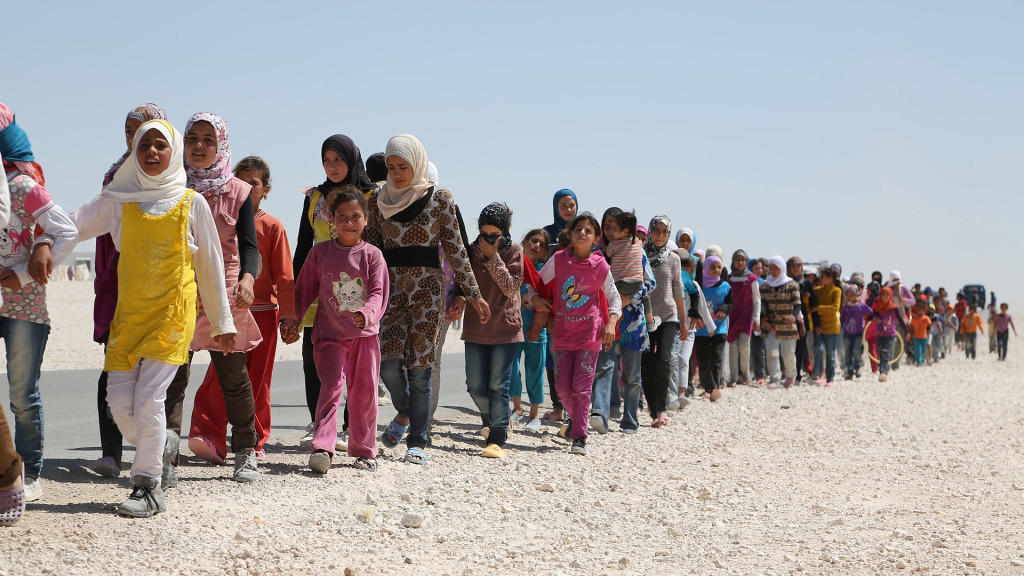
The first lesson you learn in Economics 101 is that people respond to incentives. Whether we’re talking about insurance, welfare, or hiring a new employee–incentives matter. That doesn’t change when we start talking about immigration or the refugee situation in the Middle East. Right now the incentives involved in the migration and refugee problem do not align with the stated goal of creating a stable region and minimizing human rights atrocities. I recently returned from a business trip to Turkey, from where millions of refugees have fled in the last several years into Greece and other members of the European Union (EU). Today an arrangement between Turkey and the EU went into effect, sending more than 200 people back to Turkey from Greece, in an effort to stem the flow the wave migrants and refugees that has begun choking the EU in recent years. Under the agreement, for every certified Syrian refugee sent to Turkey, one must also be sent for permanent settlement in the EU. Of the migrants sent back to Turkey today, not a single one was a Syrian refugee. The EU, Turkey, and Greece can contemplate how to halt the flow of migrants all they want, but it will not work until those nations, with backup from the United States, stop incentivizing bad behavior and empower Turkey and Syria to take matters into their own hands. The acceptance of hundreds of thousands, even millions, of refugees has allowed ISIS, with its relatively small fighting force, to gain a significant foothold in Syria—and they’re moving toward Turkey. Much how the United States’ immigration policy, or lack thereof, of allowing illegal immigrants to collect benefits and stay in the country with little or no negative ramifications has encouraged illegal immigration and stifled legal immigration, not incentivizing Syrians and Turks to stay and fight for their own nations will leave a negative impact across the globe. In Hamburg, Germany, for example, there are three Immigration camps which have effectively taken over those portions of the city. The police are reportedly not allowed to go into those portions of the city, and German citizens are leaving their homeland at a rapid rate. They feel their homeland has been taken over and do not feel safe. We are not going to stop the mass exodus of refugees without fixing the underlying tensions and problems. Simply shuffling refugees around the globe without a plan to require the Syrian and Turkish people to take responsibility for their land will only worsen the problem. After all, if a massive amount of people want to come to the United States because it is the land of opportunity, then why would we are only further incentivizing Syrians to flee their country by giving them a fast-track option through declaring refugee status. Syria is just one troubled area. There are an estimated 60 million refugees worldwide who are displaced from their homes. Europe is getting refugees from Libya, Algeria, Tunisia, and other North African countries, all displaced due to insecurity in their homeland. Whether the refugees are here in the United States, in the EU, or in Turkey, all of this insecurity, from the Middle East to Africa, can be credited to the Global Jihad Movement. The world must first recognize the Global Jihad Movement, then strengthen its resolve to destroy it. This effort must be led by Arab countries. Arab countries must take the lead in ridding the world of this radical ideology. For the U.S. to continue to meddle in the Middle East without Arab leadership is only to embolden Jihadist into fighting against an invading force. Politics aside, we may be divided on economic and social policy, as a world, we must unite to protect our way of life. The atrocities of Belgium and Paris are a mere body of water away. • • • Jonathan McConnell is the owner of Meridian Global Consulting, LLC, a maritime security firm, a Marine, and a former Republican U.S. Senate candidate.
Bradley Byrne: We still don’t have a strategy to fight ISIS
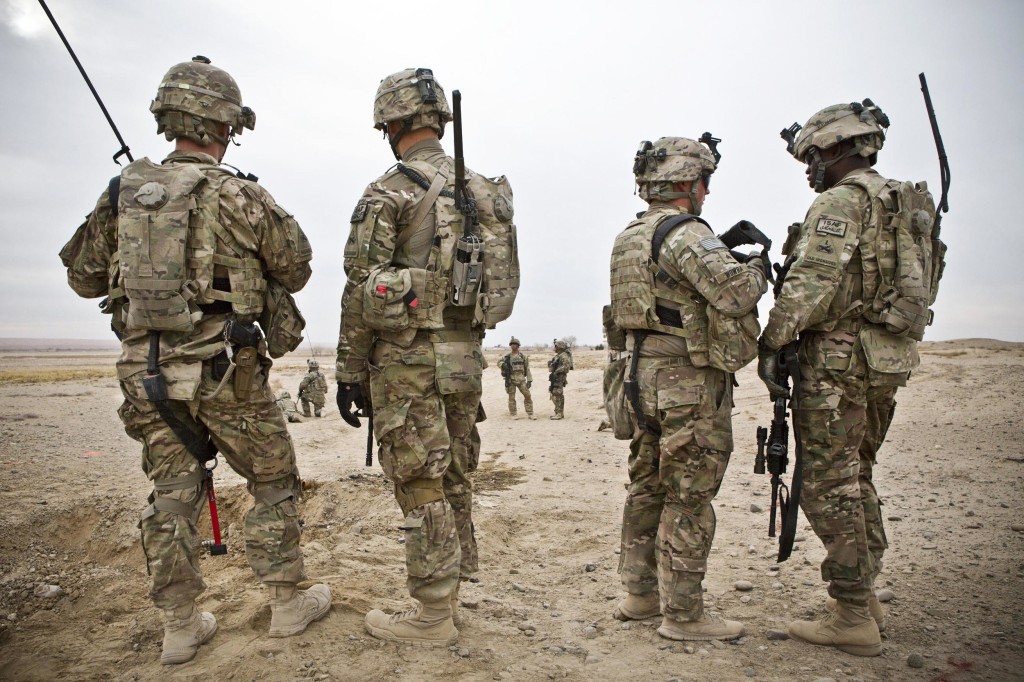
For over a year now, I have been pointing out that the Obama Administration lacks a clear strategy to defeat the Islamic State of Iraq and Syria (ISIS). This is the brutal terrorist organization that holds significant territory in the Middle East and claims responsibility for attacks in Brussels, Paris, and San Bernardino, California. When I visited the Middle East a few years ago, ISIS was gaining power and influence. In each country, I heard from American allies who were worried about ISIS and the lack of leadership from the United States. No one expected the United States to lead the fight alone, but they looked to us for guidance. Instead of leading, the President called ISIS a “JV team” and refused to acknowledge that our actions in Syria and Iraq were contributing to ISIS’s growth. At the same time, Syria was engaged in a violent civil war and Iraq’s military was falling apart. The United States has since started air strikes intended to disrupt ISIS operations and kill ISIS leadership. A few other countries have joined those efforts, but we still lack the large-scale support from U.S. allies that is needed to defeat ISIS. Don’t get me wrong: a number of American service members are doing a valiant job to defeat the enemy, but Administration has not given them a winning strategy. In other words, it doesn’t matter how great the athletes are on a football team if the coach does not have a game plan on how to win the game. That’s the challenge facing our military today. With this in mind, Congress included a provision in the annual National Defense Authorization Act last year that required the Obama Administration to submit a plan outlining their strategy for the Middle East and to defeat ISIS. The law couldn’t have been clearer. It said the report should be submitted to Congress “not later than February 15, 2016.” Well, February 15th came and passed without a plan being submitted to Congress. A few weeks ago, Secretary of Defense Ash Carter, who was responsible for submitting the report, testified before the Armed Services Committee about his annual budget request. I used the hearing to ask Secretary Carter why he had failed to submit the report on time as required by law. When an average American violates the law, there are consequences. The same should apply to leaders in the federal government. No one, regardless of their political position, should ever be above the law. I asked the Secretary where the report was and if he agreed the law was broken. Secretary Carter failed to answer my questions and simply said the report’s release was “imminent.” Well, two days later and over a month late, the report was submitted to Congress. It was only seven pages long and lacked a clear strategy. It reminded me of a kid who forgot to do their homework, so they recklessly threw something together at the last minute. Either the Obama Administration didn’t take the request from Congress seriously or they actually don’t have a strategy to defeat ISIS and combat Islamic extremism in the Middle East. I fear that both of those are true. Only the President, as the Commander-in-Chief of the military, can put forward a strategy for our military. So far, President Obama has failed to do that and ISIS continues to grow. In Congress, it is our job to continue holding the President and his advisors to the fire until they follow the law. As a member of the Armed Services Committee, I will continue doing just that. The safety and security of the American people require it. • • • Bradley Byrne is a member of U.S. Congress representing Alabama’s 1st Congressional District.
Bradley Byrne: Working to stop Christian persecution

We are in the midst of Holy Week, a time filled with both highs and lows as we follow Jesus’s path from crucifixion to resurrection. In the Christian faith, this is our most sacred occasion. It also serves as an opportunity to spend time with family and loved ones. Sadly, for too many people around the world, Holy Week is a dangerous time. This is especially true for Christians in the Middle East who suffer extreme persecution. In fact, groups like the Islamic State of Iraq and Syria (ISIS) search for and kill Christians simply because of their religious beliefs. This is especially heartbreaking because the Middle East was the birthplace of Christianity. In the very place where Jesus once walked, Christians are being attacked, raped, and murdered while religious buildings and artifacts are being destroyed. The numbers in Iraq paint a clear and disheartening picture of the plight of Christians in the Middle East. In 2003, there were 1.5 million Christians in Iraq; that number is now down to 275,000. Mosul, a city in northern Iraq, used to be home to a thriving Christian community, but the city is now under the control of ISIS and their radical Islamic rule. A debate recently broke out in Washington over whether ISIS is committing genocide by killing Christians and other religious minorities. Genocide is defined as the deliberate killing of a large group of people, especially those of a particular ethnic group or nation. To me, it is obvious that ISIS is committing genocide by systematically killing Christians. Last year, Congress passed legislation that set a deadline of March 17, 2016 for the U.S. State Department to officially declare that ISIS is committing genocide. Months went by without any action by the State Department. Many of my colleagues and I grew restless watching the State Department and Secretary of State John Kerry drag their feet. Groups across the country, like the Knights of Columbus and In Defense of Christians, called on the State Department to act. The House of Representatives got tired of waiting, and last Monday we passed a resolution expressing the sense of Congress that ISIS is committing genocide against Christians. This resolution passed by an overwhelming, bipartisan vote of 393 to 0. The vote sent a strong message to the State Department that they needed to act. Finally, on Thursday, Secretary of State John Kerry declared that ISIS is committing genocide against Christians and other religious minorities in the Middle East. Our pressure paid off! This declaration is about more than just a word. In fact, the declaration of genocide is incredibly rare and it has serious implications. The designation will help build international support for combating ISIS and their brutal tactics. It will also help bring more resources to help Christians in the region, as well as those who are fleeing violence. Of course, the declaration alone will not be enough. We must continue working to defeat ISIS and stand up for human rights of Christians and other religious minorities in the region. Most importantly, we should not and cannot become discouraged or angry. Instead, as Christians, we should stand strong in our faith and continue promoting religious freedom and tolerance. Let’s not forget the Christian faith is based on love and tolerance, even of those with whom you may not agree. As is written in John 13:34, “A new command I give you: Love one another. As I have loved you, so you must love one another.” So, this Easter, may we all say a prayer for Christians and religious minorities in the Middle East and pray that love and tolerance take hold in the region. • • • Bradley Byrne is a member of U.S. Congress representing Alabama’s 1st Congressional District.
Donald Trump releases first television ad
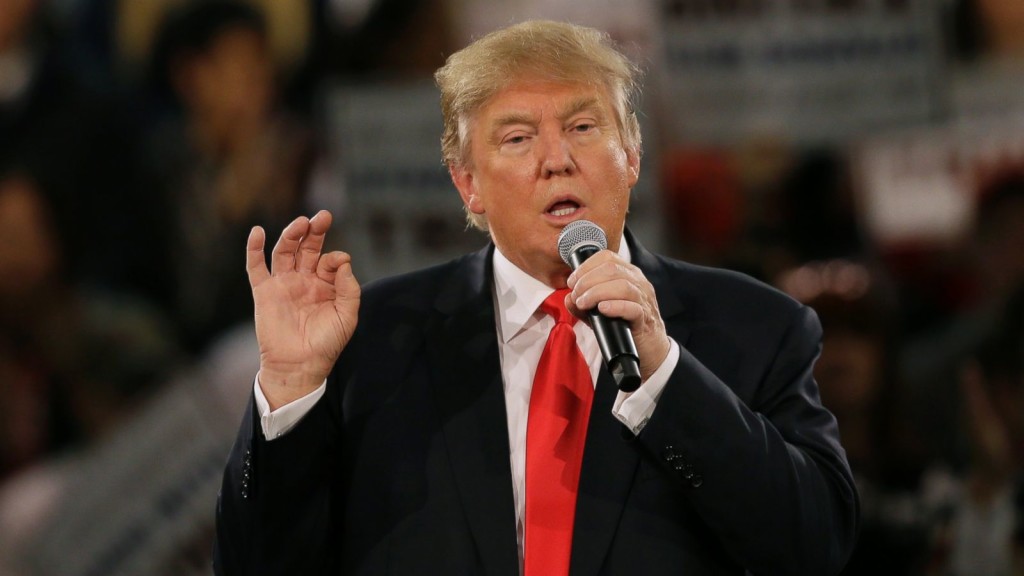
Donald Trump is hitting the airwaves The advertisement, which was first shared with The Washington Post, reiterates the New York businessman’s position on issues like the Islamic State, or ISIS, and illegal immigration. “The politicians can pretend its something else, but Donald Trump calls it radical Islamic terrorism. That’s why he’s calling for a temporary shut down of Muslims entering the United States until we can figure out what’s going on,” said a narrator during the 30-second spot.“He’ll quickly cut the head off of ISIS and take their oil.” The advertisement continues: “And he’ll stop illegal immigration by building a wall on our southern border that Mexico will pay for.” The Washington Post reported the advertisement is set to launch Monday as part of a series of ads airing it the final month before the Iowa caucuses. Trump has said he would spend at least $2 million a week on advertisements. The Iowa caucuses are Feb. 1, followed by the New Hampshire primary on Feb. 9. Trump burst to the front of a crowded Republican field shortly after he announced his candidacy, and is one of several untraditional candidates in the race. But unlike other untraditional candidates, Trump has maintained his lead by wide margins for weeks. Recent national polling averages compiled by RealClearPolitics show Trump leads the field, with 15.5 points separating him from his next closest competitor, Sen. Ted Cruz. Cruz leads the pack in Iowa, but just 3.6 points stand between him and Trump, according to averages of Iowa polls compiled by RealClearPolitics. Trump leads in New Hampshire, and RealClearPolitics averages show 13 points separate Trump from his closest competitor, Florida Sen. Marco Rubio. The 30-second spot will air in Iowa and New Hampshire, according to The Washington Post. Republished with permission of the Associated Press.
