Constables: who they are, and what they do
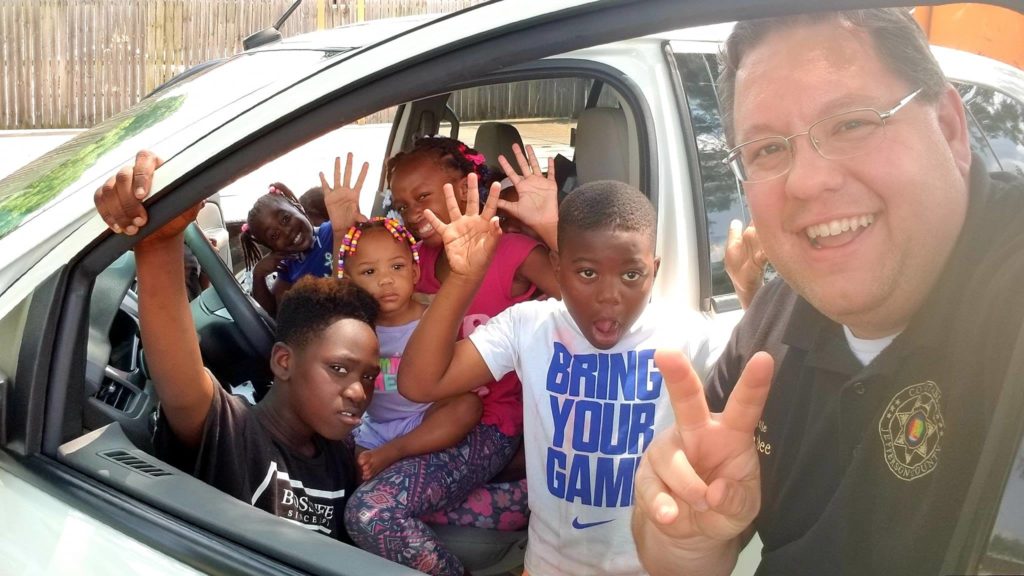
Only 24 counties, out of the 67 in Alabama, have constables. But who are they, and what do they do? The Code of Alabama defines constables as an elected or appointed “conservator of the peace within his county,” and according to the Alabama Constables Association, they are one of the only two remaining elected peace officers in the world. Their duties include: attending the circuit court of the county when summoned by the sheriff for that purpose; executing and returning all summons, executions and other process directed to him by any lawful authority; paying over moneys collected by virtue of his office to the person entitled thereto performing such other duties as are or may be required of him by law Constables are also permitted to carry a gun, are authorized to make arrests, stop and question, search for dangerous weapons, escort weddings and funerals, and enforce traffic at churches and schools. Although not permitted to write a traffic ticket, they can also pull over vehicles who disobey traffic laws. According to a 2015 AL.com article, the qualifications to become a constable are very few. “You must be a citizen of the county you’re running in, have no criminal record, and be old enough to carry a firearm.” The report continues to name the counties have constables including: Barbour, Colbert, Conecuh, Coosa, Dallas, Dekalb, Elmore, Etowah, Franklin, Green, Jackson, Jefferson, Marengo, Marion, Mobile, Monroe, Russell, Sumter, Talladega, Tallapoosa, Walker, Wilcox and Winston. Tallapoosa County will only have constables until 2020, after which they will be abolished according a court ruling in April of this year.
Bradley Byrne: A recap from the road
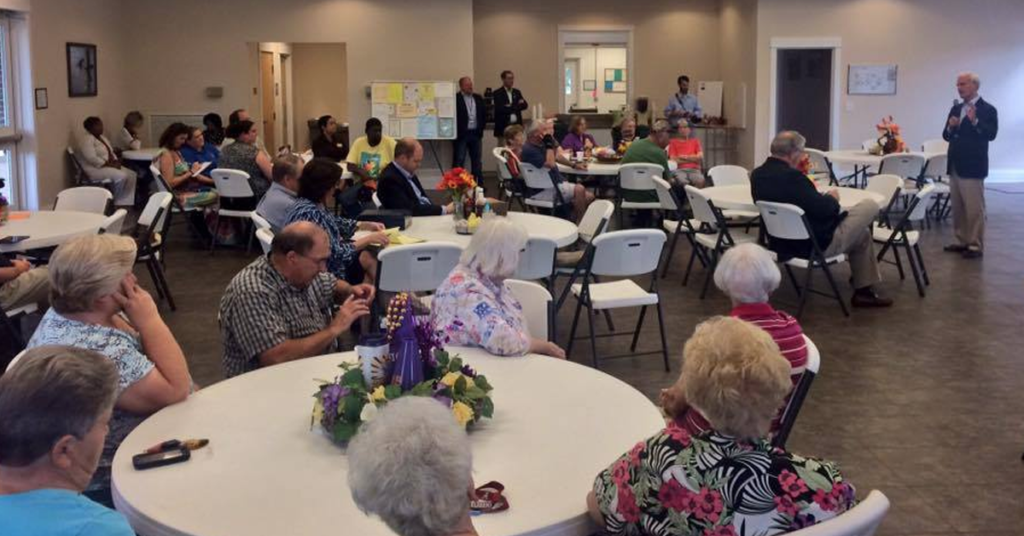
What do dehydrated fruits and vegetables, a new workforce training center, six town hall meetings, and the University of Alabama have in common? They were all a part of my busy week on the road in Southwest Alabama. Some of my most valuable time is spent traveling across the First Congressional District talking directly to the people I represent in Congress. With the House out of session until after the upcoming election, there have been many great opportunities to listen to the ideas and concerns of my constituents. I kicked things off Monday morning with a visit to Spring Hill College in Mobile to speak with students, tour the campus, and meet with President Christopher Puto. Spring Hill is an important part of the education system in Southwest Alabama, and its impact is felt all across the United States. Next, I headed to Mobile’s Providence Hospital to meet with community partners who serve those with Alzheimer’s disease and dementia. We had an important conversation about the ways federal policy can help those with Alzheimer’s, as well as family caregivers. I finished the day with a Veterans Town Hall Meeting at Battleship Memorial Park. I heard from a number of veterans who are still frustrated with the quality of care they are receiving from the Department of Veterans Affairs (VA). I outlined my support for the new VA clinic in Mobile and explained why I believe every veteran should be given a card to receive care from private doctors and hospitals in their local community instead of being forced into the failed VA bureaucracy. On Tuesday morning, I headed to Foley to celebrate the grand opening of Bon Secour Valley Ingredients. The new operation will bring a state-of-the-art fruit and vegetable dehydration and roasting facility to Baldwin County. This is just the latest in a long line of businesses George Woerner and his family have brought to our area. After having lunch with some members of the Gulf Coast News Today team in Summerdale, I headed up to Flomaton in Escambia County for a town hall meeting. We discussed a range of topics including health care, immigration, and the role of the media in politics. On Wednesday, I headed up to Clarke County for a number of meetings and events. I started off in Grove Hill with a visit to Clarke County High School. I enjoyed speaking with some of their students and checking out the new Clarke County Regional Workforce Training Center. Next, I held a town hall meeting in Jackson. Before the meeting, I had the opportunity to honor Jackson Mayor Richard Long for his over 20 years of service to the local community. His work has made a huge impact. Next, I went over to McIntosh in Washington County for a town hall meeting. At both the town halls in Jackson and McIntosh, I took questions on Social Security, foreign policy, religious freedom, and more. On Thursday, I held two more town hall meetings, in Mobile County’s Turnerville community and Uriah in Monroe County. Questions at these meetings covered everything from the presidential election to Obamacare to workforce training. I wrapped things up in Tuscaloosa on Friday with a visit to the University of Alabama. As our state’s only member on the House Education and the Workforce Committee, I believe it is important to understand the challenges and opportunities facing all of our institutions of higher education. Needless to say, it was a busy but successful week on the road. • • • Bradley Byrne is a member of U.S. Congress representing Alabama’s 1st Congressional District.