President Donald Trump says he won’t stay off social media
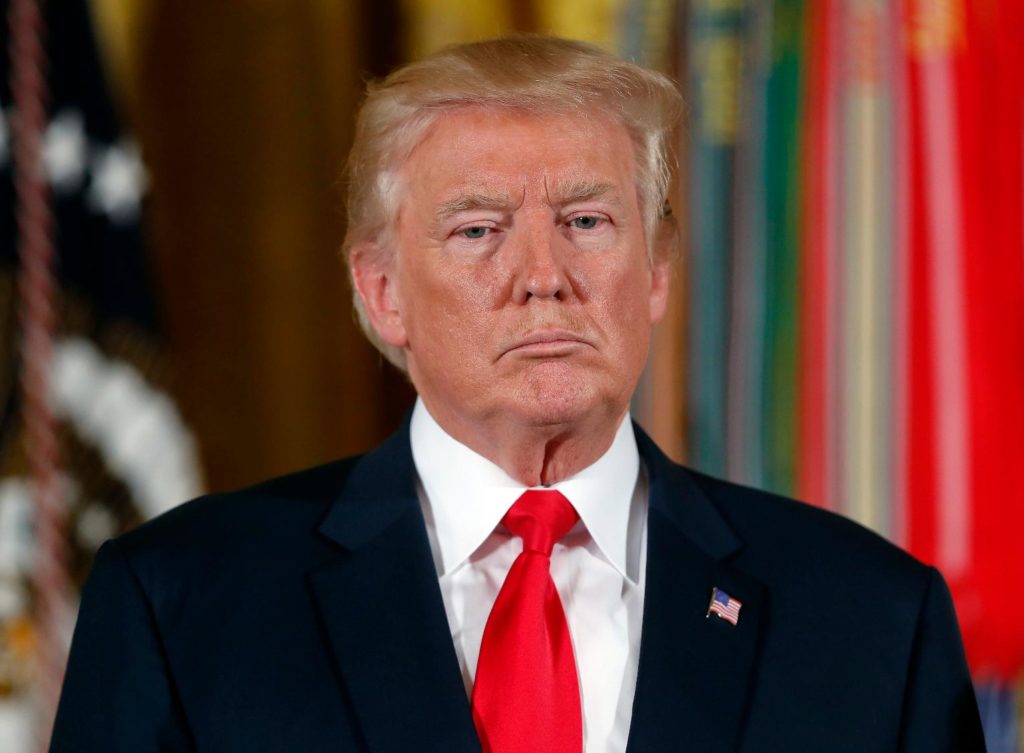
President Donald Trump may be trying for a reset in the West Wing, but he is making clear that he is not changing his Twitter habit. On Twitter Tuesday, Trump said: “Only the Fake News Media and Trump enemies want me to stop using Social Media (110 million people). Only way for me to get the truth out!” The tweet came one day after retired Gen. John Kelly took over as Trump’s new chief of staff. Tapped to bring order to the chaotic West Wing, Kelly quickly made his presence known Monday — ousting newly appointed communications director Anthony Scaramucci and revising the command structure so that all senior staffers report to him. Those moves were praised Monday by Trump allies and lawmakers, who expressed hope that Kelly would help stem internal conflicts and advance a policy agenda after six months of tumult. But less clear is how much control Kelly will have over Trump’s predilection for sowing conflict and making off-the-cuff comments on social media. White House spokeswoman Sarah Huckabee Sanders repeated Tuesday that Kelly had full control over the staff. Asked at a press briefing if senior advisers Ivanka Trump, Jared Kushner and others would be able to drop in to see the president, she said: “I don’t think anyone just wanders into the Oval Office.” Sanders added that “Gen. Kelly is going to work with the entire team as he has been doing over the last couple of days.” Sen. Lindsey Graham, speaking on NBC’s “Today Show,” said he was encouraged by Kelly’s new role, but stressed that he was looking for “discipline” from Trump in order to move forward with issues like health care and tax reform. “He has an obligation to be president for all of us and stop the chaos. Most of the chaos is generated by him and no one else,” Graham said. Republished with permission of The Associated Press.
Hillary Clinton lost, but Republicans still want to investigate her
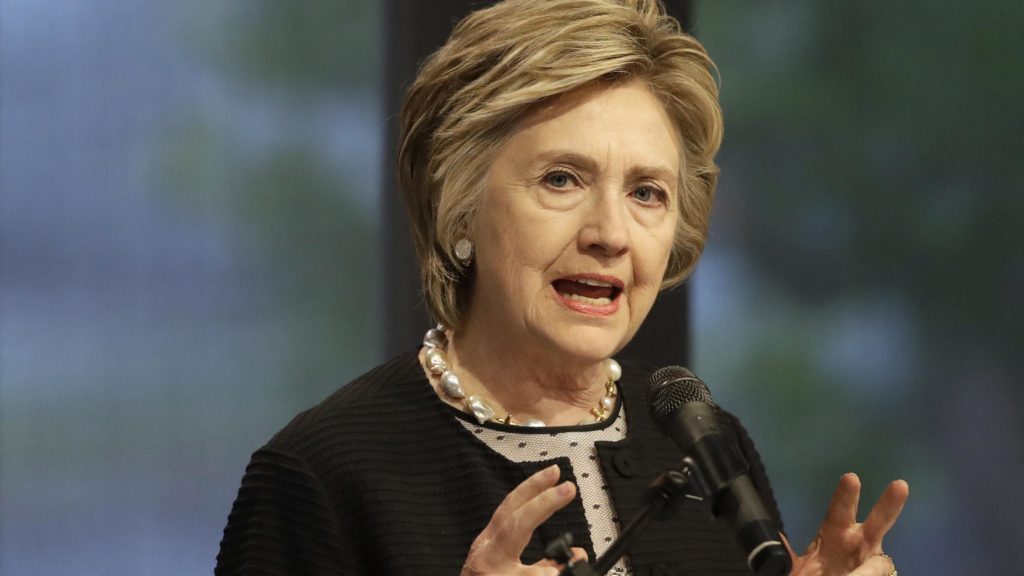
Democrat Hillary Clinton lost the 2016 election to President Donald Trump, but some Republicans in Congress are intensifying their calls to investigate her and other Obama administration officials. As investigations into Russian meddling and possible links to Trump’s campaign have escalated on both sides of the Capitol, some Republicans argue that the investigations should have a greater focus on Democrats. Democrats who have pushed the election probes “have started a war of investigative attrition,” said GOP Rep. Steve King of Iowa, a member of the House Judiciary Committee. Several officials from former President Barack Obama’s administration and Clinton’s campaign have appeared before or been interviewed by the House and Senate Intelligence Committees as part of the Russia investigation, along with Trump campaign officials. The GOP-led committees are investigating whether Trump’s campaign had any links to Russian interference in last year’s election. The chairman of the House Intelligence Committee, Rep. Devin Nunes, R-Calif., has continued a separate investigation into whether Obama administration officials inappropriately made requests to “unmask” identities of Trump campaign officials in intelligence reports. The House Judiciary Committee, which has declined to investigate the Russian meddling, approved a resolution this past week to request documents related to the FBI’s now-closed investigation of Clinton’s emails. In addition, Republican on that committee wrote the Justice Department on Thursday and asked for a second special counsel, in addition to Special Counsel Robert Mueller, to investigate “unaddressed matters, some connected to the 2016 election and others, including many actions taken by Obama administration.” “The American public has a right to know the facts — all of them — surrounding the election and its aftermath,” the lawmakers wrote. Republicans want to investigate the unmasking issue and also Clinton’s email scandal that figured prominently in the campaign. They also frequently bring up former Attorney General Loretta Lynch, and former FBI Director James Comey’s testimony that she told him to call the Clinton email investigation a “matter” instead of an investigation during the campaign. Nunes wrote his own letter to Director of National Intelligence Dan Coats last week, saying that his committee has learned that one Obama administration official had made “hundreds” of the unmasking requests. Even though he remains committee chairman, Nunes stepped back from the Russia investigation earlier this year after he was criticized for being too close to the White House. Rep. Mike Conaway, R-Texas, took over the leading role. The committee has conducted bipartisan interviews of witnesses; Trump son-in-law Jared Kushner appeared on Tuesday, a day after talking to Senate staff. But partisan tensions have been evident. GOP Rep. Pete King of New York, who’s on the House Intelligence Committee, said after the Kushner interview that the committee investigation into Russian meddling is a “sham.” “To me there is nothing to this from the beginning,” he said of his committee’s own probe. “There is no collusion … it’s the phoniest investigation ever.” Both the Senate and House committees have interviewed or expressed interest in interviewing a series of Democratic witnesses, including Obama’s former national security adviser, Susan Rice, and former U.N. Ambassador Samantha Power — both of whom Republicans have said may be linked to the unmasking. Rice met with staff on the Senate Intelligence Committee earlier this month, and Power met with the panel Friday. “Ambassador Power strongly supports any bipartisan effort to address the serious threat to our national security posed by Russia’s interference in our electoral process, and is eager to engage with the Senate and House committees on the timeline they have requested,” Power’s lawyer, David Pressman, said in a statement. Republished with permission of The Associated Press.
Evangelical leaders rally around Jared Kushner amid Russia probe
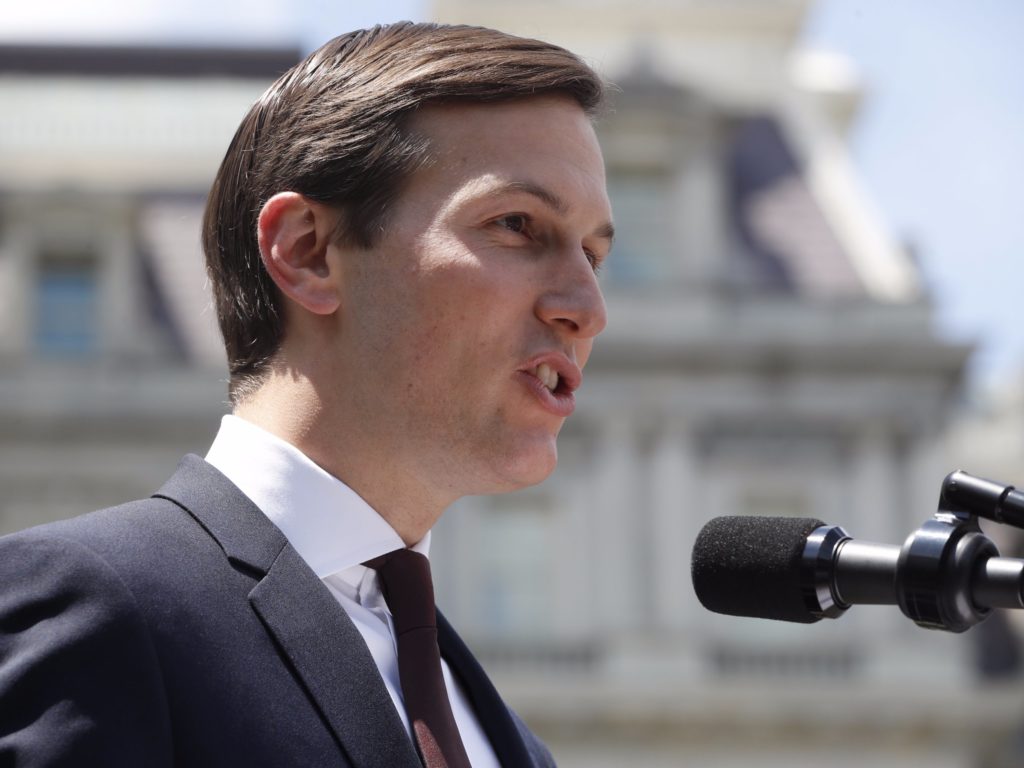
Evangelical leaders are rallying around White House senior adviser and Trump son-in-law Jared Kushner as he meets with congressional leaders investigating Russian meddling in the 2016 election. A host of Christian leaders, from South Carolina Pastor Mark Burns to Liberty University president Jerry Falwell Jr., have been taking to Twitter and releasing statements voicing their support for Kushner as he spends two days speaking with congressional investigators on Capitol Hill. “I’ve known Jared for many years. He’s a man of integrity, character, and a great, personal friend,” wrote Paula White, a gospel preacher and Trump friend who prayed at Trump’s inaugural. “(E)nough-is-enough,” she wrote. Liberty University president Jerry Falwell Jr. blasted the “endless attempts by the media to keep the fake Russia collusion story alive- solely to obstruct the president’s agenda” in a statement Monday. “In Jared Kushner, they’ve picked the wrong fight. I don’t know a more competent person. He is brilliant and he is a man of the highest integrity,” Falwell wrote. Kushner insisted Monday that he had done nothing improper during the campaign as he met with members of the Senate intelligence committee for nearly three hours behind closed doors. He’s set to meet with lawmakers on the House intelligence committee Tuesday. The coordinated statements are the work of Johnnie Moore, an evangelical activist from California, who recently attended a faith outreach meeting at the White House and tweeted a powerful photo of Christian leaders surrounding the president, heads bowed in prayer. “We’ve all had it,” said Moore, adding that he and other Christian leaders have become close to Jared over the years. Moore said that he decided on Monday morning that he wanted to release a statement and sent a note around to fellow faith leaders asking if they had anything to add. “We didn’t ask permission. They didn’t even know we were doing it,” he said of the White House. “For us it was personal.” Trump won an overwhelming 80 percent of the white evangelical vote in the November election, and a Pew Research Center survey marking his first 100 days in office found three-fourths of white evangelicals approved of his performance as president, versus thirty-nine percent of the general public. Kushner, who is an orthodox Jew, acted as a liaison to the religious community, said Burns, the pastor from South Carolina, who served as an opening act at many Trump rallies. “Jared has been a huge instrument in giving us access to the White House. So this is just us showing our love and support back to him for what he has done for our faith-based community,” said Burns. Republished with permission of The Associated Press.
Donald Trump legal team looking to investigate Robert Mueller aides
President Donald Trump’s legal team is evaluating potential conflicts of interest among members of special counsel Robert Mueller’s investigative team, three people with knowledge of the matter said Thursday. The revelations come as Mueller’s investigation appears likely to probe some of the Trump family’s business ties. Attorney Jay Sekulow, a member of the president’s external legal team, told The Associated Press that the lawyers “will consistently evaluate the issue of conflicts and raise them in the appropriate venue.” Two people with knowledge of that process say those efforts include probing the political affiliations of Mueller’s investigators and their past work history. Trump himself has publicly challenged Mueller, declaring this week that the former FBI director would be crossing a line if he investigated the president’s personal business ties. Mueller and congressional committees are investigating whether the president’s campaign coordinated with Russia during the 2016 election. While Trump has assailed the probes as a partisan “witch hunt,” the investigations have increasingly ensnared his family and close advisers, including son Donald Trump Jr. and son-in-law and White House senior adviser Jared Kushner. As the investigations intensify, Trump’s legal team is also undergoing a shakeup. New York-based attorney Marc Kasowitz, whose unconventional style has irked some White House aides, is seen as a diminishing presence in the operation, according to two people with knowledge of the matter. Mark Corallo, who has been working as a spokesman for the legal team, is no longer part of the operation, according to those familiar with the situation. They insisted on anonymity because they were not authorized to discuss the matter publicly. Republished with permission of The Associated Press.
Donald Trump’s cellphone diplomacy raises security concerns
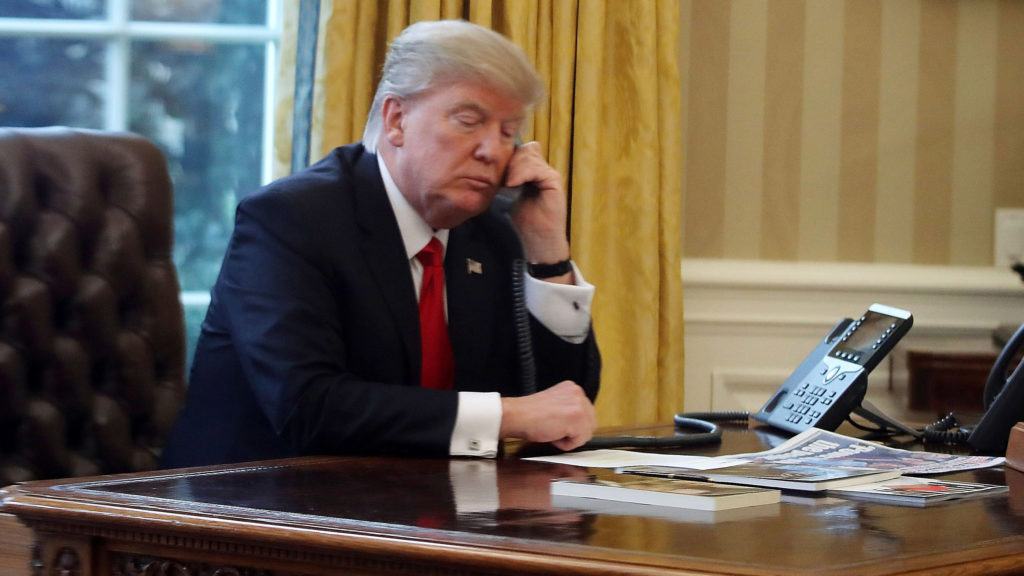
President Donald Trump has been handing out his cellphone number to world leaders and urging them to call him directly, an unusual invitation that breaks diplomatic protocol and is raising concerns about the security and secrecy of the U.S. commander in chief’s communications. Trump has urged leaders of Canada and Mexico to reach him on his cellphone, according to former and current U.S. officials with direct knowledge of the practice. Of the two, only Canadian Prime Minister Justin Trudeau has taken advantage of the offer so far, the officials said. Trump also exchanged numbers with French President Emmanuel Macron when the two spoke immediately following Macron’s victory earlier this month, according to a French official, who would not comment on whether Macron intended to use the line. All the officials demanded anonymity because they were not authorized to reveal the conversations. Neither the White House nor Trudeau’s office responded to requests for comment. The notion of world leaders calling each other up via cellphone may seem unremarkable in the modern, mobile world. But in the diplomatic arena, where leader-to-leader calls are highly orchestrated affairs, it is another notable breach of protocol for a president who has expressed distrust of official channels. The formalities and discipline of diplomacy have been a rough fit for Trump — who, before taking office, was long easily accessible by cellphone and viewed himself as freewheeling, impulsive dealmaker. Presidents generally place calls on one of several secure phone lines, including those in the White House Situation Room, the Oval Office or the presidential limousine. Even if Trump uses his government-issued cellphone, his calls are vulnerable to eavesdropping, particularly from foreign governments, national security experts say. “If you are speaking on an open line, then it’s an open line, meaning those who have the ability to monitor those conversations are doing so,” said Derek Chollet, a former Pentagon adviser and National Security Council official now at the German Marshall Fund of the United States. A president “doesn’t carry with him a secure phone,” Chollet said. “If someone is trying to spy on you, then everything you’re saying, you have to presume that others are listening to it.” The caution is warranted even when dealing with allies. As German Chancellor Angela Merkel‘s learned in 2013, when a dump of American secrets leaked by Edward Snowden revealed the U.S. was monitoring her cellphone, good relations don’t prevent some spycraft between friends. “If you are Macron or the leader of any country and you get the cellphone number of the president of the United States, it’s reasonable to assume that they’d hand it right over to their intel service,” said Ashley Deeks, a law professor at the University of Virginia who formerly served as the assistant legal adviser for political-military affairs in the U.S. State Department. The practice opens Trump up to charges of hypocrisy. Throughout last year’s presidential campaign, he lambasted Democratic rival Hillary Clinton for using a private email server while she was secretary of state, insisting she should not be given access to classified information because she would leave it vulnerable to foreign foes. Presidents’ phone calls with world leaders often involve considerable advance planning. State Department and National Security Council officials typically prepare scripted talking points and background on the leader on the other end of the line. Often an informal transcript of the call is made and circulated among a select group — sometimes a small clutch of aides, sometimes a broader group of foreign policy officials. Those records are preserved and archived. The White House did not respond to questions on whether the president is keeping records of any less-formal calls with world leaders. Trump’s White House is already facing scrutiny for apparent efforts to work outside usual diplomatic channels. The administration has been fending off questions about a senior aide’s alleged attempt to set up a secret back channel of communication with Moscow in the weeks before Trump took office. White House adviser Jared Kushner, Trump’s son-in-law, met in December with Russia’s ambassador to the U.S. and discussed whether a secret line of communication could be used to facilitate sensitive policy discussions about the conflict in Syria, according to a person familiar with the talks. The person demanded anonymity because the person was not authorized to discuss the sensitive conversation by name. The White House has said such back-channel communications are useful and discreet. Trump has struggled more than most recent presidents to keep his conversations with world leaders private. His remarks to Australian Prime Minister Malcolm Turnbull, Mexican President Enrique Pena Nieto and Russian diplomats have all leaked, presumably after notes of the conversations were circulated by national security officials. It was unclear whether an impromptu, informal call with a foreign leader would be logged and archived. The Presidential Records Act of 1981, passed in response to the Watergate scandal, requires that the president and his staff to preserve all records related to the office. In 2014, the act was amended to include personal emails. But the law contains “blind spots” — namely, record-keeping for direct cellphone communications, said Jonathan Turley, a professor at George Washington University Law School, who specializes in public interest and national security law. Under Barack Obama, the first cellphone-toting president, worries about cyber intrusions — particularly by foreign governments — pulled the president’s devices deep into the security bubble. Many of the functions on Obama’s BlackBerry were blocked, and a very small handful of people had his phone number or email address, according to former aides. “Government sometimes looks like a big bureaucracy that has stupid rules, but a lot of these things are in place for very good reasons and they’ve been around for a while and determine the most effective way to do business in the foreign policy sphere,” said Deeks. “Sometimes it takes presidents longer to figure that out.” Republished with permission of The Associated Press.
Who’s Dina Powell? A rising Donald Trump national security figure

The photo from inside Donald Trump‘s makeshift situation room at Mar-a-Lago affirmed what White House insiders have recognized for some time — that Dina Powell has quietly established herself as a White House power. Though sandwiched between other administration officials, the deputy national security adviser for strategy stands out as the only woman among 13 staffers in the room on the night the president ordered the missile attack in Syria. And in a White House that is split between outsider ideologues and more traditional operators, Powell is viewed as a steady force in the growing influence of the latter. Her West Wing experience, conservative background and policy chops have won over Trump’s daughter and son-in-law. Now, Powell is at the table as the president turns more of his attention to international affairs, attempting to craft a foreign policy out of a self-described “flexible” approach to the world. “No one should ever underestimate Dina Powell.” says Brian Gunderson, a former State Department chief of staff. He hired her to work in former House Majority Leader Dick Armey‘s office early in her career and later worked with her in George W. Bush‘s White House. Powell, 43, declined comment for this story. She is a rare Bush veteran in a White House that has largely shunned its Republican predecessor’s legacy. She came via Goldman Sachs — decidedly not a rarity for the new president — originally to work on economic development at the behest of Ivanka Trump and Jared Kushner. An Egyptian-American with international experience and fluency in Arabic, she was soon moved to the National Security Council, though she retains her economic title. Powell’s ties to Ivanka Trump and Jared Kushner, who recruited her, and to economic adviser Gary Cohn, a fellow Goldman alumnus, mean she has been labeled by some as part of a more moderate group at the White House. But GOP leaders describe her as a longtime conservative thinker. She has quickly earned the respect of the president, who said in a statement to The Associated Press: “Dina is an extremely intelligent and competent member of my team. She is highly respected and a great person.” National Security Adviser Lt. Gen. H.R. McMaster said he recruited Powell “because of her exceptional expertise and leadership skills, to lead an effort to restore the strategic focus of the national security council. She has already accomplished this shift in a few weeks, establishing great relationships across our government and with key international allies.” Powell’s foreign policy experience was forged under Condoleezza Rice, who brought her into the State Department when the Bush administration was trying to improve diplomacy in the Middle East. Calling her a “member of my Middle East brain trust,” the former secretary of state said that Powell knows the region well and “not just confined to Egypt.” She added that Powell was “somebody who understood the limits of secularism in the Middle East but the dangers of fundamentalism. She brought sensitivities to those issues.” Still, Powell is plunging into a national security role at a fraught moment, as the United States ponders next steps with Syria, navigates complex relationships with North Korea, China and Russia and seeks to combat the rise of ISIS. All under a president, who campaigned on a platform of “America First” but whose foreign policy has proved unpredictable. Tommy Vietor, who served as NSC spokesman under Barack Obama, said the administration is still struggling to present a coherent foreign policy. “Does ‘America First’ mean we don’t care anymore?” he asked. “They need to do a better job making clear people understand where they stand on many issues.” Powell was brought onto the national security team after a period of tumult. Trump’s first national security adviser, Michael Flynn was asked to resign in February amid revelations that he misled senior administration officials about his Russian contacts. One of his deputies, K.T. McFarland — notably absent from the Florida photo — is expected to exit soon. She is in line to be U.S. ambassador to Singapore. As deputy national security adviser for strategy, Powell is working to coordinate the various U.S. security-related agencies and advisers. According to a recent national security memo, she attends meetings of the National Security Council’s Principals Committee and Deputies Committee. Those advisers briefed Trump with options last week after a chemical attack that the U.S. determined was ordered by Syrian President Bashar Assad. Born in Cairo, Powell moved to the United States with her family at the age of four and had to learn to speak English. She is a Coptic Christian, the faith that was targeted with bombings of two churches in Cairo on Palm Sunday. Entering Republican politics at a young age, Powell put herself through the University of Texas by working in the state Legislature. After stints with several GOP congressional members and at the Republican National Committee, she joined George W. Bush’s administration. There she became the youngest person to ever run a president’s personnel office. Later she served Rice as assistant secretary of state for educational and cultural affairs and as deputy undersecretary of state for public diplomacy and public affairs. From the White House, Powell went to Goldman Sachs, where she worked for a decade, becoming a partner, looking after global investment and serving as president of the company foundation, overseeing an effort to invest in female entrepreneurs around the world. Speculation is already underway about whether her current role could grow. “She’s already ascending in a big way,” said Sen. Bob Corker, a Tennessee Republican, who has known Powell for years. “My sense is she will continue to be someone to look for.” Republished with permission of The Associated Press.
Jared Kushner, taking new White House role, faces rare scrutiny

Jared Kushner has been a power player able to avoid much of the harsh scrutiny that comes with working in the White House. But this week he’s found that even the president’s son-in-law takes his turn in the spotlight. In a matter of days, Kushner, a senior Trump adviser, drew headlines for leaving Washington for a ski vacation while a signature campaign promise fell apart. The White House then confirmed he had volunteered to be interviewed before the Senate intelligence committee about meetings with Russian officials. At the same time, the White House announced he’ll helm a new task force that some in the West Wing have suggested carries little real influence. Kushner became the fourth Trump associate to get entangled in the Russia probe. North Carolina Sen. Richard Burr, the chairman of the intelligence committee, said Tuesday that Kushner would likely be under oath and would submit to a “private interview” about arranging meetings with the Russian ambassador and other officials. The news came as the White House announced Kushner would lead a new White House Office of American Innovation, a task force billed as a powerful assignment for Kushner. But the task force’s true power in the White House remained unclear, according to a half-dozen West Wing officials and Kushner associates who spoke on the condition of anonymity. The official White House line is that the group would have sweeping authority to modernize government, acting as strategic consultants who can draw from experiences in the private sector — and sometimes receive input from the president himself — to fulfill campaign promises like battling opioid addiction and transforming health care for veterans. White House press secretary Sean Spicer said Monday that it would “apply the president’s ahead-of-schedule-and-under-budget mentality” to the government. But others inside and outside the White House cast doubt on the task force’s significance and reach, suggesting it was a lower priority for the administration and pointing out that similar measures have been tried by previous presidents with middling success. The assignment revived lingering questions about whether Kushner had opted to focus his time on a project that would put him at some distance from some Trump’s more conservative and controversial policy overhauls. The announcement came just days after Kushner and his wife, Ivanka Trump, were photographed on the ski slopes of Aspen, Colorado, as the GOP health care deal began to unravel amid protests from conservative Republicans that it did not go far enough in replacing President Barack Obama‘s Affordable Care Act. Kushner rushed back to Washington on Friday but it was too late to save the bill, which was scuttled hours later by House Speaker Paul Ryan. Two people close to Kushner vehemently denied the president was upset at his son-in-law for being absent, saying Trump had given the trip his blessing. And a senior White House official insisted the timing of the task force announcement was planned weeks in advance. Kushner, who has been at his father-in-law’s right hand since the campaign, has long been viewed as a first-among-equals among the disparate power centers competing for the president’s ear. Kushner, who routinely avoids interviews, draws power from his ability to access Trump at all hours, including the White House residence often off-limits to staffers. His portfolio is robust: He has been deeply involved with presidential staffing and has played the role of shadow diplomat, advising on relations with the Middle East, Canada and Mexico. Though Kushner and Ivanka Trump have been spotted with some frequency on the Washington social circuit, the president’s son-in-law is routinely in the office early and leaves late, other than on Fridays when he observes the Sabbath. While those close to Trump flatly state that Kushner, by virtue of marriage, is untouchable, this is a rare moment when he has been the center of the sort of political storm that has routinely swept up the likes of White House chief strategist Steve Bannon, chief of staff Reince Priebus and senior counselor Kellyanne Conway. It points to a White House whose power matrix is constantly in flux. Kushner has been closely allied with senior counselor Dina Powell and National Economic Council director Gary Cohn, the former Goldman Sachs executive and a registered Democrat. That group has, at times, been at odds with conservatives led by Bannon, who to this point has been the driving force behind the White House’s policy shop. When Kushner officially joined the administration in January as a senior adviser, it was suggested that the real estate heir would draw upon the private sector to streamline and modernize government. His task force has been meeting since shortly after the inauguration and started talking to CEOs from various sectors about ways to make changes to entrenched federal programs. “Jared is a visionary with an endless appetite for strategic, inventive solutions that will improve quality of life for all Americans,” said Hope Hicks, Trump’s longtime spokeswoman. A list supplied by the White House of some of those who have met with Kushner reads like a who’s who of the American business world, including Microsoft co-founder Bill Gates, Tim Cook of Apple and Jamie Dimon of JPMorgan Chase. Kushner usually does more listening than talking in the meetings, largely avoiding ideological arguments while asking questions about efficiency and best practices, according to a person who has attended a gathering but is not authorized to discuss private conversations. But the Trump team is hardly the first seeking to improve how the government operates. The Reagan administration tasked the Grace Commission in 1982 with uncovering wasteful spending and practices, while the Clinton administration sought its own reinvention of government in 1993 with what was initially called the National Performance Review. Previous commissions have not produced overwhelming results in changing the stubborn bureaucracy, casting some doubt on what Kushner’s team can accomplish. Philip Joyce, a professor of public policy at the University of Maryland, said the domestic spending cuts in Trump’s budget blueprint suggest that this new committee would most likely focus more
On ethics of advisers’ China deals, Donald Trump goes case by case
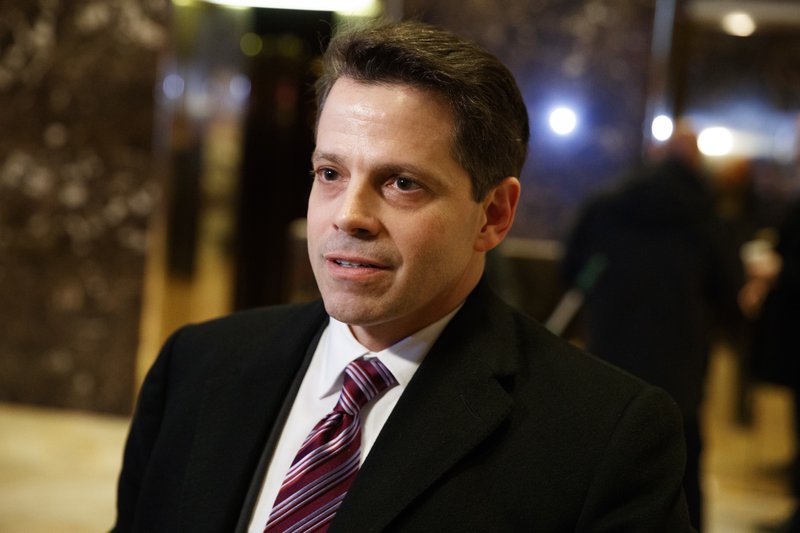
Anthony Scaramucci announced to the world in January that he would be leaving Wall Street for the White House to become President Donald Trump‘s top public liaison. Not long after, Scaramucci was told by Trump’s chief of staff that the sale of his hedge fund — a deal that includes a well-known Chinese conglomerate — raised too many ethics issues for him to start work immediately. Scaramucci never left New York. It’s a different story for Gary Cohn. The former Goldman Sachs executive, the man who is now Trump’s economic adviser reported for duty on Day One and has become a constant White House presence, often at the president’s side. All the while, Cohn has held a multimillion-dollar stake in a Chinese bank, which he’s now selling. White House officials say Scaramucci’s transaction is far more complex than Cohn’s holdings, arguing that’s why it gave them pause. But others point to the two cases as an example of Trump’s uneven approach to handling ethics concerns. The White House on Wednesday acknowledged it did not secure an ethics pledge from ousted national security adviser Michael Flynn, who served for two weeks after Trump signed an executive order mandating that officials agree to a five-year lobbying ban and lifetime prohibition on foreign lobbying. White House officials offered no explanation for why Flynn didn’t sign the documents. “At least so far, the ethical standards that are being applied to high-level officials coming in are quite incoherent and seemingly haphazard,” said Meredith McGehee, a chief at the government reform group Issue One who has worked on federal ethics laws and policies for decades. With so many well-off business executives coming into the administration, the Trump team could minimize conflict-of-interest questions by being more consistent and transparent, she said. “Instead, they seem like they are leading with their chin,” she added. White House spokesman Sean Spicer said the Trump team “has been very committed to making sure that we institute high standards here and that we’re held to them.” Business intersections with China are particularly nettlesome, given many Chinese companies’ ties to the country’s Communist Party. Adding another layer of complexity is Trump’s frequent vow to take a tougher stance on China’s trade and currency practices, which could affect Chinese companies’ ability to sell their goods and services in the U.S. But while Scaramucci raised red flags in the White House, others — including Trump’s son-in-law and the president himself — have Chinese business ties that do not seem to have drawn as much internal hand-wringing. Cohn is in the process of selling his stock in the Industrial and Commercial Bank of China as he works with the Office of Government Ethics to clear out potential conflicts of interest, according to a White House official who requested anonymity to discuss the personnel matter. The New York Times reported last week that Cohn’s ICBC stock was the largest in his portfolio, valued at about $16 million. White House officials originally said that the ethics office flagged Scaramucci’s deal to sell his stake in SkyBridge Capital to a buyer group that included a subsidiary of Chinese conglomerate HNA Group as the reason he shouldn’t start government work right away. However, the office issued a statement to Bloomberg News saying it “had no involvement whatsoever” in the decision not to let Scaramucci start work. Trump’s family has its own business ties to China. Like Trump, Kushner — who is a senior adviser to the president — followed his father into New York real estate. The 36-year-old sold numerous assets to a family trust and said he has completely stepped away from his businesses and is following all conflicts of interest rules. Kushner Companies, now led by his relatives, has been negotiating with the Chinese Anbang Insurance Group to provide what could be hundreds of millions of dollars in equity for redevelopment of a Manhattan office building. “Kushner Companies is in advanced, ongoing discussions around 666 5th Avenue,” a company spokesman said, declining to discuss Anbang specifically. A person with direct knowledge of the talks confirmed the Anbang negotiations to The Associated Press, although the person requested anonymity to discuss the private deal. Jared Kushner sold his stake in that building to the trust as part of his agreement with the Office of Government Ethics, but his family stands to benefit from the deal. A senior White House official who requested anonymity to discuss a personnel matter said Kushner would recuse himself from any government business to which Anbang Insurance Group is a party. Yet Kushner took a more cautious approach on a business issue that didn’t involve China. When news surfaced last month that Miami Marlins owner Jeffrey Loria was considering selling the baseball team to the Kushner family and was on deck to become Trump’s ambassador to France, the Kushners called off the deal entirely. The Kushners said in a statement at the time that they were pulling the plug on the potential deal because “we do not want this unrelated transaction to complicate” Loria’s potential ambassadorship. The senior White House official said that although Jared Kushner had nothing to do with the Marlins negotiation his family wanted to avoid even the appearance of impropriety. The president himself hasn’t drawn a bright line when it comes to ethics. Although he handed daily management of his businesses to his two adult sons and a senior Trump Organization official, he placed his assets in a revocable trust that he can take control of at any time. And while the Trump Organization pledged not to enter new foreign deals, it hasn’t stopped selling its domestic properties to foreign buyers. New York City real estate transaction records show that last month a Chinese businesswoman paid almost $16 million for a condominium in one of Trump’s properties. Meanwhile, the sale of Scaramucci’s hedge fund is expected to go through this spring. He declined to comment on his plan, but he’s said publicly that he expects to eventually join the White House.
First daughter Ivanka Trump gets West Wing office
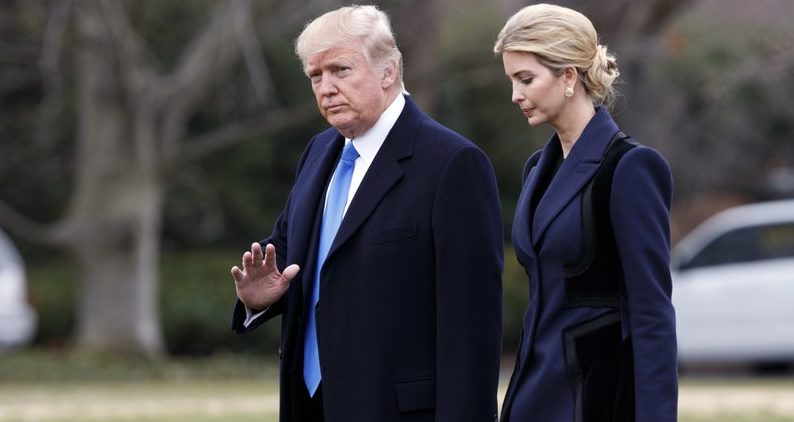
Cementing her role as a powerful White House influence, Ivanka Trump is working out of a West Wing office and will get access to classified information, though she is not technically serving as a government employee, according to an attorney for the first daughter. Since President Donald Trump took office, his eldest daughter has been a visible presence in the White House, where her husband, Jared Kushner, already serves as a senior adviser. On Friday, she participated in a meeting on vocational training with the president and German Chancellor Angela Merkel. Jamie Gorelick, an attorney and ethics adviser for Ivanka Trump, said Monday that the first daughter will not have an official title, but will get a West Wing office, government-issued communications devices and security clearance to access classified information. Gorelick said Ivanka Trump would follow the ethics rules that apply to government employees. “Our view is that the conservative approach is for Ivanka to voluntarily comply with the rules that would apply if she were a government employee, even though she is not,” said Gorelick, who also helped Kushner with the legal strategy that led to his White House appointment. “The White House Counsel’s Office agrees with that approach.” Ivanka Trump’s role has already come under scrutiny because there is little precedent for a member of the first family with this kind of influence. The White House did not immediately respond to a request for comment. A person with knowledge of Ivanka Trump’s thinking, who requested anonymity to discuss private conversations, said she believes she can offer more independent perspective to her father by not serving as a White House staffer. A popular surrogate for her father on the campaign trail, Ivanka Trump moved her young family to Washington at the start of the administration and signaled plans to work on economic issues, like maternity leave and child care. In a statement, she said: “I will continue to offer my father my candid advice and counsel, as I have for my entire life.” Federal anti-nepotism laws prevent relatives from being appointed to government positions. But the Justice Department’s Office of Legal Counsel recently said the president’s “special hiring authority” allowed him to appoint Kushner to the West Wing staff. Gorelick noted the office also made clear that the president could consult family members as private citizens, arguing that this is what Ivanka Trump will be doing. The first daughter has sought to distance herself from the Trump Organization and her lifestyle brand, which offers shoes, clothing and jewelry. She has removed herself from executive roles and will have a more hands-off approach to the brand — though she will still get certain information and will have the power to veto new deals if they raise ethical red flags. Richard Painter, a University of Minnesota law professor who served as President George W. Bush‘s chief White House lawyer on ethics, said that Ivanka Trump is effectively working as a White House employee. He said that “means that she, like her husband, has to follow the rules. It’s not a huge deal if she stays out of things that affect her financial interests.” Painter said that means Trump should avoid anything to do with foreign trade with countries where her products are made, as well as recuse herself from real estate matters, given Kushner’s family real estate business. Trump says she will follow ethics rules and some of her financial information will be included in Kushner’s official disclosures. She would have to disclose additional financial information if she were in a senior White House role, said Painter. That could include more details about her lifestyle brand, including her contracts and income. Attorney Andrew Herman, who has advised lawmakers on ethics issues, said he thought the administration should make her role official. He said: “I think the right way to do that is to make her a special government employee. But that implicates all kind of formal and disclosure issues.” Ivanka Trump continues to own her brand. But she has handed daily management to the company president and has set up a trust to provide further oversight. The business cannot make deals with any foreign state, and the trustees will confer with Gorelick over any new agreements. Ivanka Trump will also be able to veto proposed new transactions. Ivanka Trump has also barred the business from using her image to promote the products in advertising or marketing. To be sure, the trustees are in the family — her husband’s siblings Joshua Kushner and Nicole Meyer. But Gorelick said the goal of the trust wasn’t to shield Trump from everything, but to remove her from the day-to-day operations. She also acknowledged that the arrangement did not eliminate conflicts, but she said Trump is trying to minimize them and will recuse herself from any administration decision-making that affects her business. With the Trump Organization, Ivanka Trump has stepped down from a leadership role and will receive fixed payments rather than a share of the profits. Ivanka Trump has also written a book, “Women Who Work,” that will be released in May. The proceeds and royalties will be donated to charity, Gorelick said. Republished with permission of The Associated Press.
Trump hotel may be political capital of the nation’s capital
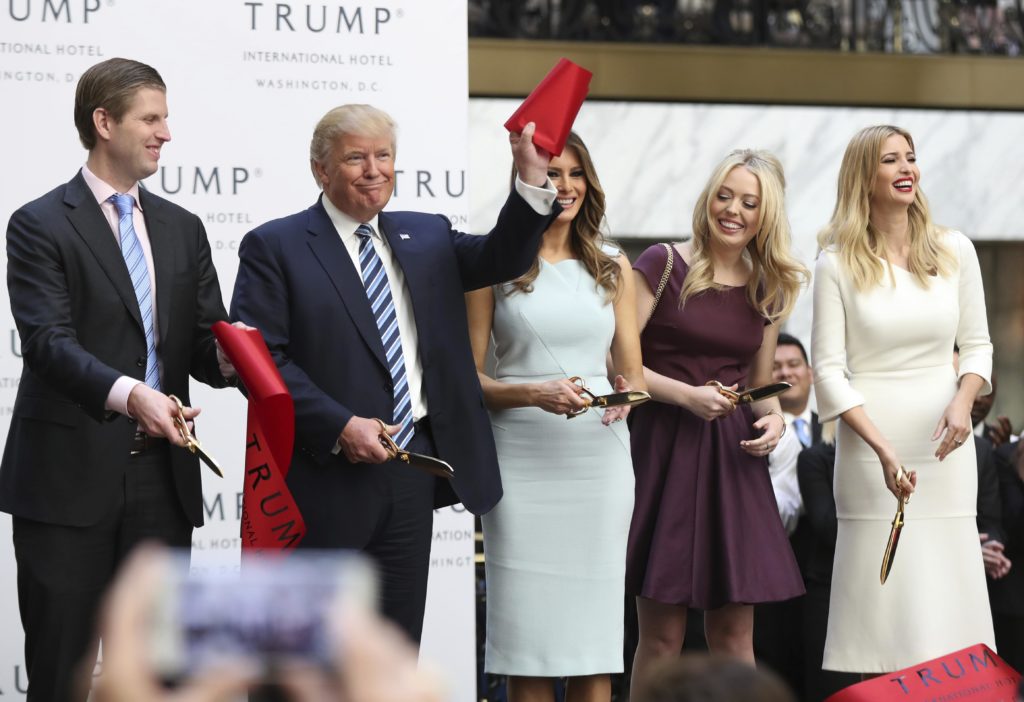
At a circular booth in the middle of the Trump International Hotel’s balcony restaurant, President Donald Trump dined on his steak — well-done, with ketchup — while chatting up British Brexit politician Nigel Farage. A few days later, major Republican donors Doug Deason and Doug Manchester, in town for the president’s address to Congress, sipped coffee at the hotel with Rep. Darrell Issa, R-Calif. After Trump’s speech, Treasury Secretary Steven Mnuchin returned to his Washington residence — the hotel — and strode past the gigantic American flag in the soaring lobby. With his tiny terrier tucked under an arm, Mnuchin stepped into an elevator with reality TV star and hotel guest Dog the Bounty Hunter, who particularly enjoyed the Trump-stamped chocolates in his room. It’s just another week at the new political capital of the nation’s capital. The $200 million hotel inside the federally owned Old Post Office building has become the place to see, be seen, drink, network — even live — for the still-emerging Trump set. It’s a rich environment for lobbyists and anyone hoping to rub elbows with Trump-related politicos — despite a veil of ethics questions that hangs overhead. “I’ve never come through this lobby and not seen someone I know,” says Deason, a Dallas-based fundraiser for Trump’s election campaign. For Republican Party players, it’s the only place to stay. “I can tell you this hotel will be the most successful hotel in Washington, D.C.,” says Manchester, adding that he would know because he has developed the second-largest Marriott and second-largest Hyatt in the world. Manchester says Trump’s hotel will attract people based on its location near the White House and Congress, the quality renovation and the management team. Then there’s also the access. Although Trump says he is not involved in the day-to-day operations of his businesses, he retains a financial interest in them. A stay at the hotel gives someone trying to win over Trump on a policy issue or political decision a potential chit. That’s what concerns ethics lawyers who had wanted Trump to sell off his companies as previous presidents have done. “President Trump is in effect inviting people and companies and countries to channel money to him through the hotel,” said Kathleen Clark, a former ethics lawyer for the District of Columbia and a law professor at Washington University in St. Louis. She said the “pay to play” danger is even greater than it would be if people wanted to donate to a campaign to influence a politician’s thinking. Spending money at a Trump property “is about personally enriching Donald Trump, who happens to be the president of the United States.” The White House strongly disputes there’s any ethical danger in Trump’s business arrangements. Trump can see his hotel from the White House. When a Fox News interviewer mentioned that to him recently, Trump responded, “Isn’t that beautiful?” But while the interviewer pointed out that he can see the property from his desk in the Oval Office, Trump said, “I’m so focused on what I’m doing here that I don’t even think about it.” Still, Trump couldn’t resist the short trip over there for dinner on his only weekend night out in Washington since becoming president. A reporter for the website Independent Journal Review was tipped off about Trump’s dining plans and sat at a table near him. He noted the president’s dinner fare and companions, who also included daughter Ivanka Trump and her husband, Trump adviser Jared Kushner. On other nights, the posh hotel is the kind of place where on a mid-February evening, you could bump into Trump television personality Katrina Pierson having cocktails with Lynne Patton, a former Trump Organization executive who’s now working at the Department of Housing and Urban Development. Trump campaign and inauguration hands Tom Barrack, Boris Epshteyn, Nick Ayers and Rick Gates are among the many who have stayed there in recent weeks. Rooms start at above $500 most nights, according to the hotel’s website and a receptionist. That’s up hundreds of dollars from when the hotel first opened, not long before Election Day. Patricia Tang, the hotel’s director of sales and marketing, declined to answer questions about how business is going. The hotel has become a staging area for big political events. Eric and Donald Trump Jr. posed for dozens of selfies with admirers at the hotel that bears their name before attending their father’s White House ceremony in late January to announce Judge Neil Gorsuch as the president’s pick for the Supreme Court. Deason ran into the Trumps and fellow Texas donor Gentry Beach while at a meeting at the hotel that day with Trump’s campaign adviser Rudy Giuliani. During inauguration week, when Trump himself repeatedly visited, the hotel was “literally the center of the universe,” Deason said. Last Tuesday, as Trump gave his first address to Congress, lobbyists and politicos watched the four large flat screens above the bar, two tuned to Fox news and two to CNN. In what hotel staff said was an effort to avoid some of the obvious politics of the place, the TVs were muted, so people followed along on their own devices. As Trump wrapped up, applause rose through the lobby and bar. Mnuchin waved to admirers gathered in the bar as he strolled through after Trump’s speech. Mnuchin is one of the New Yorkers working in Washington who call it home during the week. White House economic adviser Gary Cohn is another. Linda McMahon, who heads the Small Business Administration, also has been staying there. Administration officials “have been personally paying a fair market rate” for their accommodations, White House spokeswoman Lindsay Walters said. Even Trump’s closest friends pay to stay. Billionaire Phil Ruffin, Trump’s partner for his Las Vegas residential tower, said he shelled out $18,000 per night while he was in town for the inauguration, which he said surprised him since he’d given $1 million to Trump’s inauguration committee. Ruffin says he lightly complained about the high rate to the president.
Florence Snyder: Let them eat steak, Part 2 – Rick Scott edition
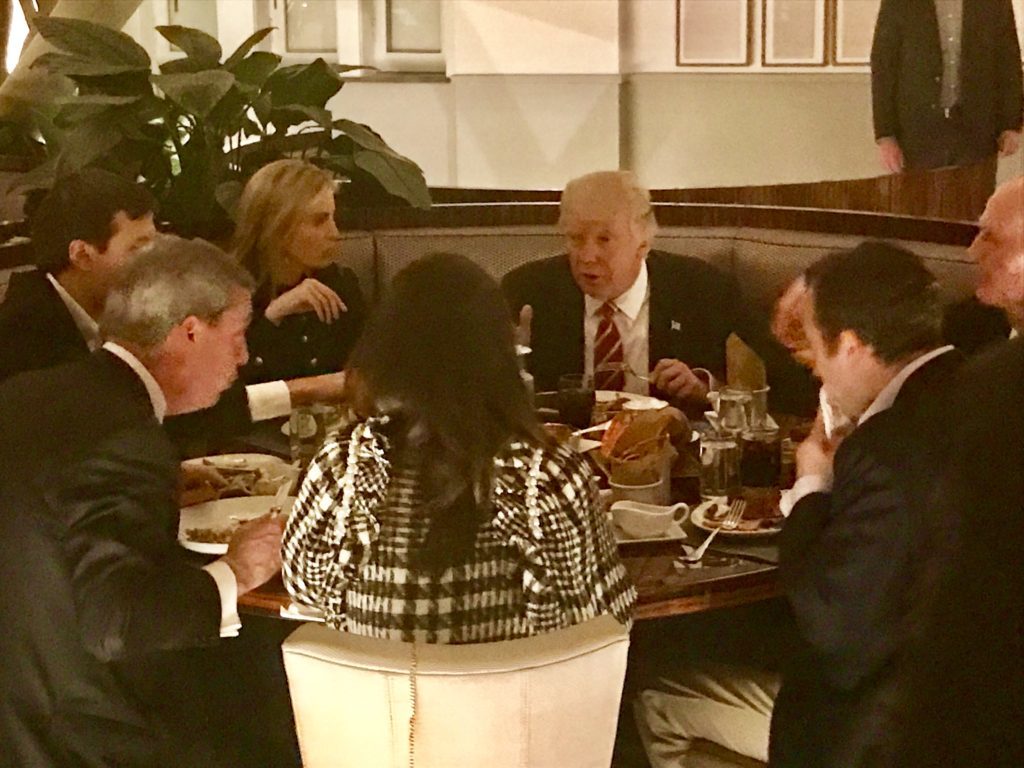
While Melissa McCarthy-impersonator Sean Spicer was confiscating his staff ‘s cellphones in search of leakers to fire, somebody tipped Independent Review Journal’s Benny Johnson to President Trump’s Saturday night dinner plans. Johnson identifies his tipster as a “trusted source.” Obvious suspects include Trump-whisperer and former Breitbart News big shot Steve Bannon. Bannon might have a soft spot for Young Mr. Johnson, who began his new media career as a contributor to Breitbart and fell, briefly, upon hard times when he was fired from BuzzFeed for multiple acts of plagiarism. Maybe it was the president himself, who, disguised as “John Barron,” mild-mannered publicist for Ratings and Sex Machine Donald Trump, used to call up reporters and dish irresistible tabloid trash for the Bonfire of the Vanities crowd. Who knows? Who cares! Whoever it was that told Johnson to ask for a balcony table at Trump International Hotel’s steakhouse — thank you for your service! Johnson’s minute-by-minute account is an SNL-level trove of rich, vivid, and telling details about the “worry worry super scurry” that surrounds a President and Guy Who’s Accustomed to Having His Own Way. It also works nicely as a pitch to the Food Porn Channel for a docudrama on “how a restaurant prepares for a president.” The story is lavishly illustrated with pictures that are remarkably revealing, considering they were taken in a steak palace and not a photography studio. Johnson was unable to catch a shot of Trump’s meal—well done New York strip soaked in catsup, allegedly — but the Tower of Bacon at Johnson’s table will make you lust in your salivary glands like a dirty old man drooling over a hot young blonde. Trump’s guests did not include Secretary of State Rex Tillerson, who dined across the room with his wife. If Trump was talking foreign policy over the $24 shrimp cocktails, he was doing it with Florida Governor Rick Scott, a man who makes up in certitude what he lacks in expertise. Also at the table was Brexit Boy and Party Crasher Nigel Farage, and Ubiquitous Daughter Ivanka Trump, accompanied by the Father of Her Children and Maker of Middle East Peace Jared Kushner. Johnson’s photo gallery includes a shot of Trump “discreetly” slipping a $100 bill to a “Latino busboy” who is, presumably, extremely vetted and not a rapist. The left side of the Twitterverse is sure this was Kabuki generosity staged for the benefit of a camera Trump knew was there. If that’s true, we’ll be hearing about it soon enough on Full Frontal, whose researchers are fanning out and talking to busboys Trump knew in his pre-presidential life if they’re not too busy performing the public service of euthanizing the White House Correspondents Dinner. ___ Florence Beth Snyder is a Tallahassee-based lawyer and consultant.
Donald Trump denounces ‘horrible’ threats against Jewish centers
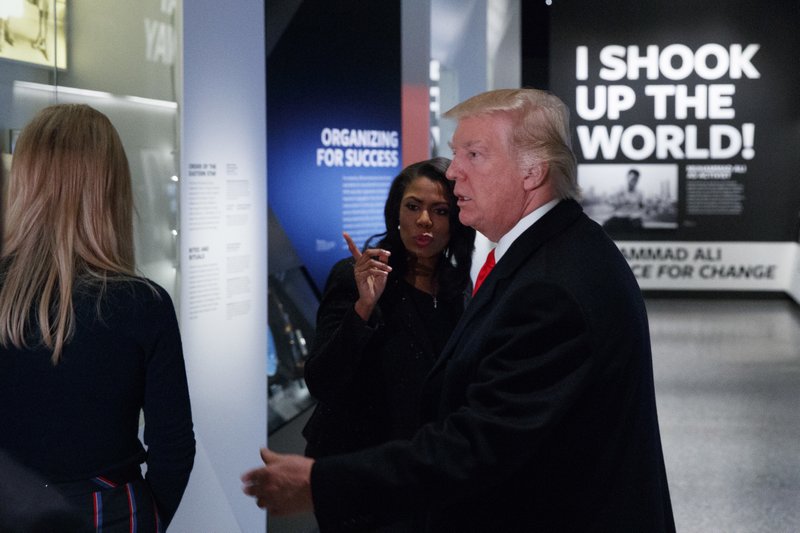
President Donald Trump on Tuesday denounced recent threats against Jewish community centers as “horrible” and “painful.” He said they are a “very sad reminder of the work that still must be done to root out hate and prejudice and evil.” Trump made the remarks after touring the newly opened National Museum of African American History and Culture. “This tour was a meaningful reminder of why we have to fight bigotry, intolerance and hatred in all of its very ugly forms,” Trump said. His comments about recent threats at Jewish community centers across the country marked the first time he had directly addressed a wave of anti-Semitism and followed a more general White House denouncement of “hatred and hate-motivated violence.” That statement, earlier Tuesday, did not mention the community center incidents or Jews. Trump “has made it abundantly clear that these actions are unacceptable,” that statement said. The FBI said it is joining with the Justice Department’s Civil Rights Division to investigate “possible civil rights violations in connection with threats” to the centers. On Monday, Trump’s daughter, Ivanka Trump, wrote on Twitter, “We must protect our houses of worship & religious centers,” and used the hashtag #JCC. She converted to Judaism ahead of her 2009 marriage to Jared Kushner. She joined her father at the African American museum tour. The White House was criticized by Jewish groups after issuing an International Holocaust Remembrance Day statement last month that did not mention Jews. Republished with permission of The Associated Press.