
Paul DeMarco: Governor Kay Ivey should call a Special Session to address crime

Violent crime in our state continues to get worse. In Birmingham alone, homicides are up by 15 percent after the first six months of the year. And look at Montgomery, where homicides have increased by 93 percent over the past five years. There is no question public safety has become the number one problem in this state and is not being addressed at the local level. Thus, it will be up to state leaders to strengthen the Alabama’s criminal justice system. This past Spring, Louisiana Governor Jeff Landry called a special session to address the horrific crime rates that have made some of the cities in his state some of the most dangerous places to live in the country. State leaders understood that they could not wait any longer to address the problem, as it was just creating more crime victims. Louisiana lawmakers successfully passed legislation that gave more tools to law enforcement and prosecutors to go after the bad guys. Alabama should follow suit. Governor Kay Ivey should work with Attorney General Steve Marshall and Alabama legislators to approve new laws to deter crime and punish those that wound endanger the public. Now is the time to bring the stakeholders in the criminal justice system together to study entire system from crime, to arrest, to sentencing and incarceration. Then those recommendations should be the basis of bills to propose to take on the violent crime in the state. Most importantly, there should be truth in sentencing implemented in this state. Just as in Louisiana, Alabama leadership should address crime and public safety sooner rather than later. Paul DeMarco is a former Alabama House of Representatives member and served as Chair of the House Judiciary Committee. He can be found on X, formerly Twitter, at @Paul_DeMarco
After Fifth Circuit ruling, Gulf lease sales scheduled for Dec. 20

By Bethany Blankley | The Center Square contributor After the Fifth Circuit U.S. Court of Appeals’ order last week, the Bureau of Ocean Energy Management (BOEM) announced that it scheduled Lease Sale 261 in the Outer Continental Shelf in the Gulf of Mexico for Dec. 20. In September, a federal judge ruled the Biden administration must go through with offshore lease sales in the Gulf of Mexico by Sept. 27 as originally planned and under original conditions. The Fifth Circuit concurred but amended the ruling, pushing back the lease sale date to Nov. 8. Last week, the appellate court ruled that the Biden administration must hold the lease sale within 37 days of its ruling on Wednesday. It also ordered BOEM to include 6 million acres in the Gulf that it had previously removed from the sale. Earlier this year, BOEM reached a settlement with environmental groups opposing the sale to purportedly protect an endangered whale species. BOEM announced, “Pursuant to direction from the Court,” it will “include lease blocks that were previously excluded due to concerns regarding potential impacts to the Rice’s whale population in the Gulf of Mexico. BOEM will also remove portions of a related stipulation meant to address those potential impacts from the lease terms for any leases that may result from Lease Sale 261.” Environmental groups opposing offshore drilling allege the industry would cause an endangered whale species to go extinct because it only lives in the northern part of the Gulf of Mexico. In 2019, NOAA Fisheries designated the Gulf of Mexico Bryde’s whale as an endangered subspecies under the Endangered Species Act. In 2021, it expanded the designation to include Rice’s whale, which is also protected under the Marine Mammal Protection Act. The state of Louisiana, American Petroleum Institute and petroleum companies, Chevron and Shell, sued, arguing BOEM’s policies violated federal law. Louisiana Attorney General Jeff Landry said the rulings were “a major win not only for the rule of law, but also for Louisiana jobs and affordable energy. At a time when working families are being squeezed by unaffordable Bidenomics, I am glad to deliver yet another victory defeating overreaching bureaucrats. … Congress is clear: lease sales must take place; so we are grateful the Judge cut through the noise and upheld the law.” BOEM issued A Final Notice of Sale for public inspection Friday, Nov. 17, 2023. It will be published in the Federal Register on Monday, Nov. 20, 2023, it said. The opening of bids will be live streamed at 9 am CDT on Dec. 20. All terms and conditions of the lease sale are listed online. The Fifth Circuit’s decision also came after the U.S. Department of Interior issued in September a five-year plan to impose even greater restrictions on federal offshore oil and gas leasing. LOGA President Mike Moncla said that while the Inflation Reduction Act “promised us anywhere from zero to eleven offshore lease sales,” the Department of the Interior was “only committing to three for the next five years. This will curtail discoveries for years to come.” “Every other administration prior to this one had Five-Year Plans that enabled uninterrupted leasing activities,” he said. “This action will negatively impact Louisiana jobs and diminish GOMESA funds that are rebuilding our coast. The Gulf of Mexico provides 15% of our nation’s oil. These attempts to slow, or halt offshore production hurts all Americans at the pump and makes us more dependent on foreign oil.” “As predictable as” the department’s plan is, Moncla said it was “still disappointing to see that the Biden administration’s war on the oil and gas industry rages on” at a time when “worldwide demand for oil and gas is at record levels and our products will continue to be necessary for decades to come.” The U.S. oil and natural gas industry, led by the Gulf states of Texas and Louisiana, set records in petroleum exports and were the top exporters of liquified natural gas (LNG) in the first half of 2023. This is after the U.S. became the world’s largest LNG exporter in the first half of 2022, led by the two Gulf states, the EIA previously reported. Republished with the permission of The Center Square.
Louisiana Senate passes bill banning gender-affirming care for transgender youths
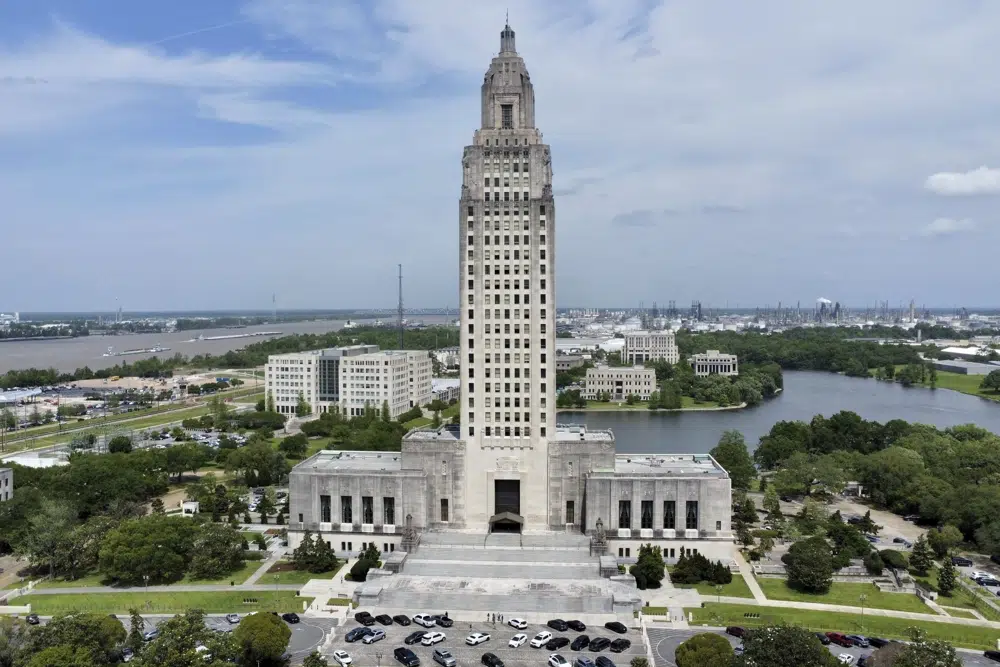
A controversial bill — that at one point had been presumed dead — banning gender-affirming medical care for transgender youths in Louisiana was passed by the Senate on Monday and is likely to reach the governor’s desk in the coming days. The bill, which passed in the Senate mainly along party lines, 29-10, would prohibit hormone treatments, gender-affirming surgery, and puberty-blocking drugs for transgender minors in Louisiana. The measure will go back to the House, which has already overwhelmingly passed the legislation, to approve minor amendments, including pushing back the effective date of the law to Jan. 1, 2024. If the House concurs, the legislation would be sent to the desk of Gov. John Bel Edwards, a Democrat who opposes it. Edwards has not said whether he would veto the bill. If he does, lawmakers could convene a veto session to try to override his decision. Last session, Edwards chose not to block a law banning transgender athletes from participating in women and girls sports competitions in Louisiana, although he successfully vetoed a similar measure last year. The proposed gender-affirming care ban gained national attention last month when a Senate committee voted to kill the bill. Longtime Republican state Sen. Fred Mills was the tiebreaker vote, opposing the legislation citing that he “relied on science and data and not political or societal pressures.” In a year when restrictions and prohibitions on gender-affirming care for transgender youths has been a priority on conservative agendas — with at least 18 states enacting laws limiting or banning the medical care, including all three of Louisiana’s bordering states — the rejection of the controversial legislation did not go unnoticed. In the days after the vote to defer the bill, state Attorney General Jeff Landry, who is a GOP gubernatorial candidate this year, and the Republican Party of Louisiana put pressure on Republicans to resurrect the bill. In a rare procedural move, the Senate voted to recommit the controversial bill to a different committee, successfully giving it a second chance at life. Additionally, anti-transgender activists took to social media, including conservative political commentator Matt Walsh, who tweeted to his nearly 2 million followers that Mills would regret his decision and that it is “the biggest mistake of his political career.” Mills, who is term-limited, told lawmakers on the Senate floor Monday that despite his family, businesses, and himself being harassed for his decision at the Capitol, he was proud of his vote and called it a “defining moment” in his legislative career. “I want to tell you, this is probably one of the biggest blessings in my life, this controversy. I’ve been attacked nationwide, but I don’t hate those people… they’re passionate about their issue,” Mills said. “The people that contacted me throughout the United States … thanking me that maybe we prevented a suicide (with the committee vote), I will let you all know I love you, and I hope things work out for you.” Opponents of the ban, argue that gender-affirming care, which is supported by every major medical organization, can be lifesaving for someone with gender dysphoria, which is distress over gender identity that doesn’t match a person’s assigned sex. Advocates for the LGBTQ+ community fear that without the care, transgender children could face especially heightened risks of stress, depression, and suicidal thoughts. “When people, especially our youth, talk about suicide, that’s not something that you take lightly,” said Sen. Gerald Boudreaux, a Democrat opposing the bill. “You wait too long, and you are at the funeral home.” Proponents of the legislation argue that the proposed ban would protect children from life-altering medical procedures until they are mature enough to make such serious decisions. “This isn’t complicated. Kids should not have access to permanent medical procedures in order to affirm an identity that they might outgrow,” Republican Sen. Jeremy Stine said. Currently, children in Louisiana need parental permission to receive any gender-affirming health care before they turn 18. Republished with the permission of The Associated Press.
Attorneys general support Florida ban on Medicaid payments for gender transition procedures

Seventeen attorneys general have filed an amicus brief supporting Florida’s healthcare regulation that denies Medicaid coverage for gender transitioning procedures. They’re supporting Florida’s motion for summary judgment in the lawsuit August Dekker v. Jason Weida in the U.S. District Court Northern District of Florida Tallahassee Division. In the case, transgender plaintiffs are suing Weida, the secretary of the Florida Agency for Health Care Administration. Alabama Attorney General Steve Marshall is leading the coalition, which also includes the attorneys general of Arkansas, Georgia, Indiana, Iowa, Louisiana, Kentucky, Mississippi, Missouri, Montana, Nebraska, North Dakota, South Carolina, Tennessee, Texas, Utah, and Virginia. The brief said evidence suggests the medical interest groups in the case that have promulgated guidelines or treatment statements are advocates for transitioning treatments and that they suppress dissent. “These groups do not represent ‘medical opinion,’ just an outspoken slice of it,” the brief said. The brief said that the groups are at odds with four European countries whose healthcare authorities assessed transitioning treatments and called for curtailing the availability of transitioning treatments for minors. Those countries are the United Kingdom, Sweden, Finland, and Norway. “Based on the evidence reviews they conducted (or are conducting), healthcare authorities in these countries have called for curtailing the availability of transitioning treatments for minors,” the brief said. “As the council responsible for the assessment of public healthcare services in Finland put it, ‘[i]n light of available evidence, gender reassignment of minors is an experimental practice.’ Florida’s like conclusion was reasonable.” Louisiana Attorney General Jeff Landry said in a news release that states have the right to regulate medicine and determine appropriate treatments for Medicaid coverage. “Our tax dollars should not be spent on life-altering and damaging experimental medical treatments,” Landry said. “Florida’s comprehensive review does not support the use of puberty blockers, cross-sex hormones, and reassignment surgeries as safe and effective treatments for gender dysphoria; and the Sunshine State should be allowed to follow the science.” Republished with the permission of The Center Square.
Steve Marshall joins letter urging the CDC to drop COVID-19 vaccine from child immunizations
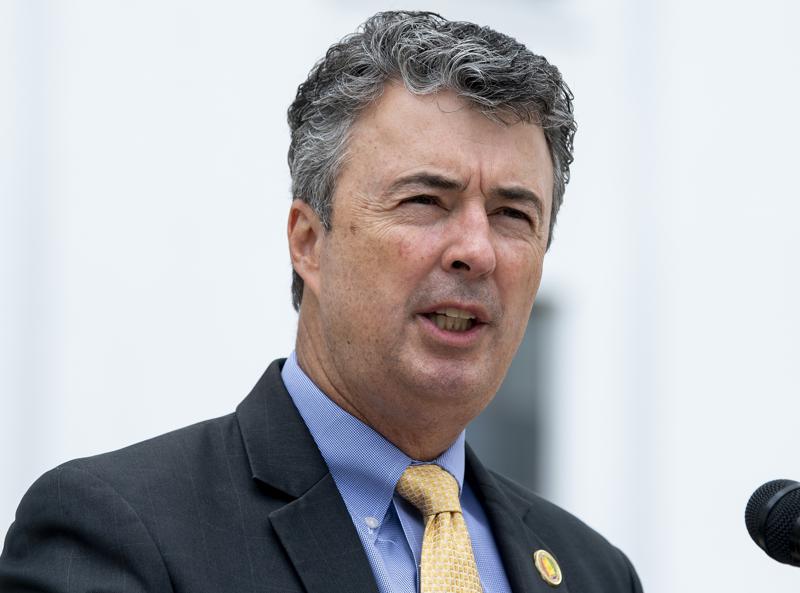
Alabama Attorney General Steve Marshall announced on Saturday that he had joined eleven other attorneys general in a letter calling on the Centers for Disease Control and Prevention’s (CDC) Advisory Committee on Immunization Practices (ACIP) not to include the COVID-19 vaccination on the list of child immunizations. “This week, the CDC acted without proper authorization in voting to release its child immunization recommendations before the close of the public comment period,” AG Marshall said. “But that’s just for starters. The CDC’s decision is unnecessary and in many states subjects children to retaliation for their parent or guardian’s decision to decline COVID-19 vaccinations. “Fortunately, Alabama law prohibits institutions of education—both public and private – from requiring students to prove any new immunization status as a condition of attendance,” Marshall continued. “However, the CDC’s recent move is damaging to the nation at large and is another example of that body and the medical community forcing unproven policies and medicines on children who are not at risk of bodily harm.” On Thursday, Attorney General Marshall and his colleague attorneys general wrote CDC Director Rochelle Wolensky, calling on the CDC not to include the COVID-19 vaccine in the Vaccines for Children Program (VFC), a program created by Congress in the wake of a measles outbreak to ensure that kids from low-income families have access to free vaccines. The COVID-19 vaccine has been added to the VFC, but is not required for admission to a public school within the state of Alabama. “The COVID-19 vaccine does not provide the same protection against life-threatening illnesses,” the attorneys general wrote in their letter. “Instead, it could put more kids at risk instead of protecting them, which is the purpose of the VCF. The CDC should not be treating kids in low-income households as lab experiments. Nor should pharmaceutical companies be allowed to use low-income families as cash cows.” The COVID-19 vaccines have proven to be enormously ineffective and come with a number of side effects. “Given the lack of need for kids to obtain the vaccines and their lack of effectiveness, adding the COVID-19 vaccine to the list of childhood immunizations amounts to little more than a payout to big pharmaceutical companies at the expense of kids and parents,” added the attorneys general. The letter was originally written by Louisiana Attorney General Jeff Landry. The attorneys general of Arizona, Florida, Indiana, Missouri, Montana, Nebraska, South Carolina, Texas, Oklahoma, and Utah also joined the letter. To connect with the author of this story, or to comment, email brandonmreporter@gmail.com.
State attorneys general led by Louisiana’s Jeff Landry urge CDC to reverse COVID vaccine school guidance

Attorneys general in a dozen states are urging the Centers for Disease Control’s Advisory Committee on Immunization Practices to reverse course on recommendations to include the COVID-19 vaccine on federal child immunization lists. “This action could deny many parents the freedom to determine whether to subject their kids to an experimental vaccine,” Louisiana Attorney General Jeff Landry said. The attorneys general penned a letter to the CDC’s ACIP committee Thursday in regards to two votes taken during meetings this week, which occurred before the close of the public comment period on including the COVID-19 vaccine on child immunization lists. The advisory committee voted 15-0 on Thursday to add COVID-19 vaccines to the 2023 schedule of childhood and adult immunizations, and the CDC is expected to accept the recommendation. The committee voted unanimously the day prior to add the vaccine to the Vaccines for Children Program, which was created by Congress to ensure low-income children have access to free vaccines. “States have traditionally relied heavily on these lists to inform their vaccination policies,” the letter reads. “As a result, in many states, your decision is unnecessary and subjects children to retaliation for their parent or guardian’s decisions to decline this vaccination.” The letter argues vaccines currently included on the childhood immunization lists protect against viruses that “have killed millions of children over the years,” unlike COVID-19, which “does not pose the same danger to kids as polio or measles, nor does the vaccine provide the same protection.” “While most vaccines prevent the vaccinated individual from getting the disease in the first place and stop the spread of the disease, the COVID-19 vaccine does neither,” the attorneys general wrote. Including the COVID-19 vaccine could do more harm than good by undermining the public’s faith in the CDC, they wrote, citing ongoing research into both the virus and vaccines, as well as “widespread disagreement on whether kids need to be vaccinated” as important reasons to wait. “It’s far too early in the process to potentially require otherwise healthy kids to get a vaccine that will not prevent them or others from getting sick. In fact, the vaccine could do the opposite and create complications for kids who are forced to get the vaccine to attend school or play sports,” the letter reads. “Given the lack of need for kids to obtain the vaccines and their lack of effectiveness, adding the COVID-19 vaccine to the list of childhood immunizations amounts to little more than a payout to big pharmaceutical companies at the expense of kids and parents.” The attorneys general pointed to the continued “fallout of school closures and the forced masking of kids” that resulted from the “failures of misguided politicians, government bureaucrats, and their select experts, “and urged the committee to “reject considerations of adding the COVID-19 vaccine to the list of childhood immunities and the VFC.” “A modicum of humility is in order from the elites who demanded Americans’ trust then betrayed it with failed policies, and simultaneously ensured that those with the audacity to question the individuals wielding such power over individual lives and livelihoods would be targeted for censorship and blame,” the letter reads. “Our Nation’s children are not the federal government’s guinea pigs,” the attorneys general wrote. “As a country that failed so many children over the last couple of years, we owe it to them and their parents to take a responsible path forward.” The letter was signed by attorneys general from Louisiana, Missouri, Alabama, Montana, Arizona, Nebraska, Arkansas, Oklahoma, Florida, South Carolina, Indiana, and Texas. Republished with the permission of The Center Square.
Group of state attorneys general say Senate energy bill could impose backdoor Clean Power Plan
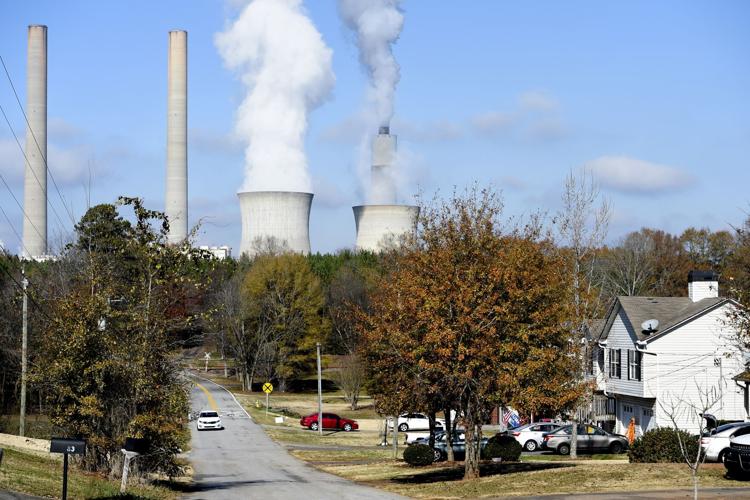
Louisiana Attorney General Jeff Landry is leading a coalition of 18 states in opposition to the Energy Independence and Security Act, which they claim is a backdoor attempt to impose the failed Clean Power Plan. “The Biden Administration and its allies in Congress are attempting to not only force unreliable renewables on hard-working Americans but also turn those consumers into bigger pawns of the green energy industry,” Landry said. “The DC elites, in a rushed process, want to restrict the electric power grid by repealing the traditional authority of the states to regulate their own resources and utility policies.” U.S. Sen. Joe Manchin, D-WV, introduced the Energy Independence and Security Act of 2022 last week, and the “comprehensive permitting reform” is included in a Continuing Resolution to avoid an Oct. 1 government shutdown. The bill is part of a deal between Manchin, Senate Leader Chuck Schumer, D-NY, House Speaker Nancy Pelosi, D-Calif., and President Joe Biden to gain Manchin’s support for the Inflation Reduction Act approved by Congress in August. Manchin contends the legislation is necessary to reduce costs for energy projects, though the legislation faces opposition from both Republicans and Democrats. In a letter to Schumer, the attorneys general argued three interrelated provisions in the bill “eviscerate states’ ability to chair their own land-use and energy policies.” “First, it would authorize private companies to use eminent domain against state land. Second, it would authorize (the Federal Energy Regulatory Commission) to command utilities to construct entirely new transmission facilities whenever and wherever FERC deems necessary. And third, it would authorize companies to spread costs of constructing new transmission facilities onto residents of other states, requiring citizens of one state to subsidize the agenda of citizens in other states,” the letter read. “These provisions eviscerate state sovereign authority, commandeer companies to carry out the will of a three-vote majority of FERC Commissioners, undermine the power of each citizen’s vote to decide policies at the state level, and inevitably force the citizens of our states to subsidize the costs of expensive energy policy preferences of California and New York.” The attorneys general also took issue with the short timeline for approving the legislation, which they argued “is completely unacceptable.” “If this sounds uncannily like the Clean Power Plan, the ultra vires [a legal term that means acting beyond one’s authority] 2015 EPA rule that would have effectively forced all states and regions to adopt the cap-and-trade, renewable-subsidizing policies that to date only some states and regions have chosen, that’s because it is in large part the same policy – but this time with no meaningful public notice, explanation, discussion, input, or legal recourse,” the attorneys general wrote. “As the Supreme Court held earlier this year, the Clean Power Plan was illegal – but at least it was openly proclaimed by President Obama, undertaken through public notice and comment and subject to full judicial review,” the letter read. “To attempt changes on this order without any notice and under rushed timing is completely unacceptable.” Landry was joined in the letter by attorneys generals from Alabama, Alaska, Arizona, Arkansas, Georgia, Indiana, Kansas, Kentucky, Mississippi, Missouri, Montana, Nebraska, South Carolina, Tennessee, Texas, Utah, and Virginia. Republished with the permission of The Center Square.
Permanent order blocking Joe Biden’s mask, vaccine mandate for Head Start could be appealed

With a permanent injunction issued in a case against President Joe Biden’s mask and vaccine mandate for Head Start child care centers, the only question is whether federal officials will appeal the ruling. U.S. District Judge Terry Doughty struck down the mandate on Wednesday, finding the edict poses a “substantial threat of irreparable injury” to the two dozen states that sued. He granted a permanent injunction against federal agencies enforcing the mandate, which required masks for toddlers and staff, as well as a requirement for a COVID vaccination or weekly tests for adults. Any appeal would be filed with the 5th U.S. Circuit Court of Appeals in New Orleans, which handles cases from Louisiana, Mississippi, and Texas. “I am grateful Judge Doughty applied the law and blocked this federal overreach from burdening some of our neighbors most in need,” Louisiana Attorney General Jeff Landry said. “As I said when we first filed suit, masking two-year-olds and force vaccinating teachers in our underserved communities would impede child development and cost jobs; fortunately, this attack has been thwarted.” Doughty found the Head Start teachers and 24 states that sued over the mandate would face a “substantial threat of irreparable injury” if it wasn’t struck down. “Plaintiff States will incur the increased cost of training and of enforcing the Head Start Mandate, will be unable to enforce their laws, and will have their police power encroached. The Court finds that this would be an irreparable injury,” Doughty wrote. “The Plaintiff States’ citizens will suffer irreparable injury by having a substantial burden placed on their liberty interests because they will have to choose between losing their jobs or taking the vaccine.” The lead plaintiff in the case, Louisiana preschool teacher Sandy Brick, was represented by the Pelican Institute and the Liberty Justice Center. “Louisiana teacher Sandy Brick has been serving her students through adversity and uncertainty for the last two years. Today, this decision vindicates her right to teach without sacrificing her freedom,” Sarah Harbison, an attorney with the Pelican Institute, said Wednesday. Liberty Justice Center attorney Daniel Suhr vowed to “continue to fight for teachers like Sandy and the low-income students they serve until every illegal and unjustified mandate is wiped from the books.” “Today’s decision is a significant step toward undoing the injustice perpetrated against everyday Americans throughout the COVID-19 crisis,” he said in a Wednesday release. Doughty, who previously struck down the Biden administration’s vaccine mandate for healthcare workers, explained the Head Start ruling boils down to a balance between the public interest and individual liberty. “Although vaccines arguably serve the public interest, the liberty interests of individuals mandated to take the COVID-19 vaccine outweigh any interest generated by the mandatory administration of vaccines,” he wrote. Doughty’s permanent injunction applies to Head Start programs in Louisiana, Alabama, Alaska, Arizona, Arkansas, Florida, Georgia, Indiana, Iowa, Kansas, Kentucky, Mississippi, Missouri, Montana, Nebraska, North Dakota, Ohio, Oklahoma, South Carolina, South Dakota, Tennessee, Utah, West Virginia, and Wyoming. Republished with the permission of The Center Square.
Steve Marshall joins nine attorneys general to call for state adoption of The Women’s Bill of Rights

Today, ten attorneys general announced their support for the Women’s Bill of Rights (WBOR). The group also is urging other state attorneys general nationwide to pledge their support. In March, the Independent Women’s Voice, the Independent Women’s Law Center (IWLC), and Women’s Liberation Front (WoLF) released the WBOR to codify the common definitions of ‘woman,’ ‘girl,’ and ‘mother.’ According to the WBOR, this would “ensure that our country’s laws recognize there are legitimate reasons to distinguish between the sexes with respect to athletics, prisons or other detention facilities, domestic violence shelters, rape crisis centers, locker rooms, restrooms, and other areas where biology, safety, and/or privacy are implicated.” Congress has since introduced H. Res. 1136, sponsored by Rep. Debbie Lesko of Arizona and co-sponsored by 28 House members, and S. Res. 644, sponsored by Sen. Cindy Hyde-Smith (MS) and co-sponsored by Sens. Cynthia Lummis (WY) and Ted Cruz (TX). Mississippi Attorney General Lynn Fitch, the first attorney general to support WBOR, said, “Feminism, once understood as the way to promote equality for women, is today disintegrating in an identity crisis of its own making. But it is not only legitimate for women to have a space of their own in which to grow and thrive; it is good for society to carve out that safe space for women to engage with one another in athletics, education, fellowship, and sometimes even in healing.” In April, Gov. Kay Ivey signed legislation restricting transgender students from participating in K-12 sports. The bill says a public K-12 school “may never allow a biological male to participate on a female team.” Additionally, a federal appeals court will hear arguments in November over Alabama’s efforts to outlaw the use of gender-affirming medications to treat transgender minors. Louisiana Attorney General Jeff Landry added, “My mother coached women’s basketball in the ‘70s, and she had to fight for everything for those girls — including simple court time. It’s despicable that radical leftists are jeopardizing the equality that my mom and many other women across the country worked so hard to achieve. Changing the biological definition of a person does not create equity; rather, it creates confusion and harm for all.” “As the first female elected Attorney General of Arkansas, I will do everything in my power to ensure that my daughter and girls across the nation have equal access to athletic, employment, and educational opportunities without being forced to unfairly compete against biological males,” said Arkansas Attorney General Leslie Rutledge. “I helped Arkansas lead this effort with the GIRLS Act, and I am proud to join my colleagues in signing the Women’s Bill of Rights.” The following attorneys general pledged their support of the WBOR: Lynn Fitch of Mississippi, Ken Paxton of Texas, Steve Marshall of Alabama, Leslie Rutledge of Arkansas, Jeff Landry of Louisiana, Doug Peterson of Nebraska, Sean Reyes of Utah, Austen Knudsen of Montana, Patrick Morrisey of West Virginia, and Alan Wilson of South Carolina.
Judge issues permanent injunction on Biden administration ban on new oil and gas leasing on federal lands, waters
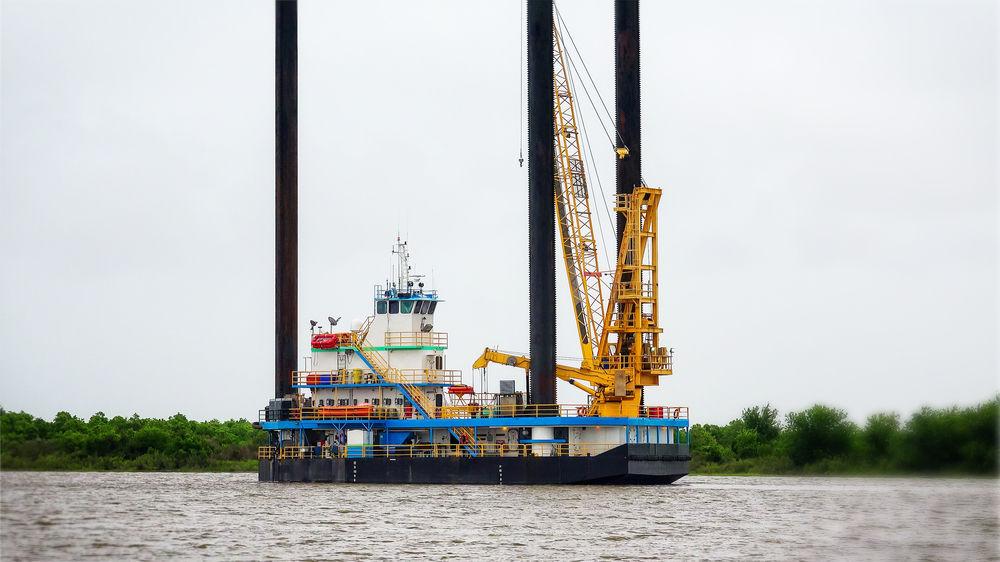
A federal judge sided with Louisiana Attorney General Jeff Landry and 12 other plaintiff states in a Louisiana-led lawsuit, issuing a permanent injunction against the Biden administration’s moratorium on new oil and gas leases on federal lands and water. U.S. District Court Judge Terry Doughty issued the permanent injunction, declaring that the president exceeded his authority when halting oil and gas leasing and drilling permits. “I am pleased the Court recognized that the President stepped outside his authority,” Landry said in a statement. “Biden’s energy policies have crushed American families with higher energy bills for their homes and vehicles.” Doughty ruled that Joe Biden’s executive order issued on January 27, 2021, violated the Mineral Leasing Act (MLA) and Outer Continental Shelf Lands Act (OCSLA) and was “beyond the authority of the President of the United States. Even the President cannot make significant changes to the OCSLA and/or the MLA that Congress did not delegate.” The order implemented a moratorium on new development of oil and gas fields on federal lands just days after the U.S. Interior Department also imposed restrictions on existing leases. Also, under Biden’s directive, the Bureau of Ocean Energy Management and Bureau of Land Management halted long-planned lease sales, which the lawsuit argued violated federal law and the procedural requirements of the Administrative Procedure Act. Landry said his office “will continue to ensure that American energy policy is crafted by the Legislative Branch, not the Judiciary or Executive. We must keep fighting and winning to bring relief to American consumers.” The permanent injunction was issued more than a year after Doughty issued a preliminary injunction on June 15, 2021. The Biden administration appealed the decision, arguing the president has the authority to halt leasing. The Fifth Circuit Court of Appeals disagreed and sent the case back to Doughty, which resulted in him issuing a permanent injunction. Neighboring Gulf state Texas Attorney General Ken Paxton, who joined the multi-state lawsuit, said the president’s moratorium was “an all-out assault against oil and natural gas production [and] would have killed good-paying jobs and increased consumer energy costs, all while decreasing funds that could be used for the restoration of state coastlines.” The states joining Louisiana and Texas in the lawsuit were Alabama, Alaska, Arkansas, Georgia, Mississippi, Missouri, Montana, Nebraska, Oklahoma, Utah, and West Virginia. “Joe Biden may have declared war on American energy independence, but we’re fighting back, and we’re winning in court,” Paxton said in a statement. “The executive order was a clear example of unconstitutional federal overreach, and I’m pleased to see the court make the right decision in issuing a permanent injunction to prevent it from taking effect.” In his 43-page ruling, Doughty said, “Millions and possibly billions of dollars are at stake. Local government funding, jobs for Plaintiff States’ workers, and funds for the restoration of . . . Coastline[s] are at stake. Plaintiff States have a reliance interest in the proceeds derived from offshore and onshore oil and gas lease sales. Additionally, the public interest is served when the law is followed. The public will be served if Government Defendants are enjoined from taking actions contrary to law. In a time of high gas and oil prices, draining of the Strategic Petroleum Reserve, and looking to other nations to supply the United States’ oil and gas needs, the public interest would be served by a permanent injunction.” The administration hasn’t yet issued a statement on the ruling, and another appeal to the Fifth Circuit is expected to be unsuccessful. While Texas leads the U.S. in oil and natural gas production, Louisiana accounts for nearly one-fifth of America’s refining capacity and can process about 3.2 million barrels of crude oil a day. Louisiana has the third-highest natural gas production and reserves in the U.S. and consistently ranks among the top in both crude oil reserves and crude oil production. U.S. Gulf of Mexico energy producers supply nearly 15% of the U.S. oil production and over 2% of natural gas production. Offshore oil and natural gas development supports over 350,000 jobs nationwide and contributes billions to the economy and local, state, and federal coffers. Gulf oil and gas revenues also fund 60% of federal energy revenue that support numerous conservation projects. The ruling came after the Louisiana Oil & Gas Association urged the Bureau of Ocean Energy Management to ensure that the Final Outer Continental Shelf Oil and Gas Leasing Program include all 10 of the proposed lease sales in the Gulf of Mexico as well as the proposed sale for the Cook Inlet in Alaska. It expressed concern that the agency potentially “Leaving open the option to hold zero future lease sales puts U.S. energy security at risk and compromises U.S. producers’ ability to provide affordable, reliable energy to the American people.” “Independent analysis shows that oil and natural gas are going to play an important role in fulfilling U.S. energy needs for the foreseeable future,” Mike Moncla, president of the Louisiana Oil & Gas Association,” said. “The question is whether the oil and gas will come from here in the U.S., where it is produced under some of the strictest environmental standards in the world, or if the U.S. will cede our position as global energy leaders and instead become reliant on foreign sources to supply our energy needs.” Republished with the permission of The Center Square.
Federal judge blocks Biden administration from ending Title 42 immigration enforcement

A federal judge in Louisiana on Monday blocked the Biden administration from ending the enforcement of a COVID-era policy that allowed U.S. Customs and Border Protection agents to quickly deport illegal immigrants over health concerns during the pandemic. The U.S. Centers for Disease Control and Prevention announced on April 1 that it was ending Title 42 enforcement on May 23, raising significant concerns among both Republicans and a growing number of Democrats that already inflated numbers of illegal border crossings under the Biden administration would spike even further. Shortly after the CDC announcement, Arizona Attorney General Mark Brnovich, Louisiana Attorney General Jeff Landry, and Missouri Attorney General Eric Schmitt sued. The attorneys general from 18 other states have since joined the lawsuit. A hearing was held Monday in the U.S. District Court for the Western District of Louisiana, and Judge Robert Summerhays said he was issuing a temporary restraining order against the administration. “For the reasons stated on the record, the Court announced its intent to grant the motion,” the judge said. “The parties will confer regarding the specific terms to be contained in the Temporary Restraining Order and attempt to reach agreement.” After the ruling, Louisiana AG Landry called ending Title 42 enforcement an “enormous threat.” “Joe Biden’s reckless decision to rescind Title 42 would have flooded our already stressed southern border with illegal immigrants,” Landry said in a statement. “Fortunately, today a judge has granted our request to halt this enormous threat to our national security. We will continue to ensure that citizenship means something and that those in this country illegally are not conferred greater rights than our citizens.” Before Monday’s ruling, the Department of Homeland Security said it was putting in place measures to prepare for up to 18,000 people a day to illegally cross Mexico’s border with the U.S. once Title 42 was lifted. This estimate is in addition to the roughly 2 million people who were apprehended or encountered by Border Patrol agents in Biden’s first year in office while Title 42 was in place. All encounter numbers exclude “gotaways,” those who evade capture and don’t surrender at ports of entry. Schmitt also hailed the decision. “This is a huge victory for border security, but the fight continues on,” he tweeted. Republished with the permission of The Center Square.
Justices weigh Alabama’s bid to stop redistricting order
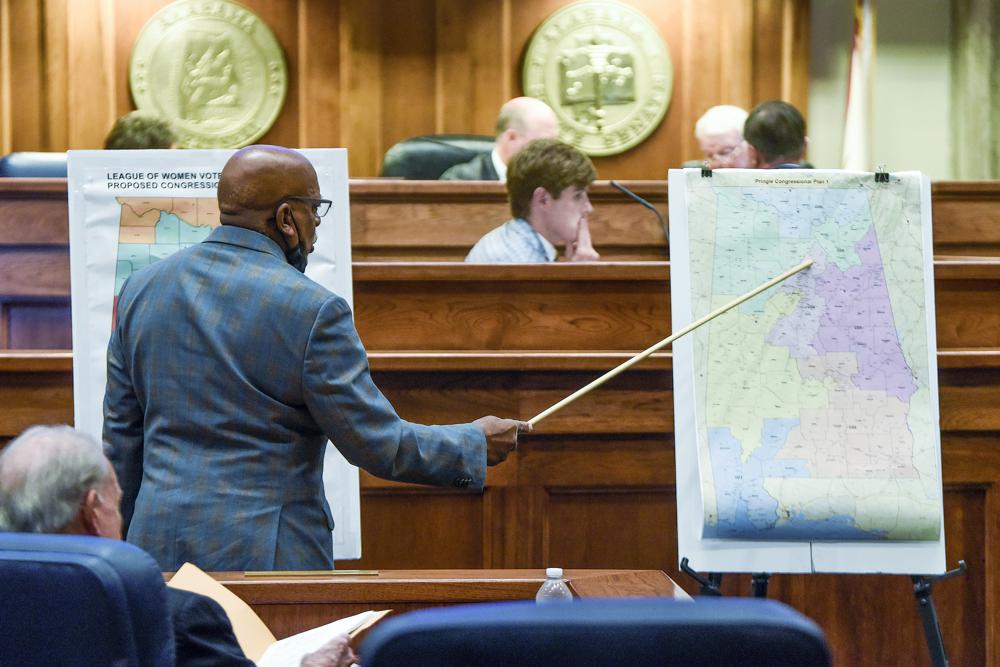
The U.S. Supreme Court is weighing Alabama’s request to freeze a court order requiring the state to draw new congressional lines and create a second district with a significant number of Black voters. Alabama has asked the court to halt an injunction issued by a three-judge panel blocking the use of the current map after the panel found it likely violates the Voting Rights Act. The Alabama attorney general argued the ruling will throw 2022 elections into chaos and require the state to put race above other redistricting criteria. But lawyers for people and organizations that brought the initial lawsuit dispute that and argue the current lines — similar to those in use since the 1990s — do not reflect a state that has grown more racially diverse. “This is very much a textbook case of a Voting Rights Act violation,” said NAACP Legal Defense Fund senior counsel Deuel Ross, whose organization represented the plaintiffs in the case. The three-judge panel last month found Alabama’s map, drawn by the GOP-dominated Alabama Legislature, likely violates the Voting Rights Act because, “Black voters have less opportunity than other Alabamians to elect candidates of their choice to Congress.” The decision cited Section 2 of the Voting Rights Act which prohibits racial discrimination in election procedures. Alabama’s congressional delegation has for years consisted of one Black representative elected from a heavily Black district and six white representatives elected from heavily white districts. The judges added that any “remedial plan will need to include two districts in which Black voters either comprise a voting-age majority or something quite close to it.” U.S. Census numbers show the state has grown racially more diverse since 1990. Black people make up about 27% of the state’s population while white people make up 63% of the population. “We think that Alabama has an obligation to draw fair maps that are reflective of the state’s very rich history of diversity, not just racial diversity, but diversity in terms of representation for everyone,” Ross said. The Alabama attorney general argues the ruling will improperly require states to prioritize race over other redistricting criteria. “The court-ordered redraw marks a radical change from decades of Alabama’s congressional plans. It will result in a map that can be drawn only by placing race first above race-neutral districting criteria, sorting and splitting voters across the State on the basis of race alone,” Alabama Attorney General Steve Marshall wrote in the state’s appeal to the U.S. Supreme Court. Fourteen conservative-led states signed on to a brief in support of Alabama, arguing that the ruling and “absence of clarity no doubt means litigation will ensue across the country over new maps.” Louisiana Attorney General Jeff Landry filed a brief along with attorneys general from Arizona, Arkansas, Georgia, Indiana, Kentucky, Mississippi, Missouri, Montana, Oklahoma, South Carolina, Texas, Utah, and West Virginia. Lawyers for plaintiffs argued Alabama is misrepresenting the ruling as prioritizing race instead of assessing whether an additional majority-Black district could be created consistent with compactness and traditional districting principles. It is unclear when the court will rule but Alabama faces a looming deadline to get new maps in place unless justices intervene. The three-judge panel pushed back the congressional candidate qualification deadline with political parties from Friday until February 11 to allow the Legislature the opportunity to enact a remedial plan. Alabama lawmakers appear to be waiting on the U.S. Supreme Court’s decision. The legislative reapportionment committee has not met since the ruling of the three-judge panel, some members said. “The attorney general has filed motions of stay and of appeal with the Supreme Court and we’re just going to need to see what the outcomes are, Senate President Pro Tem Greg Reed said. The three judges that issued the unanimous ruling consisted of one judge appointed by former President Bill Clinton — Senior U.S. Circuit Judge Stanley Marcus — and two judges appointed by former President Donald Trump — U.S. District Judge Anna Manasco and U.S. District Judge Terry Moorer. Evan Milligan, a Montgomery resident and the lead plaintiff in the lawsuit, said Alabama likely would have lost a congressional seat if not for the population growth of minority groups, including people born in other countries. “To produce maps that undercount the voting strength of the very population that’s contributing to the ability of the state to even have seven congressional districts is even more indefensible to me,” Milligan said. Republished with the permission of the Associated Press.
