
Kay Ivey signs bill allowing K-12 schools to teach yoga
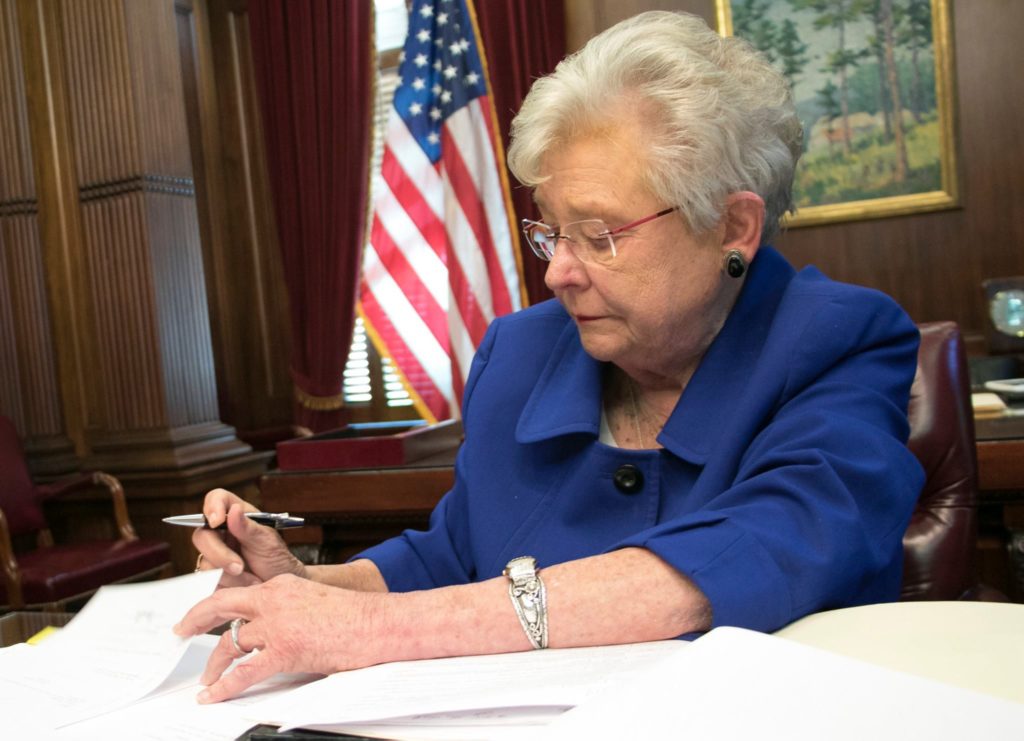
Alabama Gov. Kay Ivey on Thursday signed legislation to allow public schools to teach yoga, overturning a ban put in place 27 years ago at the urging of conservative groups. The legislation sponsored by Democratic Rep. Jeremy Gray, a former college athlete who did yoga as part of his training, says schools can opt to teach yoga if they choose. However, all poses would have to have English names. The use of chanting, mantras and teaching the greeting “namaste” would be forbidden. The Alabama Board of Education in 1993 voted to prohibit yoga, hypnosis and meditation in public school classrooms. Gray, a former cornerback at North Carolina State University, said he was introduced to yoga through football and said the exercises can provide mental and physical benefits to students. Many professional and college sports teams incorporate yoga into their training because of the benefits of flexibility and concentration, he said. Republished with the permission of the Associated Press.
Alabama Legislature: What passed and failed on the last day
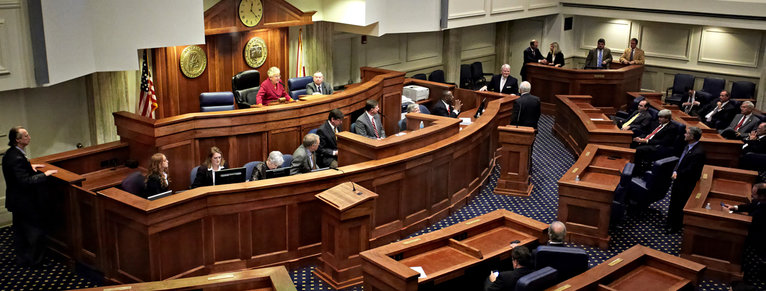
Alabama lawmakers on Monday concluded the 2021 legislative session. Here is a look at the key developments on the session’s final day: WHAT BECAME LAW MEDICAL MARIJUANA Alabama Gov. Kay Ivey signed legislation creating a medical marijuana program in Alabama. The new law would allow people with one of 16 qualifying medical conditions— including cancer, a terminal illness, depression, epilepsy, panic disorder, and chronic pain— to purchase medical marijuana with the recommendation of a doctor. Sen. Tim Melson, the bill’s sponsor, estimated it will be 15 months before medical marijuana is available in the state. The approval came eight years after a medical marijuana bill in 2013 won that year’s so-called “Shroud Award” for the “deadest” bill of the year in the House of Representatives. WHAT PASSED CURBSIDE VOTING BAN Lawmakers gave final approval to a bill by Republican Rep. Wes Allen of Troy that would forbid election workers from setting up curbside areas for people to vote as well as forbid the setting up of voting machines outside a polling place. The bill now goes to Ivey. The legislation sparked partisan debate as Republicans argued curbside voting is not secure but Democrats argued the state should be expanding voting access instead of restricting it. YOGA IN SCHOOLS Alabama lawmakers approved legislation to lift the state’s decades-old ban on yoga in public schools. It now goes to Ivey. The Alabama Board of Education voted in 1993 to prohibit yoga, hypnosis, and meditation in public school classrooms. The bill by Democratic Rep. Jeremy Gray would allow schools to offer yoga although all poses must have English names. Gray said he was unhappy with Senate-added language that requires parents to sign a permission slip and bans meditation, “associated with or derived from mystical traditions of the East.” THIRD GRADE READING PROMOTION REQUIREMENT After COVID-19 disrupted two school years, Alabama lawmakers voted to delay an upcoming state requirement for third graders to meet reading benchmarks before moving up to the fourth grade. The bill now goes to Ivey. Supporters argued it would be unfair to force the requirement on students who were out of the traditional classroom for long stretches during the pandemic. The bill would move the implementation from the 2021-2022 school year to the 2023-2024 school year. GENERAL FUND Lawmakers gave final approval for the general fund budget for the next fiscal year. The $2.4 billion spending plan is up a modest 3.6% over this year. The budget includes a 2% pay raise for state employees. The spending plan now goes to the governor. WHAT DIED GAMBLING Alabama lawmakers ended the 2021 legislative session without a House vote on a Senate-passed lottery and casino bill. House Speaker Mac McCutcheon said House leaders chose not to bring the bill up for debate on the busy final legislative day after negotiations fell apart earlier this month. Ivey’s office indicated she will only call a special session on the issue if lawmakers can reach an agreement. TRANSGENDER TREATMENT The session adjourned without a House vote on a controversial measure to outlaw the use of puberty-blockers or hormones to help transgender minors with their transition. The Alabama Senate approved the bill in March, but it did not get a vote in the House. Opponents, including parents and trans youth, say such measures interfere with medical decisions and target trans individuals for the sake of politics. Sponsors counter that they are trying to protect children from decisions that should wait until adulthood. Arkansas earlier this year became the first state to enact such a measure. OPPOSING FEDERAL GUN LAWS The session also closed without a House vote on legislation to make it a crime for local police officers to enforce any new federal gun restrictions. The bill is part of a wave of GOP nullification proposals to try to resist any new gun control measures. Senators voted 21-5 for the bill by Republican Sen. Gerald Allen of Tuscaloosa, but it did not get a vote in the House. Republished with the permission of the Associated Press.
Alabama lawmakers return for final day of session
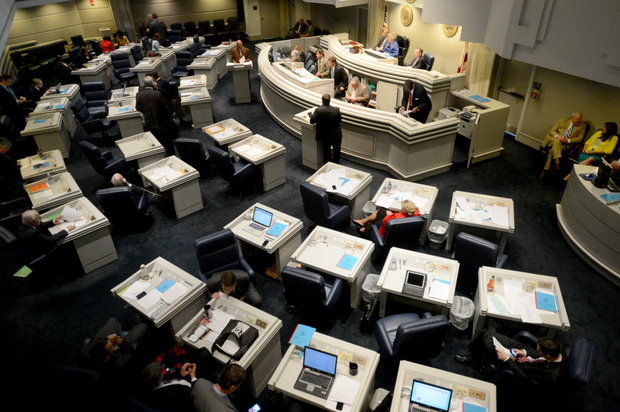
Alabama lawmakers return Monday for the final day of the legislative session with several large and controversial issues before them. The legislative session by law is limited to 30 meeting days and must conclude Monday. Here is a look at where some key issues stand: GENERAL FUND One of the most pressing issues is to give final approval for the general fund budget for the next fiscal year. The bill is in conference committee to work out differences between the House of Representatives and Alabama Senate. The $2.4 billion spending plan is up a modest 3.6% over this year. The budget includes a 2% pay raise for state employees. CURBSIDE VOTING BAN The bill by Republican Rep. Wes Allen of Troy would explicitly forbid election workers from setting up curbside areas for people to vote as well as forbid the setting up of voting machines outside a polling place. Curbside voting is a voting method that civil rights organizations had sought during the COVID-19 pandemic and have argued that it would make it easier for people to vote, particularly the elderly, disabled, and parents with young children. The House approved the bill, and it is awaiting a vote in the Senate. GAMBLING House leaders are doubtful a gambling bill will return for a House of Representatives vote on the last day. The Senate-passed proposal would allow a state lottery and nine casinos in the state. However, negotiations in the House of Representatives fell apart. Republican Rep. Chris Blackshear, who handled the bill in the House, said he doesn’t expect either the gambling bill to make a return in any form. Blackshear said if lawmakers can come to an agreement, he is hopeful Alabama Gov. Kay Ivey will call a special session on the issue later this year. TRANSGENDER TREATMENT The bill would make it a felony punishable by up to 10 years in prison for a doctor to prescribe puberty-blockers or hormones or perform surgery to aid in the gender transition of people 18 or younger. The Alabama Senate approved the bill in March, and it awaits a vote in the House. Opponents, including parents and trans youth, say such measures interfere with medical decisions and target trans individuals for the sake of politics. Sponsors counter that they are trying to protect children from decisions that should wait until adulthood. Arkansas, earlier this year, became the first state to enact such a measure. OPPOSING FEDERAL GUN LAWS The Alabama Senate approved legislation to make it a crime for local police officers to enforce any new federal gun restrictions, part of a wave of GOP nullification proposals to try to resist any new gun control measures. Senators voted 21-5 for the bill by Republican Sen. Gerald Allen of Tuscaloosa. The bill is awaiting a vote in the House. Republicans in several states are pushing such measures. Opponents of the bill argued that the U.S. Constitution already protects gun rights and that Republican lawmakers are going to get the state embroiled in a costly lawsuit that they will ultimately lose. THIRD GRADE READING PROMOTION REQUIREMENT After COVID-19 disrupted two school years, Alabama lawmakers are weighing a pause in an upcoming state requirement for third graders to pass a reading test before moving up to the fourth grade. The Senate-passed bill by Sen. Rodger Smitherman, D-Birmingham, would delay the promotion requirement now set to take effect next year. Smitherman and others said it would be unfair to force the requirement on students who were out of the traditional classroom for long stretches during the pandemic. Rep. Terri Collins, who sponsored the original law creating the requirement, said she would prefer to wait until after spring test scores are in before deciding if a delay is needed. YOGA BAN The bill by Democratic Rep. Jeremy Gray of Opelika would allow public schools to teach yoga. He says he is weighing whether to accept the changes or go to conference committee and risk running out of time to pass the bill on the busy final legislative day. Gray says he thought some of the Senate changes showed phobias or blatant disrespect to the Hindu culture. Gray is attempting to void a decades-old ban on yoga in public schools. The Alabama Board of Education voted in 1993 to prohibit yoga, hypnosis, and meditation in public school classrooms. Republished with the permission of the Associated Press.
Alabama yoga ban repeal comes down to session’s last day
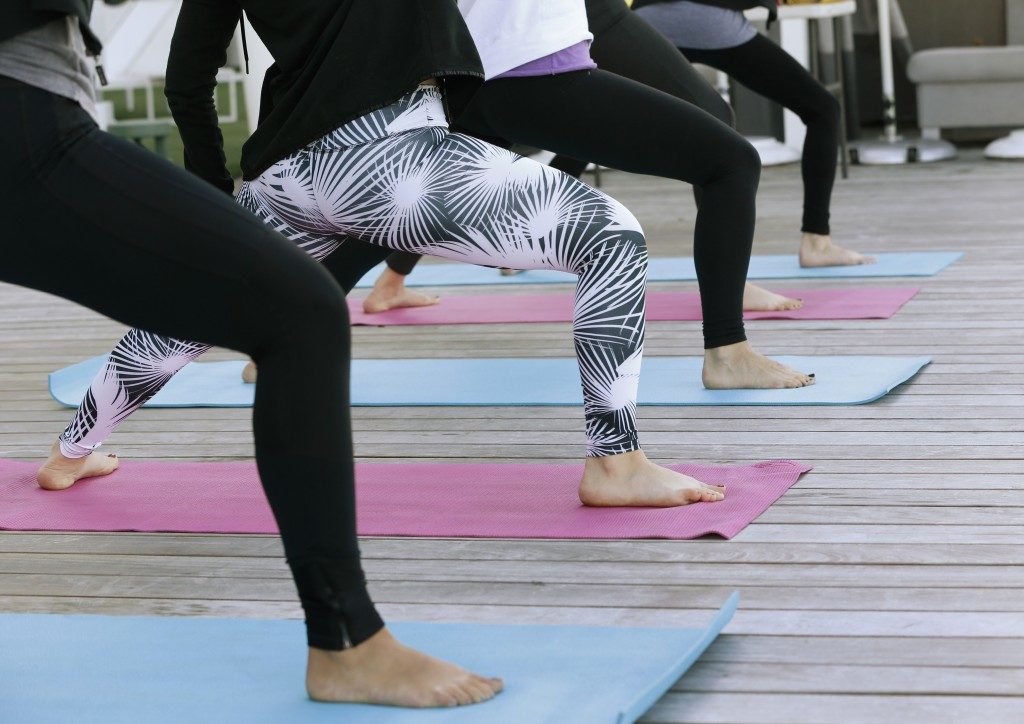
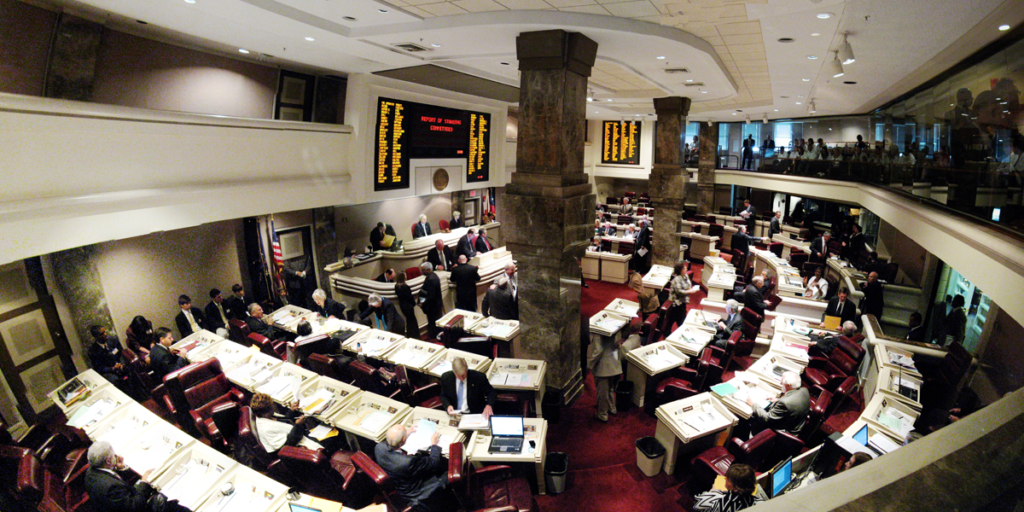
A bill to repeal Alabama’s ban on yoga in public schools will be decided on the final day of the legislative session. The Alabama Senate on Thursday voted 23-7 for the House-passed bill but added additional restrictions. The bill’s sponsor Rep. Jeremy Gray, D-Opelika, said he is weighing whether to accept the changes or go to conference committee and risk running out of time to pass the bill on the busy final legislative day. Alabama lawmakers meet for the final day of the session on May 17. Gray said he thinks some of the Senate changes show phobias or “blatant disrespect to the Hindu culture.” The amendments included a definition of meditation to ban anything “associated with or derived from mystical traditions of the East.” It also requires parents to sign a permission slip. Gray said his first instinct is to reject the Senate changes because there are things he doesn’t like about the amendments. “I’m trying to weigh the pros and cons because there is a great chance I will kill the bill if I don’t concur,” Gray said. Lawmakers are attempting to undo a decades-old ban on yoga in public schools. The Alabama Board of Education voted in 1993 to prohibit yoga, hypnosis, and meditation in public school classrooms. The bill by Gray says school systems could authorize yoga if they choose. Yoga done in school would be limited to poses and stretches, and all poses would have to have English names. The use of chanting, mantras, and teaching the greeting “namaste” would be forbidden. Gray, a former cornerback at North Carolina State University, said he was introduced to yoga through football and said the exercises can provide mental and physical benefits to students. Many professional and college sports teams incorporate yoga into their training because of the benefits to flexibility and concentration, he said. Republished with the permission of the Associated Press.
Alabama House votes to end yoga ban, but don’t say ‘namaste’
A decades-old ban on yoga in Alabama public schools could be coming to an end. The Alabama House of Representatives voted 73-25 to approve a bill that will authorize school systems to decide if they want yoga to be allowed in K-12 schools. The bill now moves to the Alabama Senate. Yoga done in school would be limited to poses and stretches. The bill says the use of chanting, mantras, and teaching the greeting “namaste” would be forbidden. The Alabama Board of Education voted in 1993 to prohibit yoga, hypnosis, and meditation in public school classrooms. The ban was pushed by conservative groups. Democratic Rep. Jeremy Gray of Opelika sponsored the bill. He said he understood some gym teachers had been teaching yoga in class before they realized it was banned, and others wanted to offer it, particularly during virtual learning. Gray, a former cornerback at North Carolina State University, said he was introduced to yoga through football, and that the exercises can provide mental and physical benefits to students. “I’ve been in yoga for seven years. I know the benefits of yoga, so it was very dear to my heart, and I think Alabama will be better for it,” Gray said. Under the bill, the moves and exercises taught to students must have exclusively English names. Gray said students would also have the option to not participate and instead do an alternative activity. The 1993 Alabama yoga ban got new attention in 2018 when an old document circulated listing yoga — along with games like tag — among inappropriate activities in gym class. Twenty-five representatives in the 105-member House voted against the bill. Gray said some House members said they, “got a lot emails about it being part of Hinduism.” “Some people’s minds you can never change. If you have to vote your district, I understand it,” Gray said. Republished with the permission of the Associated Press.
Bill would lift yoga ban in schools, but don’t say namaste
Yoga has been banned in public schools since 1993.
