Jefferson County Commission special election weighs heavy on the minds of county commissioners

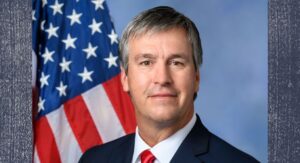
On Saturday, Jefferson County Commissioners Jimmy Stephens and Joe Knight, both Republicans, spoke to the Mid-Alabama Republican Club (MARC) about the pending change in leadership for the county commission. Currently, the five-member Jefferson County Commission is composed of three Republicans and two Democrats. That could soon change, as the Birmingham Business Alliance (BBA) has selected County Commissioner Steve Ammons, the third Republican on the Commission, as its new CEO. “Steve is going to be the CEO of the BBA,” Commissioner Knight said. “We wish him well. He is looking forward to it.: A special election will be held this summer to fill the vacancy. Jefferson County Republican Party Chairman Chris Brown said, “There is an opening on the Jefferson Co Commission because he is leaving at the end of the month, and we are committed to winning this election. Doug Jones (a Democrat) did beat Roy Moore (the Republican nominee for Senate in 2017). We are taking nothing for granted.” Urologist Dr. Brian Christine announced that he is seeking to be the next commissioner. “It is critical that we keep Republican leadership on the Jefferson County Commission,” Christine said. “The district includes part of Homewood, Leeds, Mountain Brook, Vestavia Hills, Irondale, and part of Hoover.” Com. Stephens said, “I want to thank our entire Jefferson County Legislative Delegation. It’s a team that I am so proud of, that we are so proud of.” Stephens said that the commissioners talk with legislative delegation members weekly while the legislature is in session. “We have a team member who has decided to leave, so you must choose someone from District 5 that will seamlessly continue to do the job, that understands that relationship with your legislators, and has a trust in your existing country commission. We don’t need someone who is going to come in there and go off on a tangent. We need someone who will come in and be part of the team.” Commissioner Knight explained that Ammons’ last day on the job is May 31. “The people in charge of the election are the election commission,” Knight said. “In the event of a vacancy on the Jefferson County Commission, the elections commission will meet, and they will set the date for the special election.” “The special election is tentatively set as July 18,” Knight said. “There are no Republican or Democratic affiliations in this. All it takes is 100 signatures to get on the ballot.” In the other 66 counties, the governor would appoint someone to fill the vacancy, and in the event of a special election, the governor would call the elections and set primaries. Jefferson County is different. State Representative Jim Carns (R-Vestavia Hills) explained, “That was done in 2009. I was not in the legislature then I was on the Commission. They were trying to protect the governor (then Bob Riley) and who he had appointed – George Bowman. It is a terrible deal.” “Talking to some of our legislators, we might need to change that,” Knight said. “We could not do what we do without your legislative support,” Stephens said. “You. raise the money for Jefferson County to attempt to spend wisely,” Stephens said, addressing the audience. “Jefferson County is not an economic engine. It creates an environment for you to be successful. It has to make your life better and give you a reason to work and raise your family in Jefferson County.” Knight said that the July primary is going to pose some logistical problems. “Some of the polls may have to be moved because they are having their vacation Bible school,” Knight said. Stephens said that he and Knight have spoken with Dr. Christine and like him, but they are not telling anyone who to vote for. Stephens expressed concern that the City of Birmingham and Mayor Randall Woodfin may be recruiting a candidate for the position. The Mid-Alabama Republican Party meets on the second Saturday of each month at the Vestavia Hills Public Library at 9:00 a.m. To connect with the author of this story or to comment, email brandonmreporter@gmail.com.
The NRA Political Victory Fund announces primary endorsements

The NRA Political Victory Fund (NRA-PVF) has announced its endorsements for the May 24 primary in Alabama. The NRA-PVF is NRA’s political action committee. The NRA-PVF ranks political candidates – irrespective of party affiliation – based on voting records, public statements, and their responses to an NRA-PVF questionnaire. Mo Brooks received the endorsement and A rating for the U.S. Senate seat and incumbent Rep. Mike Rogers got an A rating and was endorsed for the U.S. House of Representatives. For the governor’s race, the group gave an A rating and endorsement to incumbent Kay Ivey. Incumbents continued to take the top spots in the Attorney General, State Senate, and House of Representatives elections. AG Steve Marshall received an A rating along with incumbent State Senators Tim Melson (Dist. 1), Tom Butler (Dist. 2), Steve Livingston (Dist. 8), Randy Price (Dist. 13), Dan Roberts (Dist. 15), Shay Shelnutt (Dist.17), Tom Whatley (Dist. 27), and Mike Jones (Dist.31). For the State House of Reps., the following incumbents received an A rating and endorsement: Phillip Pettus (Dist. 1), Parker Moore (Dist. 4), Proncey Robertson (Dist. 7), Tim Wadsworth (Dist. 14), Tommy Hanes (Dist. 23), Nathaniel Ledbetter (Dist. 24), Gil Isbell (Dist. 28), Debbie Wood (Dist. 38), Ginny Shaver (Dist. 39), Dickie Drake (Dist. 45), Jim Carnes (Dist. 48), Brent Easterbrook (Dist. 65), Jeff Sorrells (Dist. 87), Will Dismukes (Dist. 88), Rhett Marques (Dist. 91), and Matt Simpson (Dist. 96). State House of Rep. candidates that are not incumbents that received an A rating and an endorsement include Michael Hart (Dist. 49) and Troy Stubbs (Dist. 31). For the Sheriff’s elections, the following candidates received an A rating and endorsement: Max Sanders (Lawrence County), Joshua McLaughlin (Limestone County), Eric Balentine (Colbert County), and Matt Gentry (Cullman County).
House delays vote on medical marijuana bill
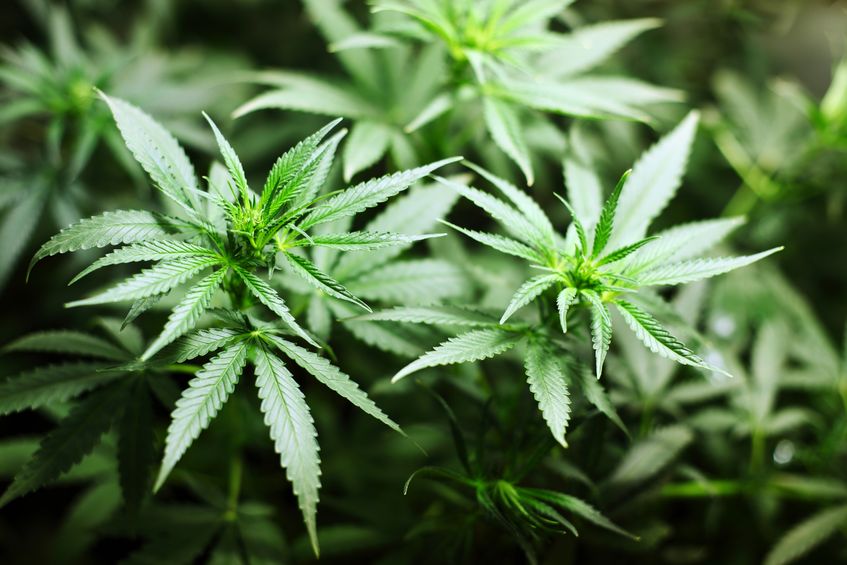
Legislation to authorize medical marijuana in Alabama stalled Tuesday in the state House of Representatives after Republican opponents used a filibuster to at least temporarily delay a vote. Representatives adjourned shortly before midnight without a vote after nearly 10 hours of debate on the Senate-passed bill. The bill is expected to return to the House floor on Thursday. The lengthy debate brought impassioned discussion that included lawmakers expressing fervent opposition or how they changed their minds on the issue after the illnesses of family members. The bill would allow people with a qualifying medical condition to purchase marijuana after getting a recommendation from a doctor. More than a dozen conditions, including cancer, a terminal illness, depression, epilepsy, panic disorder, and chronic pain would allow a person to qualify. The bill would allow marijuana in forms such as pills, skin patches, and creams but not in smoking or vaping products. The bill was sponsored by Republican Sen. Tim Melson, an anesthesiologist, and handled in the House by Republican Rep. Mike Ball, a former state trooper and state investigator. “This can change the quality of life for the people that we love,” said Republican Rep. Allen Farley, a former police officer, describing how his 94-year-old mother at the end of her life entered a facility that treats people with dementia. Republican Rep. Brett Easterbrook of Fruitdale said he is “as conservative as they get” but saw the positive impact medical marijuana had on his son. “I watched it … There is not one of you sitting in those chairs, if your child has a brain injury or cancer and this will help, you won’t give a damn what the Legislature says,” Easterbrook said. The bill faced a filibuster from opposed Republicans who worried that it could be a gateway to recreational use or that medical marijuana could end up in the hands of teens. “Don’t ever doubt it, if the state of Alabama gets into the marijuana business, the cannabis business, it will change the very fabric of who we are as a state,” said Republican Rep. Jim Carnes of Vestavia Hills. Other lawmakers expressed concern that marijuana has not gone through the Food and Drug Administration approval process for drugs or that it could lead to traffic accidents. “What makes us think we know more than the FDA. My other thought is what if we’re wrong. What if we approve and pass this bill and it is a gateway like it has been for Colorado,” said Republican Rep. Rich Wingo of Tuscaloosa. The Alabama Senate approved the bill by a 21-8 vote in February after 15 minutes of debate. However, the House of Representatives has traditionally been more skeptical of medical marijuana proposals and required the bill to go through two committees before coming to the floor. A medical marijuana bill in 2013 won the “Shroud Award” for the “deadest” bill that year in the House of Representatives. Representatives on Tuesday voted 69-31 to bring the bill up for a debate, an indicator that the bill could have enough support for final passage if it reaches a vote. “I have no doubt it is going to pass if it is given a vote,” Melson said. Melson, an anesthesiologist who now works in medical research, said he believes medical marijuana can provide relief to patients where other drugs have failed. “It’s the last choice to be used by a doctor so if there is an illness where everything else has failed, why not let them try it,” Melson said. Democratic Rep. Ralph Howard of Greensboro criticized the Republican filibuster against the bill. He described how his father struggled with the pain of cancer that had spread to his brain. “Who am I to tell you how to treat a sick relative. A drug is a drug,” Howard said. Republished with the permission of the Associated Press.
House nears vote on medical marijuana bill

The Alabama House of Representatives headed to a vote on a medical marijuana bill late Tuesday evening after impassioned debate that included lawmakers expressing fervent opposition or how they changed their minds on the issue after the illnesses of family members. The bill would allow people with a qualifying medical condition to purchase marijuana after getting a recommendation from a doctor. More than a dozen conditions, including cancer, a terminal illness, and chronic pain would allow a person to qualify. The bill would allow marijuana in forms such as pills, skin patches, and creams but not in smoking or vaping products. The bill was sponsored by Republican Sen. Tim Melson, a doctor, and Republican Rep. Mike Ball, a former state trooper and state investigator. “This can change the quality of life for the people that we love,” said Republican Rep. Allen Farley, a former police officer, describing how his 94-year-old mother at the end of her life entered a facility that treats people with dementia. Republican Rep. Brett Easterbrook of Fruitdale said he is “as conservative as they get” but saw the positive impact medical marijuana had on his son. “I watched it … There is not one of you sitting in those chairs, if your child has a brain injury or cancer and this will help, you won’t give a damn what the Legislature says,” Easterbrook said. The bill faced a filibuster from opposed Republicans who worried that it could be a gateway to recreational use or that medical marijuana could end up in the hands of teens. “Don’t ever doubt it, if the state of Alabama gets into the marijuana business, the cannabis business, it will change the very fabric of who we are as a state,” said Republican Rep. Jim Carnes of Vestavia Hills. The bill was added to the day’s debate agenda at the last minute. Republican Rep. Rich Wingo of Tuscaloosa said lawmakers deserve more time to look at the bill. The Alabama Senate approved the bill by a 21-8 vote in February after 15 minutes of debate. However, the House of Representatives has traditionally been more skeptical of medical marijuana proposals and required the bill to go through two committees before coming to the floor. A medical marijuana bill in 2013 won the “Shroud Award” for the “deadest” bill that year in the House of Representatives. Melson has expressed optimism that the bill would win approval. Representatives on Tuesday voted 69-31 to bring the bill up for a debate, an indicator that the bill could have enough support for final passage if it reaches a vote. Democratic Rep. Ralph Howard of Greensboro criticized the Republican filibuster against the bill. He described how his father struggled with the pain of cancer that had spread to his brain. “Who am I to tell you how to treat a sick relative. A drug is a drug,” Howard said.
Medicaid expansion incentives under review

Alabama Republicans for years have opposed expanding Medicaid eligibility. Now, they may be cracking the door. Alabama Gov. Kay Ivey and legislative leaders said they are reviewing details of the nearly $2 trillion coronavirus relief package that includes new financial incentives for the states that have opted against expanding Medicaid to provide health coverage for more low-income Americans. A spokeswoman for Ivey said the governor is “open to the discussion” on expansion but that state leaders need additional information about the long-term cost projections. “Ensuring every Alabamian has access to quality health care is important to the governor and always has been a priority of hers. However, as she has made clear, the problem has always been how to pay for it. She is open to the discussion, but right now, we simply do not have all the facts,” spokeswoman Gina Maiola said. Alabama is one of 12 states that have taken no action toward expanding Medicaid eligibility under the Affordable Care Act. Previous studies have estimated that expansion would add around 300,000 people to state Medicaid rolls. Republican leaders have in the past expressed opposition to expanding Medicaid, at times citing both political opposition to the Affordable Care Act passed under former President Barack Obama and concerns about cost. Medicaid expansion under the Affordable Care Act allows people with family incomes less than 138% of the federal poverty limit— or around $17,000 for an individual and $29,000 for a family of three to qualify for Medicaid. Currently, Alabama’s Medicaid program covers very few able-bodied adults. “The bulk of the people who will gain coverage are people who are working,” said Jim Carnes, a policy analyst with Alabama Arise, an advocacy group for low-income Alabamians. Already, the federal government would pick up 90% of the cost of the expansion. A 2019 study by a University of Alabama at Birmingham projected the state’s cost would be about $250 million per year, but that the state would see a resulting boost in economic activity. The federal relief bill offers a new incentive by giving states a 5% boost to the federal match over the next two years for the people they currently cover. Democrats in the Alabama Senate have estimated that would generate an additional $900 million for the state. “I just want to say to Governor Ivey, if not now, when?” Senate Minority Leader Bobby Singleton said in the press conference. “I don’t care if we call it ObamaCare. We could call it Kay-Care. It could be Alabama Health Care. We need to expand Medicaid and the time to do it is right now,” Singleton said. Dr. Don Williamson, president of the Alabama Hospital Association, said the calculations are complex because of the intricacies of how Alabama funds Medicaid. The cost will also depend on how many people are added to the rolls. “To me, the most important thing that Medicaid expansion does is it absolutely improves health outcomes. You get earlier cancer diagnosis. You get lower infant mortality rates. You get earlier diagnosis if diabetes,” Williamson said. State Rep. Steve Clouse, the chairman of the Alabama House of Representatives general fund budget committee, said state officials are trying to gather information about the incentives and what would be the state’s share of costs in the long run. Sen. Greg Albritton, the chairman of the Senate budget committee, expressed some skepticism about the incentives. He said the incentives sound enticing but said the state has “got to have the answers” before making a commitment. “I’m not surprised this would be the same old song, the same old dance. … Buying a new car now. Nothing down, but the payment is due in two years,” Albritton said. Senate President Pro Tem Greg Reed said the analysis will continue over the coming weeks. The 12 states that have held out against the Medicaid expansion are: Alabama, Florida, Georgia, Kansas, Mississippi, North Carolina, South Carolina, South Dakota, Tennessee, Texas, Wisconsin and Wyoming. Republished with the permission of the Associated Press.
Steve Flowers: Birmingham’s political inside man
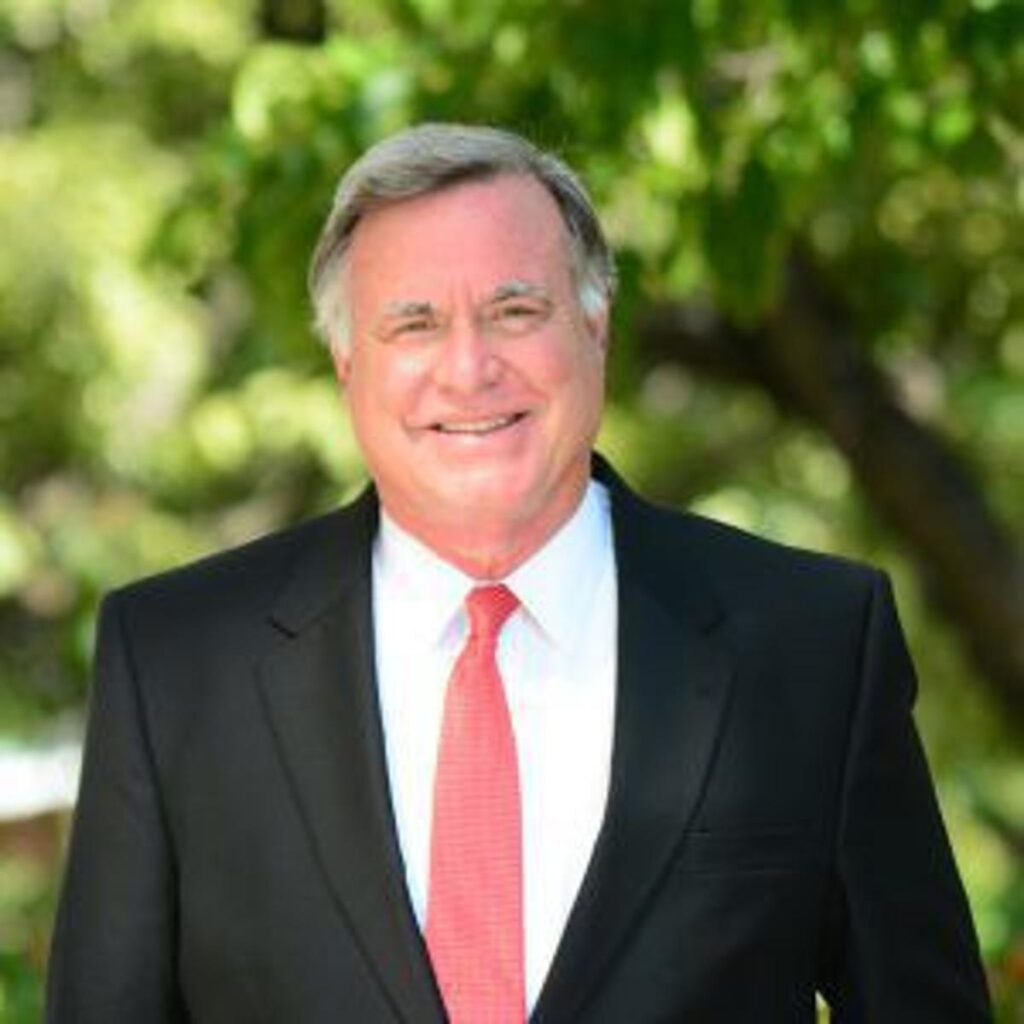
Historically, political power in the state has rested in the rural counties. Birmingham has been the home of the “Big Mules,” where the money that fueled the gubernatorial campaigns came from, but very few Birmingham politicians have ascended to governor or U.S. Senator. Counties like Barbour and Cullman have been where governors are bred, not imperial Jefferson. Indeed, the small-town boys that ran for governor would demagogue and make fun of and run against the “Big Mules” of the Magic City, especially the village of Mountain Brook. Therefore, the legendary kingmakers in the state were the probate judges in the rural counties throughout the Heart of Dixie. The giants of Alabama political lore, Big Jim Folsom and George Wallace, won their races in the rural counties. They would run against the “got rocks,” Big Mules and silk-stocking Mountain Brook and Over the Mountain elite, so it was not surprising that Wallace nor Big Jim ever carried Jefferson County. Business, not politics, prevailed in Jefferson County. Therefore, Birmingham did not yield as many inside political men as might be expected of the major city of the state. However, there has been one go-to political kingmaker in Birmingham in my generation. Joe Fuller has been the go-to man to see in the Magic City, especially in Republican primaries. Joe was proudly born and raised in Birmingham and knows the city like the back of his hand. Fuller has been a successful, independent insurance agent his entire career and has led the Alabama Independent Insurance Agents Association for decades. He began his civic political involvement in his 20’s through the legendary Birmingham Jaycees. He, like a good many of Birmingham’s civic and political leaders, cut their teeth in the Birmingham Jaycees. This group were the original founders of Birmingham’s Legion Field. The Birmingham Jaycees were the training ground for the leaders of the city. Some of Fuller’s contemporaries in the 1960s and early 70s were Fox DeFuniak, J. Mason Davis, David Wheeler, Julian Smith, George McMillan, and George Siebels. The Birmingham Jaycees became the springboard for George Siebels to be elected Mayor of Birmingham in 1965. Joe Fuller was instrumental in helping to orchestrate Siebel’s victory. Thus, began Joe Fuller’s reign as the kingmaker of Birmingham politics. Fuller would start candidates off in his stately home on top of a hill in the historic Redmont neighborhood in Birmingham. He would have a gathering of 20 to 30 at an elegant meal, which he primarily prepared. His first major horse he bet on was George McMillan. He helped George get elected to the legislature and then helped mastermind McMillan’s historical upset of state senator George Lewis Bailes. He then helped manage his successful run for Lt. Governor and then saw him almost beat George Wallace for Governor in 1974. It has been my honor and privilege to have known Joe for almost 40 years and have had the opportunity to be invited to his great political gatherings over those years. I have watched him as he helped launch the careers of Birmingham Congressman Spencer Bachus, who served in the legislature before serving in Congress 20 years. Joe was extremely close to legendary state representative John Hawkins. He has been a loyal supporter of iconic State Senator Jabo Waggoner over all of his almost five decades in the state legislature. Joe Fuller has been and was one of the early supporters of my great friend and legislative colleague, Mike Hill. Mike served three decades in the House from Shelby County and is now the State Banking Commissioner. Fuller has been close-to another longtime veteran state legislator, Jim Carnes. Jim has been at almost all of Joe’s political dinner parties as he helped launch the political careers of legislators Paul DeMarco, David Wheeler, and Dan Roberts. Joe was instrumental in the election of state senator Steve Windom as Lt. Governor. Joe’s house was Windom’s first stop. Joe was one of the founders of the renowned Mid-Alabama Republican Club, which meets monthly in Vestavia. It is a sought-after invitation to speak for all aspiring statewide Republican candidates, as are his dinner parties. The first place that Jeff Sessions came to when he first began his political career as Attorney General of Alabama was Joe Fuller’s home. Joe supported Jeff Sessions during his entire 20-year career in the United States Senate. Jeff will never forget it. A good many of Alabama’s political leaders have found their way to the home of “ole” Joe Fuller atop Red Mountain over the last 40 to 50 years. See you next week. Steve Flowers is Alabama’s leading political columnist. His weekly column appears in over 60 Alabama newspapers. He served 16 years in the state legislature. Steve may be reached at www.steveflowers.us.
Jim Carnes: Underfunding of public health has devastated Alabama in our time of need

This is what happens when state budgets continually shortchange essential services. The rocky start to Alabama’s COVID-19 vaccination rollout has many causes that officials and observers alike have identified. They include lack of federal coordination, uncertain vaccine supply, complex technical requirements for early vaccines, and the need to keep second doses in reserve. These factors are beyond the state’s control. But a crucial cause that has garnered less attention falls squarely on state lawmakers: Alabama has failed to create and maintain a disaster-ready public health infrastructure. In better times than these, a well-staffed health department network might look like a luxury to budget writers. It might seem tempting to reduce payrolls and eliminate “feel-good” services. But it’s a penny-wise and pound-foolish choice. Two basic truths weigh against such a shortsighted approach. The first is that Alabama consistently ranks at or near the bottom among states on a wide range of health measures, including maternal and infant mortality. The second is that ongoing emergency preparedness and response is a fundamental part of public health’s mission. COVID-19’s heavy toll on Alabamians of color is teaching us that these two truths are intertwined. Chronic health problems resulting from unequal access to care can make a health crisis even worse. The Alabama Department of Public Health (ADPH) is facing its biggest challenge in memory – after years of budget cuts have steadily reduced its capacity. In 2019, the district and county health departments administered by the state were operating at only 65% of the professional capacity they had in 2010. Today, 35 county health departments have either one nurse or none at all on staff. Coosa County’s health department closed entirely in 2016. (Health departments in Jefferson and Mobile counties are locally controlled.) Another disturbing consequence of shortchanging public health is the sparsity of our COVID-19 vaccination data. Alabama needs more infrastructure and personnel to gather and report daily county-level vaccine distribution and demographic impact by race and age. Mississippi is providing those numbers, and our state should, too. The data needs don’t end there. Alabama and Idaho are the only two states without a statewide database requiring all hospitals to report real-time data on multiple health conditions, services, and outcomes. As a result, we lack the capacity that neighboring states have to analyze access to care, quality of care, patient safety, and other factors that could help us make Alabama healthier. Such a database also would allow Alabama to make longer-term assessments of racial health disparities, medical treatment effectiveness, health care inflation, and use of health services by special populations. Despite its underfunding, ADPH did a commendable job in vaccination planning. The priority groups it identified reflect a science-based assessment of risk of exposure and risk of death. Phase 1a targets health care workers, who are at highest risk of exposure, and nursing home residents, who statistically are at highest risk of death. The remaining priority groups follow a gradient of those same risks. We know from grim statistics that COVID-19 risks do not fall evenly across racial, ethnic, and socioeconomic groups. People of color make up a disproportionate share of the front-line workers who keep our communities going, often at low pay. Black and Hispanic Alabamians, on average, also face more barriers to health care than white residents and thus have higher rates of chronic conditions that increase the risk of COVID-19 complications. By quickly vaccinating people in ADPH’s prescribed order, Alabama can reduce COVID-19’s death toll and ensure more equitable protections and outcomes. But if officials abandon the priority system, our state likely will see more virus deaths and an even harsher burden on marginalized Alabamians. Fulfilling Alabama’s vaccination target goals will require levels of personnel, data management, communications, and community engagement that ADPH alone simply does not have. For now, it’s up to elected officials, along with private and nonprofit partners, to bridge those gaps as best they can. For the future, it’s up to all of us to demand more responsible upkeep of the common good. Jim Carnes is policy director of Alabama Arise, a nonprofit, nonpartisan coalition of congregations, organizations, and individuals promoting public policies to improve the lives of Alabamians with low incomes. Email: jim@alarise.org.
COVID-19 pandemic renews calls for Medicaid expansion

Members of the coalition called Cover Alabama said Medicaid expansion would bring health care coverage to more than 200,000 currently uninsured people as well as an influx of federal dollars.
Alabama Arise to host a listening session on Medicaid, other policy solutions
Alabama Arise, a grassroots group aimed at protecting low-income families from harmful state policies, plans to host a listening session next week in Andalusia. During the session, Arise representatives plan to discuss several healthcare related topics, including improving healthcare within the state, discussions on Medicaid, and pay-day lending. The Covington County Grassroots Alliance joins Arise in co-sponsoring the event. Local organizer Steve Hubbard hopes at least 100 people will attend. “There is a real issue with healthcare in the state and I hope people will come listen and speak out,” Hubbard told the Andalusia Star-News. “A number of counties in Alabama have seen rural hospitals closed within the last 12 months. Camden has closed its hospital doors and there has been a significant impact on lower-income healthcare because of it. I hope that healthcare professionals will also come to the listening session, because there has to be a concern about how this is affecting healthcare providers.” This week, the Alabama Medicaid Agency opened a new public comment period on the proposed Medicaid work requirement. The proposal would only apply to “able-bodied” Parent or Caretaker Relative (POCR) recipients — with exemptions being made for people with disabilities, anyone who pregnant or receiving postpartum care, anyone required to care for a disabled child or adult, among others — that will require unemployed or underemployed adults to become gainfully employed, or participate in training opportunities to enhance their potential for full employment. Alabama Arise have been opponents of the Medicaid work requirement since the proposal’s beginnings and will no doubt discuss it at the meeting. “Alabama Medicaid’s work requirement proposal would create a no-win situation for thousands of parents living in deep poverty. They’ll lose health coverage if they don’t get a job – and if they do,” Arise Citizens’ Policy Project policy director Jim Carnes said in a press release. “Any way you look at it, this proposal is nothing more than an expensive plan for denying health coverage to parents in deep poverty. Instead of punishing struggling families, our leaders need a vision for a healthier Alabama. We urge Gov. Ivey to save tax dollars, cut red tape and save lives by withdrawing this misguided plan.” The Alabama Arise listening session will begin at 6 p.m. on August 14, at the Andalusia City Hall Auditorium.
Jim Carnes: Expanding Medicaid would improve Alabama’s health, budgets and economy

Imagine being an Alabama leader and having a tool at your disposal that could help families, strengthen the workforce, save rural hospitals, fight opioid addiction, improve the state’s health status and grow the economy. The only catch: It was created by members of another political party. That’s the dilemma that has kept Alabama from expanding Medicaid for the last eight years. We’re a different country now than we were in 2010, when a Democratic Congress passed and President Barack Obama signed the Affordable Care Act (ACA), making Medicaid expansion possible. With so much water under the bridge – and the ACA still standing – maybe it’s time to seize one of the law’s more durable provisions and take credit for the good it brings. A new Urban Institute study offers a fresh look at just how much Alabama stands to gain from closing the coverage gap for low-income adults. The ACA created two major new avenues for affordable health coverage. First, states would raise their income limits on Medicaid to make coverage available to adults earning up to 138 percent of the federal poverty level ($28,676 a year for a family of three). And second, the Health Insurance Marketplace would offer discounted premiums for private coverage to people with incomes above the poverty level ($20,780 for a family of three). With expansion, each state would be responsible for a small fraction of associated costs, topping out at 10 percent in 2020, with the federal government paying the rest. Even after a 2012 U.S. Supreme Court ruling declared that Medicaid expansion was optional for states, 31 states and the District of Columbia seized the opportunity to improve lives, improve communities and improve their budgets for a dime on the dollar. But Alabama and 18 others have stayed behind. Hundreds of thousands of uninsured Alabama workers are paying the price for that inaction. Under the state’s current rules, adults under age 65 and without a disability can receive Medicaid coverage only if they have a dependent child and earn less than 18 percent of the poverty level ($3,744 a year for a family of three). In other words, it’s impossible to work a minimum-wage job and receive Medicaid in Alabama. The flip side of this predicament is that coverage remains unaffordable for low-wage Alabama workers who don’t have employer health plans and don’t earn enough to qualify for Marketplace subsidies. This coverage gap is exactly the problem Medicaid expansion is designed to solve. The new Urban Institute report estimates that 314,000 Alabamians would enroll in Medicaid if Alabama extended eligibility to low-income workers. That would mean an additional $1.54 billion in federal funding surging into Alabama’s economy each year under the 9-to-1 federal match rate. It also would mean rural hospitals – like the one in Jacksonville that announced in May that it plans to close – would no longer be bleeding red ink through services to uninsured patients. Expanding Medicaid would strengthen our state’s budgets as well. Expansion would increase Alabama’s Medicaid enrollment by 33.8 percent, but the increase in state costs would be just 5.7 percent, according to the Urban Institute. That translates to $97 million more in state Medicaid funding each year. That increase would be more than offset by savings in mental health care, corrections and other services – not to mention the gains from fewer uncontrolled chronic illnesses, fewer premature births and improved worker productivity. A 2017 report in Health Affairs found “no significant increases in spending from state funds as a result of the expansion” in any of the states that expanded Medicaid. For Montana – which has less than a quarter of Alabama’s population – another study identified between $350 million and $400 million in new economic activity resulting from Medicaid expansion, supporting 5,000 jobs and $280 million in personal income each year. In any other industry, the prospect of such gains would have political candidates of all stripes blowing trumpets and leading parades. And those other economic development plans wouldn’t have the added advantage that this one brings: giving people a new lease on life by helping them get the health care they need. Isn’t it time we broke the partisan gridlock on the coverage gap? Isn’t it time we demanded that anyone seeking to lead our state offer a vision of a healthier Alabama – and a path to getting there? ••• Jim Carnes is policy director of Alabama Arise, a nonprofit, nonpartisan coalition of congregations, organizations and individuals promoting public policies to improve the lives of low-income Alabamians. Email: jim@alarise.org.
Alabama kids no longer in danger of losing coverage after CHIP, All Kids funding restored

Due to a lapse in federal funding the Children’s Health Insurance Plan (CHIP), known as ALL Kids in Alabama, recently found itself in jeopardy. The program, which acts as a safety net for roughly 150,000 children across the state became an important bargaining chip in the government shutdown when it came to negotiations over the federal budget and immigration. But the tide turned in CHIP’s favor early Monday afternoon, when members of the U.S. Senate agreed to pass a bill extending the federal budget for an additional three weeks — and CHIP’s budget for an additional six years. Across the state, Alabama officials applauded the extension of the program. “I am thankful that Congress has finally passed a continuing resolution to fund the Federal Government, including a six-year reauthorization of the Children’s Health Insurance Program (CHIP),” said Gov. Kay Ivey. “I have continually supported CHIP funding because approximately 159,000 Alabama children depend on it for their health insurance. Caring for our children and meeting their healthcare needs is a bipartisan issue; I appreciate Alabama’s Congressional Delegation for playing a key role in ensuring continued funding for CHIP.” President of the Alabama Public Service Commission (PSC) and Lieutenant Governor candidate Twinkle Andress Cavanaugh said funding is “vital for Alabama.” “Great to hear that the #SchumerShutdown is about to end and the government will reopen. #CHIP funding is vital for Alabama, and a continuing resolution protects our military families and many hardworking federal employees and contractors (like those at @TeamRedstone),” Cavanaugh tweeted. More than 83,000 children in the state are covered by All Kids program. Meanwhile, another 75,000 are covered by an Alabama Medicaid component of CHIP. “Families across Alabama deserve to breathe a sigh of relief, but it never should have come to this. CHIP funding deserved a quick, straightforward renewal before it expired nearly four months ago. Delaying the renewal and tying it to other important issues was unnecessary and irresponsible,” said Jim Carnes, policy director for the Arise Citizens’ Policy Project. “CHIP, known as ALL Kids in Alabama, is a proven success story that played a big part in cutting our state’s uninsured rate for children from 20 percent to just 2.4 percent over the last two decades. Other states have seen similar improvements. Kathy Caldwell, Director of the Bureau of Children’s Health Insurance at the Alabama Department of Public Health confirmed those statistics. Since its inception in 1998, ALL Kids has helped reduce the number of uninsured children in Alabama from 20 percent to 2.4 percent. With such a success story, state legislators had worried how the state would fund the much-needed program should Congress fail to reauthorize the program since the legislative session began. Ozark-Republican and House Ways and Means Chairman Steve Clouse had gone on record saying that if the state has to pick up even a fraction of the cost of program, it will cast a “shadow” over the entire budget. Now, he tells the AP, the state can “breathe a collective sigh of relief here.” But ALL Kids future isn’t set in stone. While Congress has funded the program through 2023, the funding rates will decrease over time. For the first two years, federal money will pay for at least 88 percent of the program’s expenses in the state. In 2020, the federal share will decrease and the state will have to pick up some of the costs.
Jim Carnes: Congress’ plan to cut Medicaid threatens Alabama’s rural communities
In many small towns across Alabama, the Great Recession of 2008 is still visible in empty storefronts, shrunken paychecks and lives put on hold. Unfortunately, those rural communities will soon be dealt another devastating blow if Congress cuts federal funding for our state’s Medicaid program. Medicaid is a critical lifeline for 24 percent of Alabama’s rural and small-town residents, and the deep cuts to Medicaid being considered right now by Congress would have a harmful and disproportionate impact on our children, seniors and families in need. According to a new independent report by researchers at Georgetown University and the University of North Carolina, a larger share of children and families living in small towns and rural areas rely on Medicaid for their health coverage. This is especially true for children. About 52 percent of children living in non-metro areas of Alabama are covered by Medicaid and ALLKids (known in other states as the Children’s Health Insurance Program, or CHIP), compared to 42 percent in metro areas. Nationally, the researchers found a direct connection between increases in Medicaid and CHIP coverage and reductions in the rate of uninsured children in small towns and rural areas. For almost 20 years, ALLKids has been a point of pride for Alabama. Our CHIP program was the first to be authorized when federal law made the coverage possible, and ours has been a national leader in quality and reach. We can’t afford to turn our backs now on the progress we’ve made for our kids. Studies show that when children have health coverage they can get important doctor-recommended screenings and care to help them stay healthy and are more likely to enter school ready to learn. The study also found that Medicaid covers a higher percentage of adults living in small towns and rural areas (14 percent) than in our state’s metro areas (11 percent). Many adults covered by Medicaid are parents or caregivers, and when they have health care coverage, they are better able to provide children with the care they need to grow and thrive. Medicaid also helps improve financial security by protecting the entire family against medical debt and bankruptcy. Alabama’s rural seniors also depend more heavily on Medicaid coverage (24 percent) than their peers in urban areas (19 percent). The proposed cuts would fall especially hard on Alabama’s small-town nursing homes and other long-term care services. Even Alabama residents who aren’t directly covered by Medicaid should be concerned about what cuts to Medicaid would mean for hospitals, clinics and physicians serving our state’s small towns and rural communities. When fewer people are covered, ER visits and uncompensated care drive up costs for all of us and put rural hospitals and doctors’ offices at risk of closing their doors. When a community hospital closes, the entire community suffers. Medicaid is a lifeline for the rural parts of our state. It ensures that the most vulnerable among us–children, seniors and people with disabilities – can get the care they need. It keeps our rural hospitals running and able to serve patients who otherwise would be forced to drive long distances to get care. City dwellers sometimes forget that rural health care can be a life-saver for any traveler who has a highway emergency. Medicaid cuts are bad for Alabama. They won’t rein in personal health care costs. They won’t give our state flexibility to innovate and find better ways to deliver care. Instead, they will take away coverage from those who need it most and undermine the healthcare infrastructure on which we all depend. ••• Jim Carnes is policy director for Arise Citizens’ Policy Project, a statewide nonprofit coalition of 150 congregations and organizations working to improve public policies that affect low-income Alabamians.