
Alabama Supreme Court gives go ahead for execution by nitrogen hypoxia
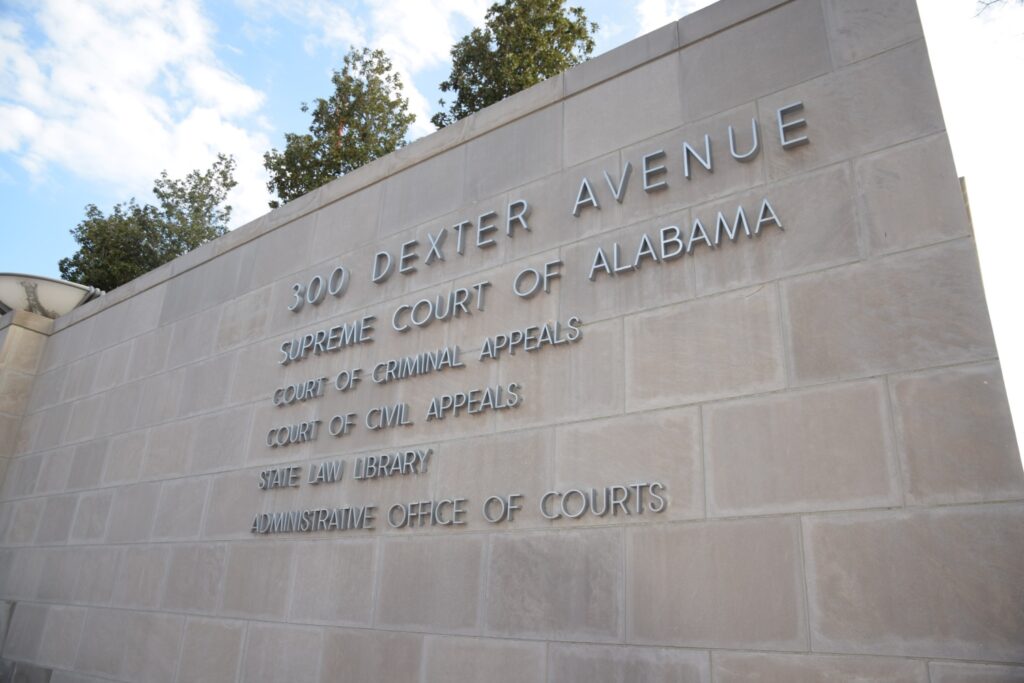
Ralph Chapoco, Alabama Reflector Alabama is one step closer to becoming the first state to execute someone by nitrogen hypoxia. In a 6-2 decision handed down Wednesday, the Alabama Supreme Court allowed the state to proceed with the execution of Kenneth Eugene Smith, convicted of the 1988 murder of Elizabeth Sennett, under that method. Alabama Attorney General Steve Marshall said in a statement Wednesday that Sennett’s family had “waited an unconscionable 35 years to see justice served.” “Though the wait has been far too long, I am grateful that our talented capital litigators have nearly gotten this case to the finish line,” the statement said. Chief Justice Tom Parker and Associate Justice Greg Cook dissented but gave no additional comment. Nitrogen hypoxia has never been used on a human being as a means of execution, and professional veterinary associations have discouraged its use in the euthanization of animals. Smith’s attorneys said in a statement Thursday that they were disappointed in the decision and would continue to work through the judicial process. Smith currently has an appeal pending with the Alabama Court of Criminal Appeals claiming that attempting to execute him a second time violates his constitutional rights. “It is noteworthy that two justices dissented from this Order,” wrote Robert Grass, an attorney for Smith. “Like the eleven jurors who did not believe Mr. Smith should be executed, we remain hopeful that those who review this case will see that a second attempt to execute Mr. Smith – this time with an experimental, never-before-used method and with a protocol that has never been fully disclosed to him or his counsel – is unwarranted and unjust.” The order gives the Alabama Department of Corrections the authority to carry out Smith’s execution within the time frame set by Gov. Kay Ivey, which cannot happen less than 30 days from Wednesday, when the court published its decision. The Attorney General’s Office filed a motion with the Alabama Supreme Court back in August, requesting the court set a date for Smith’s execution. Smith’s attorneys requested the court reject the state’s motion in September, stating that nitrogen hypoxia has not been tested and only recently released the protocol for using that method of execution. A jury convicted Smith in 1996 in the plot to murder Sennett and voted to sentence him to life without the possibility of parole. The judge in the case overrode the jury recommendation and sentenced Smith to death. Alabama abolished judicial override in 2017, the last state in the country to do so. But the rule was not made retroactive. In May the U.S. Supreme Court upheld a lower court’s decision that allowed him to select his method of execution, in this case is death by nitrogen hypoxia. The high court turned down the appeal by the Alabama Department of Corrections, which argued that Smith was pursuing a delaying tactic. Smith was scheduled to be executed in November following the botched executions of Joe Nathan James Jr. and Alan Miller. However, his execution was called off after ADOC staff repeatedly failed to secure a vein to carry out the execution. Smith’s attorneys wrote in a brief last January that he “continues to experience physical and emotional pain, including lingering pain in his arm, near his collarbone, back spasms, difficulty sleeping, and likely post-traumatic stress disorder” from the failed execution. Death through nitrogen hypoxia became an available method for executing people on death row after the Legislature passed a bill sponsored by Sen. Trip Pittman, R-Montrose, allowing its use. He said that the method was more humane than lethal injection. Doctors and medical ethicists have criticized those claims. “Last year, after Alabama tortured multiple people in botched executions using lethal injection, we encouraged the state to pursue an independent evaluation of its execution protocols,” said Alison Mollman, interim legal director of the ACLU of Alabama. “Governor Ivey and the Alabama Department of Corrections failed to complete an independent review and instead insisted the problem was not having enough time to kill someone. Now, at the urging of Attorney General Steve Marshall, Alabama is rushing to put a man to death with an untested, unproven, and never-before-used method of execution. As Alabama races to experiment on incarcerated people with nitrogen gas, they put the lives of correctional staff, spiritual advisers, the media, and victims at risk by potentially exposing them to an odorless and lethal gas. Using this method has no benefit on public safety. Governor Ivey and Attorney General Marshall have a responsibility to stop the execution of Mr. Smith.” The Death Penalty Information Center, a nonprofit that students and collects data on the death penalty, criticized Alabama’s move toward nitrogen executions in a statement on Thursday. “No state has ever used nitrogen in an execution, and there are still too many unanswered questions for Alabama officials to responsibly move forward with this protocol,” the statement said. “Mr. Smith has already endured one botched execution; he should not now face another attempt that carries this much risk and uncertainty.” Alabama Reflector is part of States Newsroom, a network of news bureaus supported by grants and a coalition of donors as a 501c(3) public charity. Alabama Reflector maintains editorial independence. Follow Alabama Reflector on Facebook and Twitter.
Gov. Kay Ivey seeks more time to carry out executions

Alabama Gov. Kay Ivey on Monday said she wants to give the state additional time to carry out an execution after a series of failed lethal injections. The Republican governor sent a letter to the Alabama Supreme Court asking justices to alter a longstanding rule that limits execution warrants to a single date. It is the first change requested by Ivey after announcing a “top-to-bottom” review of execution procedures. The review is ongoing, Ivey spokeswoman Gina Maiola said Monday. Alabama prison officials called off two recent scheduled lethal injections — for Kenneth Eugene Smith in November and Alan Miller in September — as midnight approached after last-minute legal appeals and difficulties by the execution team in connecting an IV line to each inmate. Under Ivey’s proposal, the state corrections commissioner could immediately designate a new execution date if a last-minute stay or some other delay prevents the state from carrying out an execution on the original date listed on the death warrant. Currently, if the state can’t get the procedure underway by midnight, officials must ask the Alabama Supreme Court to set a new execution date. The governor said other states do not have the strict one-day time frame. “In several recent executions, last-minute gamesmanship by death row inmates and their lawyers has consumed a lot of valuable time, preventing the department from carrying out its execution protocol between the conclusion of all legal challenges in the federal courts and the expiration at the death warrant issued by your court,” Ivey wrote. While Ivey placed the blame on the single-day time frame and last-minute appeals, lawyers for inmates and advocacy groups have said the repeated difficulties with establishing an IV line shows something is wrong with Alabama’s procedures. In a court filing opposing the setting of a new execution date for Smith, his lawyers wrote that his treatment “does not fall within society’s standards for a constitutional execution. The botched execution was terrifying and extremely painful for Mr. Smith.” Ivey last month requested a pause in executions after the state called off Smith’s lethal injection. It was the second time this year and the third time since 2018 that the state was unable to put an inmate to death. The state completed an execution in July, but only after a three-hour delay caused at least partly by trouble starting an IV line on Joe Nathan James Jr. Ivey said the state is also looking at moving up the current 6 p.m. start time for executions to give the Department of Corrections more time. Corrections Commissioner John Hamm will make a recommendation to her for a new time, she told justices. Republished with the permission of The Associated Press.
‘Execution survivor’ Alan Miller reaches settlement with state
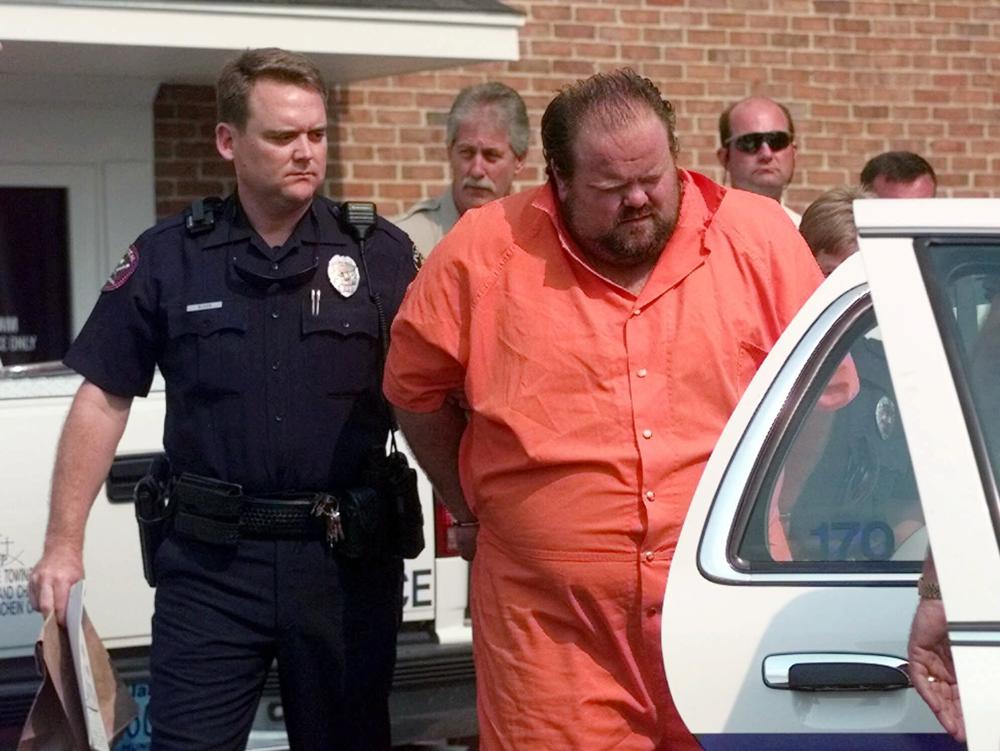
Alabama won’t seek another lethal injection date for an inmate whose September execution had been halted because of problems establishing an intravenous line, according to the terms of a settlement agreement approved on Monday. The state agreed to never use lethal injection again as an execution method to put Alan Eugene Miller to death. Any future effort to execute him will be done by nitrogen hypoxia, an execution method authorized in Alabama but that has never been used to carry out a death sentence in the US. There is currently no protocol in place for using nitrogen hypoxia. On Tuesday, U.S. District Judge R. Austin Huffaker Jr. approved the settlement agreement in a lawsuit brought by Miller seeking to prevent another lethal injection attempt. Miller had argued that the state lost paperwork stating he picked nitrogen hypoxia as his execution method and then subjected him to torture during the failed execution attempt. At the time, Miller’s attorneys called him the “only living execution survivor in the United States.” Miller was scheduled to be executed by lethal injection on September 22, but the state called off the execution after being unable to connect an IV line to the 351-pound inmate. Miller said that when prison staff tried to find a vein, they poked him with needles for over an hour and, at one point, left him hanging vertically as he lay strapped to a gurney. Alabama has acknowledged problems with IV access during at least four executions since 2018. Three of those had to be halted. Earlier this month, the execution of Kenneth Eugene Smith was halted after the execution team tried for an hour to connect an IV line. Last week, attorneys for Smith filed a lawsuit against the prison system, saying that the state violated the U.S. Constitution, various court orders, and its own lethal injection protocol during the botched execution attempt earlier this month. Smith’s attorneys are asking a federal judge to forbid the state from making a second attempt to execute him, saying Smith was already “subjected to ever-escalating levels of pain and torture” on the night of the failed execution. Alabama also called off the 2018 execution of Doyle Lee Hamm for the same reasons. He reached an agreement with the state that prevented further execution attempts, although he remained on death row. He later died of natural causes. Prison officials blamed time constraints, specifically the midnight deadline, for the three halted executions. The state’s July execution of Joe Nathan James was carried out, but only after a three-hour delay caused at least partly by the same problem with accessing an IV line. Last week Alabama Gov. Kay Ivey announced a pause on executions in order to review the procedures. The Republican governor cited concern for victims’ families. Miller was sentenced to death after being convicted of a 1999 workplace rampage in which he killed Terry Jarvis, Lee Holdbrooks, and Scott Yancy. The settlement agreement likely prevents another execution attempt in the near future since Alabama has not announced procedures for using nitrogen hypoxia, and there will be litigation over the humaneness of the method before a state tries to use it. Republished with the permission of The Associated Press.
Alabama calls off execution of Kenneth Smith after difficulties inserting IV

Alabama’s execution of a man convicted in the 1988 murder-for-hire slaying of a preacher’s wife was called off Thursday just before the midnight deadline because state officials couldn’t find a suitable vein to inject the lethal drugs. Alabama Department of Corrections Commissioner John Hamm said prison staff tried for about an hour to get the two required intravenous lines connected to Kenneth Eugene Smith, 57. Hamm said they established one line but were unsuccessful with a second line after trying several locations on Smith’s body. Officials then tried a central line, which involves a catheter placed into a large vein. “We were not able to have time to complete that, so we called off the execution,” Hamm said. It is the second execution since September the state has canceled because of difficulties with establishing an IV line with a deadline looming. The U.S. Supreme Court cleared the way for Smith’s execution when at about 10:20 p.m., it lifted a stay issued earlier in the evening by the 11th U.S Circuit Court of Appeals. But the state decided about an hour later that the lethal injection would not happen that evening. The postponement came after Smith’s final appeals focused on problems with intravenous lines at Alabama’s last two scheduled lethal injections. Because the death warrant expired at midnight, the state must go back to court to seek a new execution date. Smith was returned to his regular cell on death row, a prison spokesperson said. Prosecutors said Smith was one of two men who were each paid $1,000 to kill Elizabeth Sennett on behalf of her husband, who was deeply in debt and wanted to collect on insurance. The slaying, and the revelations over who was behind it, rocked the small north Alabama community Alabama Gov. Kay Ivey blamed Smith’s last-minute appeals for the execution not going forward as scheduled. “Kenneth Eugene Smith chose $1,000 over the life of Elizabeth Dorlene Sennett, and he was guilty, no question about it. Some three decades ago, a promise was made to Elizabeth’s family that justice would be served through a lawfully imposed death sentence,” Ivey said. “Although that justice could not be carried out tonight because of last minute legal attempts to delay or cancel the execution, attempting it was the right thing to do.” Alabama has faced scrutiny over its problems at recent lethal injections. In ongoing litigation, lawyers for inmates are seeking information about the qualifications of the execution team members responsible for connecting the lines. In a Thursday hearing in Smith’s case, a federal judge asked the state how long was too long to try to establish a line, noting at least one state gives an hour limit. The execution of Joe Nathan James Jr. took several hours to get underway because of problems establishing an IV line, leading an anti-death penalty group to claim the execution was botched. In September, the state called off the scheduled execution of Alan Miller because of difficulty accessing his veins. Miller said in a court filing that prison staff poked him with needles for more than an hour, and at one point, they left him hanging vertically on a gurney before announcing they were stopping. Prison officials have maintained the delays were the result of the state carefully following procedures. Sennett was found dead on March 18, 1988, in the home she shared with her husband on Coon Dog Cemetery Road in Alabama’s Colbert County. The coroner testified that the 45-year-old woman had been stabbed eight times in the chest and once on each side of the neck. Her husband, Charles Sennett Sr., who was the pastor of the Westside Church of Christ, killed himself when the murder investigation focused on him as a suspect, according to court documents. John Forrest Parker, the other man convicted in the slaying, was executed in 2010. “I’m sorry. I don’t ever expect you to forgive me. I really am sorry,” Parker said to the victim’s sons before he was put to death. According to appellate court documents, Smith told police in a statement that it was “agreed for John and I to do the murder” and that he took items from the house to make it look like a burglary. Smith’s defense at trial said he participated in the attack, but he did not intend to kill her, according to court documents. In the hours before the execution was scheduled to be carried out, the prison system said Smith visited with his attorney and family members, including his wife. He ate cheese curls and drank water but declined the prison breakfast offered to him. Smith was initially convicted in 1989, and a jury voted 10-2 to recommend a death sentence, which a judge imposed. His conviction was overturned on appeal in 1992. He was retried and convicted again in 1996. The jury recommended a life sentence by a vote of 11-1, but a judge overrode the recommendation and sentenced Smith to death. In 2017, Alabama became the last state to abolish the practice of letting judges override a jury’s sentencing recommendation in death penalty cases, but the change was not retroactive and therefore did not affect death row prisoners like Smith. The Equal Justice Initiative, an Alabama-based nonprofit that advocates for inmates, said Smith stands to become the first state prisoner sentenced by judicial override to be executed since the practice was abolished. The U.S. Supreme Court on Wednesday denied Smith’s request to review the constitutionality of his death sentence on those grounds. Republished with the permission of The Associated Press.
Judge dismisses lawsuit over upcoming lethal injection
A federal judge dismissed an inmate’s claim seeking to block his upcoming execution in Alabama because of reported problems at a recent lethal injection. The judge on Sunday granted Alabama’s request to dismiss the lawsuit brought by Kenneth Eugene Smith, agreeing that Smith waited too long to file the challenge. But U.S. District Judge R. Austin Huffaker Jr. also warned Alabama’s prison commissioner to strictly follow established protocol when officials attempt to put Smith to death next month. “Sanctions will be swift and serious if counsel and the Commissioner do not honor or abide by their representations and stipulations,” Huffaker wrote. Smith is set to be executed by lethal injection November 17 after being convicted in the murder-for-hire killing of Elizabeth Dorlene Sennett, 45. Smith’s attorneys pointed to a July execution, which an anti-death penalty group claims was botched, to argue that Alabama’s lethal injection process creates a risk of cruel and unusual punishment. The July 28 execution of Joe Nathan James Jr. was carried out more than three hours after the U.S. Supreme Court denied a request for a stay. State officials later acknowledged the execution was delayed because of difficulties in establishing an intravenous line but did not specify how long it took. A doctor who witnessed a private autopsy paid for by an anti-death penalty group said it appeared officials might have attempted to perform a “cutdown,” a procedure in which the skin is opened to allow a visual search for a vein. Huffaker noted that Corrections Commissioner John Hamm “represents in his brief and during oral argument that the ADOC did not employ a cutdown procedure or intramuscular sedation during the James execution and denies any present intent to employ any such procedure in the future.” Huffaker ruled that Smith missed the time frame to challenge Alabama’s lethal injection process. Smith missed the 2018 deadline to request execution by nitrogen hypoxia, an execution method that Alabama has authorized but not developed a process to use. Smith’s attorneys argued that the state violated his due process rights by not providing him the information necessary to make a knowing and voluntary waiver of his nitrogen hypoxia election right in 2018. ADVERTISEMENT His attorneys argue that Smith did not know nitrogen hypoxia “would not be implemented for years, if ever.” Huffaker said that complaint also could not overcome a “clear statute-of-limitations hurdle.” Prosecutors said Smith was one of two men paid $1,000 to kill Sennett on behalf of her husband, the Rev. Charles Sennett, who was deeply in debt and wanted to collect on insurance. Smith maintained it was the other man who killed Sennett, according to court documents. Smith was initially convicted in 1989, and a jury voted 10-2 to recommend a death sentence, which a judge imposed. His conviction was overturned on appeal in 1992. He was retried and convicted again in 1996. This time, the jury recommended a life sentence by a vote of 11-1, but a judge overrode the jury’s recommendation and sentenced Smith to death. Alabama no longer allows a judge to override a jury’s recommendation. Republished with the permission of The Associated Press.
Judge grills Alabama officials over lethal injection process
A federal judge on Thursday questioned Alabama officials about the state’s lethal injection procedures — including how many needle “pokes” are too many — after problems with vein access at the state’s last two scheduled executions. U.S. District Judge R. Austin Huffaker, Jr. put forth the questions during a court hearing in a lawsuit filed by Kenneth Eugene Smith, who is seeking to block his upcoming Nov. 17 execution. His attorneys have pointed to problems at recent lethal injections. Alabama called off a lethal injection last month after having trouble accessing the veins of the 351-pound (159-kilogram) inmate, and advocacy groups have alleged a July execution, carried out after a lengthy delay, was botched. Huffaker asked an attorney for the state at what point is the search for a vein impacted by the constitutional ban on cruel and unusual punishment. “It is 10 pokes? Is it 11? Is it 100? Is it one hour? … What is it?” Huffaker asked. He also asked when does the state make a decision to abort a lethal injection when there are problems obtaining a vein connection. Robert Anderson, of the Alabama attorney general’s office, said the state prison commissioner and warden are in charge of the decision on when to call off an execution. Huffaker also asked the state prison commissioner to clarify when the state will be ready to use nitrogen hypoxia, an execution method the state has authorized but never used. Huffaker said the state had told him different things at different times, including once suggesting that it could be ready for last month’s execution — a suggestion that turned out to be untrue. “It’s being developed, but we don’t have a protocol at this point,” Alabama Corrections Commissioner John Hamm told the judge. Anderson added that Alabama is attempting to develop the country’s first procedures for execution by nitrogen hypoxia, so it is a complicated endeavor and difficult to estimate a precise time. Smith, 57, is set to be executed by lethal injection at Holman Correctional Facility on Nov. 17 after being convicted in the 1988 murder-for-hire killing of Elizabeth Dorlene Sennett, a 45-year-old grandmother and pastor’s wife. Smith’s attorney, Robert Grass, said Alabama’s lethal injection procedure creates the intolerable “risk of cruel and unusual punishment.” He also said the state has kept much of the process shrouded in secrecy, including the identities and qualifications of the people who connect the IV line to the inmate. Grass is seeking to obtain records from recent executions and to interview execution team members. Alabama is asking the judge to dismiss Smith’s lawsuit, arguing that courts have long upheld the constitutionality of lethal injection. Alabama last month called off the lethal injection of Alan Miller after being unable to access his veins. The state faced a midnight deadline to get the execution underway. Miller said in a court filing that prison staff poked him with needles for over an hour as they tried to find a vein. Miller’s attorneys are fighting the state’s effort to seek a new execution date for him. The July execution of Joe Nathan James Jr. was carried out three hours after the U.S. Supreme Court said the state could proceed. The state acknowledged that establishing the intravenous line took longer than expected. However, Reprieve US Forensic Justice Initiative, a human rights group that opposes the death penalty, has maintained the execution was botched. Witnesses to a private autopsy said that James’ body showed evidence that officials had attempted to perform a “cutdown,” a procedure in which the skin is opened to allow a visual search for a vein. They also speculated that he may have been given a sedative shot. The state said that a “cut down” is not part of their protocol and that James was not sedated. Hamm, speaking under oath during the Thursday hearing, told the judge that during Smith’s execution that the state will not use a “cut down” procedure and will not give any sort of sedative shot. Republished with the permission of The Associated Press.
Judge: State must preserve evidence from halted execution
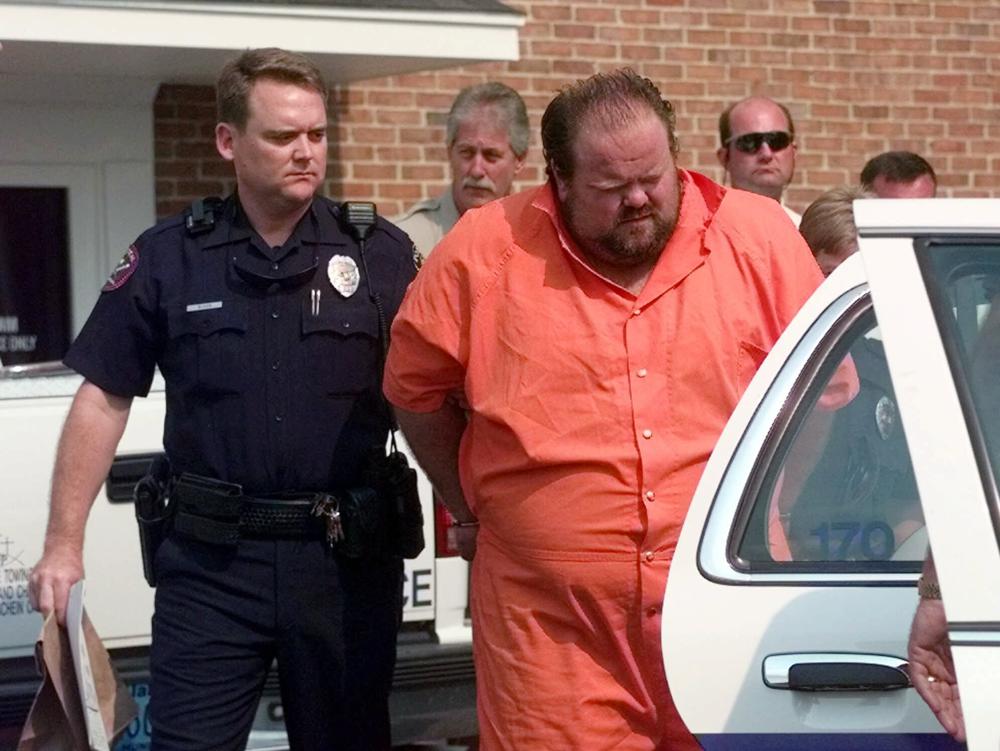
A federal judge on Friday ordered Alabama to preserve records and medical supplies associated with a lethal injection attempt after the prison system acknowledged multiple attempts to access the inmate’s veins before calling off the execution. U.S. District Judge R. Austin Huffaker Jr. issued the order at the request of the inmate’s lawyers who are trying to gather more information about what happened during Alabama’s attempt to execute Alan Miller, 57. Miller was sentenced to death after being convicted of a 1999 workplace rampage in which he killed Terry Jarvis, Lee Holdbrooks, and Scott Yancy. The U.S. Supreme Court cleared the way for the execution shortly after 9 p.m. Thursday and state officials said they determined at about 11:30 p.m. that the could not start the execution by a midnight deadline. Huffaker ordered the Alabama Department of Corrections to locate and preserve all evidence related to the attempted execution, including notes, emails, texts, and used medical supplies such as syringes, swabs, scalpels, and IV-lines. He also granted a request from Miller’s attorney to visit him and photograph what they said are, “injuries from the attempted execution.” During a Friday morning hearing conducted by telephone conference, Huffaker asked the state what was going on in the almost 150 minutes that elapsed after the Supreme Court said the execution could proceed. An attorney for the state told the judge the execution team began preparations at about 10 p.m. and made multiple attempts to connect the IV line but she did not indicate exactly how long the state tried. They stopped trying to gain venous access at about 11:20 p.m, she said. Alabama Corrections Commissioner John Hamm told reporters early Friday morning that “accessing the veins was taking a little bit longer than we anticipated” and the state did not have sufficient time to get the execution underway by a midnight deadline. “Due to time constraints resulting from the lateness of the court proceedings, the execution was called off once it was determined the condemned inmate’s veins could not be accessed in accordance with our protocol before the expiration of the death warrant,” Hamm said. This is at least the third time Alabama has acknowledged problems with venous access during a lethal injection. The state’s July execution of Joe Nathan James took more than three hours to get underway. Alabama called off the 2018 execution of Doyle Hamm after being unable to establish an intravenous line. “The Alabama Department of Corrections verges somewhere between malpractice and butchery,” said Bernard Harcourt, a lawyer who represented Doyle Hamm. “What it demonstrates is we really shouldn’t be given this incompetent bureaucrats the power over life and death.” Miller’s execution was called off after a legal fight on whether the state lost Miller’s paperwork requesting a different execution method. When Alabama authorized nitrogen hypoxia as an execution method, state law gave inmates a brief window to request it. Miller testified at an earlier court hearing that he wanted nitrogen because he dislikes needles and medical staff often have trouble finding a blood vessel to draw blood. Republished with the permission of The Associated Press.
Execution of Joe Nathan James Jr. was botched, advocacy group alleges
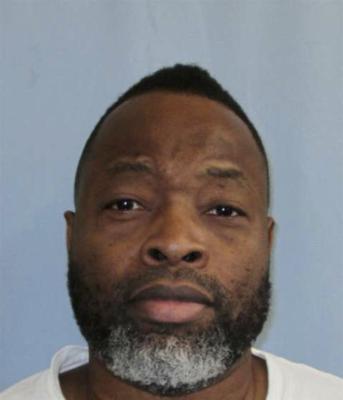
Alabama corrections officials apparently botched an inmate’s execution last month, an anti-death penalty group alleges, citing the length of time that passed before the prisoner received the lethal injection and a private autopsy indicating his arm may have been cut to find a vein. Joe Nathan James Jr. was put to death July 28 at an Alabama prison for the 1994 shooting death of his former girlfriend. The execution was carried out more than three hours after the U.S. Supreme Court denied a request for a stay. “Subjecting a prisoner to three hours of pain and suffering is the definition of cruel and unusual punishment,” Maya Foa, director of Reprieve U.S. Forensic Justice Initiative, a human rights group that opposes the death penalty, said in a statement. “States cannot continue to pretend that the abhorrent practice of lethal injection is in any way humane.” The Alabama Department of Forensic Science declined a request to release the state’s autopsy of James, citing an ongoing review that happens after every execution. Officials have not responded to requests for comment on the private autopsy, which was first reported by The Atlantic. At the time of the execution, Alabama Corrections Commissioner John Hamm told reporters that “nothing out of the ordinary” happened. Hamm said he wasn’t aware of the prisoner fighting or resisting officers. The state later acknowledged that the execution was delayed because of difficulties establishing an intravenous line but did not specify how long it took. Dr. Joel Zivot, a professor of anesthesiology at Emory University and an expert on lethal injection who witnessed the private autopsy, said it looked like there were numerous attempts to connect a line. Zivot said he saw “multiple puncture sites on both arms” and two perpendicular incisions, each about 3 to 4 centimeters (1 to 1.5 inches) in length, in the middle of the arm, which he said indicated that officials had attempted to perform a “cutdown,” a procedure in which the skin is opened to allow a visual search for a vein. He said the cutdown is an old-style medical intervention rarely performed in modern medical settings and that it would be painful without anesthesia. He also said he saw evidence of intramuscular injections not in the vicinity of a vein. The Alabama Department of Corrections prison system issued a written statement in which it noted that “protocol states that if the veins are such that intravenous access cannot be provided, the team will perform a central line procedure,” which involves placing a catheter in a large vein. “Fortunately, this was not necessary, and with adequate time, intravenous access was established,” the statement said. Alabama does not allow witnesses from news outlets to watch the preparations for a lethal injection. They get their first glimpse of the execution chamber when an inmate is already strapped to the gurney with the IV line connected. A reporter for The Associated Press who attended the execution observed that James did not respond when the warden asked if he had final words. His eyes remained closed except for briefly fluttering at one point early in the procedure. Lawyers who spoke with James by telephone said they were disturbed by his reported lack of movements and raised questions about what happened before the lethal injection. Hamm said James was not sedated. “That wasn’t the Joe that I knew. He always had something to say. He always wanted to be in control,” said James Ransom, the attorney who helped James file his appeal with the U.S. Supreme Court. “The fact that he did not give any sort of reaction … and that he didn’t open his eyes tells me something was up,” Ransom said. John Palombi, a federal defender who spoke with James twice on the day of his execution, said James, “was certainly alert” earlier in the day. The Atlantic quoted a friend of James as saying that the inmate had planned to make a final statement. Robert Dunham, executive director of the Death Penalty Information Center, a national nonprofit organization that analyzes issues concerning capital punishment, said the delay between the Supreme Court’s go-ahead and the execution, combined with the autopsy, points to a “botched execution, and it is among the worst botches in the modern history of the U.S. death penalty.” “This execution is Exhibit A as to why execution secrecy laws are intolerable,” Dunham wrote in an email to the A.P. “The public is entitled to know what went on here — and what goes on in all Alabama executions — from the instant the execution team begins the process of physically preparing the prisoner for the lethal injection until the moment the prisoner dies.” Republished with the permission of The Associated Press.
Joe Nathan James Jr. executed despite calls from victim’s family to spare him
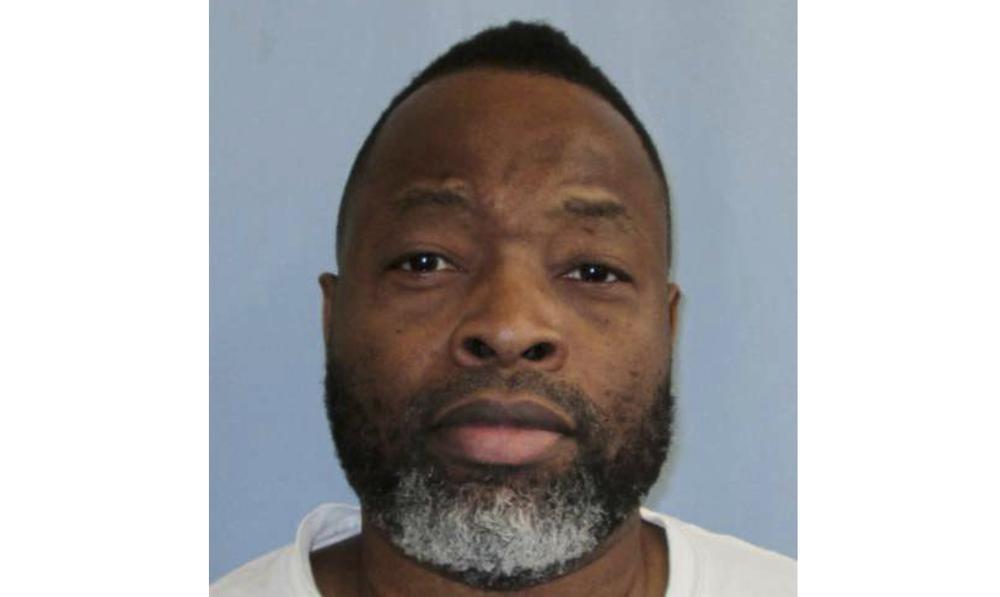
An Alabama inmate convicted of killing his former girlfriend decades ago was executed Thursday night despite pleas from the victim’s family to spare his life. Joe Nathan James Jr. received a lethal injection at a south Alabama prison after the U.S. Supreme Court denied his request for a stay. Officials said he was pronounced dead at 9:27 p.m. after the start of execution was delayed by nearly three hours. James, 50, was convicted and sentenced to death in the 1994 shooting death of Faith Hall, 26, in Birmingham. Hall’s daughters have said they would rather James serve life in prison, but Alabama Gov. Kay Ivey said Wednesday that she planned to let the execution proceed. Prosecutors said James briefly dated Hall and he became obsessed after she rejected him, stalking and harassing her for months before killing her. On Aug. 15, 1994, after Hall had been out shopping with a friend, James forced his way inside the friend’s apartment, pulled a gun from his waistband and shot Hall three times, according to court documents. Hall’s two daughters, who were 3 and 6 when their mother was killed, said they wanted James to serve life in prison instead of being executed. The family members not attend the execution. “Today is a tragic day for our family. We are having to relive the hurt that this caused us many years ago,” the statement issued through state Rep. Juandalynn Givan’s office read. Givan was a friend of Hall’s. “We hoped the state wouldn’t take a life simply because a life was taken and we have forgiven Mr. Joe Nathan James Jr. for his atrocities toward our family. … We pray that God allows us to find healing after today and that one day our criminal justice system will listen to the cries of families like ours even if it goes against what the state wishes,” the family’s statement read. Ivey said Thursday that she always deeply considers the feelings of the victim’s family and loved ones, but “must always fulfill our responsibility to the law, to public safety and to justice.” “Faith Hall, the victim of repetitive harassment, serious threats and ultimately, cold-blooded murder, was taken from this earth far too soon at the hands of Joe Nathan James, Jr. Now, after two convictions, a unanimous jury decision and nearly three decades on death row, Mr. James has been executed for capital murder, and justice has been served for Faith Hall. She said the execution sends an,” unmistakable message was sent that Alabama stands with victims of domestic violence.” The execution began a few minutes after 9 p.m. CDT following a nearly three hour delay. James did not open his eyes or show any deliberate movements at any point during the procedure. He did not speak when the warden asked if he had any final words. His breathing became labored, with deep pulsing breaths, and slowed until it was not visible. Alabama Corrections Commissioner John Hamm, responding to a question about why the execution was delayed, said the state is, ”very deliberate in our process in making sure everything goes according to plan.” He did not elaborate. Hamm also said James, who showed no movements at any point, was not sedated. The execution took place at a prison that houses the state’s death row. An inmate put signs in a cell window calling the execution a “murder.” A Jefferson County jury first convicted James of capital murder in 1996 and voted to recommend the death penalty, which a judge imposed. The conviction was overturned when a state appeals court ruled a judge had wrongly admitted some police reports into evidence. James was retried and again sentenced to death in 1999, when jurors rejected defense claims that he was under emotional duress at the time of the shooting. James acted as his own attorney in his bid to stop his execution, mailing handwritten lawsuits and appeal notices to the courts from death row. A lawyer filed the latest appeal with the U.S. Supreme Court on his behalf Wednesday. But the request for a stay was rejected about 30 minutes before the execution was set to begin. James asked justices for a stay, noting the opposition of Hall’s family and arguing that Alabama did not give inmates adequate notice of their right to select an alternate execution method. He also argued that Ivey’s refusal violates religious freedom laws because the Koran and the Bible “place the concept of forgiveness paramount in this situation.” The state argued that James waited too late to begin trying to postpone his execution and “should not be rewarded for his transparent attempt to game the system.” Republished with the permission of The Associated Press.
Steve Marshall issues statement after execution of Joe Nathan James, Jr.
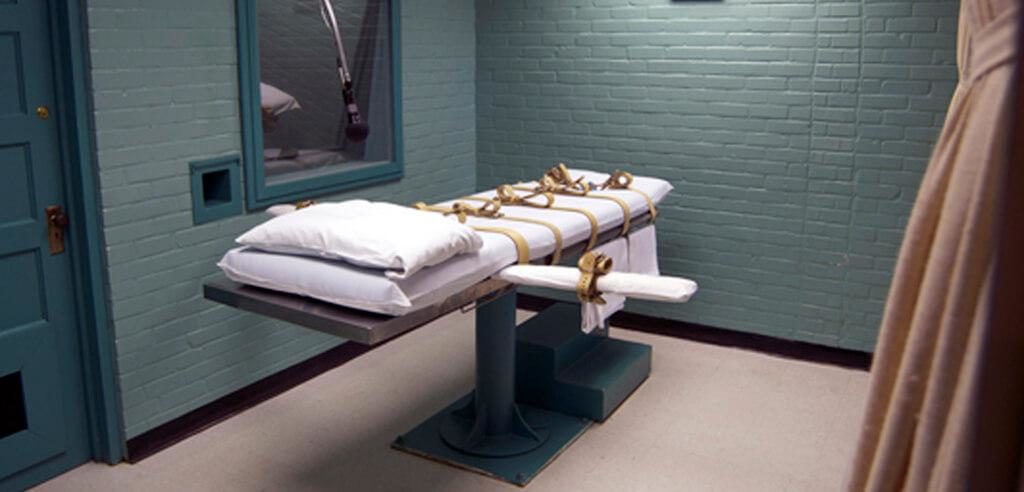
Attorney General Steve Marshall issued a statement Thursday night after the execution of Joe Nathan James, Jr. The execution took place at the William C. Holman Correctional Facility in Atmore, Alabama. Marshall cleared the execution to commence at 9:04 p.m. James’ time of death was 9:27 p.m. James, 50, was convicted and sentenced to death in the 1994 shooting death of Faith Hall, 26, in Birmingham. Hall’s daughters, who were 3 and 6 at the time of the murder, have said they would rather James serve life in prison. Gov. Kay Ivey said Wednesday that she planned to let the execution proceed. James had been acting as his own attorney in a bid to stop the execution. However, a lawyer filed the latest appeal with the U.S. Supreme Court on Wednesday. The request for a stay was rejected about 30 minutes before the execution was set to begin. “Justice has been served,” Marshall stated. “Joe James was put to death for the heinous act he committed nearly three decades ago: the cold-blooded murder of an innocent young mother, Faith Hall.” “In the years since, Joe James has tried to blame everything and everyone in an attempt to escape the consequences of his crime. He has claimed that his highly experienced trial counsel was “ineffective,” that his artful appellate counsel was “deficient,” and — in a demonstration of shocking cowardice and callousness — that his victim bore the blame for her own murder,” Marshall continued. “Tonight, Joe James finally received his just punishment.” The family issued a statement through state Rep. Juandalynn Givan’s office. “Today is a tragic day for our family. We are having to relive the hurt that this caused us many years ago. We hoped the state wouldn’t take a life simply because a life was taken, and we have forgiven Mr. Joe Nathan James Jr. for his atrocities toward our family. … We pray that God allows us to find healing after today and that one day our criminal justice system will listen to the cries of families like ours even if it goes against what the state wishes,” the statement read.
Gov. Kay Ivey: Execution set despite wishes of victim’s family
Alabama’s governor said Wednesday that she has decided the state will proceed later this week with a plan to execute a man convicted of killing his former girlfriend decades ago, overriding a plea from the victim’s family to spare the man’s life. Gov. Kay Ivey told reporters she wouldn’t call off the scheduled lethal injection of Joe Nathan James Jr. at a south Alabama prison on Thursday evening. The inmate was convicted and sentenced to die for the 1994 shooting death of 26-year-old Faith Hall in Birmingham. Hall’s daughters, who were just 3 and 6 when their mother was killed, had urged along with Hall’s brother that officials change the sentence to life in prison without parole. But Alabama Attorney General Steve Marshall urged Ivey to let execution plans proceed and ensure “justice is done.” In making public her decision Wednesday morning, Ivey said, “My staff and I have researched all the records and all the facts, and there’s no reason to change the procedure or modify the outcome. The execution will go forward.” Prosecutors said James briefly dated Hall, but that he had become obsessed after she ended their relationship, stalking and harassing her for months before killing her. On Aug. 15, 1994, he forced his way inside an apartment, pulled a gun from his waistband, and shot her three times, they said. In the weeks leading up to the scheduled execution date, Hall’s daughters and brother had said they would rather James serve a life sentence in prison rather than be put to death. “I know it may sound crazy. Like, you really want this man to live? But … I just feel like we can’t play God. We can’t take a life. And it’s not going to bring my mom back,” Terryln Hall had told The Associated Press in a recent telephone interview. State Rep. Juandalynn Givan, who was a friend of Hall’s, sent a letter to the governor relaying the family’s request. “They are simply saying our wish as the family is for him to die in the penal system of the Alabama correctional facility. That’s how we want him to suffer, and we want to see that suffering for the rest of our lives,” Givan said Wednesday. Givan said the case was unusual in that the victim’s family had asked for clemency. Though James “brutally and senselessly killed” the mother of two simply because she rejected him, Givan said the family’s wishes should carry weight. “This is a tough one,” said Givan, who remembered Hall as a kind and devoted mother. “She was just the sweetest person you ever wanted to meet,” Givan said. Meanwhile, James has acted as his own attorney in a bid to halt Thursday’s execution procedure, filing handwritten lawsuits and requests for a stay. He has claimed his lawyers were ineffective and that prison officials did not explain what was at stake when it gave inmates a form in which they could select nitrogen hypoxia as their preferred execution method. Alabama has approved nitrogen hypoxia as an execution means but hasn’t developed a system for its use or scheduled any executions by that method. Republished with the permission of The Associated Press.
Daughters oppose upcoming execution of mother’s killer
Terryln Hall was just 6 years old when her mother, Faith, was fatally shot by a former boyfriend. Now, nearly 30 years later, Hall and her sister — along with their uncle — oppose Alabama’s plan to execute the man who killed their mother. Unless a judge or the governor intervenes, Joe Nathan James Jr., 49, will will die by lethal injection Thursday evening at a south Alabama prison. “We thought about it and prayed about it, and we found it in ourselves to forgive him for what he did. We really wish there was something that we could do to stop it,” Hall said in a telephone interview with The Associated Press. Faith Hall briefly dated James, but he became obsessed with her, prosecutors said. On Aug. 15, 1994, he forced his way inside an apartment, pulled a gun from his waistband and shot her three times. A Jefferson County jury convicted James of capital murder in 1996 and voted to recommend the death penalty, which a judge imposed. The conviction was overturned when the Alabama Court of Criminal Appeals ruled that a judge wrongly admitted some police reports into evidence. James was retried and again sentenced to death in 1999, when jurors rejected defense claims that he was under emotional duress at the time of the shooting. The 11th U.S. Circuit Court of Appeals denied James’ request for a stay of execution Tuesday. Faith Hall was 26 when she died, leaving behind two young daughters. Six-year-old Terryln Hall struggled to understand what had happened to her mother. “I knew that she wasn’t coming back, but I just never understood why. Why would he do that? That’s still a question that I want to know to this day: Why?” she said. Hall said her only real memory of her mother is as a hard worker who took care of her daughters and “whoever else was around.” “He took a big piece of us away, a big piece of our heart away,” she said. The road to forgiveness was a long process for Hall. “I did hate him. I did. And I know hate is such a strong feeling word, but I really did have hate in my heart. As I got older and realized, you can’t walk around with hate in your heart. You still got to live. And once I had kids of my own, you know, I can’t pass it down to my kids and have them walk around with hate in their hearts,” she said. State Rep. Juandalynn Givan sent a letter to Alabama Gov. Kay Ivey relaying the family’s request to stop the execution. “In this case, the Hall family, with deep prayer, consideration, and conviction, is asking you to have mercy by sparing the life of Mr. James,” Givan said in a statement. Alabama Attorney General Steve Marshall urged Ivey to let the execution proceed, despite the request from the victim’s family, writing that, “it is our obligation to ensure that justice is done for the people of Alabama.” The governor has not indicated what she plans to do. Ivey spokeswoman Gina Maiola wrote in an email that the governor “will carefully review all of the facts and information surrounding the case.” Hall realizes that asking the state to spare the life of the man who killed her mother may seem counterintuitive, but she’s compelled by deeply held beliefs. “I know it may sound crazy. Like, you really want this man to live? But … I just feel like we can’t play God. We can’t take a life. And it’s not going to bring my mom back,” she said. Republished with the permission of The Associated Press.
