
Alabama Democratic Party draft bylaws do not include disability caucus

Jemma Stephenson, Alabama Reflector A draft of new bylaws for the Alabama Democratic Party’s governing body restore almost all the diversity caucuses abolished by the party in May, but not one for people with disabilities. The new bylaws, ordered by the Democratic National Committee in October amid criticism of party leadership, must be voted on by Feb. 1. The bylaws, if approved, would restore caucuses for Hispanics, Native Americans, LGBTQ+ individuals, Asian and Pacific Islanders, and youth. Josh Raby, the chair of the party’s disability caucus prior to its abolition at the May 6 meeting, said in a phone interview last week that he was told they were removed from the bylaws because of an unclear definition of what a disability caucus is. “When I received the bylaws, my heart broke, literally, that a party that is supposed to be for the people was excluding people because they couldn’t find a definition of what a disability caucus is,” he said. Raby said that 23 other states have disability caucuses. He said he is sending those bylaws to Alabama Democratic Party chair Randy Kelley, Vice Chair for Minority Affairs Joe Reed, and others. Kelley told the Reflector in a Wednesday morning phone interview that the bylaws were still in draft form. He said he has not heard from membership about other concerns. “I can’t give you the complete update, but we are soliciting input now from the members,” he said. Reed said in a Wednesday morning interview that disability had a range of definitions. “We never had a disability caucus until two years ago when they created it a caucus and couldn’t define it,” he said. When asked why they did not use the definition used by the National Democratic Party, which has a disability caucus, Reed said “we are not required to have every caucus everybody in the world wants.” Reed said that many other states have much shorter bylaws than Alabama. He said that New Jersey’s bylaws are only nine pages. The New Jersey Democratic Party has a disability caucus, according to their website. An ongoing battle The state Democratic Party has been divided for years over representation of individual groups. In 2019, a faction of the party aligned with then-U.S. Sen. Doug Jones won control of the party and implemented DNC-ordered changes to create diversity caucuses representing the full range of groups supporting the state party. A faction of the party aligned with Reed, which included Kelley, objected to the new bylaws, arguing they deprived Black Democrats, who provide the party’s main support, of leadership of the state Democratic Party. Kelley won election as chair in August 2022. At a contentious meeting last May, the State Democratic Executive Committee (SDEC), the governing body of the party, voted to adopt new bylaws that abolished the new caucuses. Following complaints from membership, including Vice Chair Tabitha Isner, the DNC held hearings this fall and ordered the adoption of new bylaws. Raby said people with disabilities deserve a seat at the table. “Republicans should have a disability caucus, independents should have a disability caucus because we are the ones who are always left without a voice,” he said. “We are the ones who get ignored,” he said. Raby said that he believes those in the disability community have not had proper representation. “The people in the disability community want to be seen as being a part of this party and seeing that our voices are being heard. I don’t even think we’re being even respected within the DNC. I can’t even tell you who the chair is of the disability caucus for the DNC, but we got one, you know what I’m saying?” he said. “We got one. But in Alabama, we can’t even say we have one.” Isner said in a phone interview that she was not part of the drafting process and has concerns about the caucuses, but does not know if some of her concerns will be addressed in the final form of the bylaws. She said that not all of the caucuses have vice-chairs, and she wants to make sure that all groups have equal inclusion and access to input to the plan of affirmative action for inclusion in the party. “Certainly making sure that all groups are treated equally is critical to DNC’s policies and bylaws,” she said. The Young Voters Caucus and the Racial Minority Caucus have vice chairs, according to the draft. Kelly said he has been thinking about it and caucuses might not need vice-chairs. Reed says they are satisfied with their bylaws. Both Isner and Raby said the Democratic Party is intended to be for everyone. “It’s the Demo-freaking-cratic party,” Raby said. “We’re supposed to be the party for everyone. Not just some people, not just your friends, not just your buddies, but for everyone, and if you can’t be that, change the mission statement of your party.” Alabama Reflector is part of States Newsroom, a network of news bureaus supported by grants and a coalition of donors as a 501c(3) public charity. Alabama Reflector maintains editorial independence. Follow Alabama Reflector on Facebook and Twitter.
DNC gives Alabama Democrats February deadline to pass new bylaws
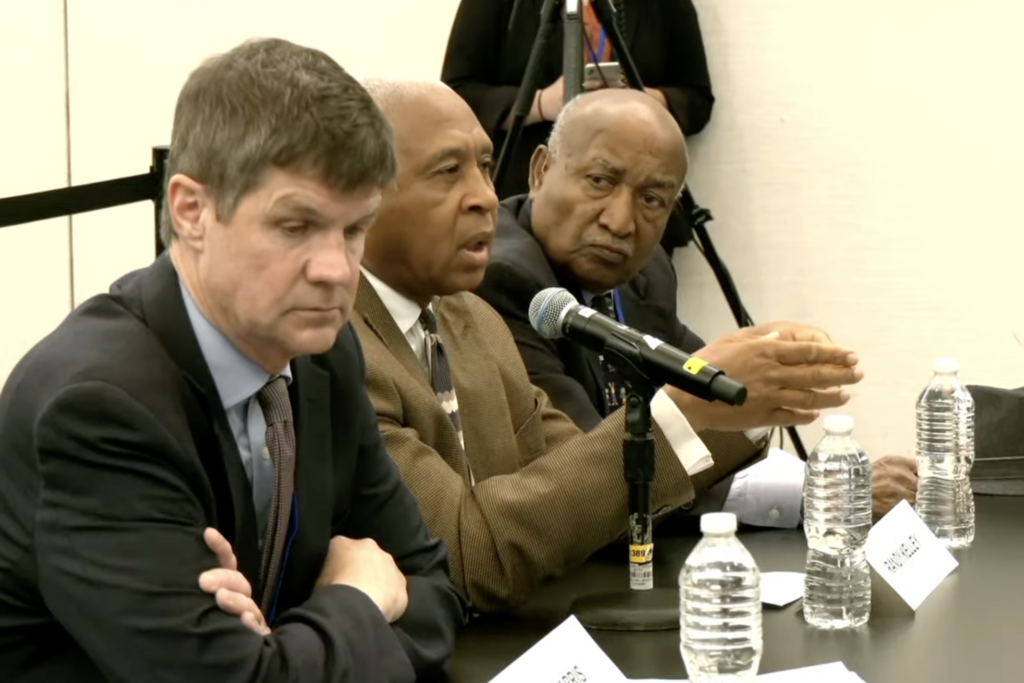
by Alander Rocha, Alabama Reflector The Democratic National Committee will give the Alabama Democratic Party a chance to resolve a divisive battle over the rules and governance of the state party on its own. The DNC’s Rules and Bylaws Committee (RBC) Friday gave ADP Chair Randy Kelley a November 28 deadline to develop new bylaws and provide the DNC a list of members of the State Democratic Executive Committee (SDEC), the party’s governing body. The RBC ordered the party to hold a vote on the bylaws by Feb. 1, 2024. A resolution authorizing the action added that the RBC may take necessary action to enforce the resolution, “including but not limited to the appointment of DNC representatives.” Kim Keenan, a lawyer charged with overseeing a Sept. 8 hearing on the party dispute, said the battles stemmed from longstanding issues of representation within the state party. “I like to say that what happened here is a perfect storm of the faraway past and the near past, basically colliding with the present,” she said. Ben Harris, an attorney and ADP’s vice chair for county affairs and a lawyer, said Kelley and Vice Chair for Minority Affairs Joe Reed were prepared to pass amended bylaws that “satisfied the DNC’s requirements,” with the at-large members who were previously denied a vote. He stressed that he feels it’s important that the party come to a voluntary agreement by working together. “We need the opportunity to reach that by agreement, and not by one side winning and one side losing. We’ve had too much of that,” Harris said. A controversial May meeting The ADC in May adopted a new set of bylaws that abolished three diversity caucuses set up under bylaws adopted by the party in 2019 and reduced the power of other diversity caucuses. The 2019 bylaws emerged after a fight between Reed and then-U.S. Sen. Doug Jones over control of the party. The DNC that year ordered the party to create caucuses reflecting the diversity of the state Democratic electorate. Reed’s group opposed the bylaws, saying they unfairly reduced the power of Black voters, who provide most of the Democratic support in the state. Kelley, a Reed ally, was elected chair of the party in August 2022. The May meeting was tumultuous, and members of the affected caucuses, some of whom are Black, sharply criticized the moves, saying they stripped key groups of representation. Another complaint came over a $50 qualifying fee charged by party officials to enter the meeting, which several SDEC members said they had not been informed about previously and which some called a poll tax. ADP members opposed to the new rules soon filed complaints with the DNC. Keenan said during the RBC hearing Friday she found two issues at the heart of the conflict between the two factions of the party. The qualifying fee, she said, was a barrier to participation in the May meeting, but she doesn’t believe it was imposed for “nefarious” reasons. “People on both sides had paid the fee, but unfortunately the fee didn’t have any rule support or any objective support,” Keenan said. “So in effect, it was alleged to be a poll tax, and it does follow what happens when you have a poll tax — you cannot participate unless you pay the fee.” She said that was the “fatal flaw” in the vote on the new bylaws. While requiring the fee may not have been ill-intentioned, Keenan said, denying participation is not consistent with DNC rules. Keenan also said she could not find anything in the existing bylaws to support the fee. “Preventing that number of people from participating was probably the difference between those May bylaws passing,” Keenan said. ‘A lot of self-determination’ Keenan also said that turning diversity caucuses — youth, LGBTQ+, Native American, disabled, and Hispanic — into committees while maintaining the Minority Caucus, representing Black Democrats, was an issue. “Caucuses have a lot of self-determination ability. They are able to do things. They are able to choose their members. They’re able to move forward in a way where they have determination over who their members are and whose appointed and who’s added,” Keenan said. “But once you become a committee, that right is delegated off to the Executive Committee.” ADP’s position, she said, stems from a “unique history where Black Alabama Democrats really had to sue, protest and be activistic to get the equity that they deserved in the party.” Hawthorne v. Baker, a 1990 case which allowed Black Democrats to have self-determination, a federal court said that unless a group meets the standard that Black Democrats met, they can’t be a caucus. “And I think that’s I think that that’s mixing an apple with an orange,” Keenan said. Kelley, who attended the Friday hearing, said during the meeting he wanted to “heal and move the party forward.” In an interview after the meeting, he said the resolution was reasonable, and that the meeting “came out as well as I thought it would.” “We don’t have a problem whatsoever with changing the bylaws,” Kelley said. Kelley added that he was pleased that the hearing report found what he referred to as misinformation regarding the $50 qualifying fee, which has been characterized as a poll tax. “It was a good forum to clarify that,” Kelley said, adding that it’s been in existence for at least 30 years. ADP Vice Chair Tabitha Isner, one of the challengers, said in a text after the meeting that she appreciates the DNC trying to find a solution that is collaborative. “The challengers have been fighting for a seat at the table, and the RBC has said that we must be granted one,” she wrote. “I look forward to hearing how the DNC intends to provide the necessary oversight to this process.” Reed, who was also in attendance, took a more forceful approach and said “this issue comes down to one fundamental issue and is rooted in racism.” “There’s nothing in Alabama we’ve
Montgomery mayoral election is Tuesday

Montgomery voters go to the polls on Tuesday to elect their mayor for the next four years. Incumbent Mayor Steven Reed is hoping for re-election and appears to be the frontrunner, according to recent polling. Reed was first elected in 2019 and is the first Black mayor in the history of Montgomery. Reed is a former Montgomery County Probate Judge and the son of Alabama Democratic Conference Chairman and Alabama Democratic Party Vice Chairman for Minority Affairs Joe Reed. Reed, like his father, is a Democrat. Reed inherited a prosperous local economy from former Mayor Todd Strange and Governor Kay Ivey. Hyundai is expanding its automobile manufacturing, and the Air Force continues to be a major economic force for the City of Montgomery. Reed and the state of Alabama have worked to lure several new employers to the city. Like many American cities, Montgomery saw shootings spike in 2020, and crime remains a serious concern. The Montgomery Advertiser’s Alex Gladdon has interviewed four of the mayoral candidates. Reed said he is dedicated to building on the progress achieved in Montgomery over the last four years. “From being the state leader in economic development by bringing more than $1.7 billion in investment and 2,000 new jobs to securing $33 million annually for MPS. Of course, public safety remains my top priority as we continue investing at historic levels in police and fire,” Reed said. Reed says it is time for people to believe in Montgomery and focus on the city’s potential rather than a doom-and-gloom narrative. Reed emphasized expanding broadband access in the city, dealing with food insecurity, limited transportation, dilapidated infrastructure, and outdated community centers – which he has invested $50 million in through the Montgomery Forward program into our community centers. Reed said, “Statistics show a decrease in overall crime, but we understand that the effect is significant for those who have been victims. That’s why we remain committed to enhancing public safety in every corner of our city.” Reed says patrols have increased in high-crime areas. The city is working with the state and federal authorities and leveraging technology and training to enhance response capabilities. Reed says the city invested more than $10 million in public safety this fiscal year on top of a 15% salary increase for police and fire personnel last year. “We’re about to graduate one of the largest classes of officers in recent history,” Reed stated. Barrett Gilbreath appears to be the number one contender. Gilbreath is a real estate investor and entrepreneur running as a non-partisan candidate. Gilbreath has said that he is prioritizing fighting crime. Gilbreath said that he would also focus on neighborhood cleanliness, recruitment and retention of public safety department personnel, economic development, and improving public education. Victorrus Felder works for the Alabama Department of Corrections. Felder is also running as a non-partisan candidate. He says that he would hire a strong cabinet, including a chief human resource officer, to help ensure that all staff are qualified and understand the vision for Montgomery. Felder says he would avoid partisan rancor and encourage all parties to come to the table and work together, including better relations with the city council and better treatment of city employees. Felder says that his administration would address: crime, economic development, education, infrastructure, and the city’s cleanliness. Felder says that the city needs more police officers, and part of that would be achieved by asking former officers who left the MPD in past years to return. Marcus McNeal is an entrepreneur and the CEO of Effervescent Ventures Inc & Subsidiaries. McNeal describes himself as an Independent. He says that he would prioritize being a servant of the people. He would focus on the city’s economy, infrastructure, and day-to-day operations, all of which he says “are increasingly declining” under the current administration. McNeal said that crime, sanitation, emergency response times, education, and lack of transparency and accessibility to the mayor’s office are the most pressing needs for Montgomery. McNeal said that he would create task forces to deal with the high-crime areas of the city without pulling officers away from neighborhood patrol. He is also calling for an audit of the city’s finances. There are also city council seats to be decided. Montgomery is one of the four largest cities in Alabama. Polls will open at 7:00 am on Tuesday and close at 7:00 pm. It is too late to ask for an absentee ballot, but if you have one already, fill it out and turn it in on Monday. Bring a valid photo ID to the polls, as Alabama election law requires a photo ID to participate in any election. To connect with the author of this story or to comment, email brandonmreporter@gmail.com.
Alabama rushes to adopt new congressional map amid disagreement on what district should look like
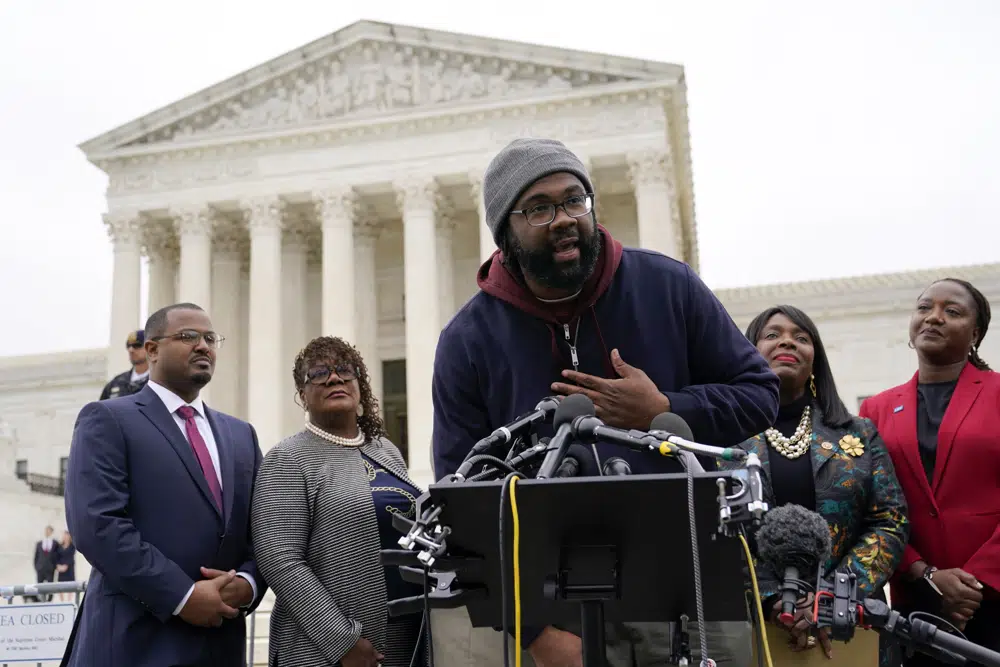
Federal judges that ordered Alabama to draw new congressional lines said the state should have a second district where Black voters are the majority “or something quite close to it” and have an opportunity to elect a representative of their choice. What exactly that map should look like is in dispute as lawmakers rush to draw new lines. Alabama lawmakers convene in a special session Monday tasked by the court with adopting a new map by the end of the week. The directive comes after a surprise U.S. Supreme Court ruling that affirmed the lower court’s ruling that Alabama’s existing congressional map — with a single Black district — likely violated the Voting Rights Act. The group of voters who sued the state and won before the Supreme Court have proposed the creation of a second district where Black residents are 50.5% of the population. But Alabama Republicans, who hold a lopsided majority in the Alabama Legislature and will control the redistricting process, have not ceded they must create a second majority-Black district and have pointed to proposals with lower percentages of Black voters. The GOP majority will release their proposed map on Monday. “Even among the plaintiffs suing the state, the meaning of an equal opportunity to elect candidates of choice is in dispute,” House Speaker Pro Tempore Chris Pringle, who serves as co-chairman of the state redistricting committee, said during a public hearing Thursday. The U.S. Supreme Court last month affirmed a lower-court ruling finding Alabama likely violated the Voting Rights Act with a congressional map that had only one majority Black district out of seven in a state where more than one in four residents is Black. The three-judge panel gave Alabama until Friday to adopt a new map and submit it for review. “The appropriate remedy is a congressional redistricting plan that includes either an additional majority-Black congressional district or an additional district in which Black voters otherwise have an opportunity to elect a representative of their choice,” the three-judge panel wrote in its 2022 ruling, adding that it will need to include two districts in which “Black voters either comprise a voting-age majority or something quite close to it.” The Supreme Court decision was cheered by voting rights groups who said it would give Black voters a greater voice in the Deep South state. “The eyes of the nation are looking at you. I know it’s hard. I know you have people that you answer to,” Evan Milligan, the lead plaintiff in the case that went to the U.S. Supreme Court, told lawmakers. “But if you can cut out the noise, look within, you can look to history. You can make a mark in history that will that will set a standard for this country.” Milligan, a longtime resident of Montgomery, said he is six generations removed from slavery. “My son and daughter are the seventh generation. When I look at them, I want to commit to them inheriting an Alabama that allows them an opportunity to lead, to dream and to make contributions to the community, the same that you want for your children and your grandchildren,” Milligan said. The Supreme Court decision sets up Alabama’s first significant revamp of its congressional districts since 1992, when Alabama was ordered by the courts to create its first majority-Black district. That led to the state electing its first Black member of Congress since Reconstruction. The district has been represented by a Black Democrat ever since. Partisan politics underlies the looming redistricting fight. Republicans who dominate elective office in Alabama have been resistant to creating a second district with a Democratic-leaning Black majority, or close to one, that could send another Democrat to Congress. Democrats cheered the possibility of gaining a seat or at least a swing district in the GOP-dominated state. Alabama Attorney General Steve Marshall, who represents the state in the redistricting lawsuit, wrote in a letter to the committee that plaintiffs had initially argued for a “fair chance” to compete but now want more. “Now they demand a plan that provides not just a ‘fair chance’ to compete, but instead a guarantee of Democratic victories in at least two districts,” Marshall wrote. Marshall said the plaintiffs’ proposed map divides voters based on “stereotypes about how voters of certain races will vote.” Joe Reed, chairman of the Alabama Democratic Conference — the state’s oldest Black political organization — urged lawmakers to compromise with plaintiffs on a plan. He said state lawmakers can either draw a plan that the court will approve or the court will draw it for them. “We know there will be two majority Black districts,” Reed said. Republished with the permission of The Associated Press.
Alabama’s top ten stories in 2022

2022 is winding down. Now is a good time to look back on the year that was and remember the political news that impacted our lives here in Alabama. Katie Britt wins the Senate. Britt had never held a public office before, was not a self-made multi-millionaire with her own corporation, was not a war hero, and was not a household name. Yet the mom from Enterprise managed to put together a diverse band of supporters that included among its ranks both the rich and powerful and thousands of just everyday ordinary Alabama folks. Alabama does not change Senators very often. Richard Shelby, whom she replaces, spent the last 44 years in Congress. At age 40, Britt is young enough to potentially duplicate that feat. Republicans hold onto their supermajorities in the Alabama Legislature. The Alabama Legislature is nationally recognized as the most conservative legislature in the entire country. Republicans entered the 2022 election cycle with the daunting challenge of defending 77 seats in the Alabama House of Representatives and 27 seats in the Alabama Senate. Alabama voters showed that they liked what the legislature did in the last four years and will enter the new quadrennium with the same historic filibuster-proof majorities they had in the previous four years. Republicans in the legislature can work across the aisle in the spirit of bipartisan cooperation if they want to. They can also ram through whatever red-meat agenda items that the GOP wants. Alabama Democrats in the legislature can do little to stop them. Alabama prisons are still horrible. Alabama prisons are overcrowded, woefully understaffed, do a poor job of rehabilitating prisoners, and according to a report by the Department of Justice, are the most dangerous in the country. This has all been well documented. The only conclusion that is possible to reach is that the people of Alabama just don’t care how we treat our prisoners. The Bureau of Pardons and Paroles has been hesitant to release prisoners. The state has 70, 80, and even 100-year-old prisons housing far more prisoners than they were designed to hold. The state has had to suspend executions because of botched attempts in which the state failed in its efforts to kill the condemned man. The state is trying to hire more prison guards, and the Alabama Department of Corrections has begun work on building two new mega prisons in Elmore and Escambia Counties. Time will tell if these efforts will satisfy the federal government, which is suing the state because they believe our prisons are so wretched that incarceration in Alabama constitutes a “cruel and unusual punishment” in violation of the Eight Amendment of the Bill of Rights. Kay Ivey was re-elected as governor. Ivey entered 2022 as the oldest governor in the country and one of the most popular. Ivey was challenged by a self-made millionaire, a former governor’s son, successful businessmen, a mayor and former legislator, a prison guard and former county commissioner, and a conspiracy theorist preacher in the Republican primary. They all blasted Ivey’s tenure as governor and said they could do a better job. The voters ignored millions of dollars in negative ads, rumors about the governor’s health, and her refusal to debate, and Ivey won the GOP primary without a runoff. Ivey then faced a woefully underfunded Democrat, a Libertarian, and two write-in candidates. Seventeen people ran for governor in 2022, and Ivey coasted to re-election. The Alabama Democratic Party imploded. America has a two-party system. Democrats have a one-seat majority in the U.S. Senate, and Republicans have a slim majority in the U.S. House of Representatives. Democrats won the presidential election in 2020, and Republicans won in 2016. Either party could be in charge in 2024. The nation could not be more evenly divided – not so in Alabama. Every Republican nominee for a statewide office prevailed in Alabama’s 2022, and it was not even close. In fact, the Republican domination surprised no one as only one Democrat, Doug Jones in 2017, has won a statewide race since 2008. The Alabama Democratic Party (ADP) was hemorrhaging money so badly that the state director and most staff quit weeks before the election. ADP Chairman State Rep. Chris England announced leadership elections before the elections and that he was not running again. Randy Kelley, deposed with the blessing of the Democratic National Committee in a bizarre ADP power struggle in 2019 as vice chair, was elected Chairman of the ADP in August. The Joe Reed and Alabama Democratic Conference-supported Chairman found the party with no money, weak candidates, no donors, and no hope. The party was effectively steamrolled outside of majority-minority Black legislative districts. Alabama legislature passed permitless carry. Despite the best efforts of anti-gun groups and the Alabama Sheriffs Association, constitutional carry passed the Alabama Legislature in 2022. Every Alabamian who still has their gun rights will be able to carry their handguns concealed on their person or in their vehicle without purchasing a permit from their local sheriff starting Sunday, January 1. The concealed carry bill was the most controversial item to pass the legislature in 2022. State Rep. Shane Stringer and State Sen. Gerald Allen successfully carried that legislation to the finish line. Legal medical marijuana moved much closer to reality. The Alabama Medical Cannabis Commission passed rules and regulations for the new industry in 2022, and the deadline for persons to turn in an application to get a state of Alabama license to be a marijuana grower, processor, transporter, dispenser, or operate an integrated facility that does all of the above in house is on Friday, December 30. The Commission will award the licenses in June, and the first legally sold Alabama-raised marijuana will be available by late 2023. Financial strength prevailed in 2022. Unemployment is historically low, wages are rising, and the state is receiving record streams of tax money. In 2022 the state legislature passed record education trust fund and state general fund budgets for fiscal year 2023 and rolled hundreds of millions of dollars in surplus funds from fiscal year 2022 into FY2023. Not only is proration in the coming session not likely, but there is also the
Alabama Democrat Party: Chaos has returned
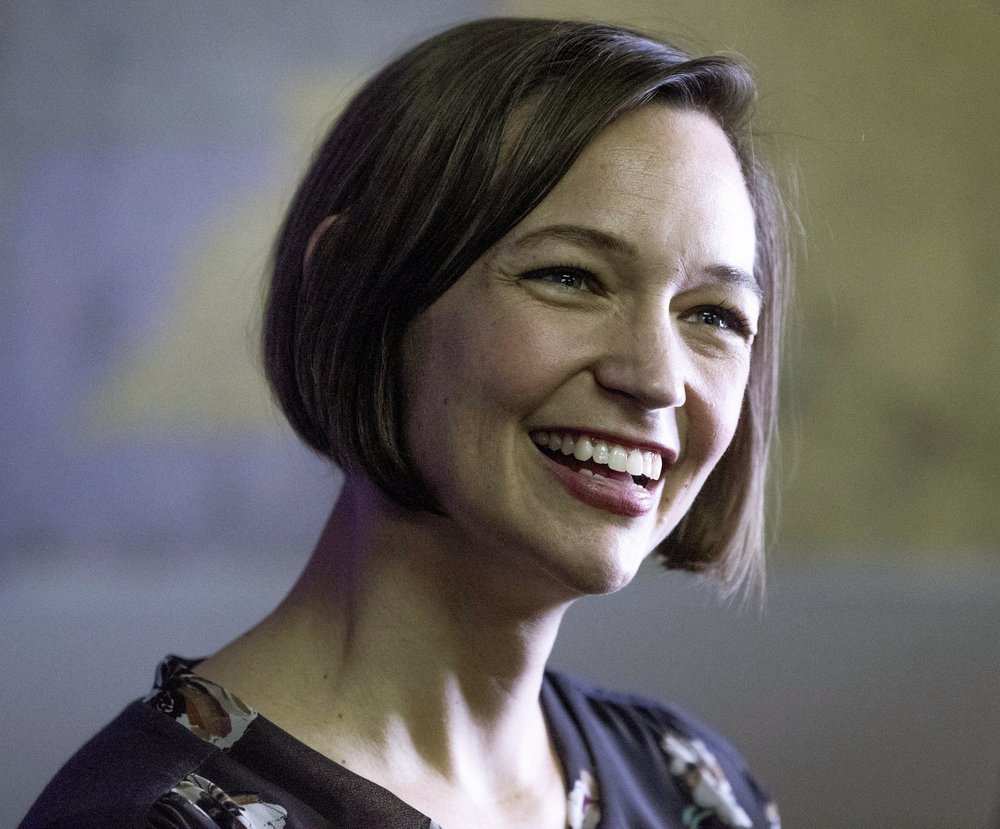
The Alabama Democrat Party has had its share of turmoil in the past several years. Now the most recent event is happening just before this year’s mid-term Election Day. In August, Randy Kelley was elected chair of the Alabama Democratic Party in a victory for longtime powerbroker Joe Reed, who lost a battle over control three years ago. Kelley won with 104 votes out of the 202 cast by members of the state Democratic Executive Committee. Kelley is a former vice-chair of the party but lost the position during the 2019 power struggle when the Democratic National Committee ordered new elections. The change of power is not going as smoothly as planned. Randy Kelly sent out a letter expressing frustration with Vice-Chair Tabitha Isner and her refusal to recognize the results of the election. Isner has been public about her disapproval of the way Kelley is working, or not working. This follows the return of what many call the “old guard” of the party. This ongoing struggle has split the party’s executive committee into two factions. On one side is a reform group whose actions have been approved by the Democratic National Committee. On the other side are members aligned with the former chair, the late Nancy Worley and Joe Reed. Reed loyalists claimed victory winning control of the party with Kelley. Chaos has ensued. Scott Buttram wrote on Twitter, “Just when you thought the Alabama Democrats couldn’t possibly be any more dysfunctional, they rise to the occasion. Watching the @aldemocrats operate is like watching a dead body stab itself.” Even progressive AL.com columnist Kyle Whitmire wrote a column mocking the sad state of affairs. Whitmire wrote, “This is a column about the Alabama Democratic Party not holding Republicans accountable. Nor doing much of anything else. Zilch. Diddly squat.” It is worth noting, that the Alabama Democrat Party, in the 32 days since that story was published, has managed to update its website. We will follow the internal conflict of the party.
Craig Ford wins Gadsden Mayoral race
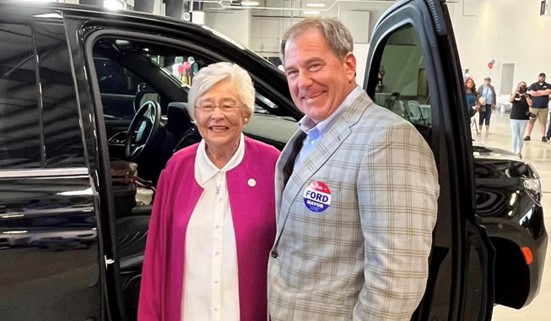
Gadsden voters went to the polls on Tuesday and voted to elect former State Rep. Craig Ford (D-Gadsden) to be their new Mayor. Ford is a native of Gadsden and a small businessman who has served four terms in the Alabama House of Representatives. Ford became the Minority Leader of the Alabama House of Representatives in the aftermath of the Democrats’ loss of control of the Legislature in the 2010 election. Ford was a strong supporter of a lottery while he was in the Legislature and was a vocal critic of then Alabama Democratic Party Chair Nancy Worley and Vice Chair for Minority Affairs Joe Reed. This feud ultimately cost him his role as Minority Leader. Ford owns a small insurance company and is the publisher of the Gadsden Messenger newspaper. Ford’s opponent was former Gadsden Chamber of Commerce President and CEO Heather Brothers New. Ford won with 61.7% of the vote (3,306 votes) to New’s 38.3% (2,053). The victory is a major political comeback for Ford, who lost a race as an independent for State Senate to Republican Andrew Jones in 2018. Ford has campaigned extensively on promises to recruit new industry to Gadsden. Also on Tuesday’s ballot were several city council races. In City Council District 3, Larry J. Avery, Jr. defeated Denecia Ann Getaw 282 to 243. For City Council District 4, incumbent Kent Back narrowly defeated challenger Carrie Machen 723 to 628 In City Council District 5, incumbent Jason Wilson defeated challenger Billy F. Billingsley, Sr. 382 to 222. In the City Council, District 6 race Dixie Minatra defeated Renay Stokes Reeves 263 to 206. And finally, in Gadsden City Council District 7, incumbent Ben Reed was defeated by challenger Chris Robinson 439 to 800. Longtime Gadsden Mayor Sherman Guyton did not seek a fifth term. The Gadsden City Council will meet on Wednesday with a pre-meeting at 10:00 a.m. and a meeting at 11:00 a.m. to certify the election results. These election results were originally published by the Gadsden Times. To connect with the author of this story, or to comment, email brandonmreporter@gmail.com.
Gadsden Mayoral runoff election is today
Voters in Gadsden go to the polls today to elect their new mayor. Former State Representative Craig Ford is running for mayor against former Chamber of Commerce President and CEO Heather Brothers New. Current Mayor Sherman Guyton is retiring after 16 years in the position. The two are in a winner take all election runoff after they received the most votes in the election last month. They faced off in a debate on Thursday. Ford said on his website, “One of my first orders of business is to hire a city planner and work with the city council to set up community-wide meetings to gain community input for the development of a city-wide master plan. I will also collaborate with other Etowah County mayors to ensure we are moving in the same direction. This plan is a plan for tomorrow and will not be easily created nor implemented. It is a plan of big ideas that will take money. It is an item that will have to be in the city budget for implementation to begin.” Among the many items on the list Ford is promising: · Updating and/or creating new policies and procedures to improve efficiency. · Sale city property that is not in use or planned to be used. · Address public transportation needs · Make sure all areas of the city have a uniform look in signage. · Determine the types of industry that best fit Gadsden based on workforce, land and/or building availability, railroad access, interstate and highway access, and quality of life. · Address the loose animal issue. · Revitalization of economically depressed areas of Gadsden · Improvements to Noccalula Falls and growing businesses in that area. · Alabama City considered as a potential arts district around the historic Ritz Theater. · Will work to further develop East Broad Street with retail and restaurants as well as further developing the ballfields at Gadsden State Community College · Continue to support Tuscaloosa Avenue’s Carver Museum and Carver Community Center by bringing back youth baseball and football and prioritizing new lighting for this area will remain a priority. · Riverfront development · Continue to support Downtown Gadsden Ford represented the area in the Alabama Legislature, rising to House Minority Leader before a spat with Alabama Democratic Conference Chairman Joe Reed led him to become an independent. He ran unsuccessfully as an independent for State Senate in 2018. New was the Alabama Chamber Professional of the Year award in 2019. “As chair of the Gadsden City High School’s Career Technical Advisory Committee over the past six years and with three children that all attended and graduated from Gadsden City, I spent considerable time in our schools learning about teachers’ needs and resources to equip our children for the future,” New stated. “As a result, I created a one-day workforce immersion program that takes 400 teachers annual on “behind-the-scenes” tours of local healthcare and manufacturing facilities, as well as career technical programs at Gadsden State Community College so that they would have a personal point of perspective about the careers and earning opportunities in our community. That work at Etowah Chamber required relationships with business and industry, education, and a wide range of volunteers, as well as fundraising from said business and industry, to accomplish. I also created the Excellence in Education Awards Luncheon to recognize the innovative and creative things teachers and partners were executing annually, as well as exceptional students in leadership assisting education or other students.” New promised on her website to: · Fund the Gadsden City School System to ensure quality facilities, top-notch teachers, and rigorous curriculum. · Support Gadsden City Schools in developing curriculum-based early child care programs before age 5. · Encourage and support improved technology and training at Gadsden State Community College. · Fix the trolley routes so that people can get to school and work and back home. · Support free job development programs to get people successfully employed. · Improve city services for all. · Base Tax Abatement Incentives (TAI) on impact studies to there is a rational and objective basis tied to a targeted return on investment. · Overhaul all contracted recruitment and development services (industrial, commercial, airport). · Install transparency in city government. · Align all organizations working on recruitment, retention, growth and development of business, industry, and tourism so their efforts complement each other versus working in a vacuum. · Develop a comprehensive city master plan. · Cooperate with surrounding counties in regional recruitment of desirable business and industry. · Support small business start-ups and entrepreneurs. · Provide essential services, such as road paving, mowing, litter control, and sidewalk maintenance. · Develop our waterways and trails thoughtfully with protection and conservation always in mind. · Adjust operating hours for recycling to better accommodate citizens’ schedules. · Research the feasibility, funding, and cost barriers of curbside recycling. · Develop “sense-of-place” gateways to the most popular destinations within the city. · Invest in the continued revitalization of Downtown Gadsden, extending to the East Broad campus of Gadsden State Community College. · Further develop city-owned sports complexes to recruit tournaments and events to the fullest, while still serving the local community. · Improve and extend riverfront boardwalks and clean and repair city sidewalks. · Remodel Noccalula Falls campground to maximize camping and eliminate sewage issues. · Study the feasibility of an alpine coaster, rock climbing, ropes, and/or zipline course. · Develop additional splash pad parks at Moragne Park and along boardwalks. · Redevelop the amphitheater into a state-of-the-art performing arts facility. · Recruit an outfitter for boat, jet ski, paddleboard and kayak rentals, and riverfront tours. · Put an end to backroom deals and cronyism. · Align with city, county, surrounding municipalities, and surrounding counties. · Protect the Civil Service Board. · Pay civil servants (fire/rescue and police) a competitive wage with bonus pay · Ensure an open-door policy for fire and police departments · Relocate City Hall, with a focus on creating greater ease of access to high-traffic offices. · Implement a technology overhaul · Host and participate in town halls throughout the year, every year. · Make regular visits to district meetings. · Develop and enact a 10-year strategic plan for departments, leadership, and partners. · Focus on returning default city-owned property back to the tax base through private and corporate ownership utilizing the
Steve Flowers: Buck’s Pocket
For decades, losing political candidates in Alabama have been exiled to “Buck’s Pocket.” It is uncertain when or how the colloquialism began, but political insiders have used this terminology for at least 60 years. Alabama author the late Winston Groom, wrote a colorful allegorical novel about Alabama politics in the 1960s and referred to a defeated gubernatorial candidate having to go to Buck’s Pocket. Most observers credit Big Jim Folsom with creating the term. He would refer to the pilgrimage and ultimate arrival of his opponents to the political purgatory reserved for losing gubernatorial candidates. Which brings me to another contention surrounding Buck’s Pocket. Many argue that Buck’s Pocket is reserved for losing candidates in the governor’s race. Others say Buck’s Pocket is the proverbial graveyard for all losing candidates in Alabama. One thing that Winston Groom clarified is that once you are sent to Buck’s Pocket, you eat poke salad for every meal. It is not certain whether Big Jim or Groom began the poke salad myth. Once you are sent to Buck’s Pocket, Groom suggested you were relegated to the rural resting place forever. However, history has proven that a good many defeated Alabama politicians have risen from the grave and left Buck’s Pocket to live another day. Most folks do not know that there really is a Buck’s Pocket. Big Jim was the first gubernatorial aspirant to hail from North Alabama in the twentieth century. He was the first one to campaign extensively in rural North Alabama, often one-on-one on county roads. One day while stumping in the remote Sand Mountain area of Dekalb County, he wound up in an area he referred to as Buck’s Pocket. It was a beautiful and pristine area, but it was sure enough back in the woods. Big Jim, who loved the country and loved country folks, was said to say, “I love the country, but I sure wouldn’t want to be sent to Buck’s Pocket to live.” Buck’s Pocket is no longer a mythical place. If you are traveling up the interstate past Gadsden on the way to Chattanooga, you will see it. There is a Buck’s Pocket State Park in Dekalb County, thanks to Big Jim. So next time you hear an old timer refer to a defeated candidate as going to Buck’s Pocket, you will know what they are talking about. After the primary runoffs, Auburn City Councilman Jay Hovey was declared the winner of the State Senate District 27 race. He won the senate seat by one vote. Folks, the old saying that one vote makes a difference is not just an adage. It is nearly impossible to defeat an incumbent state senator, especially one who has served two terms and amassed an enormous war chest. Jay Hovey was outspent by the incumbent Tom Whatley $1.2 million to $96,000 – an unbelievable more than 12-1 advantage. The district includes Lee, Tallapoosa, and Russell counties. However, most of the votes are in Lee County. Hovey ran like a scalded dog through Auburn and Lee County. Obviously, he and his wife, Anna, are well thought of in Auburn, Opelika, and Lee County. Home folks know you best. He will make a good senator for that important part of the state. Elmore County Circuit Judge Bill Lewis is a bright star on the judicial political horizon. Judge Lewis has been on the bench for six years. His Circuit includes Elmore, Autauga, and Chilton counties. Judge Bill Lewis could wind up on the State Supreme Court one day if he had not plucked earlier for a federal district judge spot by a Republican president. He is 43 and sharp. The state Democratic Party has elected Randy Kelley, a Huntsville minister, as Chairman, and Tabitha Isner, a Montgomery political activist, as Vice-Chairman. They were the choices of the five-decade king of Democratic politics, Joe Reed. The Alabama Republican Party right-wing hierarchy has passed a resolution asking the legislature to have a closed private primary. It is doubtful that the legislature will give credence to the group’s wishes. It would disenfranchise over half of the Republican-leaning voters in the state and shoot the Republican Party in the foot. It would also discriminate against black voters in the state and, if passed, would never withstand Justice Department approval under the Voting Rights Act. See you next week. Steve Flowers is Alabama’s leading political columnist. His weekly column appears in over 60 Alabama newspapers. Steve served 16 years in the state legislature. Steve may be reached at www.steveflowers.us.
Former Sec. of State Nancy Worley hospitalized, ‘gravely ill’
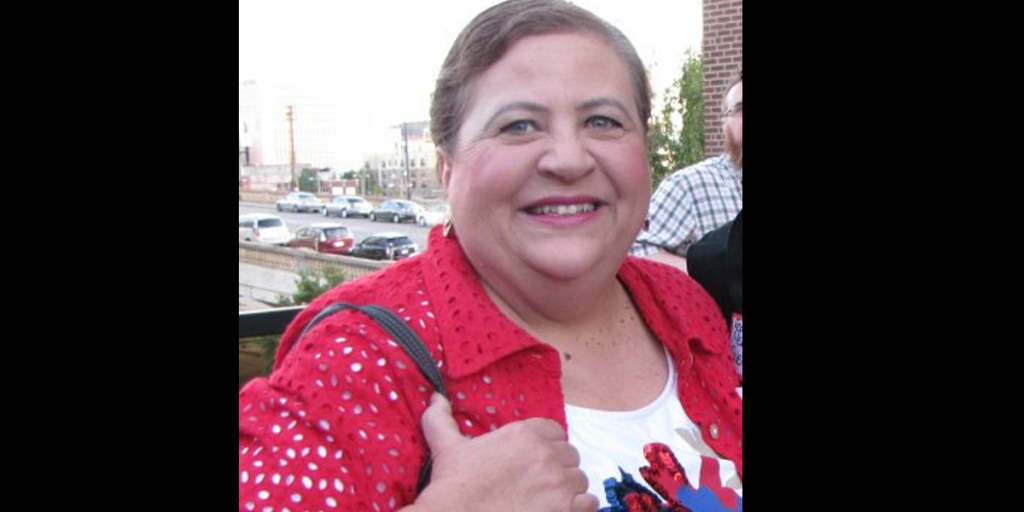
Former Alabama Secretary of State Nancy Worley is being treated for an undisclosed illness and has been admitted to Baptist Medical Center South, WSFA reported. Alabama Democratic Conference (ADC) leader Joe Reed confirmed Worley was “gravely ill” but gave no other details. He sent a letter to the ADC about Worley’s illness and asked for prayers. Worley, 70, served as secretary of state from 2003 to 2007. She lost her re-election in 2006 to Beth Chapman. She went on to serve as chairman of the Alabama Democratic Party from 2013 to 2019. Democratic party chair Chris England stated on Twitter, “We are thinking of Secretary Worley and those close to her tonight. Please join us as we pray for Nancy’s speedy recovery and peace for her friends and family.”
Lawsuit filed in Democratic Party leadership battle
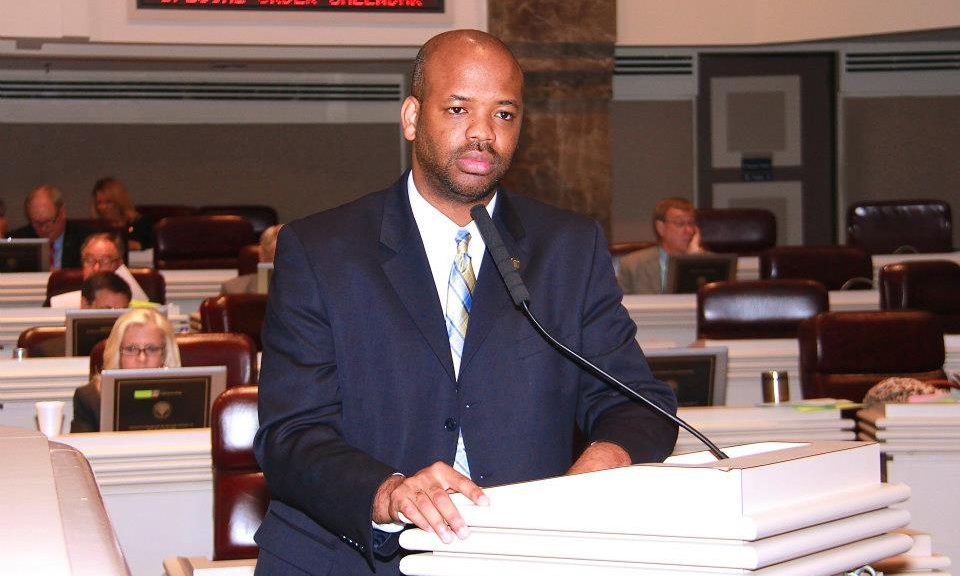
A new federal lawsuit is challenging bylaws changes at the Alabama Democratic Party that led to the installment of new leadership. Joe Reed, chairman of the Alabama Democratic Conference — the state’s oldest Black political organization — announced the lawsuit last week. The lawsuit contends that the changes violated a decades-old consent decree meant to ensure Blacks are represented on the party’s executive committee in numbers that reflect their percentages in the Democratic electorate. The lawsuit contends that the new bylaws which sought to nominate Hispanics, Asians, Native Americans, LGBTQ individuals, and young people diluted the influence of Black committee members. “When whites deserted the Alabama Democratic Party, Blacks embraced it and held it together,” Reed wrote in a letter announcing the lawsuit. Reed said the changes sought to “weaken Blacks’ influence and give control of the party to whites.” The lawsuit filed in federal court is the latest volley in the dispute between battling factions within the state Democratic Party. The bylaws approved in 2019 led to the election of current Chairman Chris England and the removal of Nancy Worley, who was supported by Reed. England is the first Black chairman of the party, Barry Ragsdale, a lawyer who represented Democrats who supported the new bylaws and changes in the party’s leadership, said the lawsuit is, “nothing more than sour grapes by Joe Reed and his shrinking band of loyalists.” “These are the same false and unfounded claims that these same folks raised in 2019 and that were thrown out by the Circuit Court and by the Alabama Supreme Court,” Ragsdale said. Ragsdale noted the changes led to the election of the party’s first Black chairman. Republished with the permission of the Associated Press.
Steve Flowers: We lost some good ones this year
As is my annual ritual, my yearend column pays tribute to Alabama political legends who have passed away during the year. Sonny Cauthen passed away in Montgomery at age 70. He was the ultimate inside man in Alabama politics. Sonny was a lobbyist before lobbying was a business. He kept his cards close to his vest, and you never knew what he was doing. Sonny was the ultimate optimist who knew what needed to be achieved and found like-minded allies with whom to work. When he had something to get done, he bulldozed ahead and achieved his mission. Sonny was a yellow dog Democrat who believed in equal treatment and rewarding hard work. He was an avid outdoorsman and hunter and mentored a good many young men in Montgomery. Another Montgomerian who will never be forgotten was Representative Alvin Holmes, who passed away at 81. Like Sonny, Alvin was born and raised and lived his entire life in his hometown of Montgomery. He, too, was a real Democrat and an icon in Alabama politics. Alvin represented the people of Montgomery for 44-years in the Alabama House of Representatives. He was one of the most dynamic and outspoken legislators in Alabama history, as well as one of the longest-serving members. I had the opportunity to serve with Alvin for close to two decades in the legislature. We shared a common interest in Alabama political history. In fact, Alvin taught history at Alabama State University for a long time. He was always mindful of the needs of his district, as well as black citizens throughout the state. Alvin was one of the first Civil Rights leaders in Montgomery and Alabama. He helped organize the Alabama Democratic Conference and was Joe Reed’s chief lieutenant for years. Ironically, we lost another Civil Rights icon this year. John Lewis was born in rural Pike County in the community of Banks. After graduating from college, John joined the Dr. Martin Luther King as a soldier in the army for Civil Rights. John was beaten by Alabama State Troopers near the Edmund Pettus Bridge on the infamous Bloody Sunday Selma to Montgomery march. He became a Civil Rights legend in America. He was one of Dr. King’s closest allies. John became almost as renowned worldwide as a Civil Rights leader as Dr. King. John moved to Atlanta with Dr. King and was elected to the U.S. Congress from Atlanta and served 33 years with distinction. Even though John was a national celebrity, he would take time out of his busy schedule to drive from Atlanta to rural Pike County to go to church with his mother at her beloved Antioch Baptist Church. John died of pancreatic cancer in July at age 80. Another Alabama political legend, John Dorrill, passed away in January at age 90. Ironically, John Dorrill and John Lewis were both born and raised in rural Pike County near Troy. John Dorrill went to work for the powerful Alabama Farmers Federation shortly after graduating from Auburn. He worked for the Federation for 43 years. For the last 20 years of his career, he oversaw and was the mastermind of their political plans and operations as Executive Director of the Federation. He retired and lived out his final years on his ancestral home place in Pike County. John Dorrill was one of my political mentors and friends. Another Montgomery political icon, former Republican State Senator Larry Dixon, passed away only a few weeks ago from COVID-19 complications at age 78. He served over 20 years in the state legislature. Larry epitomized the conservative Republican, and his voting record was right in line with his Montgomery constituency. He was known as “Montgomery’s State Senator,” but his ultimate legacy may be as a great family man. Larry was a devoted husband to his wife, Gaynell, and father to his two daughters. Larry was a good man. Former Alabama Supreme Court Judge Hugh Maddox recently passed away at age 90. Judge Maddox served 31 years on the Alabama Supreme Court before his retirement in 2001. One of my favorite fellow legislators and friends, Representative Richard Laird of Roanoke, passed away last week from COVID-19. He was 81 and served 36 years in the Alabama House of Representatives. Richard was a great man and very conservative legislator. In addition to Richard Laird, Alvin Holmes, and Larry Dixon, several other veteran Alabama legislators passed away this year, including Ron Johnson, Jack Page, and James Thomas. We lost some good ones this year, who will definitely be missed as we head into 2021. Happy New Year. Steve Flowers is Alabama’s leading political columnist. His weekly column appears in over 60 Alabama newspapers. He served 16 years in the state legislature. Steve may be reached at www.steveflowers.us.
