
Tommy Tuberville, colleagues stand up for agriculture producers
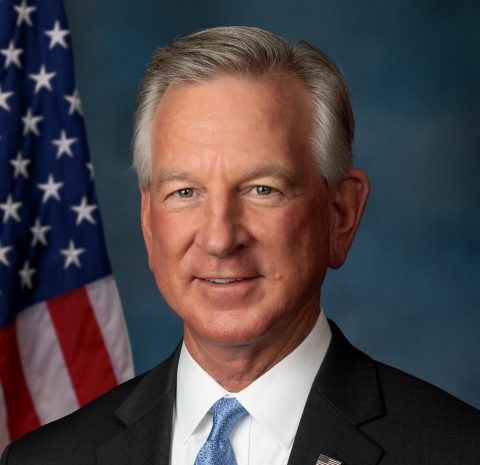
On Monday, Sen. Tommy Tuberville joined 31 colleagues in sending a letter to the Securities and Exchange Commission (SEC) to push back against overreach that would place climate disclosure regulations on farmers, ranchers, and agriculture producers. The senators are concerned about the proposed rule on “Enhanced and Standardization of Climate-Related Disclosures for Investors.” The proposed rule would require publicly-traded companies to include certain climate-related disclosures in their registration statements and periodic reports. The group believes this will impose burdensome greenhouse gas reporting requirements on all entities within a company’s value chain, including farmers and ranchers who fall outside of the SEC’s congressionally-provided authority. “The SEC’s congressionally-mandated mission is to protect investors; foster fair, orderly, and efficient markets; and facilitate capital formation,” the senators wrote. “However, this proposed rule moves well beyond the SEC’s traditional regulatory authority by mandating climate change reporting requirements that will not only regulate publicly traded companies, but will impact every company in the value chain. Should the SEC move forward with this rule, it would be granted unprecedented jurisdiction over America’s farms and ranches, creating an impractical regulatory burden for thousands of businesses outside of the scope of the SEC’s purview, including our nation’s farmers and ranchers,” they continued. Other signers include U.S. Senators John Hoeven (R-ND), Tim Scott (R-SC), Cynthia Lummis (R-WY), Roger Marshall (R-KS), James Risch (R-ID), Mike Crapo (R-ID), Steve Daines (R-MT), Thom Tillis (R-NC), Richard Burr (R-NC), Ted Cruz (R-TX), John Barrasso (R-WY), Bill Hagerty (R-TN), Tom Cotton (R-AR), Rick Scott (R-FL), Chuck Grassley (R-IA), Roger Wicker (R-MS), Deb Fischer (R-NE), Kevin Cramer (R-ND), John Kennedy (R-LA), Bill Cassidy (R-LA), Mike Braun (R-IN), Mike Rounds (R-SD), Joni Ernst (R-IA), James Lankford (R-OK), John Cornyn (R-TX), Jerry Moran (R-KS), Lindsay Graham (R-SC), John Thune (R-SD), Todd Young (R-Ind.), John Boozman (R-AR) and Josh Hawley (R-MO).
Steve Flowers: Senate race down to the wire
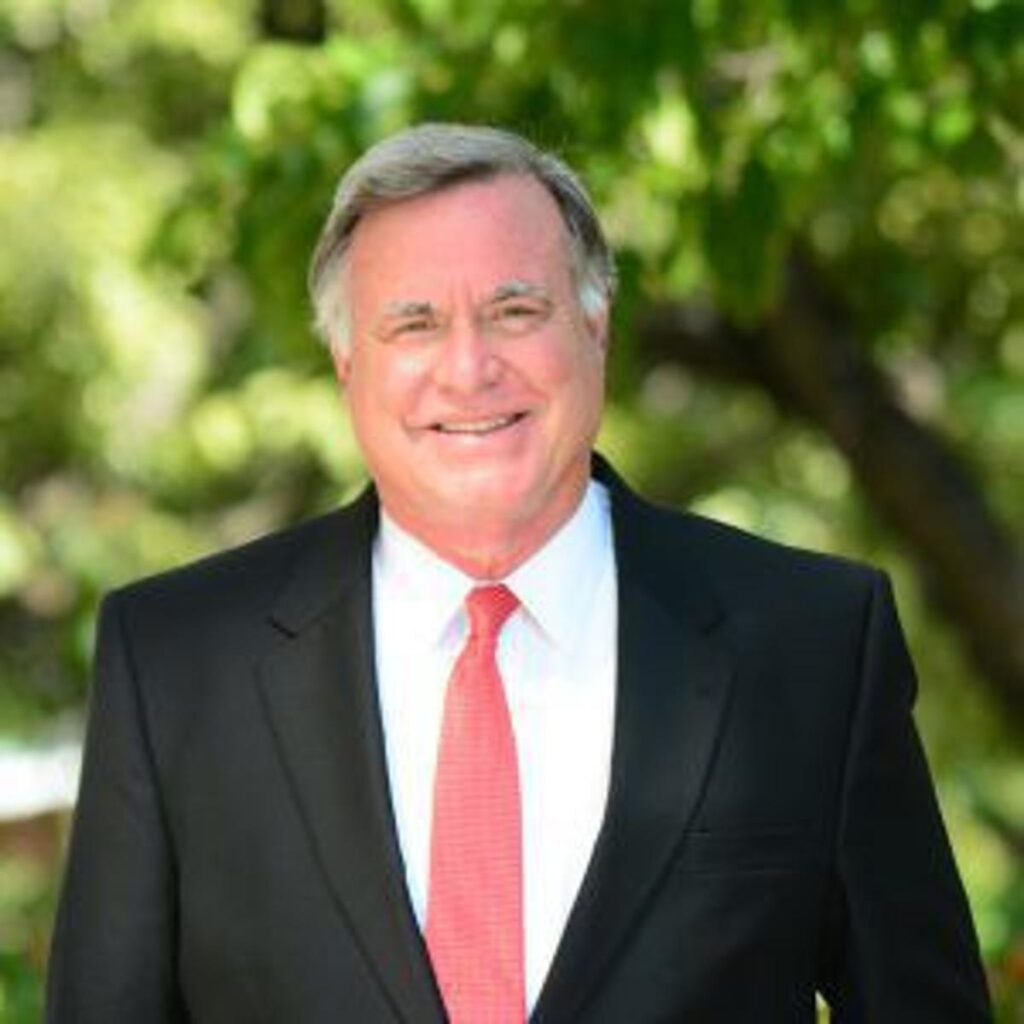
The GOP Primary is less than two weeks away on May 24. It has been an interesting and expensive race to fill the seat of our venerable and powerful senior Senator Richard Shelby. There are three major primary contestants. Katie Britt, Mike Durant, and Mo Brooks are the horses or, as some might say, combatants, given the nature of the prevalence of negative advertising. Two of these three gladiators will be the recipient of the most votes on that momentous day and will face off in a runoff set for six weeks later on June 21. The winner of that June 21 runoff will be our next U.S. Senator. Winning the GOP Primary is tantamount to election for a statewide office in the Heart of Dixie, especially for a U.S. Senate Race. This race will probably wind up being the most expensive race in Alabama political history, especially when you add up the third-party expenditures. In modern-day national politics, a candidate’s individual war chest is not the telling story. We live in a world of third-party political action committees (PACs). These third-party PACs, based out of Washington, have spent more on their preferred candidate than has been spent directly by the candidates’ campaigns. These PACs are not supposed to coordinate with their preferred candidate, but they do. They share all information and polling and script their attack ads based on what they think you want to hear. These innocuous PACs have the meanest hired guns, who relish negative ads and seek to destroy their opposition. Why? Because negative ads work. The other political adage that has never changed is that money is the mother’s milk of politics. These three candidates possess or have received plenty of campaign resources, mostly from out of state. Allow me to summarize the top three U.S. Senate candidates, as well as their benefactors, their positions, and potential. Mo Brooks is backed by the Club for Growth. This group of very rich folks want less government and free trade with China. They and Mo Brooks are made for each other. They have been tied to the hip during Mo’s entire 11-year career in Congress. They want a senator who will have total disregard for their state or district and have total allegiance to their laissez-faire pro-China trade agenda. That is why Mo has voted against the needs of his district and Alabama. He has actually voted against agriculture and military defense spending, which are the mainstays of Alabama. Mo has dropped dramatically in the polls since the race began this time last year. He will now probably finish a distant third. When the race first began, and it looked like Brooks might be a player, the popular, wise, and witty Republican Senator from Louisiana, John Kennedy, quipped, “A senate seat is a terrible thing to waste.” The runoff will probably be a Mike Durant and Katie Britt contest. Mike Durant has been the wild card in this race, who nobody saw coming, but he is a perfect prototype for winning an open U.S. Senate seat, especially in a pro-military state like Alabama. Durant is a war hero, a POW, and started his own military defense business. He has spent some of his own money but has been extensively backed by a national liberal group called the “More Perfect Union PAC.” The founder and major benefactor, Jake Harriman, is striving to elect more moderates, including Democrats and Republicans. This PAC wants “Republicans in Name Only” (RINOs). Therefore, RINO probably is the more accurate description of Durant. Durant is a phantom candidate who has run primarily a media campaign revealing he was shot down as a helicopter pilot over 40 years ago. If the term carpetbagger ever applied in modern-day Alabama politics, it applies to Durant. He has barely campaigned in Alabama, and he probably knows very few Alabamians. He hails from New Hampshire but prefers his palatial home in Colorado. A vote for Durant is like a pig in a poke; you do not know what you will be getting. However, you would be getting a person who decided he wanted to be a United States Senator but does not care what state you put behind his name: New Hampshire, Colorado, or Alabama. With Durant running a slick television-only campaign and not discussing issues, nobody knows where he stands on important issues. The one group that is extremely skeptical and apprehensive of him is the second amendment gun-owning NRA members of our state. Katie Britt is the mainstream conservative, pro-business candidate that understands Alabama and our needs. Most of her campaign contributions have come from Alabamians. In fact, she is the only real Alabamian in the race. Steve Flowers is Alabama’s leading political columnist. His weekly column appears in over 60 Alabama newspapers. He served 16 years in the state legislature. Steve may be reached at www.steveflowers.us.
Lindy Blanchard: Alabama, U.S. are at a crossroads
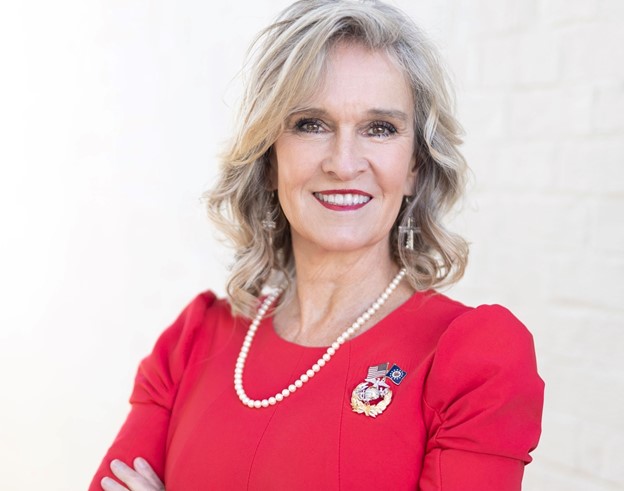
It’s time for a new leader in Alabama — a new leader who does not do things the way they have always been done because they have always been done that way. Our state and our nation are at a crossroads. As we face rising inflation and energy costs, borders wide open, election fraud, and a decided lack of transparency in our election process as seen in 2020, we need the new direction that only an outsider can bring. True leadership takes fearlessness and boldness, two qualities I have demonstrated throughout my life and career that I would take with me into the governor’s office as Alabama’s next governor. We are seeing the importance of fighters around the nation and world right now. There’s no time for empty words or gestures. We need action. We need decisiveness. I was honored to be asked to share my experience as a U.S. ambassador under President Donald Trump at the Conservative Political Action Conference (CPAC) last week. While there, I had the opportunity to meet and speak with conservative leaders from across the nation. Governors like Ron DeSantis are showing us how things can and should be done when running a state. U.S. Senators like Marco Rubio and John Kennedy and U.S. Representatives who are holding the line in D.C. — activists who love our country and value freedom were everywhere. They share our love for this nation and our concern for its future. I was able to share how my experiences as a mother of eight, business owner of 28 years, leader of our family’s foundation for 17 years, and, most recently, as the U.S. ambassador to Slovenia have prepared me for this moment. I know how to roll up my sleeves and work hard. Through our family business and foundation, I learned to focus on what matters most: results. On my CPAC panel, we discussed the need for energy independence to drive down the high prices that we are seeing as a result of liberal policies and tax increases. I know what it will take to ease the burden of these costs for Alabama families, like freezing and rolling back the gas tax to keep money in your pockets. I know what it takes to broker deals with European nations to sell Alabama goods because I’ve done it. As your governor, I have every intention of ripping the rug out from under our state’s dependence on trade with China and Russia. The governor should be the first line of defense from federal overreach. I am prepared to stand up to Joe Biden, China, and those who want to destroy our nation from within. Weakness and complacency are where we are. Showing weakness on a world stage is how our enemies know to act against us and our allies. President Donald Trump didn’t back down from a fight, not from foreign leaders or those within his own party. It’s no coincidence Vladimir Putin waited for Joe Biden to take office before pulling what he is now. He would not have done this under Trump! As an ambassador under President Trump, I worked to strengthen our partnerships with NATO nations while pursuing Trump’s agenda to take the cost burden off the American people and have other nations pay their own way. I brokered a first-of-its-kind banking deal. I returned home from my post to sell defense goods from Redstone Arsenal to European nations. These accomplishments are why President Trump, in a room full of our nation’s most accomplished conservative leaders, activists, and former administration appointees, singled me out and acknowledged my hard work from the stage during his keynote speech saying, “Thank you, Lynda. Good job.” I have worked relentlessly for decades before deciding to run for office myself. I’ve listened to you while on the campaign trail, and I will listen to you when I’m elected as the next governor of this great state. Lindy Blanchard is running for Governor of Alabama. Visit her website for more information: BlanchardforGovernor.com.
Tommy Tuberville continues push to fully reopen U.S. Capitol, Senate to visitors
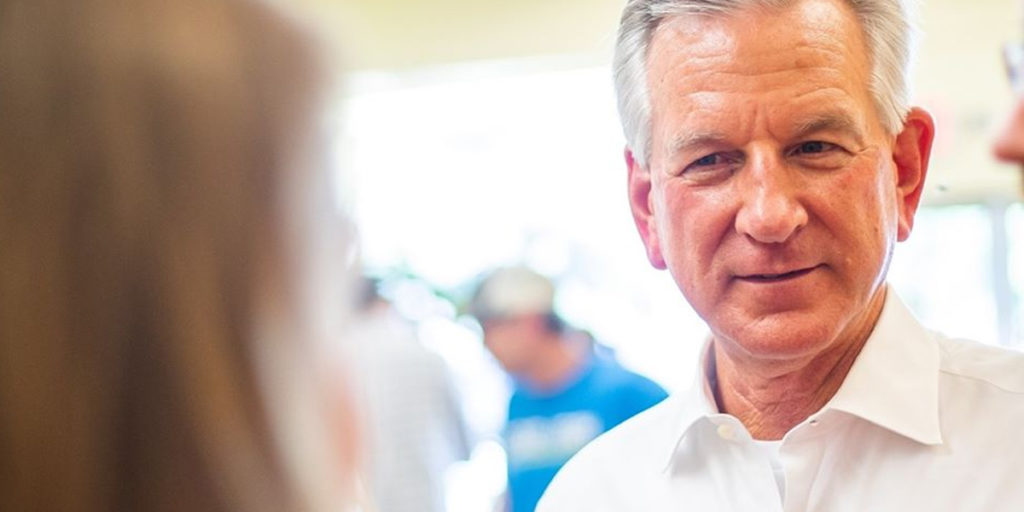
U.S. Senator Tommy Tuberville joined U.S. Senator Bill Hagerty in introducing a resolution supporting the full reopening of the U.S. Capitol and Senate Office Buildings to the American public. Tuberville has been vocal on returning the U.S. Capitol and Senate Office Buildings to pre-COVID visitation policies. The Capitol and Senate office buildings have remained largely closed to the public for nearly two years. This closure has restricted lawmakers’ ability to welcome constituents to their offices and arrange for Capitol tours. The resolution aims to recognize the importance of reopening the U.S. Capitol and Senate office buildings and support returning to the pre-COVID public visitation policies for areas within Senate jurisdiction. Senator Tuberville expressed the need to open the Capitol so that the public can watch the democratic process. “Two years ago, it was reasonable to close public access in the name of public health. But now, it is no longer justifiable to restrict the public’s access to Capitol Hill, and we must accept the reality that we will be living with COVID for the foreseeable future,” Tuberville commented. “It should not be the case that only Members of Congress, their staff, and a few select people be the only ones who can access the Capitol. Americans deserve to visit their country’s beacon of democracy.” Hagerty argued that the Capitol needs to be reopened because the rest of the U.S. has reopened. “It is long past time for the Senate to re-open its doors to those who sent us here to represent them—the American people,” stated Hagerty. “Thanks to Operation Warp Speed, vaccines have been available for over a year for those who want them, and Americans from coast to coast have learned to live their lives safely despite the pandemic. From stores to venues and most workplaces and schools, the rest of the United States has re-opened, and it’s time for the Senate to do the same.” Other senators who support the resolution include Senators John Thune (R-SD), Jerry Moran (R-KS), Marco Rubio (R-FL), Rick Scott (R-FL), James Inhofe (R-OK), James Lankford (R-OK), Mike Braun (R-IN), Thom Tillis (R-NC), Kevin Cramer (R-ND), Roger Wicker (R-MS), Cindy Hyde-Smith (R-MS), John Cornyn (R-TX), Cynthia Lummis (R-WY), Rand Paul (R-KY), John Hoeven (R-ND), Chuck Grassley (R-IA), John Kennedy (R-LA), Josh Hawley (R-MO), Ron Johnson (R-WI), John Boozman (R-AR), Roger Marshall (R-KS), Marsha Blackburn (R-TN), Mike Crapo (R-ID), Jim Risch (R-ID), and John Barrasso (R-WY).
Tommy Tuberville joins legislation to investigate COVID-19 origins
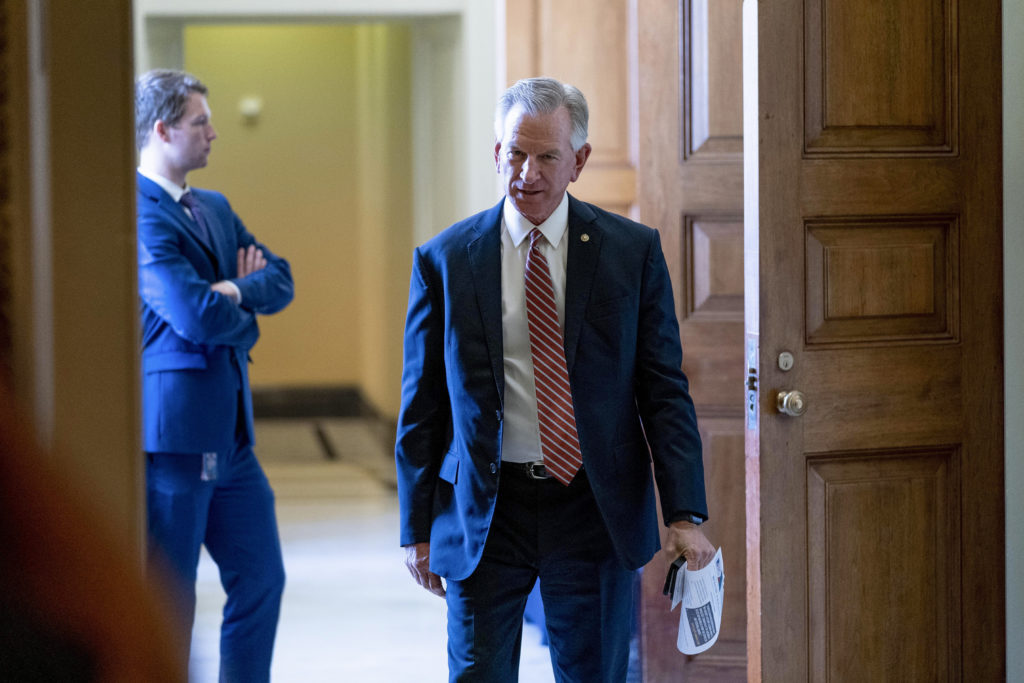
Senator Tommy Tuberville joined Florida senator Marco Rubio and 14 other colleagues to introduce the Coronavirus Origin Validation, Investigation, and Determination (COVID) Act of 2022. This bill aims to press for an international investigation into the origins of COVID-19 at laboratories in Wuhan. If passed, the COVID Act of 2022 would authorize sanctions if the Chinese Communist Party (CCP) fails to allow such an investigation within 90 days of the bill’s enactment. Sen. Tuberville stated, “Since day one, the Chinese government has been anything but transparent and credible as we pushed for answers on the origins of this virus. That must change. This legislation will hold the Chinese Communist Party accountable for the American lives taken by COVID and make it clear that actions will be met with consequences.” According to the bill, the COVID Act would sanction the leadership of the Chinese Academy of Sciences (CAS) and its affiliated institutes and laboratories, including the Wuhan Institute of Virology. It would also suspend federal research funding across all academic fields for studies that involve the CAS. Additionally, the bill would impose a prohibition on gain-of-function virus research cooperation between any individual or institution based in the United States that receives federal funding and any People’s Republic of China-based individual or institution. Rubio stated, “For two years, the Chinese Communist Party (CCP) has stonewalled all efforts to uncover the true origins of COVID-19. We know the virus originated in China, however, the CCP’s attempts to obfuscate the truth has led to countless deaths and needless suffering worldwide. It is clear that Beijing will only respond to concerted pressure from the United States and the international community. My bill will force the CCP to the table.” Other bill sponsors include Senators Tim Scott, John Cornyn, Rick Scott, Kevin Cramer, Roger Marshall, Steve Daines, Chuck Grassley, James Lankford, Ben Sasse, Cindy Hyde-Smith, Mike Braun, Marsha Blackburn, Bill Hagerty, and John Kennedy.
In GOP stronghold, Joe Biden pushes for his infrastructure plan
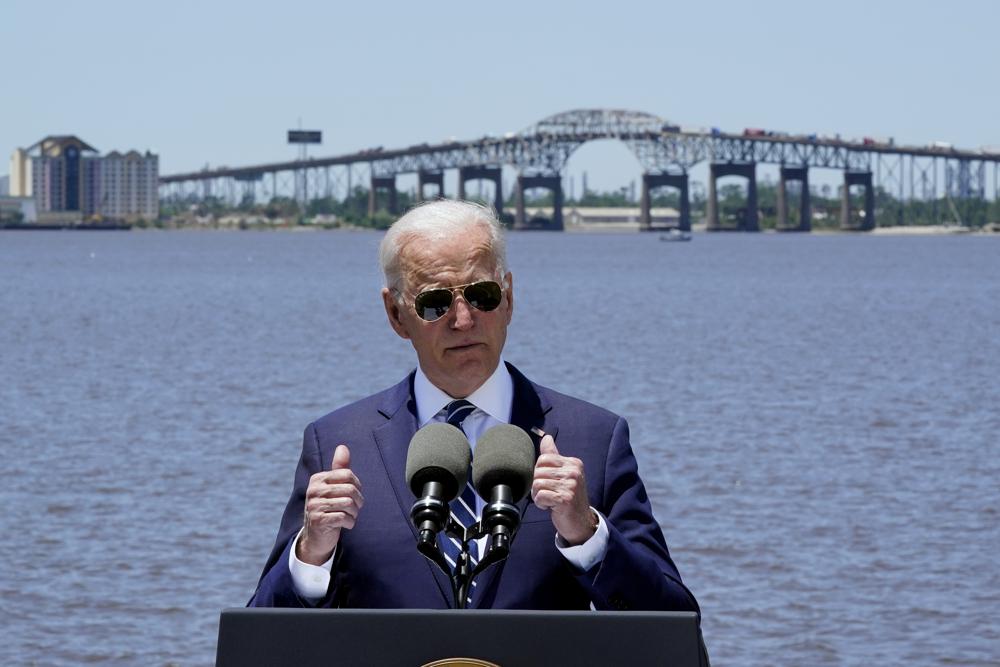
With a badly aging bridge as his backdrop, President Joe Biden stood in reliably Republican Louisiana on Thursday to pressure GOP lawmakers to support his $2.3 trillion infrastructure plan — and yet express a willingness to compromise on the corporate tax hikes he’s recommending to pay the cost. Biden leaned into the stagecraft of the presidency by choosing to speak in the city of Lake Charles, which has been battered by historic storms and is home to a 70-year-old bridge that is two decades past its designed lifespan. Where to find the money for replacements and repairs here and elsewhere? The Democratic president, who wants to raise corporate taxes, challenged Republican dogma that low taxes for corporations and the wealthy fuel economic growth. But he also declared he was willing to make a deal and dared them to do the same. “I’m willing to hear ideas from both sides,” said Biden. ”I’m ready to compromise. What I’m not ready to do is, I’m not ready to do nothing. I’m not ready to have another period where America has another Infrastructure Month, and it doesn’t change a damn thing.” Even as he engages with Republicans in Washington, Biden is trying to sell their voters on the idea that higher corporate taxes can provide $115 billion for roads and bridges and hundreds of billions of dollars more to upgrade America’s electrical grid, make the water system safer, rebuild homes and jump-start the manufacturing of electric vehicles. To drive home the point, he also toured a water plant in New Orleans. He’s proposing to pay for his plan by undoing the 2017 tax cuts signed into law by President Donald Trump and raising the corporate tax rate from 21% to 28%. Biden contends his programs would bolster the middle class and make the country stronger than tax cuts for big companies and CEOs. “You’re entitled to be a millionaire, be a billionaire, just pay your fair share,” said Biden. “I’m not looking to punish anyone. I’m sick and tired of corporate America not doing their fair share.” The White House has found little support from congressional Republicans, none of who voted for the $1.9 trillion COVID-19 bill signed into law in March and who have, so far, uniformly opposed the infrastructure plan. But the West Wing has pointed to polling that suggests the plan is popular with GOP voters and notes that some Republican officials do back it. “I find more support from Republican governors and mayors and Democratic governors and mayors around the country,” Biden said, “because they’ve got to answer the question: Is life better in this town, this city, this state than it was before I got elected?” To emphasize that point, Biden was introduced in Lake Charles, which still has blue tarps where roofs once were and plywood replacing glass in office buildings, by a Democratic governor, John Bel Edwards, and the city’s Republican mayor, Nic Hunter. Hunter outlined his many political differences with the president before focusing on their common ground. “I do believe we can agree on the dire need here in Lake Charles for an infrastructure plan that can build us a new bridge, and I do believe we can agree on the dire need to support disaster relief in Southwest Louisiana,” Hunter said. “Any member of Congress out there listening: Lake Charles needs help right now. And we are asking for it.” Louisiana has a long history of accepting federal money for storm recovery — most notably after Katrina and Rita in 2005. And the Army Corps of Engineers has been a staple in the state managing the Mississippi River levees and drain basins, demonstrating that the conservative lean of voters has been tempered by that established relationship with the federal treasury. Republican lawmakers, however, are firmly sticking with low taxes as a pillar of their ideology and partisan identity. Several GOP senators favor spending $568 billion on infrastructure over five years, a small fraction of what the Democratic president has proposed — a sign of how difficult a deal might be. Senate Minority Leader Mitch McConnell of Kentucky said that Republicans would rather finance infrastructure through user fees such as tolls and gasoline taxes, though he declined to specify which fees he would back. McConnell has also said that “100%” of his focus was “on stopping this new administration,” echoing similarly obstructionist threats he made during President Barack Obama’s term and underscoring the challenge Biden faces in trying to work across the aisle. Biden brushed off that talk, noting that as vice president, he was “able to get a lot done” with McConnell during the Obama era. And after landing in New Orleans ahead of his water plant tour, he spent time on the tarmac talking with Louisiana’s two Republican senators, John Kennedy and Bill Cassidy. But the president’s true audience has been Republican voters, not GOP lawmakers on Capitol Hill. The administration is banking that its message on infrastructure could play in Louisiana, which last backed a Democratic presidential candidate in 1996. Louisiana has been barraged by 30 extreme weather events over the past decade that caused $50 billion worth of damage. Biden is seeking $50 billion to make infrastructure better able to withstand storms, winds, and flooding. Hurricanes battered Lake Charles, a city of 78,000 residents, twice last year over six weeks. Trump, whose administration’s planned “Infrastructure Weeks,” became noted for being anything but had promised to fix the city’s bridge were he to be reelected. Rep. Steve Scalise, the Republican whip who represents portions of Louisiana, derided Biden’s plan as a “budget-busting tax hike spending boondoggle masquerading as an infrastructure bill.” “Raising taxes that will force middle-class jobs overseas is not infrastructure,” Scalise said. “Unionizing health care workers is not infrastructure.” There is general agreement among Democrats and Republicans in Washington about the need for infrastructure spending, but the GOP wants to define the term more narrowly, concentrating on roads, bridges, airports, transit, and broadband rather than renewable energy and
Will Sellers: Remembering the Bay of Pigs and its aftermath
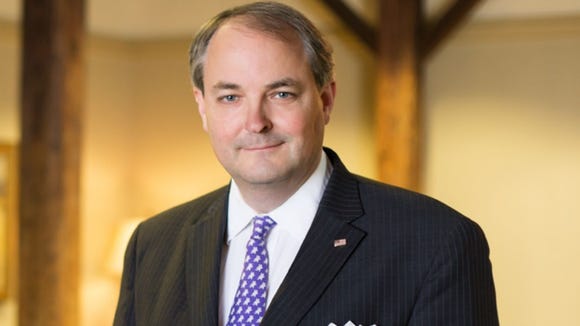
When great powers stump their toe on foreign policy, the initial pain, though slight, often causes loss of focus, a stumble, and sometimes a more serious accident. Sixty years ago, the United States sponsored an unsuccessful invasion of Cuba. The colossal failure ultimately damaged our nation’s reputation, emboldened our enemies, worried our allies, and clouded our vision of proper objectives for foreign relations. President John Kennedy’s inauguration was a cause for much optimism as a young, vibrant breath of fresh air would lead America in a new direction. His inaugural address was an inspiring call to a new nationalism of service to the world at large, and he promised that the United States would do all in its power to protect freedom around the globe. The naivety of his rhetoric was not apparent, however, until he was challenged by an energized Russian bear ready to test the mettle of the young president. At the beginning of the new administration, America had every reason to be hopeful that the world was moving towards greater freedom. The Eisenhower administration had successfully used covert action to change the governments of Iran and Guatemala, some hotspots of the communist insurgency had been stopped, and there was stability in the Philippines and Vietnam. When the torch was passed to the Kennedy administration, the world appeared stable and controllable. During his transition from electoral success to governing, Kennedy reached out to some of the smartest and most capable individuals in business and academia. These whiz kids promoted a theory that the machinery of government was a science, and if the formulas were correct, the results would be both predictable and successful. But, while genius in government is great, practical simplicity is always better. Understanding and assessing people and personalities often primes academic articulation. Within a matter of months, President Kennedy was to learn this the hard way. By failing to understand the difference between ideology and interests in diplomacy, the Kennedy administration embarked on a path that reflected an impractical view of the world as they wanted it to be and failed to appreciate that an effective foreign policy must reflect a national self-interest to deal with the world as it is. Even before the Bay of Pigs, members of Kennedy’s foreign policy team decided on a covert coup to oust Portugal’s Dictator. This plan made little sense. There was no overarching U.S. interest at stake, any local opposition to the regime was minimal, and, to make matters worse, Portugal was a NATO ally. Thankfully, the coup never got off the ground, the covert action was scrapped, and the instigators departed before any real damage was done. But the thought process, or lack thereof, was troubling. And any further ideas about forced regime change should have been put on hold until a comprehensive foreign policy was developed and measured objectives approved. But rather than seriously considering American interests, the excitement of covert action and the thrill of cloak and dagger operations distracted the young administration and set in motion one of the biggest disasters that was as open to ridicule as it was notorious for ineptness. When U.S.-sponsored Cuban exiles landed at the Bay of Pigs, nothing went according to plan. There was no expected popular uprising, and, more importantly, Kennedy had canceled any air support. With limited engagement from the Navy, the landing party hardly got off the beach. The conflict was a total rout, with almost the entire invasion force killed, wounded, or captured. In retrospect, any casual observer would question the need to invade Cuba, our national interest there, and any thoughtful steps to take to achieve our goals short of force. The after-action report was devastating and served as a proof text for Murphy’s law. The Bay of Pigs served as a shakedown cruise for the new administration, and the evaluations of its first 4 months were resoundingly negative. Allowing a small country like Cuba to thwart an American-sponsored coup fueled our enemies to take full advantage of the geniuses who attempted to advance the national policy of a new administration. After the Bay of Pigs, the stature of the United States was substantially reduced in the eyes of the world; perhaps for the first time, we were vulnerable, and our enemies probed and tested our resolve. Indeed, for the rest of his presidency, Kennedy’s foreign policy exploits would be an attempt to overcome this defeat in Cuba. Sensing distraction, our enemies took full advantage of us. In Europe, the Soviets approved building a barrier between East and West Berlin, and when Kennedy signaled that he would take no actions to stop construction, the barrier became the solid, fortress-like wall, which was improved and secured to provocatively divide the people of Berlin. In Southeast Asia, Russia ramped up its support of the Pathet Lao in a proxy war for control of Laos. Nikita Khrushchev rhetorically decimated Kennedy at the Vienna Summit some months later. Atoning for the loss of prestige at the Bay of Pigs, Bobby Kennedy became obsessed with Cuba, diverting resources in any number of attempts to topple the Castro regime. In fact, some of the most preposterous assassination plans cooked up by the CIA were aimed at Castro. Rather than destabilizing Cuba, Kennedy’s singular focus forced Fidel Castro into a strong alliance with Russia, resulting in a Soviet base 90 miles from Florida. The obsession with Cuba led to the Cuban Missile Crisis, which was the closest the world has yet come to a nuclear war. But perhaps the most significant legacy from Kennedy’s bruised ego was his desire to reveal his machismo and show he could draw a line in the sand against communism. The place he chose to show resolve was Vietnam. The Bay of Pigs represented not only a defeat of U.S. interests but a disaster in creating a foreign
Republicans condemn ‘scheme’ to undo election for Donald Trump

The unprecedented Republican effort to overturn the presidential election has been condemned by an outpouring of current and former GOP officials warning the effort to sow doubt in Joe Biden’s win and keep President Donald Trump in office is undermining Americans’ faith in democracy. Trump has enlisted support from a dozen Republican senators and up to 100 House Republicans to challenge the Electoral College vote when Congress convenes in a joint session to confirm President-elect Joe Biden’s 306-232 win. With Biden set to be inaugurated Jan. 20, Trump is intensifying efforts to prevent the traditional transfer of power, ripping the party apart. Despite Trump’s claims of voter fraud, state officials have insisted the elections ran smoothly and there was no evidence of fraud or other problems that would change the outcome. The states have certified their results as fair and valid. Of the more than 50 lawsuits the president and his allies have filed challenging election results, nearly all have been dismissed or dropped. He’s also lost twice at the U.S. Supreme Court. On a call disclosed Sunday, Trump can be heard pressuring Georgia officials to “find” him more votes. But some senior lawmakers, including prominent Republicans, are pushing back. “The 2020 election is over,” said a statement Sunday from a bipartisan group of 10 senators, including Republicans Susan Collins of Maine, Lisa Murkowski of Alaska, Bill Cassidy of Louisiana, and Mitt Romney of Utah. The senators wrote that further attempts to cast doubt on the election are “contrary to the clearly expressed will of the American people and only serve to undermine Americans’ confidence in the already determined election results.” Republican Gov. Larry Hogan of Maryland said, “The scheme by members of Congress to reject the certification of the presidential election makes a mockery of our system and who we are as Americans.” Former House Speaker Paul Ryan, a Republican, said in a statement that “Biden’s victory is entirely legitimate” and that efforts to sow doubt about the election “strike at the foundation of our republic.” Rep. Liz Cheney of Wyoming, the third-ranking House Republican, warned in a memo to colleagues that objections to the Electoral College results “set an exceptionally dangerous precedent.” One of the more outspoken conservatives in Congress, Arkansas Republican Sen. Tom Cotton, said he will not oppose the counting of certified electoral votes on Jan. 6. “I’m grateful for what the president accomplished over the past four years, which is why I campaigned vigorously for his reelection. But objecting to certified electoral votes won’t give him a second term—it will only embolden those Democrats who want to erode further our system of constitutional government.” Cotton said he favors further investigation of any election problems, separate from the counting of the certified Electoral College results. Other prominent former officials also criticized the ongoing attack on election results. In a brief op-ed in The Washington Post, the 10 living former defense secretaries — half who served Republican presidents — said “the time for questioning the results has passed; the time for the formal counting of the electoral college votes, as prescribed in the Constitution and statute, has arrived.” The unusual challenge to the presidential election, on a scale unseen since the aftermath of the Civil War, clouded the opening of the new Congress and is set to consume its first days. The House and Senate will meet Wednesday in a joint session to accept the Electoral College vote, a typically routine process that’s now expected to be a prolonged fight. Trump is refusing to concede, and pressure is mounting on Vice President Mike Pence to ensure victory while presiding in what is typically a ceremonial role over the congressional session. Trump is whipping up crowds for a rally in Washington. The president tweeted Sunday against the election tallies and Republicans not on his side. Biden’s transition spokesman, Mike Gwin, dismissed the senators’ effort as a “stunt” that won’t change the fact that Biden will be sworn in Jan. 20. House Speaker Nancy Pelosi said in a letter to colleagues that while there is “no doubt” of Biden’s victory, their job now “is to convince more of the American people to trust in our democratic system.” The effort in the Senate was being led by Sens. Josh Hawley, R-Mo., and Ted Cruz, R-Texas. Hawley defended his actions in a lengthy email to colleagues, explaining that his Missouri constituents have been “loud and clear” with their belief that Biden’s defeat of Trump was unfair. “It is my responsibility as a senator to raise their concerns,” Hawley wrote late Saturday. Hawley plans to object to the state tally from Pennsylvania. But that state’s Republican senator, Pat Toomey, criticized the attack on Pennsylvania’s election system and said the results that named Biden the winner are valid. Cruz’s coalition of 11 Republican senators vows to reject the Electoral College tallies unless Congress launches a commission to immediately conduct an audit of the election results. They are zeroing in on the states where Trump has raised unfounded claims of voter fraud. Congress is unlikely to agree to their demand. The group, which presented no new evidence of election problems, includes Sens. Ron Johnson of Wisconsin, James Lankford of Oklahoma, Steve Daines of Montana, John Kennedy of Louisiana, Marsha Blackburn of Tennessee, and Mike Braun of Indiana. New senators in the group are Cynthia Lummis of Wyoming, Roger Marshall of Kansas, Bill Hagerty of Tennessee, and Tommy Tuberville of Alabama. The convening of the joint session to count the Electoral College votes has faced objections before. In 2017, several House Democrats challenged Trump’s win but Biden, who presided at the time as the vice president, swiftly dismissed them to assert Trump’s victory. Rarely have the protests approached this level of intensity. The moment is a defining one for the Republican Party in a post-Trump era. Both Hawley and Cruz are potential 2024 presidential contenders, cementing their alignment with Trump’s base of supporters. Others are trying to forge a different path for the GOP. Pence will be carefully watched as he presides over what is expected
More GOP lawmakers enlist in Donald Trump’s effort to undo Joe Biden’s win
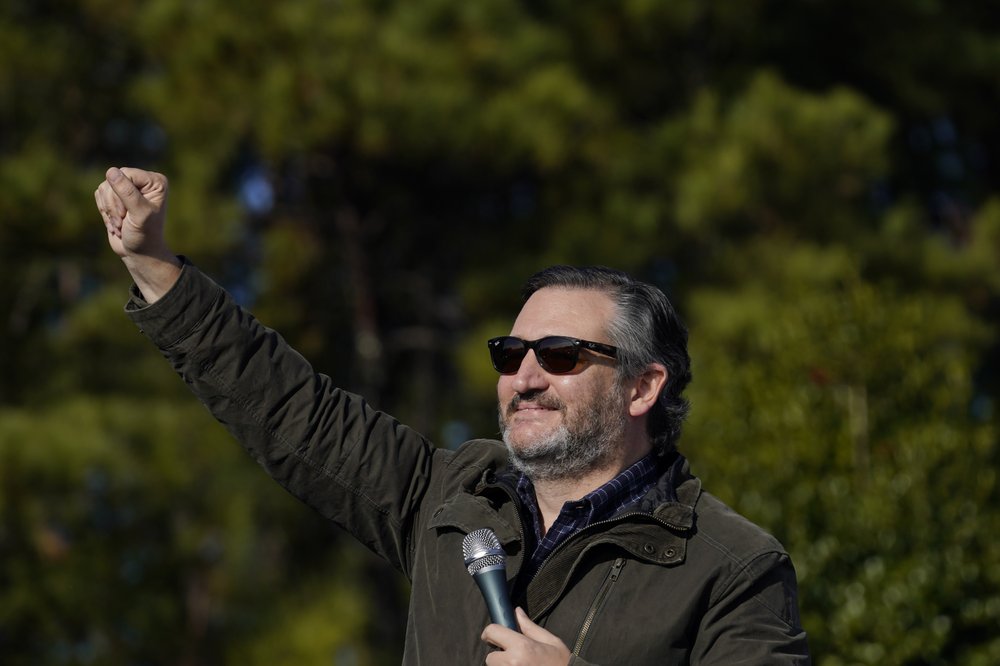
A growing number of Republican lawmakers are joining President Donald Trump’s extraordinary effort to overturn the election, pledging to reject the results when Congress meets next week to count the Electoral College votes and certify President-elect Joe Biden’s win. Sen. Ted Cruz of Texas on Saturday announced a coalition of 11 senators and senators-elect who have been enlisted for Trump’s effort to subvert the will of American voters. This follows the declaration from Sen. Josh Hawley of Missouri, who was the first to buck Senate leadership by saying he would join with House Republicans in objecting to the state tallies during Wednesday’s joint session of Congress. Trump’s refusal to accept his defeat is tearing the party apart as Republicans are forced to make consequential choices that will set the contours of the post-Trump era. Hawley and Cruz are both among potential 2024 presidential contenders. Senate Majority Leader Mitch McConnell had urged his party not to try to overturn what nonpartisan election officials have concluded was a free and fair vote. The 11 senators largely acknowledged Saturday they will not succeed in preventing Biden from being inaugurated on Jan. 20 after he won the Electoral College 306-232. But their challenges, and those from House Republicans, represent the most sweeping effort to undo a presidential election outcome since the Civil War. (Jan. 1) “We do not take this action lightly,” Cruz and the other senators said in a joint statement. They vowed to vote against certain state electors on Wednesday unless Congress appoints an electoral commission to immediately conduct an audit of the election results. They are zeroing in on the states where Trump has raised unfounded claims of voter fraud. Congress is unlikely to agree to their demand. The group, which presented no new evidence of election problems, includes Sens. Ron Johnson of Wisconsin, James Lankford of Oklahoma, Steve Daines of Montana, John Kennedy of Louisiana, Marsha Blackburn of Tennessee and Mike Braun of Indiana, and Sens.-elect Cynthia Lummis of Wyoming, Roger Marshall of Kansas, Bill Hagerty of Tennessee and Tommy Tuberville of Alabama. Trump, the first president to lose a reelection bid in almost 30 years, has attributed his defeat to widespread voter fraud, despite the consensus of nonpartisan election officials and even Trump’s attorney general that there was none. Of the roughly 50 lawsuits the president and his allies have filed challenging election results, nearly all have been dismissed or dropped. He’s also lost twice at the U.S. Supreme Court. The days ahead are expected to do little to change the outcome. “Joe Biden will be inaugurated on January 20th, and no publicity stunt will change that,” said Sen. Amy Klobuchar of Minnesota, the top Democrat on the panel overseeing the Electoral College count. Klobuchar said the Republican effort to create a federal commission “to supersede state certifications” is wrong. “It is undemocratic. It is un-American. And fortunately, it will be unsuccessful. In the end, democracy will prevail,” she said in a statement. The convening of the joint session to count the Electoral College votes is usually routine. While objections have surfaced before — in 2017, several House Democrats challenged Trump’s win — few have approached this level of intensity. On the other side of the Republican divide, several senators spoke out Saturday against Cruz and Hawley’s effort. Sen. Lisa Murkowski of Alaska said in a statement that she will vote to affirm the election and urged colleagues in both parties to join her in “maintaining confidence” in elections “so that we ensure we have the continued trust of the American people.” Sen. Pat Toomey of Pennsylvania said a “fundamental, defining feature of a democratic republic is the right of the people to elect their own leaders.” He said the effort by Hawley, Cruz, and others “to overturn the results of the 2020 presidential election in swing states like Pennsylvania directly undermines this right.” Earlier this week, Sen. Ben Sasse of Nebraska, another possible 2024 contender, urged his colleagues to “reject this dangerous ploy,” which he said threatens the nation’s civic norms. Caught in the middle is Vice President Mike Pence, who faces growing pressure from Trump’s allies over his ceremonial role in presiding over the session Wednesday. His chief of staff, Marc Short, said in a statement Saturday that Pence “welcomes the efforts of members of the House and Senate to use the authority they have under the law to raise objections.” Several Republicans have indicated they are under pressure from constituents back home to show they are fighting for Trump in his baseless campaign to stay in office. Sen. John Thune, the second-ranking Republican, told reporters at the Capitol that leadership was allowing senators to “vote their conscience.” Thune’s remarks as the GOP whip in charge of rounding up votes show that Republican leadership is not putting its muscle behind Trump’s demands, but allowing senators to choose their course. He noted the gravity of questioning the election outcome. “This is an issue that’s incredibly consequential, incredibly rare historically, and very precedent-setting,” he said. “This is a big vote.” Pence will be carefully watched as he presides over what is typically a routine vote count in Congress but is now heading toward a prolonged showdown that could extend into Wednesday night, depending on how many challenges are mounted. A judge in Texas dismissed a lawsuit from Rep. Louie Gohmert, R-Texas, and a group of Arizona electors trying to force Pence to step outside mere ceremony and shape the outcome of the vote. U.S. District Judge Jeremy Kernodle, a Trump appointee, dismissed the suit late Friday. To ward off a dramatic unraveling, McConnell convened a conference call with Republican senators Thursday specifically to address the coming joint session and logistics of tallying the vote, according to several Republicans granted anonymity to discuss the private call. The Republican leader pointedly called on Hawley to answer questions about his challenge to Biden’s victory, according to two of the Republicans. But there was no response because Hawley was a no-show, the Republicans
Steve Flowers: Covid killed the Don
Around Labor Day, when this year’s presidential campaign was beginning to heat up, I wrote a column about the classic 1960 presidential contest between John Kennedy and Richard Nixon. This pivotal presidential race marked the beginning of television as the premier political medium. The first televised presidential debate that year was the turning point of that campaign. Kennedy won the Whitehouse with his performance, or as some would say, Nixon lost by his appearance on TV that fateful night in October of 1960. A lot has changed in the past 60 years; America was a more Ozzie and Harriet, Andy Griffith Mayberry America. There was not a lot of difference, philosophically or ideologically, between a Republican Kansas farmer and a Blue-Collar, Democratic factory worker in Pennsylvania. They both believed in American values of decency and hard work. Even though the Pennsylvanian was a Union man who tended to vote Democratic and was probably a Catholic, and the Kansas farmer voted Republican and was a protestant. They both were Christian conservatives. The country was more homogenous and amicable. This America lent itself to a close presidential contest where 40 states were in play in the Electoral College, and only 10 predetermined. Today it is just the opposite. 10 states are in play, and 40 predetermined. The country is more divided than at any time since the Civil War. You are cemented into either a conservative Republican tribe or a liberal Democratic tribe, and there is no peace pipe to be smoked. There are very few independent voters in the middle. It is these truly undecided swing voters that decide the presidential race. Also, it is even a further defined swing voter who resides in a swing state – primarily the states of Florida, Ohio, Arizona, Pennsylvania, Michigan, Wisconsin, and now Georgia. Both parties got their bases out to the maximum. Democrats hated Donald Trump. Republicans loath Nancy Pelosi and Bernie Sanders. They stoked every fire possible, and the two tribes almost broke about even. Donald J. Trump lost the middle of America swing voter in the key battleground states, and he lost them overwhelmingly. Why? You ask: It is simple, the COVID pandemic. It would have been impossible for any humble, genuinely caring, kind, and compassionate president to overcome a pandemic that has killed over 250,000 people and annihilated the economy. A legendary, revered leader like Franklin Delano Roosevelt or Ronald Reagan would have had a hard time surviving this Communist Chinese invasion of our nation. This Chinese generated epidemic destroyed our economy. It is always about the economy. Trump’s administration was the overseer of the most robust economy in years. He could have possibly won reelection with this rosy economy. However, the March invasion of the Chinese coronavirus derailed the Trump Train. There is an old political adage that says, “If you claim credit for the rain, you got to take blame for the drought. Any presidential election campaign where there is an incumbent president up for reelection is a referendum on that President. Therefore, this presidential race was all about Trump. He would have had to have been an FDR or Reagan to have survived the events of this year. Folks, Trump is no FDR or Reagan. To win a presidency, people have to like you. Very few people genuinely like Donald Trump. All exit polling revealed that even the most ardent Republicans disliked Trump, the man. They were only voting for him because he was a proven true-blue, hardcore conservative. Even evangelical conservatives voted for him knowing his personal and business life was not exemplary of a practicing Christian, but he was the vessel for conservative Supreme Court Justices. However, key swing voters, primarily suburban women, just did not like a brash, irreverent, egocentric, irrational narcissist as their president. They had seen the sideshow on television and Twitter for over three years, and they had had enough. There is another tried and true maxim, “More people vote against someone than for someone.” This played out to the nines on election day. Very few people voted for Joe Biden. They voted against Donald Trump. Steve Flowers is Alabama’s leading political columnist. His weekly column appears in over 60 Alabama newspapers. He served 16 years in the state legislature. Steve may be reached at www.steveflowers.us.
Steve Flowers: Jim Martin father of modern Republican Party in Alabama
Three years ago, Jim Martin passed away in Gadsden at 99 years old. His beloved wife of 60 years, Pat, was by his side. He was a true Christian gentleman. Jim was one of the Fathers of the modern Republican Party in the south. In 1962, John Kennedy was President. Camelot was in full bloom. The Congress was controlled by Democrats only because the south was solidly Democratic. The southern bloc of senators and congressmen were all Democrats. Because of their enormous seniority, they controlled both houses of Congress. The issue of Civil Rights was a tempest set to blow off the Capitol dome. Kennedy was under intense pressure to pass major Civil Rights legislation. However, he was up against a stonewall to get it through the powerful bloc of southern senators. Race was the only issue in the south, especially in Alabama. George Wallace was riding the race issue to the Governor’s office for his first term. The white southern voter was determined to stand firm against integration and was poised to cast their vote for the most ardent segregationists on the ballot. Our Congressional delegation was Democratic, all eight Congressmen, and both Senators. Our tandem of John Sparkman and Lister Hill had a combined 40-years of service. Lister Hill had gone to the U.S. Senate in 1938. He had served four six-year terms and had become a national celebrity in his 24 years in the Senate. He was up for election for his fifth six-year term. It was expected to be a coronation. Senator Hill was reserved, aristocratic, and almost felt as if he was above campaigning. He was also soft on the race issue. He was a progressive who refused race-bait. Out of nowhere a handsome, articulate, young Gadsden businessman, Jim Martin, appeared on the scene. Martin was 42, a decorated World War II officer, who fought with Patton’s 3rd Army in Europe. He entered as a private and became an integral part of Patton’s team, rising to the rank of Major. After the war, Martin went to work for Amoco Oil and married a Miss Alabama – Pat Huddleston from Clanton. They then settled in Gadsden and he bought an oil distributorship and became successful in business. He was a business Republican and became active in the State Chamber of Commerce. When the State Chamber Board went to Washington to visit the Congressional delegation, they were treated rudely by our Democratic delegates, who were still voting their progressive New Deal, pro-union philosophy. Martin left Washington and decided that Alabama at least needed a two-party system and that he would be the sacrificial lamb to take on the venerable Lister Hill as the Republican nominee for the U.S. Senate. Martin got the nomination in a convention and the David vs. Goliath race was on. By late summer the big city newspapers could feel that Martin had some momentum. He was being perceived as the conservative and Hill as the liberal. Every Alabama courthouse was Democratic, all sheriffs, Probate Judges, as well as all statewide elected officials. It was hard to imagine that the tradition of voting Democratic would change, but the winds of segregation were strong. When the votes were counted in November of 1962, Martin had pulled off the biggest upset in the nation. NBC’s team of Chet Huntley and David Brinkley reported the phenomenon on the nightly news. Republican President Dwight Eisenhower called Martin to congratulate him. However, things were happening in rural North Alabama. Martin had won by 6,000 votes but three days later, mysterious boxes appeared with just enough votes to give Hill the belated victory. The entire country and most Alabamians knew that Jim Martin had been counted out. Jim Martin would have been the first Republican Senator from the south in a century. Some people speculate that he would have been the vice-presidential candidate with Richard Nixon in 1968. Regardless, Martin was the John the Baptist of the Southern Republican sweep of 1964, and father of the modern Republican Party in Alabama. That 1962 Senate race was a precursor of what was to come two years later. Jim Martin was one of five Republicans swept into Congress in the 1964 Goldwater landslide. He probably would have won the U.S. Senate seat of John Sparkman in 1966. However, Martin chose to run for governor against Lurleen Wallace. In 1987, Martin became Commissioner of the Alabama Department of Conservation and Natural Resources. As Commissioner, Martin helped create the Forever Wild land preservation program. Jim Martin has a special place in Alabama political history. See you next week. Steve Flowers is Alabama’s leading political columnist. His weekly column appears in over 60 Alabama newspapers. He served 16 years in the state legislature. Steve may be reached at www.steveflowers.us.
Inside the Statehouse: 1960 Presidential race marked beginning of television as premier political medium
“Television is still the medium that drives the vote. It has been rumored and stated as fact that social media has taken over. But, it has not yet.”
