
Florida judge who approved FBI warrant for raid on Mar-a-Lago was assigned to Donald Trump lawsuit against Clintons
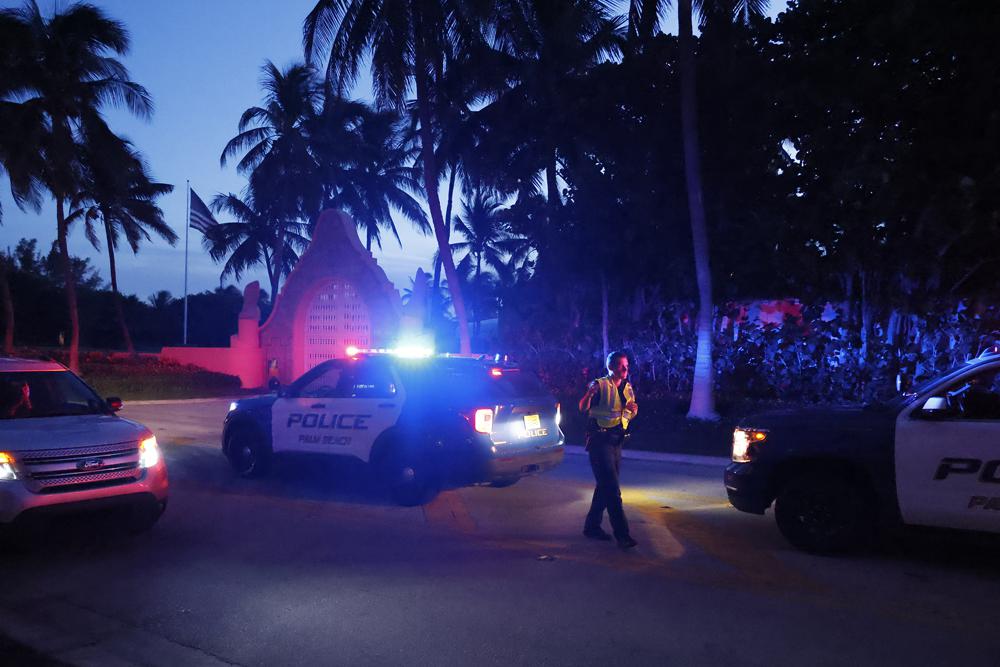
Magistrate Judge Bruce Reinhart, the Florida judge who approved the warrant for the FBI raid of former president Donald Trump’s Mar-a-Lago estate, was formerly assigned to oversee a lawsuit in which Trump sued Hillary Clinton. He also previously represented former convicted sex offender Jeffrey Epstein’s employees in a sex trafficking case. In the case of Trump v. Clinton, Trump sued Hillary Clinton on March 24, 2022. He also sued the Democratic National Committee, Perkins Coie, LLC, Michael Sussmann, Marc Elias, Debbie Wasserman Schultz, Charles Halliday Dolan Jr., Jakes Sullivan, John Podesta, Fusion GPS, Nellie Ohr, Bruce Ohr, Christopher Steele, Igor Danchenko, James Comey, Peter Strzok, Lisa Page, Andrew McCabe, and many others. The lawsuit alleges that Clinton “and her cohorts … maliciously conspired to weave a false narrative that their Republican opponent [Trump] was colluding with a hostile foreign sovereignty.” The scheme included “falsifying evidence, deceiving law enforcement, and exploiting access to highly sensitive data sources,” and was “conceived, coordinated and carried out by top-level officials at the Clinton Campaign and the DNC.” Reinhart was assigned to the case on April 6, 2022, after the previous magistrate judge, Ryon McCabe, was recused. On April 15, Reinhart conducted a scheduling conference in the case, according to court documents obtained by The Center Square. He oversaw scheduling of a June 2 status conference on May 4 and 31 and oversaw the actual conference. Reinhart also signed another order on June 14, setting another status conference for July 6, but by June 22 Reinhart canceled the conference and recused himself. Less than two months later, on Monday, August 9, he signed a warrant for the FBI to raid Trump’s Mar-a-Lago estate over an alleged dispute over White House documents. The search warrant remains under seal, and Trump’s attorney has told news outlets that they don’t know what the probable cause was to justify issuing the warrant, also maintaining Trump’s innocence and that he didn’t commit a crime. Many officials have called for the warrant to be unsealed, including U.S. Sen. Ted Cruz, R-Texas. U.S. Sen. Marco Rubio, R-Florida, has called for a congressional investigation into the raid, also saying the FBI’s tactics were like those of a third-world dictatorship. Rubio said, “the Justice Department under Joe Biden decided to raid … the home of the former president who might … be running against him … This is what happens in places like Nicaragua where last year every single person who ran against Daniel Ortega for president, every single person that put their name on the ballot, was arrested and is still in jail. That’s what you see in places like Nicaragua. We’ve never seen that before in America. You can try and diminish it, but that’s exactly what happened.” Gov. Ron DeSantis said the raid was a “weaponization of federal agencies against the Regime’s political opponents.” The White House has declined to comment on the raid, saying it was not made aware of it before it took place. The document dispute stems from a disagreement over which documents in Trump’s possession are presidential records or not. Under the Presidential Records Act, some records in question should have been transferred to the National Archives in January 2021 when Trump left office, the institution said in a statement at the time. Instead, Reinhart authorized the FBI to execute the search warrant at Mar-a-Lago, which Trump said was “prosecutorial misconduct.” According to a report by the New York Post, Reinhart previously represented several of convicted pedophile Jeffrey Epstein’s employees in a sex trafficking investigation. His ties to Epstein’s employees was first reported on by the Miami Herald, with whom he confirmed that clients were Epstein’s pilots, his scheduler, Sarah Kellen, and a woman Nadia Marcinkova. Reinhart also donated to Barack Obama’s 2008 presidential campaign, according to the Post. Prior to becoming a magistrate judge in 2018, he spent ten years in private practice, according to Bloomberg News. He previously worked as an assistant U.S. attorney for the Southern District of Florida. According to Law.com, the Palm Beach Federal Court removed Reinhart’s contact information from the court’s website Tuesday. Republished with the permission of The Center Square.
Online ‘impersonator’ tried to contact campaigns, DNC says
The fake domain used by the impersonator is registered in Russia, according to the report.
Analysis: Donald Trump remains unpredictable force among U.S. allies
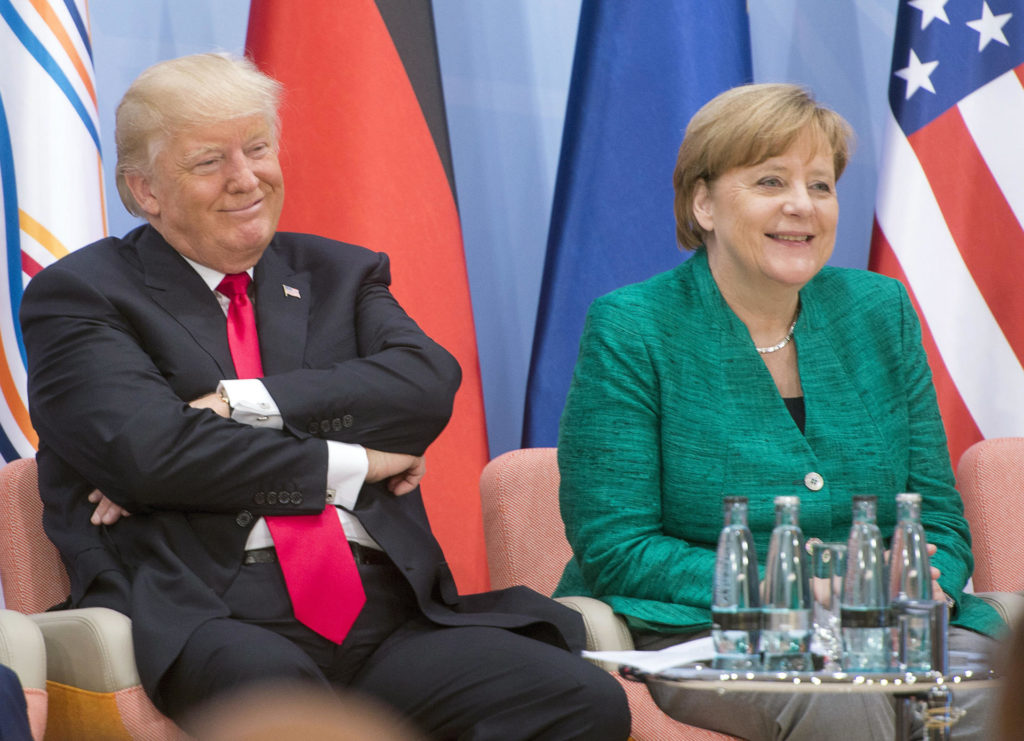
On President Donald Trump’s second trip abroad, there were fewer of the bull-in-a-diplomatic-china-shop moments that had solidified European leaders’ skepticism during his maiden overseas tour. Less public berating of allies, no pushing to the front of photo opportunities. But Trump still departed Europe on Saturday in the same position as he started: an unpredictable force on the world stage and an outlier among longtime American partners. For the president’s backers, his posture is the fulfillment of his campaign promise to bring more opaqueness to American foreign policy and challenge long-standing global agreements, even with the nation’s closest allies. But his detractors say he keeps sending the world dangerously mixed messages. “Our partners and our allies are all looking for meaning and intention in those words and will read into it what they want to, which may or may not be what Trump meant,” said Laura Rosenberger, a former foreign policy adviser to Hillary Clinton and a senior fellow with the German Marshall Fund. Trump’s message on Russia remains the most convoluted, despite his advisers’ efforts to put to rest questions about his views on Moscow’s election meddling. The president refused to publicly give the kind of condemnation that his staff said he delivered to Russian President Vladimir Putin during a private meeting Friday. He let a challenge from Putin, who said Trump accepted his denial of Russian involvement in the 2016 election, go largely unanswered, tweeting Sunday morning that he’d “already given my opinion” on the matter. Trump’s posture toward Putin has left allies both baffled and anxious, particularly against the backdrop of the investigations into whether his campaign coordinated with Russia during last year’s election. But increasingly, it’s Trump’s positions on climate and trade that have catapulted to the top of their list of concerns. The divide over climate was particularly glaring as the Group of 20 summit in Hamburg, Germany, drew to a close. The U.S. was the only member country that did not sign a statement reaffirming the alliance’s support for international efforts to fight global warming. The statement called the Paris climate accord, which Trump withdrew from last month, an “irreversible” global agreement. German Chancellor Angela Merkel said Trump’s refusal to sign on to the statement was “regrettable.” French President Emmanuel Macron, who will host Trump on a quick trip to Paris this week declared: “There are major differences, growing differences between major powers. There is the emergence of authoritarian regimes and even within the Western world there are major divisions, uncertainties, instabilities, that didn’t exist just a few short years ago.” But Trump and his allies appear to relish his volatility and isolation. Nile Gardiner, a foreign-policy analyst for the conservative Heritage Foundation, which has close ties to the Trump White House, praised the president as “the most outspoken and unconventional U.S. president of modern time” and said he is still managing to articulate a “coherent doctrine and vision.” Conservatives in the U.S. were indeed buoyed by Trump’s speech in Warsaw, Poland, which marked perhaps his most comprehensive articulation of how he views America’s role in the world. He praised Polish resilience and called upon Western nations to jointly combat forces that threaten “to erase the bonds of culture, faith and tradition that make us who we are.” The conservative editorial page at The Wall Street Journal called the address “Trump’s defining speech.” Yet even as his Warsaw speech portrayed the world in stark terms, he offered an uneven message on Russia. In a news conference in Poland, the president acknowledged that Russia had interfered in the 2016 election, but he repeated his assertion that “other countries” may have done the same, a reference that appeared to let Putin off the hook. Hours before his meeting with Putin, he tweeted that “everyone” at the G-20 was talking about why John Podesta, a top adviser to Clinton, had “refused to give the DNC server to the FBI and the CIA. Disgraceful!” Intelligence agencies concluded that both the Democratic National Committee and Podesta’s emails were hacked by Russians last year. Trump has argued that Democrats are hyping Russia’s involvement in order to create an excuse for Clinton’s loss. His tweet about Podesta prompted the former top White House aide, who was driving with his wife on a cross-country trip, to respond that the president was a “whack job.” “Dude, get your head in the game. You’re representing the US at the G-20,” Podesta wrote on Twitter. Trump’s advisers hoped to turn the page on the matter following the president’s first meeting with Putin. U.S. Secretary of State Rex Tillerson, the only U.S. official who joined Trump in the meeting, said the president opened the discussion by “raising the concerns of the American people” on Russian interference in the election, describing it as a “very robust and lengthy exchange.” Putin’s takeaway was different. He told reporters Saturday that he believed Trump accepted his denials of Russian meddling, but said it was best to ask the American president himself. White House aides didn’t dispute the account. And the Sunday morning flurry of tweets from Trump did little to clarify. Republished with permission of The Associated Press.
Roger Stone: I’ll beat suit even if jury thinks I’m a devil

Republican strategist Roger Stone said Thursday that jurors may think he’s “the devil” but he still expects to beat a defamation lawsuit accusing him of circulating a mailer calling a political candidate a sexual predator. The civil trial in New York was set to start Thursday but was postponed until at least August. Stone, a longtime Donald Trump adviser who cut his teeth in politics playing tricks on opponents of President Richard Nixon, said he looks forward to testifying — and he also hopes to testify before congressional committees investigating alleged Russian meddling in the 2016 presidential election. He said he wants to testify before the House Intelligence Committee because ranking Democrat Adam Schiff, of California, “maligned” him by accusing him of predicting the hacking of Hillary Clinton campaign manager John Podesta‘s email account. “He slimed me in public, and I’d like to have an opportunity to defend myself in public,” Stone said. The defamation suit accuses Stone and two others of sending a flyer to 150,000 New York households during the state’s 2010 election that called the Libertarian Party candidate for governor, Warren Redlich, a “sick twisted pervert.” Stone predicted Thursday that he would prevail in the end because Redlich has “presented no evidence but a wild conspiracy theory.” He acknowledged, however, that a jury drawn from heavily Democratic Manhattan could present a challenge. “We would obviously attempt to get a balanced jury but it’s Manhattan,” he said. “The pool is 80 percent Democratic. And I recognize that to some Democrats I’m the devil. That’s just the way it goes.” Stone did not appear for trial Wednesday, when it was initially scheduled to start. His lawyer, Benjamin Burge, told the judge Stone was busy complying with a notice from the U.S. Senate intelligence committee asking him to preserve any documents that might be related to its investigation into alleged Russian interference in the presidential election. When both sides appeared Thursday, the judge postponed the trial to give lawyers more time to go over exhibits and prepare their cases. Stone has said he communicated with Guccifer 2.0, the shadowy hacker credited with breaking into the Democratic National Committee’s email servers. But he has denied that he worked with Russian officials to influence the presidential election. He said Thursday that complying with the Senate Intelligence Committee’s notice is time-consuming because he has “multiple email addresses and boxes” but he wants to cooperate with both the Senate and House intelligence committees. Redlich’s lawsuit claims that Stone and his accomplices were responsible for the defamatory flyer. The mailing, which included Redlich’s photo and the header “Sexual Predator Alert,” said: “This man constitutes a public danger.” And it warned: “If you see this man in your neighborhood, CALL THE POLICE!” It purported to come from an organization called People for a Safer New York. At the time, Stone was advising two other candidates for governor: Kristin Davis, a former madam of a prostitution ring, and the Republican nominee, Carl Paladino. Redlich also is suing Paladino and his former campaign manager, Michael Caputo. Redlich, who is representing himself at the trial, and is seeking unspecified damages, charged Wednesday that Stone’s failure to appear was part of a defense strategy to prolong what should be a speedy trial. But Redlich agreed Thursday to postpone the trial, saying the delay would give him more time to prepare. Stone, 64, got his start in politics working for Nixon, where he developed a reputation as someone who specialized in campaign trickery and spreading dirt on opponents. Republished with permission of The Associated Press.
James Comey considered a ‘bad choice’ for FBI post by Hillary Clinton aide
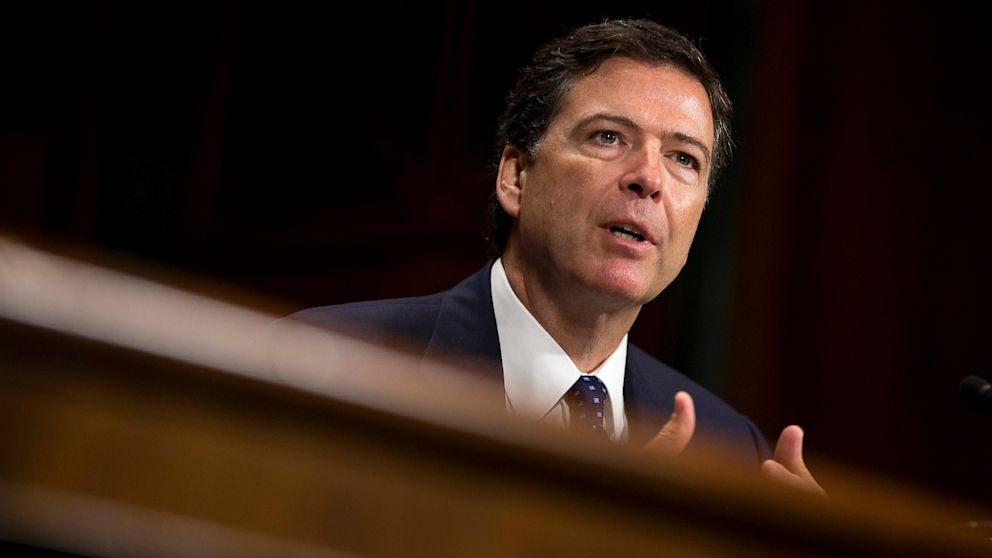
A senior aide to Hillary Clinton privately dismissed FBI Director James Comey as “a bad choice” in October 2015, according to newly released emails from WikiLeaks. The blunt assessment foreshadowed the dramatic tension that has escalated between Comey and the Democratic presidential candidate in the final days before the election. Clinton communications director Jennifer Palmieri forwarded to colleagues a news article in which the FBI director suggested that crime could be rising because police officers were becoming less aggressive as a result of the “Ferguson effect,” anti-police sentiment following unrest earlier that year in Ferguson, Missouri. Comey was widely criticized over the remarks. Palmieri wrote, “Get a big fat ‘I told you so’ on Comey being a bad choice.” She sent the email to Clinton’s campaign chairman, John Podesta, and to the private email address of someone who appeared to be White House spokesman Eric Schultz. Neither responded, and Palmieri did not appear to write further about the subject. Palmieri was the White House director of communications when Comey was appointed FBI director by President Barack Obama in September 2013. The release of the hacked email came days after Comey notified Congress that during an investigation of Clinton aide Huma Abedin‘s now-separated husband, former Rep. Anthony Weiner, FBI agents found indications that a laptop used by Weiner contained some emails related to the FBI’s earlier probe of Clinton’s private computer server and emails. The disclosure roiled the presidential campaign, and last week Palmieri openly criticized Comey about the notification. “By taking this highly unusual, unprecedented action this close to the election, he put himself in the middle of the campaign,” Palmieri said of Comey. Comey had announced in July that he was recommending against criminal charges in the investigation of Clinton’s use of her private server, but the FBI director also delivered blistering criticism that Clinton and her colleagues at the State Department were “extremely careless in their handling of very sensitive, highly classified information.” The Palmieri email was among more than 2,000 messages newly published Thursday by WikiLeaks. The emails were hacked from Podesta’s private account. The U.S. government has said the Russian government was responsible, although WikiLeaks founder Julian Assange said earlier in the day that no government or any other state parties had given the stolen emails to WikiLeaks. He offered no evidence to support his denials, and the wording of his statement did not rule out the possibility that the emails were obtained by a state actor and then provided to another party who then passed them to WikiLeaks. In another hacked email published Thursday, Palmieri told Podesta and longtime Clinton adviser Neera Tanden in June 2011 that it was time to “bust in that house and get Huma the hell out of there.” Palmieri was not explicit in the reference but it appears to have been prompted by the sexting scandal involving Weiner that forced him to resign from his New York congressional seat. Palmieri sent the email, which she titled “time to get in the hazmat suits,” the day before Weiner stepped down after admitting he had sent a sexually suggestive picture of himself to a 21-year-old woman over Twitter. A January 2016 email to Podesta included a message describing a pitch for a music television show involving former president Bill Clinton’s brother, Roger. “Think American Idol meets country music. A panel of judges will pick from the nation’s best undercover stars. Starring Roger Clinton,” said the message, forwarded to a Bill Clinton aide. The idea circulated to Hillary Clinton’s campaign aides, who refrained from commenting. Another email revealed that appearing on the season opener of “Saturday Night Live” took precedence over delivering the keynote dinner address for the annual gala of the Human Rights Campaign, the nation’s largest LGBT rights group – at least in the minds of Clinton’s campaign aides. Lining up an appearance on “SNL” was the Clinton campaign’s top effort for the fall 2015 television season. The campaign’s deputy communications director, Kristina Schake, called a “surprise guest spot” on the comedy series’ Oct. 3 show the “top ask” among television venues. “Talked to the producers,” Schake wrote in an email dated Aug. 6, 2015. “They will write a skit for her and want to confirm asap. Would need to skip the HRC Gala in DC that night, but this opportunity seems more important given the impact it would have.” As it turned out, Clinton managed to deliver a keynote address for the HRC gathering after all – during its Saturday breakfast in Washington. Vice President Joe Biden was the dinner’s keynote speaker. Clinton traveled to New York to appear on “SNL” as hoped, playing a bartender named Val who commiserates with Kate McKinnon‘s Clinton. Other TV shows the campaign sought for Clinton appearances, according to the email: “The Tonight Show Starring Jimmy Fallon,” ”The Late Show with Stephen Colbert, “Jimmy Kimmel Live,” ”Live with Kelly and Michael,” Charlie Rose‘s talk show and “CBS This Morning.” Republished with permission of the Associated Press.
Wikileaks reveals Hillary Clinton’s campaign chairman inquired about Don Siegelman pardon
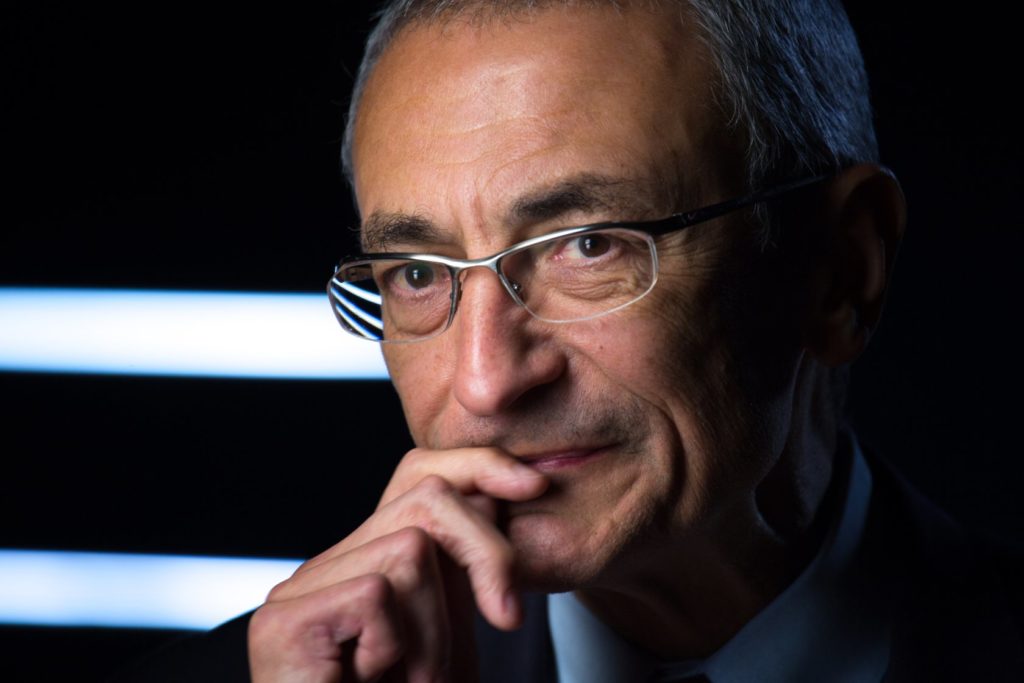
A new round of WikiLeaks documents released Tuesday reveal Hillary Clinton’s campaign chairman John Podesta reached out to White House officials advocating for the release of imprisoned former Alabama Gov. Don Siegelman on multiple occasions. The Democratic Governor of Alabama from 1999 until 2003, Siegelman was convicted by a federal jury for the bribery of federal funds in 2006 on allegations that he sold a seat on a hospital regulatory board to former HealthSouth CEO Richard Scrushy in exchange for $500,000 in donations to his unsuccessful 1999 campaign to get Alabama voters to approve a state lottery. He was also convicted of obstruction of justice. However, advocates for Siegelman believe he was part of a political hit-job concocted by the Bush White House and Karl Rove. According to the series of emails released last month, Podesta first heard about Siegelman in a July 2014 email from professor Robin Metz of Knox College, Podesta’s alma mater. “This whole affair, thanks to Rove and the Bush thugs, is an outrage, a travesty, and a dangerous miscarriage of justice,” Metz wrote. It’s unclear of whether or not Podesta took any action on behalf of Siegelman at the time, but a June 2015 message from Jack Knox, whom, according to the email, Podesta had met while running the promenade along the East River in New York City — prompted him to act. “It would be timely to issue a pardon before the accumulation of evidence of prosecutorial and judicial misconduct explodes under the Obama administration,” wrote Knox. “The grotesque railroading of a Progressive and good man who Rove could not legitimately defeat at the polls is clearly a scandalous black mark in the history of American justice. Better to rectify it before it’s too late.” Podesta then forwarded the email to White House Counsel under President Barack Obama, Neil Eggleston. “This is the random shit that happens to me running in NYC,”Podesta said in the correspondence. “You looking at the Siegelman case.” Then, in January 2016, Podesta received another email from Knox informing him the U.S. Supreme Court refused to hear an appeal from “America #1 political prisoner” Siegelman, making a presidential pardon his last hope to reduce his sentence. Podesta again forwarded the email along to Eggleston, writing, “Putting back on your screen.” Podesta efforts may have been in vain, as Siegelman, now 70, has yet to be pardoned. He has been serving his 6½ year sentence at a Louisiana prison camp since his conviction, and is scheduled to be released in August 2017.
WikiLeaks founder denies Russia behind Clinton campaign email hacking
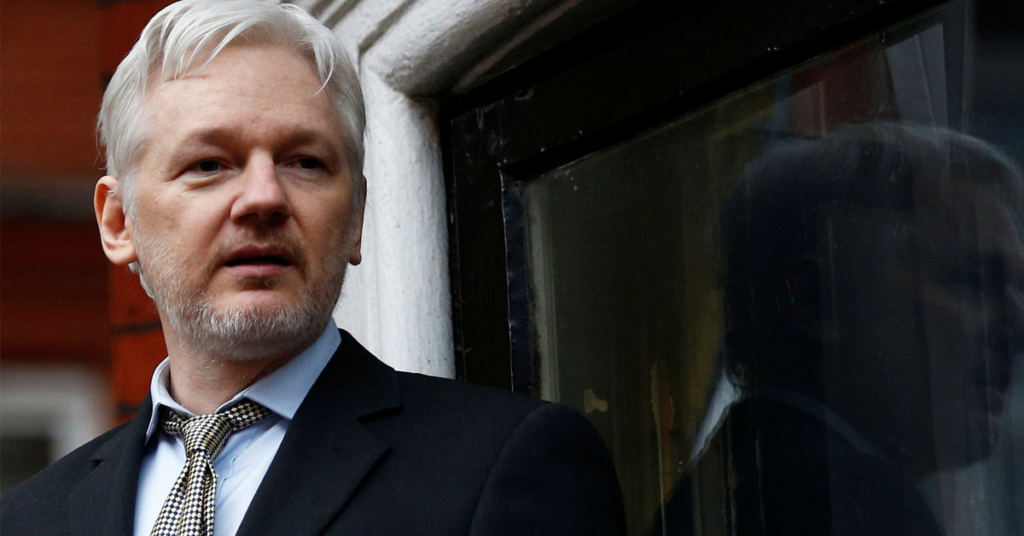
WikiLeaks founder Julian Assange denied Thursday that the Russian government or any other “state parties” were his group’s source for more than 50,000 hacked emails from the files of Hillary Clinton‘s campaign chairman, John Podesta. In separate statements from WikiLeaks and in an interview with a television network supported by the Russian government, Assange dismissed warnings that Russia was the main actor behind cyberintrusions on Podesta and other politically connected individuals and organizations. The WikiLeaks founder offered no evidence to support his denials in the face of U.S. government statements that American intelligence agencies have concluded that Russia was behind the hacking campaigns of Democratic entities in the U.S. Those breaches have raised alarms of potential intrusions on election day. WikiLeaks’ “sources for the Podesta emails currently being published are not state parties,” Assange said in a statement. He also told the RT network that warnings from Clinton and her campaign that Russia was behind the hacking of Podesta’s Gmail account were “false.” “Hillary Clinton has stated multiple times, falsely, that 17 U.S. intelligence agencies had assessed that Russia was the source of our publications,” Assange told the RT network, also known as Russia Today. “That’s false – we can say that the Russian government is not the source.” Russian officials have also denied any role. “Only Russia’s senior-most officials could have authorized these activities,” Director of National Intelligence James Clapper said in October. Clapper did not specifically name Russian President Vladimir Putin or other Russian officials, but U.S. cybersecurity experts concluded that hacking groups affiliated with Russian government and military intelligence services had roles in the breach of the Democratic National Committee. WikiLeaks began releasing nearly 20,000 emails last July hacked from the DNC’s computer system. Some of the emails disparaged Clinton’s rival, Sen. Bernie Sanders, eventually prompting the resignation of then-DNC chair Debbie Wasserman Schultz. U.S. officials and private computer crime specialists blamed that leak on Russian-linked hackers. Assange was granted asylum by Ecuador and lives in its embassy in London. He fled there in 2012 after Sweden pressed a warrant for his arrest on a sexual assault allegation. Media organizations have reported on each new daily WikiLeaks release of Podesta’s emails in recent weeks. Clinton campaign officials have declined to discuss the emails, questioning whether some of the material might be doctored. Thursday’s release of hacked Podesta emails include: In a March 2015 hacked email, Hillary Clinton told her top foreign policy adviser last year that Prime Minister Benjamin Netanyahu of Israel had created “an opening that should be exploited” after Netanyahu was forced to apologize for making remarks about Israeli Arabs that were condemned as racist. Clinton made the comment to adviser Jake Sullivan, who emailed a link to a New York Times story detailing the controversy in Israel over Netanyahu’s remarks and a fight between him and the Obama administration over remarks promising that no Palestinian state would ever be established on his watch. In a hacked email from September 2015, Clinton communications director Jennifer Palmieri told Podesta that Clinton would have to make herself more available to reporters if Vice President Joe Biden entered the presidential race. “But if Biden gets in – we are going to have to make time for her to do more press,” Palmieri wrote. “He will do a ton of it. It is free and he doesn’t have to travel anywhere to do. So I am thinking about a post-Biden press outreach plan, too.” In a hacked email chain from last February, Clinton’s campaign staff discussed whether to respond on the day the nation learned Supreme Court Justice Antonin Scalia had died. “I am having a hard time imagining what she would say,” Palmieri said. “In a day or two it could be appropriate to talk about SCOTUS stakes, but seems off for tonight.” Republished with permission of the Associated Press.
Hillary Clinton pushes back against ‘unprecedented’ new FBI review
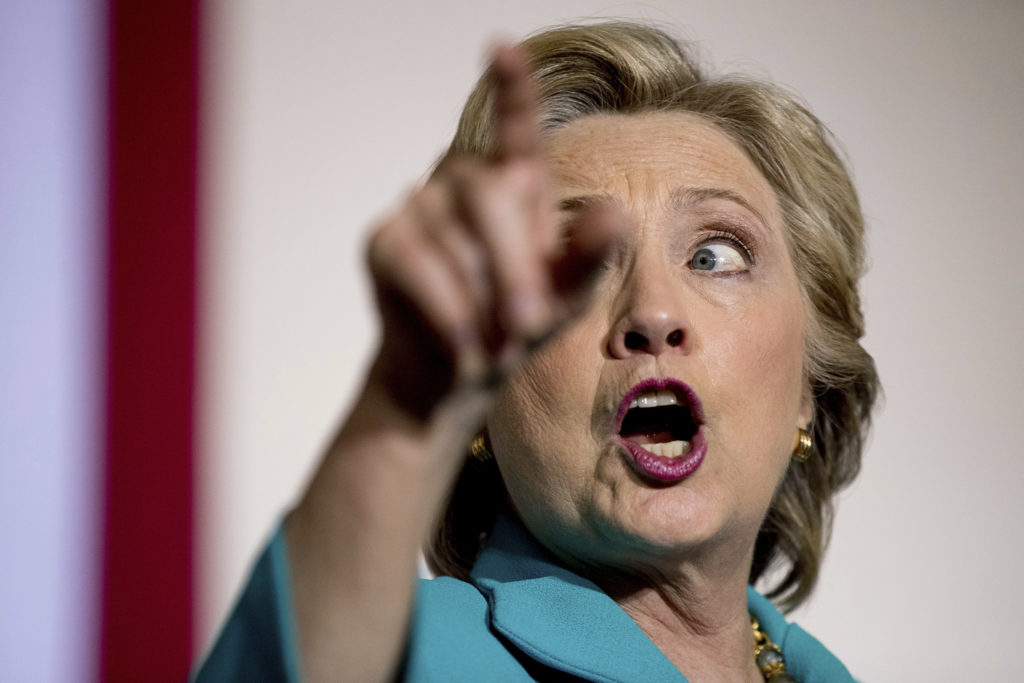
Hillary Clinton lashed out Saturday at the FBI’s handling of a new email review, leading a chorus of Democratic leaders who declared the bureau’s actions just days before the election “unprecedented” and “deeply troubling.” Emboldened Republican rival Donald Trump seized on the reignited email controversy, hoping to raise new doubts about Clinton’s trustworthiness. Rallying supporters in Florida, Clinton pressed FBI Director James Comey to put out the “full and complete facts” about the review into a cache of recently discovered emails. Clinton backers panned Comey’s letter to Congress about the new emails as severely lacking crucial details. “It is pretty strange to put something like that out with such little information right before an election,” Clinton said. She accused Trump of using the issue to confuse and mislead voters in the final leg of the campaign for the Nov. 8 election. The controversy over Clinton’s email practices at the State Department has dogged her for more than a year. The former secretary of state has often been reluctant to weigh in on the matter — and defensive when she’s been pushed to do so. But Clinton’s approach to this latest flare-up is markedly different, underscoring worries that the matter could damage her standing with voters in the election’s final days. Clinton advisers have been rallying Democratic lawmakers and other supporters to her defense, including members of the Congressional Black Caucus. Earlier Saturday, Clinton campaign chairman John Podesta said there was “no evidence of wrongdoing” in the new email review and “no indication this is even about Hillary.” But Comey, who enraged Republicans in the summer when he announced the FBI would not prosecute Clinton for her loose handling of official email, in fact said the new trove appeared to be “pertinent” to the Clinton email investigation. He did not explain how. A government official told The Associated Press on Saturday that the Justice Department had advised the FBI against telling Congress about the new developments in the Clinton investigation because of the potential fallout so close to the election. The official was not authorized to speak publicly about the matter and discussed it on condition of anonymity. Justice officials concluded the letter would be inconsistent with department policy that directs against investigative actions that could be seen as affecting an election or helping a particular candidate, the official said. Landing with a thud, the email issue again threatened to undermine an advantage built by Clinton, the Democratic nominee, over Trump and raised the possibility that the Republican might be able to seize late momentum. Trump told a crowd in Golden, Colorado, on Saturday that the FBI’s review of Clinton email practices raises “everybody’s deepest hope that justice, as last, can be properly delivered.” His crowd cheered Clinton’s email woes, which Trump has taken to calling the biggest political scandal since Watergate. The FBI is looking into whether there was classified information on a device belonging to Anthony Weiner, the disgraced ex-congressman who is separated from longtime Clinton aide Huma Abedin. Comey, in his letter to Congress on Friday, said the FBI had recently come upon new emails while pursuing an unrelated case and was reviewing whether they were classified. A person familiar with the investigation, who lacked authority to discuss the matter publicly and insisted on anonymity, said the device that appears to be at the center of the new review was not a computer Weiner shared with Abedin. As a result, it was not a device searched for work-related emails at the time of the initial investigation. The person said “this is news to (Abedin)” that her emails would be on a computer belonging to her husband. The person added that if the emails included those related to Abedin’s work with Clinton at the State Department, they are expected to be duplicates of what she had already turned over as part of the initial investigation. Trump mused aloud during his rally about whether Clinton was “going to keep Huma,” adding that Abedin has “been a problem.” He hurled insults at Weiner, warning again that the former congressman posed a national security risk because of his access to information through his estranged wife. Abedin, a close Clinton confidant who is a near constant presence in the campaign, was not traveling with Clinton on Saturday. New York Rep. Gregory Meeks suggested the FBI chief might be trying to sway the election and called for him to disclose what he knows. Clinton herself said of Comey: “Put it all out on the table.” Long term, the development all but ensured that, even should Clinton win the White House, she would celebrate a victory under a cloud of investigation. Comey, who was appointed in 2013 to a 10-year term as FBI director, would still be on the job if Clinton wins the White House. Congressional Republicans have already promised years of investigations into Clinton’s private email system. And that’s only one of the email-related episodes facing her in the campaign’s closing days. The tens of thousands of confidential emails from Clinton campaign insiders that were hacked — her campaign blames Russia — and then released by WikiLeaks have provided a steady stream of questions about her policy positions, personnel choices and ties with her husband’s extensive charitable network and post-presidential pursuits. In his letter to congressional leaders Friday, Comey wrote only that new emails have emerged, prompting the agency to “take appropriate investigative steps” to review information that appeared pertinent to its previously closed investigation into Clinton private email system. Clinton’s campaign is hoping the issue will fire up its base of voters who feel the secretary has been unfairly targeted in a litany of investigations, but it could also revive some Clinton fatigue. Given a political gift from the FBI, Trump’s challenge now becomes avoiding any big missteps that might overshadow Clinton’s troubles over the campaign’s final days. If history is a guide, that won’t be easy. Inside Trump’s Colorado rally, his supporters worried whether he could stick to his message
Ex-Bill Clinton aide memo roils wife’s campaign over ethics
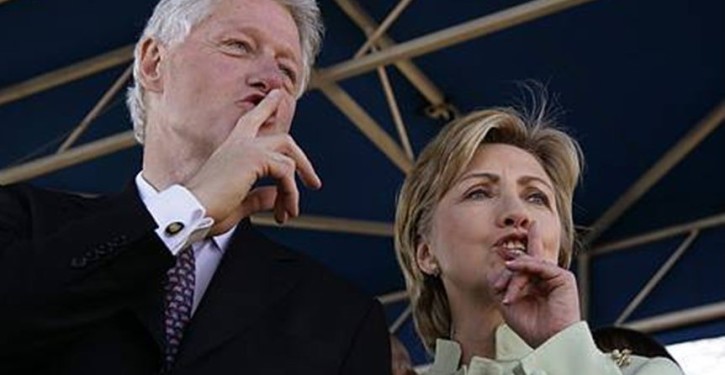
A 2011 confidential memo written by a longtime Bill Clinton aide during Hillary Clinton‘s State Department tenure describes overlap between the former president’s business ventures and fundraising for the family’s charities. The former aide also described free travel and vacations arranged for the Clintons by corporations, reinforcing ethics concerns about the Democratic presidential nominee. The 13-page memo, by Doug Band, detailed the former president’s management of “Bill Clinton Inc.” It was included in hacked emails from the private account of Clinton campaign chairman John Podesta that were released by WikiLeaks. Band described the “unorthodox nature” of how he dealt with Bill Clinton’s dual interests in seeking out speech and consulting ventures around the world while he raised funds for the Clinton Foundation. Republished with permission of the Associated Press.
Hillary Clinton campaign carefully considered staff diversity
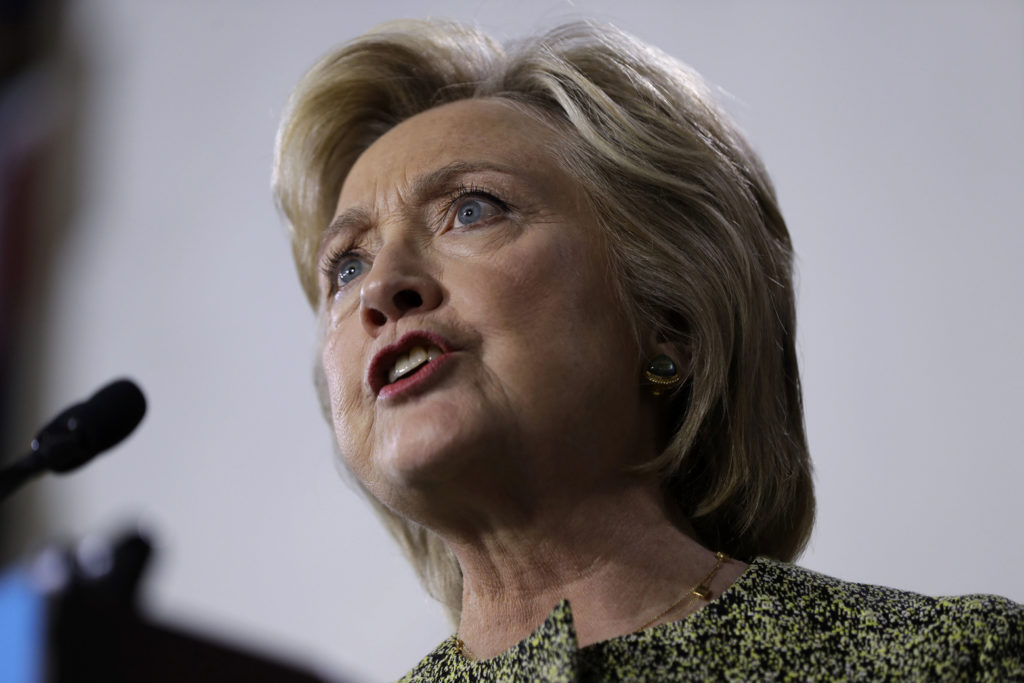
Senior staff members on Hillary Clinton‘s nascent campaign were conscious about diversity in the top ranks two months before the Democratic presidential candidate formally announced her bid, according to hacked emails from the personal account of a top campaign official. In February 2015, Clinton lawyer and chief of staff Cheryl Mills sent a list of potential hires to campaign chairman John Podesta. Among the suggestions was “Political Director-Hispanic Woman.” They eventually hired Amanda Renteria, who is Latina. Mills sends “Robby’s List of the top 10 or so positions,” referring to Clinton campaign manager Robby Mook. The email breaks it down: “four ‘POC,’ or people of color, four women ‘assuming COO is a white woman’ and six white men.” So, the email says, that is “33% diverse, 33% women, 50% white men.” The email was among more than 3,000 released by the anti-secrecy group WikiLeaks on Monday and is just one of the tens of thousands posted over the last two weeks. The notes were stolen from the email account of Podesta as part of a series of high-profile computer hacks of Democratic targets that U.S. intelligence officials say were orchestrated by Russia, with the intent to influence the Nov. 8 election. Russia has denied the allegations. The campaign officials’ focus on diversity came in the same month that Clinton’s advisers circulated data collected from her family’s foundation that found only three of the foundation’s 11 highest paid employees were women – and a Democratic consultant expressed concern about the political fallout from the gender discrepancy. Emails released last week about the Clinton Foundation highlighted a large disparity in the median salaries of the top-paid men and woman working for the organization. According to the emails, the median salary of the highest paid men at the foundation was $346,106, while the median salary of the highest paid women was $185,386 – roughly a $160,000 difference. The numbers came from the foundation’s 990 tax forms for 2013, according to the emails. “There are huge discrepancies, and it wouldn’t surprise me if they (the media) went here next,” Ian Mandel, a Democratic consultant, wrote. At the time of the email exchange on salaries, the foundation was already under fire by Republicans for accepting large donations from foreign governments, including while Clinton was secretary of State. Republicans said the foreign donations created an unacceptable conflict of interest if Clinton were elected president. Clinton has called for legislation that would force businesses to disclose gender pay data to the government. Republicans have blocked the legislation because they say it would expose businesses to lawsuits. Clinton also has said that half of her presidential Cabinet will be women if she wins. Podesta and other Clinton backers warn the emails may have been altered by the hackers, but they haven’t pointed to any such cases. In a statement Monday, the Clinton campaign blamed her opponent, Republican Donald Trump, for not condemning the hack and declining to blame it on Russia. “It is bizarre and disqualifying that he continues to cheer on this attack on our democracy,” said campaign spokesman Glen Caplin. Other topics covered in Monday’s batch of emails: -THE “TRICKY” RELATIONSHIP WITH VICE PRESIDENT In a September 1, 2008, memo Podesta wrote to President-elect Barack Obama while heading Obama’s transition team. The memo was included as an attachment to a later email to Obama staffers. In the memo, Podesta gives advice on choosing a White House chief of staff – a job that would eventually go to Rahm Emanuel – and how that person would need to work with the vice president, which Podesta called “an incredibly tricky aspect of the job.” “While I know Senator (Joe) Biden well, and he is no Dick Cheney, he is still opinionated and there is still plenty of room for conflict between keeping him in the loop and not letting him put his elbow on the scale,” Podesta wrote. -EMAIL FALLOUT On March 3, 2015, as news was first breaking that Clinton maintained a personal email account as secretary of state, Podesta emailed Mook. “Did you have any idea of the depth of this story?” Podesta asked. Six months later, after the Obama administration said it had discovered a chain of emails that Clinton failed to turn over when she provided her work-related correspondence as secretary of state, Podesta appeared worried about Clinton. “How bad is her head?” Podesta wrote communications director Jennifer Palmieri on September 26, 2015. “Don’t know,” Palmieri replied, noting she had tried to get in touch with Clinton but hadn’t heard back. Republished with permission of the Associated Press.
Hacked trove shows Hillary Clinton aides suggesting email jokes
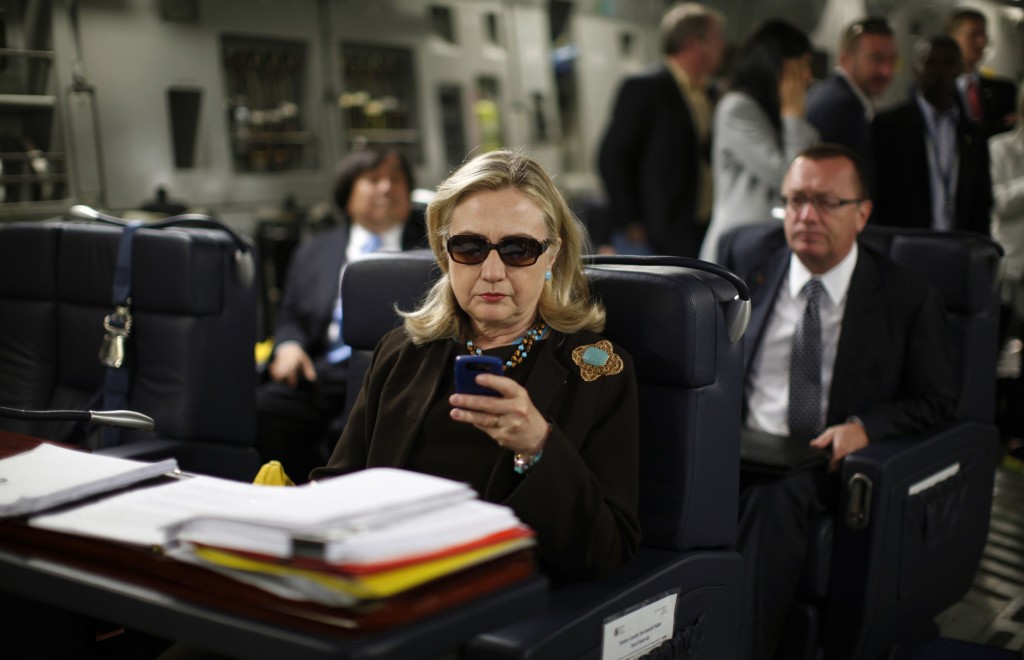
Hacked emails from the personal account of Hillary Clinton‘s top campaign official show her aides considered inserting jokes about her private email server into her speeches at several events – and at least one joke made it into her remarks. “I love it,” she told a dinner in Iowa on August 14, 2015, noting she had opened an online account with Snapchat, which deletes posts automatically. “Those messages disappear all by themselves.” The crack scored a laugh from the audience, but the issue was plenty serious. About a month earlier, news broke of an FBI investigation into whether some of the emails that passed through Clinton’s unsecured server contained classified information. Ultimately, the agency criticized Clinton for being reckless with classified information but declined to prosecute her. But hacked emails of John Podesta, Clinton’s top campaign official, show the Democratic candidate and her team were slow to grasp the seriousness of the controversy, initially believing it might blow over after one weekend. It did not, and became the most recent example of a penchant for secrecy that has fueled questions about Clinton’s trustworthiness, which she has acknowledged has been a political challenge. The joke was included in hacked emails that WikiLeaks began releasing earlier this month, saying they included years of messages from accounts used by Podesta. Podesta warned that messages may have been altered or edited to inflict political damage, but has not pointed to any specifics. Almost from the moment The Associated Press on March 3, 2015, called the campaign for comment on its breaking story that Clinton had been running a private server to five months later, campaign aides sought venues on Clinton’s schedule where she could show some humor over the issue, according to the hacked emails. In a series of emails on March 3, 2015 – the same day The Associated Press called for comment – staffers tossed around the idea of making jokes about the emails at a dinner hosted by EMILY’s List, a political action committee, that evening. “I wanted to float idea of HRC making a joke about the email situation at the EMILY’s List dinner tonight,” Jennifer Palmieri, director of communications for Clinton’s campaign, wrote at 2:37 p.m., using the candidate’s initials. “What do folks think about that?” The idea got a mostly favorable response at first. “I don’t think it’s nuts if we can come up with the right thing. But it could also be nuts,” replied campaign spokesman Nick Merrill a couple of minutes later. “I think it would be good for her to show some humor,” added Kristina Schake, now a deputy communications director. “…More jokes are welcome too.” But political consultant Mandy Grunwald nixed the idea after speaking with Jim Margolis, a media adviser to the campaign. “We don’t know what’s in the emails, so we are nervous about this,” Grunwald wrote to Merrill and Schake at 6:09 p.m. that night. “Might get a big laugh tonight and regret it when content of emails is disclosed.” Clinton’s campaign aides also considered using Virginia Gov. Terry McAuliffe‘s 2015 appearance at the Gridiron Dinner, an annual Washington joke-fest involving journalists and politicians, to try and defuse the email issue. McAuliffe is a longtime confidante and fundraiser for Clinton, and was chairman of her unsuccessful 2008 presidential bid. “Anyway what do we think about using gridiron to puncture the email story a little,” wrote Palmieri, who suggested possible joke topics, including one involving Jeb Bush. Clinton campaign manager Robby Mook expressed concern, saying reinforcing the idea that Clinton and McAuliffe are close “conjures the 90s stuff” – a reference, to Bill Clinton‘s two turbulent terms in office. McAuliffe’s routine at the Gridiron did not ultimately include the discussed email routine. Five months later, Hillary Clinton’s director of speechwriting, Dan Schwerin, shared a draft of a speech for the annual Iowa political event known as the Wing Ding dinner in an email to colleagues, asking for input. “I look forward to your feedback. (Also, if anyone has a funny email/server joke, please send it my way.),” he wrote on August 13. Republished with permission of the Associated Press.
Emails show concern over Bill Clinton’s Wall Street speech
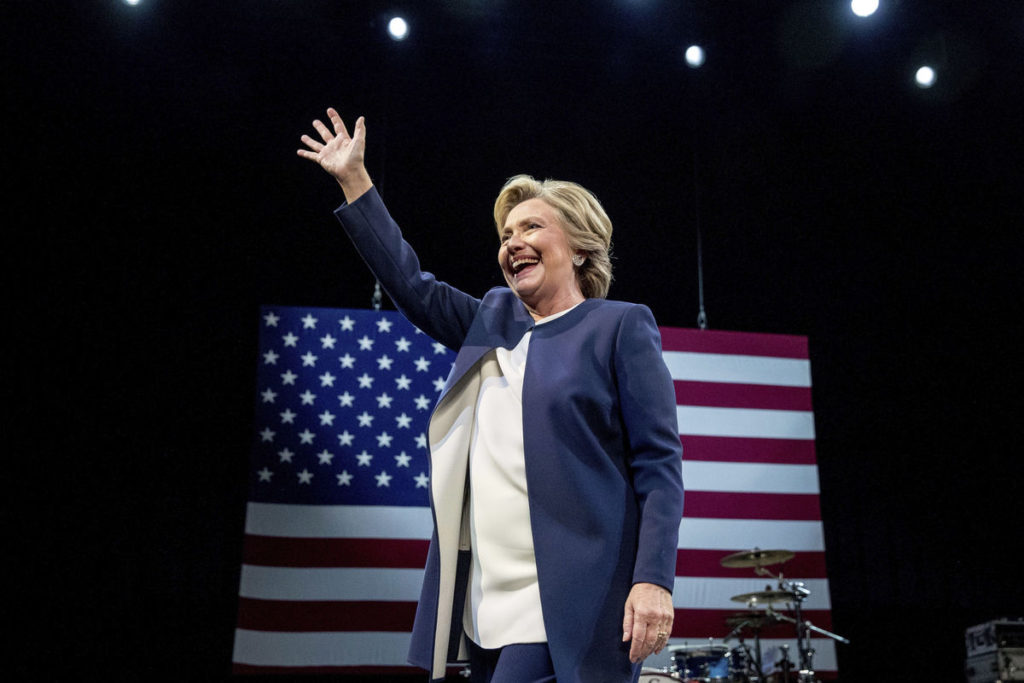
Hillary Clinton‘s campaign asked former President Bill Clinton to cancel a speech to a Wall Street investment firm last year because of concerns that the Clintons might appear to be too cozy with Wall Street just as the former secretary of state was about to announce her White House bid, newly released emails show. Clinton aides say in hacked emails released Friday by the anti-secrecy group WikiLeaks that Hillary Clinton did not want her husband to cancel the speech, but after a “cool down period” was eventually convinced that canceling was the right step. Campaign manager Robby Mook said he realized canceling the lucrative speech would disappoint both Clintons but “it’s a very consequential unforced error and could plague us in stories for months.” The Clintons’ paid speeches have been an issue throughout the campaign, particularly Hillary Clinton’s private speeches to Wall Street firms. Hillary Clinton earned about $1.5 million in speaking fees before launching her presidential campaign, while Bill Clinton reaped more than $5 million from banking, tech and other corporate interests, according to financial documents filed by Hillary Clinton. The campaign has never released transcripts of Hillary Clinton’s speeches, but the hacked emails did reveal excerpts flagged by her advisers as potentially concerning. In the excerpts, Clinton talked about dreaming of “open trade and open borders” in the Western Hemisphere. She also says politicians sometimes need to have “both a public and a private position” on issues. Bill Clinton was scheduled to speak to Morgan Stanley executives in April 2015, a few days after his wife was set to launch her bid for president. “That’s begging for a bad rollout,” Mook wrote in a March 11, 2015, email. In a later email, Mook says he feels “very strongly that doing the speech is a mistake” with serious potential consequences for Hillary Clinton’s campaign. “People would (rightfully) ask how we let it happen.” Hillary Clinton was scheduled to campaign in Iowa, “where caucus-goers have a sharply more negative view of Wall Street than the rest of the electorate,” Mook wrote. “Wall Street ranks first for Iowans among a list of institutions that ‘take advantage of everyday Americans,’ scoring twice as high as the general election electorate. … This is a very big deal in my view.” Clinton’s longtime aide, Huma Abedin, assured Mook the next day that Clinton was fine with canceling the speech, especially if Bill Clinton agreed. The candidate “just needed a cool down period,” Abedin wrote. The emails were among thousands published this week by WikiLeaks, which has been releasing a series of emails hacked from the accounts of Clinton campaign chairman John Podesta. U.S. intelligence officials last week blamed the Russian government for a series of breaches intended to influence the presidential election. The Russians deny involvement. Podesta’s hacked messages offer insight into the various strategies and responses considered by those close to Clinton as they grappled with pitfalls in her bid for the Democratic presidential nomination, including the 2009 decision to use a private email server while serving as secretary of state. In a separate email, Clinton aides discussed how to explain her 2001 support for an overhaul of the nation’s bankruptcy system. Sanders was citing past criticism by Sen. Elizabeth Warren, D-Mass., as evidence of Clinton’s favoritism to Wall Street. Clinton defended the vote in a TV interview earlier this year, saying she pursued language to ensure women received child support if a spouse went into bankruptcy. In a Feb. 7 email, adviser Ann O’Leary noted that Clinton had overstated her case: “She said women groups were all pressuring her to vote for it. Evidence does not support that statement.” Clinton spokeswoman Jennifer Palmieri said Friday that the campaign has taken unspecified precautions to secure its emails. Asked whether officials were considering releasing all of Podesta’s emails at once, Palmieri said, “That is what the Russians would like us to do and we are not going to do that.” Emails released Friday also show that Clinton’s daughter, Chelsea, used a second alias to communicate with her mother’s campaign: Anna James. Chelsea Clinton also used the alias Diane Reynolds, according to emails previously made public. Republished with permission of the Associated Press.
