
Lawmakers seek Puerto Rico exemption to law that slowed aid
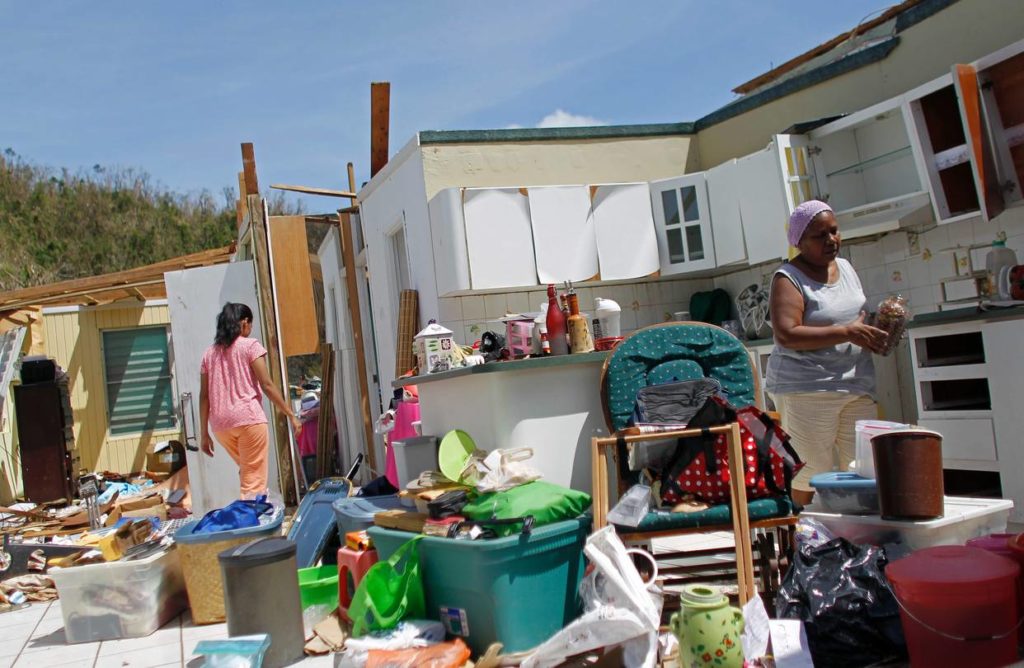
Republicans and Democrats in Congress are pushing to exempt Puerto Rico from a federal law that prohibits foreign-flagged ships from shuttling goods between U.S. ports. President Donald Trump temporarily waived the Jones Act last month amid criticism that the once-obscure law hindered relief efforts to in Puerto Rico following Hurricane Maria. The 10-day waiver expired on Sunday night and was not renewed. A spokesman for the Department of Homeland Security said an extension was not needed to support relief efforts on the island, adding that there’s “an ample supply” of U.S.-flagged vessels to ensure cargo reaches Puerto Rico. Sen. John McCain, R-Ariz., said Monday that the expiration of the Jones Act waiver added renewed urgency to his push to permanently exempt Puerto Rico from what he called an “archaic and burdensome law.” “Until we provide Puerto Rico with long-term relief, the Jones Act will continue to hinder much-needed efforts to help the people of Puerto Rico recover and rebuild from Hurricane Maria,” he said. Rep. Nydia Velázquez, D-N.Y., said the temporary waiver should be extended for at least a year while Congress debates a permanent exemption for Puerto Rico. “Significant numbers of Puerto Ricans remain displaced and still lack food, drinking water and electricity,” she wrote in a letter to Trump. “If the Jones Act is reinstated, building supplies will cost significantly more in Puerto Rico, compared to costs on the mainland. This will serve only to slow Puerto Rico’s long-term recovery.” The Trump administration initially said a waiver was not needed because there were enough U.S.-flagged ships available to ferry goods to Puerto Rico. Delays in getting relief supplies to Puerto Rico occurred because of bottlenecks that resulted from the island’s damaged ports and blocked roads, not a lack of ships, officials said. Even so, Trump waived Jones Act restrictions on Sept. 28, just as he had done to help ease fuel shortages in the Southeast following hurricanes Harvey and Irma. Rep. Pramila Jayapal, D-Wash., called the Jones Act “incredibly important to our country’s economy and to the maritime industry,” which she said supports nearly 500,000 jobs and is responsible for more than $92 billion in annual gross economic output. In Washington state, the Jones Act supports more than 16,000, mostly unionized jobs, Jayapal said. “Without these jobs, our economy would suffer tremendously,” she said. “To be clear, everywhere in the country where we have Jones Act jobs, they are better jobs, better wages and a better future for our Americans across the country,” Jayapal said last week in a speech on the House floor. Republished with permission from the Associated Press.
Gary Palmer introduces bipartisan Puerto Rico Humanitarian Relief Act
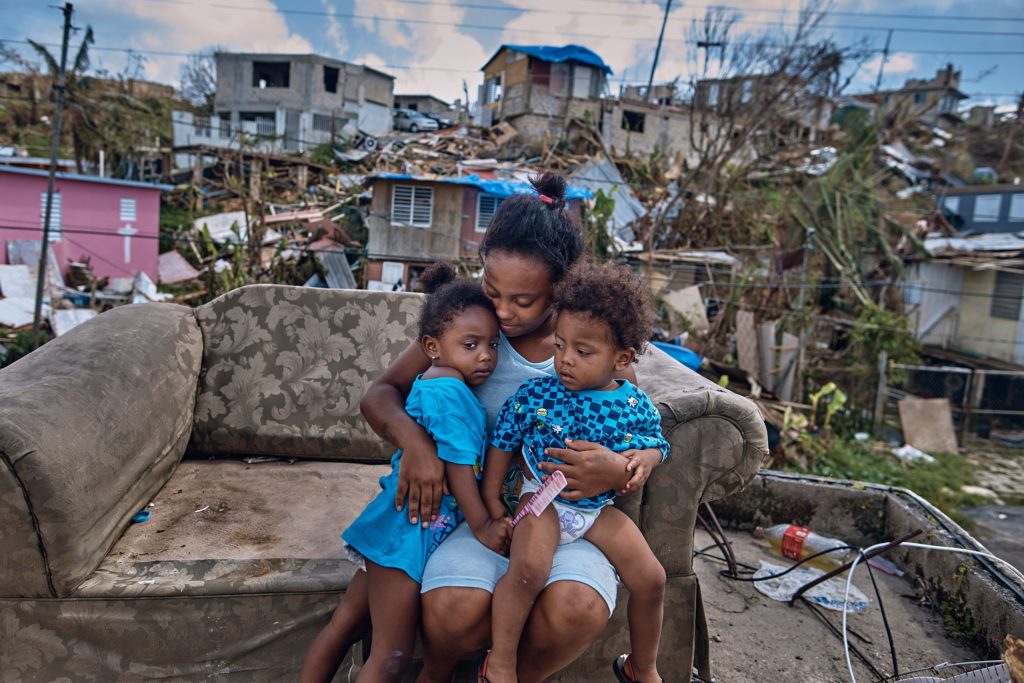
In the wake of Hurricane Maria’s devastation — knocking out power, most of its water, and leaving residents waiting for fuel — Puerto Rico Gov. Ricardo A. Rosselló said the U.S. territory was on the brink of a “humanitarian crisis” and called on Congress to help the island recover. “Puerto Rico, which is part of the United States, can turn into a humanitarian crisis,” Rosselló said. “To avoid that, recognize that we Puerto Ricans are American citizens; when we speak of a catastrophe, everyone must be treated equally.” On Thursday, Republican and Alabama 6th District U.S. Rep. Gary Palmer along with his Democratic colleague, New York 7th District U.S. Rep. Nydia Velázquez, answered Rosselló’s plea for help and introduced H.R. 3966: the Puerto Rico Humanitarian Relief Act. The bill provides a five year moratorium of an obscure shipping law — the Merchant Marine Act of 1920, more commonly known as the Jones Act. The century-old law requires any goods shipped to Puerto Rico from a U.S. port be carried in a U.S. owned, U.S. crewed, U.S. built, and U.S. flagged vessel. According to a 2010 study at the University of Puerto Rico, Puerto Rico loses $537 million every year due to the Jones Act, a devastating figure for a country which essentially declared bankruptcy earlier this year. The Puerto Rico Humanitarian Relief Act would provide relief from this burdensome regulation and allow Puerto Rico the opportunity to rebuild their island without added costs and delays caused by the requirements of the Jones Act. “The Congress has the responsibility to act when enacted laws prove to be burdensome. This is especially true in a humanitarian crisis,” said Palmer. “Our bill provides Puerto Ricans with extended relief from the Jones Act to help them put their lives back together as they rebuild their homes, their communities and their infrastructure. The cost of goods in Puerto Rico is already substantially higher due to Jones Act related shipping costs, and, especially in a humanitarian crisis, every penny counts.” According to a report from the Federal Reserve Bank of New York, it costs $3,063 to ship a twenty-foot container from the East Coast of the United States to Puerto Rico and $1,504 to ship the same container to the nearby Dominican Republic—a destination not subject to the Jones Act. Higher shipping costs could significantly delay efforts to rebuild its economy and rebuild the communities devastated by Hurricane Maria. Velázquez echoed Palmer’s sentiments. “Puerto Rico has a long, difficult road ahead of it and the Jones Act will serve only to impede its physical and economic recovery,”Velázquez explained. As the Island struggles to rebuild, it should not be saddled with the burden of paying significantly more for construction materials and other goods, compared to the mainland.” Velázquez continued, “Moreover, a long term waiver of the Jones Act will stimulate economic activity. I have already called on the President to, at minimum, exempt Puerto Rico from the Jones Act for at least one year and I’m proud to co-author this bipartisan measure seeking a five-year waiver. Importantly, this bill also requires a full study of the Jones Act’s economic impact, so we have the empirical data to end this debate once and for all.”
