
Joe Biden chooses an all-female senior White House press team
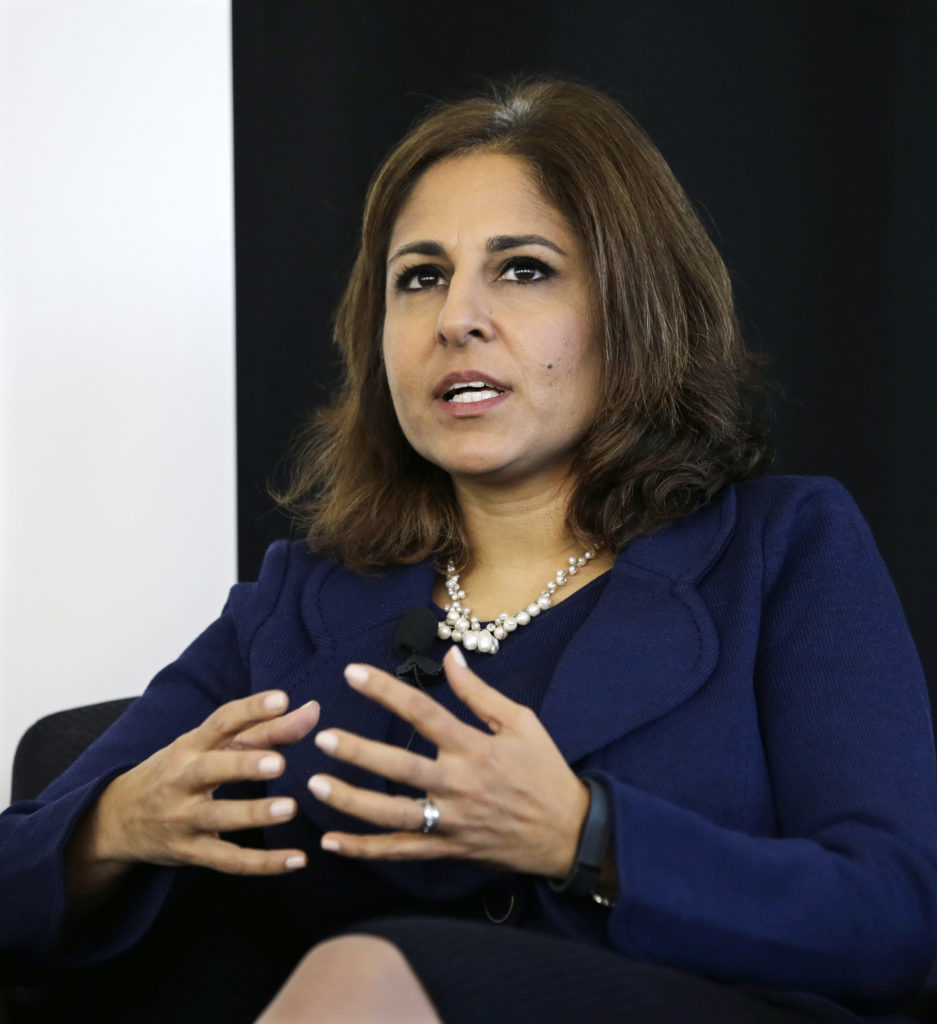
President-elect Joe Biden will have an all-female senior communications team at his White House, reflecting his stated desire to build out a diverse White House team as well as what’s expected to be a return to a more traditional press operation. Biden campaign communications director Kate Bedingfield will serve as Biden’s White House communications director. Jen Psaki, a longtime Democratic spokeswoman, will be his press secretary. In a different area of the White House operation, Biden plans to name Neera Tanden, the president and CEO of the liberal think tank Center for American Progress, as director of the Office of Management and Budget, according to a person familiar with the transition process granted anonymity to speak freely about internal deliberations. Four of the seven top communications roles at the White House will be filled by women of color, and it’s the first time the entire senior White House communications team will be entirely female. President Donald Trump upended the ways in which his administration communicated with the press. In contrast with administrations past, Trump’s communications team held few press briefings, and those that did occur were often combative affairs riddled with inaccuracies and falsehoods. Trump himself sometimes served as his own press secretary, taking questions from the media, and he often bypassed the White House press corps entirely by dialing into his favorite Fox News shows. In a statement announcing the White House communications team, Biden said: “Communicating directly and truthfully to the American people is one of the most important duties of a President, and this team will be entrusted with the tremendous responsibility of connecting the American people to the White House.” He added: “These qualified, experienced communicators bring diverse perspectives to their work and a shared commitment to building this country back better.” Bedingfield, Psaki and Tanden are all veterans of the Obama administration. Bedingfield served as communications director for Biden while he was vice president; Psaki was a White House communications director and a spokesperson at the State Department; and Tanden served as a senior adviser to Health and Human Services Secretary Kathleen Sebelius and helped craft the Affordable Care Act. Others joining the White House communications staff are: — Karine Jean Pierre, who was Vice President-elect Kamala Harris’ chief of staff, will serve as a principal deputy press secretary for the president-elect. She’s another Obama administration alum, having served as a regional political director for the White House office of political affairs. — Pili Tobar, who was communications director for coalitions on Biden’s campaign, will be his deputy White House communications director. She most recently was deputy director for America’s Voice, an immigration reform advocacy group, and was a press staffer for Senate Minority Leader Chuck Schumer, D-N.Y. Three Biden campaign senior advisers are being appointed to top communications roles: — Ashley Etienne, a former communications director for House Speaker Nancy Pelosi, will serve as Harris’ communications director. — Symone Sanders, another senior adviser on the Biden campaign, will be Harris’ senior adviser and chief spokesperson. — Elizabeth Alexander, who served as the former vice president’s press secretary and his communications director while he was a U.S. senator from Delaware, will serve as Jill Biden’s communications director. After his campaign went virtual due to the coronavirus pandemic, Biden faced some of his own criticism for not being accessible to reporters. But near the end of the campaign, he answered questions from the press more frequently, and his transition team has held weekly briefings since he was elected president. The choice of a number of Obama administration veterans — many with deep relationships with the Washington press corps — also suggests a return to a more congenial relationship with the press. As head of the OMB, Tanden would be responsible for preparing Biden’s budget submission and would command several hundred budget analysts, economists and policy advisers with deep knowledge of the inner workings of the government. Her choice may mollify progressives, who have been putting pressure on Biden to show his commitment to progressive priorities with his early staff appointments. She was chosen over more moderate voices with roots in the party’s anti-deficit wing such as Bruce Reed, who was staff director of President Barack Obama’s 2010 deficit commission, which proposed a set of politically painful recommendations that were never acted upon. Republished with the permission of the Associated Press.
White House hopefuls target Donald Trump on coronavirus response
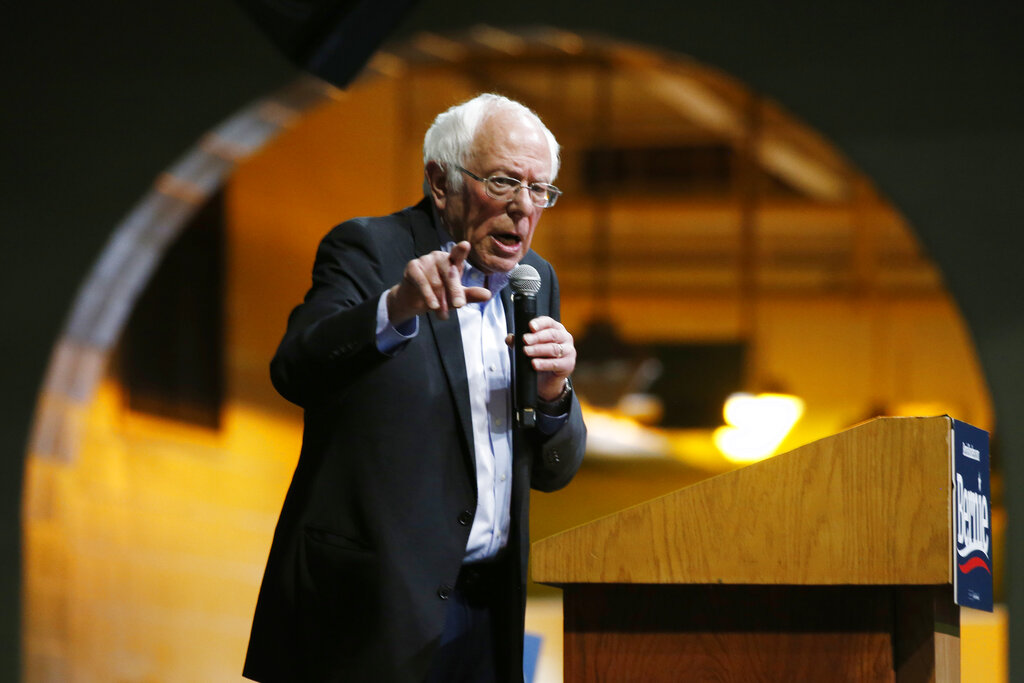
A number of candidates have gone as far as to release pandemic policies.
Former health chiefs to Donald Trump: Avoid new ‘Obamacare’ crisis
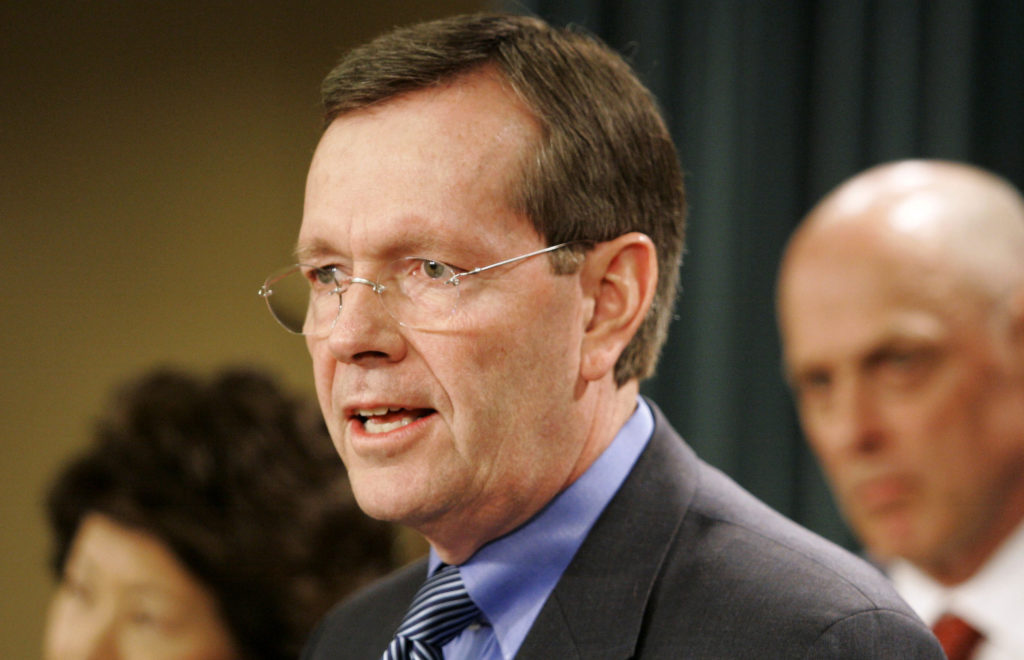
Don’t make things worse. That’s the advice of former U.S. health secretaries of both parties to President Donald Trump and the GOP-led Congress, now that “Obamacare” seems here for the foreseeable future. The 2018 sign-up season for subsidized private health plans starts Nov. 1, with about 10 million people currently served through HealthCare.gov and its state counterparts. Stability should be the immediate goal, said former Health and Human Services secretaries Kathleen Sebelius, Mike Leavitt and Tommy Thompson. At minimum: Dispel the political and legal uncertainty – fueled by presidential tweets – around billions in subsidies for consumers’ insurance copays and deductibles. The three former officials shared their views with The Associated Press. Beyond the urgent need to calm markets by providing clarity on subsidies, Democrat Sebelius and Republicans Leavitt and Thompson differ on the direction Trump and Congress should take. They agree that Republicans still have an opportunity to put their stamp on the Affordable Care Act, even if the drive to “repeal and replace” former President Barack Obama‘s legacy program appears to have hit a dead end. “They can make changes that signal a new ideological direction without generating a logistical and political mess,” said Leavitt, who led HHS during former President George W. Bush‘s second term. “They won the right to make changes. However, they should do it in a skillful way.” Leavitt shepherded the Medicare prescription drug benefit through its rocky rollout in 2006. “Stabilizing the current situation can only – I think – be to their benefit,” Sebelius said of the Trump administration. “In an environment in which (insurance) companies are enrolling customers, they’ve got a lot of time to actually go back to the drawing board and figure this out. The worst of all worlds for them would be to have the current situation unravel because of decisions by this administration.” Sebelius helped steer Obama’s law through Congress and later oversaw the troubled launch of HealthCare.gov, when the computer system locked up on the first day of sign-up season, frustrating millions of consumers and embarrassing the White House. She took the heat, but Sebelius stayed on task and ultimately helped deliver a successful open enrollment. “It would be a mistake to further destabilize the (insurance) market,” said Thompson, who served during Bush’s first term and led HHS preparations to meet the bioterrorism threat after the deadly anthrax mailings that followed closely the Sept. 11 attacks. Thompson urged a health care summit between Trump and congressional leaders of both parties, followed by a period of intensive legislative work under a deadline to reach a truce in the political battle over health care. Trump and top lieutenants like HHS Secretary Tom Price have sent mixed signals. Leading congressional Republicans want to try to move limited legislation after lawmakers return next month, worried they’ll suffer consequences in next year’s midterm elections. At the very least such legislation would provide clear legal authority for the ACA’s cost-sharing subsidies, which reduce copays and deductibles for people with modest incomes. Stopping the payments would lead to a spike in premiums, more insurers leaving the markets and increased federal deficits, the Congressional Budget Office warned last week. The markets already saw steep premium increases this year, and more insurers have since bailed out, citing financial losses. The administration has continued to make monthly subsidy payments to insurers, as recently as last week. But Trump on Twitter and in interviews has repeatedly threatened to pull the plug. Sebelius has been sharply critical of the Trump administration’s stewardship of the ACA. Two of the former health secretaries – Leavitt and Sebelius – said states are now likely to assume a bigger role in shaping the future of Obama’s law. A waiver pathway for states was built into the law, and Republicans want to make it less restrictive. That’s a key focus for Senate Health, Education, Labor and Pensions Committee Chairman Lamar Alexander, R-Tenn., as he plans bipartisan hearings this fall with Democratic counterpart Patty Murray of Washington. Leavitt sees waivers as a way to provide states more flexibility to tailor their insurance market rules to local needs and preferences. Sebelius says that should not be done in a way that undermines federal consumer protections like standard benefits. She’d like to see states use waivers to help offset the cost of care for the sickest patients. Thompson says he believes a bigger deal, at the federal level, is still possible if Trump plays his cards right with Congress. Former HHS Secretary Sylvia Burwell, who served during most of Obama’s second term, declined interview requests. Republished with permission of The Associated Press.
