
Organizations make their pitches for Alabama opioid settlement money
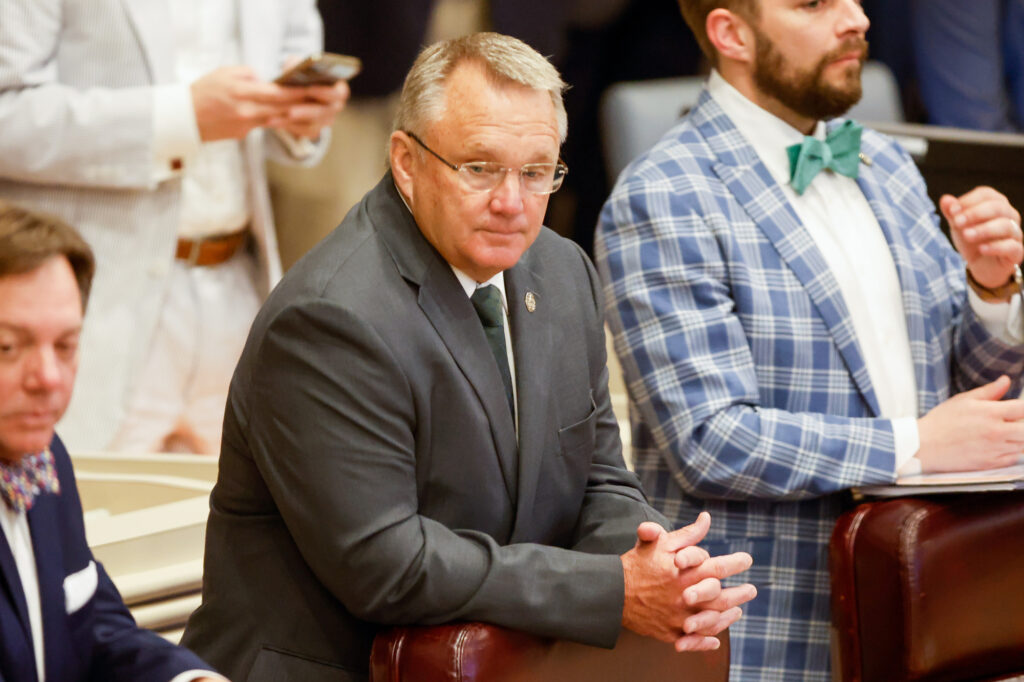
Ralph Chapoco, Alabama Reflector Lawmakers and public officials heard proposals from different organizations Thursday for spending grant money from the state’s share of a national opioid settlement agreement. Fourteen groups made their pitch for funding to members of the Oversight Commission on Opioid Settlement Funds during Thursday’s meeting, hoping to secure a grant from the estimated $249 million that Alabama is expected to receive. “If you will recall, the Legislature, House, and Senate, passed the first allocation of funds, which was $10 million, $1.5 million of that went to the prisons, the ADOC,” said Rep. Rex Reynolds, R-Huntsville, the chair of the committee. “The other $8.5 million, which is what you will hear about today.” The proposals included treatment services and prevention measures, fentanyl detection, and veteran support. The funding came from a settlement between the state and companies who have been largely blamed for precipitating the crisis in which thousands of people, spread across the nation, have become addicted to painkillers and other opioids, about $21 billion spread out over the next 18 years, based on the 2021 settlement. State Opioid Coordinator Debbi Metzger said there are three waves to the opioid epidemic. “The first is the overprescribing of very potent prescription opioids to individuals,” she said. “Alabama was number one in the nation for many years, and as a result of that, the overprescribing led to numbers in overdoses like we had never seen before.” The second wave of opioid deaths happened in 2010 when heroin use increased. That was followed by a third wave that began in 2013 with the rise of synthetic opioids. Alabama’s death rate from drug overdoses was 30.1 per 100,000 people in 2021, according to the Centers for Disease Control and Prevention. The rate of death from opioid overdoses was 21.2 per 100,000, according to KFF. Kimberly Boswell, commissioner of the Alabama Department of Mental Health, said grants may be awarded based on prevention, treatment, and recovery support. Prevention grants have no limitations because “anyone may be affected by substances at many points in their lifetime,” Boswell said. Most of the money will be directed toward treatment, with almost $6 million of the allocation going toward firms that specialize in that area. Those who specialize in prevention will receive 20% of the money, followed by recovery services at 10%. Applicants came from different areas. His Way Ministries and New Life for Women are treatment centers, which helps clients with addictions were two of the companies who presented at the committee and will likely submit a request for proposal for grant funding. The amount was not disclosed at the meeting. The window to apply for funding that includes specific projects began Friday. “We have served over 1,000 men and their families, and have graduated 500 into a life of recovery through a nine-month extensive recovery program,” said Tom Reynolds, director of ministry for His Way Ministries, based in the Huntsville area. “We have consistently exceeded a 90% graduation rate in our 16 years.” Others, such as the Military Officers Association, said that the Alabama Department of Mental Health has spent $40 million per year for the Alabama Opioid Overdose and Addiction Council, but nothing has been allocated specifically for veterans and their families. “Suffice it to say, our state is not meeting the needs of our servicemen and women,” said Jerry Steele, who leads the Alabama chapter of the Military Officers Association. Sunray, a Huntsville company, sought money for the development of a machine that detected fentanyl placed within containers. “This device could be used in a prison walking through the screener,” said Steve Schmidt, who is listed as the agent for the company. “It can be used in a mailroom. It can be used in Montgomery to screen every piece of mail that comes in.” Companies may submit their requests for proposals at the Department of Mental Health’s website. Officials will begin reviewing and evaluating the proposals throughout December, and the committee will meet in January to recommend awards. “You look at the resources, and the multiple ways that opioid addiction is impacting our life,” said Cam Ward, Director of the Alabama Bureau of Pardons and Paroles. “I talk about it from the criminal justice side, but you heard someone talk about how it is impacting services and other agencies.” Alabama Reflector is part of States Newsroom, a network of news bureaus supported by grants and a coalition of donors as a 501c(3) public charity. Alabama Reflector maintains editorial independence. Follow Alabama Reflector on Facebook and Twitter.
Justin Bogie: Legislature should not seek permanent solutions for temporary problems
Last week, the Alabama Legislature held the second in a series of informal budget hearings aimed at determining how inflation and the possibilities of a recession are impacting state agencies. Much like the first hearing, the general theme was that inflation is increasing the day-to-day operating costs of agencies and contributing to a shortage of workers. So, what is the solution to the perceived inflation problem? If you only listened to the officials presenting their case to legislators last week, you would think more funding is the answer. In reality, the current period of record inflation is temporary. Government spending increases tend to be permanent, leaving you, the taxpayer, on the hook to pay for the expansion of government. There is no doubt that inflation is hurting many Alabamians right now, whether they are public or private sector employees or business owners. In June, inflation rose to 9.1% year over year, with record high gas prices being the underlying cause. But no one expects that trend to last. The Congressional Budget Office projects that inflationary pressures will begin to ease later this year and fall to 3.1% in 2023. From 1960 to 2021, the average annual inflation rate in the United States was 3.7%. It is also important to recognize that the current rise in inflation was caused by the actions of the government, which pumped $4.5 trillion into America’s economy through COVID-19 stimulus legislation. The government is now attempting to correct the problem through monetary policy, namely interest rate hikes. Alabama Department of Mental Health Commissioner Kimberly Boswell spoke about how inflation is impacting her agency, saying that some employees had been forced to work second or third jobs to make ends meet. For the agency, this means that there are fewer workers willing and able to work overtime at the state’s mental health hospitals. The agency’s biggest need is for more nurses and mental healthcare technicians. But is inflation really the cause of the problem? Though the COVID-19 pandemic highlighted America’s nursing shortage, it began in 2012 and is expected to continue through 2030. The inflation rate was approximately 2% in 2012, meaning that inflation didn’t cause the shortage. The more important factor may be supply and demand. Nurses are currently in high demand. In general, nurses have a higher earning potential and greater flexibility when working in a private or for-profit healthcare setting, as opposed to working for a state agency. Boswell acknowledged these realities while speaking to the legislature, saying, “What people are really looking for is flexibility.” Traditionally the Department of Mental Health has not hired part-time workers or allowed employees to have more flexible work schedules. In today’s post-pandemic work environment, those factors may be just as, if not more, important than salary. Boswell said that “we at this point are considering looking at part-time employees as well as multiple flexible schedules so we can attract the folks that are looking for that flexibility.” Inflation has nothing to do with wanting a more flexible work schedule. And while the salary discrepancy between public and private sector jobs may play a role in shortages, the state is already taking steps to retain its workforce. The fiscal year 2022-23 enacted state budgets included permanent pay increases, at an annual cost of nearly $400 million to taxpayers, for all state employees. In addition to those already approved pay raises, in June, the State Personnel Board amended its pay schedule to add four new steps to the top of the pay scale for most state jobs. This means that some employees could see an additional 10% raise in two years, outpacing inflation and private sector wage growth projections. At last week’s budget hearing, state officials also addressed how inflation is impacting capital construction projects, saying that it has increased costs by about 25%. This should not come as a surprise to anyone. The legislature approved a $1.25 billion bond issue for school construction projects in May of 2020, the height of the pandemic. Construction prices were already on the rise. The legislature enacted $750 million in supplemental appropriations, mainly for more capital projects at Alabama schools, during the 2022 regular legislative session. Inflation was more than 8% when that bill was passed. In the meantime, Alabama’s government took more taxes from you and spent more of your money than ever before. Tax revenues are expected to continue to boom this year. Our government doesn’t need to spend more money to fight inflation. It needs to be a better steward of what it has already taken from us. Inflation is a temporary problem, created in no small part by the government. It is not a reason to extend the unprecedented expansion of state government. The lagging impacts of inflation will continue to hurt workers for several years. Shouldn’t the government have to share in the pain felt by so many Alabamians? Justin Bogie is the Senior Director of Fiscal Policy for the Alabama Policy Institute.
Kay Ivey announces new mental health crisis center in Birmingham
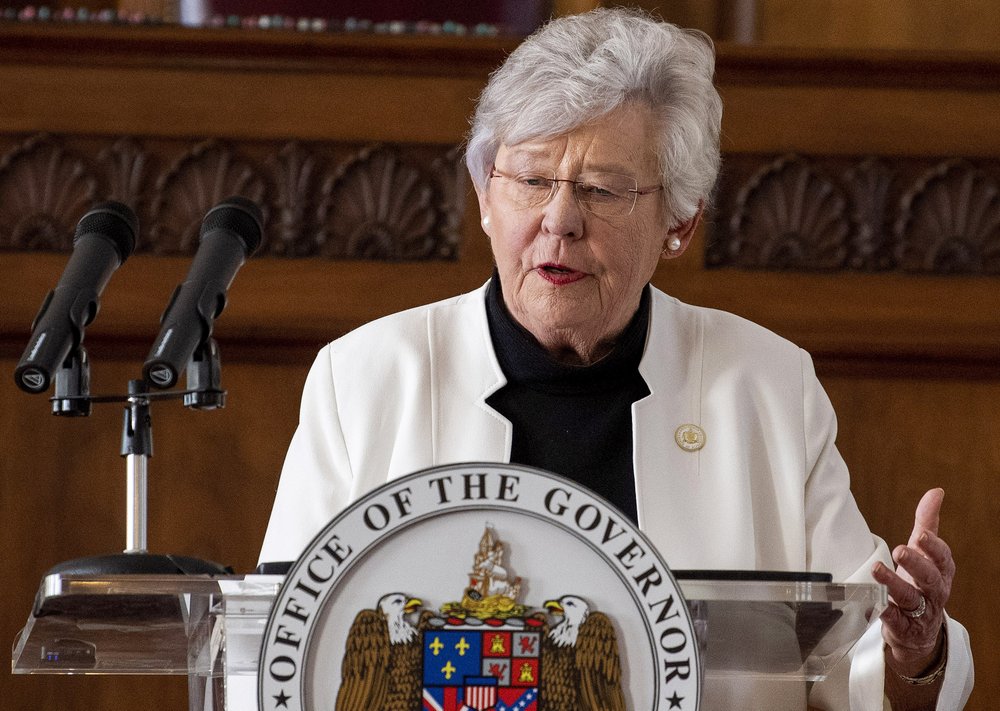
Governor Kay Ivey and Commissioner Kimberly Boswell of the Alabama Department of Mental Health announced Alabama’s fourth crisis center will be the Jefferson, Blount, St. Clair (JBS) Mental Health Authority in Birmingham. The center joins AltaPointe Health in Mobile, WellStone in Huntsville, and the Montgomery Area Mental Health Authority in Montgomery and will serve individuals with mental illness and substance use disorders. The state’s first three Crisis Centers were awarded funding in October 2020 and have been operational since May 2021. Gov. Ivey stated, “The Ivey administration is fully committed to addressing the very real challenges in the area of mental health care. This is critical, and should not be overlooked, which is why it remains of high importance in my agenda. I am proud to award the JBS Mental Health Authority this fourth crisis center in Birmingham. These centers will go a long way in improving mental health care in Alabama.” Ivey posted on Twitter, “I’m proud to announce the awardee of a fourth mental health crisis center for our state. Jefferson, Blount, St. Clair (JBS) Mental Health Authority in Birmingham will be a vital addition to the Alabama Crisis System of Care.” @ALMentalHealth #alpolitics Originally tweeted by Governor Kay Ivey (@GovernorKayIvey) on October 4, 2021. Commissioner Boswell said, “Crisis Centers are a crucial element of an integrated system of care. This award demonstrates the commitment of the local community to form and strengthen partnerships. The addition of the fourth Crisis Center, in one of the most populated metropolitan areas in the state, brings vital and necessary crisis services in an expanded and more accessible form.” Crisis Centers are a designated place for community members, law enforcement, and first responders to take an individual who is in a mental health crisis. They offer both walk-in access and the capacity for first responders and law enforcement to transfer individuals to the center for crisis care for a warm hand-off to Crisis Center staff, short-term admission, medication management, and case management. Governor Ivey and House Majority Leader Nathaniel Ledbetter prioritized establishing a mental health crisis continuum of care during the 2020 and 2021 legislative sessions. The initial three Crisis Centers were funded with an $18 million appropriation in the FY2021 General Fund budget, with continuation funding secured in the FY2022 General Fund. The fourth Crisis Center is funded through a new budget appropriation of $6 million approved by the Alabama Legislature.
