
Senate committee tackles several bills ranging from veterans to background checks
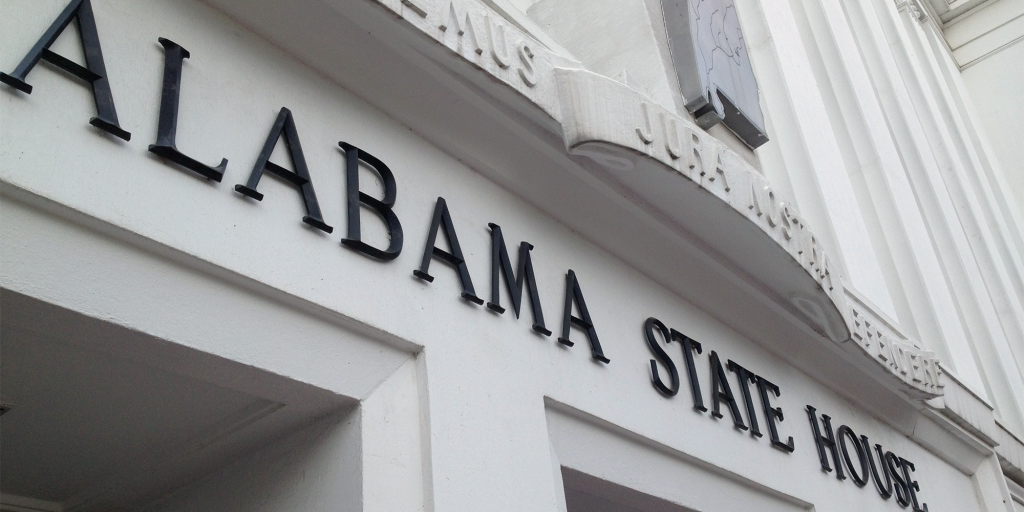
The Senate Committee on Governmental Affairs met shortly before the start of session Tuesday to move on a variety of bills. First on the committee’s agenda was SB325 from Sen. Gerald Dial (R-Lineville), which codifies the jobs of the newly formed Legislative Services Agency. Currently, three departments are responsible for various legislative tasks: the Alabama Law Institute, the Legislative Reference Service and the Legislative Fiscal Office. Dial’s bill would establish the Legislative Services Agency, which would oversee the operations of the three. Dial noted that the move would decrease future spending. Sen. Arthur Orr (R-Decatur) opposed the bill, noting that earlier discussions had decided that a codification of the agency wouldn’t happen until lawmakers were able to see how the changes worked, but the bill garnered a favorable report despite the opposition. Dial also brought SB161 before the committee, which would provide businesses owned by veterans of Operation Enduring Freedom (Afghanistan) and Operation Iraqi Freedom with preferred vendor status in competitive bids. Essentially, if a veteran-owned business is within 5 percent of another bidders offering, the veteran-owned operation is given preference. The committee gave the bill a favorable report with a unanimous vote. The committee also approved a bill from Sen. J.T. Waggoner, SB304, which will allow sheriff’s to issue pistol permits to residents of different counties. The National Rifle Association-drafted legislation is said to be for “convenience purposes” and would still allow sheriffs to revoke licenses provided to residents of their counties. The committee also approved a bill that would require polygraph examiners to pass a background check to attain their license, as well as a bill that would extend the renewal period for driver licenses to six months prior to expiration. Currently, residents receive a notification only 30 days prior to their license’s expiration. The bill would allow residents more time to renew their driver licenses.
Senate panel to hear debate over proposal to revamp state budget structure
A proposal to cover General Fund expenses using surplus education funds will get a public hearing this week. The Senate finance and taxation committee will hear reasoning on both sides of the debate over whether pooling the state’s two major funds, the Education Trust Fund and the General Fund, could guard against future budget shortages. Senate Bill 12, sponsored by Sen. Paul Sanford, would establish a new fund to capture money allocated for both the Education Trust Fund and the General Fund. Every month, the Department of Revenue would cover the state’s expenses by dividing the balance of the new Alabama Recurring Expense Fund as needed. In a presentation to lawmakers last March, the Legislative Fiscal Office projected a $287 million surplus in the Education Trust Fund and a $290 million shortfall in the General Fund. Some have questioned whether the practice of earmarking tax revenues for the Education Trust Fund – then creating a barrier between the education and General Fund – is the root cause of the state’s current budget shortfall. In a speech to lawmakers last year, Gov. Robert Bentley said that the General Fund was stretched thin because the fund covers the cost of prisons, courts, and Medicaid. However, state revenue from income, sales, and utility taxes are earmarked for the Education Trust Fund. The governor has argued for $581 million in tax increases as a way to drive revenue to the General Fund. The public hearing will be held 10:30 a.m. Wednesday.
