
How a Supreme Court case could affect your online purchases

Do businesses have to collect sales tax on purchases made on the internet? The answer right now is: It depends. But a Supreme Court case being heard Tuesday could change that. Some questions and answers about the issue and the case: Q: Who charges sales tax online right now?: A: Large retailers such as Apple, Macy’s, Target and Walmart, which have brick-and-mortar stores nationwide, generally collect sales tax from their customers who buy from them online. But other online sellers can often sidestep charging sales tax. If a business is shipping to a state where it doesn’t have an office, warehouse or other so-called physical presence, it doesn’t have to collect the state’s sales tax. Q: Where does the physical presence rule come from? A: The rule is the result of two decades-old Supreme Court cases. The court first adopted its physical presence rule on sales tax collection in a 1967 case dealing with a catalog retailer. At the time, the court was concerned in part about the burden collecting sales tax would place on the catalog company. The court reaffirmed the rule in 1992. Q: What are examples of online retailers that don’t collect sales tax nationwide? A: Jewelry website Blue Nile, pet products site Chewy.com, clothing retailer L.L. Bean, electronics retailer Newegg, internet retailer Overstock.com and home furnishings site Wayfair are among the sites that don’t collect sales tax nationwide. Sellers on eBay and Etsy, which provide platforms for smaller sellers, also don’t collect tax nationwide. Amazon.com has since 2017 collected sales tax in every state that imposes one, but third-party sellers who sell goods on the site don’t have to. Q: How does this affect states? A: States say they’re losing out on billions of dollars in tax revenue each year because of the Supreme Court’s physical presence rule. States generally require residents who weren’t charged sales tax on a purchase to pay it themselves, often through self-reporting on their income tax returns. But states have found that few people comply. States say their losses mean cuts to critical government programs and that those losses compound as online shopping grows. More than 40 states are asking the Supreme Court to get rid of the physical presence rule. Q: What is the case for businesses that don’t currently collect sales taxes nationwide? A: Sellers who defend the current rule say collecting sales tax nationwide would be costly and extraordinarily complex, especially for small sellers. Tax rates and rules vary not only by state but also by city and county. Taxes can even vary within a zip code. Sellers who want the court to keep the current rule say free or inexpensive software touted as a cure for the challenges of tax collection isn’t accurate. They say more sophisticated software is expensive and collecting taxes nationwide would also subject them to potentially costly audits. Q: Why is the Supreme Court taking up this issue now? A: South Dakota passed a law in 2016 designed to challenge the Supreme Court’s physical presence rule. The law requires out-of-state sellers who do more than $100,000 of business in the state or more than 200 transactions annually with state residents to collect and turn over sales tax to the state. It’s South Dakota’s law that’s now at the center of the case at the Supreme Court. Republished with the permission of the Associated Press.
Supreme Court hearing case about online sales tax collection
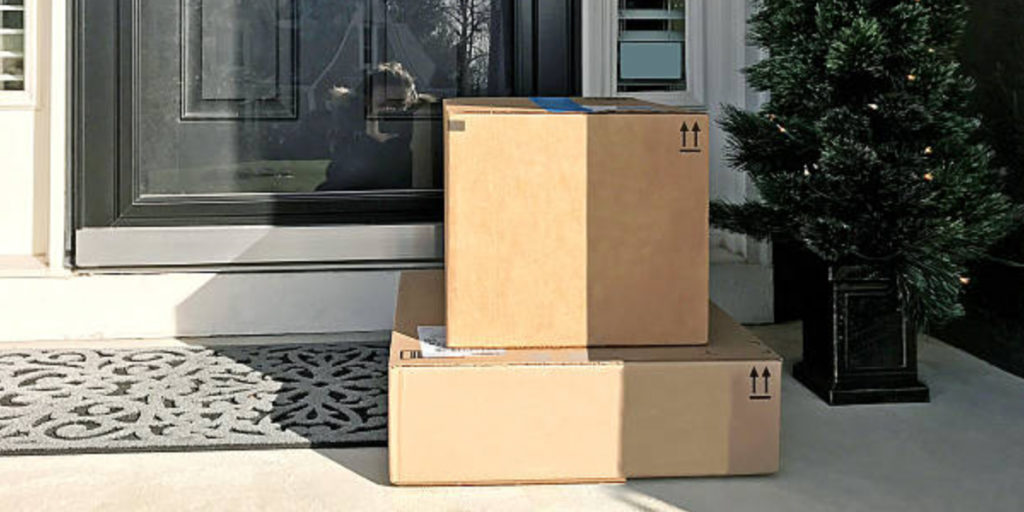
The Supreme Court is hearing arguments about whether a rule it announced decades ago in a case involving a catalog retailer should still apply in the age of the internet. The case on Tuesday focuses on businesses’ collection of sales tax on online purchases. Right now, under the decades-old Supreme Court rule, if a business is shipping a product to a state where it doesn’t have an office, warehouse or other physical presence, it doesn’t have to collect the state’s sales tax. Customers are generally supposed to pay the tax to the state themselves, but the vast majority don’t. States say that as a result of the rule and the growth of internet shopping, they’re losing billions of dollars in tax revenue every year. More than 40 states are asking the Supreme Court to abandon the rule. Large retailers such as Apple, Macy’s, Target and Walmart, which have brick-and-mortar stores nationwide, generally collect sales tax from their customers who buy online. But other online sellers that only have a physical presence in a few states can sidestep charging customers sales tax when they’re shipping to addresses outside those states. Sellers who defend the current rule say collecting sales tax nationwide is complex and costly, especially for small sellers. That complexity was a concern for the Supreme Court when it announced the physical presence rule in a case involving a catalog retailer in 1967, a rule it reaffirmed in 1992. But states say software has now made collecting sales tax easy. The case the court is hearing has to do with a law passed by South Dakota in 2016, a law designed to challenge the Supreme Court’s physical presence rule. The law requires out-of-state sellers who do more than $100,000 of business in the state or more than 200 transactions annually with state residents to collect and turn over sales tax to the state. The state wanted out-of-state retailers to begin collecting the tax and sued Overstock.com, home goods company Wayfair and electronics retailer Newegg. The state has conceded in court, however, that it can only win by persuading the Supreme Court to do away with its current physical presence rule. Republished with the permission of the Associated Press.
Donald Trump doubles down on immigrant comments
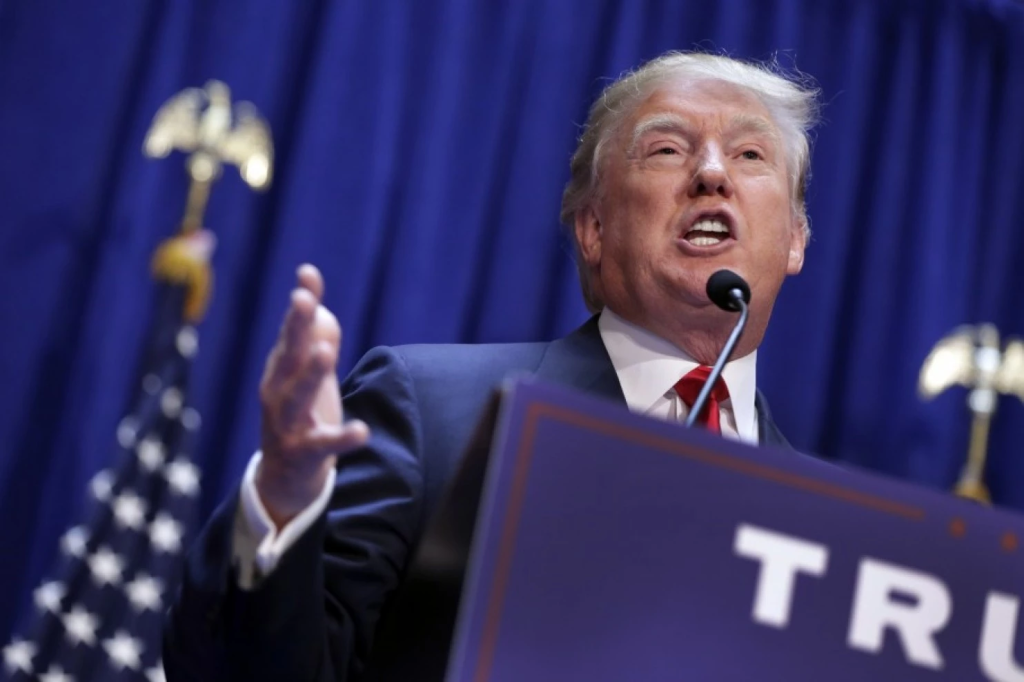
Republican presidential candidate Donald Trump is doubling down on his description of Mexican immigrants as criminals. The GOP businessman issued a statement Monday responding to critics in and out of his party. Trump called Mexican immigrants criminals and rapists as he launched his presidential bid last month. Several businesses, including NBC, Univision and Macy’s department stores, have cut ties with Trump. In his new statement, Trump said, “The Mexican government is forcing their most unwanted people into the United States.” In many cases, he says, they are “criminals, drug dealers, rapists, etc.” He said, “Many fabulous people come in from Mexico and our country is better for it.” He then called the United States “a dumping ground for Mexico.” Trump is among more than a dozen Republicans running for president. Republished with permission of The Associated Press.
