
New Jeb Bush Super PAC ad goes after Donald Trump
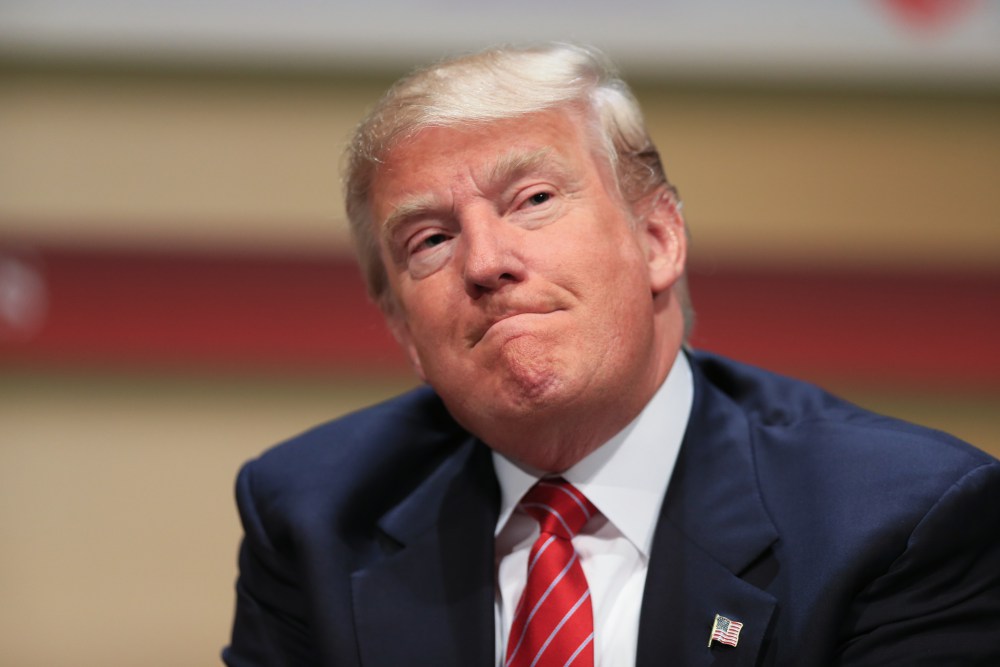
The fact that Jeb Bush‘s most prominent super PAC, Right to Rise, has spent over $20 million in takedown ads against fellow Floridian Marco Rubio has become an ongoing story in recent weeks. “This is something Jeb Bush has to decide. Does he want his legacy to be that he elected Donald Trump or Ted Cruz?” said Stuart Stevens, the GOP strategist who ran Mitt Romney’s 2012 campaign. “He can’t control that super PAC but he ought to call on the super PAC to stop and stop attacking people with whom he mostly agrees.” Right to Rise, however, isn’t the only third-party group working on behalf of the former Florida Governor. A new digital ad produced by Millennials Rising PAC released on Friday contrasts Donald Trump with Bush, showing the GOP front-runner in some less than attractive moments. The super PAC, created by college students, says they’re the only such group aiming directly at millennial voters. Watch the ad below: https://youtu.be/Rr_nGffUhbU
Viewer’s Guide: Donald Trump drama, closing arguments before Iowa
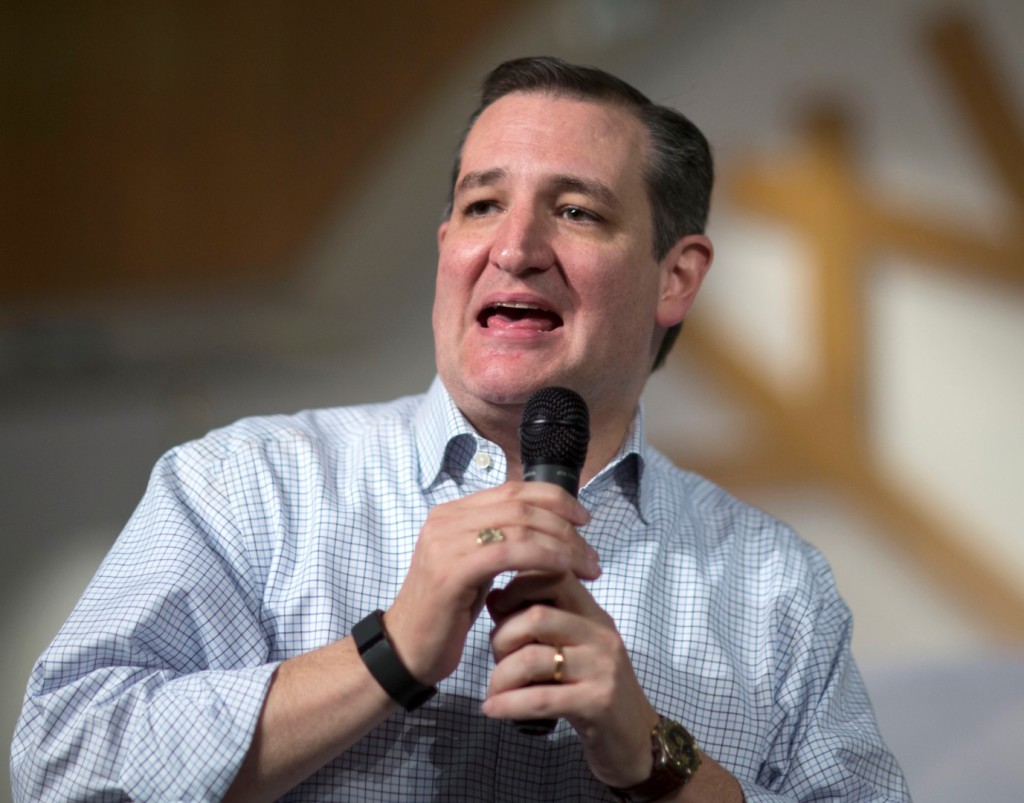
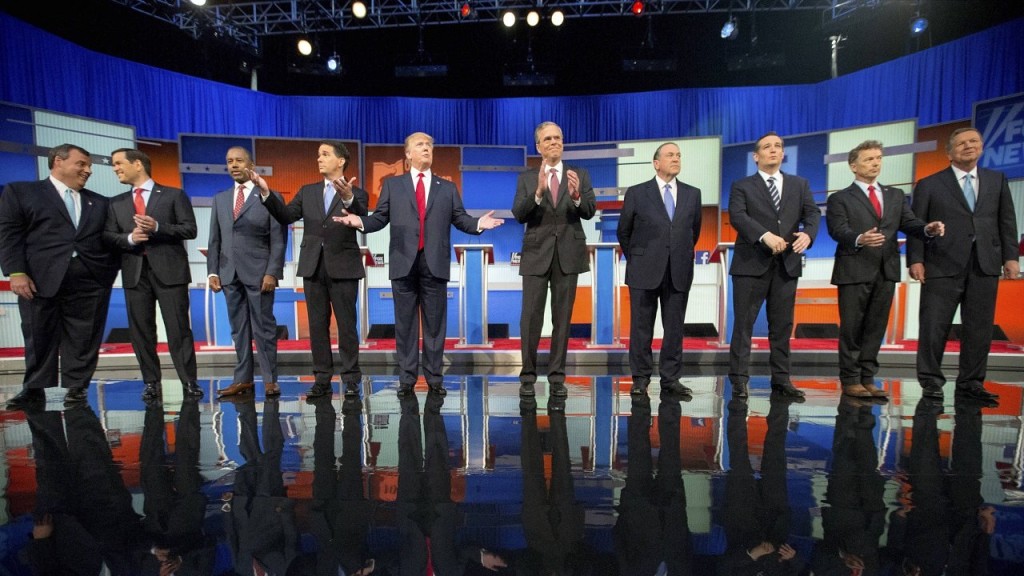
It’s one thing to attack Donald Trump when he’s standing on the presidential debate stage. But what about when he’s not? It’s a complicated question for the seven presidential candidates in the seventh prime time Republican presidential debate, who expect a no-show from the front-runner who has eclipsed the contest for months — on the brink of Monday’s Iowa caucuses. Trump has declared that because of what he calls unfair treatment by the network hosting the debate, Fox News Channel, he’ll have his own event at the very same time about two miles away at Drake University. His absence puts the rivals in a tough position while opening potential opportunity — do they go after him and give him even more attention? Or ignore him and fill the vacuum with their best possible closing arguments, grabbing attention that’s been tough to come by when Trump and his big personality fill the air time? Florida Sen. Marco Rubio, who is in third place in Iowa, tested a new line Wednesday, calling the debate drama a “sideshow” and the election choices, “serious.” Also in a delicate spot is the network, which has engaged in a fraught relationship with Trump for months after he tangled with moderator Megyn Kelly in the first debate in August. Fox News Channel has refused to remove Kelly from the question panel and issued a sarcastic statement mocking Trump for demanding they do so. The standoff poses a challenge for the network, which is popular with conservatives, over how it handles its relationship with the GOP presidential front-runner in real time — especially in his absence. The main debate stage will once again feature Rand Paul, who was bumped to the undercard debate last time. Also appearing: Sen. Ted Cruz, Ohio Gov. John Kasich, New Jersey Gov. Chris Christie, former Florida Gov. Jeb Bush, Rubio and retired neurosurgeon Ben Carson. Here are some things to watch for during the debate: TRUMP, OBVIOUSLY Trump’s debate boycott tests whether any word or action by the billionaire can dent his support among a core of conservative voters who want a change in Washington. Trump has predicted that Iowans won’t care whether he attends the debate, and even if he did, he wouldn’t be talking to the nation anyway. He’d be speaking to Iowans who will caucus Monday, using every moment to win the contest at hand. “Being second is terrible,” he has said. Another advantage to holding his own event: no moderators or rivals to challenge him. CRUZ The Texas senator and national debate champion held his own against Trump in past debates as the two have competed for the lead in Iowa. Without Trump on the stage, does Cruz adopt the posture of the de facto debate leader? That could risk looking presumptuous when a sizable percentage of Iowans say they could change their minds about whom they support. Cruz has been testing some humor, with an edge. “Apparently, Megyn Kelly is really, really scary, and Donald is a fragile soul,” Cruz said. “If she asks him mean questions, I mean, his hair might stand on end.” THE MODERATORS Look for someone on the panel of moderators to acknowledge the elephant that’s not in the room. But whether moderators will spend more time than that on Trump, who has spent months in a spat with Kelly over what he says is unfair treatment, is a delicate question. Late Wednesday, Trump tweeted that it was Fox’s mocking press release that inspired him to skip the debate, more so than Kelly. She has been adamant about playing the dispute straight, and has the firm backing of news executives. THE OTHER CANDIDATES Jump ball! The debate gives the field-minus-Trump more of a chance to make the most powerful closing arguments possible in the final face to face, televised meeting before the caucuses. Candidates such as Ohio Gov. John Kasich, who is looking past Iowa for a strong finish in next-up New Hampshire, have had little speaking time in past debates. The opportunity also is ripe for Rubio, who is seeking a strong finish in Iowa to claim the establishment mantle if outsiders Trump or Cruz falter. Look, too, for Bush to try to make gains. Republished with permission of the Associated Press.
Marco Rubio team announces Alabama leadership team
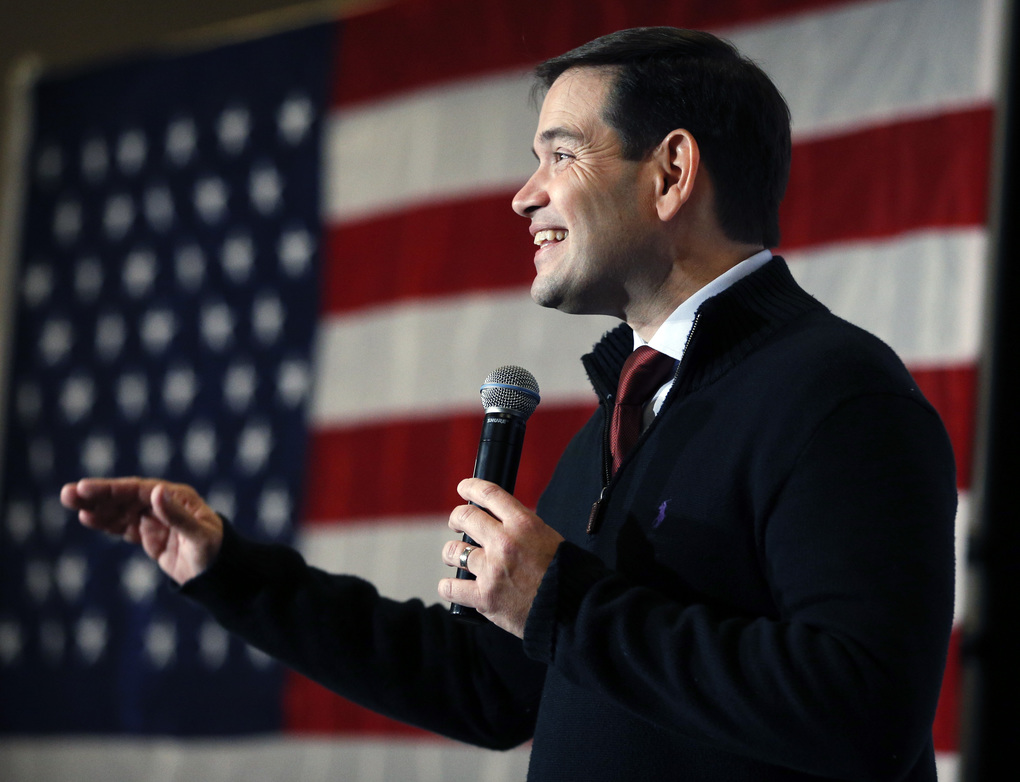
Thursday morning the Marco Rubio for President campaign announced their Alabama Leadership Team. These state leaders will work alongside State Representative Will Ainsworth and Bill Armistead, Alabama co-chairs for Marco Rubio for President, in leading the Marco Rubio for President operation in the Yellowhammer state. “Many influential Alabama Republicans are rallying behind Marco Rubio’s candidacy because he is a next generation conservative and has innovative ideas for America’s future,” said Ainsworth. “As the one candidate that can defeat Hillary Clinton and reverse the damage caused by the Obama presidency, I am proud to be a part of the team that will help Marco do well in Alabama.” On January 11, Rubio became the first of the presidential hopefuls to set his leadership team in all 50 states. “We are thrilled to have earned the support of so many key leaders across Alabama,” said Jeremy Adler, Regional Spokesman for Marco Rubio for President. “We are committed to building strong organizations in all 50 states and support from these influential elected officials will allow us to put in place an impressive ground operation for the March 1st primary.” Rubio’s Alabama Co-Chairs: Rep. Will Ainsworth: Rubio Co-Chair & State Representative, Marshall County Bill Armistead: Rubio Co-Chair, Member ALGOP Executive Committee, Former ALGOP Chair & State Senator, Shelby County Rubio’s Alabama Leadership Team: Sen. Clay Scofield: State Senator & Member ALGOP Executive Committee, Marshall County Sen. Slade Blackwell: State Senator & Member ALGOP Executive Committee, Jefferson County Sen. Greg Albritton: State Senator, Baldwin County Rep. Randall Shedd: State Representative & Member ALGOP Executive Committee, Cullman County Rep. Danny Garrett: State Representative & Member ALGOP Executive Committee, Jefferson County Rep. David Faulkner: State Representative & Member ALGOP Executive Committee, Jefferson County Rep. Jack Williams: State Representative, Jefferson Count Rep. Jim Patterson: State Representative, Madison County Rep. K.L. Brown: State Representative, Calhoun County Rep. Kyle South: State Representative, Fayette County Rep. Mack Butler: State Representative & Member ALGOP Executive Committee, Etowah County Rep. Matt Fridy: State Representative & Member ALGOP Executive Committee, Shelby County Rep. Mike Jones: State Representative & Member ALGOP Executive Committee, Covington County Rep. Nathaniel Ledbetter: State Representative, DeKalb County Rep. Lynn Greer: State Representative, Lauderdale County Commissioner Brandon Shoupe: Houston County Commissioner & Member ALGOP Executive Committee, Houston County Commissioner Chris Elliott: Baldwin County Commissioner & Member of ALGOP Executive Committee, Baldwin County Commissioner Greg White: Covington County Commissioner & Member ALGOP Executive Committee, Covington County Commissioner Tommy Oswalt: Colbert County Revenue Commissioner & Member ALGOP Executive Committee, Colbert County Commissioner Tucker Dorsey: Baldwin County Commissioner & Member of ALGOP Executive Committee, Baldwin County Commissioner Billy Strickland: Marshall County Commissioner, Marshall County Commissioner Dustin St. Clair: Cherokee County Revenue Commissioner, Cherokee County Commissioner Tyler Wilks: DeKalb County Revenue Commissioner, DeKalb County Commissioner Veronica Stancil: Franklin County Revenue Commissioner, Franklin County District Attorney Chris McCool: District Attorney, Pickens County Dr. Cindy Wigley: Marshall County Superintendent of Education, Marshall County Mayor Bob Joslin: Mayor of Arab, Marshall County Mayor Chuck Ables: Mayor of Geraldine, DeKalb County Mayor Leigh Dollar: Mayor of Guntersville, Marshall County Sheriff Huey “Hoss” Mack: Baldwin County Sheriff, Baldwin County Sheriff Rick Singleton: Lauderdale County Sheriff, Lauderdale County The Alabama Primary is on March 1.
Kickstarter campaign launched to create new line of 2016 presidential bobbleheads
It’s a bipartisan affair (so far) at the new Kickstarter campaign just launched at the National Bobblehead Hall of Fame and Museum featuring the five leading candidates for president. The Kickstarter page also lets you kick in some of your hard-earned cash to support a political bobblehead of the Democratic Donkey and the Republican Elephant, as well as the first ever BobbleFlag. Want a Donald Trump bobblehead with life-like hair? He’s right here, along with Hillary Clinton as well as the first-ever bobbleheads of Bernie Sanders, Ted Cruz and Marco Rubio. The Kickstarter campaign, which gives the public a chance to cast a vote of support by choosing their favorite candidate, runs from January 28th through February 29th with a goal of raising $10,000. Contributors receive the bobblehead(s) of their choice, which are expected to arrive in April. The Kickstarter will also serve as a straw poll to see which candidates’ bobblehead is the most popular. “The Kickstarter ends the night before Super Tuesday, so we will see if America’s bobblehead choices signal the results of Super Tuesday,” said Phil Sklar, Co-Founder and CEO of the National Bobblehead Hall of Fame and Museum. “These candidates are such interesting characters, making bobbleheads a fitting way for people to show their support and commemorate this historical election period.” Sklar says undecided voters can choose the Elephant or Donkey as alternatives to the candidate bobbleheads. Independent voters and other patriotic Americans will appreciate the first ever BobbleFlag. A cursory glance of the Kickstarter page finds a half dozen backers so far, and a few hundred dollars raised, with both Republican and Democratic supporters. Looks like both Red and Blue Americans love Bobbleheads – at least one thing we can all agree on in these polarized times.
NBC Poll: Donald Trump leads in Iowa, New Hampshire and South Carolina
With four days before the Iowa caucuses, Donald Trump has pulled ahead of Ted Cruz in the Hawkeye State and holds commanding leads in New Hampshire and South Carolina. Among likely GOP caucus-goers, Trump leads Cruz in Iowa, 32 percent to 25 percent, according to NBC News/Wall Street Journal/Marist poll. Marco Rubio is in third with 18 percent, followed by Ben Carson at 8 percent. Jeb Bush is at 4 percent in the Iowa poll. The results mark a shift in opinions from just a few weeks ago, when Cruz held a 4-point lead over Trump. Hillary Clinton and Bernie Sanders are neck-in-neck in Iowa. Clinton leads Sanders 48 percent to 45 percent, well within the margin of error of 4.7 percent for likely Democratic caucus goers. The Iowa caucuses are Monday. In New Hampshire, the survey found Trump holds a double-digit lead over Cruz. Among likely Republican primary voters, Trump leads Cruz 31 percent to 12 percent. Rubio is tied with John Kasich for third with 11 percent, followed by Bush at 8 percent. Sanders has an overwhelming lead over Clinton in the Granite State, the poll found. Among likely Democratic primary voters, Sanders is at 57 percent, followed by Clinton at 38 percent. The New Hampshire primary is Feb. 9. In South Carolina, where voters head to the polls in late February, Trump leads Cruz, 36 percent to 20 percent. Rubio is in third with 14 percent among likely Republican primary voters, followed by Bush at 9 percent. Carson is at 8 percent. Clinton has a commanding lead over Sanders in South Carolina, where she leads 64 percent to 27 percent. The South Carolina Republican primary is Feb. 20; the Democratic primary is on Feb. 27.
Email insights: Jeb Bush, Marco Rubio campaigns make fundraising pitches before first votes
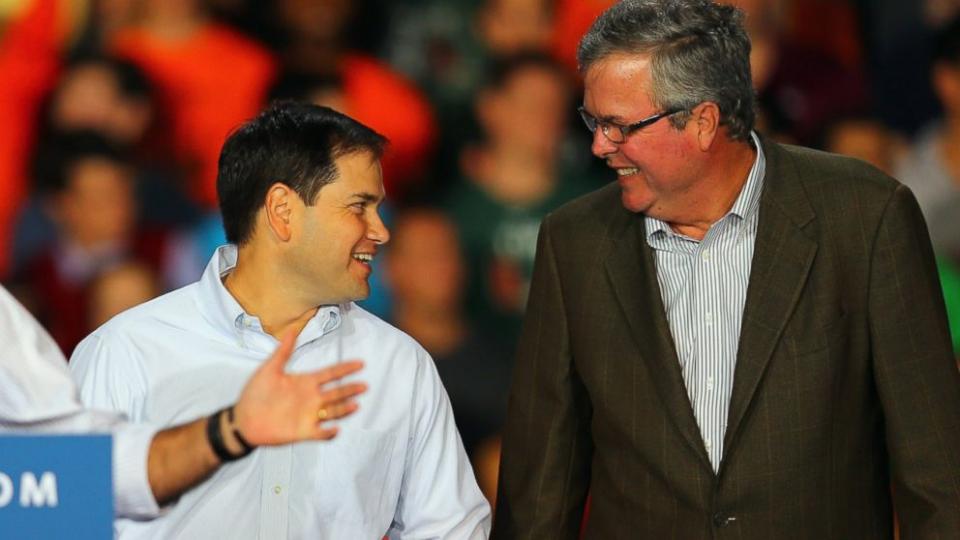
There’s one week until the first nominating contest of 2016, and candidates are doubling down on their campaign efforts in Iowa and New Hampshire. Marco Rubio began the week in the Hawkeye State, scheduling seven events in two days, and is planning to spend the entire week leading up to the Iowa caucuses barnstorming through the state. He isn’t alone: Jeb Bush, his friend and fellow GOP hopeful, is also campaigning in Iowa, holding events there to rally support by Monday’s caucus. He’s also campaigning hard in New Hampshire, where he’s hoping to stage a comeback when voters head to the polls on Feb. 9. Boots on the ground, though, aren’t the only way political hopefuls are hoping to drum up support. In recent days, candidates have been contacting supporters to ask for money to help with the final stretch. On Wednesday, the Bush campaign sent an email to supporters touting an Emerson College Polling Society survey that has the former Florida governor in second place in New Hampshire. “Friend — first the good new: A new poll released last night has Jeb in second place, surging past the nearest competition,” the email reads. “The bad news: This is only going to increase the amount everyone else will spend against us, and we’re seriously close to missing our $250,000 goal for the month. Unless you step up now, we won’t be able to combat the attacks that are coming, and we’ll lose.” The email asks supporters “rush a contribution of just $1” to help the campaign get on track. Bush raised more than $24.8 million as of Sept. 30; while Right to Rise, a super PAC backing Bush, has raised more than $103.2 million, according to the Center for Responsive Politics. Bush isn’t alone in sending a fundraising plea to supporters as the first nominating contest nears. On Wednesday, the Rubio camp sent an email encouraging supporters to chip in. “No matter the size of your donation, it will make a huge impact and ensure we are able to succeed in the Iowa caucuses next week and ultimately win the Republican nomination,” the email read. According to Center for Responsive Politics, Rubio raised more than $15.1 million as of Sept. 30, while Conservative Solutions PAC, the super PAC backing Rubio, raised more than $16.1 million. The Iowa caucuses are Monday, and the New Hampshire primary is one week later on Feb. 9.
Poll: Support for Donald Trump remains strong
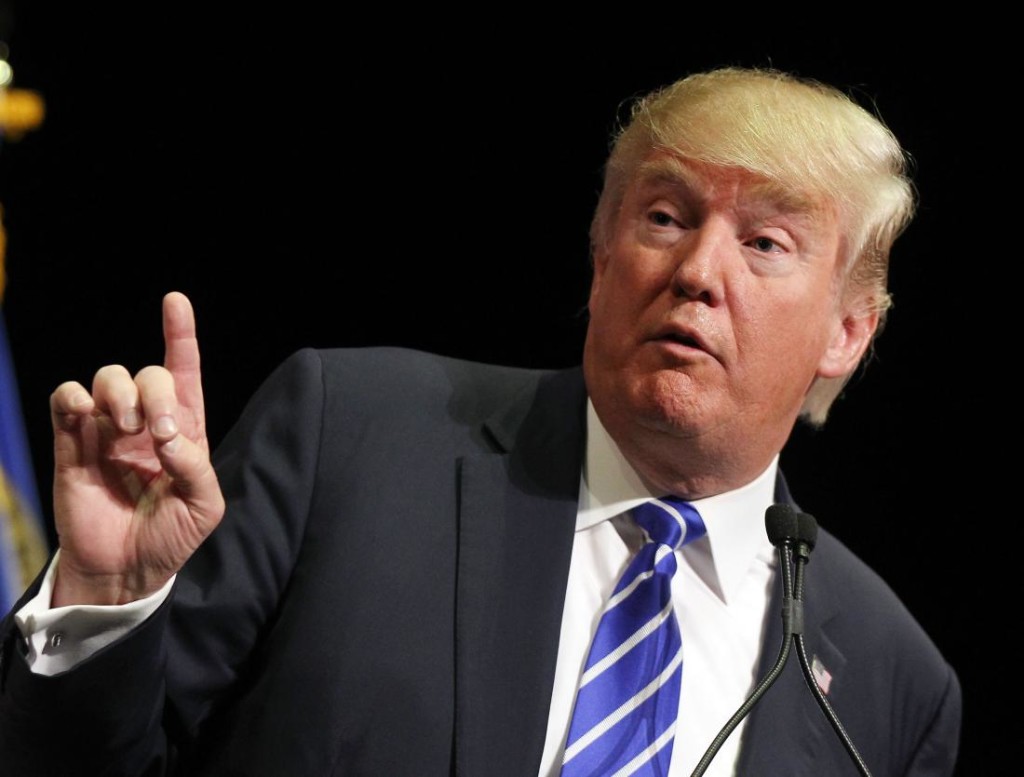
Donald Trump may have the best chance of getting elected president, according to a new Washington Post-ABC News poll. The poll found 56 percent of Republican-leaning voters said Trump had the best chance of getting elected in November 2016, followed by Ted Cruz with 17 percent. No other candidate cracked double digits when asked which Republican candidate had the best chance of winning in November. The poll, released Tuesday, shows Trump leads the Republican field with 37 percent support. Cruz is at 21 percent, while Rubio is in third with 11 percent. The poll shows Ben Carson is at 7 percent, following by Jeb Bush at 5 percent. Republicans said Trump was the candidate they most trusted to handle a variety of issues facing the country, including the economy (55 percent), immigration (44 percent) and terrorism threats (45 percent). The poll found 64 percent of Republican-leaning voters thought Trump was most likely to win the Republican nomination. Cruz followed with 12 percent while Rubio was at 5 percent and Bush and Carson were at 2 percent. Among Republican voters, 65 percent said they would accept Trump as the nominee. The Washington Post-ABC News national poll was conducted between Jan. 21 and Jan. 24. The poll surveyed 356 Republican-leaning registered voters and has a margin of error of 5.5 percent. The first nominating contest of 2016 is Monday, when Iowans voice their opinions in the Iowa caucuses. The New Hampshire primary is Feb. 9.
Poll: Donald Trump, Ted Cruz neck and neck in Iowa

With less than a week before the Iowa caucuses, the Republican race appears too close to call, according to a Quinnipiac University poll released Tuesday. Donald Trump leads the pack among likely Republican caucus goes with 31 percent, followed by Ted Cruz at 29 percent. Marco Rubio, who has held that third place spot for weeks, is at 13 percent. No other Republican candidate cracked double digits in the Quinnipiac survey. “Despite Sarah Palin’s endorsement of Donald Trump and Gov. Terry Branstad’s criticism of Sen. Ted Cruz and despite — or because of Sen. Cruz’ ‘New York values’ comments, the Iowa Republican Caucus remains too close to call,” said Peter A. Brown, assistant director of the Quinnipiac University Poll, in a statement. The poll found Cruz leads Trump among white, born-again Evangelical Christians, voters who describe themselves as “very conservative” and voters who identify as members of the tea party. Trump, however, leads Cruz among voters who self-identify as “somewhat conservative,” “moderate” or “liberal.” “One week before the caucuses gather, the question is which candidate has the best field organization. If the events of the last two weeks haven’t moved the needle, one wonders what would change it in the next six days,” said Brown in a statement. While Trump appears to have significant support among likely Republican caucus-goers, respondents aren’t so sure they would back him if he were the nominee. When asked which candidate respondents would “definitely not support for the Republican nomination for president,” Trump and Jeb Bush were tied at 24 percent. The Quinnipiac University poll was conducted from Jan. 18 through Jan. 24. It surveyed 651 likely Republican caucus participants and had a margin of error of 3.8 percent Trump, Cruz Go Down To The Wire In GOP #Iowa Caucus Poll https://t.co/OjrPo806Vt #Election2016 #IAcaucus pic.twitter.com/FXLBflwNOw — Quinnipiac Poll (@QuinnipiacPoll) January 26, 2016
Marco Rubio’s Iowa crisscross approach bends caucus campaign norm
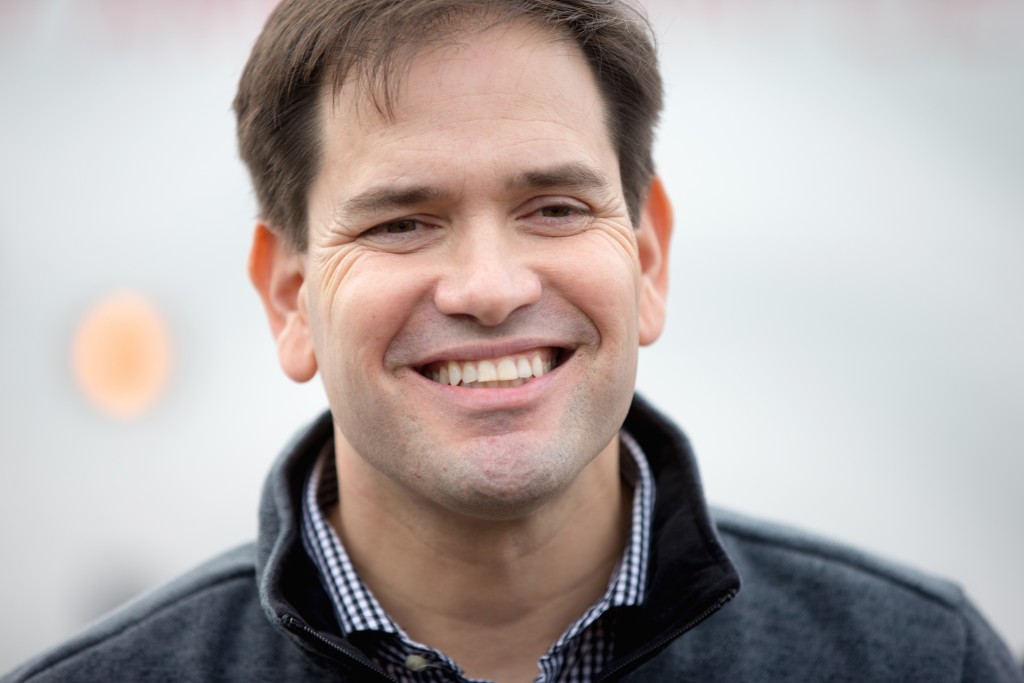
Marco Rubio is all over the map in Iowa. Quite literally. Having spent little time in the state’s rural Christian conservative northwest, the Republican presidential candidate dropped in to Sioux County for the first time last week, then bounced across the state two days later to speak with some of Iowa’s more fiscally conservative voters in the east. “I’m going to trust that he knows what he’s doing,” state Rep. John Wills, who supports Rubio, said after his campaign stop at the Christian Dordt College in GOP-rich Sioux Center. “I hope he gets the chance to get up here again. Northwest Iowa is where you win.” Rubio began an uninterrupted nine-day run Saturday ahead of Iowa’s lead-off caucuses next Monday. His itinerary includes college towns, larger cities and rural outposts. After months of promising that his campaign was on the verge of ramping up in early-voting states, Rubio appears to be following through in the Iowa homestretch. He dismisses the notion that he’s changing in the 11th hour to play catch-up with rival Ted Cruz, who has dedicated significant time and resources toward campaigning across the state. Rubio has focused more on Des Moines and the state’s other urban areas. Rather, “it’s an indication that the caucuses are eight days away,” Rubio said Saturday during a campaign stop in Indianola. In the chess game of early voting, Rubio needs to finish in Iowa ahead of mainstream GOP rivals like former Florida Gov. Jeb Bush and New Jersey Gov. Chris Christie. If he does, undecided voters in the upcoming contests in New Hampshire and South Carolina could take notice. Despite the scattershot appearance of Rubio’s schedule, a pattern of building toward caucus day was beginning to take shape over the weekend as he drew large, diverse and engaged crowds, picked up endorsements from some of Iowa’s larger newspapers and appeared Monday with the state’s freshman U.S. senator, Republican Joni Ernst. “He knows what it is to keep our country safe from the threats that are out there,” Ernst, an Iraq War veteran, said of her 44-year-old Senate colleague. She called him “near and dear to my heart.” Ernst’s glowing introduction echoed formal endorsements of younger, Republicans elected to Congress in the past decade. Rubio described as “young, strong conservative leaders,” those who have campaigned with him, including Colorado Sen. Cory Gardner, South Carolina Rep. Trey Gowdy and South Dakota Rep. Kristi Noem. “I feel good where that is going to lead,” Rubio said of his campaign on Monday. “As soon as we’re done here, we’re going to head to New Hampshire and do as well as we can there.” Until now, some Iowa GOP officials — among them, people who are backing Rubio or are remaining neutral — have been perplexed by his Iowa approach. The caucuses are far different from primary elections, and require successful campaigns to identify individual supporters, stay in touch and communicate with them about how they can be involved and ultimately attend their local precinct meetings. “The critique or allegation has been that (Rubio’s campaign is) not building an organization,” said John Stineman, an Iowa Republican consultant who is not affiliated with any campaign. “He’s not spent as much time in western or northwest Iowa as a traditional Iowa campaign,” said Gwen Ecklund, Crawford County GOP chairwoman. Instead, Rubio has frequently visited Sioux City, the metro hub of northwest Iowa, but a far cry from the socially conservative counties that surround it where the more clearly evangelical candidate Rick Santorum won in the 2012 caucuses. Cruz, who has led in some recent Iowa GOP polls, has visited them all, evidenced by red signs, reading “Choose Cruz” that mark the snowy banks along the two-lane farm roads of Sioux County. Still, Rubio drew 600 to his event at the Dordt College union on a recent, bitterly cold night. He had drawn a smaller audience to the Christian college two weeks earlier, when students were away for winter break. Two days after his Sioux County event, Rubio was 370 miles east, speaking to about 500 on a Monday night in Bettendorf, part of the more moderate Quad Cities metro area, where 2012 GOP nominee Mitt Romney won during the 2012 caucuses. In the days ahead, Rubio has an equally demanding schedule, beginning Monday in the Des Moines area with little letup, except for Thursday’s GOP debate in that city. Stineman said activities behind the scenes could fill any gaps. Much of Rubio’s voter identification has been digital — through social media and email. “It’s happening in a way we’re not used to,” said former state GOP Chairman Matt Strawn, who is not working for a campaign. Rubio is also getting organizational help from an unconventional source. Conservative Solutions, the super PAC that supports Rubio, is calling potential Rubio supporters, collecting information about them and directing them to the Iowa Republican Party’s website to find their caucus locations. Stineman said he had received such calls and follow-up information. While a spokesman for the group said it was conducting some organizational functions aimed at benefiting Rubio in the caucuses, he declined to elaborate. It’s a new role for these groups, which can, unlike federally regulated campaigns, take unlimited contributions but have until now largely used their money on advertisements. “Rubio’s team seems to be operating off of a new Iowa Caucus playbook,” Strawn said. Republished with permission of the Associated Press.
Marco Rubio attacks Hillary Clinton, not GOP rivals, in Iowa
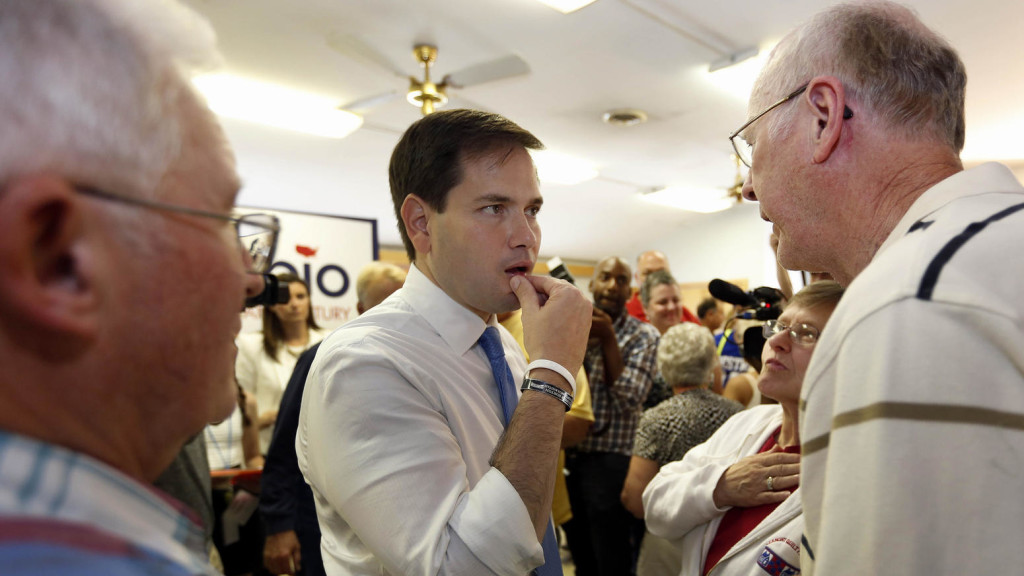
Republican presidential candidate Marco Rubio sprinted toward the Iowa caucuses Sunday, avoiding direct confrontations with his opponents and instead, projecting a vision that looks more toward the general election. The Florida senator was in Cedar Rapids and Waterloo, part of a nine-day blitz across the state, campaigning with confidence to audiences numbering in the hundreds, as preference polls showed Texas Sen. Ted Cruz and billionaire businessman Donald Trump ahead in Iowa. Iowans will vote in the country’s leadoff contest on Feb. 1. “We are not just picking a political party,” he told 400 people in a Cedar Rapids hotel ballroom. “We are picking the very identity of our nation. That is what’s at stake in this election.” Campaigning in eastern Iowa, Rubio touted a scheduled joint appearance with Iowa’s popular Republican freshman Sen. Joni Ernst Monday. Ernst, elected in 2014, is among several younger, newer members of Congress joining Rubio on the road — though Ernst says she will not endorse anyone before the caucuses. It’s part of 44-year old Rubio’s effort to cast himself as part of a new generation of conservative Republicans, while characterizing Democratic front-runner Hillary Clinton as an embodiment of a longstanding partisan gridlock in Washington. In recent weeks, Rubio has campaigned with newer members of Congress, who, like Rubio, were elected during the conservative Tea Party wave of 2010, like South Carolina Rep. Trey Gowdy, as well as Colorado Sen. Cory Gardner and South Dakota Rep. Kristi Noem. Rubio has stepped up his Iowa campaigning in recent weeks, positioning himself as the alternative to anti-establishment candidates Cruz and Trump. The Des Moines Register and Sioux City Journal, two of Iowa’s largest newspapers, endorsed the Florida senator on Saturday. And while Trump and Cruz intensified their attacks against one another in Iowa this weekend, Rubio took only light jabs at his rivals. Rubio pointed to candidates who voted to approve a reduction in federal military spending, accusations directed at fellow Sens. Cruz and Rand Paul — though he never mentioned them by name. “Our next president should tell you as a candidate how they will fight the war on terror,” Rubio said. Republished with permission of the Associated Press.
Poll: Donald Trump pulls ahead in Iowa, maintains top spot in New Hampshire
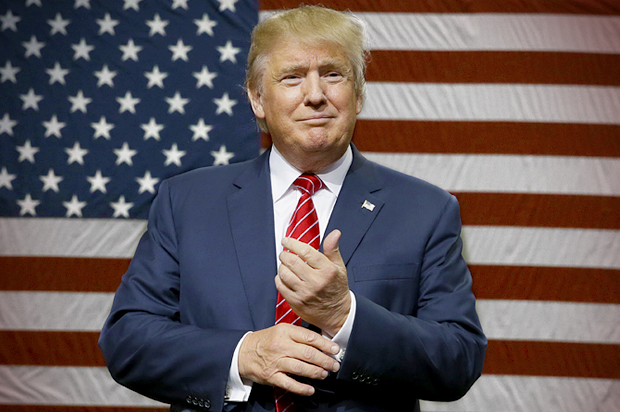
Donald Trump is gaining ground in Iowa, a new Fox News poll found. With one week before the Iowa caucuses, Trump leads Ted Cruz, 34 percent to 23 percent. The most recent poll showed Marco Rubio was in third at 12 percent, followed by Ben Carson at 7 percent. Rand Paul, the poll found, was polling at 6 percent in Iowa. The poll found 20 percent of likely Republican caucusgoers said they would refuse to vote for Trump if he was the Republican nominee; 14 percent said they would refuse to vote for Jeb Bush if he was the nominee. The Fox News poll was conducted Jan. 18 through Jan. 21. The results show a shift in opinions from earlier Fox News surveys, which found Cruz was leading the pack in Iowa. The Iowa caucuses are Feb. 1 Trump still dominates in New Hampshire, found a Fox News poll conducted during the same time period. That survey shows Trump leads Cruz, 31 percent to 14 percent. Rubio is in third at 13 percent, John Kasich follows at 9 percent. Bush and Chris Christie are tied at 7 percent. The New Hampshire primary is Feb. 9.
Jeb Bush upbraids Donald Trump at New Hampshire Republican forum
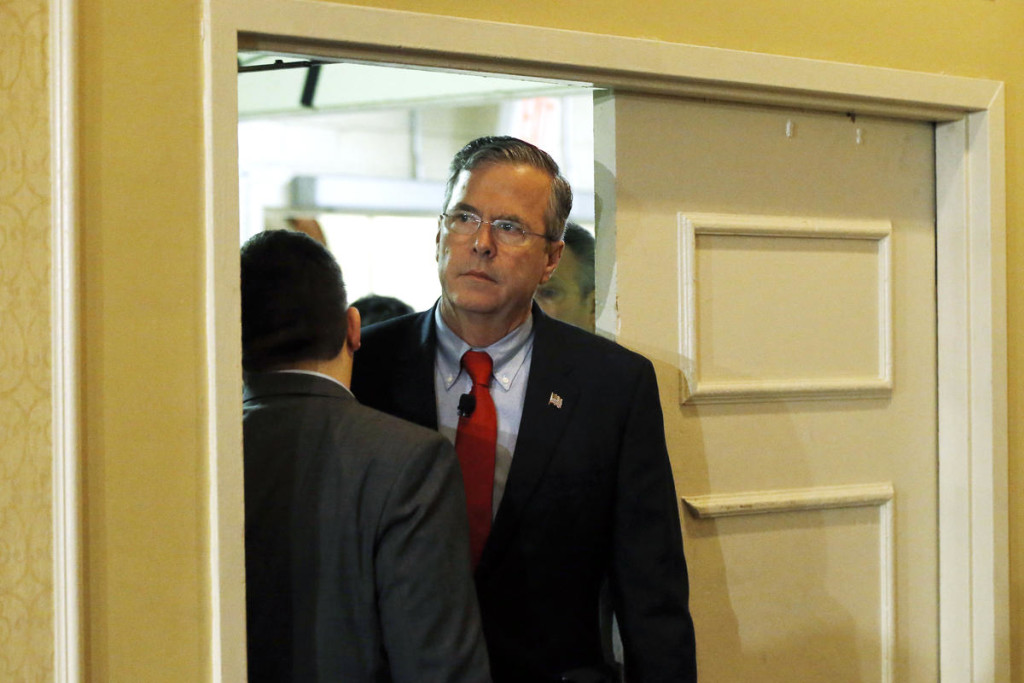
Former Florida Gov. Jeb Bush unleashed a fury of criticism against Donald Trump on Saturday before imploring New Hampshire voters to forgo the billionaire businessman in the state’s Feb. 9 primary. “You have a chance to reshape this whole primary,” Bush told hundreds of voters at a state Republican Party presidential candidate forum. Trump, who continues to dominate polling in the first primary state, did not attend the event. Nor did Texas Sen. Ted Cruz, who is neck-and-neck with Trump in first-to-nominate Iowa and rising in New Hampshire. A host of candidates fighting for survival in the 2016 race appeared alongside Bush. Among them: Florida Sen. Marco Rubio, Ohio Gov. John Kasich, Kentucky Sen. Rand Paul, former CEO Carly Fiorina and former Pennsylvania Sen. Rick Santorum. But only Bush delivered harsh words for Trump. “He’s a gifted entertainer, but he’s not a conservative,” Bush said, citing Trump’s past support for Democrats, including the Clintons, past stances on social issues and previous support for a single-payer health care system, noting “that’s Bernie Sanders’ position.” He slammed Trump for saying Sen. John McCain, a Vietnam prisoner of war and two-time New Hampshire presidential primary winner, is not a “war hero” because he was captured. Bush also reminded voters of Trump’s remarks about women and immigrants. “It is not strong to insult women; it is not a sign of strength when you insult Hispanics,” Bush said. “(Or) when you say that a prisoner of war is a loser because they got caught.” Rubio and Kasich, meanwhile, largely stayed away from attacking fellow Republicans. Rubio offered only veiled attacks against Cruz and New Jersey Gov. Chris Christie over taxes. Instead, he stuck largely to his campaign speech and focused his criticism on President Barack Obama and Democratic candidate Hillary Clinton. “We are on the road to decline right now, and the reason is because in 2008 America elected a president who wasn’t interested in fixing the problems of America,” Rubio said. He criticized Obama for his stance on gun rights, immigration, education, military and foreign policy. “The result is the anger and frustration that people are feeling now,” the Florida senator said, echoing the feelings of Trump’s supporters and populist message. But, without naming rivals Trump and Cruz, the Rubio said voters cannot “just elect any Republican.” Kasich, by contrast, said it’s pointless to spend time focusing on Obama, who has only months left in office. Kasich in recent days has said he plans to keep his focus on what’s ahead. But, he noted he’s excited about the prospect of challenging Clinton in a general election. “She’s a fragile candidate,” he said. “In the general, I’m gonna have a ball.” Paul criticized rival Rubio and other Republican senators for pushing to raise military spending, which he said would add to the $19 trillion national debt. The Kentucky senator, whose campaign is struggling to gain traction, also said that Rubio, Bush and other Republicans are eroding Americans’ civil liberties in the fight against terror. They “want more surveillance of you,” he said. Republished with permission of the Associated Press.
