
Marsha Blackburn and Katie Britt headline Republican get out the vote event in Madison County

Republican U.S. Senate candidate Katie Britt was joined by U.S. Senator Marsha Blackburn for a Republican Get Out The Vote (GOTV) rally in Madison County on Monday, October 31st. Britt and Blackburn will also be joined by Lt. Governor Will Ainsworth, Speaker of the House Mac McCutcheon, Senate Majority Leader Clay Scofield, and House Majority Leader Nathaniel Ledbetter. These GOP leaders will be joined by local candidates, elected officials, grassroots activists, and members of the public. “I’m excited to join an incredible lineup of speakers in Madison County at our Get Out The Vote rally,” said Katie Britt in a statement. “It’s an honor to have Senator Marsha Blackburn on hand to outline how important this upcoming General Election is. We are looking forward to visiting with everyone and discussing what’s at stake on November 8. It’s time to send a message loud and clear to Washington, D.C. that we’ve had enough of President [Joe] Biden’s radical agenda that puts hardworking Alabama families last, whether it is generationally high inflation, a historic border crisis, or the devastating flood of fentanyl into our communities. This is the Year of the Parent, and people across our great state know that our future is on the ballot. Together, we will preserve the American Dream for our children and our children’s children.” “Mexican drug cartels went into overdrive as soon as President Biden took office, smuggling fentanyl in by the truckload,” Blackburn wrote last week. “With any semblance of law and order tossed aside, dealers realized they could get away with lacing common prescription drugs. Now, just in time for Halloween, the DEA is warning parents that the cartels are attempting to lure children with brightly-colored “rainbow” fentanyl made to look like candy. That’s right – they are serving up poison that could pass as Chewy SweeTARTS. With heinous operations like this, it’s no wonder fentanyl overdoses have become the leading cause of death for adults ages 18 to 45.” The event was hosted by Black Patch Distillery at 500 Lanier Road, Unit 3C in Madison. To connect with the author of this story, or to comment, email brandonmreporter@gmail.com.
Tommy Tuberville objects to cuts to veterans pharmacy network
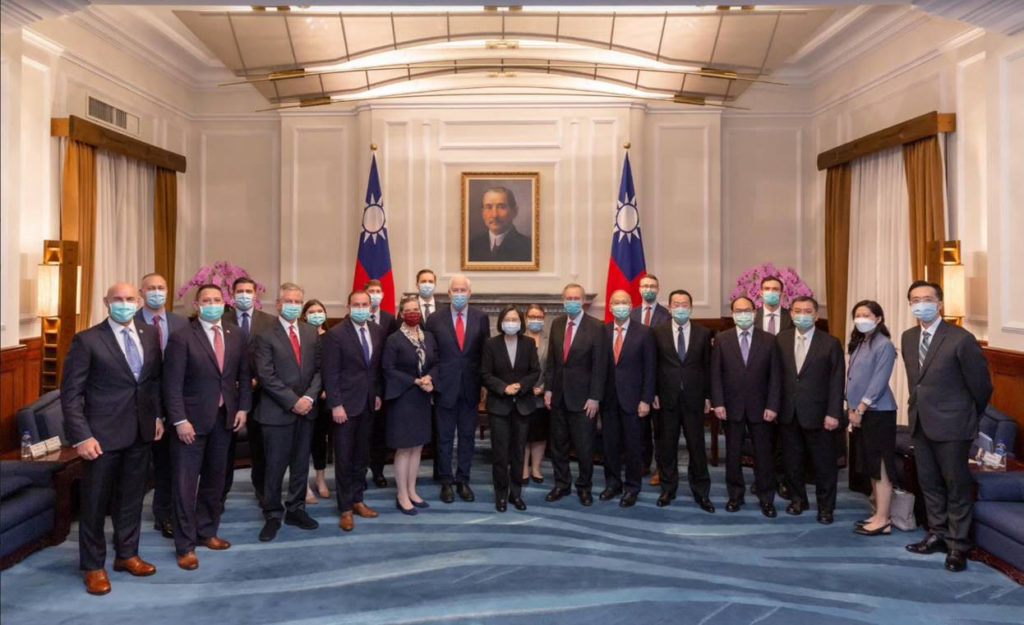
U.S. Senator Tommy Tuberville and 15 of his Senate colleagues sent a letter Friday to Seileen Mullen, Acting Assistant Secretary of Defense for Health Affairs, seeking answers about TRICARE beneficiaries’ ability to maintain access to local pharmacies. On October 24, unless the VA can reach a new agreements with Express Scripts and other providers, thousands of local community pharmacies will not be able to service 9.6 million TRICARE patients and their families. Express Scripts is terminating the contract with TRICARE on October 24 instead of waiting for them to expire at the end of the year, heightening concerns that millions of veterans and their families will not be able to get their medicines at their neighborhood pharmacies. “It has been brought to our attention that Express Scripts has reduced reimbursements for prescriptions dispensed at in-network retail pharmacies for 2023,” wrote Tuberville and the other Senators. “These reductions may leave many retail pharmacies unable to participate in the TRICARE Pharmacy Program, thus significantly impacting 9.6 million TRICARE beneficiaries’ access to local pharmacies. Most recently, Express Scripts notified pharmacies and beneficiaries that current 2022 pharmacy contracts will expire October 24, 2022, rather than the end of the year. This will only further reduce the pharmacy network for TRICARE patients and their families and may force beneficiaries to change pharmacies at a time when many receive annual vaccinations.” “Pharmacists continue to be one of the most accessible health care providers in the United States,” the Senators continued. “Over 90 percent of Americans live within five miles of a community pharmacy, and 76.5 percent of pharmacies in rural areas are independent community pharmacies. As you know, in addition to dispensing medications and vaccines, community pharmacies provide services that lead to better health outcomes, lower overall administrative fees, and valuable in-person consultations with a healthcare provider.” Tuberville was joined in the letter by Sens. Tom Cotton (R-Arkansas), Roger Marshall (R-Kansas), Cindy Hyde-Smith (R-Mississippi), Chuck Grassley (R-Iowa), Steve Daines (R-Montana), John Boozman (R-Arkansas), Marsha Blackburn (R-Tennessee), Shelley Moore Capito (R-West Virginia), John Thune (R-South Dakota), Jerry Moran (R-Kansas), Mike Rounds (R-South Dakota), John Barrasso (R-Wyoming), Deb Fischer (R-Nebraska), Mike Braun (R-Indiana), and Cynthia Lummis (R-Wyoming). 15,000 pharmacies will leave the TRICARE network on October 24. To connect with the author of this story, or to comment, email brandonmreporter@gmail.com.
Tommy Tuberville’s veterans post-9/11 GI bill passes Senate
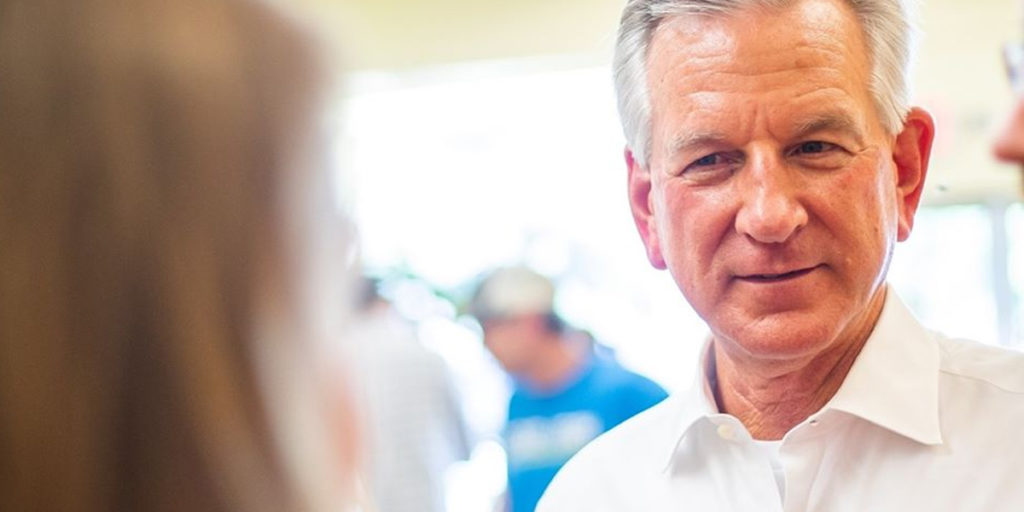
U.S. Senator Tommy Tuberville’s veterans bill (S. 3606) passed the U.S. Senate with unanimous support. The bill, which clarifies the information required on the post-9/11 GI Bill benefit transfer forms, is Senator Tuberville’s second piece of legislation to pass the Senate, after the Supporting Families of the Fallen Act passed in March. A bipartisan group of nine senators cosponsored the bill, including Senators John Thune, Marco Rubio, Mike Braun, Tim Scott, Marsha Blackburn, John Boozman, Raphael Warnock, Dianne Feinstein, and Richard Blumenthal. Once the bill passes the U.S. House of Representatives, where it also has bipartisan support, it will head to President Joe Biden’s desk to be signed into law. In a press release, Tuberville, applauded the support for the bill. “As the son of a veteran and a grateful American, I want to ensure that our veterans and their families are well-taken care of, not the victims of bureaucratic red tape,” said Tuberville. “This bill is another targeted, meaningful change that makes it easier for our veterans and their families to receive the benefits they so rightly deserve. I look forward to seeing this bill pass the House and sent to President Biden’s desk soon.” After learning of a small, but correctable error that makes it difficult for dependents to receive their Post-9/11 GI Bill benefits, Senator Tuberville introduced legislation to fix the issue in February 2022. The bill clarifies the information required on U.S. Department of Veterans’ Affairs (VA) and U.S. Department of Defense (DoD) forms filled out by a service member when they elect to have their post-9/11 GI Bill benefit transferred to a dependent. Part of current VA and DoD transfer forms requires the service member to fill out a field labeled “end date,” which refers to the date on which the dependent may no longer receive the benefit. Many service members were misreading the information requested in the GI Bill benefit transfer forms. This error resulted in eligible dependents being barred from education benefits due to an easily amendable error. Since this field is the cause of many incorrectly completed transfer forms, Senator Tuberville’s bill would remove the “end date” to prevent further issues. This bill will allow a service member to transfer his or her Post-9/11 GI bill benefits to a spouse or child so long as the service member has done the following: Completed at least six years on the date the service member requests to transfer the benefit, and Agreed to add four more years of service, and The individual receiving the benefits has enrolled in the Defense Enrollment Eligibility Reporting System (DEERS).
Lawmakers coordinate effort to stop blacklisted Chinese firms from receiving U.S. tax dollars
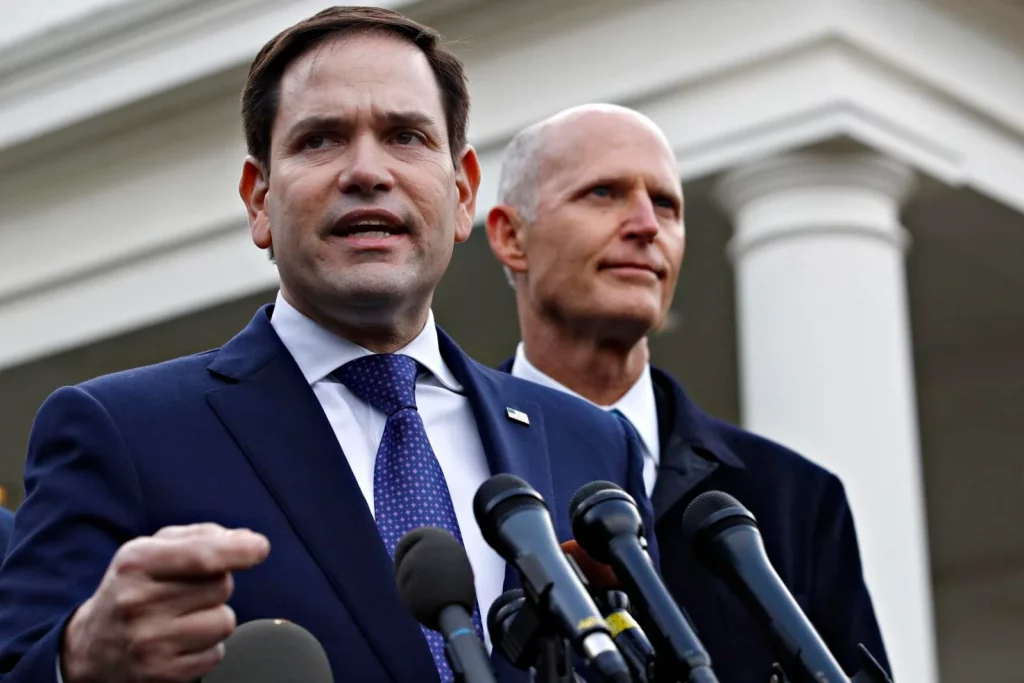
Several Republican senators introduced new legislation this week that would prevent U.S. taxpayer dollars from going to certain Chinese firms. Sen. Marco Rubio, R-Fla., introduced the Turn Off the Tap Act along with Sen. Marsha Blackburn, R-Tenn., and Sen. Rick Scott, R-Fla. The bill would stop any federal funds from going to companies that have been blacklisted by the Department of Commerce’s Entity List and the Non-SDN Chinese Military-Industrial Complex Companies List. “It’s not only dangerous to fund Chinese businesses with American taxpayer dollars, but it’s also dumb,” Rubio said. “This bill would prohibit federal funds from bankrolling Chinese, and other firms we know are not acting in our best interest.” Lawmakers also argued China is taking advantage of the U.S. while not addressing its human rights violations. “We know Communist China will stop at nothing to try and exploit American markets and take advantage of American businesses operating within the genocidal regime’s borders,” Scott said. “The Turn Off the Tap Act will stop the flow of hardworking Americans’ dollars to countries like Communist China who want to hurt our economy. This legislation is a no-brainer, and I urge the support of my colleagues for its quick passage.” The federal funding goes to these companies via federal grants or contracts which, aside from the national security concerns, threatens American businesses since Chinese companies have a history of predatory investment and stealing U.S. intellectual property. Experts say Chinese companies often use cultural exchange programs or shell companies to access U.S. investment. “It is unconscionable that the Biden administration has enabled the Chinese Communist Party to rake in cash from American taxpayers,” Blackburn said. “Rather than letting Joe Biden award grants or sign federal contracts that undermine the United States, I am cosponsoring legislation to cut our adversaries off. The White House needs to stop emboldening the New Axis of Evil and start putting America first.” Rep. Claudia Tenney, R-N.Y., introduced companion legislation in the House with the same goal. “The American people’s tax dollars should not be invested in blacklisted Chinese companies,” she said. “Yet today, because of weak policies in Washington, they continue to be. It’s time we cut off the tap. “The Chinese Communist Party’s predatory trade policies, significant human rights abuses, and threats to American security are absolutely unacceptable.” Sen. Josh Hawley, R-Mo., introduced a similar bill Monday, the “Time to Choose Act,” which would “prohibit the Department of Defense and other federal agencies from contracting with consulting firms like McKinsey & Company who are simultaneously providing services to the Chinese government or its affiliates.” Hawley said, “The fact that these consultants are awarded huge contracts by our Defense Department and other federal agencies while they are simultaneously working to advance China’s efforts to coerce the United States is appalling and completely unacceptable. It is well past time that we hold these companies accountable and prohibit this kind of conflict of interest in government contracting.” Republished with the permission of The Center Square.
10,000-person caravan heading to U.S. from Mexico, saying Joe Biden will give them asylum

A caravan of thousands of people heading to the U.S. has reportedly left from Tapachula, Mexico, a city located less than 10 miles from the Mexico-Guatemala border. The timing of their departure was planned to coincide with the Summit of the Americas in Los Angeles, which began Monday. President Joe Biden, who’s still not been to the U.S. southern border, spoke at the summit Wednesday. Many of those in the caravan are from Central America, Venezuela, and Cuba, according to several news reports. “We consider we are around 9,500, it measures 5 1/2 km from the start to the end, people keep on joining, in the first police check there were approximately 100-150 national guard, INM, state police and let us through freely,” Luis Villagran, the caravan’s organizer, told Fox News. President Joe Biden “promised the Haitian community he will help them,” several Haitians told Fox News last week. “He will recall Title 42. He will help us have real asylum,” they said. Reuters reported that at least 6,000 people had already left from Tapachula. Villagran also said that Mexico began issuing 1,000 temporary work visas a day to people who were in Mexico illegally starting Wednesday, enabling them to travel throughout Mexico and to the U.S. border. Visas enable non-Mexican citizens to travel freely throughout Mexico and to be transported by Mexican citizens. Without visas, those traveling in caravans can’t reach the U.S. Upon hearing the news, U.S. Rep. Yvette Herrell, R-NM, wrote on Twitter, “Another thousands-strong caravan of illegal migrants, emboldened by Joe Biden’s complete destruction of our border security. Those who get through will be released into our communities with no background checks.” Texas Republican congressional candidate Irene Aremendariz-Jackson told “Fox & Friends First” that American leaders need to “stand up for Americans” instead of illegal immigrants. “This administration has empowered illegal aliens, has empowered everybody except Americans,” she said. “I want to remind the Biden administration that they were elected … to provide safety and tranquility for the American people. That is in our Constitution.” Armendariz-Jackson, a veteran from El Paso who is married to a Border Patrol agent, and is running against incumbent Democrat Rep. Veronica Escobar, argues the Biden administration has “completely failed” the American people. U.S. Sen. Marsha Blackburn, R-Tenn., wrote on Twitter, “What could be the largest caravan ever is heading toward our southern border, claiming Joe Biden promised them asylum. This is a nightmare.” Blackburn said the president “needs to get out in front of this and tell them to turn around immediately.” Of the summit, U.S. Rep. María Elvira Salazar, R-Miami, tweeted, “This administration is not interested in Latin America.” The proof, she said, was “the disorganization and abysmal leadership at the summit.” The summit was also “an example of Biden’s approach to Latin America: weak, disorganized and misguided.” The summit was “a mess,” she said in response to an article published by the Spanish language newspaper from South Florida, Diario Las Américas. The paper reported that the summit began “on quicksand due to boycott threats from countries like Mexico, in the midst of the migration crisis.” Republished with the permission of The Center Square.
Tommy Tuberville continues push to fully reopen U.S. Capitol, Senate to visitors
U.S. Senator Tommy Tuberville joined U.S. Senator Bill Hagerty in introducing a resolution supporting the full reopening of the U.S. Capitol and Senate Office Buildings to the American public. Tuberville has been vocal on returning the U.S. Capitol and Senate Office Buildings to pre-COVID visitation policies. The Capitol and Senate office buildings have remained largely closed to the public for nearly two years. This closure has restricted lawmakers’ ability to welcome constituents to their offices and arrange for Capitol tours. The resolution aims to recognize the importance of reopening the U.S. Capitol and Senate office buildings and support returning to the pre-COVID public visitation policies for areas within Senate jurisdiction. Senator Tuberville expressed the need to open the Capitol so that the public can watch the democratic process. “Two years ago, it was reasonable to close public access in the name of public health. But now, it is no longer justifiable to restrict the public’s access to Capitol Hill, and we must accept the reality that we will be living with COVID for the foreseeable future,” Tuberville commented. “It should not be the case that only Members of Congress, their staff, and a few select people be the only ones who can access the Capitol. Americans deserve to visit their country’s beacon of democracy.” Hagerty argued that the Capitol needs to be reopened because the rest of the U.S. has reopened. “It is long past time for the Senate to re-open its doors to those who sent us here to represent them—the American people,” stated Hagerty. “Thanks to Operation Warp Speed, vaccines have been available for over a year for those who want them, and Americans from coast to coast have learned to live their lives safely despite the pandemic. From stores to venues and most workplaces and schools, the rest of the United States has re-opened, and it’s time for the Senate to do the same.” Other senators who support the resolution include Senators John Thune (R-SD), Jerry Moran (R-KS), Marco Rubio (R-FL), Rick Scott (R-FL), James Inhofe (R-OK), James Lankford (R-OK), Mike Braun (R-IN), Thom Tillis (R-NC), Kevin Cramer (R-ND), Roger Wicker (R-MS), Cindy Hyde-Smith (R-MS), John Cornyn (R-TX), Cynthia Lummis (R-WY), Rand Paul (R-KY), John Hoeven (R-ND), Chuck Grassley (R-IA), John Kennedy (R-LA), Josh Hawley (R-MO), Ron Johnson (R-WI), John Boozman (R-AR), Roger Marshall (R-KS), Marsha Blackburn (R-TN), Mike Crapo (R-ID), Jim Risch (R-ID), and John Barrasso (R-WY).
Republicans push for greater access to COVID therapeutics
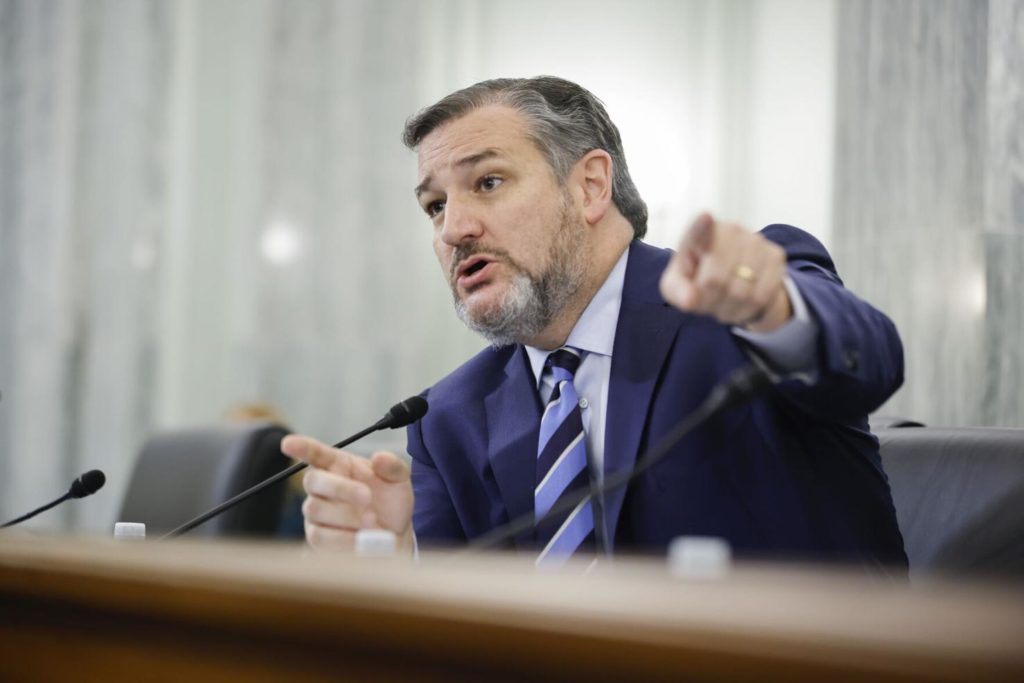
Republicans are pushing for greater access to monoclonal antibody treatments for COVID-19 after the federal government took over the distribution of such drugs last year. U.S. Sen. Ted Cruz, R-Texas, filed Senate Bill 3440 to prohibit the federal government from limiting state access to monoclonal antibody treatments. “One of the things we’ve learned during this pandemic is that monoclonal antibodies can have a very effective therapeutic effect in combatting COVID-19 infections,” Cruz said in a statement. “The Biden administration responded to these encouraging results by rationing and limiting the ability of people to access monoclonal antibodies and stopping states like my home state of Texas from ordering the treatments directly. This federal takeover is an abuse of power that denies people lifesaving medication.” The U.S. Department of Health and Human Services’ Office of the Assistant Secretary for Preparedness and Response announced an update to the distribution of such therapeutic treatments on Sept. 3, 2021, as demand increased. Ten days later, the Assistant Secretary for Preparedness and Response said the agency was taking control of the supply of some monoclonal antibody treatments, and it would provide weekly distributions for U.S. states and territories. Before that, state and health care facilities were able to order directly from AmerisourceBergen, the distributor, without limits. Florida Gov. Ron DeSantis, a Republican, also has been critical of the federal government’s policies regarding monoclonal antibodies after the state made such treatments a priority. “Prior to the federal government takeover of the monoclonal market, Florida successfully distributed approximately 30,000 doses per week when we managed our own supply,” DeSantis said in a statement. “The state has more than $800 million available to quickly deploy monoclonal antibody treatments throughout the state, and the only thing holding us back is the insufficient supply of treatment from the federal government.” Cruz’s bill would also allow states to use federal COVID-19 relief funds to buy monoclonal antibody treatments. A similar bill, introduced last summer, has gained 23 co-sponsors in the U.S. House. In September 2021, Florida’s U.S. Sens. Marco Rubio and Rick Scott said the Biden administration’s actions were “vindictive, politically motivated.” They also said the Department of Health and Human Services had no business rationing supply of monoclonal antibody treatments to places where demand is high. Rubio and Scott joined fellow Republican Sens. Roger Marshall, Kansas; Kevin Cramer, North Dakota; Marsha Blackburn, Tennessee; Mike Braun, Indiana; and Tommy Tuberville, Alabama; in introducing the Treatment Restoration for Emergency Antibody Therapeutics (TREAT) Act. The proposed Treat Act would prohibit the DHHS from restricting hospitals and other healthcare providers from ordering monoclonal antibody treatments directly from manufacturers to meet local demand. The U.S. Department of Health and Human Services didn’t immediately respond to a request for comment on Wednesday. Republished with the permission of The Center Square.
Tommy Tuberville joins legislation to investigate COVID-19 origins
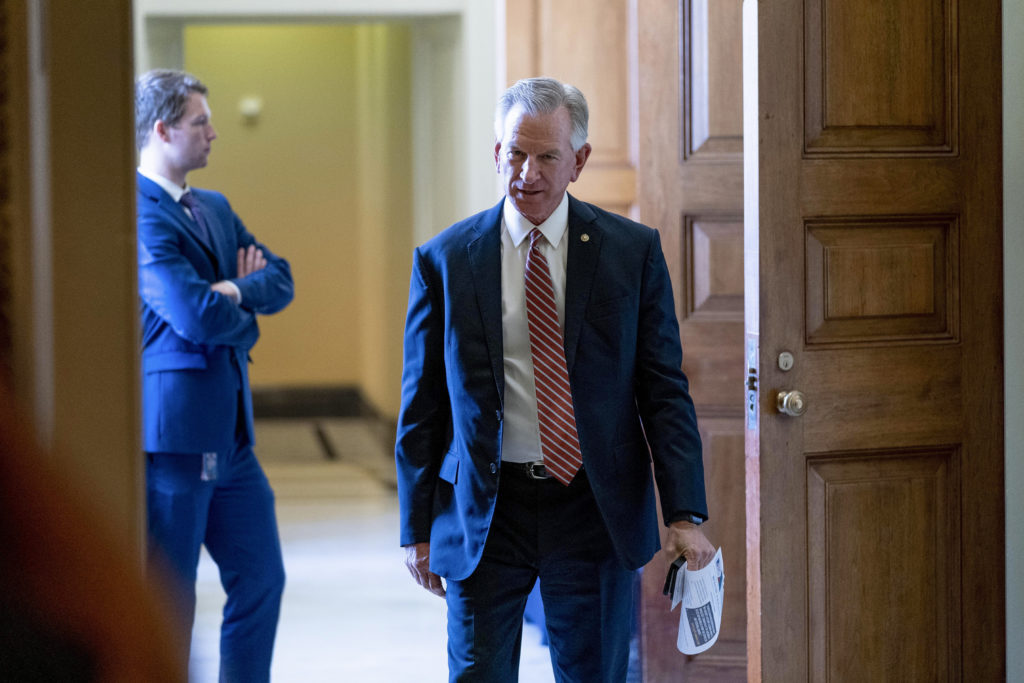
Senator Tommy Tuberville joined Florida senator Marco Rubio and 14 other colleagues to introduce the Coronavirus Origin Validation, Investigation, and Determination (COVID) Act of 2022. This bill aims to press for an international investigation into the origins of COVID-19 at laboratories in Wuhan. If passed, the COVID Act of 2022 would authorize sanctions if the Chinese Communist Party (CCP) fails to allow such an investigation within 90 days of the bill’s enactment. Sen. Tuberville stated, “Since day one, the Chinese government has been anything but transparent and credible as we pushed for answers on the origins of this virus. That must change. This legislation will hold the Chinese Communist Party accountable for the American lives taken by COVID and make it clear that actions will be met with consequences.” According to the bill, the COVID Act would sanction the leadership of the Chinese Academy of Sciences (CAS) and its affiliated institutes and laboratories, including the Wuhan Institute of Virology. It would also suspend federal research funding across all academic fields for studies that involve the CAS. Additionally, the bill would impose a prohibition on gain-of-function virus research cooperation between any individual or institution based in the United States that receives federal funding and any People’s Republic of China-based individual or institution. Rubio stated, “For two years, the Chinese Communist Party (CCP) has stonewalled all efforts to uncover the true origins of COVID-19. We know the virus originated in China, however, the CCP’s attempts to obfuscate the truth has led to countless deaths and needless suffering worldwide. It is clear that Beijing will only respond to concerted pressure from the United States and the international community. My bill will force the CCP to the table.” Other bill sponsors include Senators Tim Scott, John Cornyn, Rick Scott, Kevin Cramer, Roger Marshall, Steve Daines, Chuck Grassley, James Lankford, Ben Sasse, Cindy Hyde-Smith, Mike Braun, Marsha Blackburn, Bill Hagerty, and John Kennedy.
Congress passes $770 billion defense bill, allows discharge over vaccine refusal

Congress passed a $770 billion defense bill Wednesday, authorizing a wide range of military spending for the next year. The Senate passed the bipartisan 2022 National Defense Authorization Act with an 89-10 vote, sending the legislation to President Joe Biden. The bill, which is passed annually in some form, includes a revamp of how the military deals with sexual assaults as well as a 2.7% pay increase for military members and employees at the Department of Defense. The bill also creates an “Afghanistan War Commission” to evaluate the U.S. military’s presence – and withdrawal from – that nation. “The passage of this year’s national defense bill bolsters our security, ensures our nation’s defenders can effectively confront adversaries like Communist China and Russia, and directly benefits Tennessee’s military and research communities,” said Rep. Marsha Blackburn, R-Tenn. The NDAA came after months of wrangling over the debt ceiling, funding for the government, and the infrastructure and “Build Back Better” spending bills. The legislation, which Biden is expected to sign, funds the gamut of military activity, from new equipment to salaries and more. The bill faced several points of contention, including when a contingent of Republicans fought to include language protecting U.S. service members who refuse to take the COVID vaccine. The head of the Department of Defense, Lloyd Austin, announced earlier this year that service members who refuse the vaccine will likely face discharge. After Republican efforts, the newly passed NDAA prevents them from receiving dishonorable discharges, but they can still be discharged. “In addition, this year’s NDAA includes a provision I fought for that removes the ability for the military to dishonorably discharge service members who choose not to receive the COVID-19 vaccine,” Sen. Ted Cruz, R-Texas, said in a statement. “As President Biden’s unlawful vaccine mandates are continually challenged, this reform prevents our brave servicemen and women from being punished like convicted criminals for simply making what they believe is the best medical decision for themselves,” he said. “I will continue to fight to ensure that service members who refuse the vaccine are not punished for their private healthcare choices,” Cruz added. A spokeswoman for the Air Force said Monday the branch had discharged 27 service members, reportedly for refusing the COVID vaccine. These discharges are the first with more expected. The Biden administration has defended the mandate for service members, arguing only a small percentage have refused. “My understanding is that 99 percent of the Air Force is in compliance. So, we’re talking about less than 1 percent, which – to us, the story is that it’s more than 99 percent who are in compliance,” White House Press Secretary Jen Psaki told reporters Tuesday. “I would also note – and they can give you more detail on this – but this is at the end of months of counseling and engagement with those not in compliance about what is required here.” Another controversial provision that did not make the final version of the bill was an effort to include women in selective service, otherwise known as the draft. “Democrats tried to use the NDAA to draft America’s daughters and force their radical social ideologies onto our troops,” Sen. Tom Cotton, R-Ark., said in a statement. “Thankfully, they failed, and this year’s defense bill largely does what it should: support and strengthen our troops.” By Casey Harper Republished with the permission of The Center Square.
Tommy Tuberville backs legislation to block HHS policy limiting monoclonal antibody treatments
Senator Tommy Tuberville joined Senators Marco Rubio (R-FL), Rick Scott (R-FL), Roger Marshall (R-KS), Kevin Cramer (R-ND), Marsha Blackburn (R-TN), and Mike Braun (R-IN) to introduce the Treatment Restoration for Emergency Antibody Therapeutics (TREAT) Act. The U.S. Department of Health and Human Services (HHS) recently changed the distribution method to make sure monoclonal antibody treatment is distributed equitably. Prior to the change, almost 70 percent of the monoclonal antibody supply in the U.S. was being used by just seven southern states: Alabama, Florida, Texas, Tennessee, Mississippi, Georgia, and Louisiana. These states also have some of the lowest vaccination rates. “Given this reality, we must work to ensure our supply of these life-saving therapies remains available for all states and territories, not just some,” HHS said in a statement. Monoclonal antibodies are lab-made proteins that mimic the immune system’s ability to fight off harmful antigens such as viruses. They were FDA approved in 2020. Dr. Meredith Chuk, who is leading the COVID-19 monoclonal antibody therapeutics team for HHS explained shipments of the treatments climbed from about 10,000 patient courses a week in June to more than 200,000 a week in recent weeks. Chuk stated, “It was really not sustainable to ensure that we had product across geographies and across time.” “We had about 70% of our supply going to a small portion of the country, given the surges, and we really want to make sure that we have product and that it can be equitably used,” Chuk added. The legislation would stop HHS from implementing policies that restrict hospitals from ordering and receiving monoclonal antibody (mAb) treatments directly from manufacturers and distributors. The act would also nullify the Biden Administration’s policy requiring hospitals and other facilities to work through states to receive monoclonal antibody supplies. Tuberville recently sent a letter to HHS Secretary Xavier Becerra demanding answers and transparency following the abrupt distribution changes. The letter stated, “While I certainly understand that these states may have lower vaccination rates than others, it stands to reason that they would benefit more from a steady and direct supply of mAb treatments to keep hospitalization rates down.” “We know that monoclonal antibody treatments save lives so it is beyond me why the Biden administration has taken it into their own hands to throttle the supply of this lifesaving treatment. I have yet to receive any answers to my questions for HHS about the reasoning behind these new restrictions, which is cause for concern, especially considering predominately Republican states are being impacted. Across Alabama, medical professionals and folks who got the virus have stressed to me the importance of ensuring this therapeutic is not caught up in partisan politics. I will do everything in my power to make sure that doesn’t happen, and those who need the treatment receive it without delay,” stated Senator Tuberville.
Republicans condemn ‘scheme’ to undo election for Donald Trump

The unprecedented Republican effort to overturn the presidential election has been condemned by an outpouring of current and former GOP officials warning the effort to sow doubt in Joe Biden’s win and keep President Donald Trump in office is undermining Americans’ faith in democracy. Trump has enlisted support from a dozen Republican senators and up to 100 House Republicans to challenge the Electoral College vote when Congress convenes in a joint session to confirm President-elect Joe Biden’s 306-232 win. With Biden set to be inaugurated Jan. 20, Trump is intensifying efforts to prevent the traditional transfer of power, ripping the party apart. Despite Trump’s claims of voter fraud, state officials have insisted the elections ran smoothly and there was no evidence of fraud or other problems that would change the outcome. The states have certified their results as fair and valid. Of the more than 50 lawsuits the president and his allies have filed challenging election results, nearly all have been dismissed or dropped. He’s also lost twice at the U.S. Supreme Court. On a call disclosed Sunday, Trump can be heard pressuring Georgia officials to “find” him more votes. But some senior lawmakers, including prominent Republicans, are pushing back. “The 2020 election is over,” said a statement Sunday from a bipartisan group of 10 senators, including Republicans Susan Collins of Maine, Lisa Murkowski of Alaska, Bill Cassidy of Louisiana, and Mitt Romney of Utah. The senators wrote that further attempts to cast doubt on the election are “contrary to the clearly expressed will of the American people and only serve to undermine Americans’ confidence in the already determined election results.” Republican Gov. Larry Hogan of Maryland said, “The scheme by members of Congress to reject the certification of the presidential election makes a mockery of our system and who we are as Americans.” Former House Speaker Paul Ryan, a Republican, said in a statement that “Biden’s victory is entirely legitimate” and that efforts to sow doubt about the election “strike at the foundation of our republic.” Rep. Liz Cheney of Wyoming, the third-ranking House Republican, warned in a memo to colleagues that objections to the Electoral College results “set an exceptionally dangerous precedent.” One of the more outspoken conservatives in Congress, Arkansas Republican Sen. Tom Cotton, said he will not oppose the counting of certified electoral votes on Jan. 6. “I’m grateful for what the president accomplished over the past four years, which is why I campaigned vigorously for his reelection. But objecting to certified electoral votes won’t give him a second term—it will only embolden those Democrats who want to erode further our system of constitutional government.” Cotton said he favors further investigation of any election problems, separate from the counting of the certified Electoral College results. Other prominent former officials also criticized the ongoing attack on election results. In a brief op-ed in The Washington Post, the 10 living former defense secretaries — half who served Republican presidents — said “the time for questioning the results has passed; the time for the formal counting of the electoral college votes, as prescribed in the Constitution and statute, has arrived.” The unusual challenge to the presidential election, on a scale unseen since the aftermath of the Civil War, clouded the opening of the new Congress and is set to consume its first days. The House and Senate will meet Wednesday in a joint session to accept the Electoral College vote, a typically routine process that’s now expected to be a prolonged fight. Trump is refusing to concede, and pressure is mounting on Vice President Mike Pence to ensure victory while presiding in what is typically a ceremonial role over the congressional session. Trump is whipping up crowds for a rally in Washington. The president tweeted Sunday against the election tallies and Republicans not on his side. Biden’s transition spokesman, Mike Gwin, dismissed the senators’ effort as a “stunt” that won’t change the fact that Biden will be sworn in Jan. 20. House Speaker Nancy Pelosi said in a letter to colleagues that while there is “no doubt” of Biden’s victory, their job now “is to convince more of the American people to trust in our democratic system.” The effort in the Senate was being led by Sens. Josh Hawley, R-Mo., and Ted Cruz, R-Texas. Hawley defended his actions in a lengthy email to colleagues, explaining that his Missouri constituents have been “loud and clear” with their belief that Biden’s defeat of Trump was unfair. “It is my responsibility as a senator to raise their concerns,” Hawley wrote late Saturday. Hawley plans to object to the state tally from Pennsylvania. But that state’s Republican senator, Pat Toomey, criticized the attack on Pennsylvania’s election system and said the results that named Biden the winner are valid. Cruz’s coalition of 11 Republican senators vows to reject the Electoral College tallies unless Congress launches a commission to immediately conduct an audit of the election results. They are zeroing in on the states where Trump has raised unfounded claims of voter fraud. Congress is unlikely to agree to their demand. The group, which presented no new evidence of election problems, includes Sens. Ron Johnson of Wisconsin, James Lankford of Oklahoma, Steve Daines of Montana, John Kennedy of Louisiana, Marsha Blackburn of Tennessee, and Mike Braun of Indiana. New senators in the group are Cynthia Lummis of Wyoming, Roger Marshall of Kansas, Bill Hagerty of Tennessee, and Tommy Tuberville of Alabama. The convening of the joint session to count the Electoral College votes has faced objections before. In 2017, several House Democrats challenged Trump’s win but Biden, who presided at the time as the vice president, swiftly dismissed them to assert Trump’s victory. Rarely have the protests approached this level of intensity. The moment is a defining one for the Republican Party in a post-Trump era. Both Hawley and Cruz are potential 2024 presidential contenders, cementing their alignment with Trump’s base of supporters. Others are trying to forge a different path for the GOP. Pence will be carefully watched as he presides over what is expected
More GOP lawmakers enlist in Donald Trump’s effort to undo Joe Biden’s win
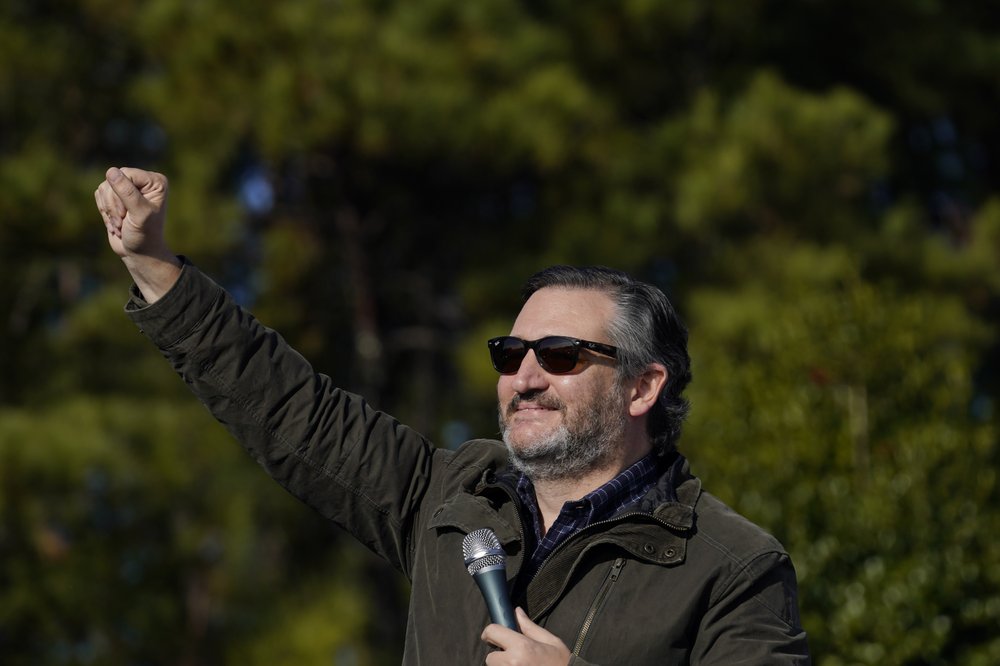
A growing number of Republican lawmakers are joining President Donald Trump’s extraordinary effort to overturn the election, pledging to reject the results when Congress meets next week to count the Electoral College votes and certify President-elect Joe Biden’s win. Sen. Ted Cruz of Texas on Saturday announced a coalition of 11 senators and senators-elect who have been enlisted for Trump’s effort to subvert the will of American voters. This follows the declaration from Sen. Josh Hawley of Missouri, who was the first to buck Senate leadership by saying he would join with House Republicans in objecting to the state tallies during Wednesday’s joint session of Congress. Trump’s refusal to accept his defeat is tearing the party apart as Republicans are forced to make consequential choices that will set the contours of the post-Trump era. Hawley and Cruz are both among potential 2024 presidential contenders. Senate Majority Leader Mitch McConnell had urged his party not to try to overturn what nonpartisan election officials have concluded was a free and fair vote. The 11 senators largely acknowledged Saturday they will not succeed in preventing Biden from being inaugurated on Jan. 20 after he won the Electoral College 306-232. But their challenges, and those from House Republicans, represent the most sweeping effort to undo a presidential election outcome since the Civil War. (Jan. 1) “We do not take this action lightly,” Cruz and the other senators said in a joint statement. They vowed to vote against certain state electors on Wednesday unless Congress appoints an electoral commission to immediately conduct an audit of the election results. They are zeroing in on the states where Trump has raised unfounded claims of voter fraud. Congress is unlikely to agree to their demand. The group, which presented no new evidence of election problems, includes Sens. Ron Johnson of Wisconsin, James Lankford of Oklahoma, Steve Daines of Montana, John Kennedy of Louisiana, Marsha Blackburn of Tennessee and Mike Braun of Indiana, and Sens.-elect Cynthia Lummis of Wyoming, Roger Marshall of Kansas, Bill Hagerty of Tennessee and Tommy Tuberville of Alabama. Trump, the first president to lose a reelection bid in almost 30 years, has attributed his defeat to widespread voter fraud, despite the consensus of nonpartisan election officials and even Trump’s attorney general that there was none. Of the roughly 50 lawsuits the president and his allies have filed challenging election results, nearly all have been dismissed or dropped. He’s also lost twice at the U.S. Supreme Court. The days ahead are expected to do little to change the outcome. “Joe Biden will be inaugurated on January 20th, and no publicity stunt will change that,” said Sen. Amy Klobuchar of Minnesota, the top Democrat on the panel overseeing the Electoral College count. Klobuchar said the Republican effort to create a federal commission “to supersede state certifications” is wrong. “It is undemocratic. It is un-American. And fortunately, it will be unsuccessful. In the end, democracy will prevail,” she said in a statement. The convening of the joint session to count the Electoral College votes is usually routine. While objections have surfaced before — in 2017, several House Democrats challenged Trump’s win — few have approached this level of intensity. On the other side of the Republican divide, several senators spoke out Saturday against Cruz and Hawley’s effort. Sen. Lisa Murkowski of Alaska said in a statement that she will vote to affirm the election and urged colleagues in both parties to join her in “maintaining confidence” in elections “so that we ensure we have the continued trust of the American people.” Sen. Pat Toomey of Pennsylvania said a “fundamental, defining feature of a democratic republic is the right of the people to elect their own leaders.” He said the effort by Hawley, Cruz, and others “to overturn the results of the 2020 presidential election in swing states like Pennsylvania directly undermines this right.” Earlier this week, Sen. Ben Sasse of Nebraska, another possible 2024 contender, urged his colleagues to “reject this dangerous ploy,” which he said threatens the nation’s civic norms. Caught in the middle is Vice President Mike Pence, who faces growing pressure from Trump’s allies over his ceremonial role in presiding over the session Wednesday. His chief of staff, Marc Short, said in a statement Saturday that Pence “welcomes the efforts of members of the House and Senate to use the authority they have under the law to raise objections.” Several Republicans have indicated they are under pressure from constituents back home to show they are fighting for Trump in his baseless campaign to stay in office. Sen. John Thune, the second-ranking Republican, told reporters at the Capitol that leadership was allowing senators to “vote their conscience.” Thune’s remarks as the GOP whip in charge of rounding up votes show that Republican leadership is not putting its muscle behind Trump’s demands, but allowing senators to choose their course. He noted the gravity of questioning the election outcome. “This is an issue that’s incredibly consequential, incredibly rare historically, and very precedent-setting,” he said. “This is a big vote.” Pence will be carefully watched as he presides over what is typically a routine vote count in Congress but is now heading toward a prolonged showdown that could extend into Wednesday night, depending on how many challenges are mounted. A judge in Texas dismissed a lawsuit from Rep. Louie Gohmert, R-Texas, and a group of Arizona electors trying to force Pence to step outside mere ceremony and shape the outcome of the vote. U.S. District Judge Jeremy Kernodle, a Trump appointee, dismissed the suit late Friday. To ward off a dramatic unraveling, McConnell convened a conference call with Republican senators Thursday specifically to address the coming joint session and logistics of tallying the vote, according to several Republicans granted anonymity to discuss the private call. The Republican leader pointedly called on Hawley to answer questions about his challenge to Biden’s victory, according to two of the Republicans. But there was no response because Hawley was a no-show, the Republicans
