
Committee OKs payday loan regulation
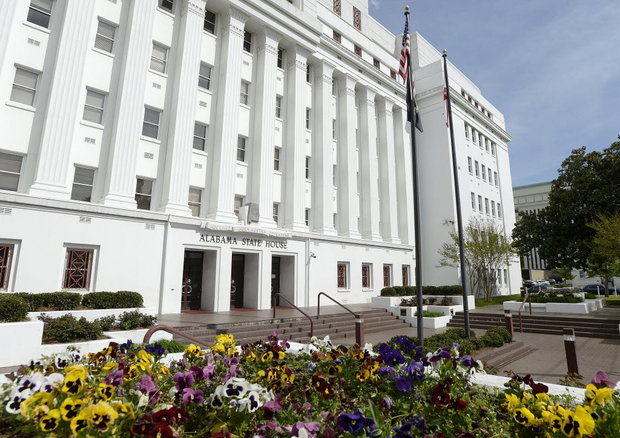
An Alabama House committee on Wednesday approved new restrictions on payday loans that short-term lenders can offer to consumers in need of quick cash. Trussville Republican Rep. Danny Garrett said the loans “trap borrowers in a debt cycle” when people renew the loan, or take out new ones when they can’t pay off the first. Garrett’s legislation would give borrowers more time to repay a loan, taking the window from 14 days to six months. He said that would reduce the effective annual interest rate from more than 456 percent to 36 percent. “We’re trying to get people who are in a debt trap, who are in a cycle of being not able to get out of debt, to not be sucked into this,” Garrett said. The committee approval ended a losing streak for reform advocates who for years have urged the state to crack down on the payday loan industry. Alabama Appleseed’s Legal Director Shay Farley said the longer time frame would give borrowers a “fighting chance to pay the loan.” Payday loans are short-term loans of up to $500. Borrowers pay a fee of up to $17.50 per $100 borrowed. “These are exactly the kind of reforms that are needed,” Farley said. “I asked how many people among us who could repay $587 in 14 days. The answer is you can’t.” Payday lenders have argued that their stores provide a service to people who don’t have other means to access cash. Max Wood, a payday store owner and president of Borrow Smart Alabama, said the stores could not afford to stay open under the change and said it was attempt to “eliminate the industry.” “They’ve tried to shut us down using different ideas and concepts,” Wood said. Garrett said people with poor credit need a way to access to loans. “There needs to be a fair way, a way that doesn’t exploit people and a way that doesn’t depend on usury,” Garrett said. The bill now goes before the 105-member House of Representatives. The legislation has a bipartisan coalition of more than 30 lawmakers signed on as co-sponsors, but still faces an uncertain outlook. Republican Rep. Mike Hill of Columbiana noted the possibility of federal regulations on the industry. “I think we need to think about this longer and decide what is the right direction to go. I’m not saying we don’t need some reform,” Hill said. President Barack Obama put a spotlight on the payday loan industry in a visit to Birmingham in March. His visit came as the Consumer Financial Protection Bureau outlined a proposal to put new limits on the industry. Republished with permission of The Associated Press.
State Supreme Court rules against payday lenders
The Alabama Supreme Court has ruled that the state Banking Department can establish a payday loan database to enforce an existing $500 limit on how much people can borrow at one time from the short-term lenders. The decision was a victory for advocates who have sought restrictions on the loans, but they say it does not go far enough in limiting an industry they said preys upon the financially vulnerable. A payday loan store owner argued that the database is unworkable because much of the industry is online and untouched by state regulation. Payday lenders sued Alabama’s Banking Department in 2013 to block creation of the system. Justices upheld a Montgomery’s judge’s ruling that the state was within its rights to establish the database. “It was great. Hallelujah,” said Rep. Patricia Todd, a Birmingham Democrat. Todd was sponsoring legislation to spell out that the state had the right to create the database. She said she will withdraw her bill that was up for a vote Tuesday in the House of Representatives. Existing law prohibits people from taking more than $500 in loans at one time. However, that limit is essentially unenforceable without a centralized system to track the loans. Shay Farley, legal director of Alabama Appleseed, said the database will give the state the tools it needs to enforce the loan limit. A store owner said borrowers will seek out loans from online lenders. “The database, it will not work. It’s just not going to work. Over 50 percent of the industry is online and unregulated by the state of Alabama,” said Max Wood, the owner of Cash Spot stores in Birmingham and Tuscaloosa. Although the Banking Department has announced the creation of the database, it is unclear when it will be implemented. The department announced last week that a June rollout date had been delayed. Todd, Farley and other advocates said other reforms are needed in addition to the database. “While we believe these regulations are a step in the right direction, it doesn’t end the 456 percent interest rates payday lenders are allowed to charge Alabamians,” said Sara Zampierin, a staff attorney with the Southern Poverty Law Center. Bills pending in the Alabama Senate patterned after Colorado regulations would give borrowers up to six months to repay the loans instead of just 10 to 14 days. The longer repayment window would reduce what borrowers pay. Customers are unable to pay off a payday loan within two weeks, advocates said, and accumulate large fees by rolling over the loan or taking out subsequent loans to pay off the first. Wood said many storefronts closed after Colorado put similar requirements on payday lenders. Republished with permission from The Associated Press.
