
Alabamians encouraged to participate in Prescription Drug Take-Back Day
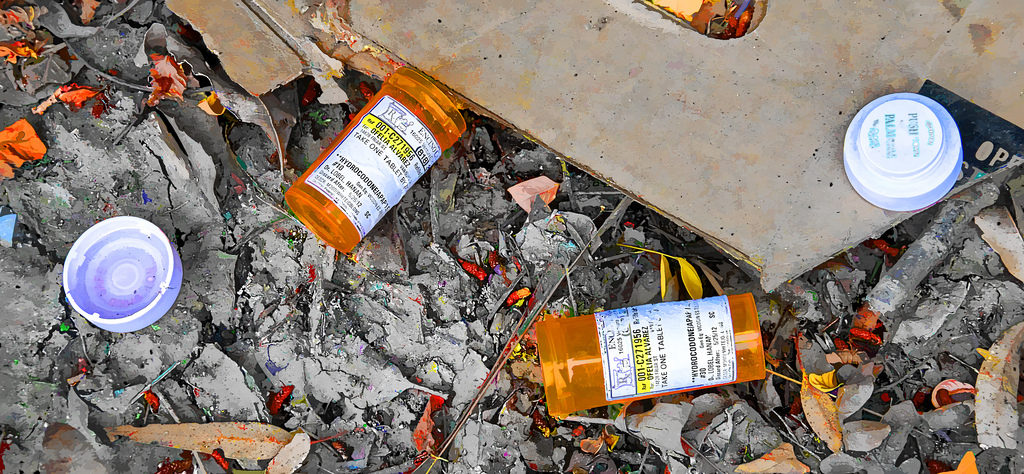
Do you have unused prescription drugs collecting dust in your medicine cabinet? Well it’s time to clean them out this Saturday. Saturday marks the 16th annual DEA National Prescription Drug Take-Back Day where at approximately 50 collection sites across the state, Alabamians can safely toss their unwanted, unused prescription medications. Sponsored by the U.S. Drug Enforcement Administration (DEA), the program was created to combat the abuse or misuse of potentially dangerous medicines that have expired or are no longer needed for those whom these controlled substances were prescribed. From 10 a.m. to 2 p.m., law enforcement officers will be present at sites across the state to receive unused prescription drugs for safe and proper disposal. Alabama Attorney General Steve Marshall is encouraging Alabamians to participate. “Prescription Drug Take-Back is a valuable public service that protects our children, our homes and our environment,” said Marshall. “As a long-time prosecutor, I have too often witnessed the tragic results caused by the availability of dangerous controlled substances. When prescription drugs are left in our homes, children and teenagers may be poisoned or fall prey to drug abuse and addiction. Your old medications can be a lure to criminals looking for drugs to use or sell.” He continued, “On Saturday, October 27, please take the opportunity to remove these hazards by bringing prescription drugs that are out-of-date or no longer needed to collection sites for their safe and proper disposal.” History of the Take-back event in Alabama Since the first Take-Back event in Alabama, in September of 2010, the program continues to increase in the amount of drugs collected. Throughout all of Alabama’s previous DEA Prescription Drug Take-Back events, a total of about 66,805 pounds of unwanted, unused or expired drugs have been removed and disposed of safely. Deliveries of drugs to DEA Prescription Drug Take-Back Day events are confidential, with no personal information collected and no questions asked. Participants are encouraged to remove labels or black-out information beforehand. A listing of sites may be found through a search at www.DEATakeBack.com. If you do not find your area listed on the DEA website, please check with your local law enforcement officials to see if they may be participating in a Take-Back event.
House health committee in favor of patients’ “right to try”
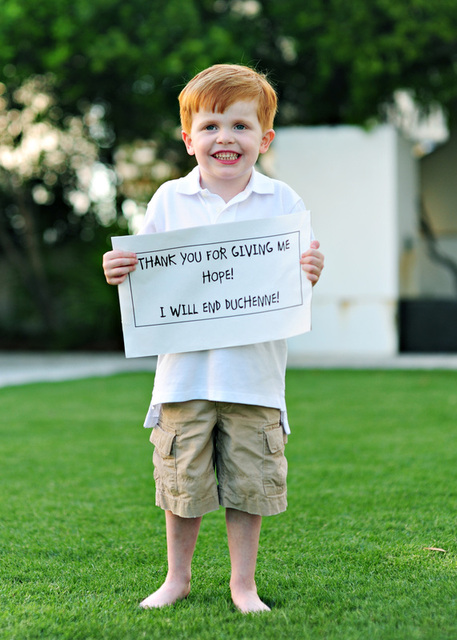
Patients in Alabama with terminal conditions may soon have to the “right to try” certain promising medications. A House health panel gave a favorable report to a proposal brought by Rep. April Weaver that would allow doctors to prescribe drugs that the FDA has approved for clinical trials. Companion legislation has already passed the Senate. The legislation was inspired by 9-year old Gabe Griffin of Shelby County. Gabe suffers from an incurable disease called Duchenne Muscular Dystrophy. Duchenne causes generalized weakness and muscle wasting that increases over time and with muscle activity. Gabe and his family were at the committee meeting to hear the vote. Gabe offered a final plea to legislators considering the proposal: “I hope you pass my bill.” The panel passed the bill out of committee by unanimous voice vote.
