
GOP splits as virus aid package could swell past $1 trillion

The price tag for the next COVID-19 aid package could quickly swell above $1 trillion as White House officials negotiate with Congress over money to reopen schools, prop up small businesses, boost virus testing and keep cash flowing to Americans while the virus crisis deepens in the U.S. Senate Majority Leader Mitch McConnell on Tuesday promised a new round of direct payments to earners below a certain income level, similar to the $1,200 checks sent in the spring. President Donald Trump insists on a payroll tax holiday for workers. And Democrats want billions to outfit schools and shore up local governments. “Regretfully, this is not over,” McConnell said after a raucous private GOP lunch, urging Americans to learn to live with the new virus by wearing masks and practicing social distancing until a vaccine can be found. Treasury Secretary Mnuchin and acting chief of staff Mark Meadows spent the day on Capitol Hill, meeting separately with McConnell, House Speaker Nancy Pelosi and others trying to broker a compromise between the GOP’s emerging $1 trillion proposal with the House’s more sweeping $3 trillion bill. The lunch session grew heated as key Republican senators complained about big spending, vowing to stall the relief bill’s passage. Supporters of the package “should be ashamed of themselves” Sen. Rand Paul of Kentucky said as he emerged. Paul compared GOP backers of the spending to “Bernie bros” — referring to the young supporters of Sen. Bernie Sanders of Vermont. “This is insane. … There’s no difference now between the two parties.” As a long line of senators rose to speak about aspects of the bill, Texas Sen. Ted Cruz asked his colleagues, “What in the hell are we doing?” Cruz warned if the economy is still shut down come November, Joe Biden will win the White House, Democrats will control the Senate and “we’ll be meeting in a much smaller lunch room,” according to a person granted anonymity to discuss the closed-door session. Sen. Rick Scott, of Florida left saying it’s wrong to “bail out” cash-strapped states. “Florida taxpayers are not going to pay for New York’s expenses,” he said. With the pandemic showing no signs of easing, officials acknowledge the daunting challenge of trying to contain the coronavirus and prevent further economic distress. The U.S. has rising infections and a death toll of 140,800, more than anywhere else in the world. The health crisis is worsening just as emergency aid is about to expire. Meadows told reporters the president wants to ensure the funding package “meets the legitimate needs that are before the American people.” The Republicans are poised to roll out a $1 trillion package, what McConnell called a “starting point” in talks. It’s a counter-offer to Pelosi’s $3 trillion House-passed plan as they race to strike a deal by the end of the month. That’s when a $600 weekly unemployment benefits boost and other aid, including a federal rental moratorium on millions of apartment units, expires. McConnell’s package would send a fresh round of direct cash payments to Americans below a certain income level, likely $75,000 for singles, extend small business loans under the Paycheck Protection Program and create a five-year liability shield against what he warns is a potential “epidemic” of coronavirus lawsuits. It’s also expected to include at least $105 billion for education, with $70 billion to help K-12 schools reopen, $30 billion for colleges, and $5 billion for governors to allocate. The Trump administration wanted school money linked to reopenings, but in McConnell’s package the money for K-12 would be split 50-50 between those that have in-person learning and those that do not. Republicans want to replace the $600 weekly federal jobless benefit with a lower amount, to prevent the unemployed from receiving more aid than they would through a normal paycheck, Republicans said. Over lunch, Mnuchin explained the unemployment boost could be phased down to a percentage of a worker’s previous income, according to a Republican granted anonymity to discuss the private meeting. Some Republicans prefer simply eliminating the $600 benefit. But the president’s priorities are splitting his GOP allies and giving momentum to Democrats. Trump wants a full repeal of the 15.3% payroll tax, which is shared among employers and employees, and funds Social Security and Medicare. Experts say that alone would cost $600 billion. At a White House meeting on Monday, GOP leaders told Trump they preferred to include only a partial payroll tax cut. Easing the payroll tax is dividing Trump’s party because it does little to help out-of-work Americans and adds to the debt load. The tax is already being deferred for employers under the previous virus relief package. Supporters say cutting it now for employees would put money in people’s pockets and stimulate the economy. The administration also panned McConnell’s proposed $25 billion for more virus testing, saying earlier allotments remain unspent. White House press secretary Kayleigh McEnany said Tuesday the administration wants “targeted” funds for the next round of aid, rather than adding more to the existing pot. She said no one is holding it up. Senate Democrats began investigating why the Trump administration has left almost half the testing money unspent. After meeting with Mnuchin, Pelosi and Senate Democratic leader Chuck Schumer said the Republicans must quit stalling. They broadly dismissed the emerging GOP effort as inadequate. “The president has been a disaster in the whole health care area,” Schumer said. “He’s holding them back.” The political stakes are high for both parties before the November election, and even more so for the nation, as the virus crisis and economic fallout hits cities large and small. Biden, the Democrats’ presumed presidential nominee, stated his own priorities, urging “a lifeline to those who need it most: working families and small businesses.” Trump’s renewed focus on therapeutics and a vaccine is falling flat among lawmakers who understand that any COVID-19 cures remain months, if not a year, from widespread distribution in the U.S. The federal government is still struggling to provide basic medical supplies and personal protective equipment to health care providers. Mnuchin vowed to stay on
Donald Trump, Congress square off over virus aid as crisis worsens
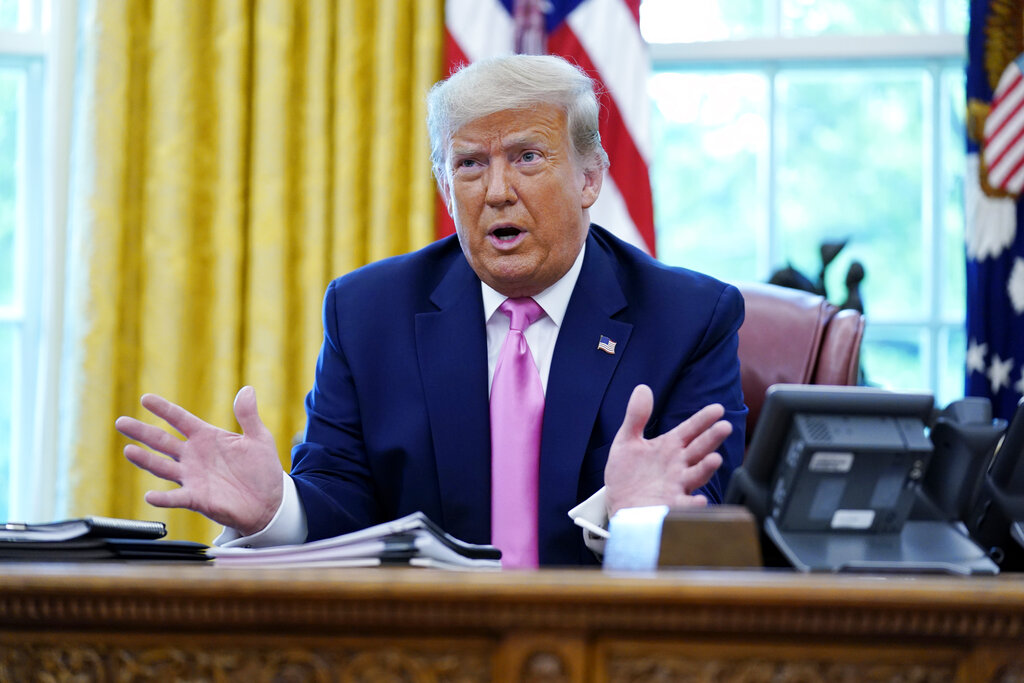
Trump convened GOP leaders at the White House as Senate Majority Leader Mitch McConnell prepared to roll out his $1 trillion package in a matter of days.
Senate race shapes up to be a contentious slugfest

After pulling off one improbable victory, Jones is not ceding his chances of another in a race setting up to be both pricey and combative.
Donald Trump team eyes school funds boost in next virus aid bill
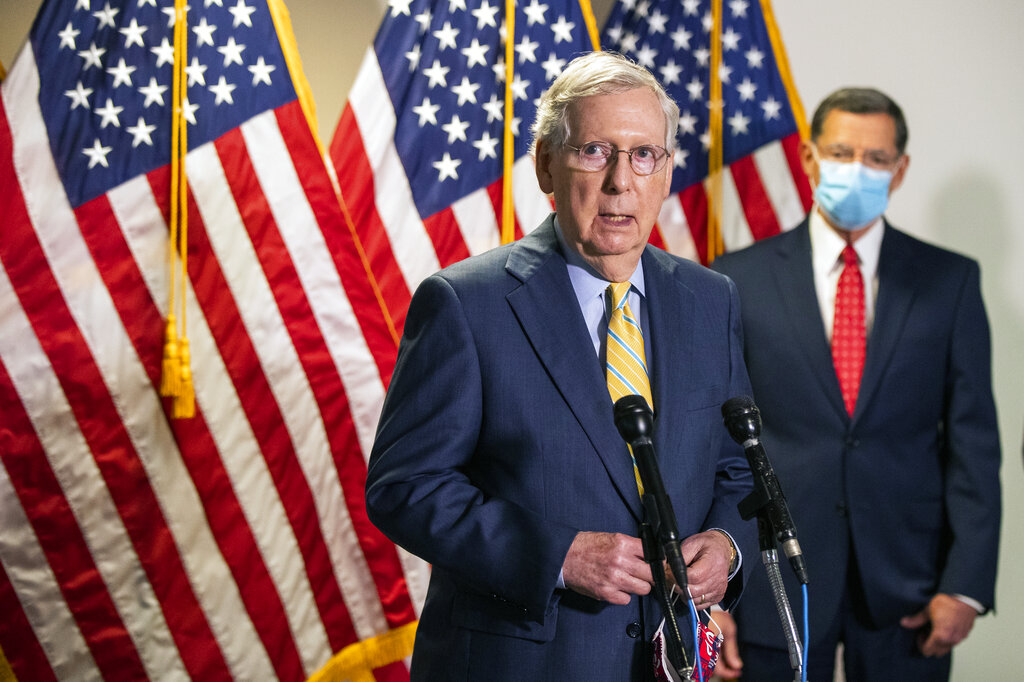
Trump and Education Secretary Betsy DeVos want schools up and running in fall.
Republicans, with exception of Donald Trump, now push mask-wearing
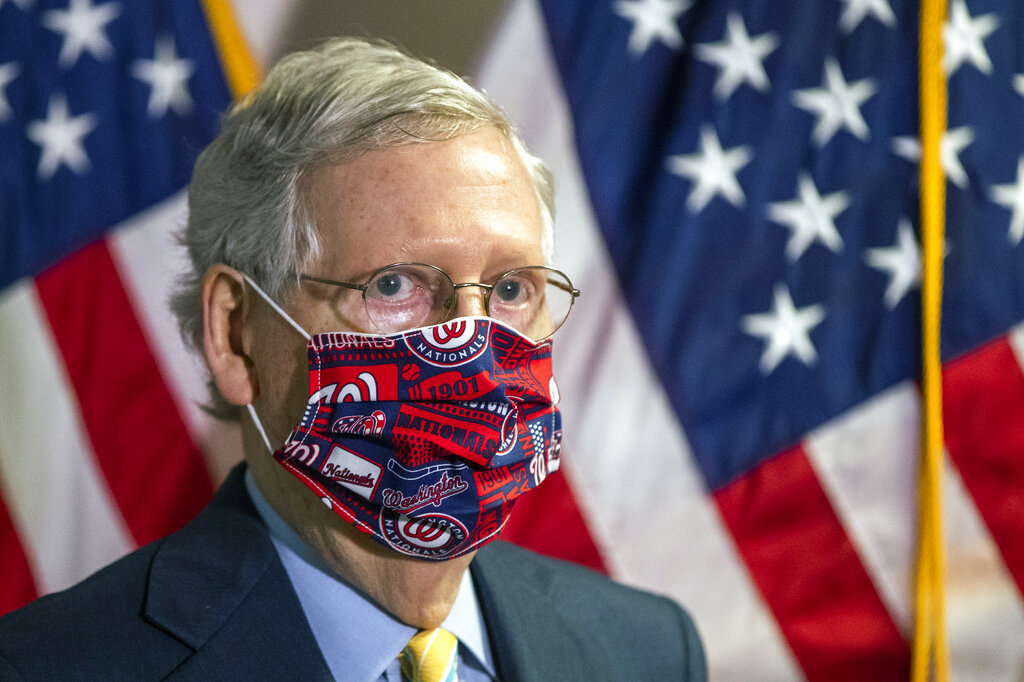
GOP officials are pushing back against the notion that masks are about politics, as President Donald Trump suggests, and telling Americans they can help save lives.
Donald Trump faces pressure over Russia bounties to kill US troops

Trump won’t say publicly that he is working to get to the bottom of the issue.
Congress stalls on policing overhaul, despite public outcry

The standoff threatens to turn the nationwide protests over the deaths of George Floyd, Breonna Taylor and others into another moment that galvanizes the nation but leaves lawmakers unable to act.
Senate GOP seeks policing changes, Democrats push for more
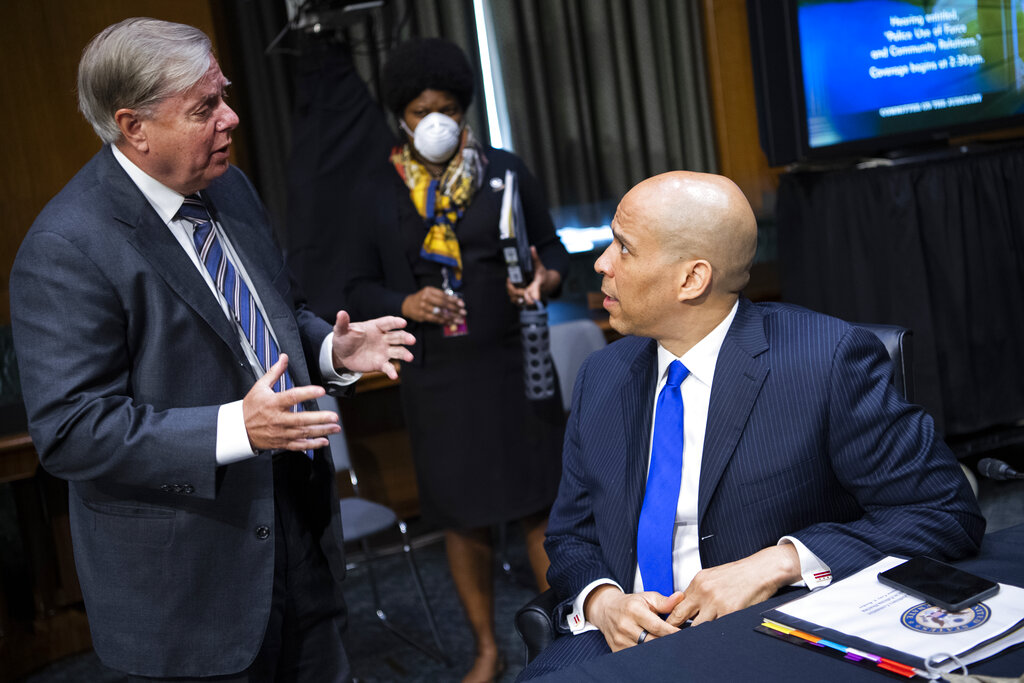
Two proposals are on a collision course as Congress seeks to show voters it hears the demonstrators marching in the streets.
Democrats propose sweeping police overhaul; Donald Trump criticizes

Before unveiling the package, House and Senate Democrats held a moment of silence at the Capitol’s Emancipation Hall.
Mitch McConnell stresses need to wear face masks in public
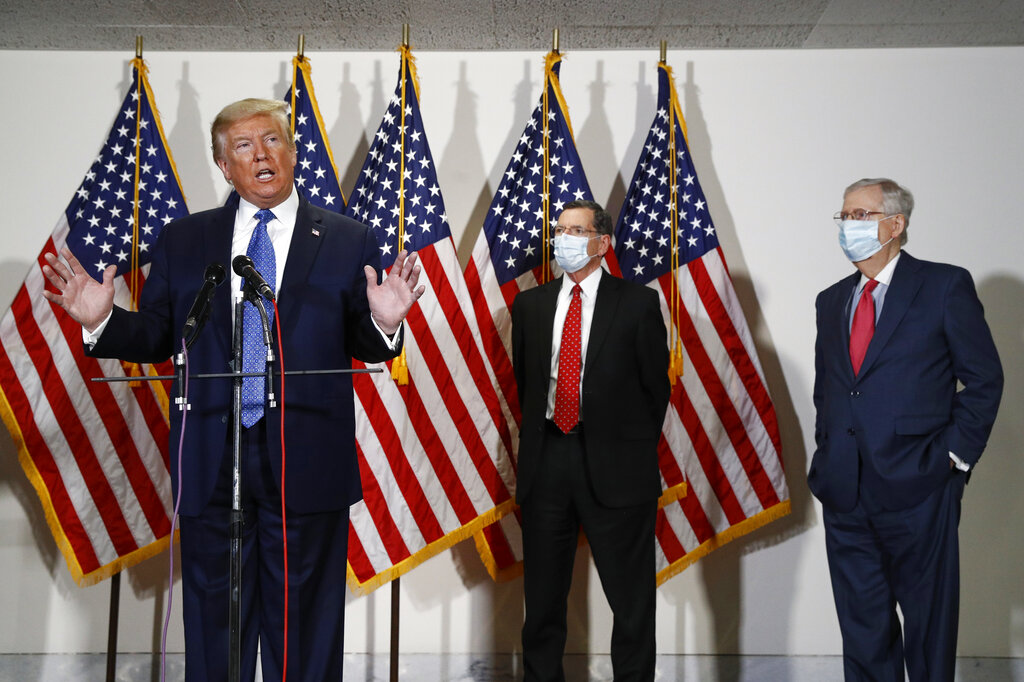
“There should be no stigma attached to wearing a mask,” McConnell said.
History in the making as House casts proxy votes in pandemic
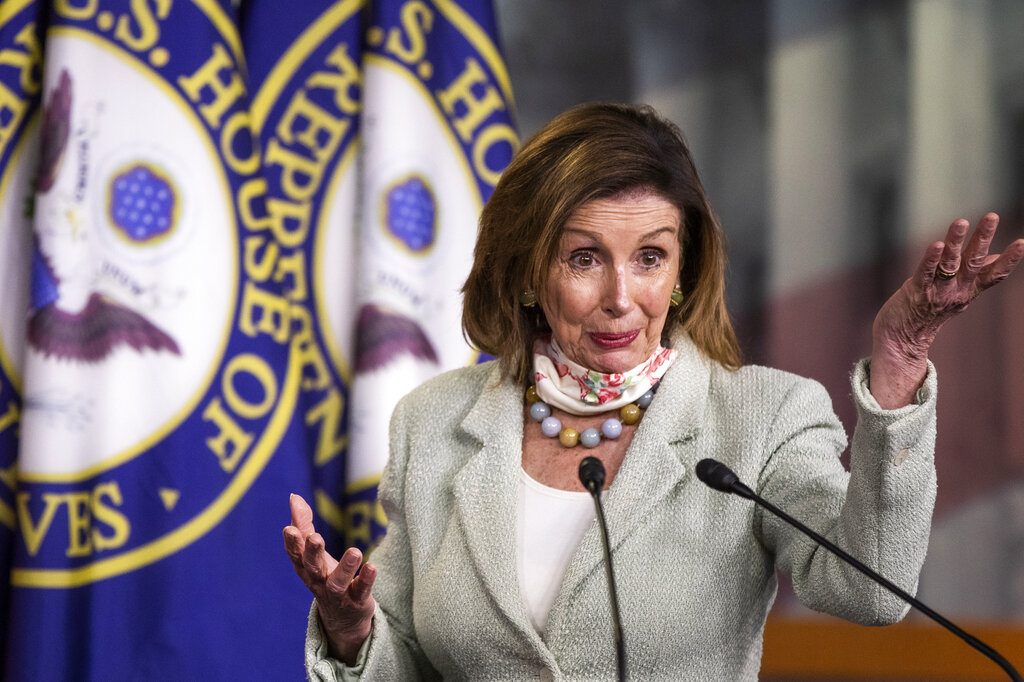
House Republicans sued to stop the Democratic majority’s new system, in which absent lawmakers can instruct those present to vote on their behalf.
GOP weighs jobless aid cuts to urge Americans back to work
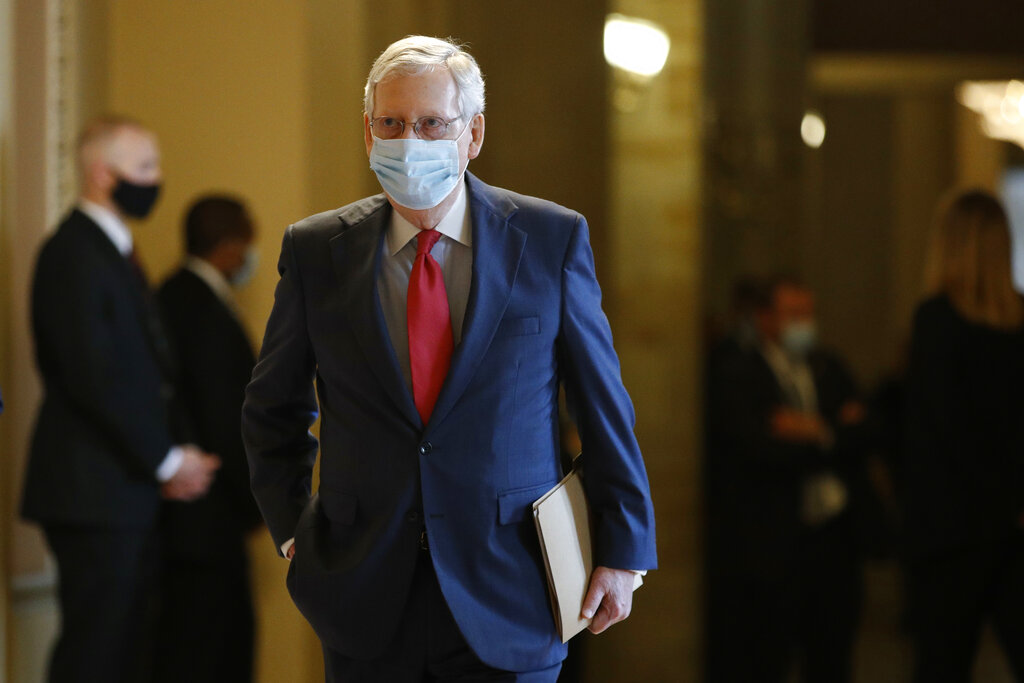
Revamping jobless aid is fast becoming the focus of debate over the next virus aid package.
