
New Year’s poll: Americans hopeful for a better 2017
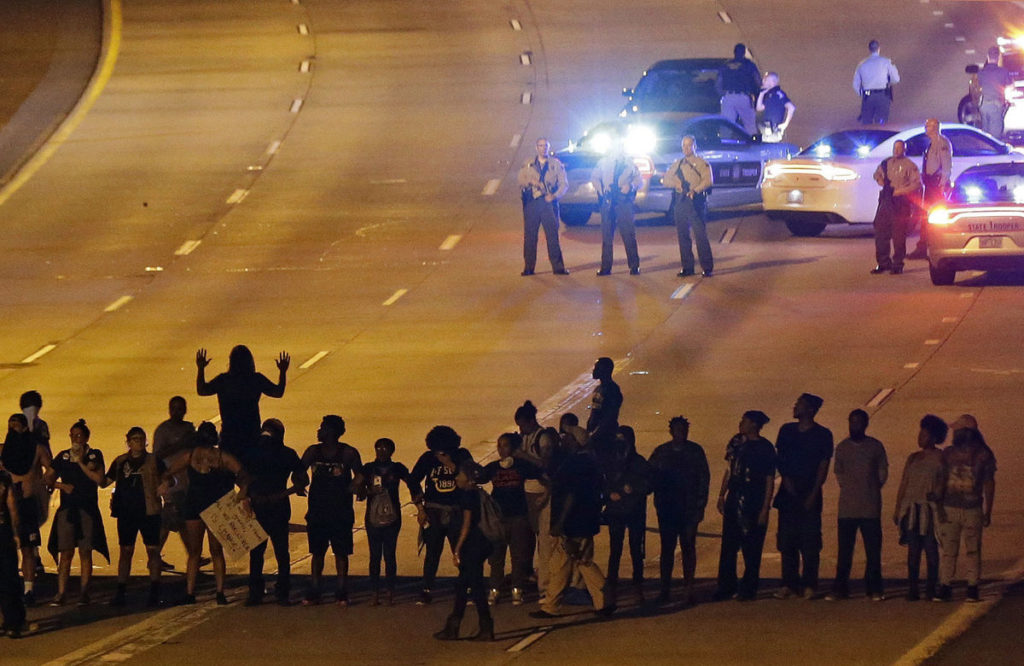
Emotionally wrenching politics, foreign conflicts and shootings at home took a toll on Americans in 2016, but they are entering 2017 on an optimistic note, according to a new poll that found that a majority believes things are going to get better for the country next year. A look at the key findings of the Associated Press-Times Square Alliance poll: ___ SO HOW WAS 2016? Americans weren’t thrilled with the year. Only 18 percent said things for the country got better, 33 percent said things got worse, and 47 percent said it was unchanged from 2015. On a personal level, they were optimistic about 2017. Fifty-five percent said they believe things will be better for them in the coming year than in the year that just concluded. That’s a 12-point improvement from last year’s poll. Americans interviewed about the poll’s results expressed some of that optimism. “Next year will be better than this year, because people will have more jobs and they’ll have more money to spend,” said Bourema Tamboura, a Harlem resident behind the wheel of a New York car service. “I’m hoping 2017 will be better,” added Elizabeth Flynn, 62, an elementary schoolteacher from Peabody, Massachusetts. “You’ve got to be optimistic, and I’m going to try.” Democrats are more likely than Republicans to say 2016 was worse for the country than 2015. And Republicans are especially likely to feel that 2017 will be even better for them personally. University of Miami professor Benjamin Alsup said he needed only three words to explain why 2016 felt worse for him: “Trump, Trump, Trump!” Robert Greenstone, a New York commercial real estate broker, said the political discourse leading up to Republican Donald Trump‘s election as president played havoc with people’s emotions. “The amount of disinformation made people suspect of everything and everyone, even their neighbors,” he said. ____ U.S. ELECTION LEADS TOP NEWS EVENTS The U.S. elections top Americans’ list of 10 top news events in 2016. Three-quarters called the presidential election and Trump’s victory very or extremely important. Sixty-three percent ranked mass shootings and bombings in Orlando, Florida, and in Belgium, Turkey, Pakistan and France as personally important news stories of the year. Fifty-one percent said they found news stories about the deaths of people at the hands of police officers, or news about ambush attacks on police in three states, to be among the year’s most important news events. Fourth on the list are 43 percent who described the spread of the Zika virus as important. The three events described by the largest percentages of Americans as not too important included the death of Muhammad Ali (50 percent), approval of recreational marijuana use in four states (43 percent), and the death of Fidel Castro (40 percent). ____ TOP MOMENTS IN POP CULTURE AND SPORTS A majority of Americans, including 7 in 10 Midwesterners, called November’s World Series win for the Chicago Cubs to end their 108-year drought memorable. Of nine other pop-culture items tested, two were called memorable by about half of Americans: the death of Prince, David Bowie and Leonard Cohen; and the Olympic victories of the U.S. women’s gymnastics team. The two least-notable events for Americans, of the 10 possible choices in the poll, were the Angelina Jolie–Brad Pitt divorce filing and the “Pokemon Go” app game phenomenon, each described by most as forgettable. ____ RINGING IN THE NEW YEAR About half of Americans plan to celebrate the New Year at home. About 2 in 10 plan to go out to a friend or family member’s home, and 1 in 10 to a bar or restaurant. About a quarter don’t plan to celebrate at all. About 6 in 10 plan to watch the Times Square ball drop, nearly all of whom will watch on TV. ___ The AP-Times Square Alliance Poll of 1,007 adults was conducted online Dec. 9-11, using a sample drawn from GfK’s probability-based KnowledgePanel, which is designed to be representative of the U.S. population. The margin of sampling error for all respondents is plus or minus 3 percentage points. The poll is a cooperative effort between AP and the organizers of the Times Square New Year’s Eve Celebration, the Times Square Alliance and Countdown Entertainment. The Alliance is a nonprofit group that seeks to promote Times Square, and Countdown Entertainment represents the owners of One Times Square and the New Year’s Eve Ball Drop. Republished with permission of the Associated Press.
Diane Roberts: Muslims, immigrants aren’t the problem. It’s guns.
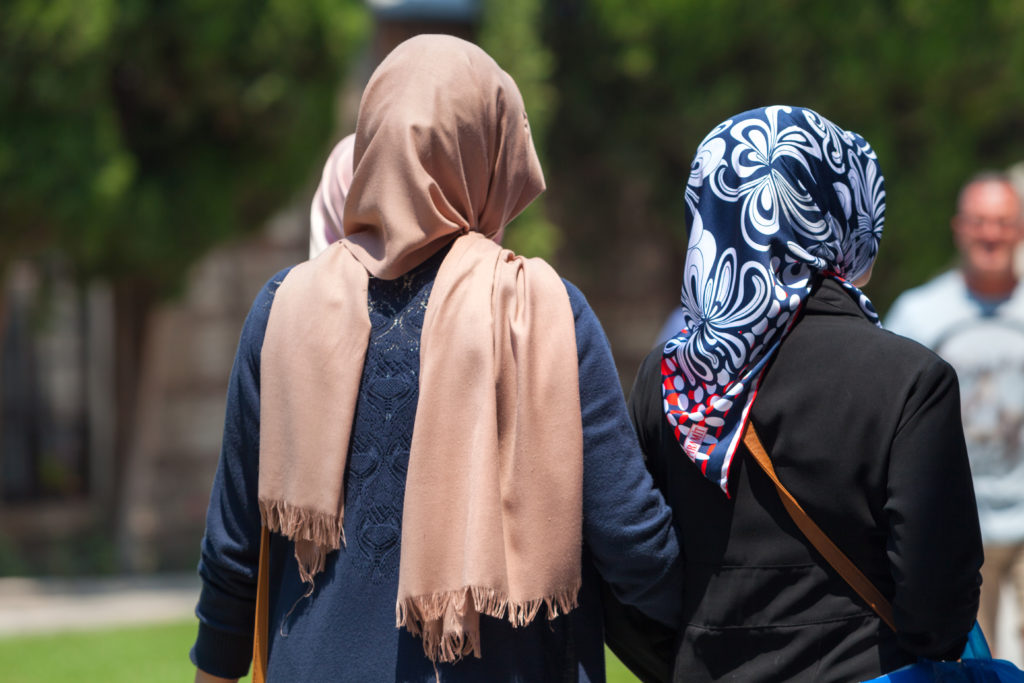
It’s back to business as usual: hating Muslims, loving guns. We had just celebrated the life of Muhammad Ali, the most famous, most beloved Muslim in the nation’s history. For a minute, one sweet minute, Americans might have been moved to think more expansively about Islam. And race. And violence. Some of us dared hope that the toxic sewer-flow of Trumpery might at least slow down, that America might manage a rare moment of introspection. Then Omar Mateen, a deranged homophobic — or, perhaps, closeted and self-loathing — loser with delusions of jihadi grandeur shot up an Orlando nightclub, killing 49 people, mostly young, mostly gay, mostly Latino. The leader of the Republican Party responded with the intelligence and accuracy we’ve come to expect: “The killer, whose name I will not use or ever say, was born in Afghan (sic), of Afghan parents, who immigrated to the United States.” He added, “The only reason the killer was in America in the first place was because we allowed his family to come here.” Omar Mateen was an American citizen. He was born in Queens, New York. Just like Donald Trump. Mateen’s parents were immigrants; Donald Trump’s mother was an immigrant. Trump’s solution? “When I’m elected I will suspend immigration from areas of the world where there’s a proven history of terrorism against the United States, Europe or our allies until we fully understand how to end these threats.” Right. So no Irish: some of them have perpetrated terrorist attacks on Britain, our closest ally. And no British, either — remember the shoe bomber? No French or Belgians, not after the atrocities in Paris and Brussels. Nobody from Africa or India, either. You don’t know where they’ve been. No Iraqis or Afghans — too bad we promised those interpreters we’d get them out after they helped us in the war. Cubans? Are you kidding? Ever heard of Orlando Bosch or Luis Posada Cariles? Nobody from Canada, either, not after the Toronto 18 plotted to blow up the Toronto Stock Exchange in 2006. No Mexicans. Obviously. Perhaps President Trump will suspend the Constitution so we can round up all Muslims — practicing or nominal — regardless of citizenship. That’ll learn ‘em. We’d better apprehend Christians, too — practicing or nominal — since they’re responsible for most terrorist attacks on U.S. soil: abortion clinics, gay bars, movie theaters, federal buildings, black churches. But God forbid we do anything about guns. Omar Mateen’s guns, an AK-15 and a 9 mm Glock, were legal. It didn’t matter that the guy was interviewed twice by the FBI or that he was on a watch list or that he beat his wife or that he behaved erratically and belligerently at times, talking about killing people. He passed his mental health screening and background check. Thanks to our pinhead of a governor with his A+ NRA rating, our craven legislature, our cowed citizenry, who would rather arm themselves than think, and Marion Hammer, that foul banshee of a gun lobbyist who rules the Capitol, the state of Florida enables firearm violence. The state of Florida — all of us — should have a long stare into our own souls. We’ll probably blame Islam instead. Or the Internet. Movies. Bad parenting. Poor diet. Anything but guns. Anything but the pathetic system that more or less allows anyone to get any weapon he wants. Assault rifles, machine guns, flamethrowers. Hell, you can get a grenade launcher if you try. If these “safeguards” didn’t stop Omar Mateen, maybe we need to adjust them. Maybe we need to figure out a better way to test mental health. You have to wait longer and go through more professional assessment to adopt a puppy. Muslims aren’t the problem. Immigrants aren’t the problem. Guns are the problem. Guns. ___ Diane Roberts is the author of “Tribal: College Football and the Secret Heart of America.” She teaches at Florida State University.
Tom Jackson: With Donald Trump, GOP faces expensive overhaul
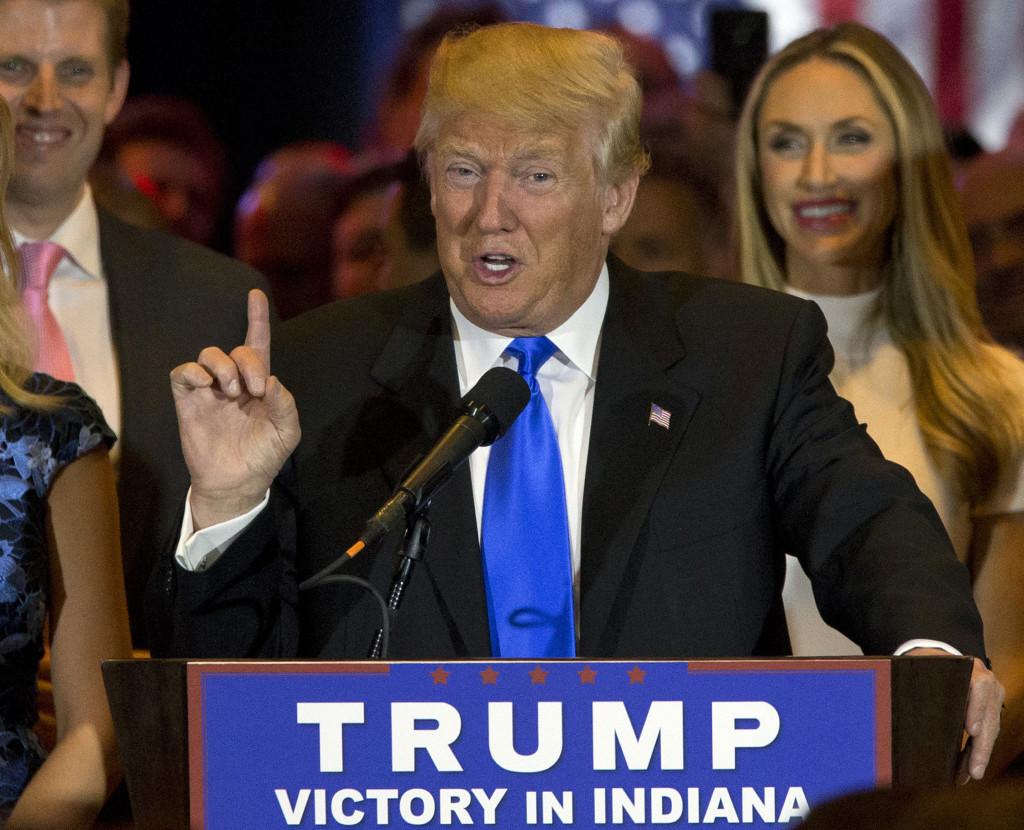
Surveying the conundrum confronting the Republican Party in the age of Donald Trump, an antique TV ad touting Fram oil filters comes to mind. If you bought the Beatles’ White Album the day it was released and remember Muhammad Ali in his prime, you know the spot: A mechanic in the midst of an overhaul pauses to point out the car’s owner could have avoided this wallet-crushing repair if only he’d been punctual about changing the oil. “You can pay me now,” said the mechanic, displaying the filter, “or” — with a nod to the mess over his shoulder — “you can pay me later.” In today’s either-or scenario, Trump is the looming, ugly, costly overhaul; the Republican National Convention might yet be the comparatively thrifty regular-maintenance alternative. Wait. The RNC? Wasn’t the outcome of that settled a month ago? Yes. Probably. Well, maybe. It depends. There was a flurry of activity on that front back in March, when North Dakotan Curly Haugland, a veteran member of the RNC’s standing rules committee, spun up a fascinating theory that no delegates were, in fact, bound to a candidate. Zero. No, not even on the first ballot, and certainly not, as Florida’s rules lay out, three. All of it had something to do with long-standing conflicts within the GOP’s convention rules. The headline on a story few read too deeply was at the time a shocker: “Voters don’t pick the nominee; we do: GOP official.” Trump and his loyalists decried the claim as an attempt to rig the nomination for some oily more-of-what-we-rejected insider. Gary Emineth, also from North Dakota, fretted about the perception of “shenanigans” driving undecided voters toward the Democratic nominee. All that chatter fell silent as Trump pulverized the last of his primary opposition, crested the threshold of the magic 1,237 pledged delegates to become the presumptive nominee, and began piling up oh-all-right-fine endorsements from high-ranking GOP officials. Who but the hardest-shelled #NeverTrump die-hards could blame them? They could risk the shenanigans charge — a potent indictment for a class that still can’t make sense of this unruly new breed of Republican voter — or embrace party loyalty swaddled in loathing of Hillary Clinton. Then, meet now. Since the top guns, including Speaker Paul Ryan, began tumbling into line, Trump has done nothing worthy of their support. Just last week, instead of blistering Clinton over ripe and low-hanging fruit — the withering report on her email practices by a State Department watchdog; an awful monthly jobs report linkable to White House policies she supports; a policy-free foreign policy rant — Trump was lost in an alternative universe of paranoia dipped in ego, topped with racism. Yep. Squandering opportunity in a fit of narcissistic pique, the presumptive presidential nominee of the party of Abraham Lincoln, Calvin Coolidge, Dwight Eisenhower and Ronald Reagan — presidents of high principle affixed to unwavering pole stars — whined about unfair treatment by a judge in a civil lawsuit, because the judge, born in Indiana, is Mexican and he — Trump — means to build a wall on the southern border. Listen. Even if, against scant supporting evidence, Trump is absolutely right, he sacrificed the privilege of waging his claims sometime around Super Tuesday, when voters elevated him from mad-as-hell novelty to viable contender, let alone now that he’s bundled more than sufficient delegates to avoid a contested convention. Or has he? Suddenly, Haugland’s gambit seems worth revisiting. South Carolina Sen. Lindsey Graham rescinded his commitment, charting a detour for other dismayed Republicans in his “off-ramp” speech. “I think it’s very un-American for a political leader to question whether a person can judge based on his heritage,” he said. And also, “If anybody was looking for an off-ramp, this is probably it. There’ll come a time when the love of country will trump hatred of Hillary.” Trump, naturally, offered a statesman’s retort: “Lindsey Graham is a disgrace.” Well. Takes one, etc. In fact, Graham is onto something. Rescinding endorsements is a good place to start. Responsible Republicans must put distance between themselves and Trump’s destructive rants. But it has to be more than a start, which introduces the pay-me-now part of the equation. Figuring out how to head Trump off in Cleveland seems, increasingly, like a necessary payout. Is Haugland right? Can RNC delegates vote their conscience — assuming they have one — from the get-go? The party, urged on by Arizona Sen. Jeff Flake, may have to figure that one out. Would there be fallout? You betcha. Lots of voters fueled by confused, anti-Federalist rage and keen to, well, shenanigans, might boycott Election Day. But the alternative — charging into November behind the drawn sword of an unstable, unhinged, uncurious, thin-skinned rouser of rabbles — would set back genuine, necessary, thoughtful conservative reforms for a generation. As for Republicans shouldering the pay-me-later alternative, the price of a post-Trump overhaul might be impossible to meet. ___ Recovering sports columnist and former Tampa Tribune columnist Tom Jackson argues on behalf of thoughtful conservative principles as our best path forward. Fan of the Beach Boys, pulled-pork barbecue and days misspent at golf, Tom lives in New Tampa with his wife, two children and two yappy middle-aged dogs.
