
Trump administration to rescind Obama-era guidance on affirmative action
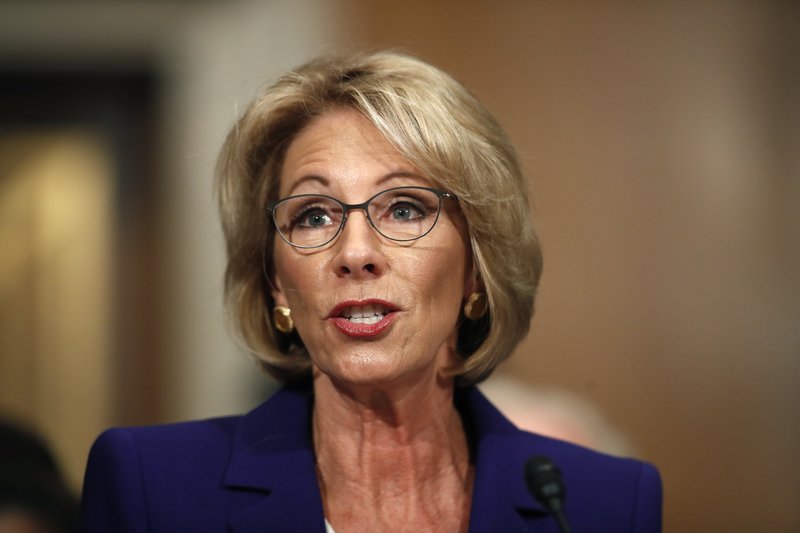
The Trump administration is rescinding Obama-era guidance that encouraged schools to take a student’s race into account to encourage diversity in admissions, a U.S. official said Tuesday. The shift would give schools and universities the federal government’s blessing to take a race-neutral approach to the students they consider for admission. Such guidance does not have the force of law, but schools could use it to help defend themselves against lawsuits over their admission policies. The action comes amid Supreme Court turnover expected to produce a more critical eye toward schools’ affirmative action policies. The high court’s most recent significant ruling on the subject bolstered colleges’ use of race among many factors in the college admission process. But the opinion’s author, Anthony Kennedy, announced his resignation last week, giving President Donald Trump a chance to replace him with a justice who will be more reliably skeptical of affirmative action. A formal announcement was expected later Tuesday from the Justice and Education departments, according to the official, who spoke on condition of anonymity because the official was not authorized to speak on the record. The guidance from the Obama administration gave schools a framework for “considering race to further the compelling interests in achieving diversity and avoiding racial isolation.” In a 2011 policy document, the administration said schools have a “compelling interest” in ensuring a diverse student body, and that while race should not be the primary factor in an admission decision, schools could lawfully consider it in the interest of achieving diversity. “Institutions are not required to implement race-neutral approaches if, in their judgment, the approaches would be unworkable,” the guidance said. “In some cases, race-neutral approaches will be unworkable because they will be ineffective to achieve the diversity the institution seeks.” The administration issued a similar guidance document in 2016 aimed at giving schools a framework for “considering race to further the compelling interests in achieving diversity and avoiding racial isolation.” The Obama approach replaced Bush-era policy from a decade earlier that discouraged affirmative action programs and instead encouraged the use of race-neutral alternatives, like percentage plans and economic diversity programs. The Trump administration signaled Tuesday that it planned to reinstate the Bush administration’s philosophy. Civil liberties groups immediately decried the move, saying it went against decades of court rulings that permit colleges and universities to take race into account. “We condemn the Department of Education’s politically motivated attack on affirmative action and deliberate attempt to discourage colleges and universities from pursuing racial diversity at our nation’s colleges and universities,” Kristen Clarke, president and executive director of the Lawyers’ Committee for Civil Rights Under Law, said in a statement. In 2016, the Supreme Court, in an opinion written by Kennedy, granted affirmative action policies a narrow victory by permitting race to be among the factors considered in the college admission process. Kennedy wrote that the University of Texas’ admission plan was in line with past court decisions that allowed for the consideration of race to promote diversity on college campuses. The ruling bitterly disappointed conservatives who thought that Kennedy would be part of a Supreme Court majority to outlaw affirmative action in education. Justice Antonin Scalia died after the court heard arguments in the case but before the decision was handed down. Eight states already prohibit the use of race in public college admissions: Arizona, California, Florida, Michigan, Nebraska, New Hampshire, Oklahoma and Washington. The Wall Street Journal first reported the move. Republished with the permission of the Associated Press.
New Hampshire delivers the very first Election Day results (Donald Trump took the lead)
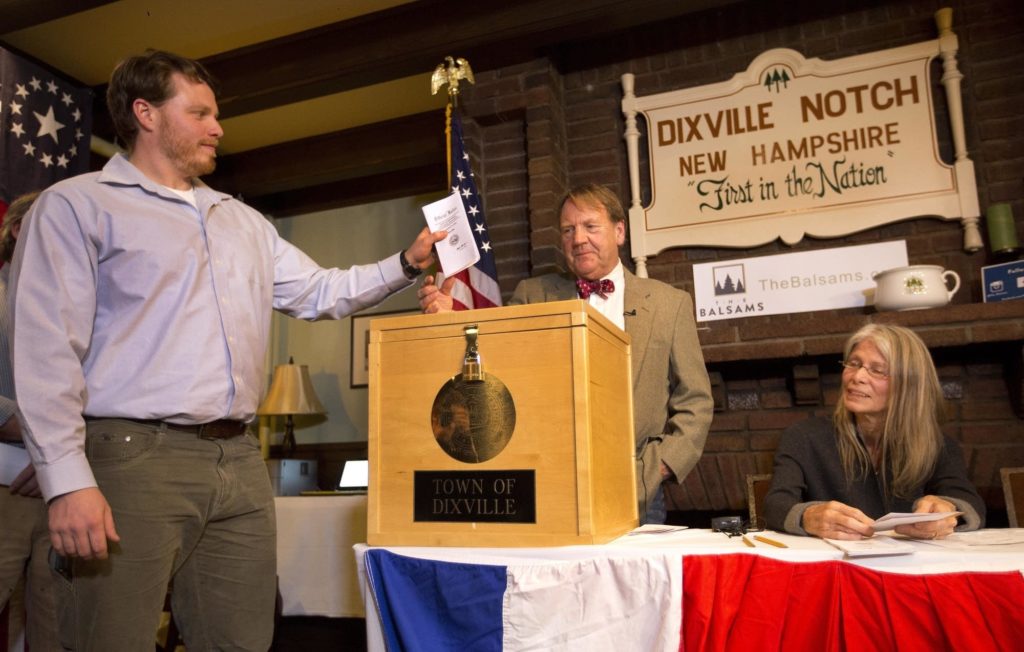
Donald Trump is off to a very early lead in the 2016 presidential election, winning over the voters of three New Hampshire precincts by a 32-25 margin over Hillary Clinton. Polls in the tiny New Hampshire towns of Dixville, Hart’s Location and Millsfield opened just after midnight Tuesday and closed as soon as everyone had voted. These die-hard voters are proud to have the first word on the big vote. Clinton won more votes in Dixville and Hart’s Location, but Trump was the overwhelming favorite in Millsfield, with a 16-4 edge. Libertarian Gary Johnson picked up three votes. Bernie Sanders, John Kasich and 2012 Republican presidential nominee Mitt Romney got write-in votes. Under New Hampshire state law, communities with fewer than 100 voters can get permission to open their polls at midnight and close them as soon as all registered voters have cast their ballots. Republished with permission of the Associated Press.
Marco Rubio eyes brokered convention after NH setback
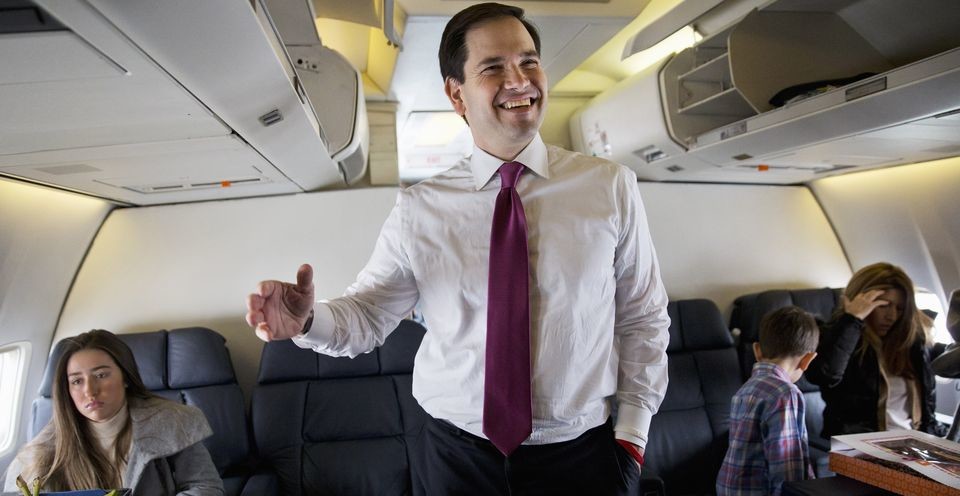
The best hope of the Republican establishment just a week ago, Marco Rubio suddenly faces a path to his party’s presidential nomination that could require a brokered national convention. That’s according to Rubio’s campaign manager, Terry Sullivan, who told The Associated Press that this week’s disappointing performance in New Hampshire will extend the Republican nomination fight for another three months, if not longer. It’s a worst-case scenario for Rubio and many Republican officials alike who hoped to avoid a prolonged and painful nomination fight in 2016. “We very easily could be looking at May — or the convention,” Sullivan said aboard Rubio’s charter jet from New Hampshire to South Carolina on Wednesday. “I would be surprised if it’s not May or the convention.” The public embrace of a possible brokered convention marks a sharp shift in rhetoric from Rubio’s top adviser that could be designed to raise alarm bells among Republican officials. Yet days after a disappointing fifth-place finish in New Hampshire and looking up at Donald Trump in next-up South Carolina, Rubio’s presidential ambitions are truly facing growing odds. While he downplayed his dilemma on his first day in South Carolina after the New Hampshire setback, the first-term Florida senator discussed his political challenges at length during an unusual 45-minute question-and-answer session with reporters aboard his campaign plane on Wednesday. He answered questions until there weren’t any more, noting afterward that he hadn’t held a session that long with reporters since his days as Florida’s House speaker. In remarks that were at times personal and others defiant, he also may have simply needed to talk it out to help process his predicament. It also seemed he needed to prove to the political world, himself and his family that he could face the biggest test of his young presidential bid. “My kids were watching me last night,” Rubio said of his nationally televised admission that a poor debate performance pushed voters away. “My kids knew that it didn’t go the way I wanted it to go. “I taught them more last night from that experience, I feel, than any words I’ll share. They were learning from that experience,” he said. As he shifts his attention to South Carolina’s Feb. 20 GOP contest, the 44-year-old freshman senator wants voters to know he’s learned an important lesson from his experience in New Hampshire. Instead of trying to avoid attacking his GOP rivals on the debate stage, Rubio said he’s now prepared to fight back when necessary — particularly with his party’s front-runner Donald Trump. “I don’t need to start these fights, but if someone starts one in the future we’re going to have to point out the differences in our records in a sharper way,” Rubio said. “I don’t think we have the luxury any longer to basically say ‘Look, I don’t want to argue with Republicans.’ “ New Hampshire destroyed any momentum Rubio had coming out of Iowa and for now, at least, locks the senator into a messy muddle in his party’s establishment wing. Both Ohio Gov. John Kasich and former Florida Gov. Jeb Bush beat Rubio in New Hampshire in the contest to emerge as the mainstream alternative to Trump and Texas Sen. Ted Cruz. And as senior aides embraced the possibility of a brokered national convention, GOP Rep. Trey Gowdy, of South Carolina, said the Rubio operation is “built for a long campaign.” “I don’t know of anyone who expected folks to fold up after New Hampshire and go on. There are a lot of candidates,” Gowdy said as he was traveling with Rubio on Wednesday. “He’s never indicated to me anything other than we’re built for the long haul and it’s going to be a long haul. But, you’re running to be the leader of the free world: It’s supposed to be a challenge.” There hasn’t been a contested national convention since 1976, yet Republican National Committee officials have already had preliminary discussions about the possibility of no candidate securing a majority of delegates in the state-by-state primary contests. It’s by no means assured that Rubio’s candidacy will survive that long. Despite his popularity among many Republican leaders, he will ultimately need to start winning primary contests to remain competitive — especially as Trump and Cruz perform well. Rubio’s team has long expressed confidence about his chances in South Carolina. Yet Rubio downplayed expectations when talking to reporters. “We obviously need to do better than we did in New Hampshire,” he said of the state where he finished in fifth place. Sensing weakness, Democrats and Republicans alike have begun to question Rubio’s long-term viability. “The debate performance hurt. We’ll see if he can turn it around,” said 68-year-old Rubio supporter Rusty DePass after a Wednesday rally in Columbia. “I’m mad as hell at the people who run his campaign for not having him prepared.” “It was awful,” DePass said. Republished with permission of the Associated Press.
After Iowa, Donald Trump showing off effort to win in New Hampshire
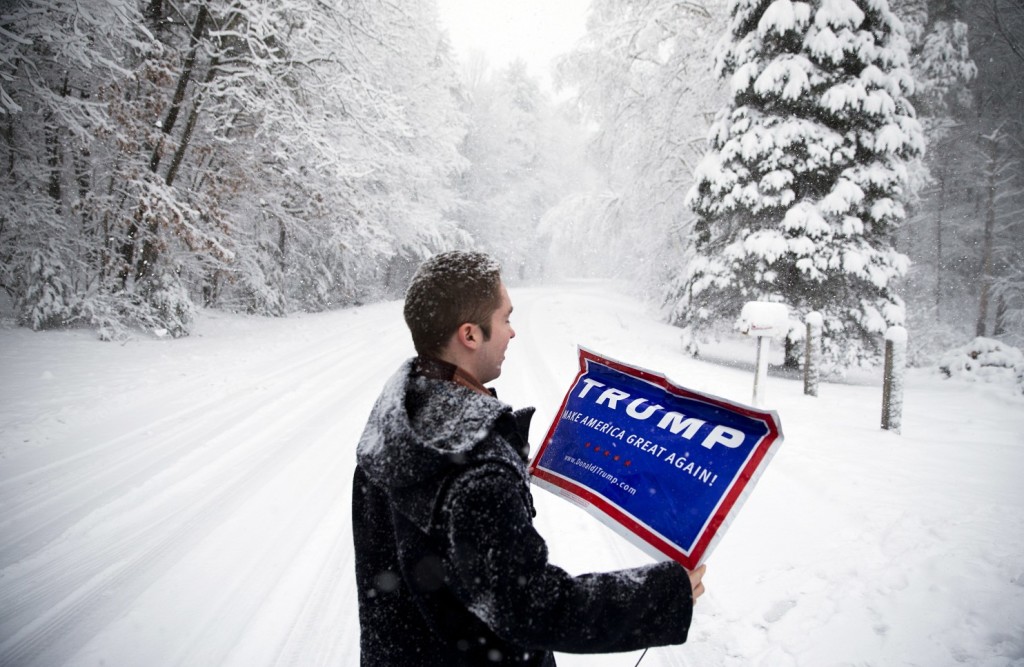
With wet snow already ankle deep and falling fast, Dave Chiokadze and James Radcliffe trekked down one long driveway after another in search of potential votes for Donald Trump. “It’s like the Revolutionary War,” joked Chiokadze as they made their way house to house along a Londonderry street, knocking on doors that were flagged by a smart-phone app and leaving long lines of footsteps in their wake. The 22-year-olds, out-of-state volunteers involved in politics for the first time, are on the front lines of Trump’s effort in New Hampshire, where the Republican presidential candidate is hoping for his first victory of the 2016 campaign in the state’s primary on Tuesday. Trump had a disappointing runner-up finish last Monday in leadoff Iowa, which has a byzantine caucus process that puts a premium on organizing supporters to make sure they turn out. Now, he and his team are intent on making a greater push to get out the vote in the opening primary state “Look, I’ve never done this before. I’ve been a politician for seven months. I’m against governors and senators. They’ve done it their whole lives,” Trump said in an interview with The Associated Press on Friday. “It would seem to me that people would just go out and vote.” Trump said he “never realized” the need to encourage supporters to actually take part in the caucuses. “Now, I think we’re going to have an OK ground game.” Or at the very least, one that Trump is willing to show off. His campaign shrouded its Iowa operations in secrecy. In New Hampshire, it has opened the door to what appears to be more robust effort to ensure his legion of supporters becomes an army of voters. At his state headquarters in Manchester, volunteers were hard at work on two recent weekdays. They made calls using an automated phone dial system in a room decorated with black-and-white photographs of the man they’re working to elect. Malcolm McGough, 58, a volunteer from West Hartford, Connecticut, said he had been working 13-hour days making calls. “It’s really about asking them whether they’re going to get out and vote on Tuesday and whether they support Mr. Trump,” McGough said. He said he had made 1,150 calls for Trump on Wednesday alone. Kevin Bray, 51, another volunteer, said he had driven more than 20 hours in the rain from Nixa, Missouri, after seeing the results in Iowa. “Iowa happened and I woke up really irritated,” he said. “I said, you know, I want to make a difference.” He said he arrived on Wednesday morning and told Trump’s team to put him to work. In a back room of the office, a white board displays ambitious goals for each day. On Thursday, the team aimed to make 30,000 calls and knock on 2,500 doors. By early afternoon, campaign officials said they were partway to their goals. Their seven teams of volunteers sent to neighborhoods across the state had reported knocking on 823 doors so far. On Friday, campaign staff hoped to boost the number to 5,000, as more than 100 new volunteers arrived from states such as New York and Pennsylvania to help. The team has run out of the 20,000 cards it printed to hand out during visits and was printing 25,000 more. “I think look, we’ll take nothing for granted,” said Trump campaign manager Corey Lewandowski, a New Hampshire resident overseeing the effort. “We’re going to do everything we can to try and talk to every voter possible. So we’ve made a lot of phone calls and knocked on a lot of doors and we’re going to do a lot of stops. “And obviously,” Lewandowski said, “Mr. Trump gets the biggest crowds, so he gets to see the most people.” He said the outreach was aimed specifically at voters identified as having a high likelihood of being open to supporting Trump. Volunteers said they included many independent voters and those without a history of voting in the primary. Steve Duprey, a political professional in New Hampshire who helped shepherd GOP Sen. John McCain’s winning 2008 campaign in the state, described the Trump ground game as “aggressive and sophisticated.” “I think they have a first-rate operation in New Hampshire and I think they were under the radar for a couple of months,” Duprey said. To be sure, Trump hasn’t completely changed his approach in the wake of his Iowa defeat. He skipped town for a rally in South Carolina on Friday and has largely forgone the small-scale town halls and meet-and-greets that are the usual fare for potential presidents in Iowa and New Hampshire. That’s something some of his supporters in Iowa said was a hurdle to success there. “It was challenging,” said Iowa state Sen. Brad Zaun, a prominent Trump supporter. “Everybody talks about the 99 county tour. I think if we could have gotten him there more often, it would have increased his numbers. … I wanted him to do smaller events. We could not get that done.” The winner in Iowa, Texas Sen. Ted Cruz, did visit all those counties. Cruz also developed and relied on a sophisticated, data-driven approach that targeted specific, individual voters. In New Hampshire this past week, many voters interviewed said they had yet to receive mail or phone calls from Trump’s campaign. Even as Trump acknowledged that investing additional time and money in Iowa may have helped win the caucuses, he continued to boast about spending less than the other candidates. Trump spent just $1.2 million on consultants in areas such as field operations in the final four months of the year, along with $235,000 to the data firm L2. Cruz spent more than $3 million on data provider Cambridge Analytica alone in the quarter, and $900,000 on political strategy consulting. Trump also continues to be badly outspent on television by candidates of significantly lesser means, advertising tracker Kantar Media’s CMAG shows. The $3 million he’s spent so far on TV and radio ads in New
Turnout is name of the game in Monday’s Iowa caucuses
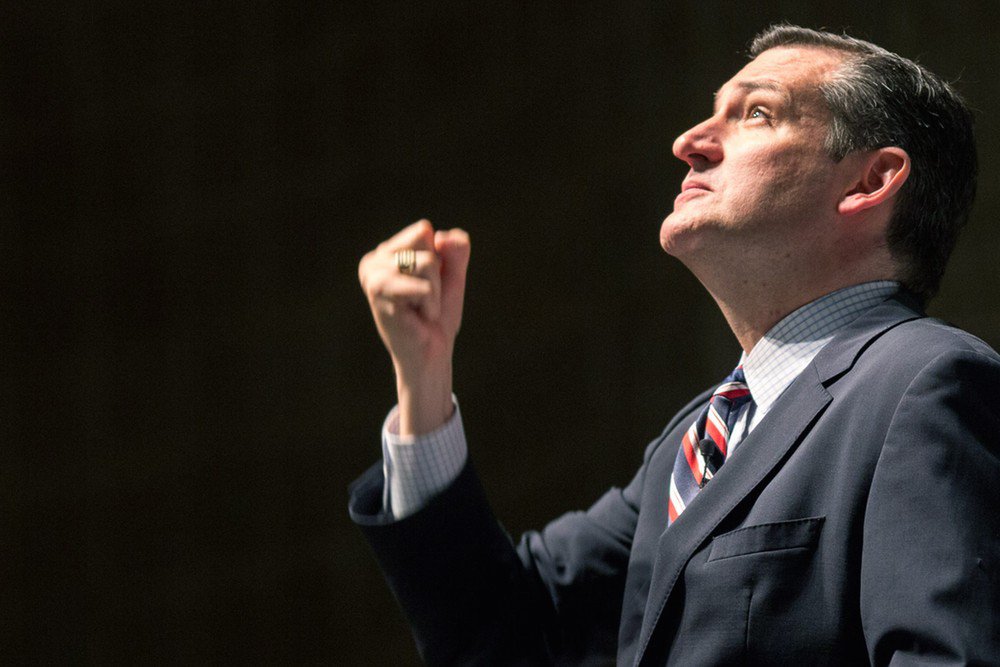
In a final frenzy to inspire supporters to turn out for Monday’s Iowa caucuses, the presidential contenders scrambled to close the deal with the first voters to have a say in the 2016 race for the White House. The result Sunday was a blur of sometimes conflicting messages. Even as the candidates begged backers to caucus, many hopefuls also tried to lower expectations and look ahead to the New Hampshire primary on Feb. 9 and later contests. Republican Donald Trump, who has a slight edge over Ted Cruz in Iowa, predicted that “many” senators “soon” would endorse him rather than their Texas colleague. Trump didn’t name any such senators, and none immediately emerged. Democratic Hillary Clinton, in a tight race with Vermont Sen. Bernie Sanders, suggested that political point-scoring helped explain the hubbub over the State Department’s announcement Friday that it was withholding some emails on the home server she used while secretary of state. One development — the weather — was beyond the candidates’ control. A snowfall forecast to start Monday night appeared more likely to hinder the hopefuls in their rush out of Iowa than the voters. Republican John Kasich already has decamped to New Hampshire. Iowa offers only a small contingent of the delegates who will determine the nominees, but the game of expectations counts for far more than the electoral math in the state. Campaigns worked aggressively to set those expectations in their favor (read: lower them) for Iowa, New Hampshire and beyond. Meantime, a pastor at a church outside Des Moines urged politicians to treat their opponents with love and not attack ads. With Cruz and his family in the audience, pastor Mike Housholder of Lutheran Church of Hope played two parody attack ads questioning the faith of church members. There is a better way, he said — by speaking the truth with love. He says if you can’t do that, don’t speak. Too late: The candidates were all over the airwaves Sunday, talking about each other in distinctly unloving ways. Trump, for example, called Cruz a liar at least three times on ABC’s “This Week” for having said in a Des Moines Register ad that Trump supports President Barack Obama‘s signature health care law. Trump says he wants people’s health care “taken care of” but not with the current program. He did not say how he’d pay for such coverage. The candidates’ agreed on one thing: It’s all about turnout now. “People are really enthusiastic, and if people come out to vote, I think you’re going to look at one of the biggest political upsets in the modern history of our country,” Sanders told CNN’s “State of the Union.” Clinton said she had been subjected to “years of scrutiny, and I’m still standing.” On ABC’s “This Week,” she said, “I feel vetted. I feel ready. I feel strong, and I think I’m the best person to be the nominee and to defeat whoever they nominate in November.” Trump said “I don’t have to win” in Iowa, before adding that he believes he has “a good chance” of a caucus victory. He said he was confident of taking New Hampshire and many other contests down the road. “One of the reasons that I’ll win and, I think, none of the other guys will win is because I’m going to get states that they’ll never get,” he told CBS’ “Face the Nation,” citing Pennsylvania, Ohio, Michigan, Florida, along with strong hopes for New York and Virginia. Cruz is conceding nothing. “What we’re seeing is the old Reagan coalition coming together. We’re seeing conservatives and evangelicals and libertarians and Reagan Democrats. And if conservatives come out, we’re going to win tomorrow,” the Texas senator told “Fox News Sunday.” Cruz directed much of his final advertising against Marco Rubio as the senators’ feud grew even more bitter in the final day. Cruz took to the airwaves to challenge the conservative credentials of Rubio, the Floridian running third in Iowa, according to the polls. One ad said of Rubio: “Tax hikes. Amnesty. The Republican Obama.” Rubio shot back, telling CNN that as voters learn more about Cruz’s record, they will understand that “he’s always looking to take whatever position it takes to win votes or raise money.” Rubio said Republicans won’t beat Clinton “with someone that will say or do anything to get elected.” In the last major preference poll before the caucuses, Trump had the support of 28 percent of likely Republican caucus-goers, with Cruz at 23 percent and Rubio at 15 percent. The Iowa Poll, published by The Des Moines Register and Bloomberg, also found Clinton with 45 percent support to Sanders’ 42 percent in the Democratic race. The poll was taken from Tuesday to Friday and has a margin of error of plus or minus 4 percentage points. Republished with permission of the Associated Press.
Cash flow could be issue for 4 GOP contenders seeking boost
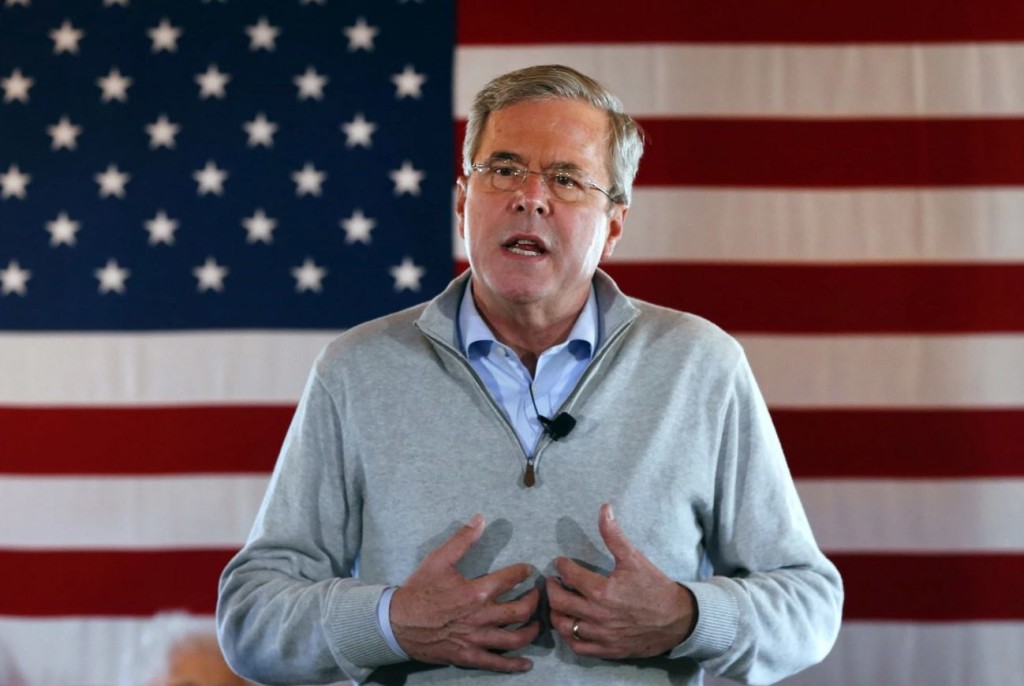
Money may be growing tight for four Republican presidential hopefuls clustered under Donald Trump and Ted Cruz — just when they’re about to need it the most. Financial reports coming out Sunday will show who began the year with enough cash to put their long-range campaign plans into motion. For Chris Christie, Jeb Bush and John Kasich, the aim is a strong showing in New Hampshire on Feb. 9 that power-boosts them deep into primary season. Marco Rubio‘s imperative is to do well enough in the first four states to vote that he can make a sustained climb in the weeks that follow. That sort of long slog would be costly because it involves travel around the two dozen states that hold contests on or before March 15. And some of those states, including Virginia, Florida and Ohio, have expensive advertising markets. “If you’re going to proceed after New Hampshire, you’re absolutely going to need considerable funds,” said Fred Malek, who has helped four decades of Republican presidential candidates raise money. “The pace of the primaries builds up rapidly. It’s far better to already have the cash on hand rather than have to ramp up.” The financial health of the campaigns of Christie, Kasich, Bush and Rubio is critically important because they’re competing not only with each other, but with Trump, a billionaire who has vowed to spend whatever it takes to win, and Cruz, who began the year with $19 million in the bank — an amount that probably exceeds most of his rivals. The foursome is considered to be competing for mainstream Republicans in a campaign that has seen Trump and Cruz most effectively tap populist anger and disdain for the establishment. In addition to the candidates, the outside political groups known as super PACs helping them must turn in progress reports on their fundraising and spending Sunday. Stanley Hubbard, a billionaire Minnesota broadcast executive, said he’s poised to write a large check to a super PAC backing any one of his preferred candidates, Rubio, Christie and Bush, among others. “If we get someone who really has a chance of doing something, I’m ready,” he said. “Someone just needs to rise to the top.” Asked if he is confident anyone will have enough money to compete with Trump or Cruz, he said: “No, I do not feel confident. But I’m hopeful.” There are signs that Rubio, a Florida senator, could be facing a cash crisis. After his campaign began leasing corporate jets and hiring dozens of additional employees at the end of the year, it recently downsized its advertising plans in Iowa, New Hampshire and South Carolina, according to advertising tracker Kantar Media’s CMAG. His campaign said it would air a 30-minute Rubio town hall over the weekend on several Iowa TV stations. Federal broadcast filings show that sets him back at least $12,000. On Friday, Rubio acknowledged the obvious, telling reporters he’s not going to be the candidate with the most campaign cash. He also said he believes his campaign has spent money wisely, building up staffing slowly and trimming the ad buy to save money. For Bush, the budget crunch arrived in October, when a fundraising shortfall — combined with the realization that the primary could last well into 2016 — prompted him to narrow what had been a large national campaign to focus squarely on New Hampshire. “It’s super hard to raise money,” said Anthony Scaramucci, a New York-based top fundraiser for Bush. “We’ve knuckled down to the new reality.” But he said the Bush finance team is working furiously and “generating cash every day for the campaign.” Judging by their ad buys, Christie and Kasich haven’t been reaping much contributor cash, either. Even as they barnstorm New Hampshire, they’ve each spent only about $500,000 on commercials there, CMAG shows. That’s less than retired neurosurgeon Ben Carson, who has paid little mind to New Hampshire. Christie campaign strategist Mike DuHaime said he expects “a new influx” of cash if Christie performs well in New Hampshire and at least some of his competitors drop out. But under several scenarios, all four candidates could think they’ve done well enough to continue on. Come Sunday, fundraising reports answer the question which of the four is best financially prepared to do so. As of Sept. 30, the last time the campaigns had to report, Christie had collected $4.2 million for the year, Kasich $4.4 million, Rubio $15.5 million and Bush $24.8 million. Previous filings also hinted at a fundraising challenge facing them: They’re struggling to connect with low-dollar donors who can give again and again, replenishing campaign treasuries if the candidates survive deep into the primaries. For Christie, Bush and Kasich, people giving $200 or less were barely a blip in their fundraising totals. About 20 percent of Rubio’s operation is supported that way, compared with 42 percent of Cruz’s. That could be why all four lean heavily on super PACs to communicate with voters through paid media. While campaigns can raise no more than $2,700 from each donor for the primaries, super PACs can — and do — take million-dollar checks. These outside groups have accounted for almost 90 percent of the $129 million in radio and television ads aired by the four establishment Republicans, according to CMAG. But super PACs can only do so much, as Scott Walker and Rick Perry can attest. Both had well-funded outside efforts in their corner, but folded up their presidential bids when their campaigns couldn’t raise enough money to keep going. Republished with permission of the Associated Press.
Stage set for chaos as New Hampshire primary looms
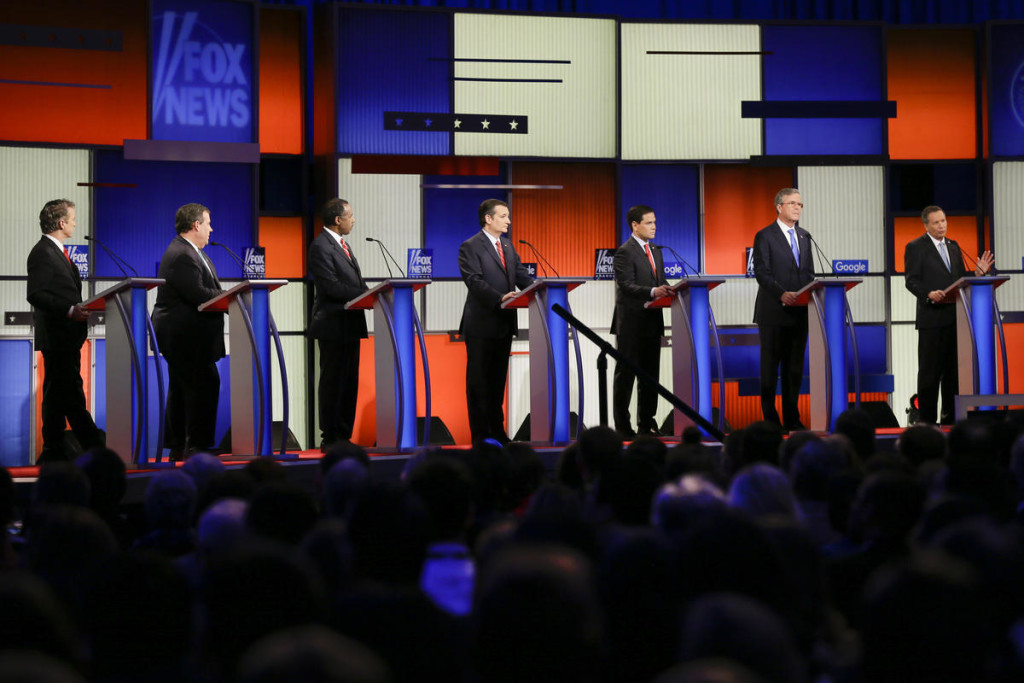
Uncertainties are mounting in New Hampshire as Republican presidential candidates fail to sway the state’s many fence-sitters one way or the other, despite months of outreach by the various campaigns. More than 40 percent are not registered with any political party, giving them the power to choose which party they’d like to vote with come Feb. 9. Seeking to emerge as the establishment contender against billionaire Donald Trump and Texas Sen. Ted Cruz, four of those candidates — John Kasich, Chris Christie, Marco Rubio and Jeb Bush — are scrambling to find anything that will set them apart. With Trump maintaining a commanding lead in the state, the battle has intensified among the rest of the pack as they look to elbow each other out for a second-place finish. “What the hell is taking so long with you people?” New Jersey Gov. Christie half-joked at a town hall in Portsmouth last week. “I mean, c’mon now!” Kasich, Ohio’s sitting governor, is the latest to claim momentum in the rollercoaster race, pointing to endorsements from several major New Hampshire newspapers and an uptick in preference polls. Once an afterthought, most polls show Kasich is among the candidates vying for second place. He’s attracting relatively small crowds, but his rivals are taking no chances. The outside political organization backing Bush, called Right to Rise, has launched television ads declaring Kasich “wrong on New Hampshire issues,” citing his decision to expand Medicaid in Ohio — something New Hampshire has also done. “You also know that you’re rising when Jeb Bush’s operation starts throwing negative ads at you,” Kasich spokesman Chris Schrimpf said. “Three weeks ago they weren’t spending millions on TV against us.” The jabs go both ways. Several of Kasich’s top New Hampshire backers scheduled a press conference Friday, right across from Bush’s Manchester campaign office in a clear attempt to steal the former Florida governor’s thunder. The attacks are coming from all sides. The super PAC backing Rubio, Florida’s junior senator, is bashing nearly every other candidate on the air, while Christie’s campaign sends out emails almost daily highlighting inconsistencies in his opponents’ records. Some differ in their approach. Christie blatantly goes after his rivals, while Kasich professes positivity, leaving the trash talk to his campaign staff and the outside group backing him. But Mike Dennehy, a longtime GOP strategist in New Hampshire who is not with any campaign, said it’s a mistake for the candidates to launch their attacks at each other rather than Trump. “They’re all shooting each other up so much that none of them are going to create any distance between themselves,” Dennehy said. “They’re all going to end up tied for third place between eight and 11 percent, and then they’re doomed.” And some voters say the negativity is a turnoff. Judith McKenna, 66, said she emailed the Bush campaign to complain after receiving recorded phone calls promoting his candidacy and “trashing all the other candidates.” McKenna added that she’s leaning toward Rubio or Christie, whom she’s already seen twice. Despite having attended multiple town halls and candidate events, she said she’s still undecided — and she’s not alone. Bruce McCracken, a 66-year-old retired teacher, has seen nine presidential candidates in recent weeks, including Trump and Democrat Bernie Sanders. Yet, he’s still mulling whether to vote in the GOP or Democratic primary. He says Marco Rubio “shows more compassion” than other Republican candidates and feels Kasich’s experience as Ohio governor is a plus. But for now, at least, he’s leaning toward a vote for Sanders — senator in neighboring Vermont. But if Sanders maintains his comfortable lead in New Hampshire over Clinton, McCracken said he’d rather use his vote in the more unpredictable GOP contest and vote for someone other than Trump. “You do these calculations in New Hampshire,” he laughed. Andy Smith, a political scientist and director of the UNH Survey Center, says voters like McCracken, who are unsure which primary to vote in, are relatively unusual. Not so unusual, however, are voters who wait until the last minute to make up their minds. Data from a recent UNH poll shows that just 31 percent of GOP voters have ‘definitely decided’ on a candidate. And in the 2012 contest, 21 percent of Republican voters didn’t make up their minds until primary day, Smith said. This late in the game, the candidates wouldn’t mind a little more certainty. “There’s so many undecided people, and I wish they were all committed to me,” Kasich recently told reporters. “What am I not doing right?” Republished with permission of the Associated Press.
In new advertisement, Jeb Bush turns his attention to jobs
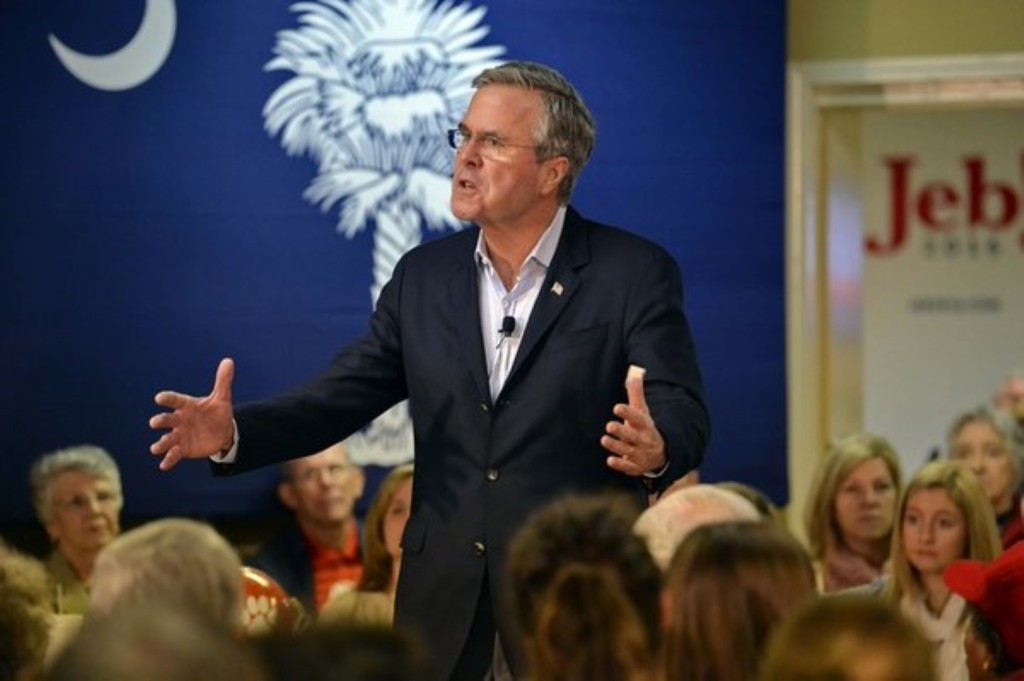
Jeb Bush is talking about jobs in a new advertisement hitting the airwaves in New Hampshire this week. The 30-second spot — dubbed “Jobs” — is slated to rotate into the campaign’s New Hampshire ad buy on Wednesday. The advertisement, as first reported by James Pindell’s Ground Game on Tuesday morning, focuses on Bush’s jobs record. “If we build the best possible business climate, no one can compete with the United States,” Bush is seen saying in the new ad. “My plan will create 19 million new jobs. The American Dream will be possible for millions who have forgotten what it looks like.” Bush has said his economic proposals are designed to “achieve 4 percent growth, create 19 million new jobs and increase middle-class incomes.” The plan includes changing the tax code, cutting regulations and repealing the Affordable Care Act, often called Obamacare. This isn’t the first time the former Florida governor has touted his jobs plan. In September, the campaign released an advertisement where Bush said the state led the nation from 2000 to 2007. The advertisement is set to air in New Hampshire beginning Wednesday. Bush has spent a considerable amount of time and resources in the Granite State, in advance of the Feb. 9 primary. He still lags in the polls, however, and New Hampshire polling averages compiled by RealClearPolitcs show him in fifth place with 8 percent.
Poll: Support for Donald Trump remains strong
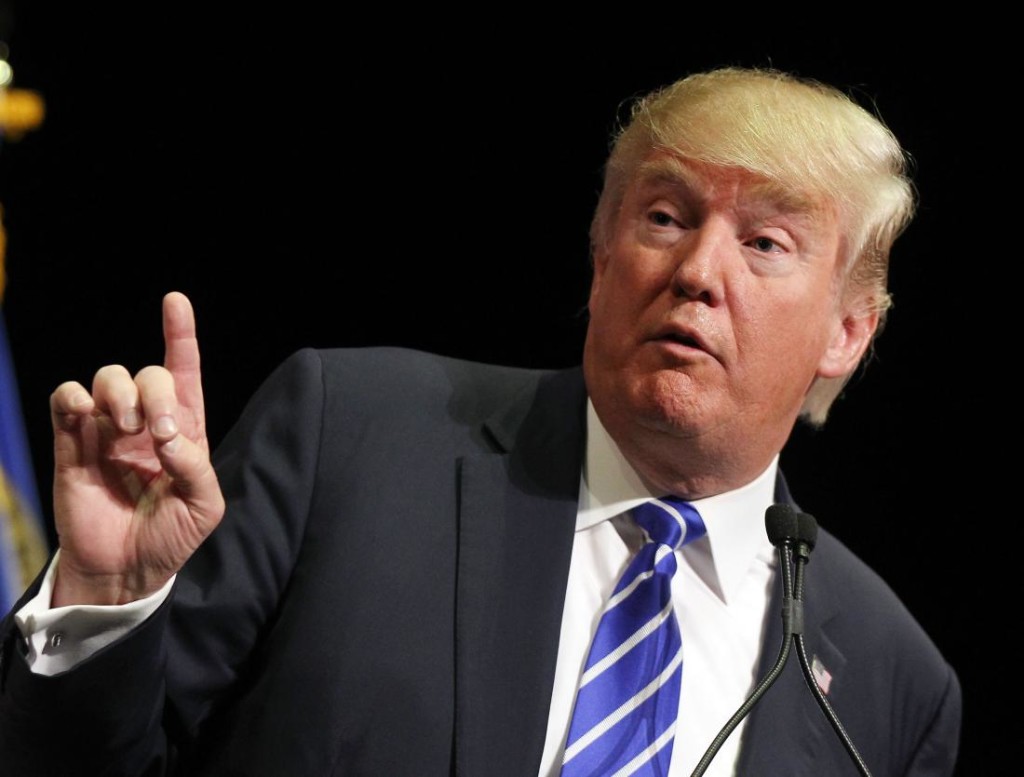
Donald Trump may have the best chance of getting elected president, according to a new Washington Post-ABC News poll. The poll found 56 percent of Republican-leaning voters said Trump had the best chance of getting elected in November 2016, followed by Ted Cruz with 17 percent. No other candidate cracked double digits when asked which Republican candidate had the best chance of winning in November. The poll, released Tuesday, shows Trump leads the Republican field with 37 percent support. Cruz is at 21 percent, while Rubio is in third with 11 percent. The poll shows Ben Carson is at 7 percent, following by Jeb Bush at 5 percent. Republicans said Trump was the candidate they most trusted to handle a variety of issues facing the country, including the economy (55 percent), immigration (44 percent) and terrorism threats (45 percent). The poll found 64 percent of Republican-leaning voters thought Trump was most likely to win the Republican nomination. Cruz followed with 12 percent while Rubio was at 5 percent and Bush and Carson were at 2 percent. Among Republican voters, 65 percent said they would accept Trump as the nominee. The Washington Post-ABC News national poll was conducted between Jan. 21 and Jan. 24. The poll surveyed 356 Republican-leaning registered voters and has a margin of error of 5.5 percent. The first nominating contest of 2016 is Monday, when Iowans voice their opinions in the Iowa caucuses. The New Hampshire primary is Feb. 9.
Jeb Bush upbraids Donald Trump at New Hampshire Republican forum
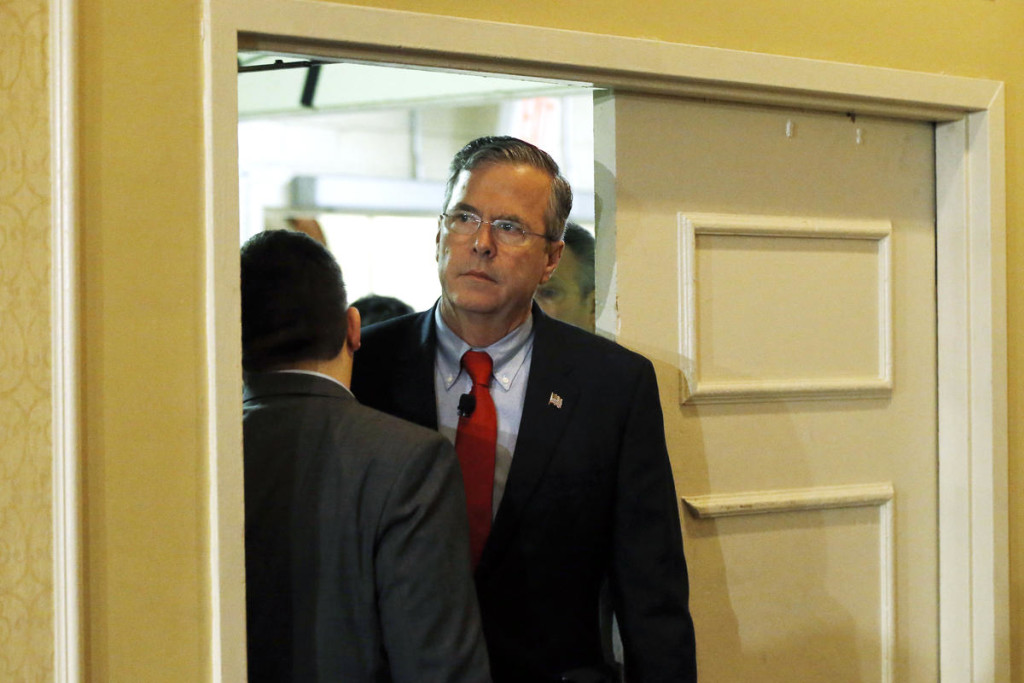
Former Florida Gov. Jeb Bush unleashed a fury of criticism against Donald Trump on Saturday before imploring New Hampshire voters to forgo the billionaire businessman in the state’s Feb. 9 primary. “You have a chance to reshape this whole primary,” Bush told hundreds of voters at a state Republican Party presidential candidate forum. Trump, who continues to dominate polling in the first primary state, did not attend the event. Nor did Texas Sen. Ted Cruz, who is neck-and-neck with Trump in first-to-nominate Iowa and rising in New Hampshire. A host of candidates fighting for survival in the 2016 race appeared alongside Bush. Among them: Florida Sen. Marco Rubio, Ohio Gov. John Kasich, Kentucky Sen. Rand Paul, former CEO Carly Fiorina and former Pennsylvania Sen. Rick Santorum. But only Bush delivered harsh words for Trump. “He’s a gifted entertainer, but he’s not a conservative,” Bush said, citing Trump’s past support for Democrats, including the Clintons, past stances on social issues and previous support for a single-payer health care system, noting “that’s Bernie Sanders’ position.” He slammed Trump for saying Sen. John McCain, a Vietnam prisoner of war and two-time New Hampshire presidential primary winner, is not a “war hero” because he was captured. Bush also reminded voters of Trump’s remarks about women and immigrants. “It is not strong to insult women; it is not a sign of strength when you insult Hispanics,” Bush said. “(Or) when you say that a prisoner of war is a loser because they got caught.” Rubio and Kasich, meanwhile, largely stayed away from attacking fellow Republicans. Rubio offered only veiled attacks against Cruz and New Jersey Gov. Chris Christie over taxes. Instead, he stuck largely to his campaign speech and focused his criticism on President Barack Obama and Democratic candidate Hillary Clinton. “We are on the road to decline right now, and the reason is because in 2008 America elected a president who wasn’t interested in fixing the problems of America,” Rubio said. He criticized Obama for his stance on gun rights, immigration, education, military and foreign policy. “The result is the anger and frustration that people are feeling now,” the Florida senator said, echoing the feelings of Trump’s supporters and populist message. But, without naming rivals Trump and Cruz, the Rubio said voters cannot “just elect any Republican.” Kasich, by contrast, said it’s pointless to spend time focusing on Obama, who has only months left in office. Kasich in recent days has said he plans to keep his focus on what’s ahead. But, he noted he’s excited about the prospect of challenging Clinton in a general election. “She’s a fragile candidate,” he said. “In the general, I’m gonna have a ball.” Paul criticized rival Rubio and other Republican senators for pushing to raise military spending, which he said would add to the $19 trillion national debt. The Kentucky senator, whose campaign is struggling to gain traction, also said that Rubio, Bush and other Republicans are eroding Americans’ civil liberties in the fight against terror. They “want more surveillance of you,” he said. Republished with permission of the Associated Press.
Marco Rubio says faith “single greatest influence in my life”
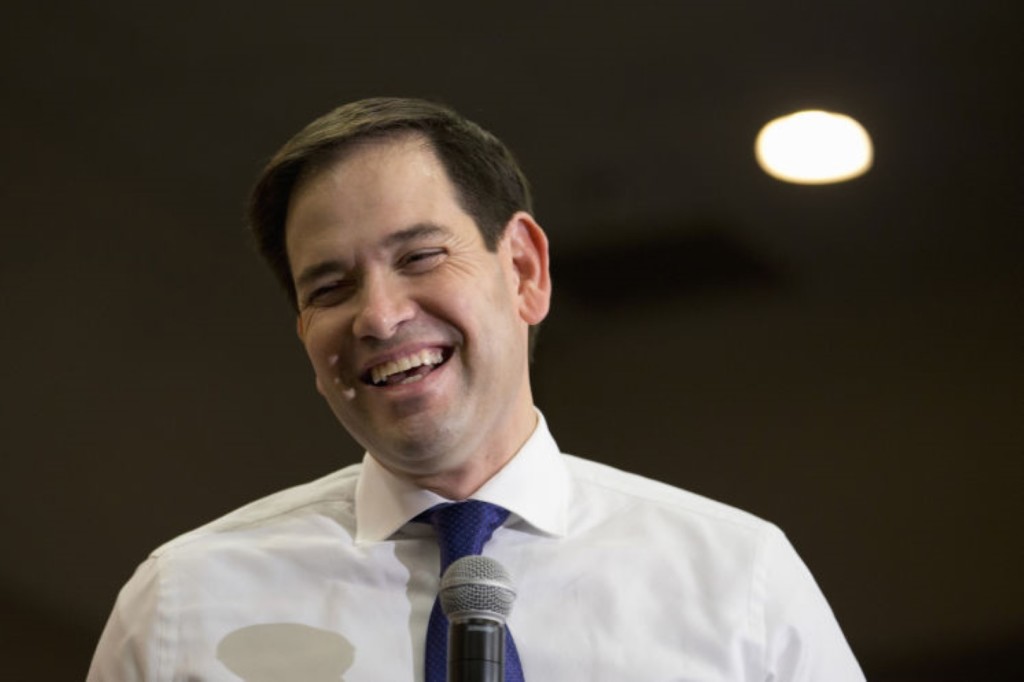
Republican presidential hopeful Marco Rubio promised to keep “talking about God” as he campaigned across Iowa Monday, reminding influential evangelical voters of his commitment to Christian values just two weeks before the state’s lead-off caucuses. The Florida senator’s GOP rivals have dismissed him as too moderate at times, but on Monday, he spoke of how Christian conservative values would guide his decisions in the White House, if he is elected. The Florida senator, a Catholic, opened up about religion when confronted by an atheist during a town hall-style meeting in Waverly, Iowa. “No one’s going to force you to believe in God. But no one’s going to force me to stop talking about God,” Rubio told the atheist, Justin Scott, of Waterloo. Added Rubio, “Not only am I a Christian, not only am I influenced by my faith, but it is the single greatest influence in my life. And from that, I’ll never hide.” Looking up at businessman Donald Trump and Texas Sen. Ted Cruz in the polls, the first-term senator is trying to break out of the crowded Republican field. There are several candidates aggressively courting Iowa’s religious conservatives, who typically play outsize influence in the opening contest. Cruz is particularly popular among such voters, as is retired neurosurgeon Ben Carson, former Arkansas Gov. Mike Huckabee and former Pennsylvania Gov. Rick Santorum. Rubio’s focus on religion would be less appealing in New Hampshire, which holds the nation’s first presidential primary eight days after the Iowa caucuses and typically rewards economic, rather than social conservatives. In Waverly, the second of five campaign appearances Rubio had scheduled Monday, he renewed his opposition to abortion and promised to strip funding from Planned Parenthood if elected. He also said pastors, bakers and florists shouldn’t be penalized for refusing to participate in a same-sex marriage. On abortion, Rubio supports an exception for the life of the mother, but opposes exceptions in cases of rape and incest. “I believe every human being, no matter what stage you are in your development, even if you don’t have a birth certificate, even if you don’t have a lawyer, even if you don’t have a name, has a right to live,” Rubio said, adding that he respects people on the other side of the debate. Rubio told the atheist that his Christian faith shouldn’t be a concern. “In fact, I think you should hope my faith influences me,” Rubio said, noting that his faith outlines an obligation to care for the less fortunate, to love his neighbor and feed the hungry. “I’m going to share my faith, especially when I’m asked, because my faith influences who I am in every aspect of my life,” he said. Rubio added that he’ll live to 85 or 90, if he’s lucky. “But I’m more interested in eternity and the ability to live forever with my creator,” he said. “And that’s what I aspire to more than anything else.” Republished with permission of the Associated Press.
Jeb Bush super PAC attempts to crowdfund Super Bowl ad
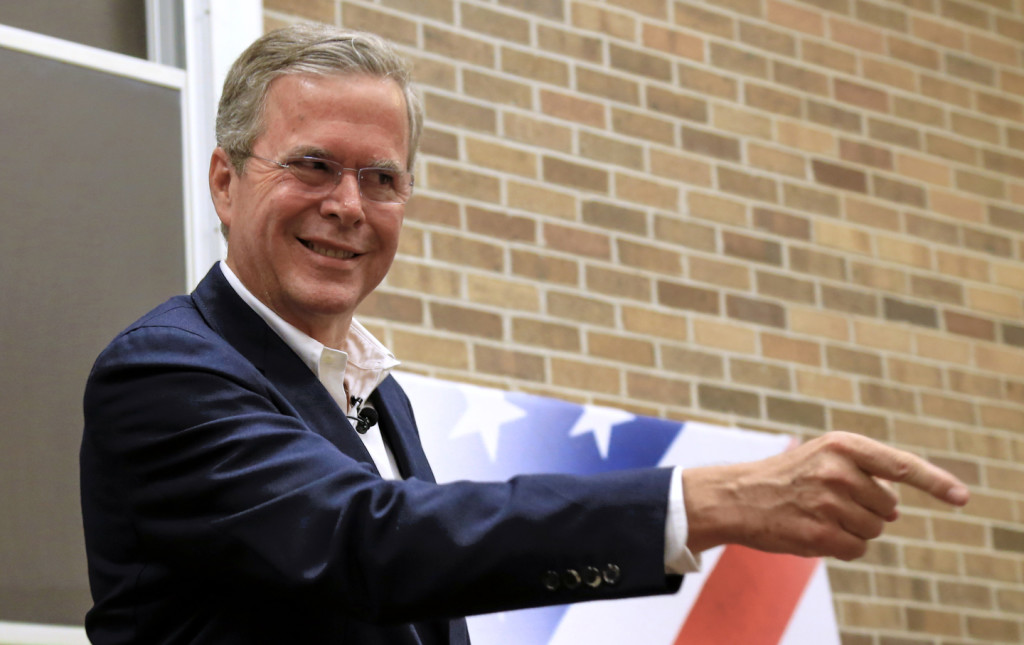
The super PAC supporting GOP hopeful Jeb Bush is asking donors to pitch in to fund a Super Bowl advertisement. On Friday, The New York Times reported Mike Murphy, the head or Right to Rise, urged donors in an email to contribute online to air an advertisement supporting Bush in New England during the Super Bowl. The Super Bowl is Feb. 7, two days before New Hampshire’s primary on Feb. 9. According to the Times, the email to donors included a link to the website. The organization is looking to raise $300,000 for the advertisement, according to the fundraising campaign’s website. “We need your help to run the first-ever political ad funded by everyday Americans during the 50th anniversary of the BIGGEST sports event of the year,” states the fundraising website. Much like other crowd-sourced sites, the committee is offering donors thank-you gifts for donating. A “super fan” — or someone who gives a $25 donation to the effort — gets a preview of the ad and a Right to Rise USA Big Game Koozie; while someone who gives a $1,000 donation is considered a “coach” and gets an “one-of-a-kind Right to Rise USA gift basket.” Want to be a “MVP?” According to the site that designation is reserved for someone who gives $10,000. Those donors would be invited to a watch party in New Hampshire and would get to attend a strategic briefing with Murphy. As of Sunday afternoon, 176 donors gave a total of $31,717 toward the $300,000 goal. Right to Rise has raised more than $103 million to support Bush’s run for president. The organization has spent more than $61.8 million, according to The Center for Responsive Politics. According to NBC News, Bush and his allies spent $49 million on advertisements through Jan. 9. The committee spent most of that sum, according to the NBC News report.
