
Martha Roby: Strengthening our hand with Iran
President Donald Trump recently announced he will withdraw the United States from the Iran Nuclear Agreement. From the very beginning, I said this was a flawed, weak deal that serves the interests of bad actors in Iran at the expense of our own. I support the Trump Administration’s efforts to ensure that we truly end Iran’s nuclear weapons program. After all, wasn’t that the point of this agreement in the first place? Under the deal, the Iranian regime was to dismantle their nuclear weapons program in exchange for the lifting of economic sanctions. Needless to say, this didn’t work out, and that’s largely because the Obama Administration failed to uphold the basic tenets they laid out for this agreement from the start. For example, when the previous Administration was negotiating this agreement more than three years ago, they originally said the United States would perform inspections on suspected Iranian nuclear facilities that could occur anywhere, at any time, to ensure that this rogue regime wouldn’t be able to quietly continue their efforts to develop a nuclear weapon. In reality, the Iranians ended up having up to 24 days’ notice in many cases before inspections were allowed to occur. Even then, Americans were prohibited from unilaterally performing them. This is just one example of the many ways the Iran deal fell far short of accomplishing what the Obama Administration promised Congress and the American people. Iran is the leading state sponsor of terrorism, and that hasn’t changed over the last three years. While actively supporting terrorist groups like Hezbollah and Hamas, the nation has been part of horrific terrorism in Yemen, Syria, and Lebanon. The regime has also been developing long-range ballistic missiles. Their ballistic missiles program threatens Israel, our allies in the region, and even U.S. forces. It is no secret that Iran has not stopped its mission to obtain a nuclear weapon, and Israeli intelligence actually proved Iran deceived negotiators from the outset by covering up their nuclear weapons program prior to signing the agreement in 2015. So now, the regime has the best of both worlds: relief from economic sanctions and the freedom to continue their nuclear weapons program without consequence. For starters, I believe it is imperative that we reinstate the economic sanctions against Iran that were in place prior to the Obama-era nuclear agreement. In the House, I have supported policies like this that strengthen our hand towards Iran, including the Iran Sanctions Extension Act, which Congress passed in 2016 to reauthorize for ten years the economic penalties used by the United States to deter Iran from furthering developing ballistic missiles and supporting terrorism. Clearly, there is great room for improvement in our dealings with this rogue nation. As I have said many times before, the Obama Administration’s behavior towards Iran was truly baffling, and I am glad that we have now reversed course. I am hopeful that the Trump Administration can strengthen our hand with Iran after eight years of it being severely weakened. At the end of the day, the bottom line is that Iran’s nuclear weapons program, support for terrorist organizations, and development of ballistic missiles pose a direct threat to the United States and our allies. We must take this very seriously throughout future negotiations with this regime. To do otherwise compromises our own national security. ••• Martha Roby represents Alabama’s Second Congressional District. She lives in Montgomery, Alabama, with her husband Riley and their two children.
Trump withdraws from Iran nuclear deal, Alabama delegation reacts
President Donald Trump on Tuesday declared the United States was pulling out of the Iran nuclear deal and will re-impose sanctions on Iran, saying the deal failed to protect America’s national security interests. “The so-called Iran deal was supposed to protect the United States and our allies from the lunacy of an Iranian nuclear bomb, a weapon that will only endanger the survival of the Iranian regime,” Trump said during a speech at the White House announcing his decision. “In fact, the deal allowed Iran to continue enriching uranium and over time reach the brink of a nuclear breakout.” The re-imposed sanctions will target critical sectors of Iran’s economy, such as its energy, petrochemical, and financial sectors. “This was a horrible one-sided deal that should have never, ever been made. It didn’t bring calm, it didn’t bring peace, and it never will,” Trump continued “It is clear to me that we cannot prevent an Iranian nuclear bomb under the decaying and rotten structure of the current agreement. The Iran deal is defective at its core. If we do nothing we know exactly what will happen.” According to a congressional aide, there will be 90- and 180-day wind-downs on various aspects of the deal, made by former President Barack Obama in 2015. Here are reactions from the Alabama delegation (in order they were received): 7th District U.S. Rep. Terri Sewell: After months of deliberation and extensive conversations with nuclear experts, military officials, and constituent groups, I decided to support the Iran Deal because I believed it was our best option for ensuring a nuclear-free Iran. The Iran Deal was not perfect, but its collective enforcement by the international community made it the best path forward. President Trump’s reckless withdrawal from the Iran Deal has the potential to destabilize an already unstable region. As we lay the groundwork for a diplomatic breakthrough with North Korea, reneging on the Iran Deal could also endanger our chances at establishing another major international agreement. Unilaterally walking away from this agreement leaves America isolated and puts our national security at risk. 4th District U.S. Rep. Robert Aderholt: President Trump has taken this issue very seriously. With all the information he has at his disposal, I trust that he has made the right decision to pull back from what was a bad deal adopted under the Obama Administration. There are several things that remain puzzling about the agreement. For example, many of us are still waiting to see what benefits the Obama Administration hoped to see when they delivered pallets of cash in the dead of night to Iran, a known state sponsor of terrorism. 1st District U.S. Rep. Bradley Byrne: President Obama’s decision to enter into the nuclear ‘deal’ with Iran was the biggest U.S. foreign policy mistake since the end of World War I, and it has not made America or the world a safer place. President Trump is right to exit the deal and hold Iran accountable for their reckless and dangerous actions. It is also important to remember that there has been bipartisan opposition in Congress to the Iran deal since it was first announced. Despite a majority in the House and the Senate expressing opposition to the deal, President Obama chose to act alone without Congressional approval, and that is one of many reasons why this ‘deal’ was never going to work. Moving forward, I pledge to do what I can to work with the Trump Administration to hold Iran accountable, push back against their nuclear weapon and missile programs, and ensure the safety of the American people and our allies. 2nd District U.S. Rep. Martha Roby: I have said from the very beginning that the Iran Deal was a flawed, weak deal that served the interests of bad actors in Iran at the expense of our own. I strongly opposed this Obama-era executive agreement, and I support the Trump Administration’s efforts to ensure that we truly end Iran’s nuclear weapons program. Moving forward, Congress must stand locked-arm in our approach to dealing with this rogue nation for the sake of our national security. I believe it is imperative that we reinstate the economic sanctions against Iran that were in place prior to this nuclear agreement. It’s no secret that Iran has not stopped its efforts to obtain a nuclear weapon, and we must take this threat very seriously in our future negotiations with the leading state sponsor of terrorism. This article will be updated as additional reactions come in.
World to learn fate of Iran nuclear pact Tuesday afternoon
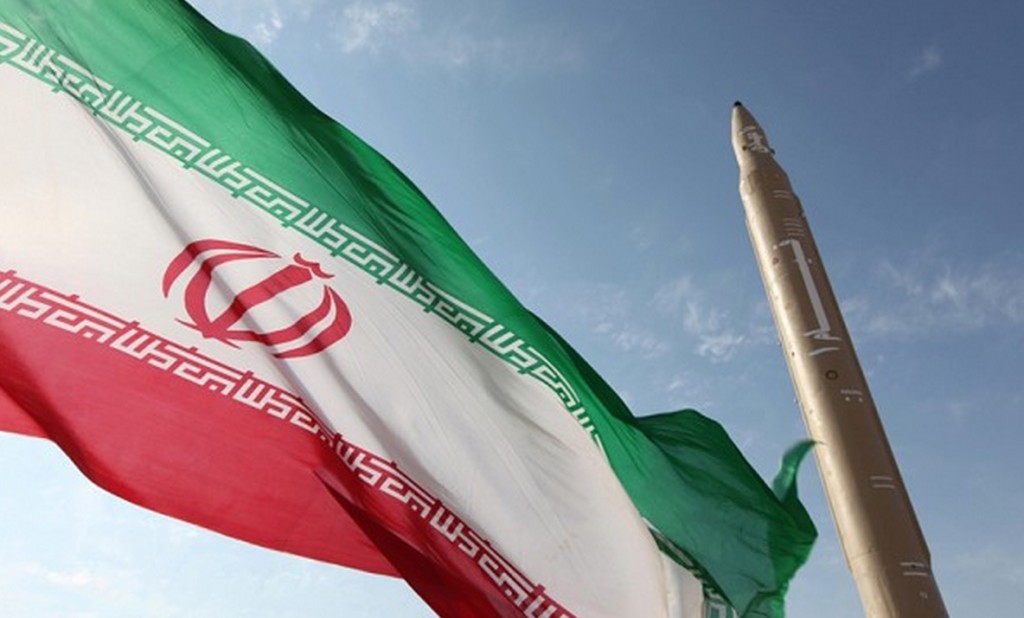
President Donald Trump is preparing to tell the world whether he plans to follow through on his threat to pull out of the landmark nuclear accord with Iran and almost surely ensure its collapse. There are no signs that European allies enlisted to “fix” the deal have persuaded him to preserve it. In a burst of last-minute diplomacy, punctuated by a visit by Britain’s top diplomat, the deal’s European members gave in to many of Trump’s demands, according to officials, diplomats and others briefed on the negotiations. Yet they still left convinced he is likely to re-impose sanctions and walk away from the deal he has lambasted since his days as a presidential candidate. Hanging in the balance Tuesday was the fate of the 2015 nuclear deal struck by the United States, Iran and world powers that lifted most U.S. and international sanctions against the country. In return, Iran agreed to restrictions on its nuclear program making it impossible to produce a bomb, along with rigorous inspections. If the deal collapses, Iran would be free to resume prohibited enrichment activities, while businesses and banks doing business with Iran would have to scramble to extricate themselves or run afoul of the U.S. As they braced for an expected withdrawal, U.S. officials were dusting off plans for how to sell a pullout to the public and explain its complex financial ramifications, said the officials and others, who weren’t authorized to speak ahead of an announcement and requested anonymity. Building up anticipation for the big reveal, Trump announced on Twitter he would disclose his decision at 2 p.m., with an announcement set for the Diplomatic Room of the White House. With uncharacteristic discipline, he kept the decision confined to a small group within the White House National Security Council, leaving even many of his aides guessing what he had decided. There was at least as much guessing in Iran, where many are deeply concerned about how Trump’s decision could affect the already struggling economy. In Tehran, President Hassan Rouhani sought to calm nerves, smiling as he appeared at a petroleum expo. He didn’t name Trump directly, but emphasized that Iran continued to seek “engagement with the world.” “It is possible that we will face some problems for two or three months, but we will pass through this,” Rouhani said. An immense web of sanctions, written agreements and staggered deadlines make up the accord. So Trump effectively has several pathways to pull the United States out of the deal by reneging on its commitments. Under the most likely scenario, Trump will allow sanctions on Iran’s central bank — intended to target its oil exports — to kick back in, rather than waiving them once again on Saturday, the next deadline for renewal, said the individuals briefed on Trump’s deliberations. Then the Trump administration would give those who are doing business with Iran a six-month grace period to wind down business and avoid beaching of those sanctions. Depending on how Trump sells it — either as an irreversible U.S. pullout, or one final chance to save it — the deal could ostensibly be strengthened during those six months in a last-ditch effort to persuade Trump to change his mind. The first 15 months of Trump’s presidency have been filled with many such “last chances” for the Iran deal in which he’s punted the decision for another few months, and then another. Other U.S. sanctions don’t require a decision until later, including those on specific Iranian businesses, sectors and individuals that will snap back into place in July unless Trump signs another waiver. A move on Tuesday to restore those penalties ahead of the deadline would be the most aggressive move Trump could take to close the door to staying in the deal. Even Trump’s secretary of state and the U.N. agency that monitors nuclear compliance agree that Iran, so far, has lived up to its side of the deal. But the deal’s critics, such as Israel, the Gulf Arab states and many Republicans, say it’s a giveaway to Tehran that ultimately paves the path to a nuclear-armed Iran several years in the future. Iran, for its part, has been coy in predicting its response to a Trump withdrawal. For weeks, Iran’s foreign minister had been saying that a re-imposition of U.S. sanctions would render the deal null and void, leaving Tehran little choice but to abandon it as well. But on Monday, Rouhani said Iran could stick with it if the European Union, whose economies do far more business with Iran than the U.S., offers guarantees that Iran would keep benefiting. It is far from clear that Europe can credibly provide that assurance. Even with the deal in place, Iran complained constantly that European banks and businesses were staying away out of fear they’d be punished by the United States. The global financial system is so interconnected and so dependent on New York that it’s nearly impossible to conduct business that doesn’t touch the U.S. financial system. That gives Trump incredible leverage if he threatens that anyone doing business with Iran will be cut off from the United States. For the Europeans, a Trump withdrawal would also constitute dispiriting proof that trying to appease the mercurial American president is an exercise for naught. The three EU members of the deal — Britain, France and Germany — were insistent from the start that the deal could not be re-opened. After all, it was the U.S. that brokered the agreement in 2015 and rallied the world behind it. But all that was under President Barack Obama, whose global legacy Trump has worked to chip away at since taking office. So the Europeans reluctantly backed down, only slightly at first, agreeing to discuss an “add-on” agreement that wouldn’t change the underlying nuclear deal, but would add new restrictions on Iran to address what Trump had identified as its shortcomings. Trump wanted to deter Iran’s ballistic missile program and other destabilizing actions in the region. He also wanted
Iran sanctions renewal becomes law without Barack Obama signature
In an unexpected reversal, President Barack Obama declined to sign a renewal of sanctions against Iran but let it become law anyway, in an apparent bid to alleviate Tehran’s concerns that the U.S. is backsliding on the nuclear deal. Although the White House had said that Obama was expected to sign the 10-year-renewal, the midnight deadline came and went Thursday with no approval from the president. White House press secretary Josh Earnest said Obama had decided to let it become law without his signature. “The administration has, and continues to use, all of the necessary authorities to waive the relevant sanctions” lifted as part of the nuclear deal, Earnest said in a statement. Under the Constitution, the president has 10 days after Congress passes a bill to sign it, veto it or do nothing. If Congress has adjourned, failing to sign it is a “pocket veto” that prevents the bill from becoming law. But if Congress is still in session, the bill becomes law with no signature. Although lawmakers have returned home for the holidays, Congress technically is still in session and holding “pro-forma” sessions this week. Though Obama’s move doesn’t prevent the sanctions renewal from entering force, it marked a symbolic attempt by the president to demonstrate disapproval for lawmakers’ actions. The White House has argued that the renewal is unnecessary because the administration retains other authorities to punish Iran, if necessary, and has expressed concern that the renewal may undermine the nuclear deal. Iran had vowed to respond if the sanctions were renewed, arguing they violate the nuclear deal between Iran and world powers, which eased sanctions in exchange for curbs on Iran’s nuclear program. Iran’s government has complained to the United Nations about the renewal, and on Tuesday, Iran’s president ordered up plans to build nuclear-powered ships and to formally accuse the U.S. of violating the terms of the deal. Yet U.S. lawmakers argued that renewing the law, first passed in 1996 and renewed several times since, was critical to maintaining pressure on Iran to abide by the deal and to pushing back on Tehran’s other troubling behavior in the region. The bill passed the Senate unanimously and the House by an overwhelming margin. The Obama administration stressed that Iran would be unaffected by the renewal, as long as it continues honoring the nuclear deal. Secretary of State John Kerry said he’d told his Iranian counterpart that “to ensure maximum clarity,” he’d issued new, redundant waivers exempting Iran from sanctions lifted under the deal. “Extension of the Iran Sanctions Act does not affect in any way the scope of the sanctions relief Iran is receiving under the deal or the ability of companies to do business in Iran consistent with the JCPOA,” Kerry said, using an acronym for the nuclear deal. President-elect Donald Trump has been sharply critical of the nuclear deal and has threatened to try to renegotiate it, and Israel’s prime minister has said he plans to lobby Trump to undo the deal. Republican supporters of the sanctions had argued that renewing them would ensure that Trump would have the authority to reinstate penalties that Obama eased. Under the nuclear deal, the U.S. and world powers suspended sweeping oil, trade and other financial sanctions that had devastated Iran’s economy. In exchange, Tehran agreed to roll back its nuclear program, though the deal’s critics say the agreement is flawed because it didn’t halt all Iranian activity and because key restrictions eventually expire. Republished with permission of The Associated Press.
Martha Roby: America must keep the upper hand with Iran
Recently the U.S. House of Representatives took up and overwhelmingly passed the Iran Sanctions Extension Act, which reauthorizes for another ten years the economic penalties the United States has used to deter the Islamic Republic of Iran from further developing its unconventional weapons program, including ballistic missiles and supporting terrorism. Originally enacted in 1996, these sanctions have been some of the most meaningful tools in bringing Iran and its ambitious weapons program to heel. Extending them for another ten years is the right decision, and I was proud to vote in favor of the bill’s passage. Also last week, House Speaker Paul Ryan sent a letter to President Obama urging him to abandon any plans for new concessions to Iran during his final days in office. The letter asked that President Obama “take no further actions designed to bolster international investment in Iran, or otherwise change or alter the existing sanctions regime within international organizations through the use of waivers or through administrative actions…” The House vote and Speaker Ryan’s letter comes amid reports that the Obama Administration plans to take additional steps to aide Iran’s economy in attempt to save the president’s legacy nuclear agreement. You may remember that last year, despite significant opposition from Republicans and Democrats alike in Congress, President Obama negotiated an executive nuclear agreement with Iran. I said at the time that the executive agreement was a bad deal because negotiators failed to achieve their very own stated objectives on inspections, verifications, and sanctions. Then in January, the Administration released a $1.7 billion payment to Iran coinciding with the release of five Americans held prisoner by Iran, in violation of longstanding U.S. policy meant to protect our national security interests. I’m afraid the Obama Administration’s baffling behavior toward Iran is weakening what was once a very strong hand in dealing with this rouge nation. However, since President Obama’s Iran nuclear deal is an executive agreement and not a treaty, it is subject for review in the next presidential administration. President-elect Donald Trump said repeatedly throughout his campaign that he believes the Obama Administration negotiated badly, and he strongly suggested that he will pull the U.S. out of the nuclear agreement. Like everyone else who has been engaged in this issue, I am eager to see how President-elect Trump deals with the situation. My colleagues and I in Congress certainly stand willing to support policies that strengthen our hand towards Iran, as evidenced by the overwhelming bi-partisan vote in favor of the Iran Sanctions Extension Act (ISA). Of course, this is just one of many decisions facing President-elect Trump and his incoming administration as the transition of executive power moves forward. I hope you’ll join me in praying for wisdom and guidance for the president-elect and all those who advise him at this time of great consequence for our country. ••• Martha Roby represents Alabama’s 2nd Congressional District. She lives in Montgomery, Alabama with her husband Riley and their two children.
Iran nuclear deal endangered if Donald Trump seeks to renegotiate its terms
Donald Trump isn’t going to rip up the Iran nuclear deal on day one as president, but his vows to renegotiate the terms and increase enforcement could imperil an agreement that has put off the threat of Tehran developing atomic weapons. Emboldened Republican lawmakers are already considering ways to test Iran’s resolve to live up to the deal. As a candidate, Trump issued a variety of statements about last year’s pact. He called it “stupid,” a “lopsided disgrace” and the “worst deal ever negotiated,” railing against its time-limited restrictions on Iran’s enrichment of uranium and other nuclear activity, and exaggerating the scale of U.S. concessions. Trump said that he doesn’t want to simply tear up the agreement. Instead, he spoke of reopening the diplomacy and declared that unlike President Barack Obama’s diplomats, he would have been prepared to walk away from talks. Trump’s exact plans are vague, however, and a renegotiation would be difficult. Iran has little incentive to open talks over a deal it is satisfied with. And none of the other countries in the seven-nation accord has expressed interest in picking apart an understanding that took more than a decade of stop-and-go diplomacy and almost two full years of negotiation to complete. As Iran’s supreme leader, Ayatollah Ali Khamenei, has said: If the U.S. tears up the agreement, “we will light it on fire.” President Hassan Rouhani said this week no country could simply change what was agreed, pointing to a U.N. Security Council resolution that endorsed the package. The deal, which went into effect in January, forced Iran to pull back from the brink of nuclear weapons capacity in exchange for an end to many of the U.S. and European sanctions that devastated Iran’s economy. It has been largely respected despite undiminished U.S.-Iranian tensions throughout the Middle East, including their support for rival sides in Syria and Yemen’s civil wars. Each side has leverage: Iran doesn’t want a new onslaught of U.S.-led economic pressure and America would be alarmed by any Iranian escalation of its nuclear program. But the accord rests on fragile ground, with powerful constituencies in Washington and Tehran vehemently opposed and looking for any excuse to break it apart. In such a climate, it’s unclear what Trump’s demands for a renegotiation might mean. “The agreement is valid only as long as all parties uphold it,” State Department spokesman Mark Toner acknowledged Wednesday in the agency’s first briefing since Trump’s stunning election victory over Hillary Clinton to become the 45th president. Last summer, Walid Phares, a Trump adviser on the Middle East, said Trump wouldn’t pull out of an agreement with America’s “institutional signature,” but rather revise elements through one-on-one negotiations with Iran or with a larger grouping of allies. Daryl Kimball, executive director of the pro-deal Arms Control Association, said that re-litigating the deal would unsettle American allies, with no clear picture of what Trump would be trying to accomplish. Trump could also send the deal to Congress, whose Republican majority has opposed it. GOP lawmakers are examining a slew of possible actions. Among the likeliest pieces of legislation is one targeting sectors of Iran’s economy supporting ballistic missile work, including those specifically exempted from sanctions under the nuclear deal. Another goes after Iran’s Revolutionary Guard for its military activity in Syria and support of terrorism. Iran could use either as an excuse to push past the limits of the nuclear deal, which may partly explain Republican motivations. Trump has largely avoided talk of killing the agreement, but has said he would police the deal “so tough they don’t have a chance.” The U.N. nuclear agency has confirmed minor Iranian violations, specifically on its stockpiling of heavy water that can be used in plutonium production. It has faced no punishment. Iran also has repeatedly breached a ballistic missile ban that was extended for eight years under the nuclear deal, prompting some limited sanctions from Washington. The Obama administration has been hamstrung. Determined to protect the president’s foreign policy legacy, it has gone above and beyond the agreement’s stipulation that no new nuclear-related sanctions be introduced. When Yemen’s Iran-backed Shiite rebels fired missiles at U.S. Navy vessels, the retaliatory action didn’t extend to Tehran. Nor has Iran faced repercussions for joining Syria and Russia’s offensive in Aleppo, which has drawn U.S. charges of war crimes and crimes against humanity. And whenever top Iranian officials have complained about the speed and scope of their post-deal economic recovery, top Obama officials like Secretary of State John Kerry have served as pitchmen to international banks and companies hesitant about investing in Iran. “It is a whole new reality,” said Mark Dubowitz, an Iran sanctions proponent at the hawkish Foundation for Defense of Democracies. What does he expect from Trump? “No more free lunches for the Iranians, no more unilateral concessions, no more excuses.” Republished with permission of the Associated Press.
Bradley Byrne: House acts to stop Iran deal
There is no greater responsibility of Congress than to ensure for the safety and security of the American people. With that in mind, last week I voted against the Iran nuclear agreement, which I believe puts the American people at greater risk. I’ve been opposed to the Iran nuclear talks from the start because I see no reason to believe Iran will keep its word. Iran’s supreme leader has been known to lead crowds in cheers of “death to America” and just last week their leader said Israel will no longer exist in 25 years. As the top state-sponsor of terrorism in the world, Iran has a track record of supporting terrorist groups like Hamas and Hezbollah. Reports indicate that Iran is directly responsible for the death of at least 1,000 American military members in the Middle East. These deaths come in the form of Iranian-backed fighters and Iranian bombs known as “explosively formed penetrators.” Iran clearly wants to bring harm to the American people, and this agreement will make it easier for them to do just that. Iran will be able to acquire new military technologies and weapons, including intercontinental ballistic missiles (ICBMs). Iran does not need ICBMs to hit targets in the Middle East, but they need ICBMs to hit long distance targets like the United States. I also opposed the deal because the American people have made clear they do not support it. In fact, a recent public poll by the Pew Research Center found that only 21% of Americans support the Iran deal. Even worse, just two percent of Americans have a “great deal of confidence” that Iran’s leaders will hold up their end of the agreement. Personally, I have heard from constituents about this issue everywhere I go. At every one of my 16 town hall meetings in August, someone asked me what Congress was going to do to stop the Iran deal. I even had a woman come up to me in the grocery store, with tears in her eyes, asking me to oppose the deal. It is clear my constituents in Southwest Alabama and people all across the country do not want to see this deal move forward. So last week the House used a three step strategy to try and stop the Iran nuclear agreement. First, we passed a “Sense of Congress” that President Obama broke the law by not sharing all the relevant materials related to the Iran deal. There are multiple reports that Iran agreed to a number of “side deals” that have not been made public. One of these deals outlines the process by which inspectors will be given access to Iran’s military bases. Second, the House passed a bill to prevent President Obama from lifting any of the sanctions on Iran. It is clear the economic sanctions were working because the Iranian economy was in shambles, and it would be a mistake to lift the sanctions and give Iran access to billions of dollars. Third, the House rejected the Iran nuclear deal on a straight up or down vote. The vote total was 162 in support of the deal to 269 opposed. There was bipartisan opposition to the agreement with 25 Democrats joining all Republicans to reject the deal. While the Senate has not been able to block the Iran deal yet, I remain committed to doing everything I can in the House to halt this flawed deal. If the deal does go into effect, I will join my colleagues in providing diligent oversight of the Obama administration to ensure Iran does not gain nuclear weapons. Bradley Byrne is a member of the U.S. Congress representing Alabama’s 1st Congressional District.
Alabama delegation votes along party lines against Iran nuclear deal
Members of Alabama’s congressional delegation split along party lines Friday when the House took its vote on the nuclear deal with Iran. Support for the controversial White-House backed agreement failed in the House 269-162. But the vote was largely symbolic as a way to record Republican opposition to the deal, as Senate Democrats Thursday blocked a final vote to reject the deal giving President Barack Obama‘s administration a hard-to-come-by diplomatic victory. The landmark agreement announced in July between Iran and six other countries — the United States, Germany, France, the United Kingdom, Russia and China — aims to prevent Iran from a nuclear weapons program in exchange for sanctions relief that have isolated the country and stymied its economy. Here’s what the Alabama delegation had to say of their votes: U.S. Rep. Bradley Byrne (AL-01): voted NO This will likely be the most important vote I will take during my time in Congress, and I could not support the nuclear agreement, which will put the American people at greater risk. This deal does not do nearly enough to prevent Iran from gaining access to a nuclear weapon. In turn, the deal will empower Iran by giving them access to billions of dollars in sanctions reliefs and allowing them to acquire Intercontinental Ballistic Missiles. As a member of the House Armed Services Committee, my constituents can rest assured that I will continue to do all I can to bring this deal to a halt and hold the Obama administration accountable. U.S. Rep. Martha Roby (AL-02): voted NO Not only will we have paved the way for Iran to obtain a nuclear weapon and potentially initiated a nuclear arms race in the Middle East, but we will have strengthened the hand of this adversarial state while weakening our own. One silver lining is, because this is an executive agreement and not a treaty, it is subject for review in the next administration. Let’s pray our next president doesn’t adhere to a foreign policy doctrine of “leading from behind. U.S. Rep. Mike Rogers (AL-03): voted NO I remain adamantly opposed to the nuclear deal with Iran. Iran has proven time and time again they cannot be trusted and have done nothing but fund terror across the Middle East against those like our closest ally Israel. U.S. Rep. Robert Aderholt (AL-04): voted NO The deal the Administration has made with Iran seems to be more about securing a legacy for the President than about making sure Iran never obtains a nuclear weapon. This deal simply adds time to the clock, but does nothing to change Iran’s endgame. Before negotiations began, the President said that no deal was better than a bad deal. In light of everything that is wrong with the Iran Nuclear Deal, it is hard for me to imagine what the President would have considered a bad deal. U.S. Rep. Gary Palmer (AL-06): voted NO The Corker-Cardin law is clear. It requires that the President to transmit to Congress ‘the agreement … including all related materials and annexes’ before any sanctions can be waived. The President has failed to transmit the ‘side agreements’ concerning the exact terms of the nuclear inspections. I joined 93 of my colleagues in a letter to the President concerning this issue last month. Unfortunately, these materials have still not been transmitted to Congress. The President needs to comply with the law and give Congress access to all of the documents that are part of this deal with Iran.” The Corker-Cardin bill was passed and signed into law in May. Key elements of the Iran deal’s inspections program, which is executed by the International Atomic Energy Agency (IAEA), are part of ‘side agreements’ between the IAEA and Iran, have not been transmitted to Congress, a violation of the Corker-Cardin law. Reports indicate that these agreements allow inspections of the Parchin military site, a key location for Iran’s nuclear program, to be based on information and samples provided by the Iranian regime, not independent investigators. U.S. Rep. Terri Sewell (AL-07): voted YES After several months of thorough deliberation, classified briefings with nuclear experts and military officials, and extensive conversations with numerous constituent groups and diplomats from our allied nations and partners, I have decided to support the Joint Comprehensive Plan of Action (JCPOA). I did not come to this decision lightly, nor am I under any illusions that this agreement is not without its problems. However, I believe this agreement is the best multilaterally negotiated agreement we will get, and thus represents the most viable diplomatic option moving forward. To be clear, my decision to support the JCPOA is not based on a belief in Iran’s intentions but rather in the power of the international community to collectively enforce a nuclear-free Iran. As a Member of the House Permanent Select Committee on Intelligence, I have a unique understanding of our intelligence capabilities and of our capacity to monitor Iran’s compliance with the JCPOA. Moreover, all of the options available to the United States—including the use of military force—will remain available throughout the life of the deal and beyond. Ultimately, I believe the JCPOA provides us with a diplomatic path forward and helps us further counter Iran’s destabilizing activities in the region.
Martha Roby: Shutting down bad deal with Iran
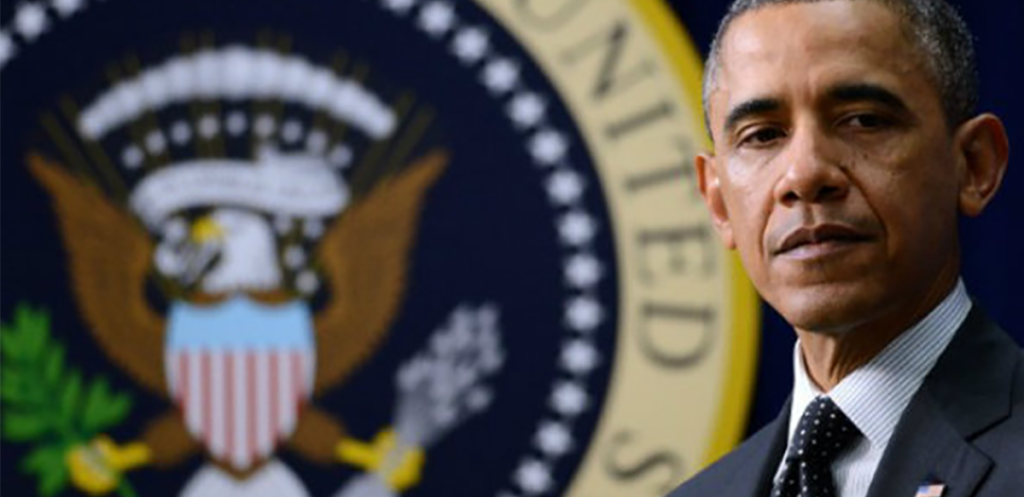
By now you’ve heard the news that the Obama Administration has reached a proposed agreement over Iran’s nuclear capabilities. I’ve spent the last few days reviewing the agreement, and it’s clear that what the administration announced falls far short of what they promised Congress and the American people. The White House and the State Department have insisted for years that Iran does not have a right to enrich uranium. They have said that any lifting of sanctions would come with requiring Iran to acknowledge and dismantle their nuclear weapon program. However, this agreement fails to meet even those basic objectives, and Americans should be very disappointed that President Barack Obama and Secretary John Kerry abandoned their own goals to strike a deal with Iran. Not surprisingly, we are now seeing an attempt to rewrite history. The president and his advisers are doing a full court press in an attempt to convince Congress and the public that this agreement is really what they wanted all along. When CBS White House correspondent Major Garrett questioned the wisdom of agreeing to a deal with Iran while as many as four Americans remain held prisoner, President Obama berated him, saying “you should know better” than to ask such a thing. I think we can expect similar “Chicago shout-downs” to anyone who dares point out the serious shortcomings of their Iran deal. It’s no secret that Iran is the world’s foremost state sponsor of terrorism. In fact, Iranian terror activities have resulted in the deaths of hundreds of American soldiers in Iraq and Afghanistan. And yet the proposed Obama deal provides sanctions relief to Iran which will put billions of dollars into the Iranian treasury to finance ongoing terror activities against the United States, Israel, and our allies. The deal also allows for time delays for the inspection of suspected Iranian nuclear facilities. We cannot rely on President Obama’s hope that this Iranian regime will forgo its terrorist past or that it will not use inspection delays to cover up ongoing nuclear activity. So, what happens now? Under the recently-enacted Iran Nuclear Agreement Act, Congress has the opportunity to vote down any agreement that is put forward. However, overriding the president’s promised veto would require strong bi-partisan support. Once the deal is officially submitted, Congress has 60 days to review it and render a judgment. We must use this time to inspect this agreement carefully and judge it based on what was promised to Congress and to the American people. I believe my colleagues on both sides of the aisle must prepare to stand up and assert our authority to stop a potentially bad deal from going forward. Martha Roby represents Alabama’s 2nd Congressional District. She is serving her third term.
GOP sees Iran nuke deal as chance to cultivate Jewish voters
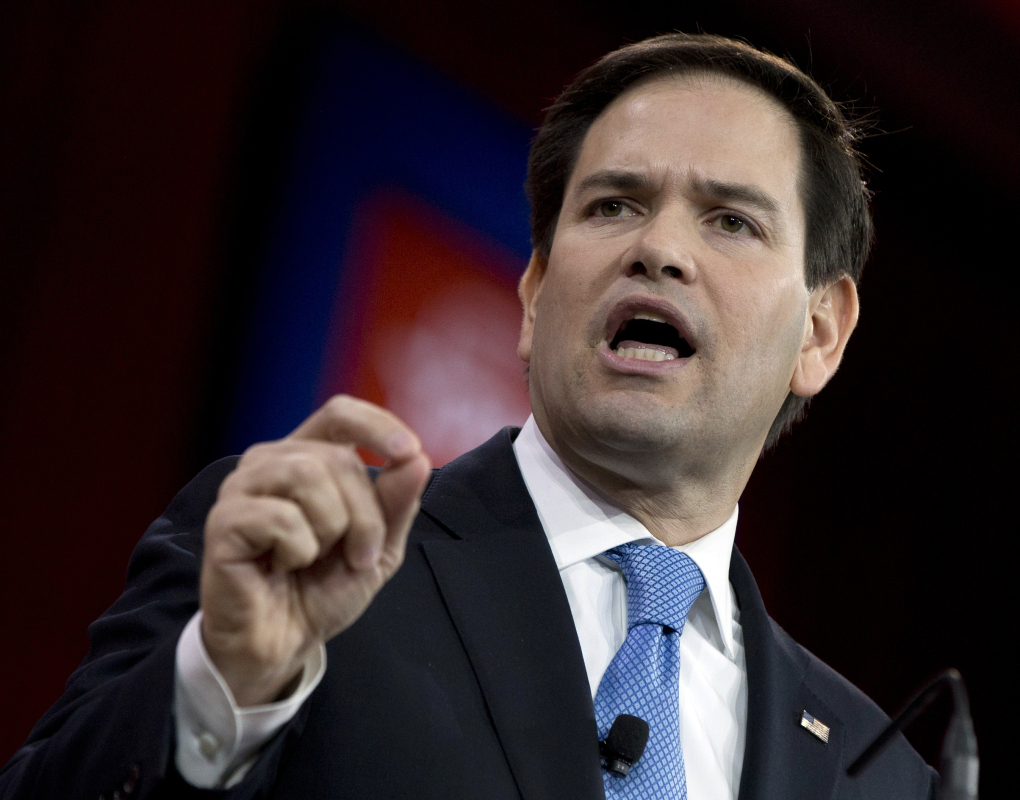
Seizing on Israeli opposition to President Barack Obama‘s nuclear deal with Iran, Republicans are working to cultivate Jewish voters, reasoning that a small shift in the margins could help them in battleground states such as Florida, Ohio and Pennsylvania. Democrats dismiss the effort as demagoguery from the right, saying that most Jewish voters will remain loyal to the left. The front-runner for their party’s presidential nomination, former Secretary of State Hillary Rodham Clinton, is among those supporting the agreement. Congress will have a 60-day window to review the Iran deal and could pass legislation stopping Obama from lifting its sanctions on Iran, though the president can lift sanctions through executive authority. Republican debates, which begin next month, give GOP hopefuls a stage to keep the topic on the 2016 radar. Obama said he hopes the debate would be “based on the facts, not on politics, not on posturing.” The Republican Jewish Coalition‘s Mark McNulty said the agreement to restrict Iranian nuclear development in exchange for sanctions relief is “the brainchild of Obama and Clinton, so it could be very appealing for a Jewish voter to consider a Republican in the White House.” Successful candidates, he said, will be able to tie Clinton to the deal, which she helped to initiate as secretary of state by starting secret talks with Iran. Florida Sen. Marco Rubio and other GOP candidates are doing just that. “In the end, this should have been a confrontation between a superpower and an illegitimate third-rate autocracy,” he wrote for Breitbart News. “Instead, the Obama/Clinton team settled for trading carrots and sticks and hoping for elusive signs of moderation from cruel theocrats.” For Clinton, the topic presents fresh challenges as her campaign tries to maintain strong ties to Jewish voters and donors focused on Israel’s security. The Democratic Party has consistently won broad support from Jewish voters. Since President Bill Clinton‘s first White House victory in 1992, Democrats have gained about three-quarters of the Jewish vote in presidential campaigns. Obama faced tens of millions of dollars in Republican advertising questioning his commitment to Israel in 2012, but he won about 70 percent of Jewish voters. Democrats say most Jews are not single-issue voters. Quinnipiac University pollster Peter Brown said that even if some Jewish voters turn from Democrats, “it’s only going to matter in the swing states of Florida, and maybe Ohio and Pennsylvania,” because of their large Jewish populations. Donna Bojarsky, a Los Angeles-based Democratic strategist who has served on the board of several Jewish organizations, said Bill and Hillary Clinton’s ties to the Jewish community run deep, from the former president’s friendship with the late Israeli Prime Minister Yitzhak Rabin to Hillary Clinton’s tenure in the Senate representing New York and four years as secretary of state. “It will be much more difficult in any way, shape or form to say that they’re not supportive of Israel,” Bojarsky said. Rep. Debbie Wasserman Schultz, who is Jewish, from South Florida and heads the Democratic National Committee, said Republicans opposing the deal are trying to “to score cheap political points in the Jewish community.” In a statement released by her campaign, Clinton said she supported the plan because it offered the U.S. the best possible way of preventing Iran from acquiring nuclear weapons. But in a gesture to Israel’s security, she said any cheating by Iran would bring a quick return of sanctions and no options would be taken off the table, “including, if necessary, our military options.” She said Iran posed a “grave threat” to Israel and that the U.S. ally would need to be confident that it would be able to defend itself. In an oblique reference to Obama’s strained relations with Israeli Prime Minister Benjamin Netanyahu, Clinton said if elected she would invite senior Israeli leaders to Washington “for early talks on further strengthening our alliance.” There are few signs that Clinton faces an erosion of support from Jewish groups or voters. The National Jewish Democratic Council, which had initially taken a wait-and-see approach, announced their “strong support” for the agreement on Friday. “The deal was aimed at halting Iran’s march towards a nuclear weapon, and we find it will do exactly that,” said their statement. One of Clinton’s top donors, Hollywood media mogul Haim Saban, for example, told TheWrap that “my support of Hillary, no matter where she stands on this one issue, is unshakable.” “It will only be a hindrance to her politics in the sense that it will create a talking point,” said Alan Solow, a Chicago-based Democratic donor who backed Obama’s campaigns and is supporting Clinton. Jane Eisner, executive editor of Forward, an influential national Jewish publication, said most Jewish voters are “looking for a certain level of commitment to Israel’s security,” then look to other issues to decide who gets their vote. Eisner said the GOP is making some inroads on the Jewish vote because of the changing population, not politics. Orthodox Jews, who are conservative, are the fastest-growing segment of the community, she said. Republished with permission of The Associated Press.
Iran deal sets 2016 clash between Hillary Clinton and GOP hopefuls
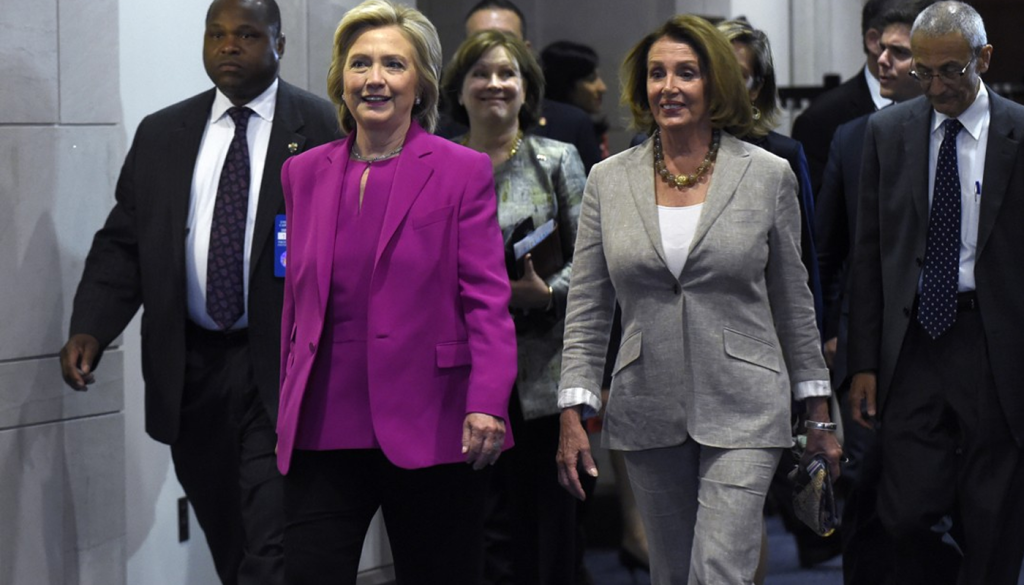
Hillary Rodham Clinton embraced a landmark nuclear deal with Iran on Tuesday, calling it the most effective path for the U.S. to prevent Iran from acquiring nuclear weapons. But she warned it would need strict enforcement, underscoring the tension between President Barack Obama‘s foreign policy legacy and the White House aspirations of his first secretary of state. In a lengthy statement released late Tuesday, Clinton said she supported “the agreement because it can help us prevent Iran from getting a nuclear weapon.” But her written statement, following a day of meetings with Democratic lawmakers in Congress, also called for a “clear-eyed” assessment of the threat Iran represents to the U.S. If elected, she vowed a tough response if Iran failed to live up to its end of the bargain. “We can never permit Iran to evade its obligations or to place any suspicious site off limits to inspectors,” Clinton wrote. “And the response to any cheating must be immediate and decisive – starting with the return of sanctions but taking no options off the table, including, if necessary, our military options.” Clinton has largely supported the Obama administration’s negotiations over the past two years. She has stayed involved with their progress with regular briefings, according to aides who spoke on the condition of anonymity because they weren’t authorized to publicly discuss private meetings. But navigating the political nuances of a historic agreement with a decades-long U.S. enemy heading into a presidential election year may end up being far more complicated. On Tuesday, Republican candidates signaled that Clinton would be forced to defend her position in the general election and warned of violent chaos in the Middle East as a result of the agreement while calling on Congress to try to halt it. Campaigning in Iowa on Tuesday, former Florida Gov. Jeb Bush called Obama’s actions “naive and wrong.” “This isn’t diplomacy – it is appeasement,” said Bush, one of the many Republicans who lashed out over the agreement. Wisconsin Gov. Scott Walker said the bargain “will be remembered as one of America’s worst diplomatic failures.” Florida Sen. Marco Rubio, who, like Walker, has vowed to rescind the agreement should he be elected president, said: “I believe this deal undermines our national security.” Though a slim majority of Americans back diplomacy with Iran, 56 percent consider Iran an enemy of the U.S., according to a new Associated Press-GfK poll taken before the deal was announced. Israeli leaders – who hold sway with some Jewish voters – see the agreement as a threat to their country’s very existence. And Republicans have already spent months trying to link Clinton to Obama, who has seen approval ratings for his foreign policy sink in his second term. Clinton’s current place in the Iran debate marks a striking role reversal for the second-time presidential candidate and her long-ago rival. In 2008, she called Obama’s offer to meet with Iran’s leader without preconditions “irresponsible and, frankly, naive.” And when Clinton said she would “obliterate” Iran if the country used nuclear weapons against Israel, Obama likened her “bluster” to the “tough talk” of then-President George W. Bush. Four years later, as secretary of state, Clinton dispatched a top adviser, Jake Sullivan, to participate in the secret meetings with Iran through the sultan of Oman that led to the start of the international negotiations. Sullivan, who could serve as Clinton’s national security adviser if she’s elected, declined to speak for Clinton during a breakfast with reporters. When asked for his own views, Sullivan said: “I believe that this deal is the best and most effective way to prevent Iran from getting a nuclear weapon. That’s my personal view.” Clinton, however, has long wondered publically whether a deal would ever take shape. She told an American Jewish organization last year that she was “skeptical the Iranians will follow through and deliver.” She said she had “seen many false hopes dashed through the years.” Now, skeptical congressional Democrats are looking to Clinton for direction as they weigh the completed agreement. With the deal between the world powers now finalized, Congress has 60 days to assess the accord and decide whether to pursue legislation imposing new sanctions on Iran or try to prevent Obama from suspending existing ones. If Clinton wins, her commitment to implementing the agreement will play a huge factor in its potential success. “She’s one of two of the most important, most influential voices in this debate, the other being President Obama,” said New York Rep. Steve Israel, who met with Clinton on Tuesday morning. “Her opinion is critically important.” Though Clinton praised the deal, she warned that the agreement would not end Iran’s “bad behavior” in the region, such as sponsoring terrorists, and noted that the country remains a major threat to Israel. The Democratic Senate leader, Sen. Harry Reid of Nevada, said Clinton had told the rank-and-file privately “let’s find out for sure what’s in it.” After meeting earlier with Clinton, House Democrats said she offered a far more positive assessment behind closed doors, though they noted that Clinton did not explicitly urge them to vote in favor of the deal. “She endorsed it. Full-throated,” said Virginia Rep. Gerry Connolly, who attended the closed-door meeting. “She was not equivocal at all in her support of the deal as she understands it.” Republished with permission of The Associated Press.
Alabama’s congressional delegation reacts to Iran nuclear deal
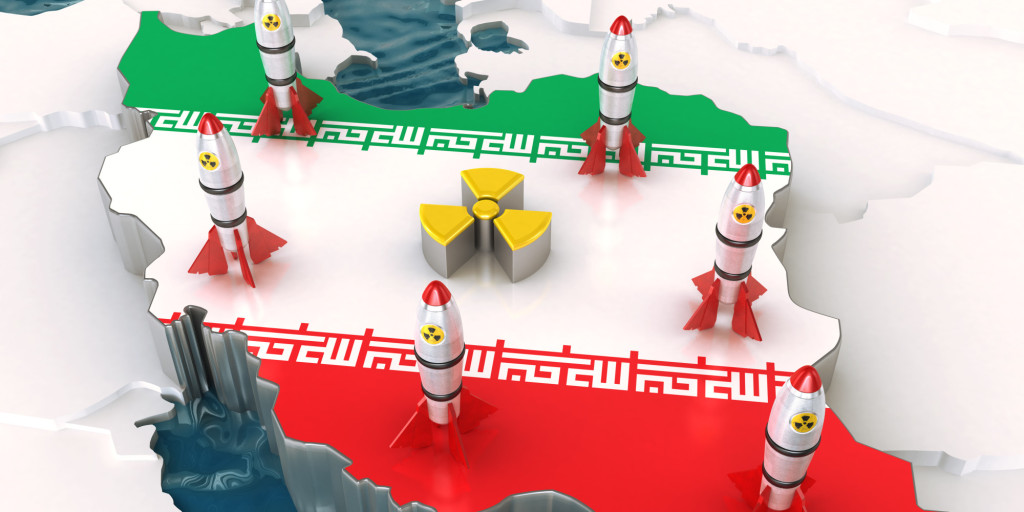
After ongoing talks that spanned 20 months, a deal aimed at reining in Iran’s nuclear program was announced Tuesday by President Barack Obama. Led by the United States, Iran and a group of six other nations agreed to significantly limit Tehran’s nuclear ability for more than a decade with the goal of easing global fears of a nuclear-armed Iran threatening the Middle East. In return, Iran would get billions of dollars in relief from lifting international oil and financial sanctions. Congress has some say in the future of this deal. The Associated Press reports Congress has a 60-day review period “during which Obama cannot make good on any concessions to the Iranians. U.S. lawmakers could hold a vote of disapproval and take further action.” Here are reactions from the Alabama delegation to the announced nuclear agreement between the United States, Iran, France, China, United Kingdom, Russia. We will be updating this post as they come in: U.S. Sen. Richard Shelby: Today’s announced nuclear agreement with Iran is a bad deal for the American people. For the past several months, I have been concerned that President Obama was chasing a deal with Iran just for the sake of reaching an agreement. This deal wrongly prioritizes Iran’s objectives rather than the goal of the United States: to end Iran’s nuclear program. U.S. Rep. Bradley Byrne (AL-01): From the start of these talks I have warned that President Obama and his negotiating team were desperate for a foreign policy victory, and I fear the safety of Americans and our allies in the Middle East will be at greater risk because of this deal. Iran is no friend of the United States, and we should all be concerned about what they will do with billions of dollars in sanctions relief. Even Joint Chiefs of Staff Chairman General Martin Dempsey has stated that sanctions relief would allow Iran to send more money to terrorist groups in the Middle East. Congress will now have an opportunity to closely scrutinize and vote on this agreement, and I call on my colleagues to look past the short-term rhetoric and instead focus on the long-term implications this deal could have on our national security and the safety of our allies abroad. U.S. Rep. Martha Roby (AL-02): We’ve known for weeks now that Secretary Kerry and negotiators have been back-peddling, but I had hoped that by speaking out we could encourage them to strengthen their adherence to American interests. Unfortunately, that hasn’t worked. The Obama Administration has insisted for years that Iran does not have a right to enrich uranium and that any lifting of sanctions would come with requiring Iran to acknowledge and dismantle their nuclear weapon program. What was announced today fails to meet even those basic objectives, and Americans should be very disappointed that President Obama and Secretary Kerry abandoned their own goals to strike a deal with Iran. More broadly, I fear this deal will work to aggravate an already dangerous and volatile region. It’s no secret that Iran is the world’s foremost state sponsor of terrorism. I fear this deal will only embolden those efforts with little more than hope that they’ll change their ways. Today, Iran’s decades of hostility and deception has been rewarded with a plum deal that ensures they’ll have a nuclear weapon before long. The message that sends to other rogue nations is dangerous and alarming. Congress has 60 days to review this deal and render its judgment. We must use this time to inspect this agreement carefully and judge it based on what was promised to Congress and to the American people. I believe my colleagues on both sides of the aisle must prepare to stand up and assert our authority to stop a potentially bad deal from going forward on behalf of the American people. U.S. Rep. Mike Rogers (AL-03): I was very disappointed in today’s announcement of the Iran nuclear deal. Iran is a state that cannot be trusted and this deal rewards bad behavior while compromising our national and global security. I am completely opposed to this deal. U.S. Rep. Robert Aderholt (AL-04) via Facebook: I am skeptical on the #IranDeal + fear lifted sanctions will fund instability in the Middle East. As the saying goes, the devil will be in the details #transparency #verification U.S. Rep. Terri Sewell (AL-07): I commend the efforts of President Obama, Secretary Kerry, Secretary Moniz and their team in securing a diplomatic agreement with Iran on its nuclear program. To be sure, it is not in the interest of the United States or its allies for Iran to ever develop a nuclear weapon. I agree with President Obama that no deal is better than a bad deal and it is through that prism that I will thoroughly review and evaluate this agreement. We cannot sign any agreement with Iran based on trust, nor should sanctions be loosed unless Iran meets its obligations and such compliance can be verified. We must remain ever vigilant in our insistence that Iran never reaches nuclear capability.
