
U.S. Treasury approves Alabama’s multiyear implementation plan for Gulf Coast recovery
A multiyear plan developed to help restore the Gulf Coast in the wake of the 2010 Deepwater Horizon oil spill has been approved by the U.S. Department of Treasury (USDT). Developed by the Alabama Gulf Coast Recovery Council (AGCRC), the plan proposes 15 activities for Direct Component RESTORE funding for a total estimated cost of $192,416,759. Now that the plan has been approved, individual grant applications must be submitted to Treasury and awarded before project activity can begin. “This is a watershed day in the reinvestment of Alabama’s Gulf Coast communities,” said Governor Kay Ivey. “The members of the Council have worked long and hard over the past year to get us to this point; at long last, oil spill funds guaranteed to the people of Alabama through the RESTORE Act are about to be invested. I am especially grateful there has been so much public input in this process.” The projects The projects proposed in the plan are all located within Mobile and Baldwin Counties. The money for the projects comes from penalties paid by companies involved in the 2010 Deepwater Horizon oil disaster in the Gulf of Mexico through the RESTORE Act, which established a trust fund to hold much of that money aside for “programs, projects, and activities that restore and protect the environment and economy of the Gulf Coast region.” All 15 projects are in accordance with the focus areas selected by 10-member Alabama Gulf Coast Recovery Council that include infrastructure projects benefiting the economy and related planning assistance. Aloe Bay Harbour Town Phases I, II and III: The purpose of this project is to enhance economic opportunities and ensure long-term economic sustainability by creating a walkable district in and around Aloe Bay, including short-term lodging, event, and retail space. Location: Town of Dauphin Island, Mobile County, Ala. Redevelop Bayou La Batre City Docks Phases I, II and III: The purpose of the project is to redevelop the City docks to breathe life back into the space. This new vision will support many areas of the local economy and will serve as a public space and meeting place for festivals and area residents and visitors to enjoy. Location: City of Bayou La Batre, Mobile County, Ala. Water Distribution System Upgrades: The purpose of the project is to replace undersized water mains with larger lines to provide adequate water pressure and fire protection for many areas within Bayou La Batre Utilities Board service area. Location: City of Bayou La Batre, Mobile County, Ala. Northwest Satsuma Water and Sewer Project: The purpose of this project will extend water and sewer under Interstate 65 via directional boring to bring potable water, fire protection, and gravity sanitary sewer access to the households currently relying on individual wells and on-site septic tanks. This project will reduce health problems due to inadequate treatment from private wells, improve water quality, as approximately 100 on-site septic tanks will be abandoned, and will provide growth opportunities for the City of Satsuma. Residences will be connected to the infrastructure by homeowners per city ordinance. Location: City of Satsuma, Mobile County, Ala. Mount Vernon Water Treatment Plant (WTP): The purpose of this project is to upgrade the Town of Mount Vernon’s 972,000 gallons per day (GPD) Water Treatment Plant to provide more reliable service, ensuring improved environmental conditions, and allowing for future growth. Location: Town of Mount Vernon, Mobile County, Ala. Mobile County Blueway Trail Development: This water-based trail development project will increase the potential for trail business and revenue income in Mobile County, increase and enhance the public’s access to local waters, protect sensitive environments along the coast, and promote nature-based tourism. Location: Mobile County, Ala. Baldwin Beach Express I-10 to I-65 Extension: The purpose of this Activity is to 1) acquire land from willing sellers as associated with an infrastructure project in conformance with the RESTORE Act and regulations; and 2) construct the 24.5-mile Baldwin Beach Express Extension from I-10 to I-65 to complete the 51-mile Baldwin Beach Express program. Location: Baldwin County, Ala. Baldwin County ALDOT Capacity Improvements: Upgrade long under-performing state corridors in the State’s fastest growing county. Location: Baldwin County, Ala. Alabama State Port Authority Automotive Logistics/RO-RO Terminal: The purpose of this project is to allow automobile and equipment manufacturers in Alabama and other neighboring states access to a more cost-effective deep-water gateway for exporting American made products, as well as importing commodities and components that support those manufacturers. This will help the nation compete in the global economy, creating jobs and improving the regional and national economy. Location: City of Mobile, Mobile County, Ala. Gulf Coast Center for Ecotourism and Sustainability: The purpose of the infrastructure project is to house a sustainably-designed ecotourism program where visitors can learn about the ecology, biodiversity, sustainability, and resource management of the northern Gulf of Mexico to raise environmental awareness and to promote conservation and stewardship of our natural resources. Location: City of Gulf Shores, Baldwin County, Ala. Historic Africatown Welcome Center: The purpose of this project is to plan, design, and build a building to serve as a welcome center and tourist destination for the Africatown community. This activity will not only help promote economic development and tourism, but also lay the foundation for national historic preservation of the rich cultural heritage of the area. Location: City of Mobile, Mobile County, Ala. Innovating St. Louis Street: Mobile’s Technology Corridor: The project purpose includes the design and reconstruction of the road bed, adjacent, and subsurface infrastructure within the St. Louis Street right-of-way. The planning, design, and reconstruction of existing utility, streetscape, roadway, and storm drainage infrastructure along St. Louis Street would represent a significant milestone for the City of Mobile. Comprehensively, this initiative correlates with broader objectives for fostering additional business development and economic revitalization opportunities within the corridor and the surrounding area. The City’s vision, in partnership with the University of South Alabama and other stakeholders, includes the creation of a “vibrant, live, work, play and learn district” in downtown Mobile. The St. Louis Street corridor is poised to become Mobile’s Downtown Technology Corridor, which will house “Innovate Mobile,” a regional science and research park. The University of South
USDA describes $328M oil spill restoration plan for Gulf
The U.S. Department of Agriculture says it’s focusing conservation programs along the Gulf of Mexico in a $328 million plan to help recovery from the 2010 oil spill. Undersecretary Robert Bonnie says the agency will use that focus through 2018 as it helps coastal producers plan improvements to improve water quality and improve coastal ecosystems under several Farm Bill programs. Louisiana State University AgCenter Associate Vice President Rogers Leonard says the oil spill tie-in is a new twist to existing programs, and will bring in a broader audience. Gulf Coast farmers will be interested in the amount of money available, he said. Bonnie described the plan Monday at a Mississippi timber plot where the owner has worked with USDA’s Natural Resources Conservation Service to help improve downstream water quality. Republished with permission of the Associated Press.
Alabama House approves BP oil spill settlement split
The Alabama House of Representatives cleared a major hurdle Thursday, approving a bill to use the state’s settlement funds from the 2010 Deepwater Horizon BP oil spill in the Gulf of Mexico to pay debts and build roads in south Alabama. Lawmakers approved the bill 88-10. The plan, devised primarily by Ozark Republican and Committee Chairman Steve Clouse, calls for the state to create a $639 million bond issue and apply the BP payments to pay off the bonds. Under the plan, $450 million of the settlement would be used for debt repayment and nearly $200 million would go toward road projects in coastal counties. The bill now moves to the Alabama Senate.
Robert Bentley announces $20 million Transocean settlement
Thursday Alabama Governor Robert Bentley announced the state has agreed to a $20 million settlement with Transocean Offshore Deepwater Drilling, Inc., the company that owned the Deepwater Horizon oil rig. “The State of Alabama suffered tremendous environmental and economic losses because of the BP/Deepwater Horizon oil spill in April 2010,” Governor Bentley said. “I appreciate the entire Alabama team for working to ensure Alabama is fairly compensated. This agreement with Transocean is another positive step forward as we continue to recover from the effects of such a significant environmental and economic disaster.” The Deepwater Horizon rig explosion on April 20, 2010, which was being used by BP was one the worst offshore oil disaster in U.S. history. It killed 11 workers and spewed millions of barrels of oil onto the shorelines of many Gulf states, including Alabama for nearly three months. The result? Significant environmental and economic damages across the affected Gulf states. “I’m pleased to announce that Transocean has paid $20 million into the State’s General Fund to settle the State’s remaining claims against the company for its role in the disastrous 2010 Gulf oil spill,” said Alabama Attorney General Luther Strange. “Alabama’s recovery is due to the hard work of my staff in pursuing our case against Transocean, while they simultaneously litigated the State’s case against BP.” Attorney General Strange was the court-appointed coordinating counsel for all five Gulf States in the litigation against BP and its co-Defendants for the 2010 Deepwater Horizon oil spill. On October 5, 2015, Strange announced a final settlement of Alabama’s damages claims with BP that directed $950 million to the State’s General Fund and approximately $1 billion to Alabama’s coastal counties for economic and environmental restoration. Alabama’s settlement with Transocean resolves all claims against the rig operator that were not encompassed by the global settlement with BP.
Judge says BP spill damage payouts to local entities to start soon
A federal judge says BP will begin paying up to $1 billion in settlements to compensate local governments across the Gulf Coast for lost tax revenue and other economic damages they blame on the company’s 2010 oil spill. An order issued Monday by U.S. District Judge Carl Barbier said all of the payments to local governments must be made within 30 days. BP’s Macondo well blew out on April 20, 2010, leading to deadly explosions aboard the Deepwater Horizon drilling rig and the nation’s largest offshore oil spill. The federal government used a team of scientists to calculate that about 172 million gallons spilled into the Gulf. BP put the number much lower, closer to 100 million gallons. July 15 was the deadline for about 500 local governments in five states to decide whether to accept BP’s settlement offers as part of a broader $18.7 billion agreement with the five Gulf states and the federal government over damage from the spill. Barbier’s order says BP says most local government entities have accepted the settlement. A handful of local governments have not accepted to settle and are continuing to fight for more money. Among those not taking the settlement are Plaquemines Parish in Louisiana and Orange Beach in Alabama. Both locations were heavily oiled by the spill. Plaquemines, for instance, says that the compensation offered for heavy oiling of its marshland isn’t sufficient. The parish says that about 10,000 acres of parish land was heavily oiled and that in all about 40,000 acres of coastal area was damaged by the spill. Government entities are expected to receive varying amounts in compensation according to how much damage they suffered. Jefferson Parish is expected to receive about $53 million for damage it suffered, the highest expected payout so far. Coastal areas in the parish, in particular Barataria Bay, sustained a lot of damage. Republished with permission of The Associated Press.
Bradley Byrne: BP settlement a missed opportunity
Whether you are from Brewton, Frisco City, or Robertsdale, you probably remember the summer of 2010 and the BP oil spill. The scenes on our Alabama beaches were heartbreaking as oil glistened in the water and tarballs washed ashore. From the waitress at the restaurant in Atmore to the gas station owner in Loxley, families and small businesses from throughout Southwest Alabama were negatively impacted by the lack of tourism. Many parts of our area are still dealing with economic and environmental challenges brought on by the oil spill. That’s why I was cautiously optimistic when I learned the Department of Justice and the five Gulf States had reached a settlement agreement with BP to cover penalties and damages associated with the oil spill. The total settlement was worth $18.7 billion, making it the largest settlement ever between the United States and a single company. Unfortunately, as my staff and I began to look into the details of the settlement, we realized that Alabama’s coastal communities were getting a bad deal. Only around $1.8 billion of the total settlement would be directly spent in Alabama. Even worse, over half of the money is slated to go directly into the state’s General Fund instead of flowing to our coastal areas. Now I understand that the State of Alabama is currently in the midst of a budget crunch, but I do not believe money from a natural disaster on the Gulf Coast should be used to fix a man-made “disaster” in Montgomery. That money should be allocated for projects which meet the needs of Coastal Alabama. Just as bad, too much of the total settlement money is going to be under the control of federal regulators in Washington, like NOAA – the same federal agency that is responsible for our drastically shortened Red Snapper season. I certainly don’t trust NOAA and other agencies from the Obama administration with the settlement money. Here’s why this is so frustrating. In 2012, Congress, led by Gulf Coast congressmen like Alabama’s own Jo Bonner, passed the RESTORE Act. This landmark legislation created a clear framework to ensure that money from any BP settlement would flow directly to communities on the Gulf Coast. The RESTORE Act specifically guaranteed local decision makers would control how the money was spent. The bill created the RESTORE Act Council, including local officials from Baldwin and Mobile counties, which would allocate the funds toward projects of particular need. Sadly, instead of directing money toward the RESTORE Act process, the settlement puts money toward the Natural Resources Damages Assessment (NRDA) program. This program is governed by a board of trustees that includes too much influence from the federal government and not enough input from the people on the Gulf Coast who were actually living this nightmare. I am also very frustrated by the level of secrecy surrounding the settlement. BP, the Justice Department, and the Gulf states all agreed to put the settlement under a confidentiality order, which prevents the details of the settlement from being made public. A document meant to remedy the needs of the public should be available in its entirety for the public to consume and debate. At the end of the day, communities on the Gulf Coast are the ones who were directly hit by the oil spill, and it is a mistake to hand control of the settlement money over to the state and federal governments instead of to our local coastal communities. This settlement was a major opportunity to bring some much needed closure to our area, but sadly it seems like that opportunity was missed. The families and small businesses in Southwest Alabama deserve better. Bradley Byrne is a member of the U.S. Congress representing Alabama’s 1st Congressional District.
Gov. Robert Bentley says BP settlement won’t fix state budget
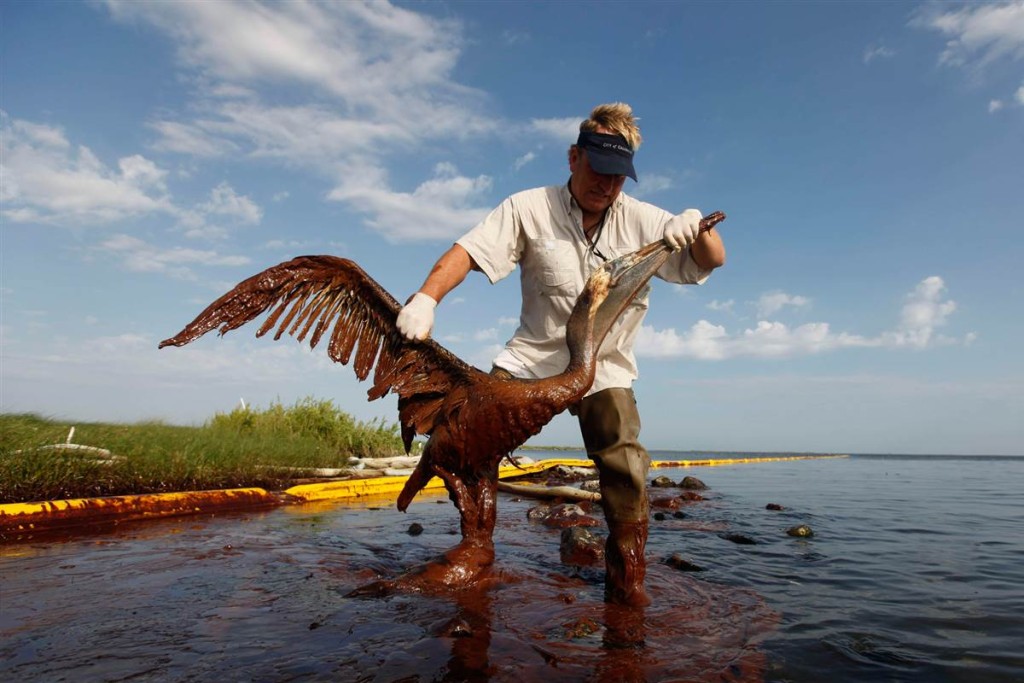
Alabama will receive about $2.3 billion in a settlement with BP over the 2010 Gulf of Mexico oil spill, Gov. Robert Bentley said Thursday. About $1 billion of that is for economic damages and will go to the state’s General Fund in payments during an 18-year period. Information about whether the money will come in equal annual amounts was not available Thursday, and it’s not known yet when the first payment will arrive. At a press conference Thursday, Bentley talked about the environmental and economic effects of the spill and said both were significant hardships for the state. Bentley said the announcement, shared Thursday by other coastal states, does not resolve the looming shortfall in the state’s 2016 General Fund budget. He said a Special Session to address the $200 million hole in the budget is still needed. “It will not factor into the special session,” Bentley said. Divided by 18 years, the $1 billion settlement equals about $55 million a year. Jere Beasley, head of the Beasley Allen Law Firm in Montgomery that assisted the state in the litigation and calculated damages, said the settlement amount was fair. “In fact, based on everything we had, information from all department heads, all the projections and actual losses that we could prove, it’s a very good settlement,” said Beasley, a former Alabama lieutenant governor. “In fact, it was more, quite honestly, than I thought they’d pay.” Republican Rep. Ed Henry of Hartselle said Thursday that he would like to see the money put aside in a separate trust. “Historically, the Legislature and the governor have taken these one-time moneys and used them to shore up state government,” Henry said. “If we are going to be fiscally responsible, we should take this settlement money, put it into a trust, and only use that interest to fund government.” Henry was supportive earlier this year of legislation that would put all state settlement money into a trust. Most of the interest generated would flow toward the General Fund. That bill didn’t get much traction, but Henry said it will be brought back next year. In total, the principal settlement among BP and other states after the 2010 oil spill is $18.7 billion. The agreements were signed Wednesday and still need court approval. Beasley said that should happen very soon. About $1.3 billion will go toward coastal restoration in Mobile and Baldwin counties. Alabama Attorney General Luther Strange said this case may be the largest economic damages case ever handled by the attorney general’s office. Asked how much money will go toward attorney fees, Bentley said that will be up to the court but won’t come from the settlement. Beasley said that his firm has put in more than 22,000 man hours and fronted about $1.5 million in costs for the state. Thursday’s settlement announcement comes as a federal judge was preparing to rule on how much BP owed in federal Clean Water Act penalties after well over 125 million gallons of oil spewed into the Gulf. BP PLC Chairman Carl-Henric Svanberg said the settlement reflected the company’s commitment to restoring the Gulf of Mexico economically and environmentally, and provided the company with closure going forward. “It resolves the company’s largest remaining legal exposures, provides clarity on costs and creates certainty of payment for all parties involved,” Svanberg said. The company had been facing an additional about $13.7 billion in possible Clean Water Act penalties alone, with possibly billions more resulting from other legal cases. BP has said its spill-related costs already exceed $42 billion, even without the Clean Water Act fine. It’s also unclear how much BP will end up paying under a 2012 settlement with individuals and businesses claiming spill-related losses. The spill resulted from the April 20, 2010, explosion of the Deepwater Horizon rig, which killed 11 workers. Republished with permission of The Associated Press.
$18.5 billion BP settlement reached
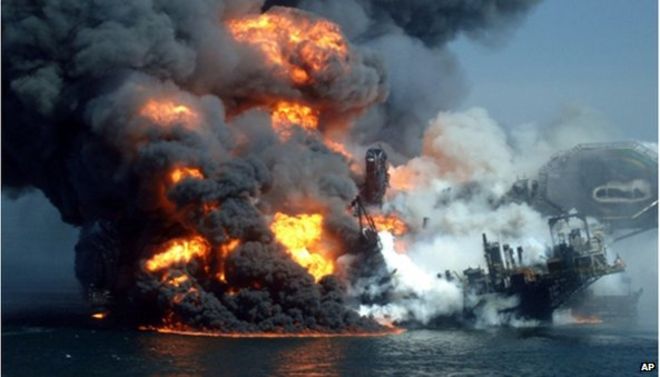
Governor Robert Bentley and Attorney General Luther Strange announced Thursday morning that they have settled the state’s ongoing lawsuit with BP. According to the Governor’s office the settlement “is designed to compensate the State for both environmental and economic damages as a result of the disaster.” Below are the statements from Bentley and Strange per a news release sent Thursday morning: “The BP/ Deepwater Horizon oil spill was the worst environmental disaster in United States history, and the impact to the Alabama Gulf Coast was detrimental,” Gov. Robert Bentley said. “We have reached an agreement in principle with BP to compensate the State for all of the environmental and economic damages suffered as a result of the oil spill. With the agreement announced today, we are taking a significant step forward in our State and will become a stronger, safer and more resilient state as a result of this terrible disaster.” “From the first day that Governor Bentley and I took office, we’ve worked together to secure justice for Alabama in the wake of the tragic BP oil spill,” Attorney General Luther Strange said. “That teamwork has led us to today’s record settlement and a positive legacy for the future.” “It is important to commend BP, our Federal partners and the other Gulf Coast states for their efforts to get this agreement accomplished,” Department of Conservation and Natural Resources Commissioner Gunter Guy said. “We look forward to working with Alabama’s coastal communities to identify, develop and implement appropriate projects to restore our resources and the services they provide.” The governor’s office said in a release, “The total value of the Agreement in Principle is approximately $18.5 Billion for all of the affected Gulf states economic losses, the natural resource damages and BP’s Clean Water Act penalties. Alabama’s share of this global agreement is over $2.0 Billion. On the economic side, $1 billion will be paid to the State over the next 18 years for economic damages suffered. On the environment side, Alabama will receive approximately $1.3 billion over the next 15 years that will be used to facilitate coastal restoration projects in Alabama.” They noted specifically that the “agreement announced today only relates to the State of Alabama’s claims against BP and it does not affect the claims of other people or companies.” According to an AP report, “Alabama would receive $2.3 billion. Gov. Robert Bentley said the settlement would steer $1.3 billion for coastal environmental restoration. He said some of the $1.3 billion has already been paid to the state. Another $1 billion for will go to the state’s general fund as compensation from economic damages from the spill. Bentley said that money, which equates to $55.5 million a year, will help the cash-strapped budget, but will not solve the state’s current fiscal crisis, with lawmakers facing a $200 million deficit next year.” On Thursday afternoon Sen. Richard Shelby chimed in with a statement of his own: “More than five years ago, the Gulf Coast witnessed one of the most devastating environmental and economic disasters after an explosion on the Deepwater Horizon oil rig. Following the spill, I worked with my colleagues in the Senate to pass the RESTORE Act, which gives unprecedented flexibility to coastal communities directly affected by the oil spill. Today’s announcement represents a long-awaited, positive step forward for the state of Alabama, and I will closely monitor the settlement to ensure that the fines assessed against BP are controlled directly by the communities impacted as outlined in the RESTORE Act.” We will have additional details on this breaking story throughout the day.
Once vilified, BP now getting credit for gulf tourism boom
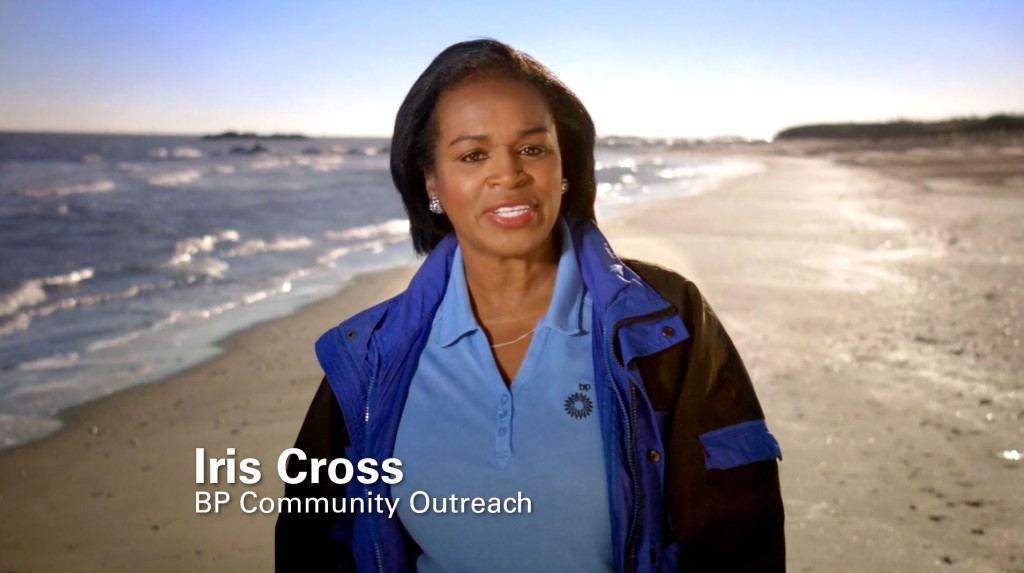
With the Memorial Day holiday here, fallout from the oil spill that left Gulf Coast beaches smeared with gooey tar balls and scared away visitors in 2010 is being credited, oddly, with something no one imagined back then: an increase in tourism in the region. Five years after the BP disaster, the petroleum giant that was vilified during heated town hall meetings for killing a way of life is now being praised by some along the coast for spending more than $230 million to help lure visitors back to an area that some feared would die because of the spill. Questions remain about the long-term environmental effect of the BP disaster, with a report released just last week finding a definite link between the spill and a record die-off of the bottlenose dolphins that tourists love to spot along the northern Gulf Coast. Pockets of oil still blot the sea floor and spots along Louisiana’s coast. Meanwhile, many are still wrangling with BP over spill-related claims. Attorneys for businesses and individuals claiming damages from the spill announced a $211 million settlement last week with Transocean Ltd., owner of the failed Deepwater Horizon drilling rig. Yet, at the same time, parking lots are full outside the same coastal hotels and condominium towers that struggled for business and slashed prices while crude was pouring into the gulf off Louisiana’s coast in 2010. Visitors bob in surf where oil once washed in, and some restaurants have 90-minute waits for dinner on the weekend. Tourist business has doubled in Alabama’s largest beach towns since before the spill, officials say, and Pensacola Beach, Fla., is so clogged with visitors that traffic is a primary problem. Many attribute the change in large part to the millions of dollars that BP spent on tourism grants and advertising that promoted the Gulf Coast nationwide to people who previously didn’t even realize that Alabama and Mississippi had coastlines. “I’ve traveled as recently as the spring to California and there were people there who were saying, ‘Hey, I saw those commercials about Alabama,’” said coastal condominium developer Bill Brett. “I really think those commercials helped.” Brett is an owner of Brett/Robinson Real Estate, where he said business is up about 30 percent since the year before the spill. The company has developed 19 buildings with more than 3,200 condo units on the Alabama coast, including one that was finished with a $37 million settlement from BP after the spill. The tourism surge isn’t happening in a vacuum: Many U.S. attractions have seen big increases during the same period as the economy recovered following the 2008 financial crisis and Americans returned to the road. The theme parks of Orlando, Fla., helped draw a record 62 million visitors to the city last year, and the U.S. Travel Association expects Americans to spend about 5 percent more this Memorial Day than last. But back in 2010, there were questions and fears over whether the tourist economy of the northern Gulf Coast would ever recover from the spill. Residents feared that images of oil-soaked birds and blackened beaches would permanently change travel patterns and leave towns like Gulf Shores, and Destin, Fla., as the forgotten coast. Ted Scarritt, who offers tourist cruises in Orange Beach aboard his 53-foot catamaran “Wild Hearts,” remembers crying and praying while the spill was happening. Scarritt, who also owns a beach service company, purchased the sailboat only months before the spill and had to keep it out of the oil-marred waters that summer. Today all that seems like a bad, distant dream as he watches clear gulf waters slide past the hull during an afternoon of sailing off Alabama’s coast. “We’re just amazingly thankful,” Scarritt said. “I think our area has recovered profoundly. You can look at the water right now, you can look at the beach. We’re fine.” Picking up shells in the surf at Pensacola Beach, Autumn Ventling of Nashville, Tenn., didn’t realize the spill ever occurred; she was just 18 at the time. Today, she said the white-sand beach and emerald-colored water appear beautiful, just like so many other beaches on the Gulf Coast. “I can’t tell anything happened,” said Ventling, 23. Part of that is because of a massive cleanup program BP conducted on beaches after the spill. For months, big machines with metal sifters dug deep to remove remaining mats of tar from the sand, which was then spread back on the seashore. While the cleanup work was going on, BP was also shelling out cash to revive tourism. BP spokesman Jason Ryan said the company provided $179 million in tourism promotion grants to the gulf states of Alabama, Florida, Louisiana and Mississippi, and it aired commercials nationally touting the region as recently as early 2013. The company hasn’t disclosed the cost of the spots, he said. But under an agreement with plaintiff’s attorney who sued over the spill, BP provided another $57 million for private groups and government to promote tourism and seafood on the Gulf Coast. The rebound has been a relief to people like Jeanne Dailey, owner of Newman-Dailey Vacation Rentals in Destin. During the long summer of 2010, Dailey spent many sleepless nights fearing oil would wash ashore and kill the tourism business. The Destin area never got the heavy patches of oil that polluted Alabama beaches, Mississippi coastal islands and the boot of Louisiana, but the perception that the entire coast was coated in oil prompted hundreds of vacationers to cancel travel plans, she said. “Once I made peace with the fact that I might have to declare bankruptcy, things started to get better,” she said. BP’s ad campaign combined with sales incentives combined to lure people back to the area eventually led to a strong rebound, Dailey said. Five years later, her business is thriving and preparing to mark its 30th anniversary. Republished with permission of The Associated Press.
US says decade-old Gulf oil leak could last another century
For more than a decade, oil has been leaking into the Gulf of Mexico where a hurricane toppled a drilling company’s platform off the coast of Louisiana. Now the federal government is warning that the leak could last another century or more if left unchecked. Government estimates obtained by The Associated Press provide new details about the scope of a leak that has persisted since Hurricane Ivan in 2004. Taylor Energy Co., which owned the platform and a cluster of oil wells, has played down the extent and environmental impact of the leak. The company also maintains that nothing can be done to completely eliminate the chronic oil slicks that often stretch for miles off the Louisiana coast. Taylor has tried to broker a deal with the government to resolve its financial obligations for the leak, but authorities have rebuffed those overtures and have ordered additional work by the company, according to Justice Department officials who were not authorized to comment by name and spoke on condition of anonymity. “There is still more that can be done by Taylor to control and contain the oil that is discharging” from the site, says an Interior Department fact sheet obtained by the AP. Federal regulators suspect oil is still leaking from at least one of 25 wells that remain buried under mounds of sediment from an underwater mudslide triggered by waves whipped up by Hurricane Ivan. A Taylor contractor drilled new wells to intercept and plug nine wells deemed capable of leaking oil. But a company official has asserted that experts agree the “best course of action … is to not take any affirmative action” due to the risks of additional drilling. An AP investigation last month revealed evidence that the leak is far worse than Taylor, or the government, has publicly reported during a secretive response to the slow-motion spill. The AP’s review of more than 2,300 Coast Guard pollution reports since 2008 showed a dramatic spike in sheen sizes and oil volumes since Sept. 1, 2014. That reported increase came just after federal regulators held a workshop last August to improve the accuracy of Taylor’s slick estimates and started sending government observers on a Taylor contractor’s daily flights over the site. Presented with AP’s findings, the Coast Guard provided a new leak estimate that is about 20 times greater than one recently touted by the company. In a February 2015 court filing, Taylor cited a year-old estimate that oil was leaking at a rate of less than 4 gallons per day. A Coast Guard fact sheet says sheens as large as 1.5 miles wide and 14 miles long have been spotted since the workshop. Since last September, the estimated daily volume of oil discharged from the site has ranged from roughly 42 gallons to 2,329 gallons, with a daily average of more than 84 gallons. Some experts have given far greater estimates of the leak’s extent. Based on satellite imagery and pollution reports, the watchdog group SkyTruth estimates between 300,000 and 1.4 million gallons have spilled from the site since 2004, with an annual average daily leak rate between 37 and 900 gallons. Marylee Orr, executive director of the Louisiana Environmental Action Network, said Taylor must be held responsible for stopping the leak “even if it takes 100 years.” “Every American citizen deserves to feel 100 percent confident that the response to this incident was rapid, effective and protective of the environment — and I don’t think we see that at this point,” said Orr, whose group is a plaintiff in a lawsuit filed against Taylor by the New York City-based Waterkeeper Alliance. In 2008, Taylor set aside hundreds of millions of dollars to pay for leak-related work as part of a trust agreement with the Interior Department. The company says it has spent tens of millions of dollars on its efforts to contain and halt the leak, but it hasn’t publicly disclosed how much money is left in the trust. The company sold all its offshore leases and oil and gas interests in 2008, four years after founder Patrick Taylor died, and is down to only one full-time employee. Justice Department officials say the company approached the government concerning the trust fund, but they declined to discuss the terms of its proposal. Federal agencies responded that more work was needed, including installing a more effective containment dome system, the officials said. One official said the company’s proposed resolutions involved trying to recoup money that was still in the trust, but those overtures were rejected. Federal officials declined to comment on the status of any negotiations. A spokesman for the company declined to comment Friday. In response to AP’s investigation, U.S. Sen. Bill Nelson last month called on federal officials to disclose technical data and other information about the leak. A spokesman for the Florida Democrat said Nelson had confirmed with the Interior Department that Taylor “was formally asking to be excused from any further cleanup costs.” “This case illustrates how hurricanes and oil rigs don’t mix,” Nelson said in a statement. “And I’m going to keep doing everything I can to make sure the Interior Department holds this company accountable.” Republished with permission of the Associated Press.
Drilling begins 3 miles from epicenter of BP oil spill
Just 3 miles from the catastrophic BP spill in the Gulf of Mexico, a Louisiana company is seeking to unlock the same oil and natural gas that turned into a deadly disaster. Drilling has begun in the closest work yet to the Macondo well, which blew wild on April 20, 2010, killing 11 people and fouling the Gulf with as much as 172 million gallons of crude in the nation’s worst oil spill. Federal regulators gave their blessing last month to LLOG Exploration Offshore LLC to drill the first new well in the same footprint where BP was digging before. The resumption of drilling at the former BP site comes as the oil industry pushes into ever deeper and riskier reservoirs in the Gulf. It reflects renewed industry confidence — even as critics say not enough has been done to ensure another disaster is avoided. “Now that five years have passed it seems that some of the emotions are less raw,” said Pavel Molchanov, an energy analyst with the investment firm Raymond James in Houston. If anything, drilling into BP’s Macondo reservoir may be safer now, he said. “Just because there was a spill there doesn’t mean it’s more dangerous,” he said. “It could make it less dangerous considering how much the seabed there has been studied.” Paul Bommer, a petroleum engineer at the University of Texas at Austin and a member of national panels investigating the BP disaster, said it was only a matter of time before drilling would resume there. There is just too much money at stake. Yet LLOG’s own exploration plans provide a window into the potential risks. In September exploration plans, LLOG estimated its worst-case scenario for an uncontrolled blowout could unleash 252 million gallons of oil over the course of 109 days. By comparison, the BP spill lasted 87 days and resulted in as much as 172 million gallons of oil pouring into the Gulf. “Our commitment is to not allow such an event to occur again,” said Rick Fowler, vice president for deep-water projects at LLOG. Fowler said the shallow part of the well has been drilled and that the deeper section will be completed later this year. LLOG’s permit to drill a new well was approved April 13 by the Bureau of Safety and Environmental Enforcement, which oversees offshore oil and gas drilling operations. Lars Herbst, the agency’s regional director, said in a statement that LLOG had demonstrated it could be trusted. “In order to obtain a permit to drill LLOG had to meet new standards for well-design, casing, and cementing which include a professional engineer certification,” he said. But Liz Birnbaum, former director of the Minerals Management Service, the former agency that oversaw oil drilling at the time of the BP spill, said allowing drillers to go after that oil is cause for concern because regulations covering well-control are not in effect and years away from being mandatory. Five years ago, BP, its contractors and federal regulators struggled to contain the blowout and kill the out-of-control well. In all, the federal government calculated that about 172 million gallons spilled into the Gulf. BP put the number much lower, closer to 100 million gallons. Richard Charter, a senior fellow with the Ocean Foundation and a longtime industry watchdog, said drilling into that reservoir has proved very dangerous and highly technical, and it raises questions about whether LLOG has the financial means to respond to a blowout similar to BP’s. The shallow part of the well was dug by the Sevan Louisiana, a rig owned by Sevan Drilling ASA, a large international drilling company based in Oslo, Norway. Another rig, the Seadrill West Neptune, will complete the well. Since 2010, LLOG has drilled eight wells in the area in “analogous reservoirs at similar depths and pressures,” Fowler said. The company has drilled more than 50 deep-water wells in the Gulf since 2002, he said. The company already has drilled three wells in the vicinity that tap into the same reservoir BP was going after in 2010. He said those wells were drilled without problems. He said the company has studied the investigations into the Macondo disaster and “ensured the lessons from those reports are accounted for in our design and well procedures.” BP spokesman Brett Clanton said an area even closer to the well, owned by BP, is an “exclusion zone” where oil and gas operations are off-limits both “out of respect for the victims” and to allow BP “to perform any response activities related to the accident.” Republished with permission of The Associated Press.
Court opens door to BP settlement appeals
A federal appeals court has opened the door for BP to appeal some claims related to a settlement reached after the 2010 Gulf of Mexico oil spill. The 5th U.S. Circuit Court of Appeals in New Orleans ordered a lower court judge to change a procedure that effectively blocked appeals. And the appeals court told the judge to reconsider a rule barring BP from appeals regarding the calculation of a business’ losses. However, the court upheld the lower court’s ruling that barred appeals dealing with payments to nonprofit groups. And, it said the court could continue to prevent appeals arising from BP’s contention that something other than the oil spill caused some businesses’ losses — an issue the oil giant has fought unsuccessfully for years. The opinion released late Friday is the latest dealing with a 2012 settlement of oil spill economic loss litigation. The settlement agreement was hailed by all involved when it was signed but soon became the subject of contention over the way it was interpreted by the district court in New Orleans and the court-appointed claims administrator. BP eventually won a change in the way losses are calculated after arguing that administrator Patrick Juneau wasn’t correctly matching businesses’ revenue and expenses. The appeals court, noting that the methodology has changed and has been the subject of numerous developments that “muddy the waters,” told the district court, where U.S. District Judge Carl Barbier, is overseeing spill cases, to take another look at the issue, and to provide reasons if the bar is continued. In 2012, BP estimated it would pay about $7.8 billion to resolve claims under the settlement. A fourth-quarter earnings statement put the estimate at closer to $10 billion, while noting that there were various factors that could change that number. BP and lawyers pursuing claims both found something to like in Friday’s ruling. “We are pleased that the 5th Circuit upheld our right to appeal individual claims determinations,” company spokesman Geoff Morrell said in an emailed statement. The company did not estimate how the decision might affect the cost of claims. “With regard to ‘alternative causation,’ we’re pleased the 5th Circuit saw through BP’s latest attempt to re-fight an issue that it has lost on every level,” plaintiffs’ attorneys Steve Herman and Jim Roy said in an email. “We’re further pleased the court shut the door on BP’s effort to deny the claims of nonprofit organizations.” Republished with permission of The Associated Press.
