
IRS says thieves stole tax info from 100,000
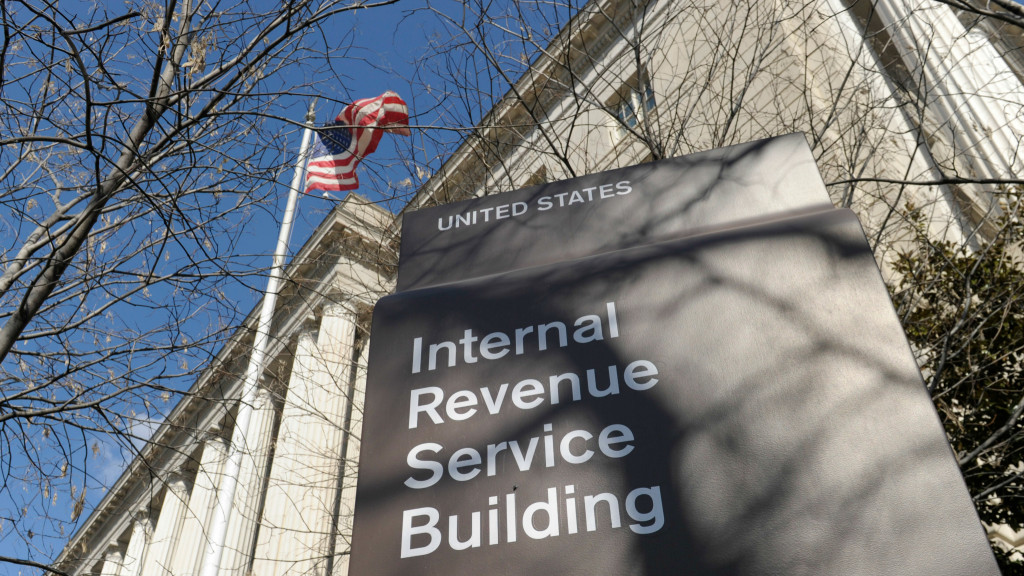
Sophisticated criminals used an online service run by the IRS to access personal tax information from more than 100,000 taxpayers, part of an elaborate scheme to steal identities and claim fraudulent tax refunds, the IRS said Tuesday. The thieves accessed a system called “Get Transcript,” where taxpayers can get tax returns and other filings from previous years. In order to access the information, the thieves cleared a security screen that required knowledge about the taxpayer, including Social Security number, date of birth, tax filing status and street address, the IRS said. “We’re confident that these are not amateurs,” said IRS Commissioner John Koskinen. “These actually are organized crime syndicates that not only we but everybody in the financial industry are dealing with.” Koskinen wouldn’t say whether investigators think the criminals are based overseas — or where they obtained enough personal information about the taxpayers to access their returns. The IRS has launched a criminal investigation. The agency’s inspector general is also investigating. Identity thieves, both foreign and domestic, have stepped up their efforts in recent years to claim fraudulent tax refunds. The agency estimates it paid out $5.8 billion in fraudulent refunds to identity thieves in 2013. “Eighty percent of the of the identity theft we’re dealing with and refund fraud is related to organized crime here and around the world,” Koskinen said. “These are extremely sophisticated criminals with access to a tremendous amount of data.” Congress is already pressing the IRS for information about the breach. “That the IRS — home to highly sensitive information on every single American and every single company doing business here at home — was vulnerable to this attack is simply unacceptable,” said Republican Sen. Orrin Hatch of Utah, chairman of the Senate Finance Committee. “What’s more, this agency has been repeatedly warned by top government watchdogs that its data security systems are inadequate against the growing threat of international hackers and data thieves.” Koskinen said the agency was alerted to the thieves when technicians noticed an increase in the number of taxpayers seeking transcripts. The IRS said they targeted the system from February to mid-May. The service has been temporarily shut down. Taxpayers sometimes need copies of old tax returns to apply for mortgages or college aid. While the system is shut down, taxpayers can still apply for transcripts by mail. The IRS said its main computer system, which handles tax filing submissions, remains secure. “In all, about 200,000 attempts were made from questionable email domains, with more than 100,000 of those attempts successfully clearing authentication hurdles,” the agency said. “During this filing season, taxpayers successfully and safely downloaded a total of approximately 23 million transcripts.” The agency is still determining how many fraudulent tax refunds were claimed this year using information from the stolen transcripts. Koskinen provided a preliminary estimate, saying less than $50 million was successfully claimed. Thieves can also use the information to claim fraudulent tax refunds in the future. As identity theft has exploded, the agency has added filters to its computer system to identify suspicious returns. These filters look for anomalies in the information provided by the taxpayer. Until recently, tax refund fraud has been surprisingly simple, once thieves obtain a taxpayer’s Social Security number and date of birth. Typically, thieves would file fake tax returns with made-up information early in the filing season, before the legitimate taxpayers filed their returns — and before employers and financial institutions filed wage and tax documents with the IRS. The refunds would often be sent electronically to prepaid debit cards or bank accounts. IRS officials say new computer filters are helping to stop many crude attempts at identity theft. This year, the IRS stopped almost 3 million suspicious returns, Koskinen said. However, old tax returns can help thieves fill out credible-looking returns in the future, helping them get around the IRS filters. Tax returns can include a host of personal information that can help someone steal an identity, including Social Security numbers and birthdates of dependents and spouses. The IRS said the thieves appeared to already have a lot of personal information about the victims. The IRS said it is notifying taxpayers whose information was accessed. Republished with permission of The Associated Press.
Senate Democrats block action on president’s trade agenda
Senate Democrats dealt President Barack Obama a stinging setback on trade Tuesday, blocking efforts to begin a full-blown debate on his initiatives. The president’s supporters said they will try again, possibly starting in the House. But they were unable to sugar-coat a solid rebuke of a major Obama priority by members of his own party, some of whom served with him in the Senate. Only one Senate Democrat, Tom Carper of Delaware, voted for a GOP-crafted motion to start considering Obama’s request for “fast track” trade authority. Fast track would let the president present trade agreements that Congress could ratify or reject, but not amend. Proponents needed 60 votes to thwart a Democratic filibuster, but managed only 52 in the 100-member Senate. Tuesday’s vote highlighted the deep divide between Obama and the many congressional Democrats who say trade deals hurt U.S. jobs. Leading the fight against fast track are labor unions and liberal groups, which are crucial to many Democrats’ elections. Most Republican lawmakers support free-trade agreements. They were in the strange position Tuesday of losing a vote but seeing the Democratic president take the blame. “It is the president’s party,” said GOP Sen. Orrin Hatch of Utah. “It’s amazing to me that they would do this to the president on a bill of this magnitude.” Senate Majority Leader Mitch McConnell of Kentucky called the results “pretty shocking.” But Democratic Sen. Bill Nelson of Florida said, “Maybe what McConnell really wants to do is embarrass the president.” Several Democrats said Obama erred by pointedly criticizing a leading Democratic foe on trade, Sen. Elizabeth Warren of Massachusetts, in an interview with Yahoo News. Those Democrats said they bristled when Obama suggested Warren was poorly informed and politically motivated. Democratic senators said they also are tired of seeing the Democratic president cozy up to Republicans on trade. Most Republican lawmakers support trade agreements. But Obama must recruit a fair number of House and Senate Democrats to achieve his trade goals. Several Democrats say they will back fast track only if Republican leaders clear a path for three other trade measures. One, to renew the African Growth and Opportunity Act, is uncontroversial. The second calls for Trade Adjustment Assistance, which provides federal aid to workers displaced by trade agreements. Republicans don’t like it, but reluctantly acknowledge it’s the price for winning even modest Democratic support. The third bill, involving Customs enforcement, is the stickiest. It includes a measure to take actions against countries that keep their currency artificially low, which makes their exports more attractive. The Obama administration opposes the “currency manipulation” measure, saying it could invite international challenges to the Federal Reserve’s policies meant to boost the U.S. economy. McConnell said that only two of the bills — fast track and Trade Adjustment Assistance — would be the subject of initial votes, but senators would have ample chances to address the other two bills during the amendment process. Democrats met at midday and declared McConnell’s package unacceptable. Republished with permission of The Associated Press.
