
Prison changes, lottery bills postponed as session cut short
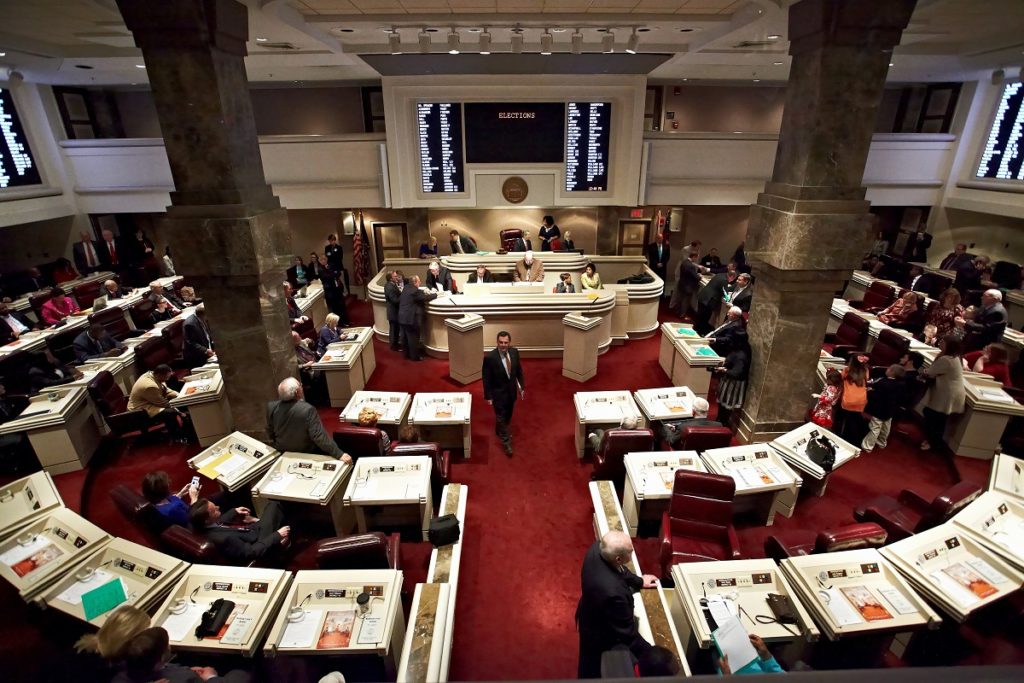
Lawmakers used their abbreviated meeting time to focus on state budgets and passing a $1.25 billion bond issue to fund school construction.
Five issues to watch Alabama lawmakers tackle in 2018

Alabama lawmakers began the 2018 legislative session on Tuesday. Throughout the 30-day session, they’ll endeavor to tackle a hefty list of policy changes on topics ranging from prison reform to opioid treatment — if they can focus on the issues plaguing the state and past their own reelections. Here are five top issues lawmakers will be faced with in 2018: 1. Drug addiction and the opioid epidemic Hundreds of thousands of Americans have lost their lives in recent years due to drug abuse, and the problem only seems to be getting worse. In 2016, more than two million Americans had an addiction to prescription or illicit opioids. In Alabama, a total of 736 people died in 2015 from drug overdoses. Of those, a total of 282 – 38 percent – were caused by opioids, according to a Kaiser Family Foundation review of CDC data. The Alabama Opioid Overdose and Addiction Council, formed by Gov. Kay Ivey, is working on recommendations to present to the state Legislature for strategies to reduce the number of deaths and other effects caused by opioid misuse in Alabama. 2. The federal order to tackle prison reform In June, a federal judge declared the mental health care system in Alabama prisons to be “horrendously inadequate” – an unconstitutional failure that has resulted in a “skyrocketing suicide rate” among prisoners. In an order, U.S. District Judge Myron H. Thompson directed state officials to reform the system and address overcrowding. The Alabama Department of Corrections is seeking a $30 million supplement to its budget this year and a $50 million increase for next year — an additional $80 million over the next two years — to increase the number of corrections officers, potentially up to 1,000, and pay for an expanded medical and mental health care for prisoners. 3. Children’s health insurance Congress has failed to reauthorize funding for the Children’s Health Insurance Program (CHIP), better known as ALL Kids in Alabama, which provides subsidized health insurance for children in low-income families. For the past two years, the state has fully paid for the program through federal funds, if Congress decides not to fund it in 2018, Yellowhammer State legislators would need to appropriate a whopping $53 million in state funds to keep the program afloat. Ozark-Republican and House Ways and Means Chairman Steve Clouse has gone on record saying that if the state has to pick up even a fraction of the cost of program, it will cast a “shadow” over the entire budget. 4. Pay raises for state employees In her State of the State address, Gov. Ivey proposed pay raises for both teachers and state employees. While she did not specify how much of an increase she’d propose, but budget numbers released earlier Tuesday suggest a 2 to 3 percent increase. State employees have not received a cost-of-living increase since 2009, but lawmakers have shied away from a pay raise in recent years due to the perennial budget shortfall in the state General Fund. 5. Juvenile justice reform Alabama’s juvenile justice system may soon see some improvements following a comprehensive review by a group of legislators, judges, law enforcement officials and others. The inter-branch, bipartisan Juvenile Justice Task Force released a set of policy recommendations to Ivey and other state leaders last month that are expected to form the foundation for statutory and budgetary changes that will be considered in the legislative session. The recommendations are intended to decrease crime, lower costs for taxpayers, and create better outcomes for Alabama’s youth and families. Juvenile justice reform is one of Ivey’s top priorities.
