
Infrastructure bill fails first vote; Senate to try again

Senate Republicans rejected an effort Wednesday to begin debate on the big infrastructure deal that a bipartisan group of senators brokered with President Joe Biden, but pressure was mounting as supporters insisted they just needed more time before another vote, possibly next week. Senate Majority Leader Chuck Schumer, D-N.Y., had scheduled the procedural vote to nudge along negotiations that have dragged for weeks. But Republicans mounted a filibuster, saying the bipartisan group still had a few unresolved issues and needed to review the final details. They sought a delay until Monday. “We have made significant progress and are close to a final agreement,” the bipartisan group of senators, 11 Republicans and 11 Democrats said in a joint statement after the vote. The senators said they were optimistic they could finish up “in the coming days.” The nearly $1 trillion measure over five years includes about $579 billion in new spending on roads, broadband, and other public works projects — a first phase of Biden’s infrastructure agenda, to be followed by a much broader $3.5 trillion measure from Democrats next month. Biden’s top priority is at a critical juncture, posing a test of his ability to forge bipartisan cooperation in Washington and make investments the White House views as crucial to the nation’s ability to pull out of the COVID-19 crisis and spur economic growth. The president traveled to Ohio later Wednesday to promote his economic policies and was calling his infrastructure agenda a “blue-collar blueprint for building an American economy back.” He has said that Americans overwhelmingly support his plan. In a CNN town hall, Biden also talked up the benefits of the bipartisan framework, saying, “It’s a good thing, and I think we’re going to get it done.” He also made passing reference to the dangerously outdated Brent Spence Bridge across the Ohio River, saying they’ll “fix that damn bridge of yours.” At another point, Biden was asked by a union electrician if it was possible to bring Congress together to pass an infrastructure bill that would help the region replace the bridge. “The answer is, absolutely, positively, yes,” the president said. The party-line vote blocked the bill from advancing, 51-49, and fell far short of the 60 votes required under Senate rules. Schumer switched his vote to “no” at the end, a procedural step that would allow him to move to quickly reconsider. The bipartisan group has labored for days with Biden aides to strike a deal, which would be a first phase of the president’s eventual $4 trillion-plus package of domestic outlays — not just for roads and bridges, but foundations of everyday life, including child care, family tax breaks, education and an expansion of Medicare for seniors. The next steps are uncertain, but the bipartisan group insists it is close to a deal and expects to finish soon. “We’re voting no today because we’re not ready, but we’re saying we do want to take up this bill as soon as we are,” said Sen. Rob Portman, R-Ohio, a leader of the effort. “I think that’ll be Monday.” At least 11 Republicans signed on to a letter to Schumer saying they would vote yes to proceed on Monday if certain details about the package are ready. Republican Sen. Todd Young of Indiana was among the Republicans who signed the letter and said he was “cautiously optimistic” they can reach a bipartisan deal. Restless Democrats, who are facing a crowded calendar while trying to deliver on Biden’s priorities, nevertheless said they are willing to wait if a deal is within reach. “I’m willing to give it another chance next week,” said Sen. Richard Blumenthal, D-Conn. “But we need to fish or cut bait.” The senators in the bipartisan group were joined for a private lunch ahead of the vote by the two leaders of the House’s Problem Solvers Caucus, Rep. Josh Gottheimer, D-N.J., and Rep. Brian Fitzpatrick, R-Pa., a bipartisan group generally supportive of the effort. Schumer said senators are in the fourth week of negotiations after reaching an agreement on a broad framework for infrastructure spending with the White House. He said Wednesday’s vote was no different from other times when the Senate sought to get the ball rolling on debate and “not a deadline to have every final detail worked out.” But Senate Republican Leader Mitch McConnell of Kentucky encouraged Republicans to vote against it, called the vote a “stunt” that would fail, but he emphasized senators were “still negotiating in good faith across the aisle.” “Around here, we typically write the bills before we vote on them,” he said. Biden has been in touch with both Democrats and Republicans for several days, and White House press secretary Jen Psaki traveling with the president Wednesday on Air Force One said the administration was “encouraged.” While Biden proposes paying for his proposals with a tax hike on corporations and wealthy Americans who earn more than $400,000 a year, the bipartisan group has been working almost around the clock to figure out a compromise to pay for its package, having dashed ideas for boosting the federal gas tax or strengthening the IRS to go after tax scofflaws. Instead, senators in the bipartisan group are considering rolling back a Trump-era rule on pharmaceutical rebates that could bring in $170 billion, some of which could be used for infrastructure. They are also targeting unspent COVID-19 relief aid to health care providers and extending multiyear, modest reductions in a wide array of federal benefit programs, according to two people familiar with the talks who described the details on the condition of anonymity. Senators are also still haggling over public transit funds. Typically, spending from the federal Highway Trust Fund has followed the formula of 80% for highways and 20% for transit. Some Republicans are concerned that the ratio would change to 82%-18% under the bipartisan bill, said Sen. Mitt Romney, R-Utah. “Big numbers are involved,” Romney said. But Sen. Sherrod Brown, D-Ohio, said: “There’s not a lot of sentiment for public transit on their side. They
Infrastructure often embraced by both parties, to no avail

When it comes to trying to upgrade the country’s road, rail, water and broadband systems, Washington frequently veers off the tracks.
Donald Trump’s economic aid could approach $1T, senators say
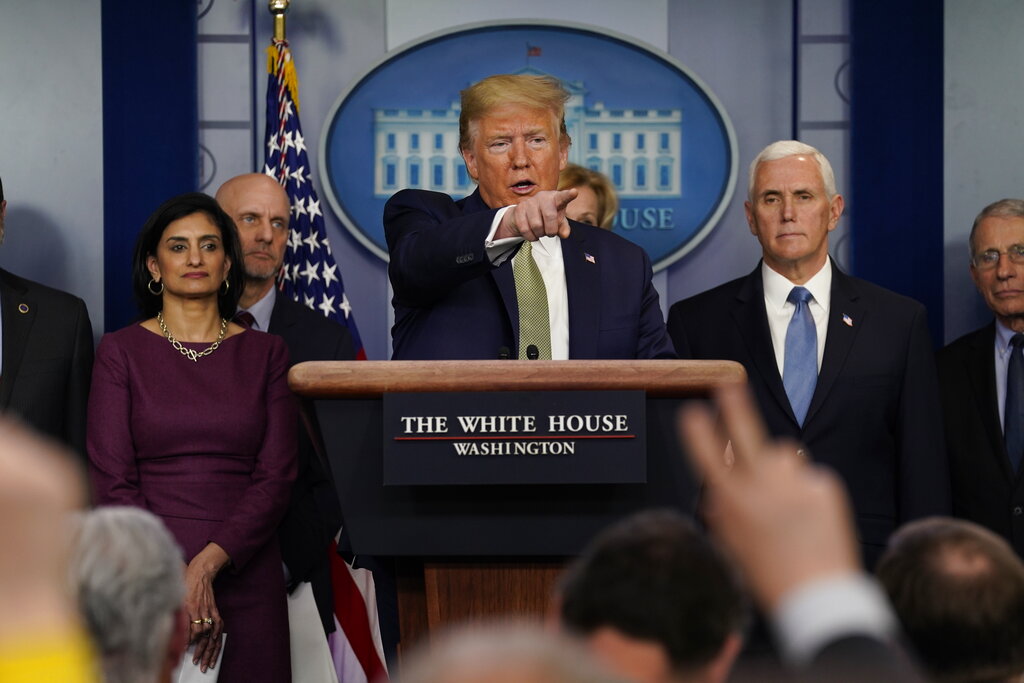
The Trump administration is asking congress to appropriate funds directly to Americans in an effort to shore up households and the economy.
House chairman: Donald Trump favors privatizing air traffic control
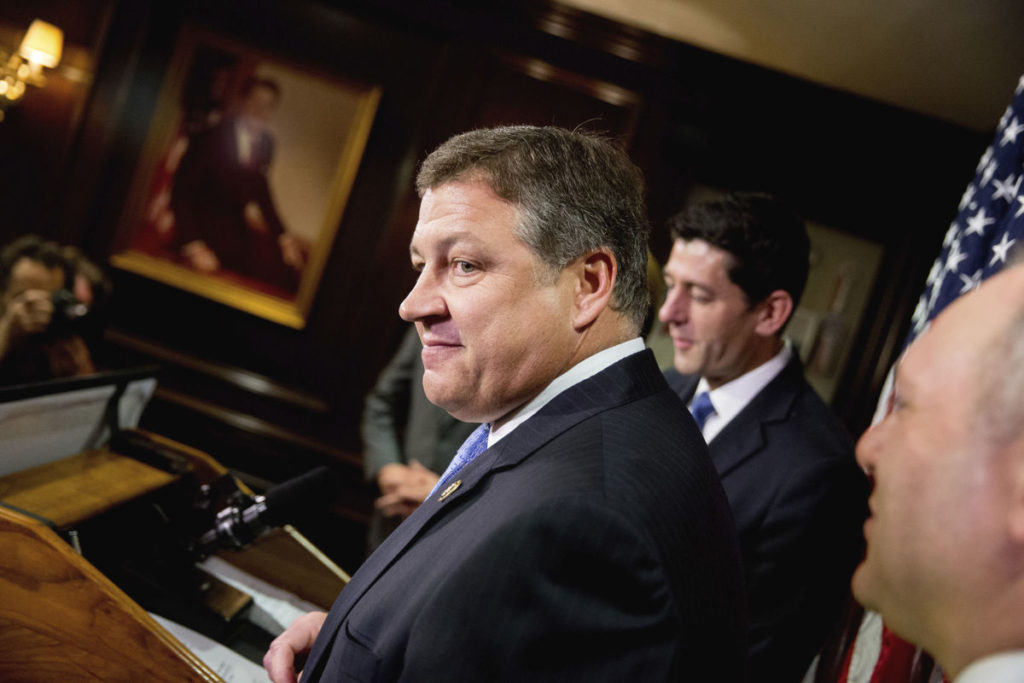
A House committee chairman says President-elect Donald Trump likes the idea of spinning off air traffic control operations from the government and placing them under the control of a private, non-profit corporation chartered by Congress. Rep. Bill Shuster, head of the House transportation committee, told The Associated Press that he spoke to Trump about the idea several times both before and during the presidential election. He said he believes the president-elect would be supportive, although details would have to be worked out. “I have spoken to him on a number of occasions and he generally likes the idea,” Shuster said. “We do need to sit down and put meat on the bones … I think in general he sees it as something that’s positive and we need to work on it.” The Republican lawmaker endorsed Trump early on and campaigned twice with him in his Pennsylvania congressional district. He also campaigned twice with Vice President-elect Mike Pence. Since the election, Shuster has met with Shirley Ybarra, a former Virginia transportation secretary who is working with the Trump transition team on transportation matters. Ybarra and the Trump transition team didn’t immediately respond to requests for comment. Shuster and most of the airline industry have been pressing for air traffic control privatization. They say the Federal Aviation Administration is moving too slowly to adopt new technology and that airlines haven’t seen the benefits they expected from the agency’s air traffic control modernization program, which has been in the works for more than a decade. Earlier this year, Shuster included a plan to privatize air traffic control in a bill to extend the FAA’s operating authority. The bill was approved by the transportation committee, but Shuster was unable to get it to the House floor after several influential lawmakers, including the Ways and Means Committee chairman and the House and Senate Appropriations Committee chairmen, raised objections. Democrats, some segments of the aviation industry and some FAA unions also oppose the plan, although the National Air Traffic Controllers Association endorsed the bill. Sen. John Thune, R-S.D., the Commerce, Science and Transportation Committee chairman and Shuster’s Senate counterpart, hasn’t taken a position on the issue. He said Friday that the FAA hasn’t been successful in bringing fundamental change to how air traffic is managed despite spending billions of dollars. “Congress has different options, and we will continue to explore them, but the case for changing the FAA’s approach to air traffic control modernization has become stronger,” Thune told the AP. Rep. Peter DeFazio, D-Ore., the senior Democrat on the House transportation committee, cautioned earlier this week that any proposal to overhaul the existing air traffic system “must be thoroughly vetted, not rushed through Congress just because the political landscape makes it easier.” Sen. Bill Nelson, D-Fla., raised objections Friday to what he described as an attempt by House proponents of air traffic control privatization to include language in a defense policy bill that would effectively squelch military objections to the plan. Nelson described his concerns in a letter Friday to Senate Armed Committee Chairman John McCain, R-Ariz., and Sen. Jack Reed, D-R.I., the committee’s senior Democrat. Republished with permission of the Associated Press.
