
Joe Henderson: DNC Day 3 – organization is everything
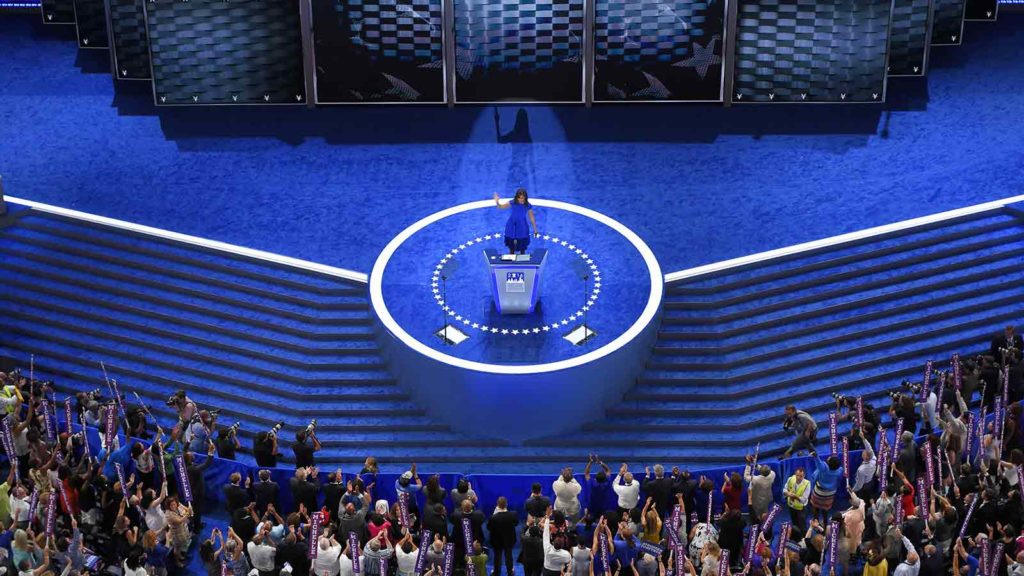
Florida Democrats have long since undertaken the groundwork to deliver the Sunshine State to Hillary Clinton in November. In fact, you could say that began in 2008 and continued four years later when Barack Obama carried Florida in both of his presidential campaigns. The local operatives, so critical in big elections, who turned out the vote for Obama have stayed busy trying to do the same for Clinton. “They never left,” Tampa Mayor Bob Buckhorn said. “Some of the players might be different now, but the model is still the same.” That organization stands in stark contrast now to Republican nominee Donald Trump, who appears to have little visible infrastructure in place here. Clinton has a major head start on him and that could the difference in what shapes up as a closely contested contest. The work of turning out the vote will take on a new urgency after the balloons drop at the end of Clinton’s acceptance speech Thursday night. Buckhorn, who has solidly been in the Clinton camp, figures to be an important part of all that. “Organization is everything,” Buckhorn said. “In Florida presidential races it’s all about the turnout and not so much about TV or radio (ads). Building connections matter. Field organization matters. Gathering data is important. It becomes a combination of analytics and data mining. Marry the two of those and you’ve got something.” Clinton is popular among Florida Democrats. In 2008, she received 49 percent of the primary vote to 32 percent for Obama, who by that point was well on his way to winning the nomination. In the March primary this year, Clinton nearly doubled up Bernie Sanders 64 percent to 33 percent. But Trump received 1.079 million votes in the GOP state primary, nearly as many as Clinton’s 1.1 million. Even given Trump’s renowned penchant for outrageous and, as Democrats charged after his suggestion that Russia hack more of Hillary’s emails, treasonous behavior, polls show a tight contest between the two for Florida’s 29 electoral votes. “You never underestimate anybody,” Buckhorn said. “The proof is in the bodies. Organizing means putting those bodies on the road, making those phone calls, knocking the doors. I haven’t seen any evidence of the Trump people doing that (in Florida).” WEDNESDAY TAKEAWAYS: That was a show of force Wednesday night by the star-packed Democratic lineup. President Barack Obama, as expected, set Clinton up perfectly to be the right person to accept the baton of leadership from him. I thought former New York Mayor Michael Bloomberg, an independent, took Trump apart on The Donald’s own playing field in the world of business. But for the star of the night, give me Vice President Joe Biden. Who else but Biden could call Trump’s claims “a bunch of malarkey” and turn it into a rallying cry. The hashtag “malarkey” quickly started trending on Twitter and prompting many clever MIMEs – the best of which was a signature red Trump ball cap with the word “Malarkey” emblazed instead of his “Make America Great Again” slogan. Sitting through vice presidential nominee Tim Kaine’s speech was like sitting through a warmup band you don’t really want to hear before the main show begins. I’ll give a tepid thumbs-up to his mocking “Believe Me” impersonation of Trump, but he should have stopped it after one or two times. I mean, it wasn’t THAT funny. So it’s all there for Hillary now to see if she can convince the undecided Americans that she is best for the job. Stick to the end for the balloon drop. Balloon drops are cool. ___ Joe Henderson has had a 45-year career in newspapers, including the last nearly 42 years at The Tampa Tribune. He has covered a large variety of things, primarily in sports but also hard news. The two intertwined in the decade-long search to bring Major League Baseball to the area. Henderson was also City Hall reporter for two years and covered all sides of the sales tax issue that ultimately led to the construction of Raymond James Stadium. He served as a full-time sports columnist for about 10 years before moving to the metro news columnist for the last 4 ½ years. Henderson has numerous local, state and national writing awards. He has been married to his wife, Elaine, for nearly 35 years and has two grown sons — Ben and Patrick.
Democratic donors, allies offer reward for Donald Trump tax returns
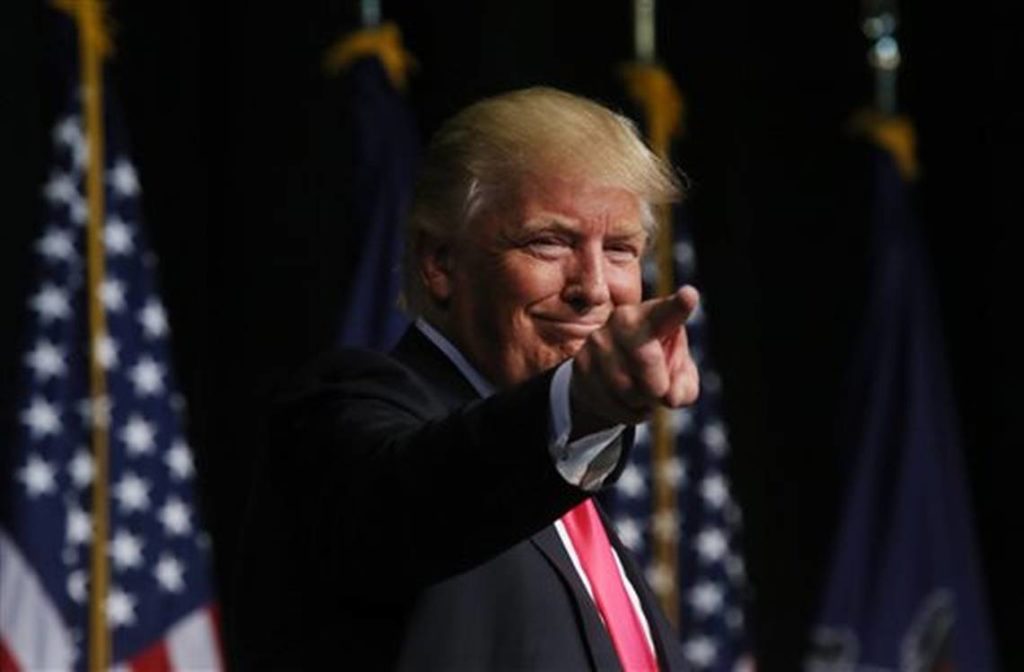
The wealthy Democratic donors, many of them executives who run complex businesses, know firsthand how revealing tax returns can be. Perhaps that’s why they can’t stop talking about Republican nominee Donald Trump‘s refusal to release his. In their suites at the Ritz Carlton hotel, where many are staying during this week’s Democratic convention, and at its auxiliary swanky parties, the supporters of Hillary Clinton are sounding the alarm about Trump’s break with decades of presidential campaign tradition. Clinton put out eight years of recent tax filings last summer, and they lament that voters don’t seem to understand why Trump’s refusal to do the same matters. Democratic talk of the taxes spilled onto the convention stage Wednesday night. Vice presidential candidate Tim Kaine, mocking Trump, said, “Believe me, there’s nothing suspicious in my tax returns. Believe me!” The crowd laughed. There’s even a literally a bounty for the Trump documents. Moishe Mana, a top fundraiser for Clinton, has offered to give $1 million to the charity of Trump’s choice if he makes them public. He joins an unnamed Republican donor working with Clinton ally David Brock who has made a similar offer of $5 million. “Through his financial documents, we are trying to break into the image that he’s portraying to the American people,” said Mana, a real estate developer in Miami. “He says he’s a successful businessman who wants to do for the country what he did for his company. Well, go ahead, show me the money.” Trump is unmoved. The billionaire owner of the Trump Organization, an international development company, says the Internal Revenue Service is reviewing his most recent returns and that he’ll release them once that audit is complete. He reiterated that plan at a news conference Wednesday in Doral, Florida. Asked when he would put out the documents, he said: “I don’t know. Depends on the audit.” There’s no telling whether that would happen before Election Day, but the IRS says there’s no legal reason Trump can’t make the tax returns public even as they are under review. The issue has flared up in recent days, in the wake of the hack of emails at the Democratic National Committee that the Obama administration said Wednesday was almost certainly the work of Russia. The group WikiLeaks released the emails on the eve of the convention, a leak its leader Julian Assange has said was timed to inflict political damage on Clinton. Trump said Wednesday that he has no ties to Russia whatsoever, but that hasn’t stopped Democratic donors in Philadelphia from saying that in the absence of Trump’s tax returns, voters are left to wonder whether there are undisclosed financial ties between Trump and foreign entities. “Think of what’s gone on just this week and connect the dotted lines,” said top Clinton donor J.B. Pritzker, a billionaire venture capitalist in Chicago. “I’m not sure what’s going on, but it sure doesn’t look good. The question is who his investors are, and whether there are any in China or Russia that are affecting his personal income.” Mana also wants that answered. If Trump’s elected president, he said, “how much in debt would we be to other countries? This is about the security of the United States. We have the right to make sure he’s not in debt to other countries.” While information about Trump’s debts has been made public in personal financial disclosures filed with federal election regulators, the Democratic donors say access to his taxes might shed light on previously unknown business arrangements. The returns would also detail for the first time how much he pays in income tax and how much he gives to charity. “He is obfuscating in order to avoid being discovered as a liar,” Pritzker said. The 2012 GOP nominee, Mitt Romney, resisted putting out his 2011 tax return until the September just before the election, after being pressed for months about doing so. The documents showed he paid an effective tax rate of 14.1 percent, far lower than the average person, spawning days of bad headlines. Other presidential candidates, including Republican Texas Sen. Ted Cruz, have been dinged for not giving much to charity. Bill and Hillary Clinton paid an overall federal tax rate of 31.6 percent between 2007 and 2014, her returns showed. In 2014, they donated almost 11 percent of their income to charity. In addition to blaming the IRS audit, Trump has said in interviews that it might not make political sense for him to put out his returns. Romney’s returns were “a tiny peanut compared to mine,” Trump said on “Meet the Press” in an interview that aired last Sunday. There was little controversial in the Romney documents, he said. Yet the media “made him look bad,” Trump said. “In fact, I think he lost his election because of that.” Republished with permission of the Associated Press.
Hillary Clinton ready to sell herself in biggest political moment
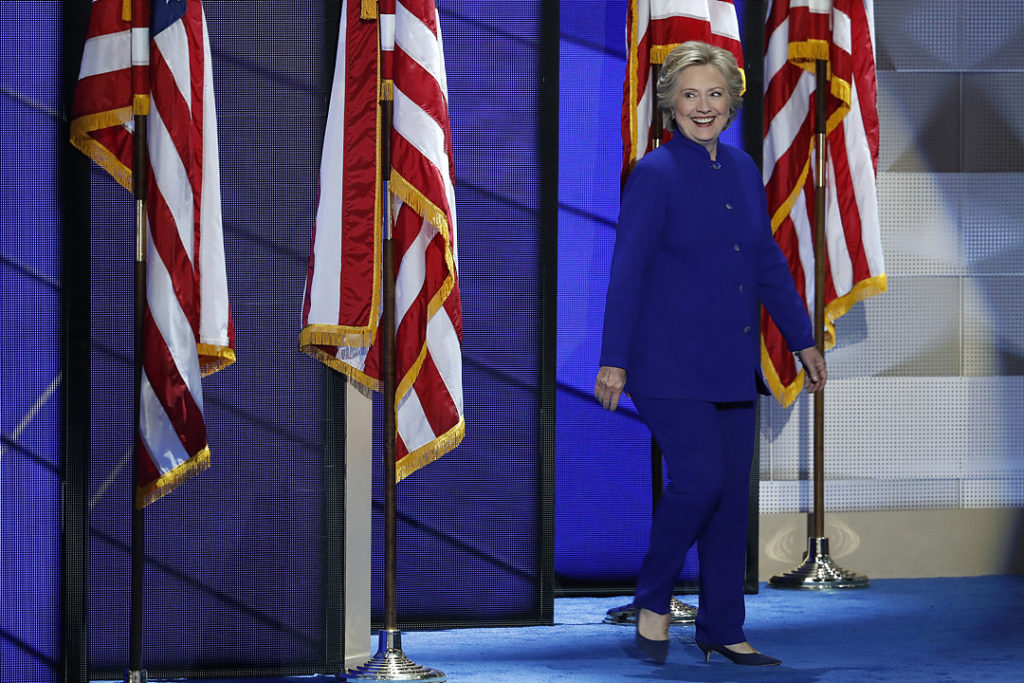
Hillary Clinton is set to face the nation with the goal of introducing the woman that speaker after speaker, including a pair of presidents, have spent days promising the American public they’ll finally get to see: the “real” Hillary Clinton. In the biggest moment of her nearly 25-year political career, aides say Clinton on Thursday evening will lay out a positive vision for the future and detail her proposals to improve the economy, boost the country’s security and unite a divided nation. She aims to strike a stark contrast with Republican nominee Donald Trump, who offered few policy specifics in a convention address that presented a picture of a diminished nation. But Clinton’s challenge has never been her command of policy. During the course of her second presidential run, she has sat through hours of town halls, nodding and taking notes as community leaders detailed a litany of problems. They have yielded dozens of detailed policy proposals, addressing everything from puppy mills to insurance coverage for autism care. Where Clinton has struggled is in presenting a clear and compelling rationale for her presidency. Since launching her bid last summer, the Democratic nominee has cycled through a series of slogans: “Fighting for Us,” ”Breaking Down Barriers” and, most recently, “Stronger Together.” “She needs to connect, she needs to become a little bit more human,” said Mo Elleithee, a former Democratic strategist who worked as Clinton’s campaign press secretary in 2008. “It’s not that she has experience, it’s that she has a record of fighting for you.” For decades, Americans have been fascinated by Clinton’s rise through politics, her persistence in the face of failures and her capacity for enduring scandal. But they’ve struggled to believe in her, or even simply believe her. Aides say it’s a problem born out of Clinton’s desire to make her work — and not her personality — the focus. Though she’s one of the most famous politicians in the world, they argue that voters still don’t really know much about her accomplishments. “Hillary Clinton is a workhorse, not a showhorse. Rather than do a lot of press conferences, she’s just moved on to the next thing,” said campaign manager Robby Mook. “There’s a price to pay for that, which is you get a lot done and you help a lot of people, but maybe people don’t know as much about what you have done.” That’s a flattering explanation for a serious political challenge. Polling shows that while Americans don’t doubt Clinton’s qualifications, they question her honesty, a problem made worse by the congressional and FBI investigations into her use of a private email account and server as secretary of state. In recent weeks, Clinton has begun acknowledging the fact that many Americans do not trust her, a problem she once dismissed as the result of decades of Republican attacks. She sees her convention speech as an opportunity to build trust with voters by showing off her commitment to policies that she believes can improve their lives, such as paid family leave or college costs. Her staff says she’s spent weeks thinking through her message and crafting her address. “I can faithfully report that she is in a very positive frame of mind,” said longtime aide and top policy staffer Jake Sullivan. “She views Thursday night as her opportunity to address the nation about her ideas, about the moment we’re in and about what motivates her.” But earning a country’s trust is not a problem that can be fixed in any single speech — or even a four-day convention. With Clinton largely absent from the convention stage — she made a brief cameo on stage Wednesday night after Obama spoke — the convention speakers in Philadelphia urged Americans to see beyond what Bill Clinton called the “cartoon” of Clinton created by adversaries. “Dorothy and Hugh’s daughter and my sweet friend,” proclaimed childhood friend Betsey Eberling. Or a tenacious politician who Obama said has been “accused of everything you can imagine and some things you can’t.” “But she knows that’s what happens when you’re under a microscope for 40 years,” Obama said of his preferred successor. “She knows that sometimes during those 40 years, she’s made mistakes, just like I have, just like we all do.” Republished with permission of the Associated Press.
Bradley Cooper’s DNC appearance irks conservatives
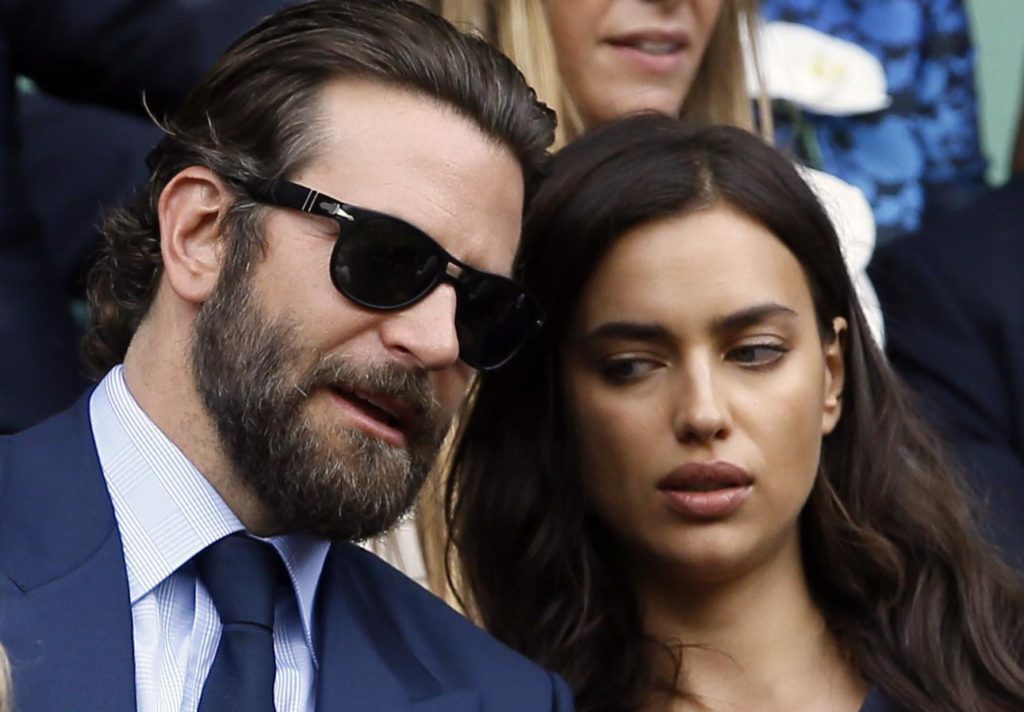
Bradley Cooper‘s appearance at the Democratic National Convention has irked some conservative fans of the actor’s portrayal of Navy SEAL Chris Kyle in 2014’s “American Sniper.” Cooper was spotted by TV cameras Wednesday night seated at the meeting in Philadelphia alongside his Russian model girlfriend, Irina Shayk. Some Twitter users say they plan to boycott Cooper’s future films over his presence at the convention. Another commented that they thought his experience playing Kyle would have rubbed off on him. The complaints have been mocked by others who say Cooper was simply acting a role when playing Kyle and conservatives shouldn’t be surprised. Cooper earned an Oscar nomination for “American Sniper,” which became a blockbuster thanks in part to an enthusiastic reception among conservatives moviegoers. Cooper was born and raised in Philadelphia. Republished with permission of the Associated Press.
Hillary Clinton’s turn: Guide to the Democratic National Convention
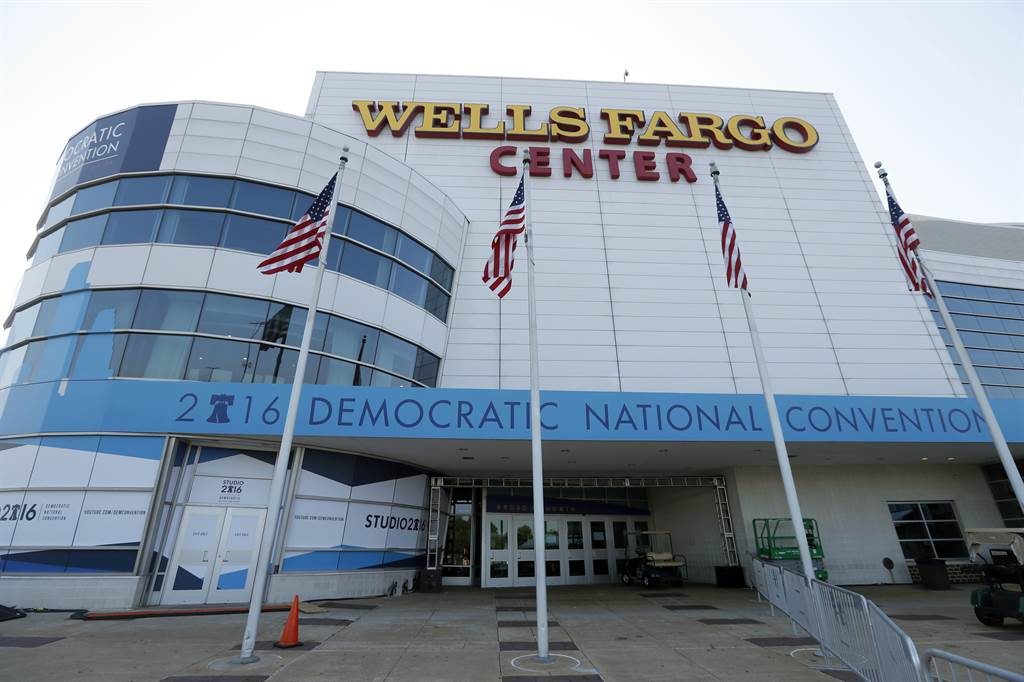
It’s Hillary Clinton‘s turn. The Democratic National Convention opening Monday in Philadelphia is Clinton’s chance to hit reset after a vigorous primary against Bernie Sanders and the unlikely movement that formed behind the Vermont senator. Sanders, a self-described democratic socialist, has endorsed Clinton, but many of his supporters have not. Some of them were dismayed by her choice of Sen. Tim Kaine, D-Va., as her running mate. Last week’s Republican National Convention in Cleveland exposed deep, lingering reservations about Donald Trump from within his own party. The Democratic gathering is expected to be a more smoothly choreographed display of unity among Clinton, Sanders and Democratic lawmakers and voters. What to know about the week: THE POINT Both parties use their national conventions to formally nominate candidates for president and vice president. Party leaders showcase their nominees, and the prime-time speeches by the candidates and prominent politicians win some of the largest television audiences of the campaign. That makes the convention a critical opportunity for a party to introduce its candidates to the country. Democrats also will adopt its platform, which lays out policy principles but has no binding effect. THE LOCATION The Wells Fargo Center, home to the NHL’s Philadelphia Flyers and the NBA’s Philadelphia 76ers, is the convention site. The arena has been transformed with stages, platforms, cameras and lights. Democrats are hoping that city’s historical role in the founding of American democracy will serve as a powerful backdrop for the themes they’ll highlight. WHO’S GOING More than 5,000 delegates are among the 50,000 people set to be in Philadelphia. They include alternates, lawmakers, special guests, journalists and protesters. Among the delegates, about 15 percent are superdelegates, mainly members of Congress and members of the Democratic National Committee. At the GOP convention, a striking number of prominent Republican lawmakers and party leaders were nowhere to be seen, including the party’s previous two presidents and its two most recent presidential nominees. In contrast, bold-name Democrats have been eagerly vying for a chance to speak in Philadelphia. Most Democratic senators and House members are expected to attend. THE SCHEDULE First lady Michelle Obama is set to speak Monday. That’s also when Sanders will give his speech — a closely watched moment for signs of whether his loyal supporters will line up behind Clinton, as he’s asked them to do. Former President Bill Clinton, the candidate’s husband, is the speech to watch Tuesday. A day later, President Barack Obama and Vice President Joe Biden come to Philadelphia. On Thursday, the final night, Chelsea Clinton will introduce her mother for her speech accepting the Democratic nomination. Kaine, who made his debut as Clinton’s running mate at a joint appearance Saturday, will give a speech introducing himself to the country. Officials haven’t yet said when, but the running mate typically speaks Wednesday. Other scheduled speakers are Massachusetts Sen. Elizabeth Warren, New Jersey Sen. Cory Booker, New York Mayor Bill de Blasio and House Minority Leader Nancy Pelosi. THE ENTERTAINMENT Shoop Dogg, Lady Gaga, Lenny Kravitz and Cyndi Lauper will appear in Philadelphia during the convention. Fergie will perform at The Creative Coalition’s gala. THE ROLL CALL States will get a chance to announce how their delegates are voting in the formal roll call Tuesday. It’s a high point for Sanders delegates; they’re pushing to have their votes fully tallied. In 2008, Clinton halted the roll call midway through to call for then-Sen. Barack Obama’s approval by acclamation, or unanimous vote. Sanders says he favors a state-by-state roll call, but he hasn’t indicated exactly what he will do. There’s a total of 4,763 delegates. It takes 2,382 to win the Democratic nomination. Clinton arrives in Philadelphia with 2,814 delegates to Sanders’ 1,893, according to an Associated Press count. That includes the superdelegates, who can vote for any candidate they choose. This year, those superdelegates overwhelmingly backed Clinton. The remaining 4,051 are pledged delegates, won by the candidates based on the results of state primaries and caucuses. THE PROTESTS If there are any fireworks in Philadelphia, expect them to come from Sanders supporters. They have said they plan to show up in full force. Philadelphia officials estimate between 35,000 and 50,000 people will demonstrate across the city each day. Activists have put the estimate higher, at roughly 100,000. Among the groups planning to demonstrate are gun control advocates, the group Occupy DNC Convention and Trump supporters from Pennsylvania. Republished with permission of the Associated Press.
For Hillary Clinton, concern lingers over enthusiasm for candidacy

Hillary Clinton has a problem. Too many voters say they’re supporting her for a reason you’d never want printed on a campaign T-shirt: “I’m voting for the lesser of two evils.” It’s far from inspiring, but that’s why 67-year-old Maria Mengel, who’s from the Philadelphia suburb of King of Prussia, said she’s backing Clinton over Republican Donald Trump. “It’s against Trump,” she said, explaining her vote. “I can’t see a presidency under him. He really scares me,” she said. National preference polls may give Clinton an edge over Trump and the electoral map may favor her. Sizable numbers of Democrats say they’re behind Clinton. But many say they’re more motivated by a desire to keep Trump out of the White House than by her vision for the country’s future or by her bid to become the first woman to serve as president. Democrats and independent voters in the Philadelphia suburbs – a crucial area in a competitive state – expressed mixed feelings about Clinton in the days leading up to next week’s Democratic National Convention in their hometown. Linda Groverman, 62, of Blue Bell, said she’d vote for Clinton, but quickly noted the former secretary of state was far from her first choice. “She’s got a lot of experience and I can’t stand Trump,” she said. “He’s a bully.” Like Trump, Clinton has her faithful followers. And like Trump, negative views of Clinton run deep, even among some supporters. Half of Clinton’s own backers say they consider her only slightly or not at all honest, and more than one-third say she’s only slightly or not at all likable, according to an Associated Press-GfK poll conducted this month. “I’m not excited,” said Matthew Mousley, 36, of Springfield, who nevertheless plans to support Clinton. “I guess, it’s just, I feel like there should be better options.” It’s a worry for Clinton’s top aides, who see maximizing Democratic turnout as a main campaign challenge. They fear supporters may stay home in November, unmotivated by Clinton’s candidacy or out of a belief that Trump cannot win. Clinton’s campaign aims to use the convention to try and rectify both problems. Her team has drafted a schedule featuring four days of speakers who will hammer away at Trump’s “dangerous and divisive” vision for the country. Others plan to talk about the Clinton they know, a woman they describe as brilliant, warm and funny. They’ll highlight lesser-known parts of her biography, such as her early work as an activist for children and families, her push to expand federal health insurance to millions of children as first lady and her advocacy for 9/11 first responders as a New York senator. That may not be enough to cut into Clinton’s trust deficit. Her approval ratings have fallen from a high of 65 percent in December 2012, when her tenure at the State Department drew to a close, to below 40 percent this month. That’s a historic low for a presidential candidate – surpassed only by Trump. There’s little question that the lengthy investigations into the 2012 attack on a U.S. facility in Benghazi, Libya, and her use of a private email account and server at the State Department have taken a toll her approval ratings. The drawn-out primary campaign against Vermont Sen. Bernie Sanders only served to reinforce other weaknesses, such as her ties to Wall Street and long history in politics. “She’s been in Washington for so long,” said Lisa Tarlecki, 56, of Berwyn, who said she was weighing whether to vote for Clinton – or not at all. “The emails, that’s probably the biggest (issue).” Janet Schreiner, 64, of Wynnewood, called Clinton “the brightest woman in the room” and was excited to vote for her. But she also said Clinton should address the trust issues head-on. “Many people are uncomfortable with this whole FBI thing,” Schreiner said, referring to the bureau’s investigation into Clinton’s email practices. “I think she really needs to address it in some kind of way.” In recent weeks, Clinton has begun to acknowledge that she has a problem. “I personally know I have work to do on this front. A lot of people tell pollsters they don’t trust me,” Clinton said in a Chicago speech last month. “It is certainly true I have made mistakes.” Clinton’s campaign believes voters like Clinton more when she’s serving in office than when she’s campaigning, a view they say is intertwined with the scandals of her husband’s administration, years of relentless GOP attacks and how Americans view female candidates. They argue that voters still don’t know really Clinton, despite her decades in public life and multiple autobiographies. But some voters say there is nothing Clinton could say to win them over. Maggie Chain, 28, an independent who registered as a Democrat to support Sanders, said Clinton was a “liar” with “a lot of blood on her hands.” She said Clinton can’t change her feelings now. “She could have dealt with it 20 years ago, when she started lying to the public,” Chain said. Republished with permission of the Associated Press.
As Democratic convention nears, excessive heat settles in
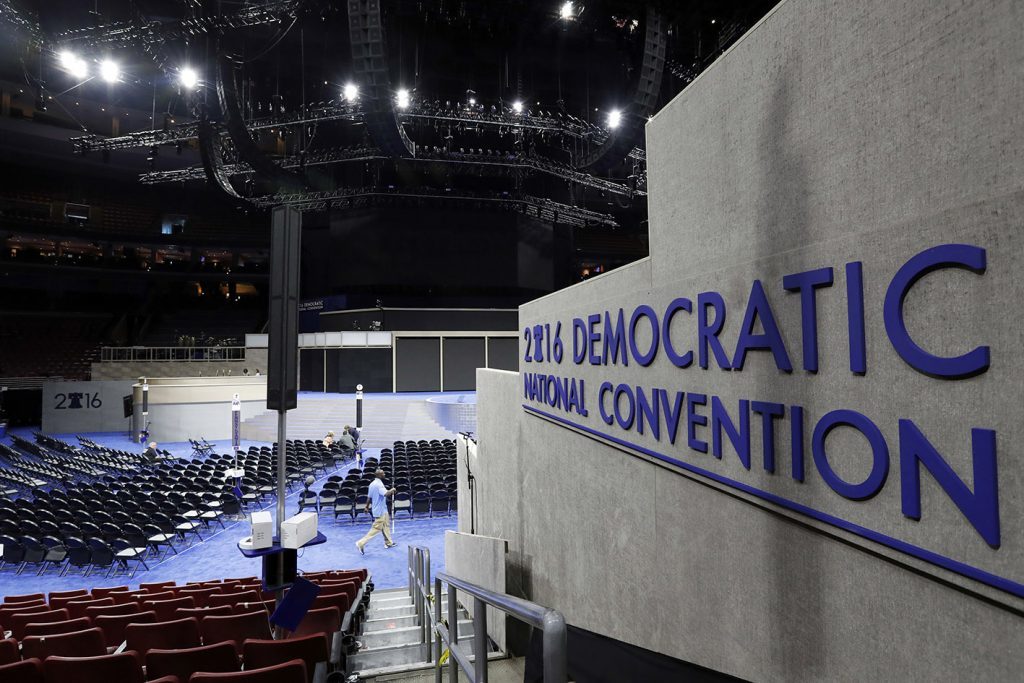
As thousands of delegates arrive in Philadelphia for the Democratic National Convention, it’s not just politics they have to contend with — it’s also the hot and sticky weather. The heat wave that descended on the city is expected show no mercy on Sunday with temperatures around 96 degrees. It could peak on Monday, the convention’s first day, with temperatures possibly hitting 100 degrees, said Mitchell Gaines, a meteorologist with the National Weather Service in Mount Holly, New Jersey. Many parts of the United States are experiencing higher than normal temperatures — like most of the Midwest — but the Philadelphia area is slated to be the hardest hit in the Northeast. Other parts of the region, including New York City, are in heat advisories. And the higher temperatures have brought powerful thunderstorms to some New England states, rain knocking out power to tens of thousands of residents. In Arizona, where temperatures hit 112 on Friday, a 12-year-old boy died after becoming ill after a hike. Along with the considerable amount of humidity, the heat index in the Philadelphia area could be pushed as high as 108 on Monday, Gaines said. Highs in the mid- to upper-90s are expected each day through Wednesday. “The multiple days of excessive heat will greatly affect those who are attending outdoor activities, especially events with large groups of people that are gathering in the direct sun,” the weather service said. Officials warned that in urbanized areas such as Center City Philadelphia, even nighttime temperatures may not drop below 80, especially Monday night. There also is the possibility of thunderstorms, such as the brief one which lashed Philadelphia during the late afternoon and evening on Saturday To protect thousands of demonstrators expected during the July 25 to July 28 DNC, Philadelphia officials said two medic tents and two “misting” tents would be set up and water would be distributed. Medics also would be assigned to take part in marches. Workers preparing for the convention and others in downtown Philadelphia on Saturday afternoon were trying to keep cool. Will Adams, 69, of Pennsauken, New Jersey, stood next to a gigantic air conditioner under tents being erected outside the Comcast Center for a DNC event. He and the crew were putting up speakers and television screens as security fences were going up outside. He couldn’t help but think wistfully about the mild weather during similar preparations for the papal visit last September. “That was good weather then,” he said. Chris O’Brien, 36, of Flourtown, Pennsylvania, stood by a spray park — a public water play site — rocking his 2-month-old, Maeve, who was sleeping under the shade of a towel. He was waiting for the rest of his family while he watched former Philadelphia mayor Michael Nutter a few yards away, in a suit, shooting a CNN panel broadcast. O’Brien said he and his family planned to spend a lot of time in air conditioning for the next few days. “Libraries, the mall … and we were thinking about going to the Please Touch Museum or the Franklin Institute. Whatever there is to do inside, we’re doing it,” he said. Avere Scurry, 21, sitting behind the cash register at a pop-up beer garden across near the Philadelphia Museum of Art and its famed “Rocky” steps, said staff members were taking precautions in the heat. “It’s not easy, but we have umbrellas so that helps. We have water. There’s a trailer over there that’s air conditioned … so every couple of minutes we’ll rotate and we’ll sit in the air,” Scurry said. Republished with permission of the Associated Press.
Mike Pence with Donald Trump on blocking some immigration

The Latest on the 2016 presidential campaign (all times local): 10:40 p.m. Indiana Gov. Mike Pence says he supports Donald Trump‘s call to “temporarily suspend immigration from countries where terrorists’ influence and impact represents a threat to the United States.” Pence spoke Friday on Fox News Channel’s “Hannity,” giving his first TV interview since Trump invited him to join the Republican ticket for the White House. Last year, Pence came out against Trump’s proposed temporary ban on foreign Muslims entering the United States, calling such a ban “offensive and unconstitutional.” Trump’s spokeswoman recently said he no longer supports his proposed religious test. Pence says he “stepped up without hesitation” when Trump asked him to be his running mate. He says Trump “understands the anxiety and the aspiration of the American people” like no leader since President Ronald Reagan. __ 9:10 p.m. Hillary Clinton is expressing support for the government of Turkish President Recep Tayyip Erdogan after an attempted military coup rocked Turkey’s capital. The Democratic presidential candidate is urging “calm and respect for laws, institutions, and basic human rights and freedoms — and support for the democratically elected civilian government.” She says, “All parties should work to avoid further violence and bloodshed, and the safety of American citizens and diplomatic missions must be ensured.” Turkish officials say the government appears to have repelled the attempted coup following a night of explosions, air battles and gunfire across Ankara. __ 8:10 p.m. A leader of conservatives making a last-ditch attempt to block Donald Trump’s nomination says she’s dropping her effort to force the Republican National Convention to vote on her plan to let delegates back any presidential candidate they want. The convention rules committee has already rejected Colorado delegate Kendal Unruh‘s proposal to “unbind” delegates from the candidates they were committed to by state primaries and caucuses. Unruh had been saying that despite that defeat, she’d get enough support to force a full convention vote next week on her plan to let delegates vote their conscience. But she said Friday that the Trump campaign and party officials have peeled away that support. She says she and her supporters believe delegates already have the right to vote their conscience and will oppose Trump’s nomination. ___ 5:35 p.m. Donald Trump says the taxes he pays are a private matter. But for candidates auditioning to be his running mate, similar reluctance wasn’t an option. Vice presidential search finalist Newt Gingrich said Thursday that Trump’s campaign required him to submit more than a decade worth of tax returns as part of the vetting process. Vetting potential vice presidents’ tax returns is a standard practice for candidates in both parties — but Trump has so far refused to make his own returns public on the grounds that he is being audited by the Internal Revenue Service. But tax scholars and former IRS officials have noted there is no rule against releasing tax filings during audits and say Richard Nixon released his returns while under audit in 1973. __ 5:15 p.m. Housing and Urban Development Secretary Julian Castro has met with Hillary Clinton at her Washington home as the presumptive Democratic presidential nominee considers her choice for vice president. That’s according to a person familiar with the Friday gathering, who spoke on condition of anonymity to discuss the private meeting. Two other senior Democrats also appeared to meet with Clinton on Friday. Massachusetts Sen. Elizabeth Warren and Colorado Gov. John Hickenlooper were seen in separate cars that departed Clinton’s home Friday afternoon. Clinton is also vetting Virginia Sen. Tim Kaine for the vice presidency and campaigned with him in his home state Thursday. Castro is considered a rising star in the party and is a former mayor of San Antonio. ___ 4:40 p.m. Colorado Gov. John Hickenlooper has visited Hillary Clinton’s Washington home as the presumptive Democratic presidential nominee ponders her choice for vice president. Hickenlooper was in a car that departed Clinton’s Washington home Friday afternoon. The Democratic governor declined to comment on his visit. The apparent meeting came after Massachusetts Sen. Elizabeth Warren visited Clinton’s house earlier Friday. Other candidates Clinton is known to be vetting are Virginia Sen. Tim Kaine and Housing and Urban Development Secretary Julian Castro. A person who spoke on condition of anonymity to discuss internal matters said earlier that Clinton was holding meetings Friday about her running mate selection. ___ 4 p.m. Delegates to the Republican National Convention are embracing Donald Trump‘s choice for vice president — even those who have yet to warm up to Trump. Some delegates hope the choice of Indiana Gov. Mike Pence will help unite Republicans and fire up the party base to support Trump. Not everyone is on board. But at the very least, Trump has all but assured that next week’s convention vote for vice president will go smoothly. Pence has a strong reputation among fellow Republicans as a social conservative. The former congressman has plenty of Washington experience and a calm, thoughtful demeanor that stands in stark contrast to the bombastic Trump. New Hampshire delegate Tom Rath called Pence a solid pick who should reassure a lot of people in the party. __ 3:40 p.m. An application by Bernie Sanders‘ campaign for a permit to rally during the Democratic National Convention has been denied. A spokeswoman for Philadelphia Mayor Jim Kenney says it was rejected because of the requested location in a park across from the convention site. She says the campaign sought to use a certain field that can only be used for recreational purposes. The application said the July 24 rally would be in support of Sanders’ campaign and estimated the crowd size at 15,000 to 40,000 people. Kenney’s spokeswoman, Lauren Hitt, says it’s not too late for the campaign to apply for a different location, if it is still interested. Sanders said Friday he won’t be holding any large rallies during the July 25-28 convention, but will focus on attending smaller events and talking to delegates. __ 3:30 p.m.
Hillary Clinton airing thousands of positive ads while Donald Trump silent
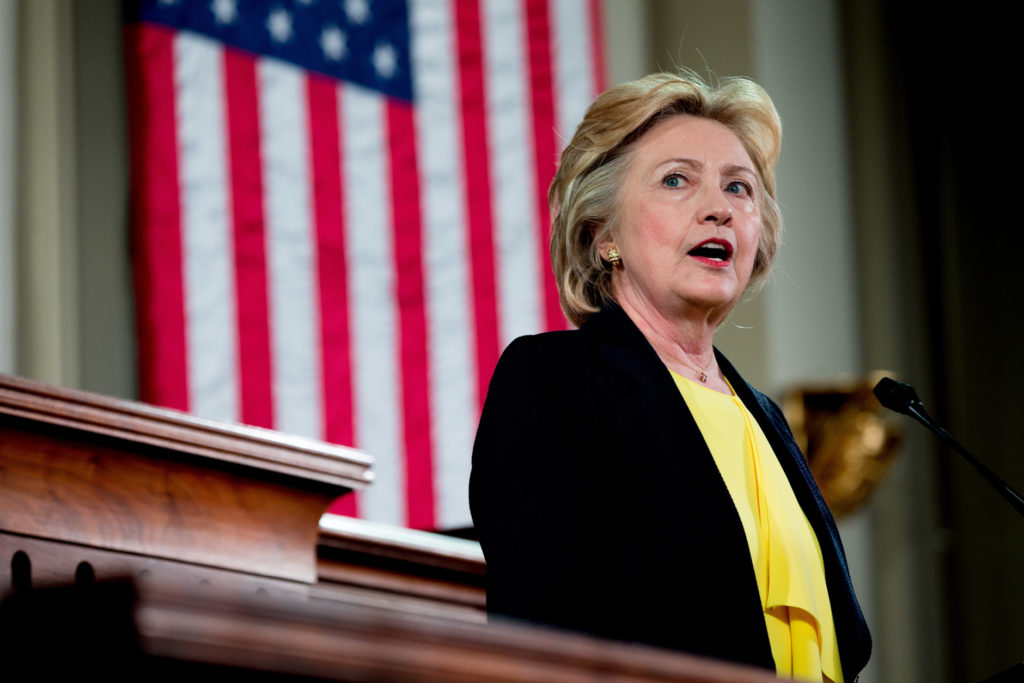
It would take almost 14 days of eyes glued to the television to watch all the feel-good Hillary Clinton ads that have aired since the general election campaign began last month. Meanwhile, anyone flipping through the channels looking for positive ads about Donald Trump would be disappointed: He hasn’t yet put up a spot appealing to November voters, and groups supporting him have been similarly silent. The lopsided commercial airwaves show the presidential candidates have drastically different views of the importance of traditional political campaigning. Trump says he sees little need for advertising at this stage. Instead, he has been banking on free media coverage propelled by his celebrity appeal. As a consequence, Trump has largely ceded control over what the voting public is hearing about him. Clinton’s large batch of biographical ads has given her an opportunity to directly influence views about her image. Up next is what amounts to an hour-long infomercial Thursday night in Cleveland, as Trump accepts his party’s nomination during a speech that will be televised widely in prime time. Clinton has the same perk the following week from the Democratic convention in Philadelphia. After that, Trump’s campaign has said he may begin advertising. That would be a dramatic change. While Trump has aired zero ads, Clinton has been piping thousands of commercials into the homes of swing-state voters in places like Florida, Ohio, North Carolina and Virginia. Specific Florida markets such as Orlando, Tampa and Fort Myers have been favored targets, as well as Denver, for Clinton’s ads. Since June 8, the day after she claimed the Democratic nomination, Clinton has put at least 30,700 commercials on broadcast TV, an Associated Press review of Kantar Media’s campaign advertising data shows. The majority highlight her work as first lady to expand health care for children. “For Hillary, it’s always been about kids,” a narrator says in an ad called “Quiet Moments,” which has run more than any other, some 11,400 times as of this week. A 60-second spot called “Always” seems to spell out the reason for her ads. “She would grow up to be one of the most recognizable women in the world,” a narrator says. “But less well-known are the causes that have been at the center of her life.” The commercial rolls through milestones in her life, beginning with black-and-white footage of her toddling down steps. The few ads paid for by Trump supporters bash Clinton rather than make the case for him. For example, a National Rifle Association ad urges people to vote for Trump by flashing his name for four seconds at the end of a 30-second spot. But the narrator says nothing about him — and doesn’t even utter his name. Clinton’s campaign released a new ad this week that shows children watching television as Trump makes some of his most inflammatory comments, including him saying, “And you can tell them to go (bleep) themselves.” The commercial asks, “Our children are watching. What example will we set for them?” That follows two Clinton campaign ads that mock him for watching TV shows for military advice and consulting with himself for policy strategy. The pro-Clinton super PAC Priorities USA is also airing thousands of spots calling Trump “too dangerous for America.” Political advertising strategists are torn over whether the lack of positive Trump ads matters. “You never want to be in the position of being outshouted by your opponent,” said Russ Schriefer, a senior adviser to Mitt Romney in the 2012 presidential race. He and others said the crush of unanswered summertime Democratic advertising hardened voters’ opinions of Romney as an uncaring businessman. Both Trump and Clinton are historically disliked by voters, according to recent AP-GfK surveys, making upbeat, biographical ads particularly important, Schriefer said. “Someone needs to inject favorability into the bloodstream of the electorate,” he said. “Since she is doing that in a vacuum, her ads will work better.” Yet Fred Davis, a Republican ad-maker not involved in the 2016 campaign, argues this race has unique features that dampen the impact of ads. “They are perhaps the best-known presidential final contenders in our lifetime,” he said. “So the value of bio ads suddenly drops. This would imply Hillary wasting her moolah; Trump playing it smart.” Trump’s team was similarly dismissive of ads early in the primaries. He eventually did put up ads — including some traditional “who I am” ones similar in tone to those from Clinton and previous presidential contenders. Those offer clues of what Trump might say in his general election ads. In one of his softest commercials, his son Donald Trump Jr. speaks to the camera with a row of family photos behind him. “Growing up, my brother, sister and I had to really know what we were talking about before bringing him any kind of a proposal,” he says. The elder Trump is shown kissing and hugging kids, as his son adds, “He may be a little less tough on his grandchildren right now, but it’s that toughness that I want renegotiating trade deals with China and Mexico.” He concludes: “My father will make an incredible president.” Republished with permission of the Associated Press.
Road closures to hit Philadelphia two days before Democratic Convention
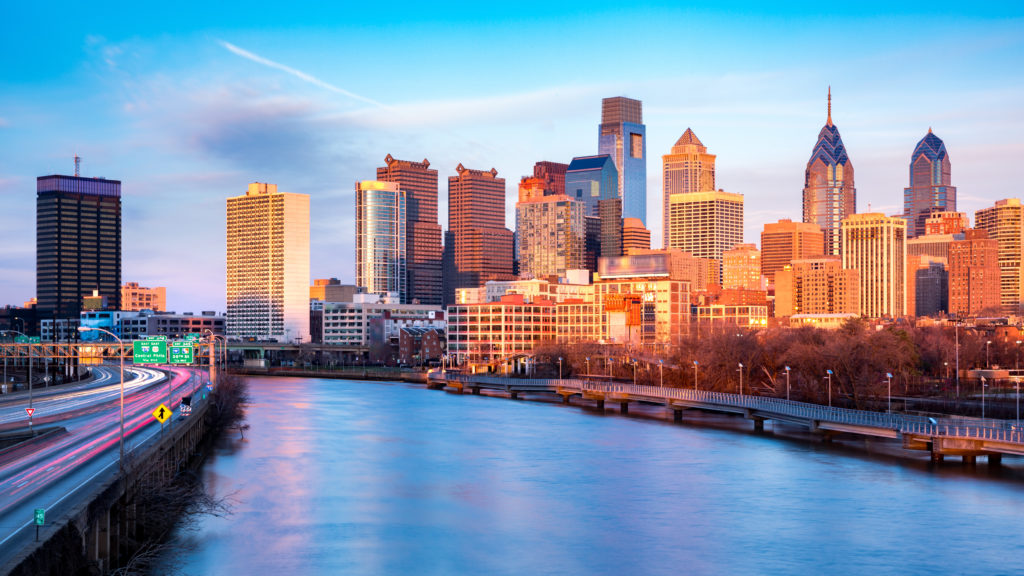
Road closures and highway restrictions will go into effect two full days before the Democratic Convention gets underway in Philadelphia. The Secret Service released a map of the closures on Thursday. The convention is July 25-28, and from July 23 to July 29, a number of closures and restrictions will be in place. Truck traffic will be limited on sections of Interstate 95 and other roads in the region will be closed. A ¾-mile section of Broad Street, the main north-south artery leading to the convention site, will be closed to all but authorized vehicles. It’s unclear if that will affect a march that’s approved along Broad Street from downtown to a park near the convention. Protests are being allowed in a park across from the convention site. Republished with permission of the Associated Press.
Darryl Paulson: Conventions have been disrupted by credentials, rules, platforms
(Second of three parts) Political parties have held conventions in America since 1824. Many aspects of the convention have changed little in almost two centuries. This year, because the Summer Olympics are being held in August, both major parties will conduct their convention in July, with Republicans going first in Cleveland and Democrats following in Philadelphia. The first televised convention took place in 1940 when New York City’s NBC affiliate broadcast the Republican convention in Philadelphia. The other major networks quickly joined in and provided gavel-to-gavel coverage. As John Chancellor of NBC noted in 1972, “convention coverage is the most important thing we do. The conventions are not just political theater, but really serious stuff.” That attitude changed by 2004, when all the major networks cut back their coverage to several hours at night. As early as 1996, the networks were complaining that little of substance takes place. Ted Koppel, host of ABC’s Nightline, announced in 1996 that he was going home because the Republican Convention “is more of an infomercial than a news event.” What changed? It is true that many of the conventions of the 1940s through the 1970s made for great television. Platform fights were common, sometimes leading to a walkout of delegates. Just as explosive were fights over rules changes and the city of delegates. What made for good television, made for bad election results for the parties. They did not want to project an image of a divided party to the American electorate. Both parties instituted rules that made conventions less dramatic. The party image improved, but television now found conventions bland. During the first two days of the convention, the delegates decide on credentials, rules and the party platform. The credentials process determines the seating of state delegations and resolves any challenges to their legitimacy. The major credentials challenge in modern political history took place at the 1964 Democratic Convention. Two delegations from Mississippi both claimed to be the legitimate one. One delegation was the traditional, all-white Democratic delegation. No blacks were members or even allowed to participate in the selection of delegates. The other delegation came from the Mississippi Freedom Democratic Party (MFDP), which was open to both whites and blacks. The MFDP argued that its members should be seated because the party was open to all races, supported the party platform and backed the election of Lyndon Johnson. Many in the all-white delegation opposed the platform and its civil rights plank, and many supported Republican Barry Goldwater for president. Johnson selected his Vice President, Hubert Humphrey, to negotiate a solution. Humphrey’s solution was to seat the all-white delegation and several members of the MFDP. At all future Democratic conventions, race couldn’t be a factor in selecting delegates. Like most compromises, neither side was pleased. Platforms have often produced divided conventions. At the 1948 Democratic Convention in Philadelphia, the delegates narrowly approved a stronger civil rights plank introduced by Minneapolis Mayor Hubert Humphrey. Southern Democrats walked out and met several weeks later in Alabama and selected South Carolina Gov. Strom Thurmond to lead the Dixiecrats. Democrats feared that the split would cause Harry Truman to lose to Republican New York Gov. Thomas Dewey, but Truman won by a slim margin. The 1964 Republican platform led to a split between the moderate and conservative wings of the party. When the Goldwater forces defeated a moderate civil-rights plank by a 2-1 margin, it was clear that the Republican Party had moved to the right. Disputes over party rules have also led to disastrous conventions. In 1968, there were only 15 party primaries for the Democrats. Party committees or party leaders chose most delegates. The party leaders selected Humphrey and not the anti-war candidate Eugene McCarthy. In response to the 1968 fiasco in Chicago, the Democrats formed the McGovern-Fraser Committee to revise convention rules. The committee recommended that in the future, most delegates must be selected in primaries or caucuses, and that the delegates had to mirror the population of the state they represented. McGovern would be the Democratic presidential nominee in 1972. Some found it more than coincidental that the person who wrote the rules changes became the next nominee. Many Democrats considered McGovern too radical to win, and “ABM” committees (Anybody but McGovern) sprang up to oppose him. His opponents tried to stop McGovern by denying him all of California’s delegates that he won in a winner-take-all primary. The effort failed, but in retaliation, McGovern forces challenged Mayor Richard Daley‘s Chicago delegation as not meeting the diversity requirements. Daley and the other 58 members of the Chicago delegation were thrown out of the convention and replaced by a diverse slate elected by no one. For probably the first time in his life, Chicago Sun-Times journalist Mike Royko supported Daley. Royko said the new delegates contained only one Italian and three Poles. “Your reforms,” wrote Royko, “have disenfranchised Chicago’s white ethnic Democrats, which is a strange reform.” After McGovern lost 49 of the 50 states to Richard Nixon, the Democrats were back in the reform mode. This time, they created over 700 “super-delegates” who were party officials and elected Democrats who would be guaranteed seats at the convention and help to select the most “winnable” Democrat. If Hillary Clinton wins the Democratic nomination because she has the overwhelming support of super-delegates, look for Democrats to once again reform their rules. Republicans would never do that. They are still following the rules their grandparents made. (Tomorrow: Donald Trump needs 498 more delegates to avoid contested convention.) *** Darryl Paulson is Emeritus Professor of Government at USF St. Petersburg. He can be reached at darryl.paulson@gmail.com.
