
New IRS rules may hurt Alabama’s private school scholarship program
Advocates of a state-supported private school scholarship program are concerned that donations could drop under proposed new IRS rules. The program, known as the Alabama Accountability Act, gives donors an income tax break for donations to groups that provide private school scholarships. Currently, donors get a dollar-for-dollar reduction on their state income tax bill, and can also claim a federal tax deduction. The rules proposed last week would end the ability for large donors to claim the federal tax deduction in addition to the 100 percent tax credit. Lesley Searcy of the Alabama Opportunity Scholarship Fund – which provides scholarships to 1,600 children- said many of the affected donors “are the very ones who support our students.” The program provides private school scholarships for nearly 2,000 children across the state. Republished with permission from the Associated Press.
Donald Trump to visit private school to promote school choice
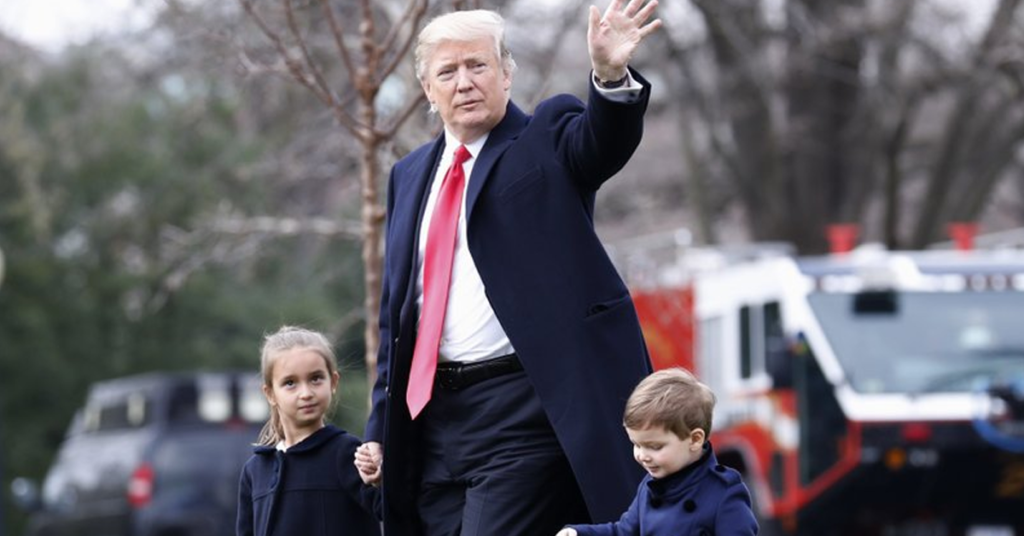
President Donald Trump will be visiting a private, religious school in Florida on Friday, signaling that his education agenda will focus on school choice. The president will tour St. Andrew Catholic School in Orlando, where he is expected to drop in on classrooms, and meet with parents, teachers and administrators, the White House said. This will be Trump’s first visit to a school since becoming president and it gives a strong indication of where his priorities lie. Teachers unions were quick to criticize the plan, saying it shows Trump’s hostility toward public schools and his intention to turn education into a profit-making industry. During a speech to Congress this week, Trump called education “the civil rights issue of our time” and asked legislators to pass a bill that would fund school choice for disadvantaged youth, including minority children. He did not offer any details. Among his guests at the speech was Denisha Merriweather, who used Florida’s school voucher program to attend a private high school that she credits with turning her life around. Many of St. Andrew’s students attend the school using the same voucher program as Merriweather, said White House spokesman Ninio Fetalvo. Trump’s education secretary, Betsy DeVos, who was traveling with the president, has a long history of promoting charter schools and vouchers. Teachers unions strongly opposed her nomination, fearing that she intends to defund public schools. White House spokesman Sean Spicer said earlier this week that education is “a top priority” for the president. “He has said many times before that education has the ability to level the playing field for the next generation,” Spicer said, adding that Trump “is determined to provide choice for every parent and opportunities for every child, regardless of their zip code.” St. Andrew Catholic School is a private institution that teaches 350 children from pre-kindergarten to eighth grade. The school defines its mission as “developing the students’ spirituality and creativity in order to be disciples of Christ in the 21st century.” A photo on the school’s website shows a smiling boy in school uniform holding a sign that reads “My goals: College. Heaven.” Randi Weingarten, president of the American Federation of Teachers, said that by visiting a private, Catholic school Trump was continuing his “ideological crusade” and advancing his plan of “criticizing, undermining and proposing the defunding of public schools and instead trumpeting private alternatives.” Weingarten said that in many cases voucher programs — publicly funded scholarships given to low-income families to help them cover private school tuition — have not improved children’s academic outcomes. She added that voucher programs are often not transparent in how they spend public dollars and in what the kids are taught. “To borrow a word from President Trump — it’s so ‘sad’ that the president and his secretary of education have demonstrated such an antipathy toward public schools,” Weingarten said in a statement. “Trump is in Florida to push choice and a backdoor voucher proposal as a way to turn education into a commodity.” Republished with permission of The Associated Press.
House OKs expanding program helping pay for private school

The Alabama House on Thursday voted to expand a program that helps some families pay for private school, but it also wants to tighten restrictions on scholarships and the groups that distribute them. The House of Representatives voted 68-26 to approve changes to the Alabama Accountability Act. The Alabama Accountability Act provides income-tax credits — a dollar-for-dollar reduction on an income-tax bill — in exchange for donations to the scholarship-granting organizations. Children in failing public schools have priority for the scholarships. Failing schools are the bottom 6 percent of K-12 schools on standardized test scores. The bill expands the cumulative yearly cap on donations from $25 million to $30 million. It would also tighten income restrictions on recipients and expand reporting requirements for the organizations that hand out scholarships. Senate President Pro Tem Del Marsh praised the proposed changes to the program he helped create two years ago. He said the cap needed to be raised after a scholarship granting organization did not raise enough money to renew scholarships while there was ongoing litigation over the program. “It tightens up a lot of the accountability. I think it makes excellent challenges to the Accountability Act and will allow those worthy students and parents to continue to in the program,” Marsh said. The bill would also increase reporting requirements and specify that the Department of Revenue can audit the scholarship-granting organizations. The proposal would also tighten income requirements on new scholarship applicants to 185 percent of the federal poverty level. That means a family of four would have to earn $44,123 or less each year to qualify for the scholarship. The Alabama Senate sent the bill to conference committee to review a House change that will require the Department of Education to maintain a database of scholarship recipients’ test scores. Republished with permission of The Associated Press.
