
Tim James endorsed by State Rep. Rich Wingo
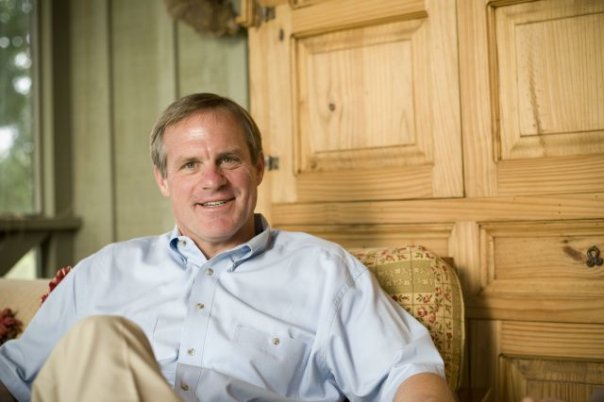
Today, the Tim James Governor Campaign announced that Representative Rich Wingo has endorsed James for Governor of Alabama. “Tim James will stand in the gap for our Christian conservative values,” stated Wingo. “Tim is pro-life and believes in bringing back prayer in schools. Tim also sees the damage gambling has created in our families all across this country and will strongly oppose bringing it here. Tim also recognizes that our state rates last in the country in math proficiency, which he believes is totally unacceptable. He is a businessman that understands a P&L (Profit and Loss) statement, budgets, and payroll. I am encouraging all Alabamians to vote for Tim James for governor.” Wingo has served as a member of the Alabama House of Representatives for District 62, representing Tuscaloosa County since 2015. The former NFL linebacker serves on the House Transportation Committee and is the Vice-Chair of the Ethics and Campaign Finance Committee. James thanked Wingo for the endorsement. “Rich has served the state of Alabama well for the past seven years, and his conservative values and convictions will be greatly missed in the Alabama Legislature in the upcoming years. Rich’s endorsement is an honor, and I am thankful for his support,” James stated. The primary election will take place May 24, 2022.
Chris England calls for ADOC commissioner Jeff Dunn to be fired
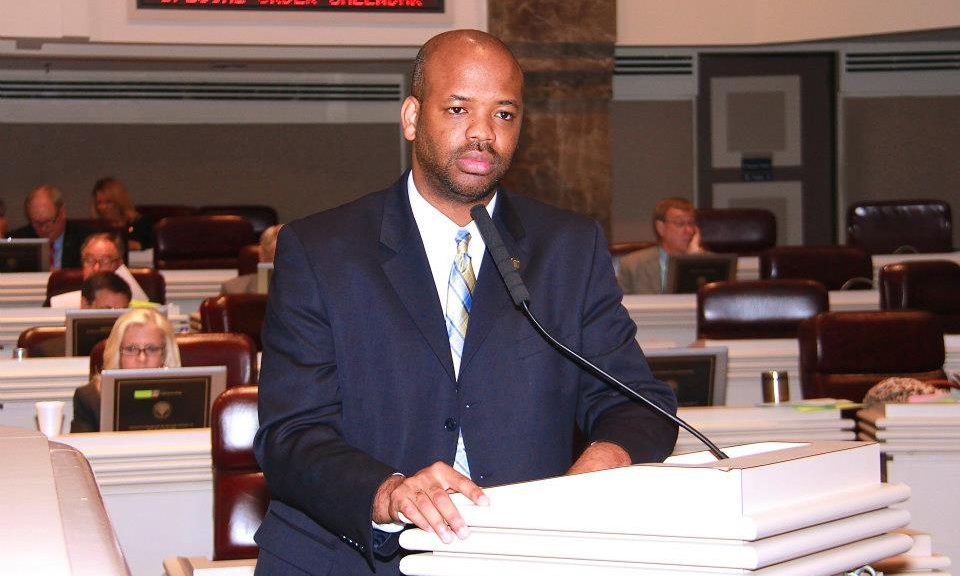
State Rep. Chris England has become yet another leader to speak out about issues within the Alabama criminal justice system, Al.com reported. England took to Twitter on Sunday and called for Alabama Department of Corrections Commissioner Jeff Dunn to be fired. Gov. Kay Ivey and other state leaders have been pushing the construction of new correctional facilities to reduce prison overcrowding and violence. In June, the deadline for investors to come aboard Ivey’s prison lease plan passed with no takers. Ivey proposed a plan to have private companies build three prisons and charge the state millions in annual rent to house prisoners in them. The Alabama Department of Corrections is currently being sued by the U.S. Department of Justice over conditions in the state prisons, saying the state is failing to protect male inmates from inmate-on-inmate violence and excessive force at the hands of prison staff. Just this month, Dunn asked federal officials if COVID-19 funds could be used to improve state prisons with “better, enhanced, and/or extended infrastructure.” England Tweeted, “Let’s start with the obvious. ADOC Commissioner Jeff Dunn needs to be fired. 10 men have died in prisons THIS MONTH. Well, 10 that we know about. Not only, is the ADOC poorly managed, they routinely hide information so it’s hard to know what’s going on.” England stated, “What will it take for us to realize that Alabama’s criminal justice system is broken and it is going to take more than new buildings to fix it? We got federal lawsuits, corruption in ADOC, people dying daily in our prisons and a pardons and paroles system that doesn’t work.” State Auditor Jim Zeigler has also been a vocal opponent to Ivey’s plan for mega prisons. Zeigler commented, “The Ivey plan would have forced Alabama taxpayers to pay rents starting about $94 million a year and going up to about $106 million. At the end of 30 years, the state would own equity in the prisons of zero. No equity. That was a bad business plan. The Ivey plan did not address the problems in the prison system – the safety of staff and other inmates, overcrowding, mental health, suicide, recidivism, and inadequate job training. The plan merely threw $3.6 billion of taxpayer money into rented buildings.” Zeigler, along with more than a dozen organizations, sent a letter to Ivey in January, opposing the mega-prison plan. Representatives Rich Wingo, Arnold Mooney, and Steve Clouse all expressed concerns about the plan as well. Clouse, who chairs the budget committee, said, “there are a lot of questions that the Legislature would like answered.” Part of the letter Zeigler sent to Ivey stated, “Our prisons are unconstitutional not because they are in need of repair, but because the ADOC is the most dysfunctional department of corrections in America. The DOJ has targeted our prisons because they are racist and violent. Are we supposed to believe that the same department that got us into this mess will run functioning prisons just because they get new buildings? “Even if building modern facilities addresses some concerns, it is unlikely to take us out of the DOJ’s crosshairs. The best use of taxpayer dollars cannot be to pursue the action most expensive and least likely to avoid federal intervention—paying $2.6 billion to rent 3 prisons. Why have there been no known attempts to determine the cost of pursuing the DOJ’s actual recommendations?”
House drops resistance, OKs medical marijuana bill
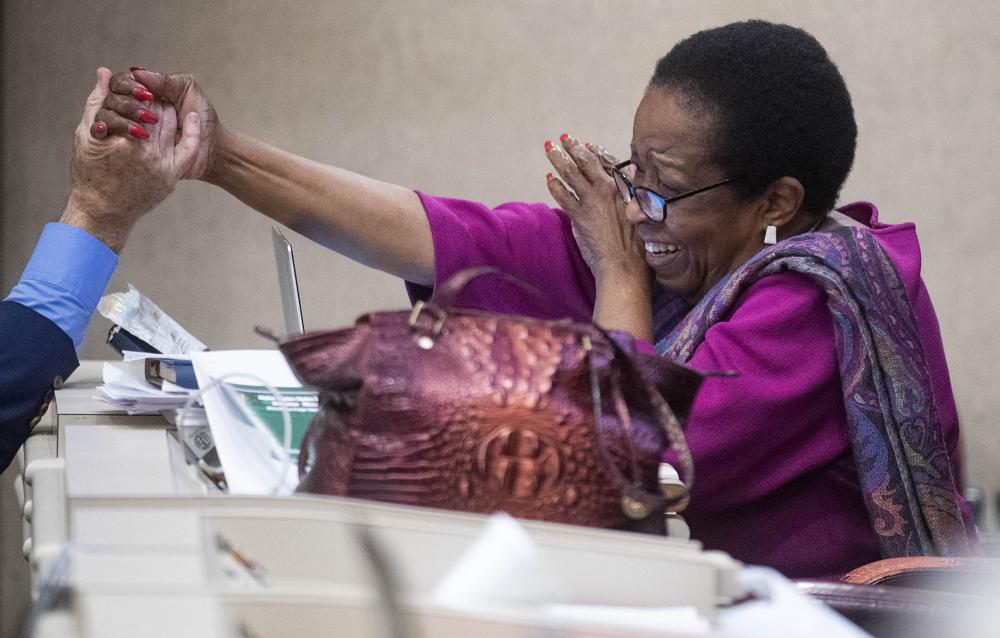
The Alabama House of Representatives overcame years of resistance in approving medical marijuana legislation on Thursday, voting after two days of long and emotional debate in which key Republican lawmakers described switching sides in favor of the proposal. Representatives voted 68-34 to pass the bill, which would allow people with a qualifying medical condition to purchase medical marijuana with the recommendation of a doctor. The bill now returns to the Alabama Senate to settle differences or be sent to a conference committee. The state Senate had already approved the bill last February by a 21-8 vote after just 15 minutes of debate. But the House of Representatives had traditionally been more skeptical of medical marijuana proposals and sent the bill through two committees before it reached the House floor. Alabama Gov. Kay Ivey’s office did not immediately respond to a request for comment on the bill. The House approval came eight years after a medical marijuana bill in 2013 won that year’s so-called “Shroud Award” for the “deadest” bill of the year in the House of Representatives. But Republican Rep. Mike Ball, who handled the bill in the House, said “hearts and minds” have slowly been changed on the issue. Ball, a former state trooper and state investigator, said he also changed his stance on medical marijuana, becoming emotional at times as he discussed the bill’s House passage. “Every year that we delay getting help to people who need it, there are more people and more people who are suffering because of it. We’ve still got another year or so before this gets set up and cranked up, but at least we have hope now,” Ball said. More than a dozen conditions, including cancer, a terminal illness, depression, epilepsy, panic disorder, and chronic pain would allow a person to qualify. The bill would allow marijuana in forms such as pills, skin patches, and creams but not in smoking or vaping products. Representatives voted to name the bill after the son of Democratic Rep. Laura Hall. She first introduced a medical marijuana bill over a decade ago after her son Wesley ‘Ato’ Hall died of AIDS. Representatives debated the bill for nearly 10 hours Tuesday until lawmakers adjourned shortly before midnight without a vote. Lawmakers did not meet Wednesday and representatives approved the bill Thursday after two hours of debate. The lengthy debate brought impassioned discussion that included lawmakers expressing fervent opposition. Others spoke, however, of changing their minds on the issue after witnessing the illnesses of family members. “This can change the quality of life for the people that we love,” said Republican Rep. Allen Farley, a former police officer. The bill had faced an earlier filibuster from opposed Republicans, who worried that it could be a gateway to recreational use or that medical marijuana could end up in the hands of teens. “What makes us think we know more than the FDA. My other thought is what if we’re wrong. What if we approve and pass this bill and it is a gateway like it has been for Colorado,” Republican Rep. Rich Wingo of Tuscaloosa said Tuesday. A medical marijuana bill in 2013 won the Shroud Award for the “deadest bill” in the House. “They laughed at me,” former Democratic state Rep. Patricia Todd, the sponsor of the 2013 bill said Thursday of the reaction she got from some Republicans at the time. “I’m glad to see it passed. It’s long overdue,” Todd said. Republished with the permission of the Associated Press.
House delays vote on medical marijuana bill
Legislation to authorize medical marijuana in Alabama stalled Tuesday in the state House of Representatives after Republican opponents used a filibuster to at least temporarily delay a vote. Representatives adjourned shortly before midnight without a vote after nearly 10 hours of debate on the Senate-passed bill. The bill is expected to return to the House floor on Thursday. The lengthy debate brought impassioned discussion that included lawmakers expressing fervent opposition or how they changed their minds on the issue after the illnesses of family members. The bill would allow people with a qualifying medical condition to purchase marijuana after getting a recommendation from a doctor. More than a dozen conditions, including cancer, a terminal illness, depression, epilepsy, panic disorder, and chronic pain would allow a person to qualify. The bill would allow marijuana in forms such as pills, skin patches, and creams but not in smoking or vaping products. The bill was sponsored by Republican Sen. Tim Melson, an anesthesiologist, and handled in the House by Republican Rep. Mike Ball, a former state trooper and state investigator. “This can change the quality of life for the people that we love,” said Republican Rep. Allen Farley, a former police officer, describing how his 94-year-old mother at the end of her life entered a facility that treats people with dementia. Republican Rep. Brett Easterbrook of Fruitdale said he is “as conservative as they get” but saw the positive impact medical marijuana had on his son. “I watched it … There is not one of you sitting in those chairs, if your child has a brain injury or cancer and this will help, you won’t give a damn what the Legislature says,” Easterbrook said. The bill faced a filibuster from opposed Republicans who worried that it could be a gateway to recreational use or that medical marijuana could end up in the hands of teens. “Don’t ever doubt it, if the state of Alabama gets into the marijuana business, the cannabis business, it will change the very fabric of who we are as a state,” said Republican Rep. Jim Carnes of Vestavia Hills. Other lawmakers expressed concern that marijuana has not gone through the Food and Drug Administration approval process for drugs or that it could lead to traffic accidents. “What makes us think we know more than the FDA. My other thought is what if we’re wrong. What if we approve and pass this bill and it is a gateway like it has been for Colorado,” said Republican Rep. Rich Wingo of Tuscaloosa. The Alabama Senate approved the bill by a 21-8 vote in February after 15 minutes of debate. However, the House of Representatives has traditionally been more skeptical of medical marijuana proposals and required the bill to go through two committees before coming to the floor. A medical marijuana bill in 2013 won the “Shroud Award” for the “deadest” bill that year in the House of Representatives. Representatives on Tuesday voted 69-31 to bring the bill up for a debate, an indicator that the bill could have enough support for final passage if it reaches a vote. “I have no doubt it is going to pass if it is given a vote,” Melson said. Melson, an anesthesiologist who now works in medical research, said he believes medical marijuana can provide relief to patients where other drugs have failed. “It’s the last choice to be used by a doctor so if there is an illness where everything else has failed, why not let them try it,” Melson said. Democratic Rep. Ralph Howard of Greensboro criticized the Republican filibuster against the bill. He described how his father struggled with the pain of cancer that had spread to his brain. “Who am I to tell you how to treat a sick relative. A drug is a drug,” Howard said. Republished with the permission of the Associated Press.
House nears vote on medical marijuana bill
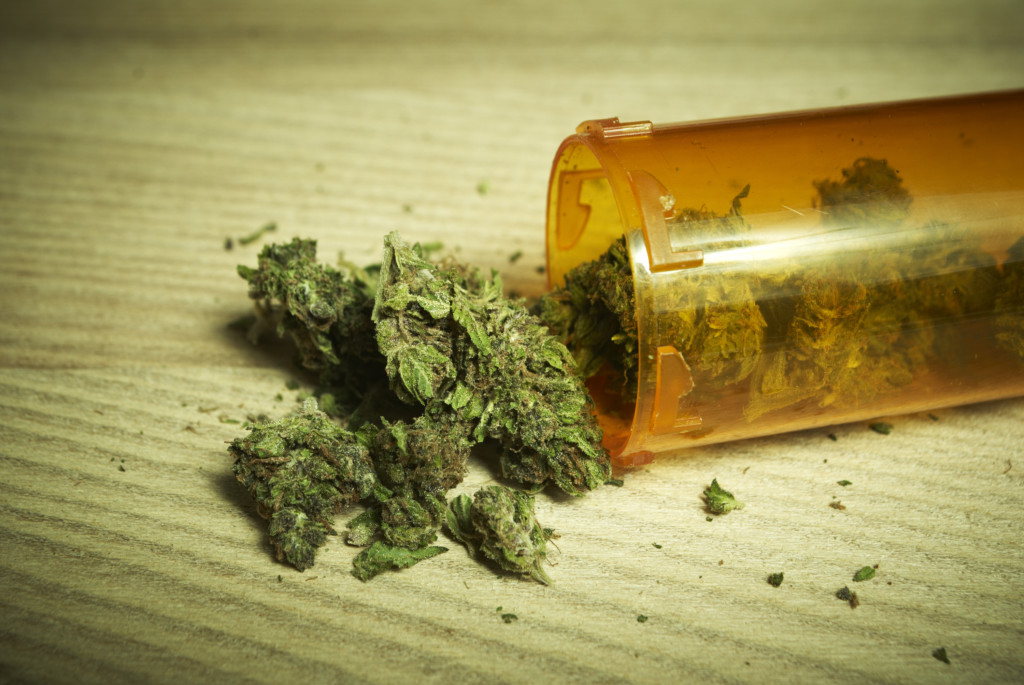
The Alabama House of Representatives headed to a vote on a medical marijuana bill late Tuesday evening after impassioned debate that included lawmakers expressing fervent opposition or how they changed their minds on the issue after the illnesses of family members. The bill would allow people with a qualifying medical condition to purchase marijuana after getting a recommendation from a doctor. More than a dozen conditions, including cancer, a terminal illness, and chronic pain would allow a person to qualify. The bill would allow marijuana in forms such as pills, skin patches, and creams but not in smoking or vaping products. The bill was sponsored by Republican Sen. Tim Melson, a doctor, and Republican Rep. Mike Ball, a former state trooper and state investigator. “This can change the quality of life for the people that we love,” said Republican Rep. Allen Farley, a former police officer, describing how his 94-year-old mother at the end of her life entered a facility that treats people with dementia. Republican Rep. Brett Easterbrook of Fruitdale said he is “as conservative as they get” but saw the positive impact medical marijuana had on his son. “I watched it … There is not one of you sitting in those chairs, if your child has a brain injury or cancer and this will help, you won’t give a damn what the Legislature says,” Easterbrook said. The bill faced a filibuster from opposed Republicans who worried that it could be a gateway to recreational use or that medical marijuana could end up in the hands of teens. “Don’t ever doubt it, if the state of Alabama gets into the marijuana business, the cannabis business, it will change the very fabric of who we are as a state,” said Republican Rep. Jim Carnes of Vestavia Hills. The bill was added to the day’s debate agenda at the last minute. Republican Rep. Rich Wingo of Tuscaloosa said lawmakers deserve more time to look at the bill. The Alabama Senate approved the bill by a 21-8 vote in February after 15 minutes of debate. However, the House of Representatives has traditionally been more skeptical of medical marijuana proposals and required the bill to go through two committees before coming to the floor. A medical marijuana bill in 2013 won the “Shroud Award” for the “deadest” bill that year in the House of Representatives. Melson has expressed optimism that the bill would win approval. Representatives on Tuesday voted 69-31 to bring the bill up for a debate, an indicator that the bill could have enough support for final passage if it reaches a vote. Democratic Rep. Ralph Howard of Greensboro criticized the Republican filibuster against the bill. He described how his father struggled with the pain of cancer that had spread to his brain. “Who am I to tell you how to treat a sick relative. A drug is a drug,” Howard said.
Alabama governor to lease prisons, despite criticism

Alabama Gov. Kay Ivey said she plans to sign agreements Monday for two privately built prisons, despite lawmakers’ complaints about the price tag and lack of public transparency and warnings from advocacy groups that such prisons won’t address chronic violence and severe staffing woes. Ivey spokeswoman Gina Maiola said the governor will sign agreements to lease two new men’s correctional facilities to be constructed by CoreCivic, one of the nation’s largest private prison companies. The governor’s office has said the prisons would be run by the state but the buildings would be leased from the companies. The governor’s office did not release details, including costs. The original proposal had called for the state building three mega prisons and closing many existing facilities. The governor’s office has not disclosed a final cost but previously said the developers are aware of an “affordability limit” of $88 million per year. That would equate to $2.6 billion for a 30-year lease. “We are anticipating her to put pen to paper, and as soon as she does, we will be releasing more details. We hoped it would have been sooner, but we are working as quickly as possible to get the best possible deal for the state,” Maiola said. Ivey has proposed the construction as a partial solution to Alabama’s longstanding problems in corrections, which had drawn the scrutiny of federal watchdogs. In December, the U.S. Department of Justice filed a lawsuit against Alabama over conditions in the state prisons, saying the state is failing to protect male inmates from inmate-on-inmate violence and excessive force at the hands of prison staff. The state’s Department of Correction has said the lawsuit ignores progress the state has made to improve the lockups. The prison building proposal has met with sharp criticism from a coalition of advocacy groups, including the American Civil Liberties Union of Alabama, Alabama Students Against Prisons, and the Ordinary Peoples Society. In a letter to lawmakers and others, they said Alabama is getting “swindled” and that new prison construction will not address the underlying problems in the correctional system. “It is astounding that Governor Ivey is prioritizing fiscally irresponsible and devastating contracts for prisons that do not address our most urgent needs as Alabamians,” the groups wrote. They urged lawmakers to try to stop the prisons. “Throughout the entire process, they have acted behind closed doors, keeping the public and even you—our elected leaders—entirely in the dark,” the groups wrote. Instead of a bond issue to borrow money to build the prisons, which would require legislative approval, the governor can sign the leases without legislative approval. A group of lawmakers this week urged the administration to release more information, including the profit margin for companies before signing the leases. Republican Rep. Rich Wingo of Tuscaloosa said that because lawmakers will be responsible for any funding shortfall, they need to know more information about the plan. “Since we are responsible for the people’s money, I am just asking you and your help before we move forward with a signature on a lease with these two developers,” Wingo said. “I think this committee deserves to know what the return on cost really is for the developers.” Regions bank confirmed Saturday that it was ending a banking relationship with CoreCivic after a contractual relationship ends in 2023. However, it is not clear if that will have any impact on the Alabama construction project. Regions said executives met with the Black Lives Matter Birmingham Chapter and other organizations Tuesday to receive feedback on the issue of private prisons. “We are not extending additional credit services to CoreCivic, and we are specifically not providing CoreCivic with financing for the construction of the prisons to be built in Alabama. To be clear, Regions Bank is 100% committed to creating more inclusive prosperity and advancing racial equity,” Regions spokesman Jeremy D. King said in a statement. In July, the Department of Justice released a report that accused the state of keeping prisoners in unconstitutional conditions. The report detailed a chilling litany of incidents, including a prison guard beating a handcuffed prisoner in a medical unit as the prisoner begged the officer to kill him. Alabama’s prison system for men is considered one of the most understaffed and violent in the country. Republished with the permission of the Associated Press.
Email Insight: Jim Zeigler and coalition of activists oppose mega prisons, call on legislature to audit Department of Corrections
Jim Zeigler has been outspoken on his belief that Governor Kay Ivey’s plan to build 3 mega prisons is a costly mistake that Alabama shouldn’t make. In a recent op-ed, Zeigler stated, “Governor Kay Ivey is just days away from signing contracts that will saddle taxpayers with a minimum $2.6 billion bill for leasing three new mega-prisons for 30 years. In the end, we will own equity in the prisons of exactly ZERO. The companies that held these lucrative leases will own the prisons, and we, the taxpayers, will have to start completely over and pay for the prisons a second time – pay 100% again.” Ivey’s plan would create three mega prisons, each housing around 10,000 inmates and would force the closure of several existing prisons. Representatives Rich Wingo, Arnold Mooney, and Steve Clouse have all expressed concerns. Clouse, who chairs the budget committee, said, “there are a lot of questions that the Legislature would like answered.” Zeigler has called for an independent audit of the Alabama Department of Corrections. Now 13 citizen groups support his audit request. Here is the letter they are sending to Kay Ivey and the Alabama legislature. Alabama is Getting Swindled For Billions 1/29/21 To the Alabama State Legislators: We are a coalition of people, communities, and organizations committed to stopping the ill-conceived construction of prisons being forced upon Bibb, Elmore, and Escambia counties. We are made up of communities of farmers and activists in each of those counties, more than a dozen organizations and churches across the state, and nearly 300 Alabama students from 28 colleges, universities, and law schools, writing to you in opposition to Governor Kay Ivey’s attempt to spend $2.6 billion on three new mega-prisons without a shred of transparency. We are Communities Not Prisons, and our futures depend on your immediate action. It is no secret that barring significant action, our prisons will remain unconstitutional—ensuring a federal takeover by the Department of Justice. It is equally clear that our prisons are in need of long-overdue maintenance. But Governor Ivey and Commissioner Dunn have elected to pursue a multi-facility mega-prison construction project that will address only a small aspect of the overall criticisms from the Department of Corrections. Throughout the entire process, they have acted behind closed doors, keeping the public and even you—our elected leaders—entirely in the dark. The DOJ report on Alabama prisons details 5 pages of actions Alabama could take to become compliant with the 8th Amendment prohibition on “cruel and unusual punishment.” Not a single recommendation mentions new construction. Though part of the DOJ lawsuit does highlight infrastructural deficiencies, these primarily could be addressed by installing more cameras and repairing broken locks. If a cost estimate for implementing these minimum infrastructural repairs has been done, the people of Alabama deserve to know about it. The quality of our current facilities, however abysmal, is a minor concern in comparison to the core reasons our prisons are unconstitutional—violence stemming from a dysfunctional Department of Corrections, chronic understaffing, and poor leadership. Our prisons are unconstitutional not because they are in need of repair, but because the ADOC is the most dysfunctional department of corrections in America. The DOJ has targeted our prisons because they are racist and violent. Are we supposed to believe that the same department that got us into this mess will run functioning prisons just because they get new buildings? Even if building modern facilities addresses some concerns, it is unlikely to take us out of the DOJ’s crosshairs. The best use of taxpayer dollars cannot be to pursue the action most expensive and least likely to avoid federal intervention—paying $2.6 billion to rent 3 prisons. Why have there been no known attempts to determine the cost of pursuing the DOJ’s actual recommendations? With growing needs for investments in healthcare, including mental health, and the additional burden that COVID-19 has placed on critical departments, as we heard outlined in this week’s budget hearings from the leadership of the Department of Public Health, Department of Mental Health, and the Alabama Medicaid Agency, it is astounding that Governor Ivey is prioritizing fiscally irresponsible and devastating contracts for prisons that do not address our most urgent needs as Alabamians. While we understand the need for action and the difficulty of legislating around prison issues, we do not accept the degree of secrecy under which this plan has developed. Governor Ivey has attempted to act unilaterally and has refused to answer the legitimate questions of her constituents. The people of Alabama have had no say in this. Residents in Tallassee and Brierfield, where two of the prisons will be built, have been opposing this plan for months. Governor Ivey has made it clear that our farmers and rural communities do not matter to her. This is not how Alabama works. This is not how America works. This is tyranny, not democracy. It is past time for our legislators to intervene. We demand more information through an independent and transparent assessment of the Alabama Department of Corrections before Alabama is strapped into this expensive, irreversible plan. Without an audit, we risk torching a significant portion of our already strapped discretionary spending. Furthermore, due diligence has not been exercised to determine the environmental impact of these proposed prisons. Basic questions about wastewater treatment, water sourcing, storm runoff, additional infrastructure, and more have not been answered, even when local residents have asked about them. This is unacceptable and irresponsible. We demand the legislature do everything in their power to intervene in this process and stop Governor Ivey from trapping us into a 30-year mistake. We demand Governor Ivey immediately stop her assault on farmers and the rural communities whose homes and livelihoods will be destroyed if these contracts are signed and these prisons are built. We are calling on you, our leaders, to intervene. Alabama cannot move forward with this plan. We implore you: do everything in your power to delay these contracts from being signed. You are the last line of defense against this anti-democratic process and appalling executive overreach. Sincerely yours, Block the Brierfield Prison No Prison for Tallassee Alabama Students Against Prisons The
Some Alabama lawmakers question Ivey’s prison lease plan
Some Alabama lawmakers on Wednesday questioned Gov. Kay Ivey’s plan to lease three new mega-prisons, saying they want to see more financial details on the plan before the administration signs the agreements. The governor’s administration plans to lease three mega prisons that would collectively house a total of 10,000 male inmates — more than 3,000 per prison — and close many existing prisons. The governor’s office has not disclosed a final cost but said the developers are aware of an “affordability limit” of $88 million per year. Two lawmakers raised concerns about the proposal during budget hearings for the Department of Corrections. They said lawmakers deserve to see more information including numbers on the claim that the state can pay for the leases with savings generated by consolidating prisons and reduced maintenance costs. Corrections Commissioner Jeff Dunn said he expects there will be an announcement on the leases “very soon” but declined to give a timeframe. Republican Rep. Rich Wingo of Tuscaloosa told Dunn that because lawmakers will be responsible for any funding shortfall, they need to know more information about the plan. “Since we are responsible for the people’s money, I am just asking you and your help before we move forward with a signature on a lease with these two developers,” Wingo said. “I think this committee deserves to know what the return on cost really is for the developers.” Republican Rep. Arnold Mooney of Indian Springs said lawmakers are, “really in the dark in what’s going on.” “Hopefully, you are correct, and I compliment you on how hard you are working on it, that you’ll be able to pay for everything through savings,” Mooney said. Mooney said the closure of existing prisons will impact the economies of local communities. Dunn told reporters afterward that he appreciated lawmakers’ concerns. “We have been working with legislative leadership in providing information. The negotiations are confidential because we are dealing with two separate private entities so there’s an element of that,” Dunn said. Republican Rep. Steve Clouse of Ozark, who chairs the budget committee, said, “there are a lot of questions that the Legislature would like answered.” Clouse said lawmakers have been told that 11 to 13 existing prisons would close, and that the savings would pay for the leases of $88 million per year. But he said lawmakers would like to see more details, such as who will own the prisons at the end of the leases. “Our hands have been tied not being able to see what the plan actually is. So basically we are eager to see that,” Clouse said. Republished with the permission of the Associated Press.
