
Cost of over-the-counter Narcan could be barrier to use

The U.S. Food and Drug Administration’s decision to give an opioid overdose antidote over-the-counter status could help as illicit fentanyl floods of the nation’s illegal drug market, but how helpful it will be could depend on how much it will cost. The U.S. Food and Drug Administration’s decision means sales of Narcan nasal spray would soon be allowed at pharmacies, grocery stores, convenience stores, gas stations, and online. Narcan, a naloxone product, is a medication that rapidly reverses the effects of opioid overdose. Naloxone is the standard treatment for an opioid overdose. Emergent BioSolutions Inc., which makes Narcan, said that the nasal spray will be available on U.S. shelves and at online retailers by the late summer. The company said it will have to account for “manufacturing changes that will be implemented to support nonprescription packaging” and “supply chain modifications.” It has not yet said how much the drug will cost. FDA Commissioner Dr. Robert Califf said in a statement that the agency was encouraging Emergent BioSolutions to make access to the product at an affordable price a priority. How much it will cost could determine how effective it is at reducing overdose deaths, said Evan Peet, an economist at the RAND Corporation. While making the drug available without a prescription could help reduce one barrier to access, price could be another barrier, especially for addicts. The FDA decision is “likely good for some groups, bad for others, and still uncertain for some,” Peet said. Making Narcan available without a prescription could increase costs for people with insurance, particularly those with Medicaid, the government program that provides health coverage to low-income people. “Typically, if something is available over-the-counter, then it is not covered by insurance,” Peet said. People with private insurance typically pay $10 to $30 for naloxone, while those with Medicaid or Medicare pay even less, about $2 to $3 for naloxone. For those without insurance, the current price is much higher, about $250 on average, according to the most recent estimates available from 2018. Groups have forecasted the estimated over-the-counter price for the drug will range from $35 to $65. Emergent BioSolutions did not respond to requests about pricing information or when such information would be available. “Disproportionately, people with opioid use disorder are uninsured,” Peet said. “And so maybe [over-the-counter] is going to be a net benefit because those people are potentially the most vulnerable. But also, people with Medicaid have lower income and are more price sensitive, so it may be particularly negative for that group.” Illicit fentanyl, which is more potent than heroin and some other opioids, poses additional challenges. “Fentanyl is really driving the bus now,” Peet said. Because of its potency, fentanyl overdoses may require more than one dose of Narcan. Adulterants, such as the veterinary tranquilizer xylazine, pose additional challenges. Earlier this month, the U.S. Drug Enforcement Administration issued a warning about a sharp increase in trafficking of fentanyl mixed with xylazine. The federal agency said xylazine and fentanyl mixtures had been seized in 48 of 50 states. It also noted that the DEA Laboratory System reported that in 2022 about 23% of fentanyl powder and 7% of fentanyl pills seized by the DEA contained xylazine. “Xylazine is making the deadliest drug threat our country has ever faced, fentanyl, even deadlier,” DEA Administrator Anne Milgram said in a statement. U.S. officials reported 107,735 overdose deaths between August 2021 and August 2022 from drug poisonings, according to the U.S. Centers for Disease Control and Prevention. About 66% of those deaths involved synthetic opioids such as fentanyl. Republished with the permission of The Center Square.
Steve Marshall condemns FDA’s ending of restrictions on abortion-inducing drugs as “illegal and dangerous”
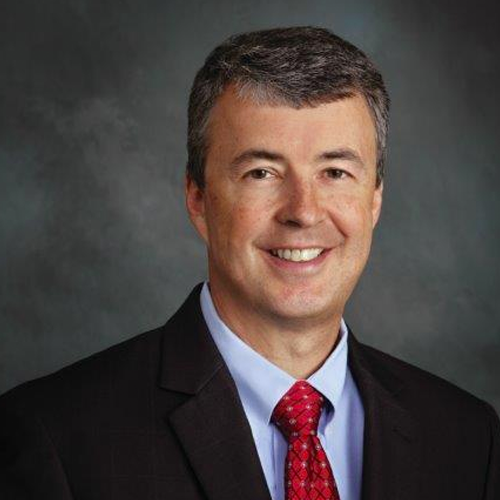
On Friday, Alabama Attorney General Steve Marshall announced that he led a coalition of 22 state attorneys general in sending a letter to the commissioner of the Food and Drug Administration (FDA), Robert Califf, condemning the FDA’s recent decision to abandon its longstanding restrictions on the remote prescription and administration of abortion-inducing drugs. “The Food and Drug Administration’s decision to abandon commonsense restrictions on remotely prescribing and administering abortion-inducing drugs is both illegal and dangerous,” the attorney generals wrote in the letter. “In direct contravention of longstanding FDA practice and congressional mandate, the FDA’s rollback of important safety restrictions ignores both women’s health and straightforward federal statutes. We urge you to reverse your decision.” “The authority to regulate abortion lies with the people and their elected representatives,” the attorneys general continued. “In our states, we prioritize the health and safety of women and children, and our laws reflect this. And in many states, including Alabama, elective abortion is illegal. . . . Our States will not yield to the Administration’s radical pro-abortion policies.” The letter listed what the conservative attorneys general view as the serious risks associated with abortion-inducing drugs. “The FDA’s new policy is denounced by the attorneys general in no uncertain terms for “prioritizing . . . pro-abortion policy over women’s health,” which recklessly “endanger[s] the lives of women” in addition to “enthusiastically endanger[ing] the lives of unborn children,” the AGs wrote. “Though the FDA has abdicated its responsibility to protect women’s health, we have not,” the attorneys general conclude their letter. “To be crystal clear, you have not negated any of our laws that forbid the remote prescription, administration, and use of abortion-inducing drugs. The health and safety of our citizens—women and children included—is of paramount concern. Nothing in the FDA’s recent changes affects how we will protect our people.” Marshall was joined in sending the letter by the attorneys general of the states of Alaska, Arkansas, Florida, Georgia, Idaho, Indiana, Iowa, Kentucky, Louisiana, Mississippi, Missouri, Montana, Nebraska, Ohio, South Carolina, South Dakota, Tennessee, Texas, Utah, West Virginia, and Wyoming. In 2020, a number of the attorneys general of the same states, including Alabama, filed an amicus brief with the United States Supreme Court in opposition to a similar policy change that was demanded during the coronavirus pandemic by the American College of Obstetricians and Gynecologists (ACOG). Iffath Abbasi Hoskins, MD, president of ACOG, released a statement welcoming the FDA’s announcement of changes to restrictions on the provision of mifepristone. “Today’s announcement that the FDA will officially remove the in-person dispensing requirement for mifepristone for reproductive health indications represents an important step forward in securing access to medication abortion,” Hoskins said. “ACOG has advocated for many years for the in-person dispensing requirement to be removed from the risk evaluation and mitigation strategy (REMS) for mifepristone. There is no clinical evidence that in-person dispensing improves the safety of this medication or patient outcomes; instead, this requirement unnecessarily restricted patient access to a safe and effective medication. Since 2020, continued usage of mifepristone for abortion care without the in-person dispensing requirement has been shown to be safe and effective, and the official change to the REMS means that clinicians now have concrete peace of mind that this regulation which has proven to be unnecessary has been removed.” “ACOG has long advocated that mifepristone be made available in retail pharmacies, just like other prescription drugs, to allow more patients access to abortion care without clinically unnecessary hurdles,” Hoskins said. This change will empower patients who choose medication abortion to have the option of going to a pharmacy for immediate care rather than waiting for a mail order if that is right for them. Codifying these important regulatory changes is a positive development at the end of a crushing year for abortion care.” Marshall was inaugurated on Monday to his second full term as Alabama AG. Marshall said that the conservative attorney generals “are the last line of defense” against the overreach of the Biden administration. To connect with the author of this story, or to comment, email brandonmreporter@gmail.com.
Abbott says agreement reached to reopen baby formula plant
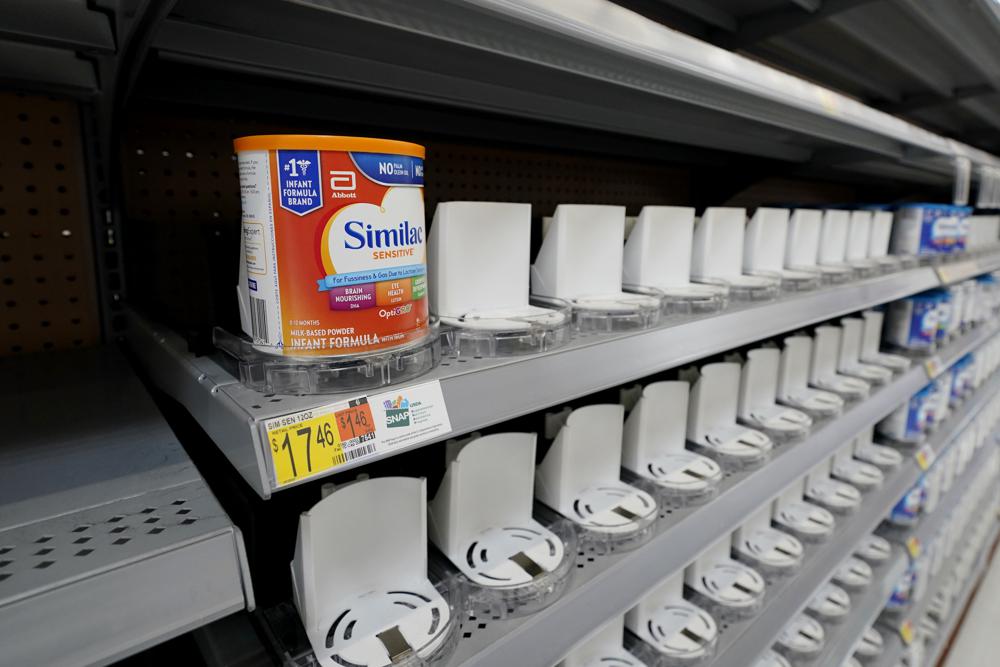
Baby formula maker Abbott said Monday it has reached an agreement with U.S. health regulators to restart production at its largest domestic factory, though it will be well over a month before any new products ship from the site to help alleviate the national shortage facing parents. Abbott did not immediately detail the terms of the agreement with the Food and Drug Administration, which has been investigating safety concerns at the Sturgis, Michigan, plant since early this year. The consent decree amounts to a legally binding agreement between the FDA and the company on the steps needed to reopen the factory. An FDA spokeswoman did not immediately respond to a request for comment on the announcement Monday evening. After production resumes, Abbott said it will take between six-to-eight weeks before new products begin arriving in stores. The company didn’t set a timeline to restart production. The FDA is expected to announce additional steps Monday to allow more foreign imports into the U.S. to address the supply problems. It comes as the administration of President Joe Biden faces intense pressure to do more to ease the shortage that has left many parents hunting for formula online or at food banks. Abbott’s plant came under scrutiny early this year after the FDA began investigating four bacterial infections among infants who consumed powdered formula from the plant. Two of the babies died. In February, the company halted production and recalled several brands of powdered formula, squeezing supplies that had already been tightened by supply chain disruptions and stockpiling during COVID-19. The shortage has led retailers like CVS and Walgreen’s to limit how many containers customers can purchase per visit. Outrage over the issue has quickly snowballed and handed Republicans a fresh talking point to use against Biden ahead of November’s midterm elections. Abbott is one of just four companies that produce roughly 90% of U.S. formula, and its brands account for nearly half that market. After a six-week inspection, FDA investigators published a list of problems in March, including lax safety and sanitary standards and a history of bacterial contamination in several parts of the plant. Chicago-based Abbott has emphasized that its products have not been directly linked to the bacterial infections in children. Samples of the bacteria found at its plant did not match the strains collected from the babies by federal investigators. The company has repeatedly stated it is ready to resume manufacturing, pending an FDA decision. Former FDA officials say fixing the type of problems uncovered at Abbott’s plant takes time, and infant formula facilities receive more scrutiny than other food facilities. Companies need to exhaustively clean the facility and equipment, retrain staff, and repeatedly test and document that there is no contamination. On Monday, FDA Commissioner Robert Califf told ABC News that an announcement was forthcoming about importing baby formula from abroad. The key issue is making sure the instructions for the formula are in languages that mothers and caregivers can understand, he noted. Pediatricians say baby formulas produced in Canada and Europe are roughly equivalent to those in the U.S. But traditionally, 98% of the infant formula supply in the U.S. is made domestically. Companies seeking to enter the U.S. face several major hurdles, including rigorous research and manufacturing standards imposed by the FDA. San Diego father Steven Davis has faced heart-wrenching challenges finding formula for his medical fragile daughter, who was on an Abbott formula but has had to switch with the recall and subsequent shortages in other brands. Zoie Davis was born 19 months ago with no kidneys, a rare, life-threatening condition that requires dialysis and a feeding tube until she weighs enough for a kidney transplant. She’s four pounds shy of that milestone, said Davis, a mortgage lender and his daughter’s caretaker. “Her life is dependent on her weight gain,” he said. Davis said he used an organic brand from overseas until costs and customs hurdles made that too difficult. Friends and strangers from out of state have sent him other brands, but each time she switches requires more blood tests and monitoring, Davis said. Despite her challenges, Zoie is walking, talking, and “doing pretty good” on other developmental milestones, Davis said. “She’s a shining light in my life,” he said. Republished with the permission of the Associated Press.
