
Rosa Parks statue for Alabama State Capitol grounds gets final approval
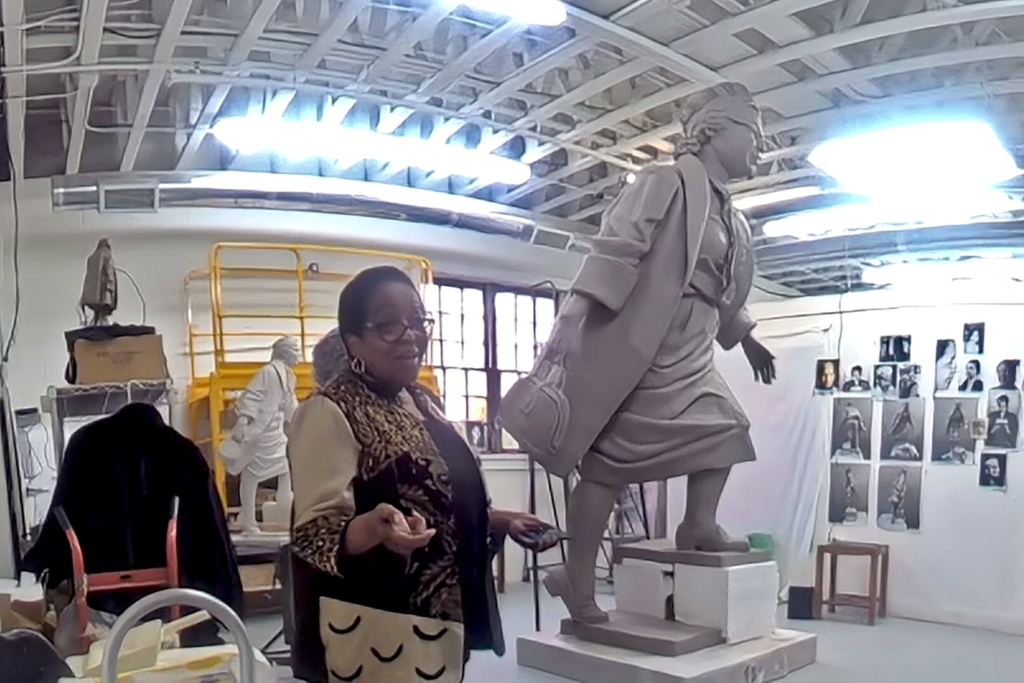
Alander Rocha, Alabama Reflector The Alabama Women’s Tribute Statue Commission Friday approved the final design for a statue of Rosa Parks statue that will sit near the entrance of the Alabama State Capitol. Several members of the commission traveled to sculptor Julia Knight’s studio in Decatur, Georgia to see the working model of the statue of the civil rights icon. Knight said that designing the statue has been a “labor of love.” “I am feeling a little tired, but I’m also feeling a little sad that now I’m going to let go of Rosa,” Knight said. Commission members, present both in Georgia and virtually, praised the 15-foot model of the statue. It shows Parks stepping up on a raised platform, looking forward with her coat blowing in the wind. She will face South Bainbridge St. at an angle towards the steps leading up to the Capitol, allowing visitors to see her as they walk up. Parks will be the first woman depicted on the Alabama State Capitol grounds. Tracy Morant Adams, a Birmingham banker and member of the commission, said the statue captures Parks’ determination. “When you look at [her braid], it is very detailed in the back, and then also the momentum, the movement of the coat of the cult shows progression. I think that you capture that quite well,” she said. Annie Butrus, a Birmingham-based painter and member of the commission who attended the meeting virtually, said that Knight accomplished “a nearly impossible feat of creating this incredibly powerful yet delicate” design. “I love the way you’ve modeled her feet; that really shows the strength and the determination, and the absolute assurance of where she was heading,” Butrus added. Adams agreed. “Just from looking here — it seems absolutely beautiful and you’re right, Annie, regarding her stance — her feet so firmly planted with so much power. I see power there. It’s beautiful,” Adams said. The commission is also tasked with erecting a Helen Keller statue on the Capitol grounds. The Keller statue will be to the left of the back entrance, facing the current statehouse. That building is expected to be demolished after a new statehouse is completed sometime in the next three years. It is expected to be replaced by green space. The statues are expected to cost about $611,000. The commission has raised about $700,000 for the statues. Remaining money will pay for any additional costs. The Parks statue was funded in part by a $300,000 grant from the Alabama Power Foundation. The grant cannot be used for the Keller statue but will likely be used for ongoing maintenance on the Parks’ statue. Funding for the Keller statue, expected to cost almost $300,000 ($245,000 for the sculptor and $50,000 for site preparation), was not clear earlier this year. In the spring, the Alabama Legislature approved HB 125, a supplemental appropriations bill sponsored by Rep. Rex Reynolds, R-Huntsville, and spearheaded by Hall that allocated $200,000 towards the Keller statue. The commission is also accepting donations for the statue. Parks, a longtime civil rights activist, was arrested on Dec. 1, 1955, for refusing to give up her seat to a white passenger. Parks’ arrest led to the Montgomery Bus Boycott, considered the start of the modern civil rights movement. Montgomery’s Court Square, where Parks caught the bus on Dec. 1, 1955, features a life-size statue of Parks. A statue of Parks also resides in the U.S. Capitol. The Alabama Women’s Tribute Statue Commission was formed in 2019 to plan and erect statues of Rosa Parks and Helen Keller on the grounds of the Alabama State Capitol. The commission consists of six members and is chaired by Rep. Laura Hall, D-Huntsville. The statue will be cast at a foundry, which could take six months to complete the statue. It could be unveiled by the middle of next year, though it is not known when it will be ready for installation. “She is going to just be this beacon of feminine strength. It’s just great,” said Butrus. Alabama Reflector is part of States Newsroom, a network of news bureaus supported by grants and a coalition of donors as a 501c(3) public charity. Alabama Reflector maintains editorial independence. Follow Alabama Reflector on Facebook and Twitter.
Alabama riverfront brawl videos spark a cultural moment about race, solidarity and justice
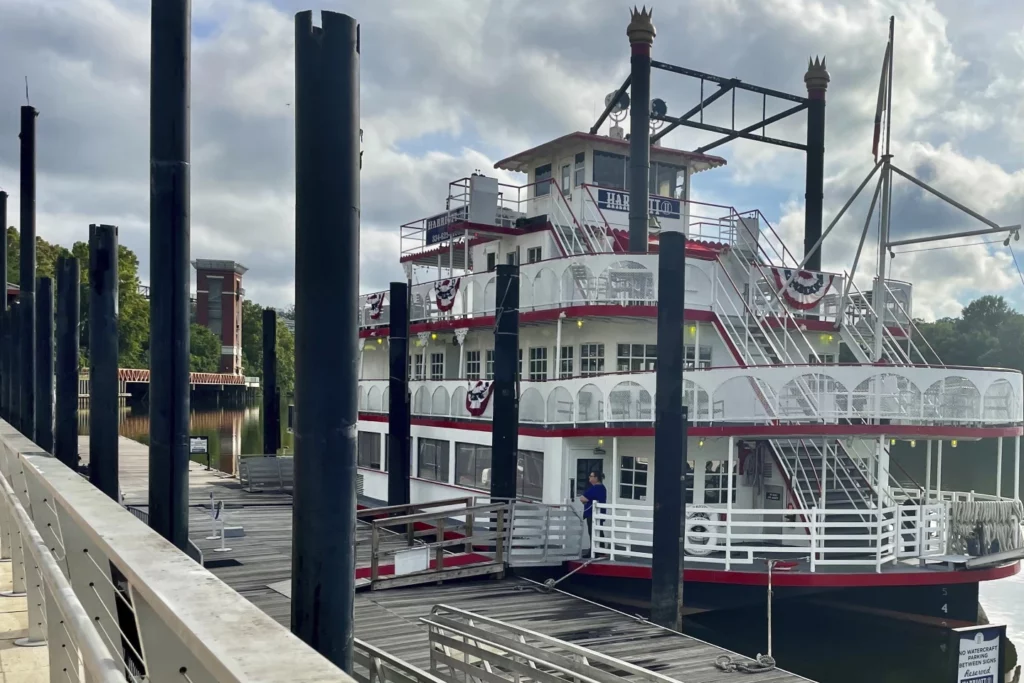
As bystanders trained their smartphone cameras on the riverfront dock while several white boaters pummeled a Black riverboat co-captain, they couldn’t have known the footage would elicit a national conversation about racial solidarity. Yet, a week after multiple videos showing the now-infamous brawl and valiant defense of the outnumbered co-captain were shared widely on social media, it’s clear the event truly tapped into the psyche of Black America and created a broader cultural moment. Andrea Boyles, a sociology professor at Tulane University, said a long history of anti-Black racism and attacks and current events likely magnified the attack’s impact and response. “Especially at a time like now where we see an increase in anti-Black racism through legislation and otherwise, whether we’re thinking about history, the banning of Black history and curriculum and all sorts of things across the state of Florida” and elsewhere, Boyles said. “So this is why it is on the forefront of people’s minds. And folks are very much tuned in, Black people in particular.” Many see the Aug. 5 ordeal on the riverfront dock in Montgomery, Alabama’s capital city steeped in civil rights history, as a long-awaited answer to countless calls for help that went unanswered for past Black victims of violence and mob attacks. “We witnessed a white mob doing this to him,” said Michelle Browder, an artist, and social justice entrepreneur in Montgomery, describing the attack by boaters on the Black riverboat co-captain. “I call it a mob because that is what it was; it was a mob mentality,” she added. “It then became a moment because you saw Black people coming together.” After being inundated with images and stories of lethal violence against Black people, including motorists in traffic stops, church parishioners, and grocery shoppers, the video from Montgomery struck a chord because it didn’t end in the worst of outcomes for Black Americans. “For Montgomery to have this moment, we needed to see a win. We needed to see our community coming together and we needed to see justice,” Browder said. Videos of the brawl showed the participants largely divided along racial lines. Several white men punched or shoved the Black riverboat co-captain after he took a separate vessel to shore and tried to move their pontoon boat. The white boaters’ private vessel was docked in a spot designated for the city-owned Harriott II riverboat, on which more than 200 passengers were waiting to disembark. The videos then showed mostly Black people rushing to the co-captain’s defense, including a Black teenage riverboat crew member who swam to the dock. The videos also showed the ensuing brawl that included a Black man hitting a white person with a folding chair. As of Friday, Alabama police had charged four white people with misdemeanor assault. The folding chair-wielding man turned himself in Friday and was charged with disorderly conduct. Jim Kittrell, the captain of Harriott II, told The Daily Beast that he thought race might have been a factor in the initial attack on his co-captain, but the resulting melee was not a “Black and white thing.” “This was our crew upset about these idiots,” Kittrell also told WACV radio station. He later explained that several members of his crew, seen confronting the pontoon boat party after the riverboat docked, “felt they had to retaliate, which was unfortunate.” “I wish we could have stopped it from happening, but, when you see something like that, it was difficult. It was difficult for me to sit there in the wheelhouse watching him being attacked,” Kittrell told the station. Kittrell told The Associated Press by phone that the city had asked him not to talk about the brawl. Major Saba Coleman of the Montgomery Police Department said on Tuesday that hate crime charges were ruled out after the department consulted with the local FBI. But several observers noted the presence of a hate motivation, or lack thereof, on the part of the pontoon boat party was not why the event resonated so strongly. “All these individuals having smartphones and cameras have democratized media and information. In the past, it was a very narrow scope on what news was being reported and from what perspectives,” NAACP President and CEO Derrick Johnson said. The technology, Johnson added, “opened up an opportunity for America as a whole to understand the impact of racism, the impact of violence, and the opportunity to create a narrative that’s more consistent with keeping African Americans and other communities safe.” The riverfront brawl spawned a multitude of memes, jokes, parodies, reenactments, and even T-shirts. “Lift every chair and swing,” read one shirt in a play on “ Lift Ev’ry Voice And Sing,” the late-19th century hymn sometimes referred to as the Black national anthem. Another meme likened the co-captain’s toss of his hat into the air to sending the “bat signal,” a reference to the D.C. Comics character Batman. One image of the scene captured from bystander video was altered to imitate Marvel Comics’ Avengers characters assembling through magic portals on the dock to defend the Black co-captain. Many observers on social media were quick to point out the significance of the city and location where the brawl took place. Montgomery was the first capital of the Confederacy, and the riverfront is an area where enslaved people were once unloaded to be sold at auction. The area is a few blocks from the spot where Rosa Parks was arrested for disobeying bus segregation laws. “Much of (the riverfront brawl reaction) is emblematic of the history of Montgomery,” said Timothy Welbeck, the director of the Center for Anti-Racism at Temple University in Philadelphia. “This is the home of the bus boycott; this is the home of intense, racialized segregation and various forms of resistance today,” he said. “Even if there wasn’t an explicit mention of race, many people saw a white man assaulting a Black man as a proxy for some of the racist behavior that they’ve seen before. It brought about a sense of solidarity and unified fate, too, in this
The 2023 Alabama Legislative Session has begun
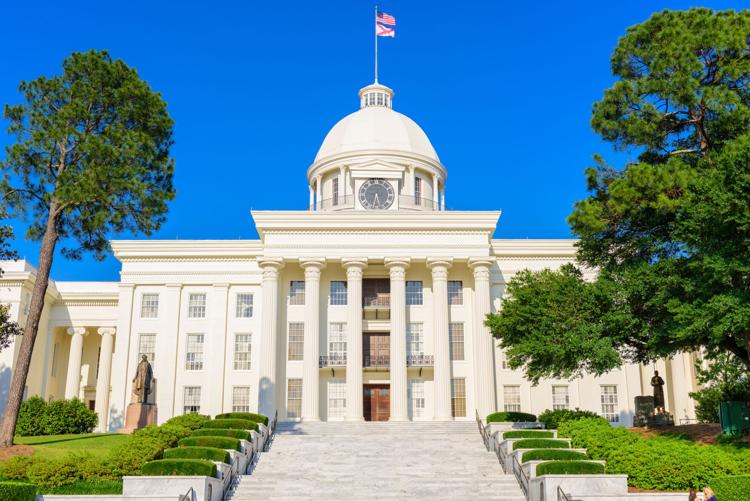
Tuesday, the Alabama State Legislature returned to Montgomery for the start of the 2024 Alabama Regular Legislative Session. The Alabama House of Representatives and the Alabama Senate gaveled in at noon for the first legislative day and then joined the governor that night for a joint session where she presented her state of the state address. Senate Pro Tem. Greg Reed told members of the Senate, “I appreciate you being willing to serve the people of Alabama.” “The sacrifices made by the family of those who serve is not insignificant,” Reed added, thanking the families of the 35 Senators for their sacrifices. The Senate opened the journal to introduce bills, selected a committee to inform the governor that the Senate was now in session, and passed a resolution in honor of March being Women’s History Month. The resolution “celebrates the contribution that Alabama women have made to American history.” The resolution honors a number of Alabama women, including Rosa Parks, Helen Keller, and Condoleezza Rice, for their contributions to the state as well as the governor. “Current governor Kay Ivey is the longest serving woman governor in history and the second after Lurleen Wallace.” State Sen. Rodger Smitherman said, “This resolution inspired me. That resolution is a cosmic picture of the state of Alabama. It does not matter whether you are Black or White. It was a cosmic picture of all the people of Alabama.” “That’s our state,” Smitherman said. “All of us, we represent the state. Look around this room. This is what our state looks like. I am looking forward to voting for this resolution with a smile on my face.” Senate Joint Resolution 4 passed unanimously. Senate Joint Resolution 5 honoring former U.S. Senator Richard Shelby for his decades of service to the state passed. State Sen. Gerald Allen sponsored this. A second resolution supporting the oil and gas exploration by Allen was held over and referred to the Rules Committee after State Sen. Bobby Singleton asked for more time to study it. Reed announced that the Senate needed to address statutory requirements at the start of the session. The Senate held a Legislative Council election and selected Sens. Clyde Chambliss, Steve Livingston, and Vivian Figures to represent the Senate on the Council. For the Committee on Public Accounts, the Senate elected Sens. Arthur Orr, Clay Scofield, and Jabo Waggoner. On the Sunset Committee, Sens. Garlan Gudger, Keith Kelley, and Figures were elected. Sens. Orr, Scofield, Waggoner, Figures, and Singleton were elected to the Senate Ethics and Conduct Committee. Ivey called a special session beginning on Wednesday for the Legislature to focus on appropriating over one billion dollars in American Rescue Plan Act funds that the federal government sent to the state of Alabama. “This evening, I am calling a Special Session of the Alabama Legislature to begin tomorrow so that we can urgently address these endeavors,” Ivey said. “We are, once again, tasked with allocating our taxpayers’ dollars that are part of the second round of the American Rescue Plan Act from Congress.” “This is not free money,” Ivey warned legislators. “And we must invest these one-time funds wisely. Last year, thanks to you, members of the Alabama Legislature, we put these dollars to work, meeting some of Alabama’s biggest challenges. I commit to the people of Alabama we will once again take a smart approach and put it towards major and needed endeavors like expanding broadband access, improving our water and sewer infrastructure, and investing in our health care – including telemedicine.” Tuesday was the first day of the 2023 Alabama Regular Legislative Session, but since Ivey has called a special session, the second legislative day of the regular session will not begin until Tuesday, March 21. The Alabama Constitution of 1901 limits the Legislature to just thirty legislative days in a regular session. Members worked on Tuesday, introducing their bills for the regular session. At the close of the day on Monday, 98 bills had been pre-filed ahead of the session. By the end of the day on Tuesday, that had grown to 174 bills. Reed explained to reporters that it takes a minimum of five legislative days for a bill to pass both Houses of the Legislature, so it will take the rest of this legislative week and next week for the ARPA appropriations bill to pass and go to Gov. Ivey for her signature. Once that is done, the special session can end, and the Legislature will be poised to remove the 2023 Alabama Regular Legislative Session. To connect with the author of this story or to comment, email brandonmreporter@gmail.com.
Terri Sewell honors Rosa Parks, urges passage of bill to honor her with federal holiday
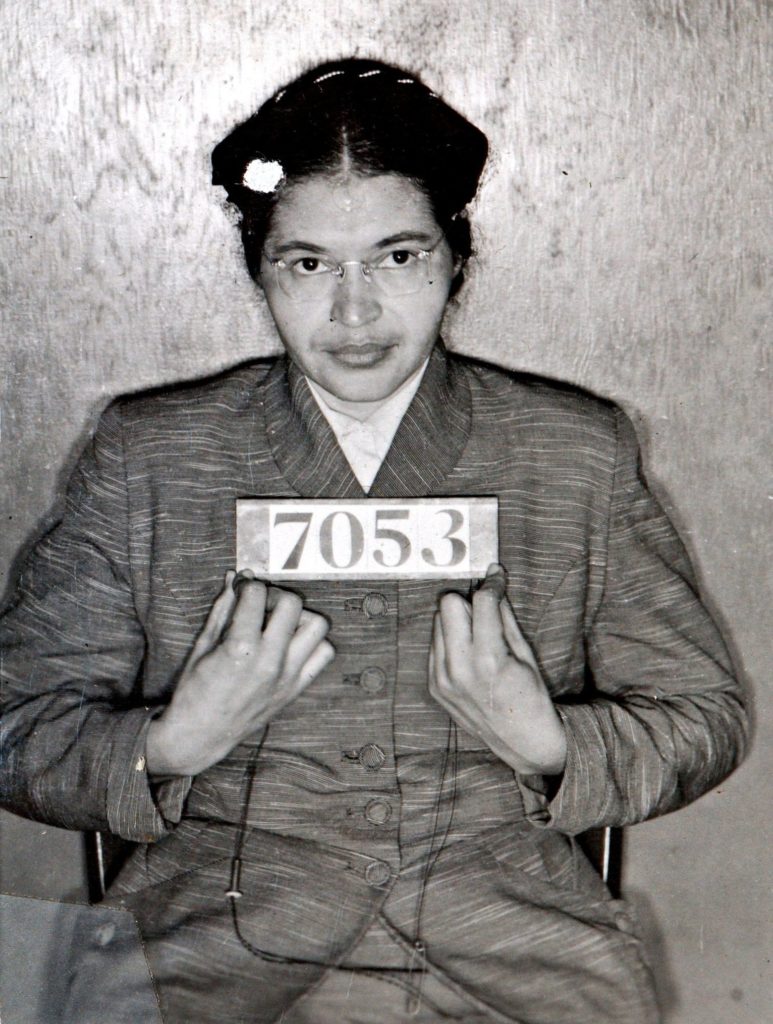
Today, Rep. Terri Sewell spoke on the Floor of the House of Representatives to commemorate the 67th anniversary of the arrest of Rosa Parks. Rosa Parks was arrested in Montgomery, Alabama when she refused to give up her seat on a city bus to a white man and was charged with violating Montgomery’s segregation law. Her arrest inspired the Montgomery Bus boycott – a significant turning point in the civil rights movement. She was awarded the Congressional Gold Medal, and Congress recognized Rosa Parks as the “first lady of civil rights.” On Twitter, Sewell wrote, “On this day in 1955, #RosaParks refused to give up her seat. Her dignified courage sparked the beginning of the Montgomery Bus Boycott and changed the very fabric of our nation. May we never forget the power of ordinary Americans to achieve extraordinary social change.” Rep. Sewell stated, “On this day, December 1st, in 1955, in Montgomery, Alabama, Rosa Parks refused to give up her seat, taking a bold stand against Montgomery’s segregated bus system. Her dignified courage sparked the beginning of the Montgomery bus boycott and changed the very fabric of our nation.” Sewell urged legislators to pass H.R. 5111, the Rosa Parks Day Act. “As the Representative of Alabama’s 7th Congressional District, I am proud to be an original co-sponsor of H.R. 5111, the Rosa Parks Day Act, which would designate today, December 1st, as a federal holiday in her honor. This bill would ensure that her brave sacrifice will live on in American history forever, and I urge my colleagues to sign on,” Sewell said. In 2021, Tennessee Rep. Jim Cooper, along with Reps. Sewell and Joyce Beatty introduced the Rosa Parks Day Act, a bill to honor Parks by designating a new federal holiday. California and Missouri recognize Rosa Parks Day on her birthday, February 4. Ohio and Oregon celebrate the day she was arrested, December 1.
Alabama’s capital removes Confederate names from 2 schools
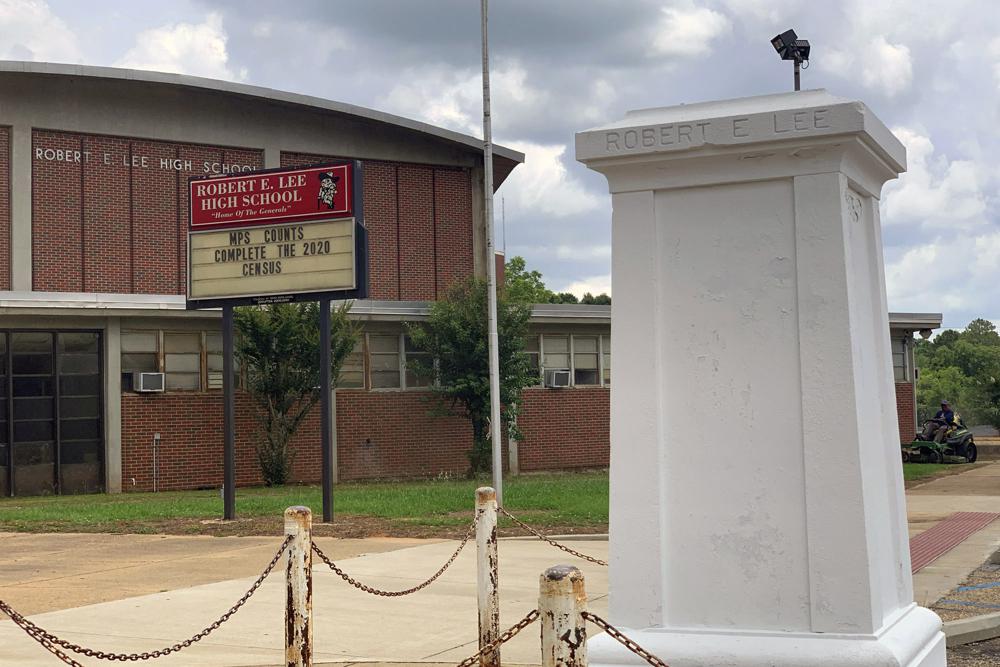
Two high schools in Alabama’s capital, a hub of the civil rights movement, will no longer bear the names of Confederate leaders. The Montgomery County Board of Education on Thursday voted for new names for Jefferson Davis High School and Robert E. Lee High School, news outlets reported. Lee will become Dr. Percy Julian High School. Davis will become JAG High School, representing three figures of the civil rights movement: Judge Frank Johnson, the Rev. Ralph Abernathy, and the Rev. Robert Graetz. The schools opened in the 1950s and 1960s as all or mostly white but now serve student populations that are more than 85% African American. “Our job is to make our spaces comfortable for our kids. Bottom line is we’re going to make decisions based on what our kids’ needs may be, not necessarily on sentiment around whatever nostalgia may exist,” Superintendent Melvin Brown said, as reported by WSFA-TV. Julian was a chemist and teacher who was born in Montgomery. Johnson was a federal judge whose rulings helped end segregation and enforce voting rights. Abernathy was a pastor and leader in the civil rights movement. Graetz was the only white pastor who openly supported the Montgomery bus boycott and became the target of scorn and bombings for doing so. The new school names were given two years after education officials vowed to strip the Confederate namesakes. A debate over the school names began amid protests over racial inequality following the police killing of George Floyd in Minnesota. Someone ripped down a statue of Lee outside his namesake school during the demonstrations. Like many other Confederate-named schools, Lee — named for the Confederate Army general — opened as an all-white school in 1955 as the South was actively fighting integration. Davis, named for the Confederate president, opened in 1968. But white flight after integration orders and shifting demographics meant the schools became heavily African American. The Montgomery City Council last year voted to rename Jeff Davis Avenue for attorney Fred D. Gray. Gray grew up on the street during the Jim Crow era and went on to represent clients, including Martin Luther King Jr. and Rosa Parks. After the street name change, the Alabama attorney general’s office told city officials to pay a $25,000 fine or face a lawsuit for violating a state law protecting Confederate monuments and other longstanding memorials. The city paid the fine in order to remove the Confederate reference. Republished with the permission of The Associated Press.
Black representation in Alabama tested before Supreme Court
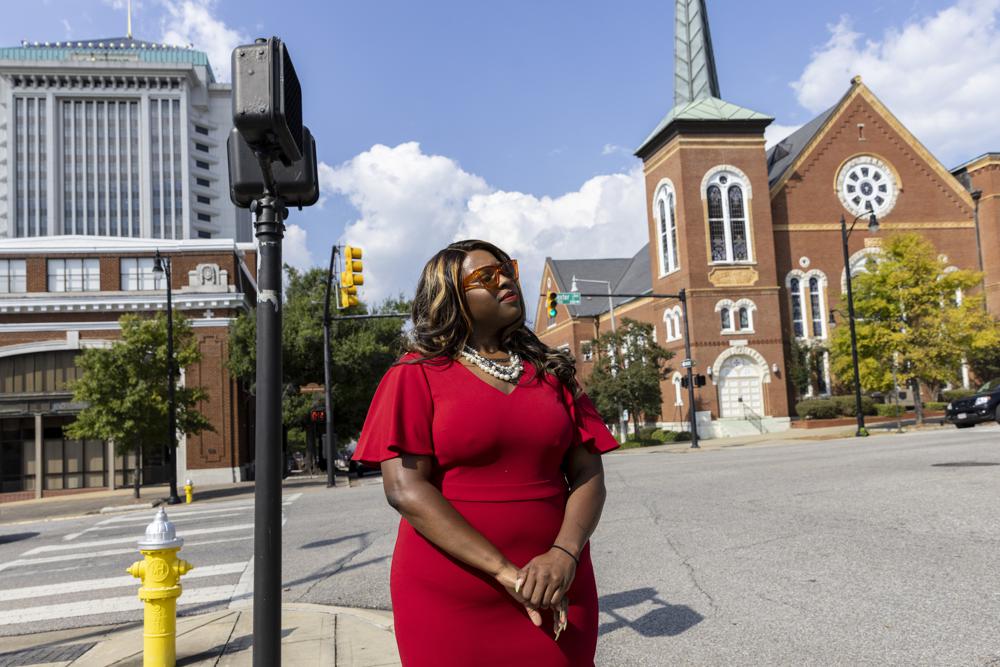
The invisible line dividing two of Alabama’s congressional districts slices through Montgomery, near iconic sites from the civil rights movement as well as ones more personal to Evan Milligan. There’s the house where his grandfather loaded people into his station wagon and drove them to their jobs during the Montgomery Bus Boycott as Black residents spurned city buses to protest segregation. It’s the same home where his mother lived as a child, just yards from a whites-only park and zoo she was not allowed to enter. The spot downtown where Rosa Parks was arrested, igniting the boycott, sits on one side of the dividing line, while the church pastored by the Rev. Martin Luther King Jr., who led the protests, sits on the other. The lines are at the center of a high-stakes redistricting case bearing Milligan’s name that will go before the U.S. Supreme Court on Tuesday, setting up a new test of the Voting Rights Act and the role of race in drawing congressional boundaries. At the center of the case is a challenge by various groups arguing that the state violated the federal Voting Rights Act by diluting the political power of Black voters when it failed to create a second district in which they make up a majority, or close to it. African Americans account for about 27% of the state’s population but are the majority in just one of the state’s seven congressional districts. “Our congressional map is not reflective of the population that lives in Alabama,” said Milligan, 41, one of several voters who joined interest groups in filing the lawsuit. The case the Supreme Court will take up Tuesday centers on whether congressional districts in Alabama were drawn to reduce the political influence of Black voters, but it’s also part of a much broader problem that undermines representative government in the U.S. Both major political parties have practiced gerrymandering — drawing congressional and state legislative boundaries to cement their hold on power — but Republicans have been in control of the process in far more states since after the 2010 elections. That has allowed them to win an outsized share of statehouse and U.S. House seats and means GOP policies — including on abortion restrictions — often don’t reflect the will of most voters. An Associated Press analysis from 2017 showed that Alabama had one of the most gerrymandered congressional maps in the country. Republicans dominate elected office in Alabama and are in charge of redistricting. They have been resistant to creating a second district with a Democratic-leaning Black majority that could send another Democrat to Congress. A three-judge panel that included two appointees of President Donald Trump ruled unanimously in January that the Alabama Legislature likely violated the Voting Rights Act with the map. “Black voters have less opportunity than other Alabamians to elect candidates of their choice to Congress,” the panel said. The judges ordered state lawmakers to draw new lines for this year’s election and create a second district where Black voters either made up a majority or near majority of the population. But on a 5-4 vote in February, the Supreme Court sided with Alabama to allow this year’s congressional elections to take place without adding a second predominantly Black district. Two justices suggested it was too close to spring primaries to make a change. The lawsuit claims the Alabama congressional map dilutes the voting strength of Black residents by packing a large number of them into a single district — the 7th, where 55% of voters are Black — while fragmenting other communities. That includes the state’s Black Belt region and the city of Montgomery. The current districts leave the vast majority of Black voters with no realistic chance to elect their preferred congressional candidates anywhere outside the 7th district, the lawsuit contends. “This is just about getting Black voters, finally, in Alabama, the opportunity to elect their candidates of choice. It’s not necessarily guaranteeing that they will have their candidate elected,” said Deuel Ross, senior counsel at the NAACP Legal Defense and Educational Fund, which is representing the plaintiffs. The groups contend that the state’s Black population is large enough and geographically compact enough to create a second district. Milligan, who is six generations removed from enslaved ancestors who lived in the Black Belt, ticked off the consequences for Black residents who are not able to have representation that aligns with their needs: addressing generational poverty, the lack of adequate internet service, Medicaid expansion and the desire for a broader array of health care services. “In choosing not to do that, you’re denying the people of the Black Belt the opportunity to elect an additional person that can really go to the mat on their interests,” said Ross, who is one of the attorneys who will argue the case in a challenge backed by the Biden administration. African Americans served in Alabama’s congressional delegation following the Civil War in the period known as Reconstruction. They did not return until 1993, a year after the courts ordered the state to reconfigure the 7th Congressional District into a majority-Black one, which has since been held by a succession of Black Democrats. That 1992 map remains the basis for the one in use today. “Under numerous court challenges, the courts have approved this basic plan. All we did is adjust it for population deviation,” said state Rep. Chris Pringle, a Republican and chairman of the legislative committee that drew the new lines. Alabama argued in court filings that the state’s Black population is too spread out to be able to create a second majority district without abandoning core redistricting principles such as keeping districts compact and keeping communities of interest together. Drawing such a district, the state argued, would require mapping acrobatics, such as connecting coastal areas in southwest Alabama to peanut farms in the east. In a statement to The Associated Press, Alabama Attorney General Steve Marshall said the map is “based on race-neutral redistricting principles that were approved by a bipartisan group of legislators.” He said it looks similar to
Alabama law awarding honorary degree to civil rights lawyer Fred Gray
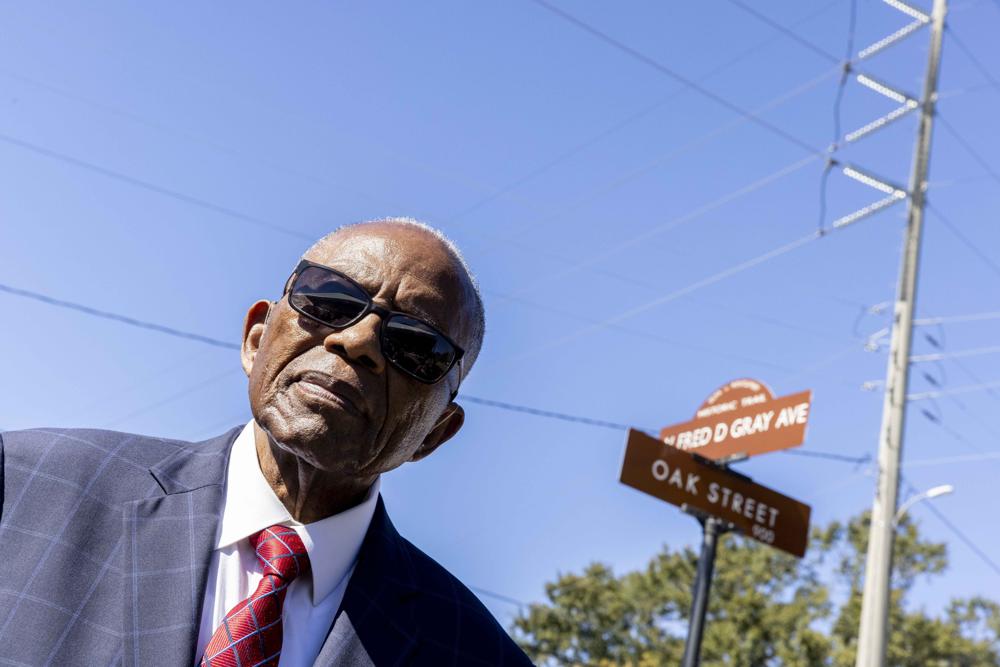
A civil rights lawyer who once fought to desegregate the University of Alabama is now receiving an honorary degree from the school. Attorney Fred Gray of Tuskegee will be awarded an honorary doctor of laws degree during the law school’s graduation ceremony on Sunday afternoon, the university said in a statement. The commencement marks the 50th anniversary since three students became the first Black people to graduate from the law school. Gray, 91, once helped represent Vivian Malone Jones and James Hood in their attempt to desegregate the university, where they enrolled as the first Black students in 1963 after then-Gov. George C. Wallace staged his “stand in the schoolhouse door” against integration. Gray also represented Rev. Martin Luther King Jr. and Black seamstress Rosa Parks, whose arrest for refusing to give up her seat on a bus to a white man prompted the Montgomery bus boycott. Later, he represented Black men who filed suit after the government let their illness go untreated in the infamous Tuskegee syphilis study. Currently, Gray is involved in a lawsuit seeking to remove a Confederate monument from a square at the center of mostly black Tuskegee. Republished with the permission of the Associated Press.
Joe Biden signs bill making lynching a federal hate crime

Presidents typically say a few words before they turn legislation into law. But Joe Biden flipped the script Tuesday when it came time to put his signature on the Emmett Till Anti-Lynching Act. He signed the bill at a desk in the White House Rose Garden. Then he spoke. “All right. It’s law,” said the president, who was surrounded by Vice President Kamala Harris, members of Congress, and top Justice Department officials. He was also joined by a descendant of Ida B. Wells, a Black journalist who reported on lynchings, and Rev. Wheeler Parker, a cousin of Till. Biden said it’s “a little unusual to do the bill signing, not say anything and then speak. But that’s how we set it up.” He thanked the audience of civil rights leaders, Congressional Black Caucus members, and other guests who kept pushing for the law for “never giving up, never ever giving up.” Congress first considered anti-lynching legislation more than 120 years ago. Until March of this year, it had failed to pass such legislation nearly 200 times, beginning with a bill introduced in 1900 by North Carolina Rep. George Henry White, the only Black member of Congress at the time. Harris was a prime sponsor of the bill when she was in the Senate. The Emmett Till Anti-Lynching Act is named for the Black teenager whose killing in Mississippi in the summer of 1955 became a galvanizing moment in the civil rights era. His grieving mother insisted on an open casket to show everyone how her son had been brutalized. “It’s a long time coming,” said Parker, who was onstage with Biden when the president signed the bill. Parker, two years older than Till, was with his cousin at their relatives’ home in Mississippi and witnessed Till’s kidnapping. In his remarks, Biden acknowledged the struggle to get a law on the books and spoke about how lynchings were used to terrorize and intimidate Blacks in the United States. More than 4,400 Blacks died by lynching between 1877 and 1950, mostly in the South, he said. “Lynching was pure terror, to enforce the lie that not everyone, not everyone belongs in America, not everyone is created equal,” he said. Biden, who has many Black men and women in key positions throughout his administration, stressed that forms of racial terror continue in the United States, demonstrating the need for an anti-lynching statute. “Racial hate isn’t an old problem — it’s a persistent problem,” Biden said. “Hate never goes away. It only hides.” The new law makes it possible to prosecute a crime as a lynching when a conspiracy to commit a hate crime leads to death or serious bodily injury, according to the bill’s champion, Rep. Bobby Rush, D-Ill. The law lays out a maximum sentence of 30 years in prison and fines. The House approved the bill 422-3 on March 7, with eight members not voting, after it cleared the Senate by unanimous consent. Rush had introduced a bill in January 2019, but it stalled in the Senate after the House passed by a vote of 410-4. The NAACP began lobbying for anti-lynching legislation in the 1920s. A federal hate crime law was passed and signed into law in the 1990s, decades after the civil rights movement. “Today we are gathered to do unfinished business,” Harris said, “to acknowledge the horror and this part of our history, to state unequivocally that lynching is and has always been a hate crime, and to make clear that the federal government may now prosecute these crimes as such.” “Lynching is not a relic of the past,” she added. “Racial acts of terror still occur in our nation, and when they do, we must all have the courage to name them and hold the perpetrators to account.” Till, 14, had traveled from his Chicago home to visit relatives in Mississippi in 1955 when it was alleged that he whistled at a white woman. He was kidnapped, beaten, and shot in the head. A large metal fan was tied to his neck with barbed wire, and his body was thrown into a river. His mother, Mamie Till, insisted on an open casket at the funeral to show the brutality he had suffered. Two white men, Roy Bryant and his half-brother J.W. Milam were accused but acquitted by an all-white-male jury. Bryant and Milam later told a reporter that they kidnapped and killed Till. During a video interview after the bill signing, Parker credited current events for helping the anti-lynching bill move through Congress and to Biden’s desk. Parker specifically mentioned the police killing of George Floyd by a Minneapolis police officer in May 2020, which sparked months of protests in the United States and other countries after videotape of the officer’s actions circulated. He drew a connection between Floyd and Till, saying, “That’s what caused Rosa Parks to not give her seat up, and that sparked the civil rights movement because she thought about Emmett Till.” Republished with the permission of the Associated Press.
Bill seeks higher fines for taking down Confederate statues
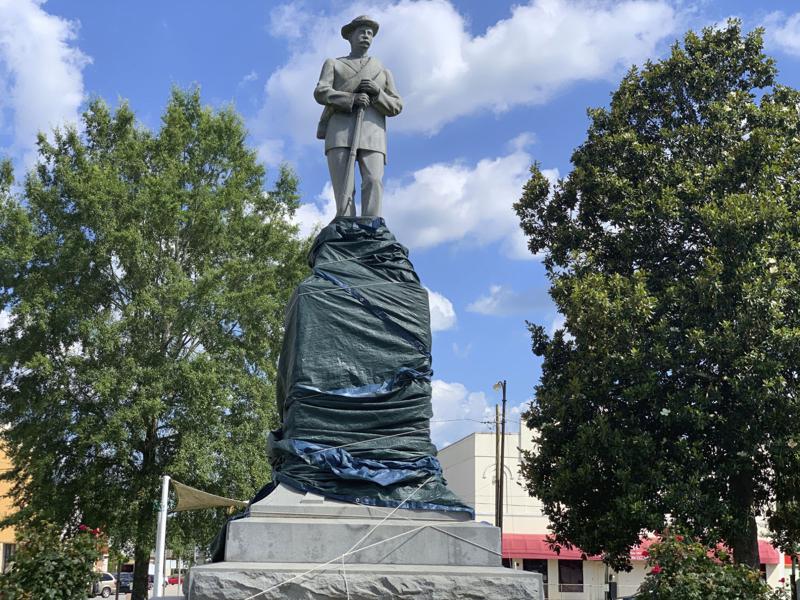
A legislative committee advanced a proposal Tuesday to increase the fines on cities that take down Confederate monuments in Alabama. The Senate Governmental Affairs Committee advanced a bill by Republican Sen. Gerald Allen of Tuscaloosa that would increase the fine for violating the Alabama Memorial Preservation Act, which prohibits the removal and renaming of monuments and memorials that have stood for at least 40 years. The bill would increase the fine from a $25,000 one-time fee to a $5,000 per day fine that would accumulate until the monument is replaced. Allen said he believed the heftier fine would serve as a deterrent. Some Alabama cities have opted to pay the current $25,000 fine as part of the cost of taking down a Confederate monument “The fine will stay there until the monument, statue, street sign — whatever it may be — is replaced,” Allen told the committee. Sen. Linda Coleman-Madison, a Democrat from Birmingham, said she believed the $5,000 daily fine was excessive, particularly for smaller cities. “You are going up and up and up and up, and now you are in the punitive stage,” Coleman-Madison said of the total fines a city could face. While the Alabama Memorial Preservation Act does not mention Confederate monuments, it was enacted as some Southern states and cities began removing monuments and emblems of the Confederacy. Birmingham and several other cities have been fined under the law for taking down Confederate monuments. Most recently, the Alabama attorney general’s office told Montgomery officials that the city faces a $25,000 fine for renaming Jeff Davis Avenue for Fred Gray, a famed civil rights attorney who represented Rosa Parks and the Rev. Martin Luther King Jr. The bill also calls for the Alabama Historical Commission to design, construct and place a statue of the late civil rights leader John Lewis by the Edmund Pettus Bridge in Selma. Lewis, a native of Alabama who became a long-serving Georgia congressman, was beaten by state troopers on the bridge in a melee known as Bloody Sunday. The committee also advanced a bill that would make it a felony offense, punishable by up to 20 years in prison, to damage a historic monument while “participating in a riot, aggravated riot, or unlawful assembly.” Both bills now move to the full Alabama Senate. Republished with the permission of the Associated Press.
Judge clears 1955 court record of civil rights pioneer, Claudette Colvin
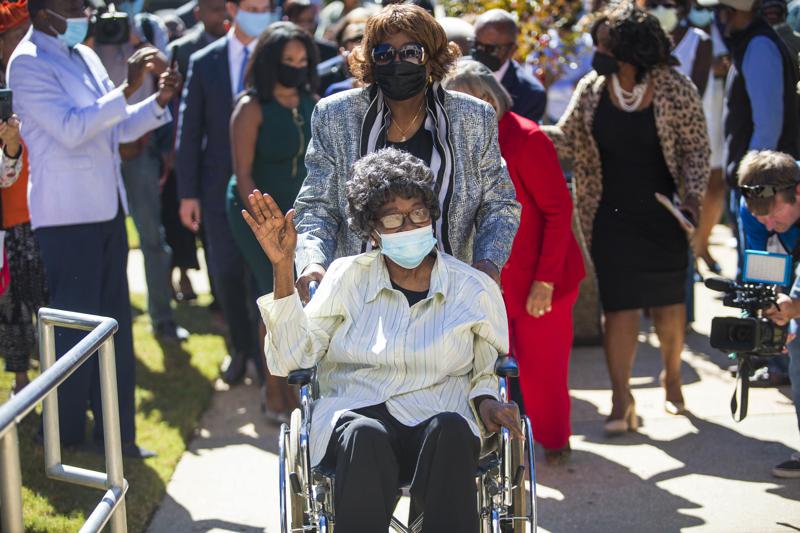
A judge has approved a request to wipe clean the court record of a Black woman who was arrested for refusing to move to the back of a segregated Alabama bus in 1955, months before Rosa Parks gained international fame for doing the same. A judge granted the request by Claudette Colvin, now 82, in a brief court order made public Thursday by a family representative. Parks, a 42-year-old seamstress and activist with the NAACP, gained worldwide notice after refusing to give up her bus seat to a white man on Dec. 1, 1955. Her treatment led to the yearlong Montgomery Bus Boycott, which propelled the Rev. Martin Luther King Jr. into the national limelight and often is considered the start of the modern civil rights movement. A 15-year-old high school student at the time, Colvin refused to shift seats on a segregated Montgomery bus even before Parks. A bus driver called police on March 2, 1955, to complain that two Black girls were sitting near two white girls in violation of segregation laws. One of the Black girls moved toward the rear when asked, a police report said, but Colvin refused and was arrested. The case was sent to juvenile court because of Colvin’s age, and records show a judge found her delinquent and placed her on probation “as a ward of the state pending good behavior.” Colvin never got official word that she had completed probation through the ensuing decades, and relatives said they assumed police would arrest her for any reason they could. At the time she asked a court in October to expunge her record, Colvin said she did not want to be considered a “juvenile delinquent” anymore. “I am an old woman now. Having my records expunged will mean something to my grandchildren and great-grandchildren. And it will mean something for other Black children,” Colvin said at the time in a sworn statement. Now that Juvenile Court Judge Calvin L. Williams has approved the request, Colvin said in a statement that she wants “us to move forward and be better.” “When I think about why I’m seeking to have my name cleared by the state, it is because I believe if that happened it would show the generation growing up now that progress is possible, and things do get better. It will inspire them to make the world better,” she said. Colvin never had any other arrests or legal scrapes, and she became a named plaintiff in the landmark lawsuit that outlawed racial segregation on Montgomery’s buses. Republished with the permission of the Associated Press.
New memorial to depict Rosa Parks at spot of 1955 arrest
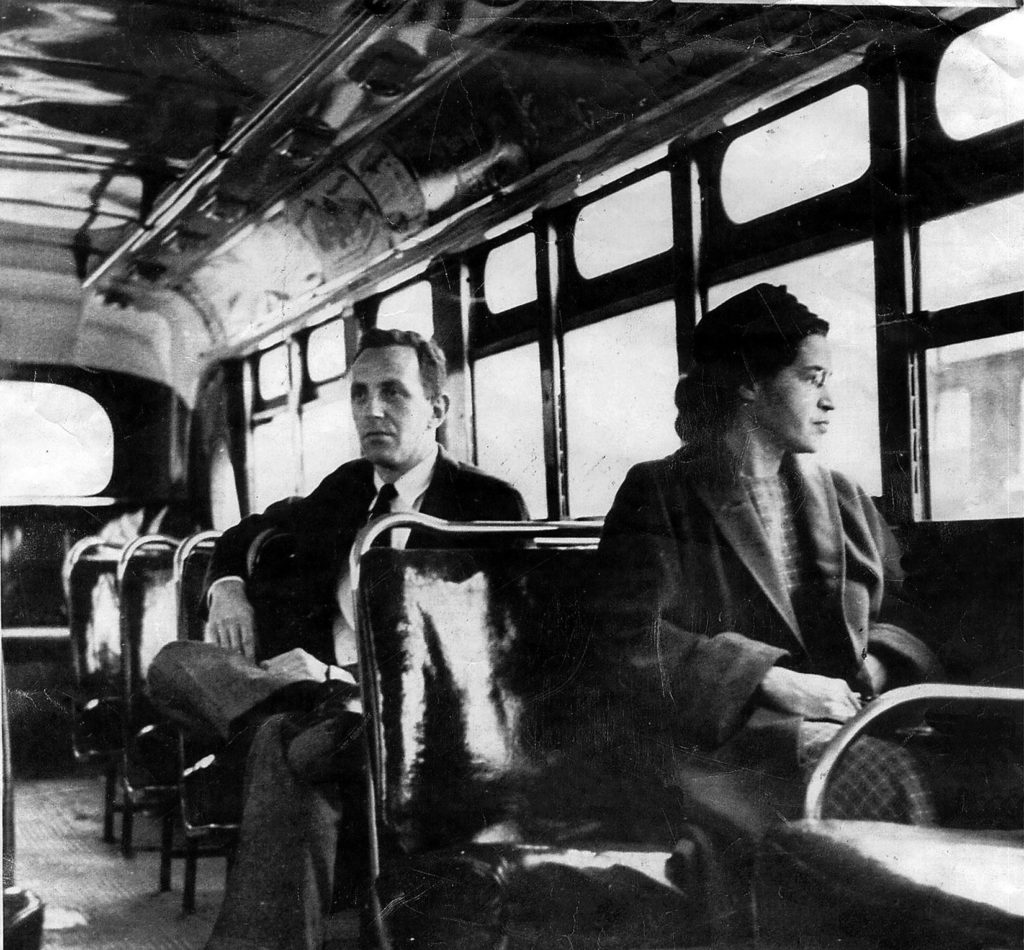
A new memorial to Rosa Parks will depict the one-time Alabama seamstress near the spot where she was arrested for refusing to give up her bus seat to a white man in 1955. The dedication of the monument will be held Wednesday on “Rosa Parks Day” to begin a week of activities in Alabama’s capital reflecting on Parks and her actions, which provided the impetus for the start of the modern civil rights era 66 years ago. Created by Montgomery artist Ian Mangum, the memorial is composed of a series of pieces of black steel that were formed to create an image of Parks. The installation is identical to one that Mangum created for Maxwell Air Force Base in Montgomery, the Montgomery Advertiser reported. Parks, an activist with the NAACP, gained worldwide fame after refusing to give up her bus seat to a white man on Dec. 1, 1955. Her arrest led to the yearlong Montgomery Bus Boycott, which propelled the Rev. Martin Luther King Jr. into the national limelight. A subsequent lawsuit led to a ruling that outlawed racial segregation on Montgomery’s buses. The memorial is located outside the Rosa Parks Museum, which is near the place in downtown Montgomery where Parks was arrested. Other events will be held in the city over the next week to honor Parks, who died in 2005, and recall the legacy of the bus boycott. Republished with the permission of the Associated Press.
Montgomery faces fine, lawsuit for dropping Confederate name
Alabama’s capital city last month removed the Confederate president’s name from an avenue and renamed it after a lawyer known for his work during the civil rights movement. Now the state attorney general says the city must pay a fine or face a lawsuit for violating a state law protecting Confederate monuments and other longstanding memorials. Montgomery last month changed the name of Jeff Davis Avenue to Fred D. Gray Avenue. Gray, who grew up on that same street, represented Rosa Parks and others in cases that fought Deep South segregation practices and was dubbed by Martin Luther King Jr. as “the chief counsel for the protest movement.” The Alabama attorney general’s office sent a Nov. 5 letter to Montgomery officials saying the city must pay a $25,000 fine by Dec. 8, “otherwise, the attorney general will file suit on behalf of the state.” Montgomery Mayor Steven Reed said changing the name was the right thing to do. “It was important that we show, not only our residents here, but people from afar that this is a new Montgomery,” Reed, the city’s first Black mayor said in a telephone interview. It was Reed’s suggestion to rename the street after Gray. “We want to honor those heroes that have fought to make this union as perfect as it can be. When I see a lot of the Confederate symbols that we have in the city, it sends a message that we are focused on the lost cause as opposed to those things that bring us together under the Stars and Stripes.” The Alabama Memorial Preservation Act forbids the removal or alteration of monuments and memorials — including a memorial street or memorial building — that have stood for more than 40 years. While the law does not specifically mention memorials to the Confederacy, lawmakers approved the measure in 2017 as some cities began taking down Confederate monuments. Violations carry a $25,000 fine. Mike Lewis, a spokesman for Alabama Attorney General Steve Marshall, declined to comment on the letter to the city. This is the first time the law is being used regarding a street name change, he said. The all-Republican Alabama Supreme Court in 2019 reversed a circuit judge’s ruling that declared the law an unconstitutional violation of the free speech rights of local communities. Reed said they knew this was a possibility when the city renamed the street. Donors from across the country have offered to pay the fine for the city. He said they are also considering taking the matter to court. “The other question we have to answer is: Should we pay the fine when we see it as an unjust law?” Reed said. “We’re certainly considering taking the matter to court because it takes away home rule for municipalities.” Alabama’s capital city is sometimes referred to as the “Cradle of the Confederacy” because it is where representatives of states met in 1861 to form the Confederacy, and the city served as the first Confederate capital. The city also played a key role in the civil rights movement — including the Montgomery Bus Boycott. The Montgomery County school system has voted to rename high schools named for Davis and Confederate General Robert E. Lee — although the names have not yet been changed. Several cities have just opted to take down Confederate monuments and pay the $25,000 fine. The state recently collected a $25,000 fine after suing officials in Huntsville, where the county removed a Confederate memorial outside the county courthouse last year. Marshall last year issued a video message chiding local officials that they are breaking the law with monument removals. Republished with the permission of the Associated Press.
