
Next steps for caravan will unfold mostly out of public view
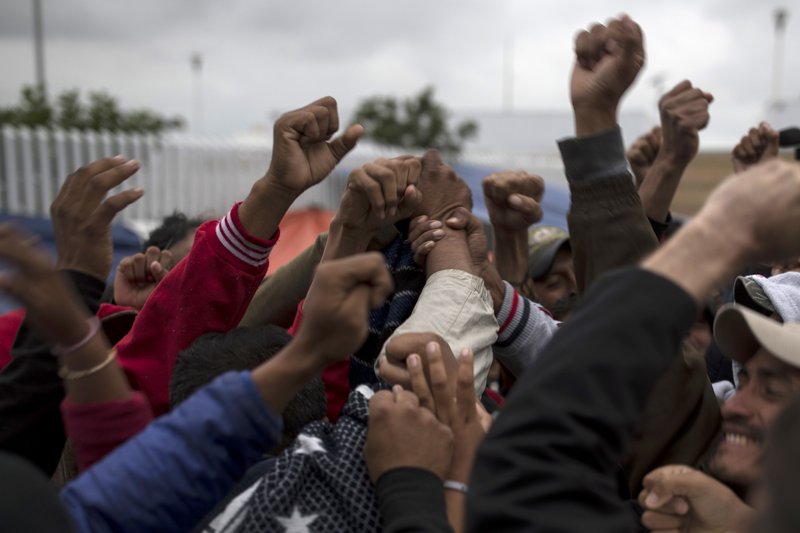
The caravan of Central Americans seeking asylum in the United States sought the world’s attention as scores of migrants traveled through Mexico on a journey to escape their violent homelands. Now that the group has arrived at the border, the next steps in their journey will unfold mostly out of public view. The caravan first drew attention in the U.S. when President Donald Trump promised that his administration would seek to turn the families away. The rest of the asylum-seeking process will happen slowly and secretively in immigration courts. Dan Kowalski, editor of Bender’s Immigration Bulletin, said the public will “probably see very little (of the caravan cases) unless the applicant is represented and the attorney makes an effort to bring the client into the limelight.” A total of 28 caravan members were accepted for processing Monday and Tuesday by U.S. border inspectors at San Diego’s San Ysidro crossing, an official with U.S. Customs and Border Protection said. The crossing, the nation’s busiest, processed about 50 asylum seekers a day from October through February, suggesting the wait will be short. Under U.S. asylum practices, people spend up to three days at the border inspection facility before being transferred to a long-term detention center. An asylum officer interviews them for an initial screening, usually within a week or so, to determine if their cases should advance to immigration court, which can take several years. The courts often conduct business behind closed doors. Files are not public, and, unlike criminal or civil courts, access for journalists and others is limited. The caravan’s numbers, while tiny compared to previous surges of Central Americans to South Texas and Haitians to San Diego, will be a test of Trump’s tough words. Administration officials have railed against what they call legal loopholes and “catch-and-release” policies that allow people seeking asylum to be freed while their cases are adjudicated, but any significant changes must be addressed by Congress or in the courts. Attorney General Jeff Sessions has pledged to send more immigration judges to the border if needed and threatened criminal prosecution. On Monday, the Justice Department said it filed illegal-entry charges against 11 people identified as caravan members. Homeland Security Secretary Kirstjen Nielsen said asylum claims will be resolved “efficiently and expeditiously.” She also warned that anyone making false claims could be prosecuted and said asylum seekers should seek protection in the first safe country they reach, including Mexico. U.S. attorneys who counseled asylum seekers in Tijuana warned that they could be separated from family and spend many months in detention, a shift from the Obama administration. Separating asylum-seeking families has become more common, as has detaining them while their cases wind through the courts, said Leon Rodriguez, director of U.S. Citizenship and Immigration Service from 2014 to 2017, which oversees asylum petitions. The U.S. Immigration and Customs Enforcement agency has limited beds in family detention centers and may also choose to release adults and their children while their cases wind through the system, often with orders that some of them wear ankle monitors. Children traveling alone are placed with family, other sponsors or in group homes overseen by the Health and Human Services Department. Nearly 80 percent of asylum-seekers passed the initial screening from October through December, but few are likely to win asylum, which requires the petitioner to show well-founded fear of persecution on grounds of race, religion, nationality, political beliefs or membership in a social group. The denial rate for El Salvadorans seeking asylum was 79 percent from 2012 to 2017, according to Syracuse University’s Transactional Records Action Clearinghouse. Hondurans were close behind with a 78 percent denial rate, followed Guatemalans at 75 percent. Republished with the permission of the Associated Press.
U.S. starts processing asylum seekers slammed by Donald Trump
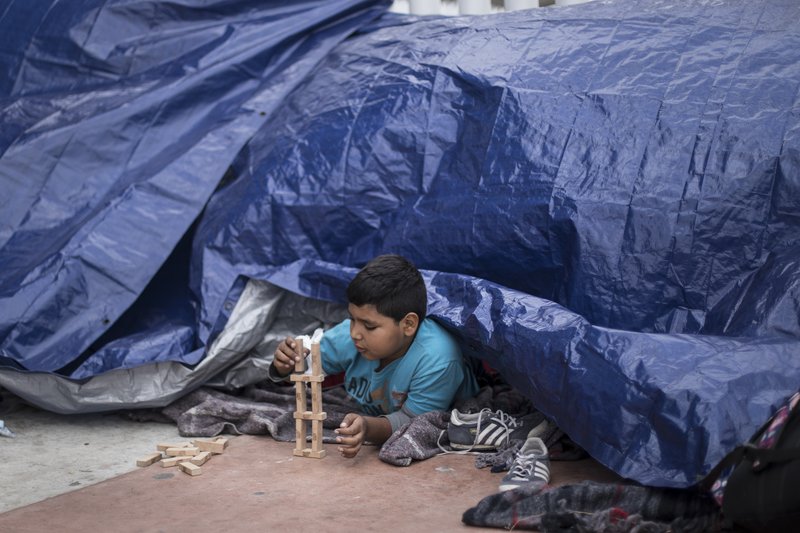
U.S. border inspectors allowed some of the Central American asylum-seekers to enter the country for processing, ending a brief impasse over lack of space. But the migrants who crossed Mexico in a caravan may face a long legal path. Caravan organizers said eight members of the group criticized by President Donald Trump that traveled from southern Mexico to the border city of Tijuana were allowed in to be interviewed by asylum officers, but U.S. Customs and Border Protection did not provide a number. About 140 others were still waiting in Mexico to turn themselves in at San Diego’s San Ysidro border crossing, the nation’s busiest, said Alex Mensing, project organizer for Pueblo Sin Fronteras, which is leading the caravan. “The spirits are high, there was good news for everybody,” Mensing said on the Mexican side of the crossing, moments after learning that some were allowed in. U.S. attorneys who volunteered advice in Tijuana last week warned the Central Americans that parents may be separated from their children and be detained for many months while their asylum cases are pending. Asylum-seekers are typically held up to three days at the border and turned over to U.S. Immigration and Customs Enforcement. If they pass initial screenings by asylum officers, they may be detained or released with ankle monitors while their cases wind through immigration court, which can take years. Nearly 80 percent of asylum-seekers passed the initial screening from October through December, but few are likely to win asylum. The denial rate for El Salvadorans seeking asylum was 79 percent from 2012 to 2017, according to asylum outcome information from Syracuse University’s Transactional Records Action Clearinghouse. Hondurans were close behind with a 78 percent denial rate, followed Guatemalans at 75 percent. Trump administration officials have railed against what they call “legal loopholes” and “catch-and-release” policies that allow people seeking asylum to be freed while their cases are adjudicated. The president tweeted Monday that the caravan “shows how weak & ineffective U.S. immigration laws are.” Attorney General Jeff Sessions has pledged to send more immigration judges to the border if needed and threatened criminal prosecution. On Monday, the Justice Department said it filed illegal entry charges against 11 people identified as caravan members. U.S. Customs and Border Protection said it processed hundreds of asylum-seekers in the previous week, many of them Mexican, which contributed to a bottleneck that led inspectors to turn away caravan members since they arrived late Sunday afternoon. Asylum-seekers did not appear to be thrown off the by the delay. Elin Orrellana, a 23-year-old pregnant woman from El Salvador, said she is fleeing the violent MS-13 street gang, a favorite target of both Sessions and Trump because of their brutal killings in communities in the United States. She said her older sister had been killed by the gang in El Salvador, so she is attempting to join other family members in the Kansas City area. “Fighting on is worth it,” she said. Customs and Border Protection has room for about 300 people at the San Diego border crossing. “As in the past when we’ve had to limit the number of people we can bring in for processing at a given time, we expect that this will be a temporary situation,” the agency said. During a surge of Haitian arrivals at the San Diego crossing in 2016, Customs and Border Protection required people to wait more than five weeks in Mexico. Since then, smaller upticks of Mexican asylum-seekers have caused delays of several hours. Republished with the permission of the Associated Press.
