
West Alabama leaders voice their support for continuing the construction of a controversial West Alabama Highway

More than a dozen elected officials throughout western Alabama – from Mobile to Fayette – came together in Thomasville on Tuesday to voice their strong support for continuing construction of the West Alabama Highway. Alabama Governor Kay Ivey supports a plan to four-lane a highway through rural Alabama all the way from Mobile to Florence. Some state leaders and the media are widely criticizing that plan because prioritizing the four-lane highway through West Alabama means that other projects will likely have to be delayed. The West Alabama four-lane highway has been discussed for decades. It would foster economic opportunities, particularly in counties without a four-lane highway or interstate access. It would add a new north-south route in the state, possibly taking some traffic off Interstate 65. The groundbreaking for the project was held on November 12, 2021, and attended by Gov. Ivey and area officials. Building the controversial West Alabama Highway will cost the state an estimated $760 million. The West Alabama Highway will add lanes to U.S. 43 and State Route 69 to complete a four-lane corridor of roughly 80 miles. Supporters at Tuesday’s event agreed the West Alabama Highway will open the region to economic development, jobs, safer commutes, and greater access to medical care and other necessities. Sheldon Day is the Mayor of Thomasville. “If we prepare ourselves today and do the right thing by working hard to make sure this happens, we will lift up the state of Alabama, this part of Alabama, higher than it’s ever seen before,” Mayor Day said. “The goals achieved and the things that can be achieved will be exponential.” Sandy Stimpson is the Mayor of Mobile. Stimpson said the West Alabama Highway is important to Mobile, especially as the Port of Mobile is expanding. Completing construction of the West Alabama Highway offers a new option — other than congested Interstate 65 — for goods being transported north from the port. With the port expansion, “You can just visualize the increased commerce that we will have, and already we have traffic congestion on 65,” Stimpson said. “And, yes, there needs to be things done to improve 65. But it may the quickest and the least expensive thing to do is to fix 43 so that we have two routes coming out of Mobile for one of the biggest economic engines that we have for the entire state to be able to go north to connect to Tuscaloosa, I-22, on to Florence.” Rod Northam is the Mayor of Fayette. Mayor Northam attended the event and discussed the benefits of the four-lane highway connecting Mobile to Tuscaloosa and heading north toward his city and Florence. Another recently announced project – the West Central Alabama Highway – will connect Fayette to Interstate 22. Mayor Northam noted that because there is no four-lane highway through the western part of the state, many residents in north Alabama opt to travel through Mississippi to reach Alabama’s beaches. “That’s tax dollars we’ve lost because they’re going to stop and get food, they’re going to stop and get gas, and they’re going to come down another state and not come down a corridor that connects, hopefully one day, the Shoals to Mobile,” said Mayor Northam. Walt Maddox is the Mayor of Tuscaloosa. Maddox called the West Alabama Highway “one of those win-win-wins. It’s good for Tuscaloosa, it’s good for the Black Belt, and it’s good for the entire state of Alabama.” “So much of our commerce comes up from this region of the state, and what we want to do is export – especially on the automotive side – that back into Mobile,” Mayor Maddox said. “Not only automotive but coal as well, which is important to this region.” Anyone who has traveled up and down Interstate 65 on a Friday afternoon during the summer knows that the interstate is in excess of its capacity and would benefit from widening. Former President Donald Trump even made an issue of the situation when he recently visited Montgomery, promising Republicans that a second Trump administration would prioritize making I-65 at least six lanes from the Tennessee state line to Mobile. Lieutenant Governor Will Ainsworth has prioritized the I-65 widening. Everyone agrees that adding lanes to I-65 is something that the state should do. Gov. Ivey recently announced that I-65 would be widened between Alabaster and Calera in Shelby County at a cost of over $100 million. Where Ainsworth has come into disagreement with Ivey is that building the West Alabama Highway will take ALDOT dollars that could be used on I-65, and borrowing the money to build Ivey’s West Alabama project would limit future road project funding for the state. If somehow Donald Trump avoids prison time, wins the GOP nomination, defeats incumbent President Joe Biden, and tries to honor his promise on I-65, the state will have maxed out its borrowing capacity building the West Alabama Highway and won’t be able to put up matching dollars for an I-65 widening project. A similar situation exists with the long-delayed Corridor X in Jefferson County. Any resources ALDOT spends there means that there are fewer resources available for widening I-65. To connect with the author of this story or to comment, email brandonmreporter@gmail.com.
Gov. Kay Ivey signs ‘The Game Plan’ legislation
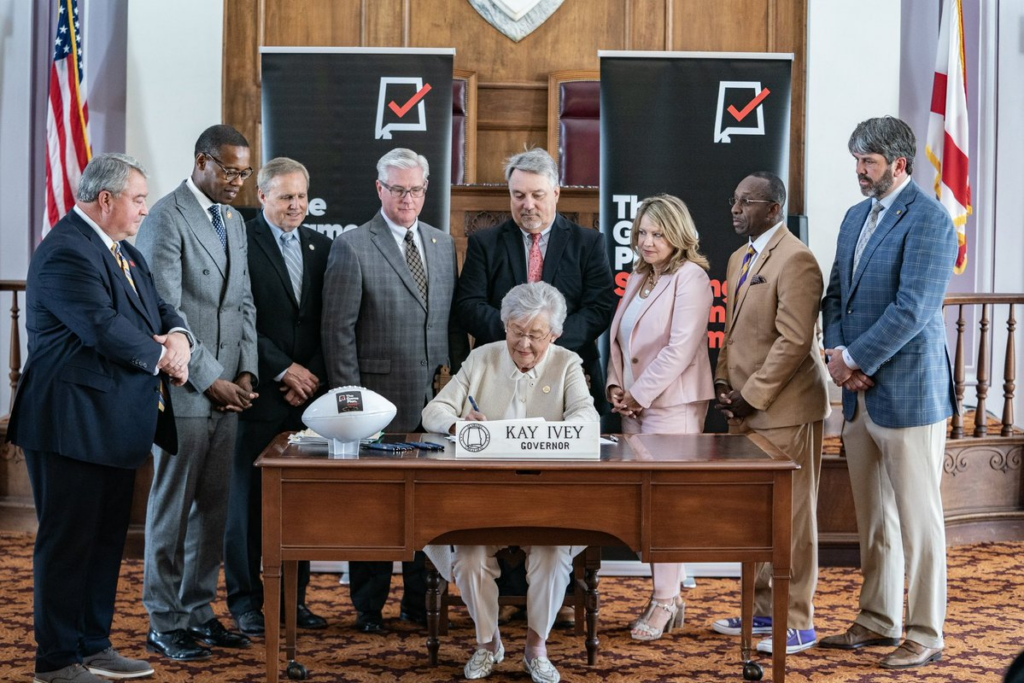
On Thursday, Alabama Gov. Kay Ivey signed a package of four bills to extend and expand the economic incentive tools available to state financial planners. The Alabama Legislature passed the package of bills on Thursday morning, promising that the four “Game Plan” bills are the “plays” Alabama needed to call to have a bright future. “I am proud the Alabama Legislature has officially passed all four bills in The Game Plan package – my plan for our state’s continued economic success,” Ivey said in a statement. “I commend both the Senate and House for their incredible work on this timely legislation that will, no doubt, be transformative for our state and, more importantly, for our families. We are creating stability for our economy and are going to keep Alabama winning for many years to come.” “The Game Plan will give Alabama’s team the tools it needs to extend our winning record in economic development and help us unleash a new wave of growth and innovation across the state,” said Gov. Ivey. “From our rural areas to our big cities, this is going to benefit every corner of Alabama.” Senate President Pro Temp Greg Reed said that passage of the package was a victory for the state and its future. “The Game Plan is a multi-pronged approach to strengthen Alabama’s economy from all angles,” said Reed. “The four ‘plays’ are effective pieces of legislation that will help Alabama’s local communities thrive by attracting high-quality employers, creating jobs, and stimulating economic growth.” Speaker of the House Nathaniel Ledbetter said that the package would benefit Alabamians by better positioning the state to compete for the best jobs in the country. “Industries across the nation and globe are trying to come here because of our great employees, our low taxes, and our unbeatable quality of life,” said Ledbetter. “We want to make sure that, from a competition standpoint, we have the tools needed to bring companies here and keep them here.” Greg Canfield is the Secretary of the Alabama Department of Commerce. “The Game Plan will serve as our next-generation strategic economic development framework as we work to build a more dynamic economy for Alabama and its citizens,” said Secretary Canfield. “Neighboring states are aggressively escalating their economic development activities, and this will allow us to keep winning the projects that trigger lasting impacts.” The Alabama Big 10 Mayors praised the passage of the economic development Incentives bills. Passing the economic incentives legislation was item number one on the Alabama Big 10 Mayors’ 2023 legislative agenda. “These incentives programs are critically important to our cities and the entire state of Alabama,” the Alabama Big 10 Mayors said in a joint statement. “For our cities to be successful, we need to have the tools to attract new industry, businesses, and high-quality jobs. These bills give Alabama the ability to not just remain competitive, but also increase our ability to attract the world-class businesses and developments that improve the quality of life across our state.” “We thank Governor Kay Ivey, legislative leadership and their members, the Department of Commerce, and the many stakeholders who worked tirelessly to make this happen. We were proud to support this package of bills, and we look forward to seeing the impact that these incentives programs will have on each of Alabama’s ten largest cities.” The Mayors representing Alabama’s ten biggest cities work together to address the state’s most important issues and make Alabama a safer, better place for all its residents to live. The Alabama Big 10 Mayors include Auburn Mayor Ron Anders, Birmingham Mayor Randall Woodfin, Decatur Mayor Tab Bowling, Dothan Mayor Mark Saliba, Hoover Mayor Frank Brocato, Huntsville Mayor Tommy Battle, Madison Mayor Paul Finley, Mobile Mayor Sandy Stimpson, Montgomery Mayor Steven Reed, and Tuscaloosa Mayor Walt Maddox. The Game Plan includes four bills — or “plays” — focusing on economic development issues such as incentives, site development, small business support, and transparency. Play 1: The Enhancing Alabama’s Economic Progress Act renews the Alabama Jobs Act and the Growing Alabama program and extends their sunset dates to 2028 while adding strategic enhancements to increase their effectiveness. The Jobs Act is the state’s primary incentives platform, while Growing Alabama primarily speeds development of shovel-ready sites. Play 2: The Site Evaluation and Economic Development Strategy Act (SEEDS) will allow the State Industrial Development Authority to accelerate the development of industry-ready sites at a time when available sites are scarce, and other states are expanding their site programs. Play 3: The Innovation and Small Business Act aims to supercharge growth in Alabama’s innovation economy and support underrepresented businesses and enterprises in rural areas, transforming the state into a hub for technology and innovation. Play 4: The Enhancing Transparency Act will amend the Jobs Act to require the Alabama Department of Commerce to publish certain incentivized project information on its website. Transparency around important information related to companies receiving incentives will serve a valid public service and increase confidence in the process. Critics of the idea of economic incentives to lure industry and projects argue that it is corporate welfare and picking winners and losers, but there were no critics in the Alabama Legislature as the plan sailed through both Houses. To connect with the author of this story or to comment, email brandonmreporter@gmail.com.
Big Ten mayors host annual breakfast
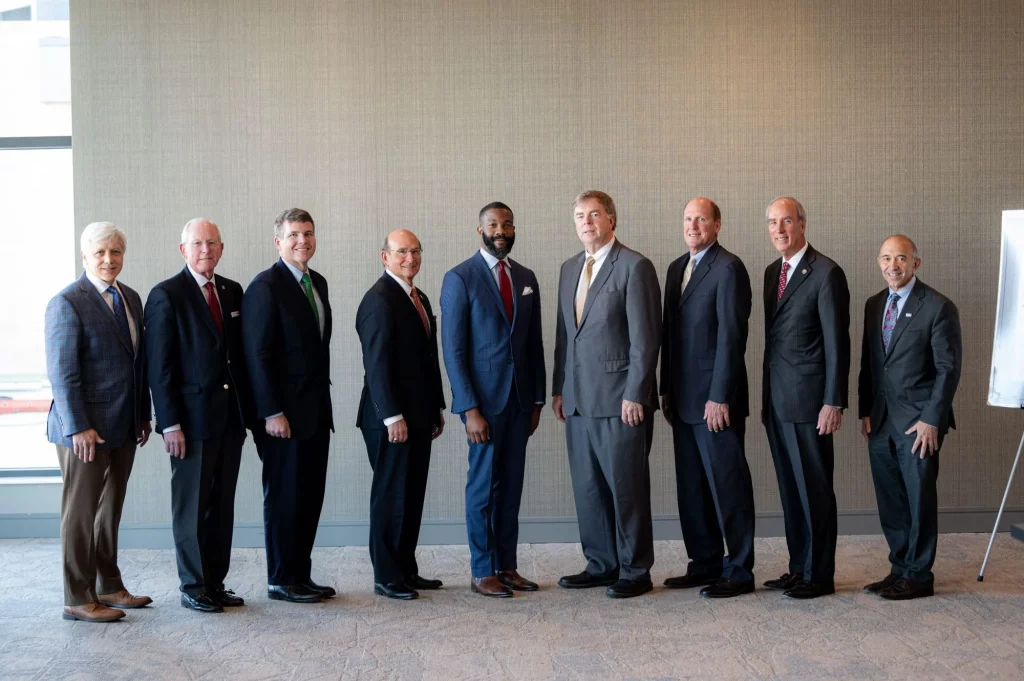
On Wednesday, the Alabama Big Ten Mayors hosted legislative leaders at a breakfast on the Sixth Floor of RSA Plaza. The mayors thanked the legislators for their service and asked them to support their 2023 legislative agenda. Montgomery Mayor Steven Reed said, “There are a lot of great things happening in this city and across Alabama.” “We had a record year in economic development in the city,” Reed said. “It could not have happened without great help from the state of Alabama and our elected representation.” Reed said that the new $90 million waterpark would be an “economic lynchpin” for the city. “Gen Z picks the place and then picks the job,” Reed said. “That is a little bit different from what I was used to. We found the job and then went to the city where it was.” Reed said the water park would feature whitewater rafting next to a walking trail on the Alabama River and Maxwell Air Force Base. “It will definitely be a destination,” Reed stated. Mobile Mayor Sandy Stimpson is the Chairman of the Big Ten Mayors. “This started in 2014 as the big 5,” Stimpson said. “We started meeting on a quarterly basis. We found out that we had the same problems.” “That morphed into the Big 10 Mayors in 2019,” Stimpson. “Rebuild Alabama was our first focus. Rebuild Alabama has been great for the state.” Stimpson said that the mayors next got involved in Anaiah’s Law. “There was a repeat offender who had already shot a couple of people,” Stimpson said. “We asked the judge: Don’t let him out. The judge said: I have to. If you don’t like it, change the constitution.” The Mayors then got behind Anaiah’s law, which was sponsored by State Rep. Chip Brown. That amendment to the Alabama Constitution passed the Legislature and was ratified by the voters in the 2020 election. Tuscaloosa Mayor Walt Maddox said that the Mayors are urging the Legislature to pass the Simplified Sellers Use Tax. “Small business is the heart of our cities,” Maddox said. “We know it is not easy, but these are the people borrowing the money and taking the risk to build our communities, and they are the heart of our downtowns.” Lieutenant Governor Will Ainsworth said, “The big ten mayors play a big role in our state. Thank you for your support of our incentives package.” Senate President Pro Tempore Greg Reed said, “We will be looking at a four bill incentives package,” “We have had great success in Alabama with incentives,” Reed said. “We have created tens of thousands of jobs.” Speaker of the House Nathaniel Ledbetter said, “Our state is growing at a pace that I have not seen in my lifetime.” Ledbetter credited the incentives package for contributing to this growth. “The incentives have led to $40 billion in investment in the state and created 60,000 jobs,” Ledbetter said. “Rebuild Alabama has changed Alabama’s economy. All over the state, you see (road construction) barrels wherever you go. It used to not be that way.” “Ports are hugely important,” Ledbetter said. “We are expanding our port and building a new one in Montgomery.” Stimpson said, “75% of the people in Alabama live in the state’s metropolitan areas, and most of the economic growth occurs in the metropolitan areas.” The Alabama Big 10 Mayors include Auburn Mayor Ron Anders, Birmingham Mayor Randall Woodfin, Decatur Mayor Tab Bowling, Dothan Mayor Mark Saliba, Hoover Mayor Frank Brocato, Huntsville Mayor Tommy Battle, Madison Mayor Paul Finley, Mobile Mayor Sandy Stimpson, Montgomery Mayor Steven Reed, and Tuscaloosa Mayor Walt Maddox. Wednesday will be day 8 of the 2023 Alabama Regular Legislative Session. The Alabama Constitution limits the regular session to no more than thirty legislative days during a regular session. To connect with the author of this story or to comment, email brandonmreporter@gmail.com.
Eyeing their share, Alabama cities seek more online tax data
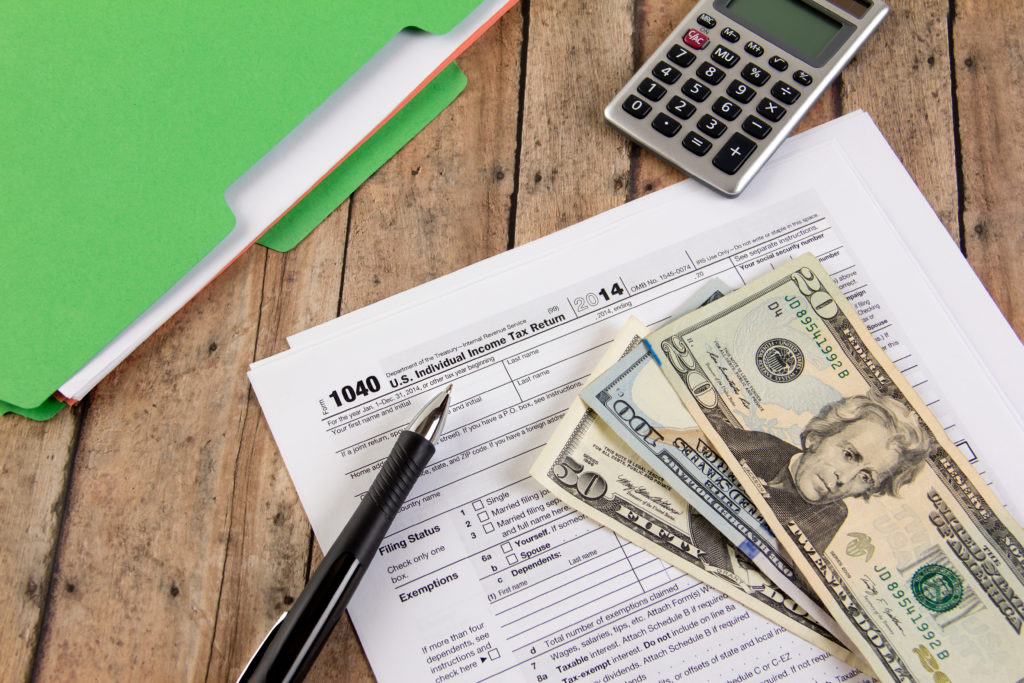
Mayors of Alabama’s largest cities want to open up the hood on the state’s online sales tax program, amid worries that cities that impose high sales tax rates may be losing out on revenue. AL.com reports mayors of the state’s 10 largest cities want state lawmakers this year to mandate more data be provided about online sales taxes. While the combined city, county, and state sales tax rate in most Alabama cities is higher than 9%, the state’s Simplified Sellers Use Tax collects only 8%. Whether traditional sales tax or online tax is collected, the state gets a 4% cut. Cities get 60% of the other half of the 8% online rate, while counties get 40%, with individual amounts determined by population. That’s a good deal for counties because Alabama cities often reap a larger share of local sales tax revenue. Cities and counties fought over how the money was divided in 2018 and 2019. The program generated $634 million in the budget year ended September 30, up 65% over two years. Mayors aren’t yet proposing a re-division. Instead, they say they want figures on where purchases are coming from, so they can compare that to their current shares of online sales tax. “With transparency, we can ensure that our schools, police departments, and road networks are receiving the investments they have earned,” Tuscaloosa Mayor Walt Maddox said. No bill to require more data has yet been filed. Sonny Brasfield, executive director of the Association of County Commissions of Alabama, said he believes mayors want a larger share of the pie. He said that to meet mayors’ demands, the state would have to repeal confidentiality laws that bar disclosure of how much any one taxpayer pays. “No city in Alabama can disclose the amount of sales tax paid by an individual business inside its jurisdiction,” Brasfield said. “That information is private and essential to a business’ success.” The mayors say they need to know the total online sales tax activity originating in their cities, not how much any one business pays. They also argue that the 8% rate is unfair to businesses that must charge higher rates for purchases made at their stores. “We think that cities, counties, school systems, and Alabama taxpayers ought to be able to get a clear picture of our how online sales tax system works in order to have certainty and plan for the future and know that our local small businesses are being treated fairly,” said Mobile Mayor Sandy Stimpson. Frank Miles, a spokesman for the Alabama Department of Revenue, said state law currently precludes the type of disclosures the mayors might be seeking, because Alabama only collects statewide online sales figures and is barred from collecting local-level data. Republished with the permission of The Associated Press.
Alabama Big 10 Mayors announce their 2023 Legislative agenda
On Friday, the Alabama Big 10 Mayors released their legislative agenda for the 2023 Alabama Regular Legislative session. “Policy decisions made in Montgomery have a direct impact on our cities,” the ten mayors said in a joint statement. “And with nearly three out of four Alabamians living either in or around our state’s ten biggest cities, legislation that creates jobs and improves public safety in our communities benefits the vast majority of Alabamians. That’s why we have joined together to collectively advocate for important, common-sense legislation that will make our state a better place to live, work and raise a family. We look forward to working with our state’s dedicated elected lawmakers to make Alabama a safer, more prosperous state.” The Alabama Big 10 Mayors include Auburn Mayor Ron Anders, Birmingham Mayor Randall Woodfin, Decatur Mayor Tab Bowling, Dothan Mayor Mark Saliba, Hoover Mayor Frank Brocato, Huntsville Mayor Tommy Battle, Madison Mayor Paul Finley, Mobile Mayor Sandy Stimpson, Montgomery Mayor Steven Reed, and Tuscaloosa Mayor Walt Maddox. While 75% of the state’s population lives in the state’s largest metropolitan areas, just 25.1% of Alabamians actually live in the city limits of the ten largest Alabama cities. They range in size from Huntsville at 215,006 down to 56.933 for Madison in the 2020 Census. The mayors listed their key legislative priorities for the Alabama Big 10 Mayors for the 2023 legislative session. These policies, if enacted, will make Alabama a safer, more prosperous state. The Alabama Big 10 Mayors support the reauthorization and accompanying expansion of the Alabama Jobs Act and the Growing Alabama Act. The Mayors claim that the incentive programs established by these bills are critical to keeping Alabama’s economy globally competitive as we work to attract new businesses and new jobs to our communities. The Alabama Big 10 Mayors support efforts to make online sales tax distribution data from the State available publicly. If Alabamians are required to pay taxes on items purchased online, they deserve the right to know where their tax dollars are going. The Alabama Big 10 Mayors support legislation that would make it easier for local governments and land bank authorities to seize vacant, abandoned, and tax-delinquent private properties from landowners and address them in a way that would allow those previously unusable properties to contribute to and improve communities in Alabama cities. The Alabama Big 10 Mayors supports legislation enabling more expedient prosecution of unlicensed persons found to have any “trigger activator“ device, such as a “Glock switch.” These devices are federally illegal and not authorized by gun manufacturers. They effectively turn a semi-automatic firearm into a fully automatic firearm. These devices increase the number of rounds that a handgun can fire per second and decreases the amount of control that the shooter has over the firearm, increasing risks to bystanders and law enforcement. A state law would allow offenders to be prosecuted for having the unapproved device in the state and federal courts. The Alabama Big 10 Mayors support legislation that prohibits and provides criminal penalties for “exhibition driving“ – when a driver purposefully drives intentionally to create unnecessary engine noise, tire skid, burnouts, and other dangerous and dangerous and damaging driving techniques. This is a growing problem across Alabama cities that creates a public safety hazard for pedestrians and other drivers while draining limited law enforcement resources. To connect with the author of this story or to comment, email brandonmreporter@gmail.com.
Sandy Stimpson: In support for the LMXT project between Lockheed Martin and Airbus
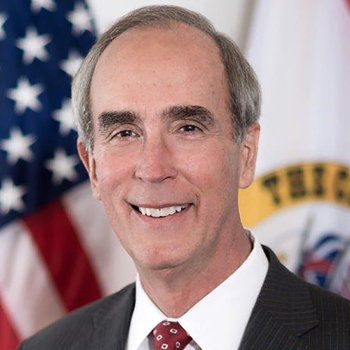
Currently, the U.S. Air Force is wrestling with the decision to press ahead with the planned competition to acquire its next refueling tanker or continue procuring the KC-46, a refueling tanker that has left our men and women in uniform desperately wanting a more reliable and capable aircraft. The Secretary of the Air Force seems unaware of the shortfalls of the KC-46, as he recently said, “It doesn’t look necessary or cost-effective as it once did to introduce another aircraft.” However, as the lead administrator of thousands of city employees, I disagree with the Secretary. I know firsthand how important it is to get resources that work to those executing the mission. The KC-46 tanker does not work. Our service men and women deserve an Air Force tanker that does. The LMXT is an Air Force-unique platform built in partnership with Lockheed Martin and Airbus. The companies announced their collaboration in January, selecting Alabama and Georgia as the homes for the program. I was honored to join Governor Kay Ivey, along with Senators Richard Shelby and Tommy Tuberville, at the announcement, which included the proposed construction of a new $400 million facility located at the Mobile Aeroplex at Brookley. This facility would create more than 300 direct jobs, but the investment in our economy hinges on the Air Force moving forward with a fair and open competition for the tanker. The Air Force’s Request for Proposal (RFP) for the competition is expected in 2023, with the projection that the Air Force will award the contract in 2024. They must follow through on their proposed competition. Lockheed Martin will be the prime contractor and base its LMXT offering on the Airbus A330 Multi-Role Tanker Transport (MRTT), which is currently in service with 13 U.S. allies around the world. The MRTT is proven and capable, as it has been refueling U.S. Air Force, Navy, and Marine Corps aircraft in combat since 2015. The baseline A330 aircraft will be built in Mobile and converted to the LMXT military tanker in Marietta, Georgia. Further, the LMXT would have the greatest flight range of any tanker in the world, carry more fuel than any other tanker, and be equipped with the ability to automate aerial refueling – giving the U.S. Air Force back its edge in the sky. This state-of-the-art aircraft is the right plane for the warfighter, and we are thrilled it would be built in Mobile. When I first took office in 2013, I pledged that Mobile was open for business. We have the tools to help high-tech manufacturing succeed. Our world-class workforce produces products that strengthen national security and maintain military readiness. The LMXT is yet another opportunity to showcase the capabilities of hardworking Mobilians. It would be an aircraft built in America, by Americans, for Americans. It is exciting to know that Mobile would play a key role in building this aircraft, which would support both military and humanitarian missions around the globe. An Alabama-built tanker that delivers on its promised performance would benefit our nation’s military and our alliances while creating good-paying jobs right here at home. Our congressional delegation has been on the front lines fighting for Alabama, and I know they share my belief that the Air Force should pick the best aircraft for its missions. The way to ensure that the Air Force is equipped with the best aerial tanker is through fair and open competition. Sandy Stimpson serves as the Mayor of Mobile, Alabama.
Kay Ivey to attend the groundbreaking of Mobile International Airport

Governor Kay Ivey announced on Thursday that she will be participating in Friday’s groundbreaking of the Mobile International Airport(BFM). Mobile plans to open the new airport in 2025. The new facility will cost an estimated $330 million and will be approximately 143,000 square feet, with five gates, eventually expanding to host 12. The governor will be joined by U.S. Senator Richard Shelby, Mobile Airport Authority President Chris Curry, Mobile Mayor Sandy Stimpson, and Mobile Airport Authority Chairman Elliot Maisel. The Mobile International Airport will be located on Mobile Bay within the Mobile Aeroplex at Brookley. Mobile International Airport (BFM) is the Gulf Coast’s newest airport terminal and is conveniently located off I-10. The airport is designed to serve as a gateway to the global market and the thriving economy across the entire Mobile Region. The airport will have facilities to accommodate tourists, persons flying in or out for business, as well as the transportation of cargo. Economic developer Dr. Nicole Jones told Alabama Today, “This is a monumental achievement for transportation in south Alabama. The additional terminal and gates will make Mobile, AL, more competitive with other regional airports such as Gulfport, MS, and Pensacola, FL. Commercial airlines will have increased opportunities for growth in a facility closer to downtown Mobile, major industrial sites, the Port, and interstates. Ultimately the project will help us keep business here at home, which is exciting for the entire state of Alabama.” “A feasibility study conducted in 2018 determined that it was both feasible and critical for the Mobile Airport Authority to move commercial air passenger service from the Mobile Regional Airport in west Mobile to the Mobile Downtown Airport in order to re-capture passenger traffic,” Airport Authority President Curry said. The reasoning in that study remains sound.” The airport is conveniently located just minutes from Downtown Mobile, immediately off Interstate 10. A full-service FBO (Fixed Base Operation) will operate 24 hours a day, seven days a week, offering on-site aircraft maintenance and repair. Brookley is also home to Airbus’s passenger jet assembly facility. The Aeroplex at Brookley is a former military base. “The Mobile Airport Authority, its Board of Directors and Staff, along with the Federal Aviation Administration and consulting experts Leigh Fisher, are developing a Master Plan which will support the aerospace and related industries at the Brookley Aeroplex, while also designing options, alternatives, and a process for a complete relocation of commercial air passenger service from Mobile Regional Airport to the Mobile Downtown Airport,” Curry explained. “The Master Plan will direct our efforts to more effectively serve the regional market, creating competitive service that delivers more options and cost savings for our customers. Improving service is critical to improving our opportunities for economic development, jobs, and quality of life into the future.” A recent study suggested that moving the existing passenger air traffic from the Mobile Regional Airport to the new international airport being built at Brookley could take as much as five years and cost as much as $400 million. To connect with the author of this story, or to comment, email brandonmreporter@gmail.com.
Steve Flowers: Alabama’s big 10 mayors are influential
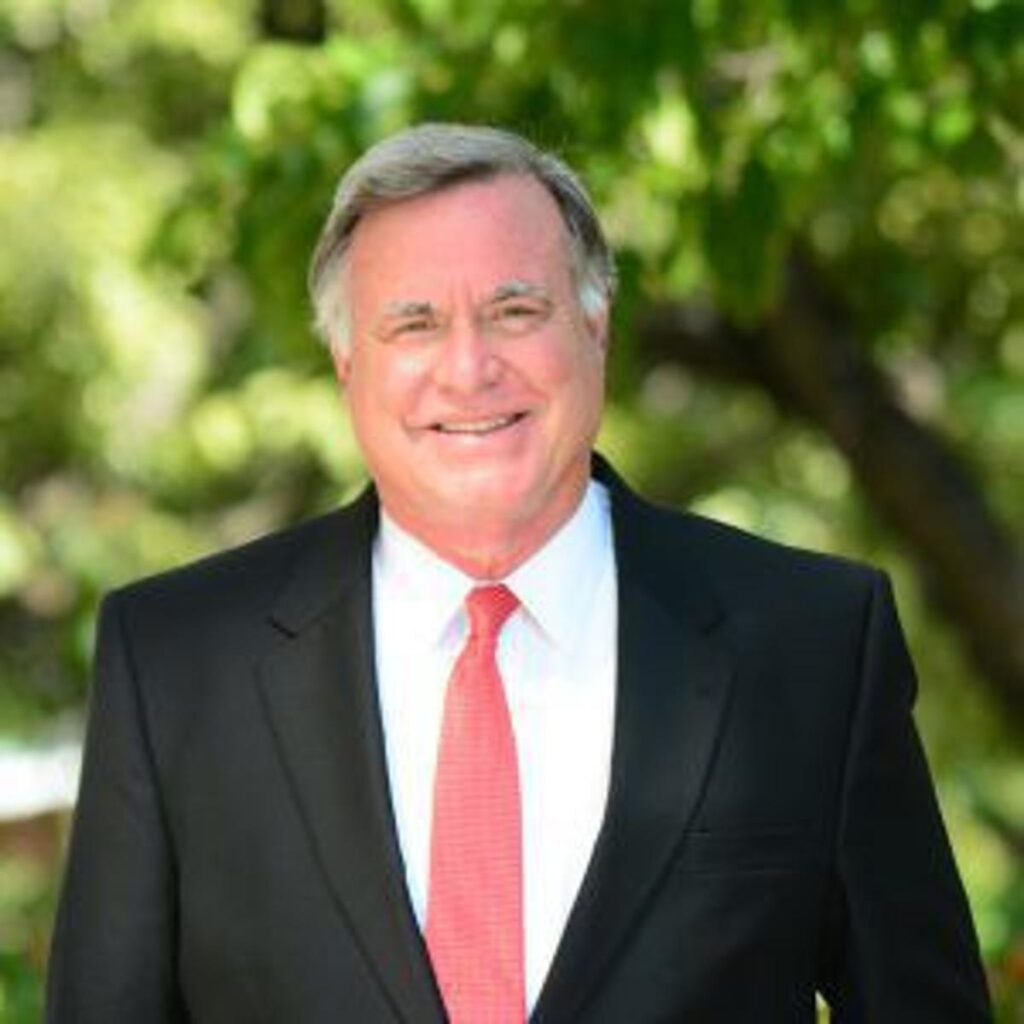
Students of Alabama political history will rightly remember the 2022 midterm election. This election saw the majority of Alabama voters cast their ballots for Katie Britt, who will be the first woman elected to represent Alabama in the U.S. Senate. Governor Kay Ivey easily coasted to victory to gain her second full term in office, continuing her reign as the first Republican woman to serve as Governor. Republicans from the top of the ballot on down cemented their control of the state government by huge margins. On top of all this, I suspect that students of Alabama politics will also note 2022 as the year that a new political force emerged on the scene. For the first time this cycle, the Alabama Big 10 Mayors – as the name suggests, the mayors of the state’s ten biggest cities – flexed their political muscle and put their support behind the Aniah’s Law constitutional amendment, which received a staggering 1,018,004 “yes” votes, more than any other item on the ballot. For those who are not aware of this emerging new group, the mayors of Alabama’s ten biggest cities joined together to use their collective influence to advocate for public policy positions that they believe will make Alabama a safer, more prosperous state. If you happen to live in the metro areas of Birmingham, Huntsville, Madison, Mobile, Montgomery, Auburn, Tuscaloosa, Dothan, Hoover, or Decatur – you live in the orbit of this group’s sphere of influence. While these mayors have been meeting regularly for several years to discuss issues like crime, infrastructure, and economic development, this election cycle marks the first time they have weighed in on electoral politics. Through a focus on local media, these mayors were able to ensure that this popular proposal stayed top-of-mind for Alabama voters. In fact, the late push against the referendum from both the far left and far right of the political spectrum was likely a reaction to the media coverage and public support that these mayors generated. Their advantage is not just in the media. They are a bipartisan group with credibility on both the right and left sides of the aisle. They are popular, and many are serving their third or even fourth terms. They are geographically diverse, with representation from Huntsville to Mobile to the Wiregrass. Finally, they represent a whole lot of Alabamians – approximately 75% percent of the state lives in one of their metro areas. As our state works to attract new residents and grapple with brain drain, policymakers would do well to listen to what these mayors have to say. It is clear that the future of Alabama depends on successful cities that can attract and retain the types of people who work in our booming space, medical research, and advanced manufacturing industries. Ignoring our cities is a recipe for decreasing competitiveness across the state. If you think we are a rural, small-town state, you are mistaken. In case you missed my earlier statement, a clear three-fourths of all Alabamians now live in one of our ten major cities in the state. Most of the real governing in the state is done by mayors. Being mayor of a city is where the rubber meets the road. It is the governmental constant where everyday problems are resolved. The gentlemen who comprise the group of the Big 10 mayors are hardworking, true public servants. They are doing their job day-in-and-day-out without fanfare and without an eye toward moving up statewide or to Washington. They love their cities and are governing them well. Representing the largest cities in Alabama, the Big 10 mayors include Auburn Mayor Ron Anders, Birmingham Mayor Randall Woodfin, Decatur Mayor Tab Bowling, Dothan Mayor Mark Saliba, Hoover Mayor Frank Brocato, Huntsville Mayor Tommy Battle, Madison Mayor Paul Finley, Mobile Mayor Sandy Stimpson, Montgomery Mayor Steven Reed, and Tuscaloosa Mayor Walt Maddox. It is interesting and noteworthy that two of the Big 10 cities are suburban enclaves of two of our large metropolitan areas. Hoover is one of the largest cities in the state and is an outgrowth of Birmingham. If census trends continue the next ten years the same as the last, Hoover may be a larger city than Birmingham. It more than likely will be in 20 years. However, if those same trends stay in place, Huntsville will continue to be Alabama’s largest city. One of the most revealing things to note is that Madison, a suburb of Huntsville, is one of the ten largest cities in Alabama. The Big 10 Mayors should have a big story for a long time to come. See you next week. Steve Flowers is Alabama’s leading political columnist. His weekly column appears in over 60 Alabama newspapers. He served 16 years in the state legislature. Steve may be reached at: www.steveflowers.us.
Steve Flowers: Jo Bonner inaugurated as president of University of South Alabama
Jo Bonner was officially sworn in as the fourth president of the University of South Alabama on September 23, 2022. The University of South Alabama is the crown jewel and flagship of the Alabama Gulf Coast. It is a sprawling, manicured, beautiful, and functional modern campus. It is currently the third-largest university in the state. Under the leadership of President Jo Bonner, it will grow and prosper to where within the next decade, it will be thought of as one of our premier “Big Three” major flagship universities along with the University of Alabama and Auburn University. Its location as the only major university in the populous metropolitan Mobile/Baldwin growth area of our state, coupled with having the University of South Alabama Medical School and Center on the campus, portends for exponential growth and prosperity for the University of South Alabama. The prosperity of USA is assured by the selection of Josiah R. Bonner, Jr. as President. Over the next decade, he will be thought of in the same terms and same breath as the legendary founding President of USA, Frederick Whiddon, who oversaw the first 35 years of USA. There has never been a more perfect selection to be the leader of a major university in our state than the appointment of Jo Bonner as President of USA. His knowledge of the business, civic, and social community of the Mobile/Baldwin area is unique. Through his decade of service as their congressman, he is an integral part of the Mobile community. He left Congress with the highest regard and admiration. He was so well respected by his congressional colleagues that he was Chairman of the U.S. House Ethics Committee. You can be assured that there is no university president, lobbyist, or board of trustee member who can walk the halls of Congress and bring home the bacon from the limitless federal trough than Josiah Bonner, Jr. You can also rest assured that there is no university president in the state that has the clout and reverence on Goat Hill in Montgomery than Josiah Bonner, Jr. This is a very unique and perfect blend for prosperity and growth for USA. It is well known in political circles that Jo Bonner is Governor Kay Ivey’s closest confidante. He served as her Chief of Staff for four years. Their families go back as friends and relatives in Wilcox County for generations. Jo Bonner’s father, the first Josiah Bonner, was Probate Judge of Wilcox County. Jo is the baby of the family, a good 15 years younger than his brother, Jim, who grew up as friends and in school together with Governor Kay Ivey. Jo’s sister, Judy, and Senator Jeff Sessions were in school together in grades K-12, then Jo came much later. The aforementioned sister, Judy Bonner, was President of the University of Alabama. Never before in Alabama’s history has there been two siblings being presidents of major universities in Alabama. Jo Bonner actually became President of USA in January. The official inaugural event was on September 23. It was a magnificent program. Governor Ivey gave the keynote address. She beamed with pride as she talked about her “little brother” from Wilcox County. Dr. Jack Hawkins, the 30-year Chancellor of the Troy University System, gave a brilliant address. He spoke for all of the university presidents in the state as the Dean of University Presidents. Jo Bonner’s family was recognized, beginning with his sister, President Judy Bonner. His wife, Janee, along with his two outstanding children, son Robin, and daughter Lee, were in attendance. The Inaugural Event was held in the magnificent Mitchell Center. The Mitchell family has been a major benefactor to USA. Mrs. Arlene Mitchell is Chairman of the Board of Trustees. Another Board of Trustees member is Dr. Steve Stokes, a radiology oncologist from Dothan. He and his wife Angela have been generous donors to USA, also. Stokes Hall is the newest dorm on campus. It was truly fitting that Jo Bonner had a throng of political dignitaries attend his Inaugural Event. It was like a political gathering of Who’s Who in Alabama politics visiting on the floor of the Mitchell Center prior to Jo’s inauguration. The list of attendees is too long to enumerate. However, in addition to Governor Ivey was Mac McCutchen, John McMillan, John Merrill, Bobby Singleton, Vivian Figures, Young Boozer, Bill Poole, Twinkle Cavanaugh, Sandy Stimpson, Will and Liz Filmore, Cathy Randall, Gordon and Ellen Stone, Jim Purcell, Victor Gaston, Chip Brown, Margie Wilcox, Alan Baker, and Judge Sarah Stewart, just to name a few. They were all there to honor a man who is revered and respected in Alabama – Josiah “Jo” Bonner. Steve Flowers is Alabama’s leading political columnist. His weekly column is read in over 60 Alabama newspapers. Steve served 16 years in the state legislature. Steve may be reached at www.steveflowers.us.
Alabama Big 10 Mayors say state will be safer thanks to Aniah’s Law

On Tuesday, Alabama voters went to the polls and overwhelmingly voted to ratify Amendment One -Aniah’s Law. The Big 10 Mayors had endorsed ratification of the bill to allow judges to deny mail to dangerous felons. After Tuesday’s victory, the Mayors said they will continue to collectively advocate for policy goals that make the state a better place for all Alabamians “We were proud to support this constitutional amendment and to have fought for its approval by Alabama voters,” the Mayors said. “This is a big win for public safety in Alabama and will honor Aniah’s memory for generations to come.” They thanked voters for making Alabama safer by showing up at the polls and voting for Aniah’s Law. “As mayors of Alabama’s ten largest cities, we understand the great responsibility we have to promote public safety in our communities,” the Mayors said. Early on, we identified Aniah’s Law as an issue in which we could use our collective influence to advocate for and make Alabamians safer. This amendment will give Alabama judges and District Attorneys the tools they need to keep violent criminals off the streets.” Under current Alabama law, judges have limited authority to deny bail to violent offenders unless the suspect is charged with a capital offense or poses a flight risk. Proponents say that means that dangerous criminals are often released back onto the streets, even when it is likely they will commit more violent crimes as soon as they make bail. Aniah Blanchard was a Southern Union student who was kidnapped off of the streets of Auburn at a gas station by a known violent kidnapper who was out on bond. She was brutalized, raped, and murdered by her attacker. Her parents were instrumental in Aniah’s law being passed by the Alabama Legislature. Now, after a majority of Alabama voters voted to pass Aniah’s Law, judges will be able to deny bail to dangerous offenders who are likely to re-offend when charged with serious felonies like murder, kidnapping, rape, sexual torture, domestic violence, human trafficking, burglary, arson, robbery, terrorism, or aggravated child abuse. “Far too often, these offenders – who are often charged with crimes such as murder, rape, and kidnapping – are released to re-commit more heinous crimes while they await trial. That flawed system led to the kidnapping and murder of 19-year-old Aniah Blanchard in October of 2019. Simply put, Aniah’s accused killer should have been in jail, and Aniah should still be alive. We were honored to help get this constitutional amendment across the finish line to protect Alabamians from suffering the same tragedy that befell Aniah and her family. We were proud to support this constitutional amendment and to have fought for its approval by Alabama voters. This is a big win for public safety in Alabama and will honor Aniah’s memory for generations to come.” Amendment one was also endorsed by Gov. Kay Ivey, Attorney General Steve Marshall, Secretary of State John Merrill, and unanimous votes by both Houses of the Alabama Legislature, where it was sponsored by State Rep. Chip Brown. “We will continue to collectively advocate for policy goals that make our state a better place for all Alabamians,” said the Mayors. The Alabama Big 10 Mayors include Auburn Mayor Ron Anders, Birmingham Mayor Randall Woodfin, Decatur Mayor Tab Bowling, Dothan Mayor Mark Saliba, Hoover Mayor Frank Brocato, Huntsville Mayor Tommy Battle, Madison Mayor Paul Finley, Mobile Mayor Sandy Stimpson, Montgomery Mayor Steven Reed, and Tuscaloosa Mayor Walt Maddox. All ten statewide constitutional amendments and the 2022 recompiled state constitution were ratified by voters on Tuesday. To connect with the author of this story, or to comment, email brandonmreporter@gmail.com.
Steve Marshall urges voters to vote Yes for Aniah’s Law
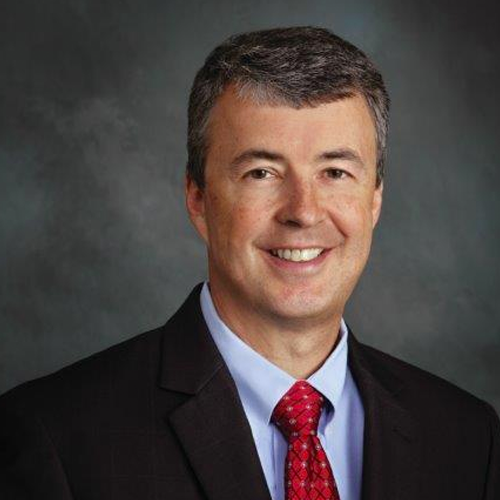
Attorney General Steve Marshall released a video statement on Monday expressing his strong support for Statewide Amendment 1, Aniah’s Law. Marshall asked the people of Alabama to vote to adopt the amendment when they vote on Tuesday. “On Election Day, several proposed amendments to the state constitution will be on the ballot,” Marshall said. “One is vital for public safety. That would be Amendment 1, which creates what is known as Aniah’s Law.” “As you will recall, Aniah Blanchard was the young woman who, in 2019, went missing and was later found murdered,” Marshall said. “The man charged with Aniah’s abduction and murder was out on bond at the time he committed his heinous acts, despite already being charged with multiple violent crimes, including kidnapping.” “Aniah’s case was a terrible tragedy that drew national attention, but I am here to tell you that hers is not the only case of this kind—and it won’t be the last,” said Marshall. “That’s why we need Aniah’s Law. Aniah’s Law—which you will find on your ballot as Amendment 1—amends the state constitution to allow judges the discretion to deny bond to violent criminals like Aniah’s murderer. So, on Tuesday, be sure to vote “yes” on Amendment 1, which will keep dangerous criminals off the street and the public out of harm’s way. And thank you to Aniah’s family for leading the charge to make Alabama a safer place.” Aniah’s Law has also been endorsed by Governor Kay Ivey. “It is past time we fix those issues, but because of the unwavering dedication of Aniah’s family and the unanimous support by the Alabama Legislature, Amendment One, also known as Aniah’s Law, will be on the ballot this November,” Ivey said. “I encourage every Alabamian to join me in voting yes on Aniah’s Law to ensure no family would have to go through the pain of preventable tragedy.” Under current Alabama law, judges have limited authority to deny bail to violent offenders unless the suspect is charged with a capital offense or poses a flight risk. That means that dangerous criminals are often released back onto the streets, even when it is likely they will commit more violent crimes as soon as they make bail. Proponents argue that if the majority of Alabamians vote for Aniah’s Law, then judges will be able to deny bail to dangerous offenders who are likely to re-offend when they are charged with serious felonies like murder, kidnapping, rape, sexual torture, domestic violence, human trafficking, burglary, arson, robbery, terrorism, or aggravated child abuse. This legislation was sponsored by State Rep. Chip Brown. It passed unanimously by the state legislature in April 2021 and was named in memory of murdered 19-year-old Southern Union Community College student Aniah Blanchard. Her accused murderer was out on bail awaiting trial for charges of kidnapping, attempted murder, and robbery. Amendment One has also been endorsed by the Mayors of Alabama’s ten largest cities. “As members of the Alabama Big 10 Mayors, public safety is one of our top priorities,” the Mayors wrote in a statement. “And on the November 8 ballot, there will be a constitutional amendment that, if voted for by a majority of Alabamians, would give our state’s judges the tools they need to keep violent, repeat offenders off our streets and out of our communities, and in jail where they belong. In October 2019, 19-year-old college student Aniah Blanchard was tragically kidnapped. The suspect in her case was out free on bond, awaiting trial for charges of attempted murder and armed robbery. He should have been incarcerated, and Aniah Blanchard should still be alive.” “We urge all Alabama voters to vote for Amendment One on election day so what happened to Aniah and her loved ones will not happen again,” the Big 10 Mayors concluded. The Alabama Big 10 Mayors include Auburn Mayor Ron Anders, Birmingham Mayor Randall Woodfin, Decatur Mayor Tab Bowling, Dothan Mayor Mark Saliba, Hoover Mayor Frank Brocato, Huntsville Mayor Tommy Battle, Madison Mayor Paul Finley, Mobile Mayor Sandy Stimpson, Montgomery Mayor Steven Reed, and Tuscaloosa Mayor Walt Maddox. Polls will open Tuesday at 7:00 am and close at 7:00 pm. Voters need to bring a valid photo ID to the polls with them in order to vote. To connect with the author of this story, or to comment, email brandonmreporter@gmail.com.
Big 10 Mayors urge Alabama voters to vote Yes for Aniah’s Law – Amendment One
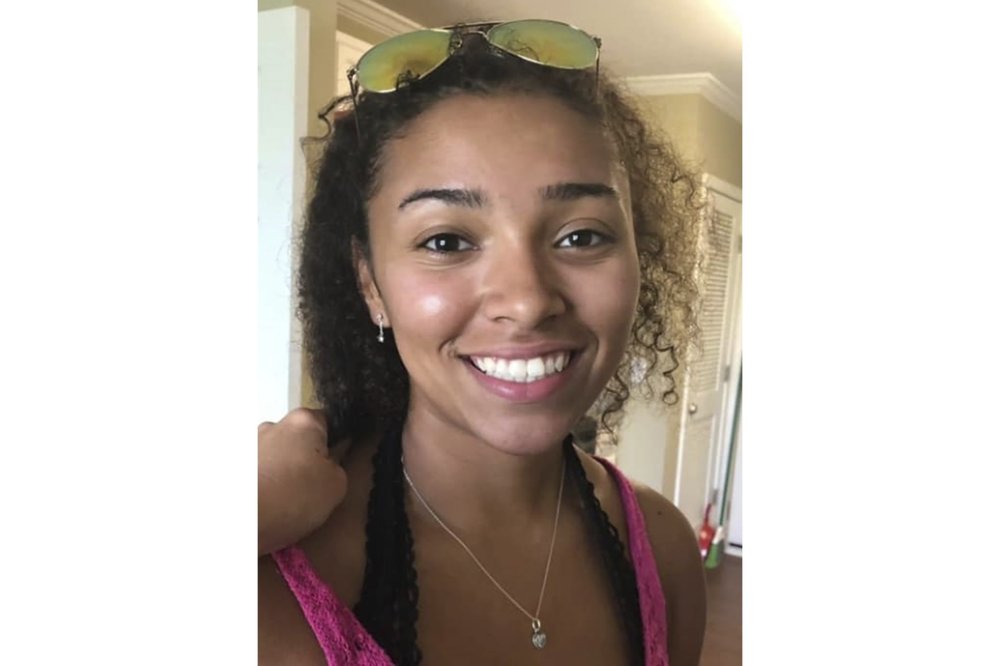
Aniah’s Law – Amendment One – will be on the November 8 general election ballot. If ratified by Alabama voters, it would allow judges to deny bail to dangerous criminals likely to re-offend. The Alabama Big 10 Mayors held a press conference in Auburn on Monday to express their support for the Aniah’s Law constitutional amendment. The mayors urged Alabama voters to support it on Election Day. “As governments, public safety is our number one responsibility,” said Mobile Mayor Sandy Stimpson. “Collectively, we have been working since 2019 on legislation to change our state constitution and give judges the option of denying pre-trial bail to the most violent offenders who are likely to re-offend. We know this will save lives in every community across the state.” Aniah Blanchard was a Southern Union student who was kidnapped off of the streets of Auburn at a gas station by a known violent kidnapper who was out on bond. She was brutalized, raped, and murdered by her attacker. Her parents were instrumental in Aniah’s law being passed by the Alabama Legislature. “Fall is an exciting time in Auburn, with new students, football, relationships, and classes,” said Auburn Mayor Ron Anders. “It has been a great fall here in Auburn, but it should have included Aniah Blanchard. On November 8, the citizens of Alabama have something they can do about this. By voting for amendment one, you will allow judges to keep violent offenders in jail, so in the future, we will not have other stories like Aniah Blanchard’s to remember.” “When Aniah was taken from us, it was extremely unsettling,” said Anders. “It was unnerving. It rocked our world.” “The thing is, when you talk to our men and women in the police department, they do great work – they do a lot of hard work. One of the most dispiriting things that happen is that when they arrest someone, especially for a violent offense is when that person is back out before the community even settles down,” said Montgomery Mayor Steven Reed. “We want to make sure that when people do wrong, when they commit a violent offense, that they have to pay for it.” Angela Harris – the mother of Aniah Blanchard – said, “Aniah’s Law will be on the ballot on November 8, and I encourage everyone to get out to vote for Amendment One. No family should have to go through such a tragedy. If this could happen to Aniah, it could happen to anyone. Please keep your family, your friends, and your community safe, and honor Aniah’s memory on November 8.” “This bill would change so that other parents would not have to go through the same tragedy that we have had to go through,” said Elijah Blanchard – Aniah’s father. “On November 8, vote yes for Amendment One because we are going to make a change.” Alabama judges have limited authority to deny bail to violent offenders unless the suspect is charged with a capital offense or poses a flight risk. This allows known dangerous criminals to be released back onto the streets, even when it’s likely they will commit more violent crimes as soon as they make bail. At one point, there were 300 accused murderers out on the streets of Mobile alone awaiting trial. If the voters ratify Aniah’s Law, judges will be able to deny bail to dangerous offenders who are likely to re-offend when they are charged with serious felonies like attempted murder, kidnapping, rape, sexual torture, domestic violence, human trafficking, burglary, arson, robbery, terrorism, or aggravated child abuse. This law passed both Houses of the Alabama Legislature unanimously in April 2021. Representing the largest cities in Alabama, the Alabama Big 10 Mayors include Auburn Mayor Ron Anders, Birmingham Mayor Randall Woodfin, Decatur Mayor Tab Bowling, Dothan Mayor Mark Saliba, Hoover Mayor Frank Brocato, Huntsville Mayor Tommy Battle, Madison Mayor Paul Finley, Mobile Mayor Sandy Stimpson, Montgomery Mayor Steven Reed, and Tuscaloosa Mayor Walt Maddox. These mayors meet quarterly to address the state’s most critical issues and to make Alabama a safer, better place for all of its residents. Voters will get to vote on Amendment one in the general election. To connect with the author of this story, or to comment, email brandonmreporter@gmail.com.
