
Bill to build new prisons stalls in Alabama Senate
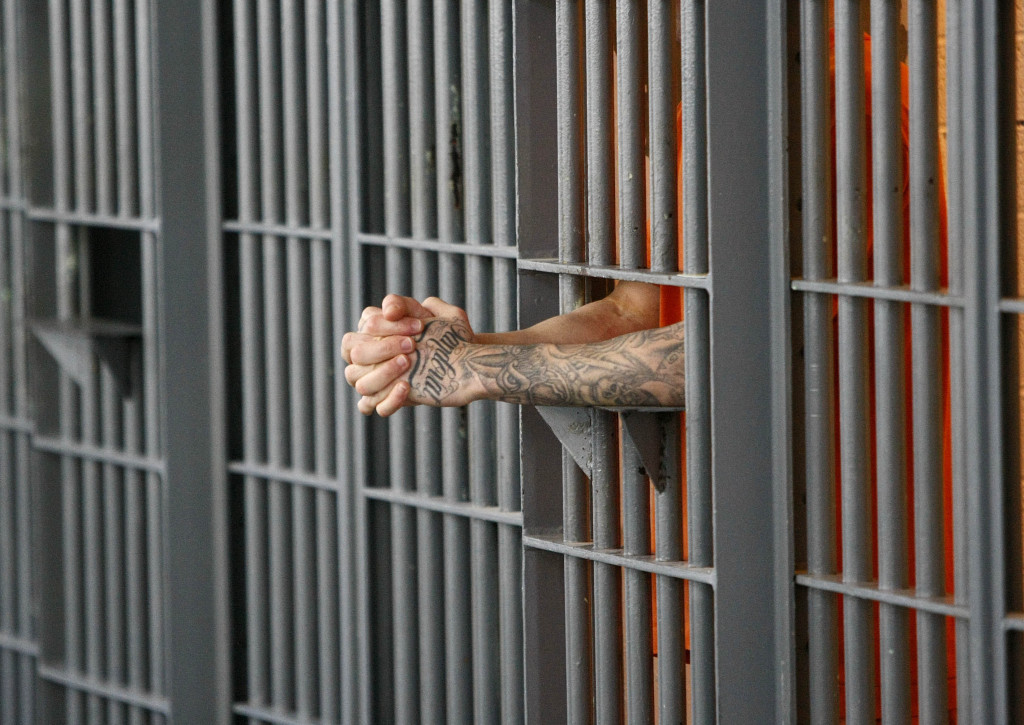
The Alabama Senate briefly discussed the Alabama Prison Transformation Initiative Act Wednesday, but ultimately shied away from taking a vote on the issue before adjourning for spring break. Senate Pro Tem Del Marsh (R-Anniston) ended debate on the subject after Senate Democrats voiced concerns over the measure. SB287 from Sen. Trip Pittman (R-Daphne) is the legislative arm of the ambitious call from Gov. Robert Bentley to systematically overhaul Alabama’s overcrowded prison system. The bill calls for the demolition of all but two of Alabama’s 16 prisons and requests $800 million in bonds to pay for the construction of four new facilities. The plan raised the ire of state contractors, engineer and architects in earlier committee hearings because of the bill’s call for a design/build method, which opponents say will end up excluding many state builders. Further concern was raised over the use of a 1-mill tax to back the bond issue. The tax currently goes to help fund the Alabama Department of Veterans Affairs and the Alabama Department of Human Resources. Democrats voiced concern over the bill because it raises prison capacity but does nothing to reduce the number of state prisoners. However, a prison reform bill passed last year, which is only beginning to show results, would reduce Alabama’s prison population. The new bill championed by Bentley would increase capacity by about 3,000 beds and is said to pay for itself through savings seen in transportation, overtime pay and other areas. The bill will likely return to the floor once senators return from spring break April 5.
Prison reform bill passes committee, moves forward to full Senate
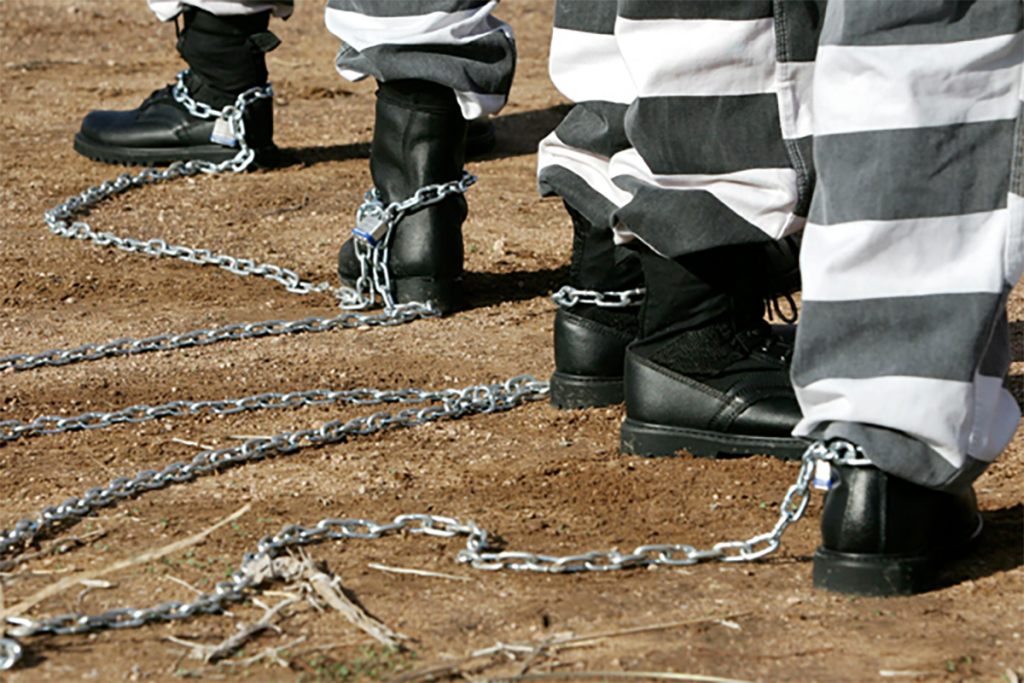
On Wednesday, the Senate Committee on General Fund Taxation and Finance passed the long-debated Alabama Prison Transformation Initiative Act, clearing its path to go before the full Senate next week. SB287 from Sen. Trip Pittman (R-Daphne) provides an $800 million revenue bond for the demolition of 14 of Alabama’s 16 prisons and subsequent renovation of the remaining two. The bill further provides for the construction of four new prisons, three male and one female, which will pay off the bond through perceived savings. As collateral, the bill provides a 1-mill tax currently reserved for funding the Alabama Department of Human Resources (ADHR) and the Alabama Department of Veterans Affairs (ADVA). Proponents say that the tax would only be used if the Alabama Department of Corrections (ADOC) defaults on its bond payments, which is not expected to happen. In previous committee meetings, opponents spoke out against the 1-mill tax commitment as well as the design/build method laid out in the bill, which state contractors have argued would stifle competition and have a negative effect on local companies. With the 1-mill tax concerns in mind, Sen. William Holtzclaw (R-Madison) offered an amendment which would protect the ADVA and ADHR. If forced to use the money because of an ADOC default, money would taken from each agency incrementally and, if funding became unsustainable, future legislatures would be forced to fully fund both departments. The amendment further imposes a sunset on the 1-mill tax commitment to alleviate concerns that it could be on the table for many years to come. The amendment was unanimously approved, with only Pittman abstaining from the vote. In regard to the design/build method, which repeatedly drew the ire of state engineers and architects, Pittman alleged that altering that language would be a nonstarter for Gov. Robert Bentley, who contends that the method is best for the state and the project. State Finance Director Bill Newton noted that design/build would shorten the time of construction by one year and save the state about $100 million. Many committee members spoke favorably of the legislation, despite the longstanding uproar and inner-concerns over the bill. “Don’t let this die in committee today and we lose the only vehicle we have for improving those facilities,” said Sen. Cam Ward (R-Alabaster). “That would be a terrible, terrible shame for all of us.” “If this is the only way we can make things better then we ought to do it,” said Sen. Priscilla Dunn (D-Bessemer). “I think it’s time that we try to do something about it. We need to do something about these prisons.” In the end, only Sen. Paul Sanford (R-Huntsville) voted against the bill.
