
Kay Ivey acts to stop sheriffs from pocketing state jail food money
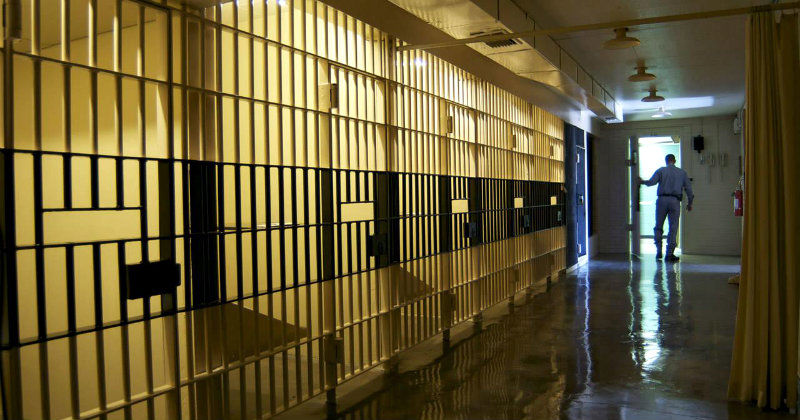
In two memos sent last Month, Alabama Gov. Kay Ivey announced Alabama sheriffs may no longer personally profit from a very small portion of jail food funds: those state funds allocated for services in preparing and serving food to people in their jails. “Public funds should be used for public purposes – it’s that simple,” Ivey had said in a statement. Yet, some advocacy groups pointed out the fact that contrary to what many believe, the memos did not yet fully fix the problem of sheriffs personally pocketing these public funds. Which is why on Friday Ivey took additional steps to end the controversial practice. Effective Sept. 1, Alabama county sheriffs must sign an affidavit to receive state funds that will now include and “oath” and stipulate the funds will only be spent on “food for prisoners in the county jail” and “preparing food, serving food and other service incident to the feeding of prisoners.” The previous version of the affidavit failed to include such specific details. “Public funds should be used for public purposes. I issued the memo to the State Comptroller in July to ensure that the public funds available for inmate food and food service are used for only that,” Ivey said Friday in a statement. She continued, “The new affidavit issued by the State Comptroller’s office is the implementation of that memo and makes it clear that sheriffs are to use the funds only in their official capacity.” “Thank you @GovernorKayIvey for telling the sheriffs that public $ is for public services, not personal profit!” tweeted Alabama Appleseed — a non-profit, non-partisan organization whose mission is to work to achieve justice and equity for all Alabamians — who previously pointed out Ivey’s original memo would not correct the issue at hand.
Jeff Sessions to address immigration at border sheriffs meeting
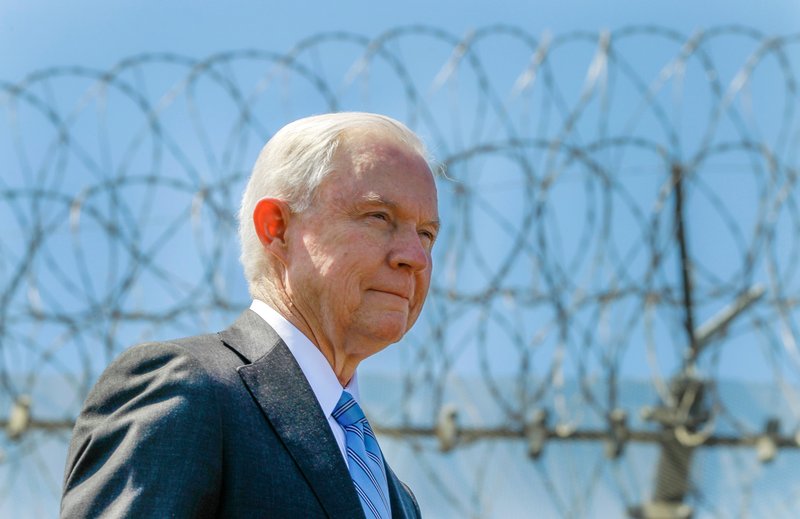
As thousands of National Guard troops deploy to the Mexico border, U.S. Attorney General Jeff Sessions plans to bring his firm stance on immigration enforcement to New Mexico where a group of Southwest border sheriffs are meeting Wednesday. Sessions will speak in Las Cruces at the Texas Border Sheriff’s Coalition Annual Spring Meeting with the Southwestern Border Sheriff’s Coalition, which is made up of 31 sheriff’s departments from Texas, New Mexico, Arizona and California. Their counties are located within 25 miles (40 kilometers) of the U.S.-Mexico border. Immigrant rights activists promised to protest Sessions’ visit on Wednesday, as they rejected his past characterization of the border region during a 2017 visit to El Paso, Texas, as “ground zero” in the Trump administration’s fight against cartels, and human traffickers. “He treated our home like a war zone, referring to it as ‘ground zero,’” said Fernando Garcia, executive director of the Border Network for Human Rights in El Paso. “He was wrong then, and he is wrong now.” El Paso is some 50 miles (80 kilometers) south of Las Cruces. Sessions’ trip to Las Cruces, a city about an hour north of the border, comes as construction begins nearby on 20-miles (32-kilometers) of steel fencing that officials say is a part of President Donald Trump’s promised wall. U.S. Customs and Border Protection officials have described the new, heightened barrier as a structure that will be harder to get over, under and through than the old post and rail barriers that has lined the stretch of the border’s El Paso sector. Sessions has issued an order directing federal prosecutors to put more emphasis on charging people with illegal entry, citing a “crisis” on the border. A 37 percent increase in illegal border crossings in March brought more than 50,000 immigrants into the United States, which was triple the number of reported illegal border crossings in the same period last year. It was still far lower, however, than the surges during the last years of the Obama administration and prior decades. The attorney general’s “zero-tolerance” for border-crossing prosecutions calls for taking action against people who are caught illegally entering the United States for the first time. In the past, such offenses have been treated as misdemeanors. He also recently set quotas for immigration judges to reduce enormous court backlogs, saying they must complete 700 cases a year to earn a satisfactory grade. The quotas take effect Oct. 1. Republished with permission from the Associated Press.
