
Rep. Gary Palmer and staff get firsthand look at Alabama’s National Carbon Capture Center
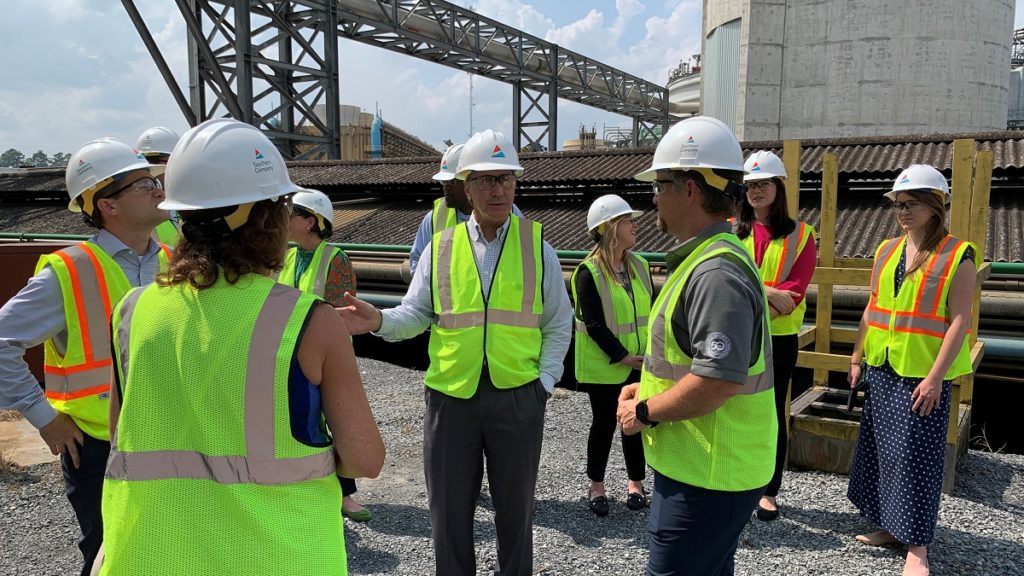
U.S. Rep. Gary Palmer (R-Hoover) got a firsthand look at one of Alabama’s premier energy research facilities Wednesday, taking his entire staff for a tour of the National Carbon Capture Center (NCCC) in Wilsonville. The facility is operated by Southern Company at Alabama Power’s Plant E.C. Gaston. Earlier this year, Palmer was the first representative from Alabama in more than 30 years to be appointed to the House Committee on Energy and Commerce, which has jurisdiction over a broad range of areas, including energy, interstate and foreign commerce, and environmental policy. In Wilsonville, Palmer learned how Alabama experts at the U.S. Department of Energy (DOE) facility are finding solutions to deliver on President Joe Biden’s ambitious climate change goals, which include cutting America’s carbon emissions in half by 2030 and reaching net-zero greenhouse gas emissions no later than 2050. “We are happy to have Congressman Palmer and his entire staff at the National Carbon Capture Center here at Alabama Power’s Plant Gaston,” said Alex McCrary, Alabama Power director of Corporate Affairs. “Rep. Palmer understands the importance of our company’s efforts at the NCCC and the role carbon capture will play in the future of energy. We appreciate he and his staff taking the time to learn more and are grateful for the work they do in Washington on behalf of our great state.” Established in 2009 as a neutral test bed for DOE’s National Energy Technology Laboratory (NETL), the NCCC is nationally and internationally recognized for accelerating the development of next-generation technologies designed to remove carbon dioxide from a power plant’s flue gas stream. Technology developers from seven countries have come to the Alabama facility to learn from its infrastructure and the expertise employees offer. “Rep. Palmer’s support of our work is invaluable as Southern Company seeks to advance technologies that will create an affordable, reliable, net-zero energy future,” said John Northington, NCCC director and director of net-zero technologies for Southern Company R&D. “Achieving decarbonization will take a diverse portfolio of solutions, and our real-world testing of carbon capture is critical in propelling promising technologies toward commercialization.” Palmer and his staff learned how the NCCC is moving into the emerging area of carbon utilization, where carbon emissions are used to manufacture value-added products like cement. A test for Carbon XPRIZE winner CarbonBuilt this spring successfully produced low-carbon concrete. Sectors like cement and steel face a particular challenge in decarbonizing their businesses. Under a collaborative agreement with NETL, renewed in October 2020, the center’s research scope was formally expanded to new areas of technology development. This expansion included carbon capture for natural gas power generation in addition to carbon utilization and negative-emission solutions, such as direct air capture. The project has reduced the cost of carbon capture from power generation by approximately 40%.
Personnel Note: Alabama Power’s John Hudson, Jeff Peoples taking leadership roles at Southern Company Gas
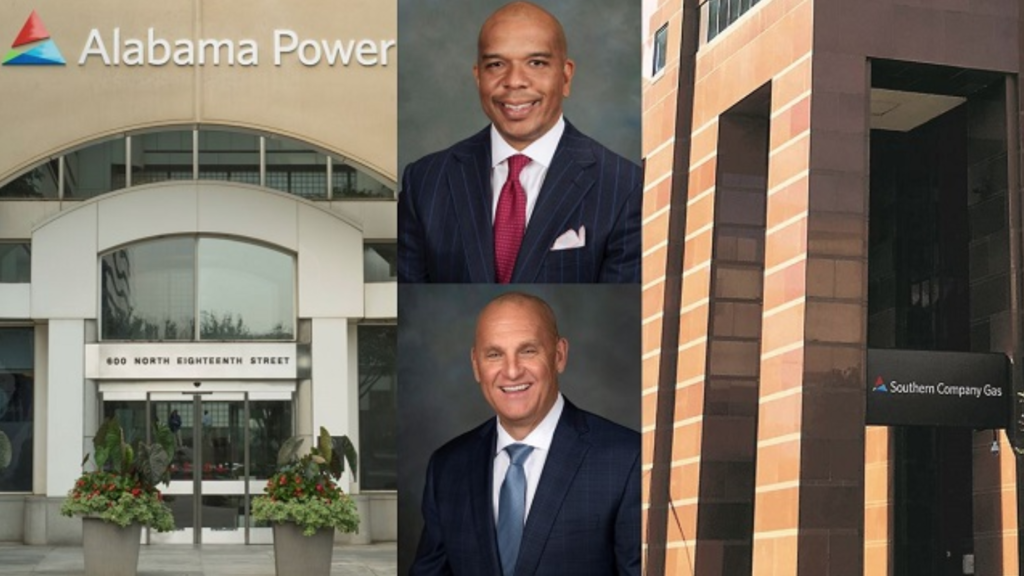
Two long-standing Alabama Power executives have been named to new roles of increased responsibility within the Southern Company system. John Hudson [Photo Credit: Alabama Newscenter] John Hudson has been named executive vice president and chief external and public affairs officer at Southern Company Gas. In his new role, Hudson will be responsible for External Affairs, Corporate Communication, Marketing, Community Relations, Economic Development and Environmental Affairs. He also will serve as president of the Southern Company Gas Foundation and will be responsible for the company’s and its subsidiaries’ philanthropy and volunteerism efforts. Jeff Peoples [Photo Credit: Alabama Newscenter] In addition to leading Alabama Power’s Human Resources organization, Jeff Peoples has been named executive vice president and chief administrative officer of Southern Company Gas. In his expanded role, Peoples will be responsible for Human Resources, Labor Relations, Environmental Health and Safety, Technical Training and Corporate Services for all Southern Company Gas businesses. He also will serve as president of AGL Services Company, providing a single point of contact for the organizations that are directed by Southern Company Services – specifically the Technology Organization, Supply Chain, Fleet, Facilities and Compensation and Benefits. He will retain responsibilities for Human Resources, Labor and Safety at Alabama Power, as well as his recently announced system HR role in which he has responsibility for external labor. Hudson and Peoples will begin their new roles Sept. 1. “John has made great contributions to not only Alabama Power, but throughout the entire state, and I am certain he will have continued success at Southern Company Gas,” said Mark Crosswhite. “Jeff is recognized nationally as a leader in building and sustaining positive external labor relations and this expanded role will allow him to bring his expertise to additional business units within Southern Company. The leadership they will provide in these roles is a positive move forward for the entire system.” Southern Company Gas is based in Atlanta. [Photo Credit: file/Alabama Newscenter) Hudson currently serves as senior vice president of Marketing and Business Development at Alabama Power. He joined Alabama Power in 1996 and was elected vice president of Public Relations in 2010 and later took on additional responsibilities over Charitable Giving. He also served as president of the Alabama Power Foundation. Hudson previously served as senior vice president of Corporate Diversity and Public Affairs for Regions Financial Corporation. A licensed attorney, Hudson practiced law at the Hudson Law Firm. Prior to practicing law, he served Alabama Power as an area manager in the Birmingham Division and as assistant to the president. He has a bachelor’s degree in political science from Alabama A&M University and is a cum laude graduate of Miles College School of Law. He completed the Executive Accounting and Finance program at the Wharton School of Business at the University of Pennsylvania and Harvard Business School. Peoples currently serves as senior vice president of Employee Services and Labor Relations for Alabama Power and as vice president for Operation Services for Southern Company. He began his career with Southern Company in 1984 as a chemical technician at Alabama Power’s Plant Miller. Over the years Peoples has progressed through positions of increasing responsibility in Human Resources, Training and Workforce Development. Peoples holds a bachelor’s degree in Chemistry and Biological Science from Lee University in Cleveland, Tennessee. He serves on the board of directors of the Alabama Power Foundation, Southeast LAMPAC, the National Utility Industry Training Fund and the Center for Construction Research and Training. Republished with the permission of the Alabama Newscenter.
Personnel note: Jeff Peoples elected senior vice president of Alabama Power
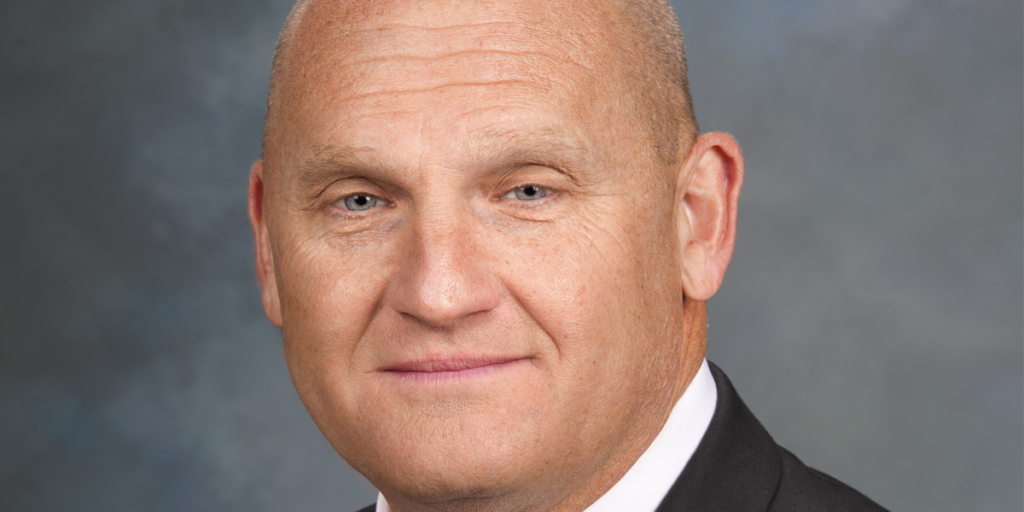
On Friday, Alabama Power announced Jeff Peoples had been elected senior vice president of Employee Services and Labor Relations for the company, effective immediately. Peoples most recently served as Alabama Power’s vice president of Human Resources and Ethics and vice president of Operations Services for Southern Company. In his expanded role, Peoples will lead Alabama Power’s human resources, safety, internal and external labor, and ethics and culture organizations. He will continue to serve as vice president of Operations Services for Southern Company with additional responsibilities over power delivery and safety training. “Jeff’s experience and leadership will be invaluable as we continue to find more efficient and innovative ways to serve our employees, customers and our communities,” said Mark Crosswhite, Alabama Power chairman, president and CEO. Peoples began his career with Southern Company in 1984 as a chemical technician at Alabama Power’s Plant Miller. Over the years he has progressed through positions of increasing responsibility in human resources, training and workforce development. He holds a bachelor’s degree in Chemistry and Biological Science from Lee University in Cleveland, Tenn. He serves on the board of directors of the Alabama Power Foundation, Southeast LAMPAC, the National Utility Industry Training Fund and the Center for Construction Research and Training. He and his wife, Rhoda, have two daughters.
Alabama Power parent company selling Gulf Power, gas assets in $6.5B deal
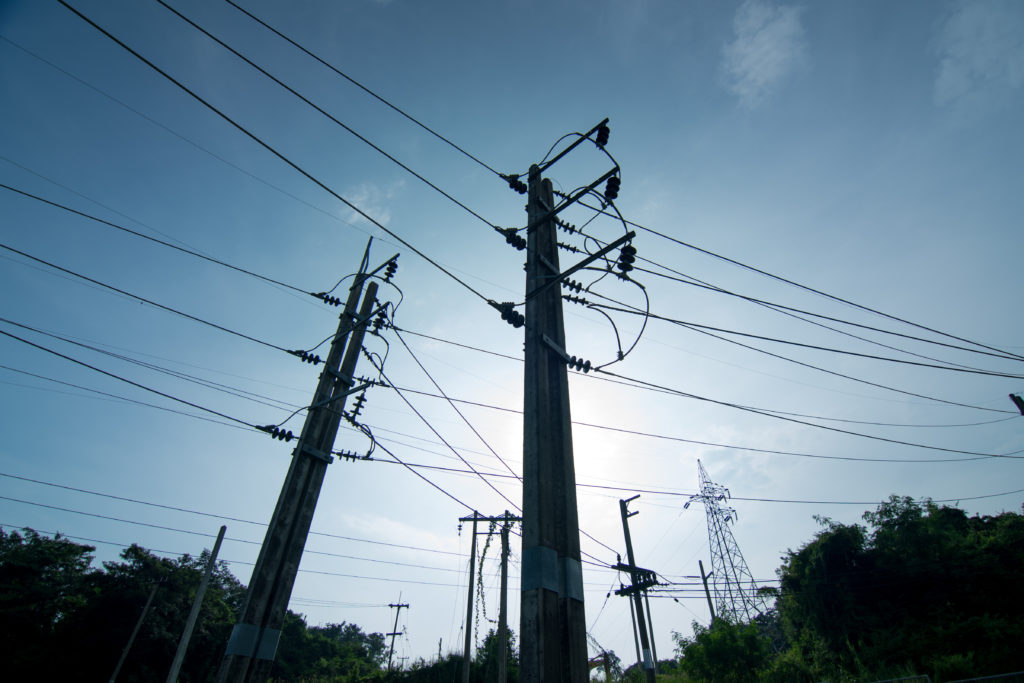
Atlanta-based Southern Company on Monday it plans to sell Gulf Power, which serves almost half a million people across Northwest Florida, from the Alabama border, to the Apalachicola River, to the Gulf coast, to NextEra Energy, the parent company of Florida Power & Light. NextEra will also purchase gas utility Florida City Gas and its interests in the Oleander and Stanton natural gas plants from Southern as part of the deal. Southern said the $6.5 billion deal would benefit its stockholders, “while entrusting the customers of these exceptional franchises to a high-quality utility company that has a well-established presence in the state.” “This sale provides Southern Company the opportunity to deliver great value to our organization, bolster our financial profile and continue to build the future of energy as one of America’s premier energy companies,” said Thomas Fanning, chairman, president and CEO of Southern Company. Along with Gulf Power, the Southern Company owns many subsidiaries including Alabama Power, Georgia Power and Mississippi Power. The company is building the first nuclear power plant in the United States in decades and the transaction proceeds will cut growing debt. The deal is expected to be complete by the first half of 2019, contingent on approval from federal regulators.
Women-owned businesses get energized by business opportunities at Birmingham conference
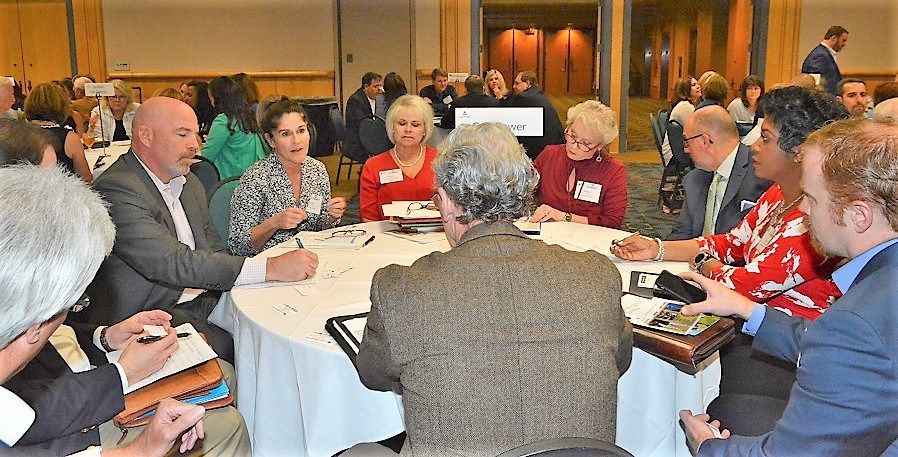
Female-owned business learned what it takes to do business with energy companies like Alabama Power at the Women’s Business Enterprise Council South’s Second Annual Power Industry Summit in Birmingham. “This is the first time we’re having this conference in Birmingham,” said Phala Mire, president and CEO of WBEC South. “It’s our second Power Summit, but it was so successful the first time, we wanted to bring it to Birmingham because we felt it was really important to be able to connect with some of our major power companies. “Alabama Power is a huge supporter of the Women’s Business Council. They are absolutely committed to doing business with women-owned businesses across our region.” In addition to Alabama Power, representatives of other Southern Company business units also took part. Glenda Thomas, a board member at WBEC South and supplier relations and diversity manager at Alabama Power, helped bring the event to Birmingham. “I thought it was very important to have an industry-focused group – this is our second annual power summit – and I thought it would be great if Alabama Power hosted and brought our Southern Company partners,” she said. “So, we’re fortunate to have Gulf Power, Southern Nuclear, Southern Company Services and the newly added Southern Gas.” CenterPoint Energy, Entergy, TVA, Mobile Area Water and Sewer System, Cleco and the U.S. Department of Energy were other participants in the conference. The Small Business Administration, Birmingham Business Alliance, South Region Minority Supplier Development Council and Edison Electric Institute Business Diversity were also involved in the summit. Scott Vowels, supplier diversity manager for Apple and author of “Hacking Supplier Diversity: Cracking the Code for the Business Case, Revenue Generation, Economic Impact, ROI,” was the keynote speaker. “This is imperative because this is where we get to meet the diverse suppliers,” Vowels said. “This is where we get to understand who they are. Because I always believe that people do business with people they know and people they like.” Vowels said for small, female-owned businesses, events like the summit can be eye-opening. “I think women-owned businesses have so much power and so much leverage that at times they don’t really understand the power that they possess,” he said. Vowels said he hoped minority businesses came away with a better understanding of the opportunities and that the corporations better understood the business case for hiring these 1q`firms. “Any businesses from staffing to IT to environmental – we have a wide variety of women-owned businesses here today networking together for the Power Industry Summit,” said Kristina Bridgeman, sourcing agent with Southern Company Services. Bridgeman said the conference was successful in making those connections. As for what female-owned businesses can bring to a company like Alabama Power, Vowels said the value of a different perspective should never be discounted. “I think those unique perspectives are what help with innovation because I believe the more inclusive you are, the more innovative you can be,” he said. Republished with the permission of the Alabama Newscenter.
Wilsonville research facility marks technology testing milestone
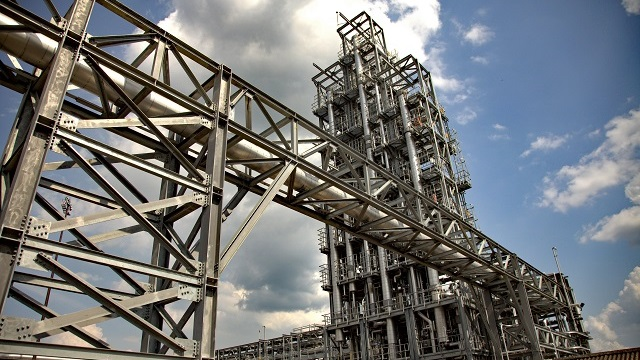
The National Carbon Capture Center, a U.S. Department of Energy (DOE)-sponsored research facility at Alabama Power’s Plant Gaston in Wilsonville, recently surpassed 100,000 hours of technology testing. The milestone marks significant work by the internationally known test facility, which is managed and operated by Southern Company. The center works to accelerate the development of advanced technologies to reduce greenhouse gas emissions from natural-gas and coal power plants. “It has been an honor to collaborate with DOE, its National Energy Technology Laboratory and our partners at the National Carbon Capture Center to evaluate and demonstrate next-generation carbon capture technologies,” said Southern Company Executive Vice President and Chief Operating Officer Kimberly S. Greene. “I also commend our highly skilled employees, whose commitment to building the future of energy through innovation is at the heart of this achievement.” Since its creation by DOE’s Office of Fossil Energy in 2009, the National Carbon Capture Center has worked with third-party technology developers, including more than 30 government, industry, university and research organizations from seven countries. The facility offers a pathway to move novel carbon capture technologies out of the laboratory and demonstrate them in the real-world conditions of a power plant. The National Carbon Capture Center is also active internationally as co-founder and chair of the International Test Center Network, a coalition of facilities focused on accelerating the research, development and deployment of carbon capture, utilization and storage technologies. Under the center’s guidance, testing collaboration and knowledge sharing is ongoing in Australia, Canada, China, the European Union, India, Japan, Korea, the United Arab Emirates and the U.S. While technology development at the National Carbon Capture Center currently focuses on post-combustion carbon capture technologies for coal-fueled power generation, the facility is expanding Its testing of carbon capture technologies for natural gas power plants. Republished with permission from the Alabama NewsCenter.
First homeowners set to move into Alabama Power’s Smart Neighborhood this month
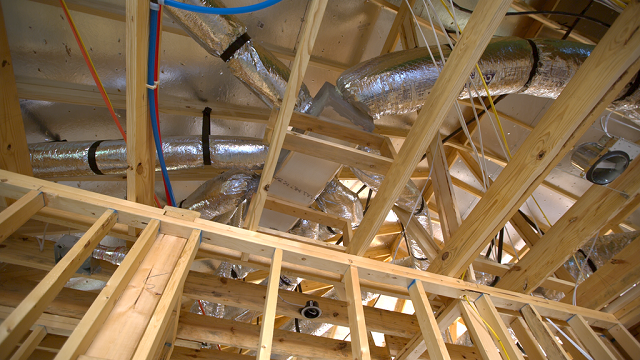
Smart Neighborhood™ by Alabama Power is quickly moving from a concept to reality, as the first homeowners are scheduled to move into their homes this month. Smart Neighborhood is a state-of-the-art community of 62 homes in Signature Homes’ new Reynolds Landing community in Ross Bridge in Hoover. “This project puts us, our customers and our building and technology partners on the leading edge of energy research and development,” said John Hudson, senior vice president of Marketing and Business Development for Alabama Power. “We are excited about the neighborhood’s progress, and look forward to seeing homeowners move in and begin to experience their new homes’ advanced features.” Each home features emerging energy-efficient technologies, materials and appliances, all connected to the Southeast’s first community-scale microgrid. Performance data and energy usage will be gathered from the homes’ innovative features and analyzed to provide insight into how homes can be built and function more efficiently. Information from the HVAC systems, heat pump water heaters and other connected home technologies will help Alabama Power determine new, creative energy solutions for customers. Work is being done across the board in the project’s three main areas: Enhanced energy-efficient building features. Connected home technologies. The Southeast’s first community-scale microgrid. First few Smart Neighborhood homes wrap up construction Reynolds Landing is abuzz each day as construction continues to develop the new community, with the first few homes completed over the past few weeks. Fewer than one-third of the homes in the neighborhood remain available to buy, according to Dwight Sandlin, CEO of Signature Homes. “The market response to Smart Neighborhood has been outstanding,” Sandlin said. “We have sold 48 homes since June, which is amazing because we have not yet completed our model home for customers to see a completed house.” Progress on the neighborhood has been steady since construction on the first home began this summer. “About 30 homes have broken ground so far, all in various stages of completion, so we are almost at the halfway point of construction,” said Shon Richey, marketing specialist for Alabama Power. Enhanced energy-efficient building features are being used in each home of Smart Neighborhood, making the project a true living laboratory of how homes will be built in the future. “We’ve taken a snapshot of what we anticipate standard building and energy codes for new home construction to be like in 20 years, and are using these to guide the construction,” Richey said. “This will give us great insight into how high-performance homes will function, and what improvements in building can be made now to improve efficiency.” Richey and members of the Smart Neighborhood project team have been working with Signature Homes on energy-efficiency measures. Features designed to reach greater efficiency in each home include: Advanced air sealing. 2×6 Zip walls with up to R-24 blown-in blanket insulation. Radiant barrier roof decking to reduce hot attic temperatures. R-49 blown attic insulation. Triple-pane Low-E windows. These features will work alongside systems such as a Carrier Infinity® Greenspeed Intelligence heat pump and Rheem hybrid electric water heater. “All of this will come together to help homeowners stay more comfortable – and homes be more efficient – year-round,” Richey said. “Less heat will get into these homes in the summer, and less heat will escape in the winter.” The scale of Smart Neighborhood makes it unique and will provide valuable insight and data into how energy-efficient homes and systems in the future will perform. “We are seeing a few of these features being adopted in the home construction market, but none are using the number of features we are, and especially not in a 62-home neighborhood,” Richey said. “These building features are really the foundation of the neighborhood, and will be key in our research.” Sandlin said the use of interfacing technology and energy-efficiency in Smart Neighborhood is expected to create new standards for the home building industry. “The best part is that Reynolds Landing is a real community that Alabama Power can glean information from rather than a theoretical laboratory,” Sandlin said. “I commend Alabama Power for their commitment to learning what is good for their customers, and we are pleased to partner with them on this project.” About Smart Neighborhood Alabama Power announced the Smart Neighborhood project in April. Construction on the neighborhood is expected to be completed in spring 2018. The project is a collaborative partnership with Signature Homes, Southern Company, the Department of Energy’s Oak Ridge National Laboratory and various technology and other vendors. Learn more at smartneighbor.com. Republished with permission from the Alabama NewsCenter.
Birmingham hosts global electric transportation conference

Electric transportation advocates from around the world met at Barber Motorsports Park in Birmingham March 28-30 to discuss the industry’s progress and ways they can collaborate to continue that growth. “Electric transportation is an emerging market that has a really broad scope – private, public, big and small businesses, from all different industries – all have an important role,” said Dan Bowermaster, program manager for electric transportation at the Electric Power Research Institute (EPRI). “The technology is great, people are getting educated on the benefits, and what we are meeting about now is crucial to that growth because no one can solve this by themselves, but together,” Bowermaster said. The National Electric Transportation Infrastructure Working Council (IWC) meeting brought to Birmingham more than 110 people from eight industries and from countries as far as away as Taiwan and Australia. The IWC identifies and prioritizes electric transportation issues, works to resolve the issues, and develops consensus to report results and recommendations. Covering both on-road and off-road efforts, the IWC discusses the growth of the electric vehicle and plug-in hybrid industries and the electrification of mass transportation that spans truck stops, seaports, airports, rail yards, warehouse/distribution, mining and transit. “When we started this group 10 years ago we knew we all needed to get on the same page to advocate for certain things to get done,” said Bowermaster. “One big example of something that has come out of this partnership meeting is the universal charging connector for all electric vehicles. When they were first being developed, we understood the need for just one universal connector and we joined all our advocacy efforts to make it happen.” The meeting is held three times a year in various places around the United States. Alabama Power and its parent company, Southern Company, hosted the meeting. “Southern Company and Alabama Power have been leading in the research, development and technology space of electric transportation for almost 30 years,” said Randy Johnson, Electric Transportation director for Southern Company. “It is so great to bring this group from all over the world together because it is a great opportunity to talk about the strategy behind electric transportation, and the benefit of having a complete program to move it forward.” Representatives from electric utilities, vehicle manufacturing industries, component manufacturers, government agencies, infrastructure companies, code and standard organizations and universities were on site. Topics included high-power DC fast charger options and bus and truck charging connector standards. Attendees experienced the Southern hospitality they had always heard about from the IWC’s members from Southern states. “I would say about 90 percent of the meeting’s attendees have never been to Alabama, and they have just been blown away by all it has to offer, from our meeting venue at the Barber Motorsports Museum to the great Southern food,” said Cedric Daniels, Electric Transportation manager for Alabama Power. “We are so excited to have the opportunity to host people from all over the world and share with them the elements that really make Birmingham, and the state of Alabama, great.” “You can feel the energy in downtown Birmingham and that, combined with the Southern hospitality, is truly electric,” said Bowermaster. “I will definitely be back to experience more.” Republished with permission of Alabama NewsCenter.
Personnel note: Former Jeff Sessions spox Jack Bonnikson moves to Mississippi Power
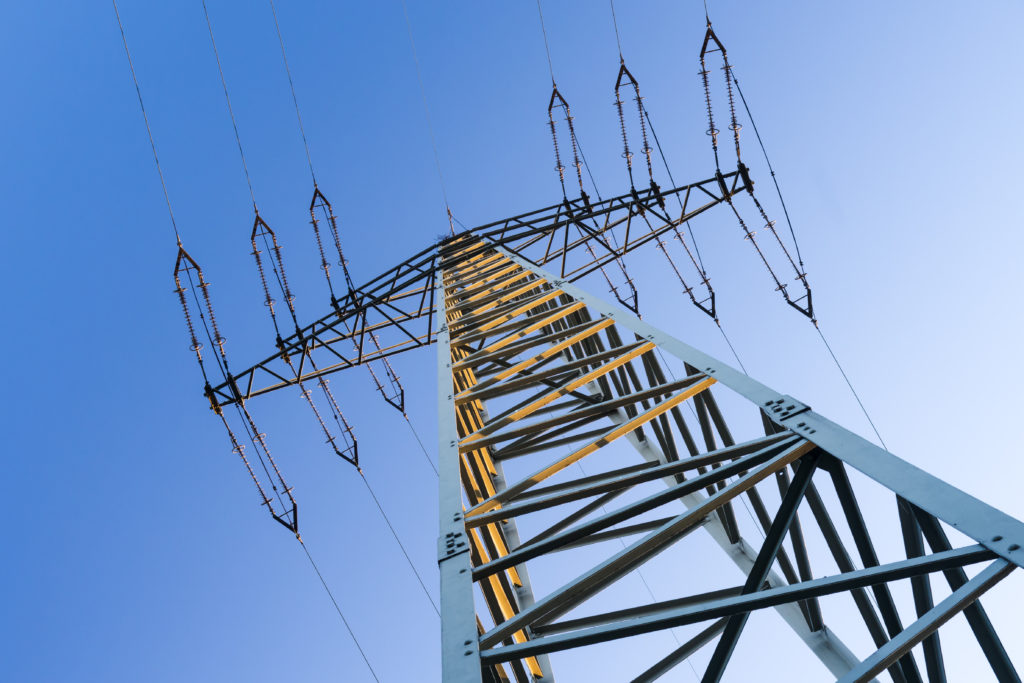
Jack Bonnikson, former media relations strategist for Southern Company, is taking a new role as a communication manager for Mississippi Power, a subsidiary of the Atlanta-based energy provider. Bonnikson previously served as press secretary for Alabama Sen. Jeff Sessions from 2013-2014. Based in Gulfport, Mississippi Power services cities, towns and municipalities in 23 counties of southeastern Mississippi. Founded in 1738 as the Mississippi Power Company, the utility was acquired by Southern Company in 1949 and shortened its name to Mississippi Power in 1976. Southern Company — with subsidiaries Alabama Power, Georgia Power, Gulf Power, and Mississippi Power — services 120,000 square miles and nearly 9 million customers in nine states, making it one of the largest energy providers in the United States. Bonnikson has also worked with Washington, D.C.-based Public Opinion Strategies as a project director, as well as with The Wickers Group in San Francisco. He is a graduate of Xavier University, and has earned an MBA from the University of Georgia, Terry College of Business.
CPI study: There are six lobbying entities to every Alabama lawmaker

A recent study by The Center for Public Integrity (CPI) has detailed the reach that national lobbying groups enjoy across the country. According to the study, 20 lobbying entities have access to all 50 states, including Aflac, the National Rifle Association (NRA), Pfizer, Wal-Mart and Anheuser-Busch. While all of these agencies and more are licensed to lobby in all 50 states, and a laundry list of others are allowed to lobby in fewer, the biggest lobbying presence in Alabama comes from the Alabama Education Association, Southern Company, AT&T, the Business Council of Alabama and Blue Cross/Blue Shield of Alabama. A lot of work has obviously been done on the part of these lobbying groups, as Alabama lawmakers have made great strides in expanding technology, providing tax breaks to small businesses and providing robust increases to the state’s education budget. But other entities are seemingly at work influencing other Alabama legislation as well. Among the bills on this week’s Senate calendar is SB296 from Sen. Tim Melson (R-Florence), which would allow epinephrine auto-injectors to be administered by “non-medical persons” at “summer camps, day care centers, restaurants, places of employment, and other entities.” The CPI study lists Mylan, Inc. among the entities which has significantly expanded operations over recent years. Mylan lobbies for EpiPens to be available in schools and restaurants and has expanded its lobbying efforts into 36 states since 2010 – one of which is Alabama. Another group which has expanded its lobbying efforts across the country is Uber Technologies, Inc., which has expanded into 35 states since 2010 and has recently seen its operations approved in Huntsville, Birmingham and Montgomery. Other groups include Excellence in Education National, which pushes for the establishment of charter schools and expanded technology access for students, and Xerox Corporation, which has pushed its state government services like speed cameras and state health insurance exchange software. Still other entities have decreased their presence across the country but remain active in Alabama. Reckitt Benckiser Group PLC has reduced its reach by four states due to a decision to allow competitors to make generic versions of its opioid-addiction drug Suboxone. SB280 from Sen. Priscilla Dunn (D-Bessemer), which also appears on this week’s calendar, would allow drug prescribers to indicate that a “generic equivalent drug” should not be used for participants in the Public Education Employees Health Insurance Program (PEEHIP). Currently, PEEHIP enrollees must receive a generic drug when available, assumedly for cost-saving purposes. While it is unclear that lobbying efforts have had any impact on the aforementioned legislation, the CPI study notes that there are six lobbying entities to every Alabama lawmaker.
Alabama business roundup: Headlines from across the state

Can you guess how many AL counties have more registered voters than adult residents? Find out more about a possible new electricity-natural gas utility coming to the Yellowhammer state. What’s happening to AL’s first charter school? And more inside today’s business roundup of headlines from across the state: Alabama Newscenter: Southern Company/AGL Resources deal would create leading U.S. joint electricity-natural gas utility Southern Company and AGL Resources have agreed to a $12 billion deal that would make the natural gas giant a new Southern operating company and puts the electricity company into the growing natural gas business. Alabama Power is a Southern Company subsidiary with 1.4 million customers, 78,000 miles of power lines and 13,000 megawatts of electric generating capacity. Southern Company also owns Southern Power, which owns 3,175 megawatts of natural gas generating capacity in Alabama.The boards of directors of both companies said today they have a definitive merger agreement to create America’s leading U.S. electric and gas utility company. If finalized, AGL Resources will become a new wholly-owned subsidiary of Southern Company. In Alabama, AGL Resources owns a liquefied natural gas facility in Trussville that delivers about 60,000 gallons per day, its first such facility dedicated solely to the merchant market. Southern Company with AGL Resources under its umbrella would create a new electric and natural gas utility with approximately 9 million utility customers in nine states. It is Southern Company’s largest deal to diversify its utility holdings. “As America’s leader in developing the full portfolio of energy resources, we believe the addition of AGL Resources to our business will better position Southern Company to play offense in supporting America’s energy future through additional natural gas infrastructure,” Southern Company CEO Thomas A. Fanning said. “For some time, we have expressed our desire to explore opportunities to participate in natural gas infrastructure development.” Under the terms of the agreement, AGL Resources’ shareholders would receive $66 in cash for each share of common stock, a 36.3 percent increase in this month’s average trading price. Southern Company expects an increase in earnings the first year after the acquisition closes. The new company would become the second-largest utility company in the U.S. with: 11 regulated electric and natural gas distribution companies; 9 million customers with a projected regulated rate base of about $50 billion; Nearly 200,000 miles of electric transmission and distribution lines and more than 80,000 miles of gas pipelines; Generating capacity of about 46,000 megawatts. “With AGL Resources’ experienced team operating premier natural gas utilities and their investments in several major infrastructure projects, this is a natural fit for both companies,” Fanning said. “Moreover, this transaction is expected to position Southern Company to enhance earnings growth while maintaining a strong balance sheet and improving cost-effectiveness.” The Southern Company system is known for regularly outperforming industry peers in reliability, with prices below the national average and the highest customer satisfaction among peer utilities as measured by the Customer Value Benchmark survey. Alabama Power regularly tops such rankings along with other Southern Company operating companies Georgia Power, Mississippi Power and Gulf Power. “AGL Resources’ management team and board of directors wholeheartedly support this transaction, and we believe it will provide new opportunities and enhanced value for our shareholders, customers and employees,” AGL Resources CEO John W. Somerhalder II said. “Importantly, both companies are committed to safely delivering clean, reliable, affordable energy while providing customers with world-class service. The respective models of Southern Company and AGL Resources focus on the fundamental values of safety, operational excellence and environmental stewardship.” Fanning said Southern Company and AGL Resources share a focus on community involvement. “We believe this combination will also advance our customer-focused business model,” he said. “AGL Resources and Southern Company have long been leading corporate citizens and the combined company will further our support of all of the communities we serve.” Somerhalder agreed. “We’ve found a strong partner in Southern Company with its complementary businesses, excellent reputation and shared values,” he said. “They have committed to continuing our tradition of community and philanthropic support and exceptional service to customers. We look forward to working with Southern Company to complete the transaction as expeditiously as possible and ensure a smooth transition.” Birmingham Business Journal: Registered voters outnumber eligible adults in 10 Alabama counties The Public Interest Legal Foundation – a nonpartisan, nonprofit, public-interest law firm that specializes in civil litigation affecting elections, voting and other political processes – recently notified 10 Alabama counties that they have more registered voters than people in the voting age population. Alabama Secretary of State John Merrill confirmed the numbers listed by the group and said that all 10 had more registered voters than people over 18 years of age, according to a report from AL.com. The counties are Lowndes, Perry, Greene, Macon, Wilcox, Marengo, Hale, Washington, Conecuh and Choctaw. Merrill said all 10 counties have seen population decreases since 2010 and some people that previously left the counties still remain registered to vote in their districts. Former Alabama Secretary of State Jim Bennett’s office last year released numbers showing that four Alabama counties had more registered voters than voting age population. The 10 Alabama counties listed by the foundation are among 141 nationwide, according to data from the foundation. Only four other states had more counties on the foundation’s list than Alabama – Michigan (24), Kentucky (18), Illinois (17) and Indiana (11). Here are the continues by number of registered voters and those over the age of 18. Choctaw County, 10,765 registered voters, 10,582 adults Conecuh County, 10,102 registered voters, 9,957 adults Greene County, 7,230 registered voters, 6,561 adults Hale County, 12,042 registered voters, 11,641 adults Lowndes County, 10,230 registered voters, 8,135 adults Macon County, 17,700 registered voters, 15,865 adults Marengo County, 16,108 registered voters, 15,485 adults Perry County, 8,521 registered voters, 7,621 adults Washington County, 13,382 registered voters, 13,048 adults Wilcox County, 9,059 registered voters, 8,341 adults Birmingham Business Journal: Alabama delays first charter school opening until 2017 The first meeting of the Alabama Charter School Commission on Thursday resulted in
Alabama business roundup: Headlines from across the state
Here’s a roundup of some of the weekend’s top business headlines from across the state from over the weekend: AL.com: Southern Company announces $12 billion deal to buy natural gas company Southern Company will acquire the AGL Resources natural gas company in a transaction with an enterprise value of approximately $12 billion, according to a Southern Company news release issued Monday. AGL will become a wholly owned subsidiary of Southern Company, which will pay AGL stockholders $66 per share, a 36 percent premium over the company’s average stock price over the last 20 days. The total equity value of the purchase is approximately $8 billion. According to the news release, the merger was approved by both companies’ boards of directors and will create the “America’s leading U.S. electric and gas utility company.” The deal will make Southern Company the second largest utility company in the U.S. by number of customers, with 11 utility companies providing service to 9 million people across the Southeast. “As America’s leader in developing the full portfolio of energy resources, we believe the addition of AGL Resources to our business will better position Southern Company to play offense in supporting America’s energy future through additional natural gas infrastructure,” Southern Company Chairman, President and CEO Thomas A. Fanning said in a news release. “For some time we have expressed our desire to explore opportunities to participate in natural gas infrastructure development. “With AGL Resources’ experienced team operating premier natural gas utilities and their investments in several major infrastructure projects, this is a natural fit for both companies.” Fanning told the Atlanta Journal-Constitution that a major impetus for the deal was the ongoing transition away from coal as an energy source to natural gas, solar, and nuclear. According to the AGL web site, the company serves 4.5 million utility customers and 1.2 million retail customers in seven states, and is the largest natural gas-only distribution company in the country. AGL Resources does not currently operate in Alabama. AL.com: Alabama among top U.S. states where people spend the most money at Wal-Mart Wal-Mart shows no sign of slowing down in Alabama with the proliferation of Supercenters and Neighborhood Markets across the state. Why is the Yellowhammer State such a big target for Wal-Mart expansion? A new analysis from GOBankingRates, a personal finance news and features site, reveals Alabama is among the top five U.S. states for average Wal-Mart spending. Alabama ranked No. 4 on the top 10 list of states that spend the most money at Wal-Mart. The report says Alabama residents spend approximately 3.4 percent of their $43,330 median household income, or $123 a month, with the retail giant. Here’s what GOBankingRates found in Alabama: Annual per capita spending at Wal-Mart: $1,476.81 Estimated 2014 sales: $7.16 billion Total Alabama stores: 139 Sales per store: $51.52 million The top 10 states with the highest average Wal-Mart spending are: Oklahoma — $1,662.43 per capita spending South Dakota — $1,511.86 per capita spending Arkansas — $1,494.80 per capita spending Alabama — $1,476.81 per capita spending Kansas — $1,417.71 per capita spending Mississippi — $1,395.02 per capita spending Louisiana — $1,235.38 per capita spending Missouri — $1,230.66 per capita spending North Dakota — $1,189.45 per capita spending Tennessee — $1,125.68 per capita spending Alabama Newscenter: Southern Company/AGL Resources deal would create leading U.S. joint electricity-natural gas utility Southern Company and AGL Resources have agreed to a $12 billion deal that would make the natural gas giant a new Southern operating company and puts the electricity company into the growing natural gas business. The boards of directors of both companies said today they have a definitive merger agreement to create America’s leading U.S. electric and gas utility company. If finalized, AGL Resources will become a new wholly-owned subsidiary of Southern Company. Alabama Power is a Southern Company subsidiary with 1.4 million customers, 78,000 miles of power lines and 13,000 megawatts of electric generating capacity. Southern Company also owns Southern Power, which owns 3,175 megawatts of natural gas generating capacity in Alabama. In Alabama, AGL Resources owns a liquefied natural gas facility in Trussville that delivers about 60,000 gallons per day, its first such facility dedicated solely to the merchant market. Southern Company with AGL Resources under its umbrella would create a new electric and natural gas utility with approximately 9 million utility customers in nine states. It is Southern Company’s largest deal to diversify its utility holdings. “As America’s leader in developing the full portfolio of energy resources, we believe the addition of AGL Resources to our business will better position Southern Company to play offense in supporting America’s energy future through additional natural gas infrastructure,” Southern Company CEO Thomas A. Fanning said. “For some time, we have expressed our desire to explore opportunities to participate in natural gas infrastructure development.” Under the terms of the agreement, AGL Resources’ shareholders would receive $66 in cash for each share of common stock, a 36.3 percent increase in this month’s average trading price. Southern Company expects an increase in earnings the first year after the acquisition closes. The new company would become the second-largest utility company in the U.S. with: 11 regulated electric and natural gas distribution companies; 9 million customers with a projected regulated rate base of about $50 billion; Nearly 200,000 miles of electric transmission and distribution lines and more than 80,000 miles of gas pipelines; Generating capacity of about 46,000 megawatts. “With AGL Resources’ experienced team operating premier natural gas utilities and their investments in several major infrastructure projects, this is a natural fit for both companies,” Fanning said. “Moreover, this transaction is expected to position Southern Company to enhance earnings growth while maintaining a strong balance sheet and improving cost-effectiveness.” The Southern Company system is known for regularly outperforming industry peers in reliability, with prices below the national average and the highest customer satisfaction among peer utilities as measured by the Customer Value Benchmark survey. Alabama Power regularly tops such rankings along with other Southern Company operating companies Georgia Power, Mississippi Power and Gulf Power. “AGL Resources’ management team and board of directors wholeheartedly support
