
Republican governors ask Biden administration to rescind Title IX guidance
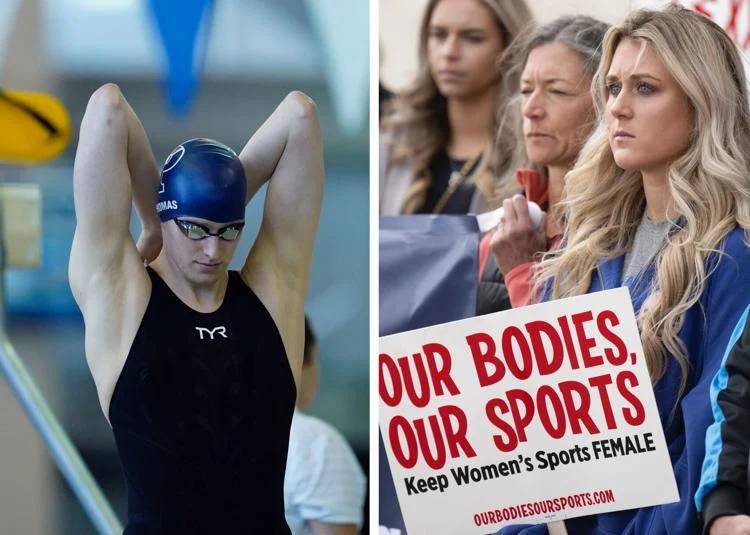
Twenty-five of the nation’s 26 Republican governors have asked the Biden administration to shelve its intent to expand Title IX protections to transgender athletes. The letter, led by the signature of Mississippi Gov. Tate Reeves, says the U.S. Department of Education’s proposed regulation should be withdrawn pending litigation that could be addressed by the U.S. Supreme Court. “The Department’s proposed regulation would attempt to coerce compliance with an uncertain, fluid, and completely subjective standard that is based on a highly politicized gender ideology,” the letter reads. The letter comes as the public comment period ends Monday on a proposed revision to Title IX that would ban state and local governments from prohibiting transgender students from participating on sports teams aligned with their gender identity. Title IX was created to increase opportunities for female athletes. Federal funds can be withheld from those found to be in violation. The law, which was passed in 1972, prohibits discrimination based on sex for school districts, universities, museums, and other educational institutions that receive federal funds. “Compelling a subjective, athlete-by-athlete analysis controlled by a student’s self-identified ‘gender identity’ enforced under threat of Department retribution affords no clarity,” the letter reads. “It does the opposite. This ‘fluid’ subjective standard ensures chaos and confusion in schools and will no doubt result in protracted and disruptive litigation.” Twenty-one states prohibit transgender students from participating on sports teams that do not align with their biological sex at birth, according to the Movement Advancement Project that tracks state policies. The letter was signed by Alabama Gov. Kay Ivey, Alaska Gov. Mike Dunleavy, Arkansas Gov. Sarah Sanders, Florida Gov. Ron DeSantis, Georgia Gov. Brian Kemp, Idaho Gov. Brad Little, Indiana Gov. Eric Holcomb, Iowa Gov. Kim Reynolds, Missouri Gov. Mike Parson, Montana Gov. Greg Gianforte, Nebraska Gov. Jim Pillen, Nevada Gov. Joe Lombardo, New Hampshire Gov. Chris Sununu, North Dakota Gov. Doug Burgum, Ohio Gov. Mike DeWine, Oklahoma Gov. Kevin Stitt, South Carolina Gov. Henry McMaster, South Dakota Gov. Kristi Noem, Tennessee Gov. Bill Lee, Texas Gov. Greg Abbott, Utah Gov. Spencer Cox, Virginia Gov. Glenn Youngkin, West Virginia Gov. Jim Justice, and Wyoming Gov. Mark Gordon. The signature of Vermont Republican Gov. Phil Scott is not on the letter. Republished with the permission of The Center Square.
25 GOP governors ask Biden administration to hit pause on broader clean water rule

Twenty-five Republican governors oppose a revised federal rule regulating U.S. waterways, citing uncertainty from an undecided U.S. Supreme Court case related to the rule. The governors sent a letter to the Biden administration on Monday asking it to delay the implementation of the revised Waters of the United States rule since the U.S. Supreme Court is currently considering Sackett v. EPA. The revised WOTUS rule, released on Dec. 30, reinstates pre-2015 water protections under the federal Clean Water Act. The rule was scaled back under the Trump administration, which triggered lawsuits from environmental groups. “The substance of the rule hinders State governments as we seek to give clarity and consistency to businesses, farms, and individuals regarding the regulatory framework for water,” the 25 GOP governors wrote. “The broad definitions used in the 514- page document only add to the confusing and complicated history of WOTUS. In fact, it appears that the EPA is seeking to regulate private ponds, ditches, and other small water features.” The U.S. Environmental Protection Agency said in December the revised rule applies to “traditional navigable waters, the territorial seas, interstate waters, as well as upstream water resources that significantly affect those waters.” “When Congress passed the Clean Water Act 50 years ago, it recognized that protecting our waters is essential to ensuring healthy communities and a thriving economy,” EPA Administrator Michael Regan said in a statement. “Following extensive stakeholder engagement, and building on what we’ve learned from previous rules, EPA is working to deliver a durable definition of WOTUS that safeguards our nation’s waters, strengthens economic opportunity, and protects people’s health while providing greater certainty for farmers, ranchers, and landowners.” The governors also questioned the timing of the new rule, given ongoing inflation. “Another burdensome and overbroad regulation from the federal government could not come at a worse time for America,” they wrote. “Having already squandered much of America’s energy independence, you should not increase costs for consumers by tying up energy production with even more red tape.” Environmental groups praised the Biden administration’s revised WOTUS rule. “This comes at a time when we’re seeing unprecedented attacks on federal clean water protections by polluters and their allies,” Jon Devine, director of federal water policy for the Natural Resources Defense Council, said in a statement last month. “While the nation still has significant work to do to fully protect important waters, it’s encouraging to see the country taking a step in the right direction to protect the waters we need for everyone’s health and the environment.” The letter was signed by Idaho Gov. Brad Little, Alabama Gov. Kay Ivey, Alaska Gov. Mike Dunleavy, Arkansas Gov. Sarah Sanders, Florida Gov. Ron DeSantis, Georgia Gov. Brian Kemp, Indiana Gov. Eric Holcomb, Iowa Gov. Kim Reynolds, Mississippi Gov. Tate Reeves, Missouri Gov. Mike Parson, Montana Gov. Greg Gianforte, Nebraska Gov. Jim Pillen, Nevada Gov. Joe Lombardo, New Hampshire Gov. Chris Sununu, North Dakota Gov. Doug Burgum, Ohio Gov. Mike DeWine, Oklahoma Gov. Kevin Stitt, South Carolina Gov. Henry McMaster, South Dakota Gov. Kristi Noem, Tennessee Gov. Bill Lee, Texas Gov. Greg Abbott, Utah Gov. Spencer Cox, Virginia Gov. Glenn Youngkin, West Virginia Gov. Jim Justice, and Wyoming Gov. Mark Gordon. Republished with the permission of The Center Square.
Joe Guzzardi: Population pressures drying up Great Salt Lake

Utah’s Great Salt Lake may disappear within the next five years, experts predict. A Brigham Young University report found that as of January 2023, the lake is 19 feet below its average level. Since 1850, the Great Salt Lake has lost 73 percent of its water and more than half of its surface area. BYU ecologist Benjamin Abbott, noting “unprecedented danger,” called for emergency measures to save the Great Salt Lake from further collapse. Abbott wrote that despite encouraging growth in legislative action and public awareness, “most Utahns do not realize the urgency of this crisis.” At this point, and since 2020, the lake has lost more than 1 million acre-feet of water annually. Each acre-foot represents about 360 gallons of water, nearly the size of a one-foot-deep football field. Today, only about 0.1 million acre-feet of water is returned to the lake each year. Abbott pointed to worldwide examples which show that saline lake loss triggers a long-term cycle of environmental, health, and economic suffering. He urges a coordinated rescue to stave off widespread air and water pollution, further losses from animals listed as part of the Endangered Species Act, and greater declines in agriculture, industry, and overall quality of life. If Utah Governor Spencer Cox hopes to deliver on his promise that the Great Salt Lake will not go dry on his watch, he’ll have to adopt some if not all of Abbott’s suggested measures, many of which will be unpopular among constituents. Specifically, the BYU scholars called on Cox to implement a watershed-wide emergency rescue plan that will set a requirement of at least 2.5 million acre-feet per year until the lake reaches its minimum healthy elevation of 4,198 feet. In conclusion, and in light of what the authors called an “all-hands-on-deck emergency,” the BYU analysis asked farmers, counties, cities, businesses, churches, universities, and other organizations to “do everything in their power to reduce outdoor water use.” Utahns must, BYU counseled, adopt a “Lake First” approach to water preservation. The Great Salt Lake’s rapidly dwindling water level is attributable to two factors: the ongoing drought that’s affected large swathes of the nation and an unprecedented population boom. Despite above-average snowfall in 2022, most of Utah remains in severe to extreme drought mode. The bigger culprit in the Great Salt Lake’s demise, however, is population growth. Between July 2021 and July 2022, Utah’s estimated population grew by more than 61,000, which marked the state’s largest spike in absolute growth since 2006, putting its total population at slightly more than 3.4 million residents. Of Utah’s 29 counties, 28 added population, except for Daggett, which declined by six people. Utah’s population growth is calculated by the standard formula: net migration accounted for an estimated 38,141 more residents, while natural increase – births minus deaths – accounted for another 23,101 residents. From 2010 to 2020, Utah was the nation’s fastest-growing state. Utah’s growth will continue unabated. By 2060, Utah’s population will hit 5.5 million, with intervals of 4 million between 2032 and 2033 and 5 million between 2050 and 2051. Put another way, in the next 40 years, Utah’s population will increase 66 percent. By the time the 2030 Census rolls around, Utah will have more Venezuelan migrants admitted under President Joe Biden’s immigration policies. Already in Utah in significant numbers, Venezuelans are part of Biden’s program to grant immigration parole every month to 30,000 total Haitians, Cubans, Nicaraguans, and Venezuelans. For Venezuelans who have family ties and prospective sponsors in Utah, the state becomes a magnet. And once settled, the migrant Venezuelans will start families or expand their existing families, thereby putting more pressure on Utah’s natural resources. The Great Salt Lake is one of many disappearing U.S. lakes and rivers, victimized by overpopulation and mismanagement. Others in grave danger of drying up include the Colorado and California’s Lake Mead and Lake Tahoe. BYU’s environmentalists have rolled out a sound plan to save the Great Salt Lake. For its part, the federal government is irresponsibly adding population to states like Utah that are struggling to provide precious water and other resources for existing residents. Joe Guzzardi is a nationally syndicated newspaper columnist who writes about immigration and related social issues. Joe joined Progressives for Immigration Reform in 2018 as an analyst after a ten-year career directing media relations for Californians for Population Stabilization, where he also was a Senior Writing Fellow. A native Californian, Joe now lives in Pennsylvania. Contact him at jguzzardi@pfirdc.org.
GOP governors to Joe Biden: Student loan plan will be costly for American taxpayers
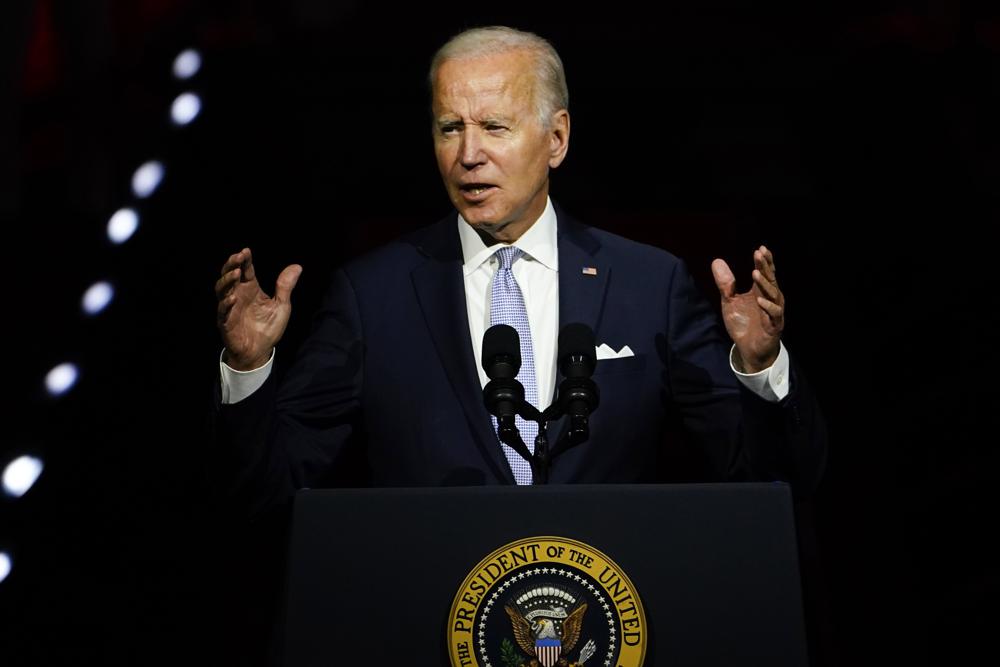
President Joe Biden’s student loan forgiveness plan will be costly for American taxpayers, a coalition of GOP governors said in a letter sent Monday to the White House. The letter, signed by 22 GOP governors, tells Biden to “withdraw” the plan, citing cost estimates of up to $600 billion, or $2,000 per American taxpayer. “As governors, we support making higher education more affordable and accessible for students in our states, but we fundamentally oppose your plan to force American taxpayers to pay off the student loan debt of an elite few,” the coalition wrote. The coalition includes Alabama Gov. Kay Ivey, Alaska Gov. Mike Dunleavy, Arizona Gov. Doug Ducey, Arkansas Gov. Asa Hutchinson, Florida Gov. Ron DeSantis, Georgia Gov. Brian Kemp, Idaho Gov. Brad Little, Iowa Gov. Kim Reynolds, Maryland Gov. Larry Hogan, Missouri Gov. Mike Parson, Montana Gov. Greg Gianforte, Nebraska Gov. Pete Ricketts, New Hampshire Gov. Chris Sununu, North Dakota Gov. Doug Burgum, Ohio Gov. Mike DeWine, Oklahoma Gov. Kevin Stitt, South Carolina Gov. Henry McMaster, South Dakota Gov. Kristi Noem, Tennessee Gov. Bill Lee, Texas Gov. Greg Abbott, Utah Gov. Spencer Cox, and Wyoming Gov. Mark Gordon. “At a time when inflation is sky high due to your unprecedented tax-and-spend agenda, your plan will encourage more student borrowing, incentivize higher tuition rates, and drive-up inflation even further, negatively impacting every American,” the governors added. Biden announced the plan last month during an address from the White House. “Many people – many people can’t qualify for a mortgage or buy a home because the debt they continue to carry,” Biden said. “A lot of folks are even putting off starting families because of the cost, and the dream of starting or owning your business is just way off in the distance with a debt that’s – that so many are saddled with.” The plan forgives $10,000 in federal student loan debt for those who make less than $125,000 annually, while federal Pell Grant recipients will be forgiven $20,000. The Committee for a Responsible Federal Budget has estimated that the plan’s total cost would be $440 to $600 billion. Republished with the permission of The Center Square.
Stark political divides loom as U.S. governors gather

With stark political divides on abortion, gun violence, and other issues threatening to overshadow their meeting, the nation’s governors sought to find common ground — on other issues. The National Governors Association formally kicked off its summer gathering Thursday, the first in-person meeting since 2019, before the COVID-19 pandemic. It follows recent U.S. Supreme Court rulings that have deepened the rift between red and blue states by overturning Roe v. Wade and striking down gun restrictions in New York. Leaders say there’s still room for bipartisanship. “It’s about trying to find things that we can work on together, and that’s plentiful,” said Arkansas Gov. Asa Hutchinson, a Republican who is wrapping up his yearlong term as the association’s chair. Hutchinson is handing the reins of the group to Democratic Gov. Phil Murphy of New Jersey, who will serve as its next chair. The two governors last month announced a bipartisan task force to make recommendations on preventing mass shootings following the massacre at a Texas elementary school that killed 19 children and two teachers. The task force was announced before President Joe Biden signed into law a sweeping, bipartisan gun violence measure that includes billions in new funding for mental health and school safety. The task force is comprised of eight governors, equally divided between Republicans and Democrats. Hutchinson said he sees the group helping shepherd that law’s implementation at the state level. Republican Gov. Spencer Cox of Utah, a member of the task force, acknowledged that any change to gun policy would invite controversy in his state, yet he encourages politicians to listen to proposals from across the political spectrum, including funding for school security, counselors, gun buybacks and red flag laws. “I’ve asked everyone to be open to every conversation,” Cox, the association’s incoming vice chairman, said in a press conference last month. The public agenda at the event in Maine avoided any high-profile partisan issues. Sessions on Thursday featured Intel CEO Patrick Gelsinger and the leader of a global robotics competition for a discussion of computer science education. Another session focused on travel and tourism. The governors also held several other events, including a mixer Wednesday evening and a scheduled lobster bake Thursday evening. Security was tight with road closures and a large police presence. Organizers declined to say if there was a specific threat or concern. Nineteen governors, including the governor of Puerto Rico, attended the event. Missing were governors of several large states, including California Gov. Gavin Newsom, Texas Gov. Greg Abbott, New York Gov. Kathy Huchul, and Florida Gov. Ron DeSantis. Hutchinson said he doesn’t see the governors association addressing abortion following the reversal of Roe. That ruling has pitted states against each other, with “trigger” bans taking effect almost immediately after the ruling in a number of states. Republicans in some states are looking at ways to prevent women from going out of state for abortions, steps that could include going after abortion providers. In response, some Democratic governors have signed measures banning their state’s law enforcement agencies from enforcing other states’ abortion bans. That includes Democratic Gov. Janet Mills, who formally welcomed the governors to her state on Thursday. When she signed an executive order last week, Mills said she “will stand in the way of any effort to undermine, roll back or outright eliminate the right to safe and legal abortion in Maine.” Partisanship was underscored on the eve of the gathering as New Hampshire Gov. Chris Sununu campaigned alongside fellow Republican Paul LePage, a former Maine governor who hopes to unseat Mills. Newsom, the governor of California, has even run a campaign ad in Florida criticizing that state’s Republican leaders. And protesters supporting reproductive choice gathered outside an event some of the governors attended on the Portland waterfront. Nonetheless, Hutchinson said the group has been able to work together on other issues, being a voice for the states during the COVID-19 pandemic and during negotiations over the bipartisan infrastructure package. Massachusetts’ Republican Gov. Charlie Baker said the governors tend to get along with each other — and they tend to focus on things where they can get results instead of areas of disagreement. “While we will disagree on different issues, we as a group have much more in common than what sets us apart,” said Mills, the host governor. Hutchinson’s chairmanship of the group has elevated his national profile as he considers running for president in 2024. The two-term governor, who leaves office in January, has criticized former President Donald Trump and has urged fellow Republicans to move on from the 2020 election. Murphy is coming into the chairmanship after narrowly winning reelection as governor last year. An unapologetic progressive, he recently signed legislation enshrining abortion rights into law and a new package of gun control bills. Even though they’re at opposite ends of the political spectrum, Hutchinson had words of praise for his successor. “Part of being a human being is that you recognize good quality that you see in people, even though we disagree fundamentally, and you’re on a different team. I think that’s needed in America today,” he said. Republished with the permission of The Associated Press.
Governors pan SEC climate disclosure proposal as unprecedented federal overreach
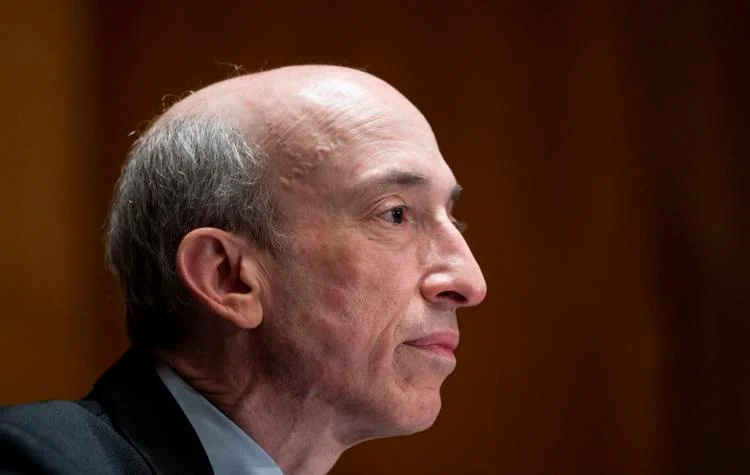
Sixteen Republican governors are asking the Biden administration to withdraw a proposed rule by the U.S. Securities and Exchange Commission that would require companies to disclose some climate-related investment information in annual reports and registration. The governors called the move an “unprecedented level of federal overreach” in a letter sent Tuesday to President Joe Biden and SEC Commissioner Gary Gensler. “The proposed rule will harm businesses and investors in our states by increasing compliance costs and by larding disclosure statements with uncertain and immaterial information that the federal government – let alone the SEC – is not equipped to judge,” the governors said in their letter. The governors said it’s OK for companies to disclose the information voluntarily. “However, since climate change models vary dramatically, the notion of evaluating investment risk based on such uncertain variables is inherently subjective and unreliable,” they wrote. “Moreover, such disclosures would serve to confuse investors as to how to judge true financial risk, significantly reducing market efficiency. It is precisely the type of question where government should not impose its own judgments of what constitutes material risk in place of managers.” The rule “appears part of an ongoing effort across the federal government to penalize companies involved in traditional energy development,” the governors said. “Until recently, the Biden administration explicitly refused to issue new oil and gas leases on federal lands and is now considering only a fraction of the lands that should be available,” they wrote. “In addition, the Council on Environmental Quality is rolling back reforms to the environmental review process, the President has denied key pipeline and other permitting applications, and officials throughout the Biden Administration are rhetorically discouraging investment in oil and gas development.” SEC officials said companies are interested in climate-related information. “The results of multiple recent surveys indicate that climate risks are among the most important priorities for a broad set of large asset managers,” the SEC said in its 140-page report. “PWC reported in their Annual Global CEO Survey that in 2016, only 39% of asset and wealth management CEOs reported that they were concerned about the threats posed by physical risks brought about by climate change, whereas this figure increased to 70% in 2021.” The SEC extended the comment period on the proposed rule from May 20 to June 17. The commission is accepting electronic comments. The letter is signed by Kay Ivey of Alabama, Mike Dunleavy of Alaska, Doug Ducey of Arizona, Asa Hutchinson of Arkansas, Brad Little of Idaho, Kim Reynolds of Iowa, Tate Reeves of Mississippi, Mike Parson of Missouri, Greg Gianforte of Montana, Pete Ricketts of Nebraska, Doug Burgum of North Dakota, Kevin Stitt of Oklahoma, Kristi Noem of South Dakota, Greg Abbott of Texas, Spencer Cox of Utah and Mark Gordon of Wyoming. Republished with the permission of The Center Square.
States adding to financial pressure on Russia over war
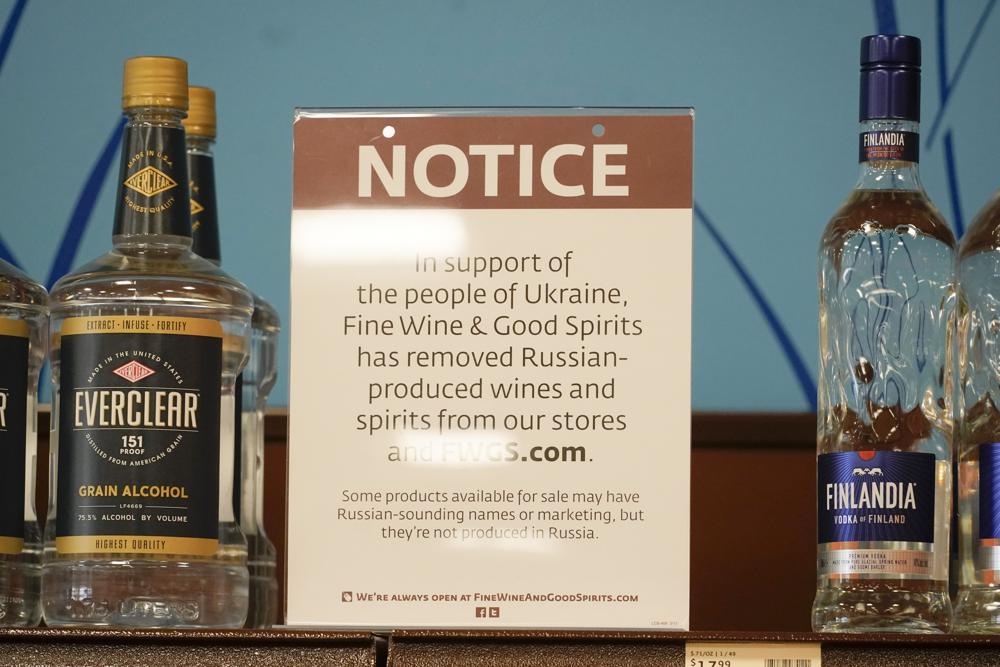
Seeking to tighten the financial squeeze on Russia over its war against Ukraine, governors, and lawmakers in numerous U.S. states were taking actions Monday to pull state investments from Russian companies while encouraging private entities to do the same. The effect of sanctions by U.S. states often pales in comparison to national ones, but state officials said they wanted to show solidarity with Ukraine and do what they could to build upon the penalties imposed on Russia by the U.S. government and other Western nations. Georgia House Speaker David Ralston, a Republican, got a bipartisan standing ovation Monday when he told representatives he would seek to have the state’s retirement funds quickly divested from any Russian assets. “I don’t know about y’all, but I don’t want one penny of Georgians’ money going to subsidize Vladimir Putin,” Ralston said. “While our role in international affairs is limited, we make clear we stand with those who want to live in peace.” Some actions have been largely symbolic. The governors of Arizona, Pennsylvania, and Tennessee ordered their capitols lit with the blue and yellow colors of Ukraine’s flag. Minnesota Gov. Tim Walz, a Democrat, and Ohio Gov. Mike DeWine, a Republican, issued a joint statement condemning Russia’s invasion of Ukraine as co-chairs of the presidentially appointed Council of Governors. Other state actions have potential teeth. On Monday, the Indiana House passed legislation that would block Russian-controlled businesses and nonprofits from acquiring property in Indiana for one year. It now goes to the Senate. “Indiana will not be a safe haven for ill-gotten Russian funds, nor for its oligarchs trying to find financial shelter in the wake of Putin’s unconscionable invasion of Ukraine,” Democratic state Rep. Ryan Dvorak said while proposing the amendment last week. New York Gov. Kathy Hochul signed an executive order Sunday forbidding her state from doing business with Russia. She ordered state agencies to divest money and assets from companies or institutions aiding Russia in its war against Ukraine. The Democratic governor also said New York would welcome Ukrainian refugees, noting that New York already is home to the largest Ukrainian population in the U.S. Pennsylvania lawmakers said Monday they will file legislation requiring state pension funds to pull investments connected to the Russian government and its critical supporters. The state Treasury Department also has begun divesting its minimal holdings in Russian-based companies. In a memo to fellow senators, Democratic state Sen. Sharif Street said Pennsylvania “must wield our economic power to ensure that Russia faces grave consequences for their flagrant violations of international law and human cooperation.” Pennsylvania House Majority Leader Kerry Benninghoff, a Republican seeking co-sponsors for the legislation, said state lawmakers “have a moral obligation to ensure that our public fund investments are not inadvertently supporting those who are engaging in an unprovoked invasion of their democratically elected neighbors.” Arkansas lawmakers have filed proposals authorizing banks in the state to freeze the assets of Russian oligarchs and to require a boycott of Russian-made goods. A bipartisan group of California lawmakers said Monday they also will introduce legislation to divest public money from Russian state entities. Colorado Gov. Jared Polis, a Democrat, has banned state agencies from doing business with Russian state-owned firms and their subcontractors. Colorado’s $61 billion state pension fund is pulling $8 million from a Russian state-owned bank identified in federal sanctions. Governors in Connecticut, New Jersey, Virginia, and Washington also have ordered a review of whether any state money is going to Russian companies or investments supporting the Russian government. A North Dakota investment board was due to meet later this week to discuss its investments in Russia. “If our state can put one brick in the wall around Putin, it will be a good thing, and we intend to do all that we can in this regard,” said Washington Gov. Jay Inslee, a Democrat. Two prominent Republican governors, Florida’s Ron DeSantis and South Dakota’s Kristi Noem, who are widely seen as angling for a White House bid, mostly took aim at President Joe Biden rather than issue executive orders targeting Russia. They criticized his energy policies and said that had made it difficult to slap sanctions on Russia’s exports of oil and gas. Other governors are seeking to sever good-will relationships between their home states and those in Russia. Republican Gov. Larry Hogan announced Monday that he’s dissolving Maryland’s decades-old sister-state relationship with Russia’s Leningrad region after the invasion of Ukraine. Virginia Gov. Glenn Youngkin, a Republican, asked the cities of Norfolk and Roanoke to end their sister city partnerships with Russian cities. Iowa Gov. Kim Reynolds, a Republican, called for an end to its sister-state relationship with Stavrapol Krai, Russia, and a strengthening of its sister-state relationship with Cherkasy Oblast, Ukraine. Several states have expressed a willingness to provide housing to Ukrainian refugees. The Washington state House and Senate each have added amendments to their budget proposals setting aside $19 million to provide services and temporary housing to refugees who come from Ukraine. Texas Gov. Greg Abbott, a Republican, posted on Twitter over the weekend that he has asked restaurants and retailers “ to voluntarily remove all Russian products from their shelves.” Officials in Alabama, Iowa, New Hampshire, Ohio, Pennsylvania, Utah, Vermont, Virginia, and West Virginia — all states that control the sale of alcohol — have directed Russian-sourced alcohol to be removed from store shelves. “Utah stands in solidarity with Ukraine and will not support Russian enterprises, no matter how small the exchange,” Republican Utah Gov. Spencer Cox said. Republished with the permission of the Associated Press.
Kay Ivey signs on to joint U.S.-Canada letter in support of protesting truck drivers
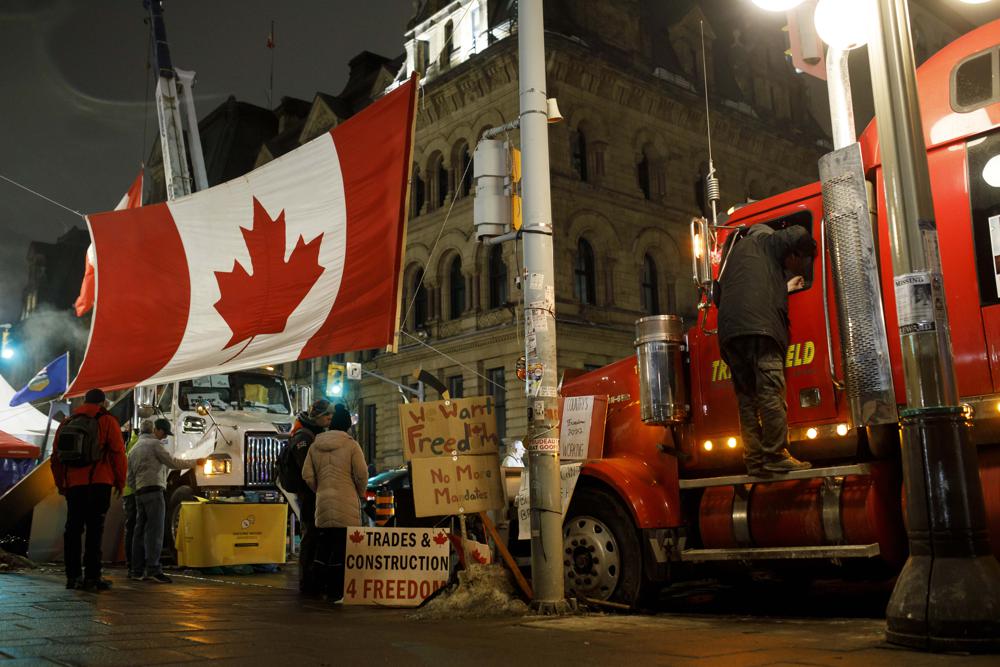
Governor Kay Ivey, along with 15 other governors, has signed on to a letter to Prime Minister Justin Trudeau and President Joe Biden asking them to immediately reinstate the vaccine and quarantine exemptions available to cross border truck drivers. Since late January, Canadian truckers have blocked some of the busiest border crossings between Canada and the U.S. The demonstrations initially focused on Canada’s vaccine requirement for truckers entering the country but quickly became a broad attack on COVID-19 precautions and Trudeau himself. Demonstrations and blockades have shut down border crossings into the U.S. and inflicted economic damage on both countries. Ivey stated on Twitter, “The truck drivers we’ve seen peacefully protesting in Canada simply want common sense reinstated & freedoms protected. I support them and am joining my fellow governors in calling Prime Minister Trudeau & @POTUS to immediately allow exemptions for cross border truck drivers. These types of unnecessary mandates would continue to exacerbate supply chain and economic issues.” The letter emphasizes the need for the border to remain open because of COVID-19 supply chain issues. The letter states, “The timing of your decision to terminate the vaccine and quarantine exemptions could not have been worse, as North America already faces grave supply chain constraints. These constraints, combined with increasing inflation, place significant burdens on the residents of Canada and the United States. Furthermore, transportation associations have informed us that the lack of exemptions will force thousands of drivers out of the trucking industry, which is already facing a significant workforce shortage. The removal of these exemptions is ultimately unnecessary, and we cannot afford to lose any more truck drivers who transport food and other vital supplies across the border.” Last week, the White House stated, “The two leaders agreed that the actions of the individuals who are obstructing travel and commerce between our two countries are having significant direct impacts on citizens’ lives and livelihoods.” Other governors who signed the letter include Greg Gianforte (MT), Mike Dunleavy (AK), Asa Hutchinson (AR), Brian Kemp (GA), Brad Little (ID), Kim Reynolds (IA), Tate Reeves (MS), Mike Parson (MO), Pete Ricketts (NE), Doug Burgum (ND), Henry McMaster (SC), Kristi Noem (SD), Bill Lee (TN), Spencer Cox (UT), and Mark Gordon (WY).
Joe Biden announces Uber, Lyft rides amid July 4 vaccine push
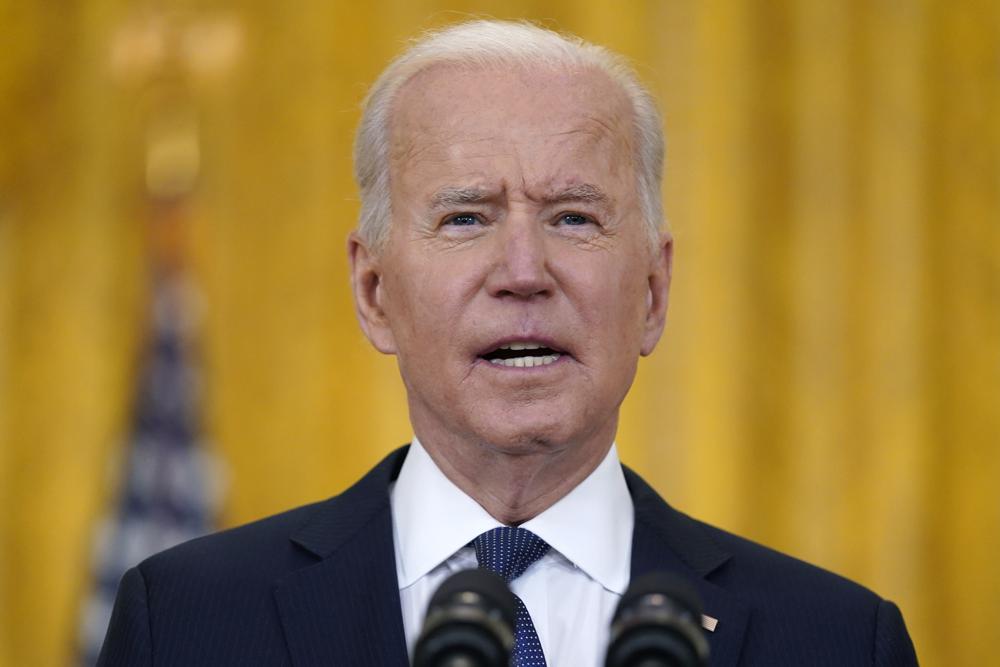
President Joe Biden is highlighting new efforts to encourage Americans to get COVID-19 shots, including free rides to and from vaccination sites from ride-sharing companies Uber and Lyft, as the pace of shots nationally declines and he looks to meet his July Fourth inoculation targets. The partnership with the ride-sharing companies marked the latest in a series of government-encouraged efforts to increase access to shots, including numerous state and local efforts to provide perks to drive Americans to get vaccinated. It comes as Biden met virtually with a bipartisan group of governors Tuesday to share best practices for encouraging Americans to roll up their sleeves. “We have to make it easier and more convenient for all Americans to get vaccinated,” Biden said, as he met with Utah Gov. Spencer Cox, Massachusetts Gov. Charlie Baker and Ohio Gov. Mike DeWine, all Republicans, as well as Democratic Govs. Michelle Lujan Grisham of New Mexico, Janet Mills of Maine, and Tim Walz of Minnesota. “I think that’s really stepping up,” Biden said of the partnership with the ride-sharing companies. Biden also announced new funding through the Federal Emergency Management Agency for community outreach efforts to encourage Americans to get vaccinated, as well as a new initiative to host federally supported vaccination sites at community colleges. During the meeting, Biden asked the governors to share their innovations to boost vaccine uptake, from mobile vaccination clinics to incentives like tickets to minor league baseball games or promotions at retailers like L.L. Bean. “I think you’ve done incredible work,” Biden said of the governors. “None of this could work without your leadership.” Cox pressed Biden for assistance in highlighting the role of vaccinations bringing about a return to normalcy, echoing a growing complaint of public health professionals and others at the caution of the Biden administration in releasing guidance for those who are fully vaccinated. “One area where we can use some help from the White House and others, and that is modeling what a fully vaccinated person can do,” said Cox. “I like to say that we have fully vaccinated people, we should start acting like it,” calling it a motivating force for those who haven’t yet gotten a shot. “I think you’re going to see a more aggressive effort on our part to lay out that it’s not only you can hug your grandchildren, you can do a lot more,” Biden responded. Biden’s meeting comes a week after he set a new goal of delivering at least one dose of vaccine to 70% of adult Americans by Independence Day and fully vaccinating at least 160 million by then. On Tuesday, the White House told governors that states had chosen not to accept 2.5 million doses of the nearly 18 million available to them this week due to declining interest. The administration did not reveal the complete list, though states like Iowa have been vocal about not needing additional vaccine supply given current demand. The nation’s vaccination rate has dramatically slowed in recent weeks. According to the Centers for Disease Control and Prevention, an average of about 690,000 Americans are getting their first dose of vaccine daily, down from a peak of more than 1.9 million per day a month ago. Biden’s virtual meeting with governors was streamed online without reporters present. Republished with the permission of the Associated Press.
Kay Ivey joins 19 other governors urging action at the U.S. border
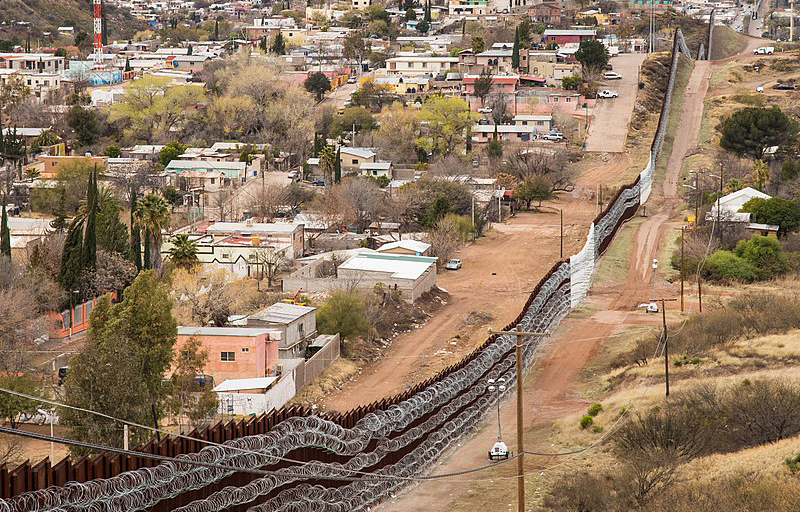
Today Gov. Kay Ivey joined 19 other governors in a call for Joe Biden to take action and reverse their policies regarding the U.S. border. The group wrote a letter to President Biden and Vice-President Kamala Harris describing worsening conditions at the border. In April, Arizona’s governor Doug Ducey declared a state of emergency at the southern border and deployed the Arizona National Guard to support law enforcement agencies in border regions. In May, the Associated Press reported that the State Emergency Council voted to allocate approximately $2.5 million to help pay for the deployment of 250 National Guard personnel to free up law enforcement officers in border towns along the Arizona-Mexico border. Part of the letter states, “This Administration has enticed a rush of migrants to our border and incentivized an influx of illegalcrossings by using irresponsible rhetoric and reversing a slew of policies—from halting border wall construction to eliminating asylum agreements to refusing to enforce immigration laws.” The letter concluded, stating, “At a time when our country is trying to recover from a once-in-a-generation pandemic, the last thing weneed is a self-created crisis that exploits families, undermines public safety, and threatens our national security. We urge you to take action to end the humanitarian crisis and secure our southern border immediately.” Gov. Ivey stated on Twitter, “I’m proud to sign on to this letter with fellow governors urging @POTUS & @VP to take immediate action on the crisis happening at America’s southern border. The crisis is too big to ignore & is now spilling over the border of all of our states.” I’m proud to sign on to this letter with fellow governors urging @POTUS & @VP to take immediate action on the crisis happening at America’s southern border. The crisis is too big to ignore & is now spilling over the border of all of our states. #alpolitics @WhiteHouse pic.twitter.com/lyX6AQsyaE — Governor Kay Ivey (@GovernorKayIvey) May 11, 2021 Other governors who signed the letter are Governors Bill Lee, Tennessee; Doug Ducey, Arizona; Asa Hutchinson, Arkansas; Brian Kemp, Georgia; Brad Little, Idaho; Eric Holcomb, Indiana; Kim Reynolds, Iowa; Tate Reeves, Mississippi; Mike Parson, Missouri; Greg Gianforte, Montana; Pete Ricketts, Nebraska; Chris Sununu, New Hampshire; Doug Burgum, North Dakota; Kevin Stitt, Oklahoma; Henry McMaster, South Carolina; Kristi Noem, South Dakota; Greg Abbott, Texas; Spencer Cox, Utah; and Mark Gordon, Wyoming.
John Merrill joins Hunt-Kean Leadership Fellows
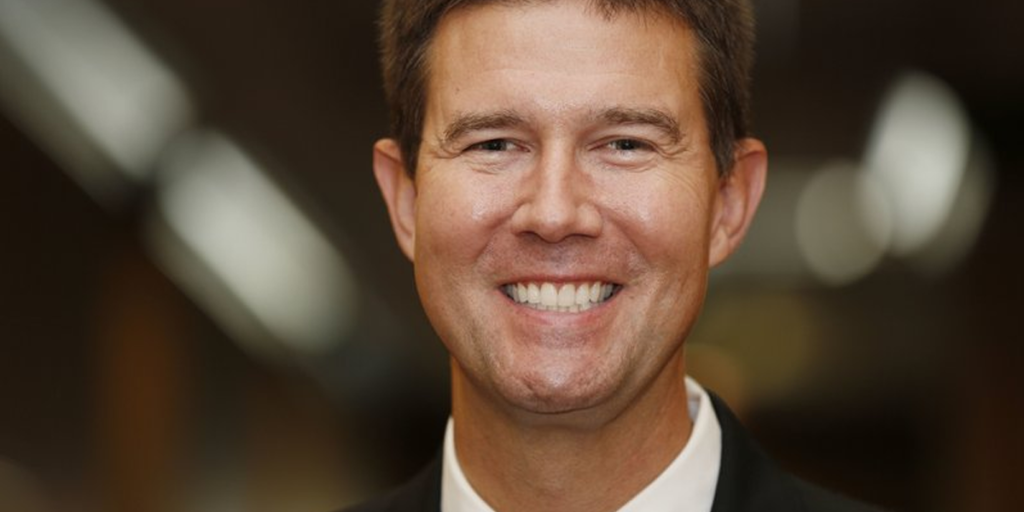
Alabama Secretary of State John H. Merrill has been selected to participate in the Hunt-Kean Leadership Fellows program. The leaders chosen for this program have been recognized for having the knowledge, skill, and will to be effective education policymakers at the state level. The program is an initiative of The Hunt Institute, an education policy non-profit founded in 2001 by former North Carolina Governor Jim Hunt. The Fellows program is named for Governors Jim Hunt and Tom Kean. They saw education as an essential investment that strengthens our nation’s economy and society. Secretary Merrill will join 29 other elected officials from across the country. The total number of Hunt-Kean Leadership Fellows totals 141 and includes Alabama Senate Pro Tem Greg Reed. The program also includes six sitting governors: Oregon Governor Kate Brown, Iowa Governor Kim Reynolds, Idaho Governor Brad Little, Michigan Governor Gretchen Whitmer, Mississippi Governor Tate Reeves, and Utah Governor Spencer Cox. Merrill stated, “Every student in this state deserves access to a high-quality education from a well-resourced school. I am honored to join this cohort of Hunt-Kean Leadership Fellows aimed at strengthening education in our state. I am incredibly grateful to The Hunt Institute for this opportunity to assist our local communities.” Dr. Javaid Siddiqi, President & CEO of The Hunt Institute, stated, “Our vision is to provide policymakers with the core knowledge they need to promote effective education agendas. By investing in America’s policymakers, the Hunt-Kean Leadership Fellows is building a cadre of informed and motivated educational change agents with the necessary influence to transform state education systems and improve outcomes.”
Heavily fortified statehouses around U.S. see small protests
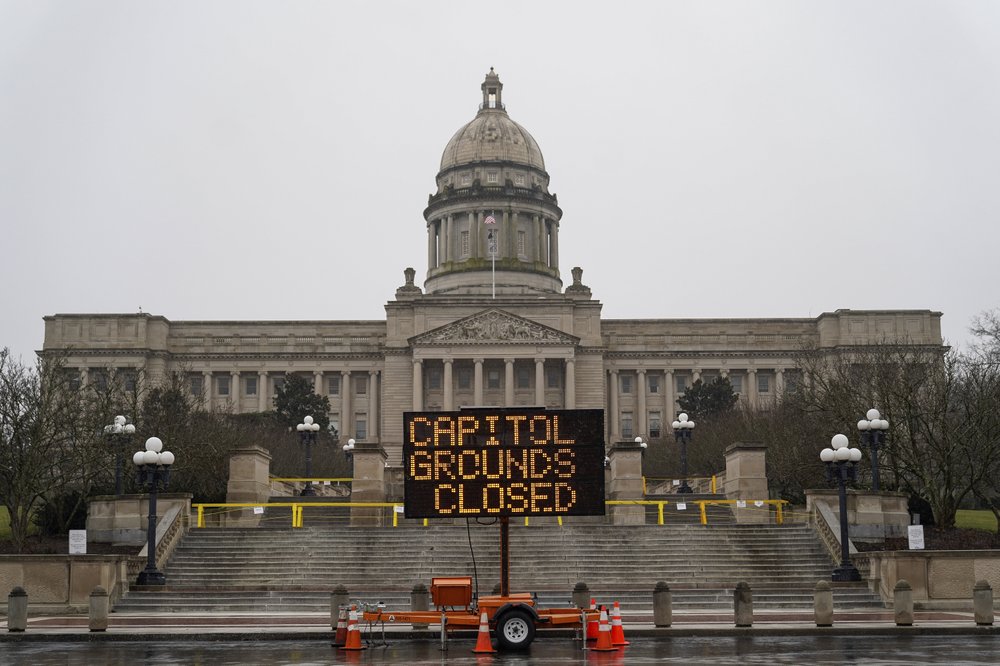
Small groups of right-wing protesters — some of them carrying rifles — gathered outside heavily fortified statehouses around the country Sunday, outnumbered by National Guard troops and police brought in to prevent a repeat of the violence that erupted at the U.S. Capitol. As darkness fell, there were no reports of any clashes. Security was stepped up in recent days after the FBI warned of the potential for armed protests in Washington and at all 50 state capitol buildings ahead of President-elect Joe Biden’s inauguration on Wednesday. Crowds of only a dozen or two demonstrated at some boarded-up, cordoned-off statehouses, while the streets in many other capital cities remained empty. Some protesters said they were there to back President Donald Trump. Others said they had instead come to voice their support for gun rights or decry government overreach. “I don’t trust the results of the election,” said Michigan protester Martin Szelag, a 67-year-old semi-retired window salesman from Dearborn Heights. He wore a sign around his neck that read, in part, “We will support Joe Biden as our President if you can convince us he won legally. Show us the proof! Then the healing can begin.” As the day wore on with no bloodshed around the U.S., a sense of relief spread among officials, though they were not ready to let their guard down. The heavy law enforcement presence may have kept turnout down. In the past few days, some extremists had warned others against falling into what they called a law enforcement trap. Washington State Patrol spokesman Chris Loftis said he hoped the apparently peaceful day reflected some soul-searching among Americans. “I would love to say that it’s because we’ve all taken a sober look in the mirror and have decided that we are a more unified people than certain moments in time would indicate,” he said. The security measures were intended to safeguard seats of government from the type of violence that broke out at the U.S. Capitol on Jan. 6, when far-right Trump supporters galvanized by his false claims that the election had been stolen from him overran the police and bashed their way into the building while Congress was certifying the Electoral College vote. The attack left a Capitol police officer and four others dead. More than 125 people have been arrested over the insurrection. Dozens of courts, election officials, and Trump’s own attorney general have all said there was no evidence of widespread fraud in the presidential race. On Sunday, some statehouses were surrounded by new security fences, their windows were boarded up, and extra officers were on patrol. Legislatures generally were not in session over the weekend. Tall fences also surrounded the U.S. Capitol. The National Mall was closed to the public, and the mayor of Washington asked people not to visit. Some 25,000 National Guard troops from around the country are expected to arrive in the city in the coming days. U.S. defense officials told The Associated Press those troops would be vetted by the FBI to ward off any threat of an insider attack on the inauguration. The roughly 20 protesters who showed up at Michigan’s Capitol, including some who were armed, were significantly outnumbered by law enforcement officers and members of the media. Tensions have been running high in the state since authorities foiled a plot to kidnap Democratic Gov. Gretchen Whitmer last year. At the Ohio Statehouse, about two dozen people, including several carrying long guns, protested outside under the watchful eyes of state troopers before dispersing as it began to snow. Kathy Sherman, who was wearing a visor with “Trump” printed on it, said she supports the president but distanced herself from the mob that breached the U.S. Capitol. “I’m here to support the right to voice a political view or opinion without fear of censorship, harassment or the threat of losing my job or being physically assaulted,” she said. Ohio Gov. Mike DeWine, a Republican, said he was pleased with the outcome but stressed that authorities “continue to have concerns for potential violence in the coming days, which is why I intend to maintain security levels at the Statehouse as we approach the presidential inauguration.” Utah’s new governor, Republican Spencer Cox, shared photos on his Twitter account showing him with what appeared to be hundreds of National Guard troops and law enforcement officers standing behind him, all wearing masks. Cox called the quiet protests a best-case scenario and said many ”agitating groups” had canceled their plans for the day. At Oregon’s Capitol, fewer than a dozen men wearing military-style outfits, black ski masks and helmets stood nearby with semiautomatic weapons slung across their bodies. Some had upside-down American flags and signs reading such things as “Disarm the government.” At the Texas Capitol, Ben Hawk walked with about a dozen demonstrators up to the locked gates carrying a bullhorn and an AR-15 rifle hanging at the side of his camouflage pants. He condemned the insurrection at the U.S. Capitol and said he did not support Trump. “All we came down here to do today was to discuss, gather, network and hang out. And it got blown and twisted completely out of proportion,” Hawk said. At Nevada’s Capitol, where demonstrators supporting Trump have flocked most weekends in recent months, all was quiet except for a lone protester with a sign. “Trump Lost. Be Adults. Go Home,” it read. More than a third of governors had called out the National Guard to help protect their capitols and assist local law enforcement. Several governors declared states of emergency, and others closed their capitols to the public until after Biden’s inauguration. Some legislatures also canceled sessions or pared back their work for the coming week. Even before the violence at the Capitol, some statehouses had been the target of vandals and angry protesters during the past year. Last spring, armed protesters entered the Michigan Capitol to object to coronavirus lockdowns. People angry over the death of George Floyd under a Minneapolis police officer’s knee vandalized
