
Jim Zeigler calls out “dysfunctional” Bentley admin over state payroll failures
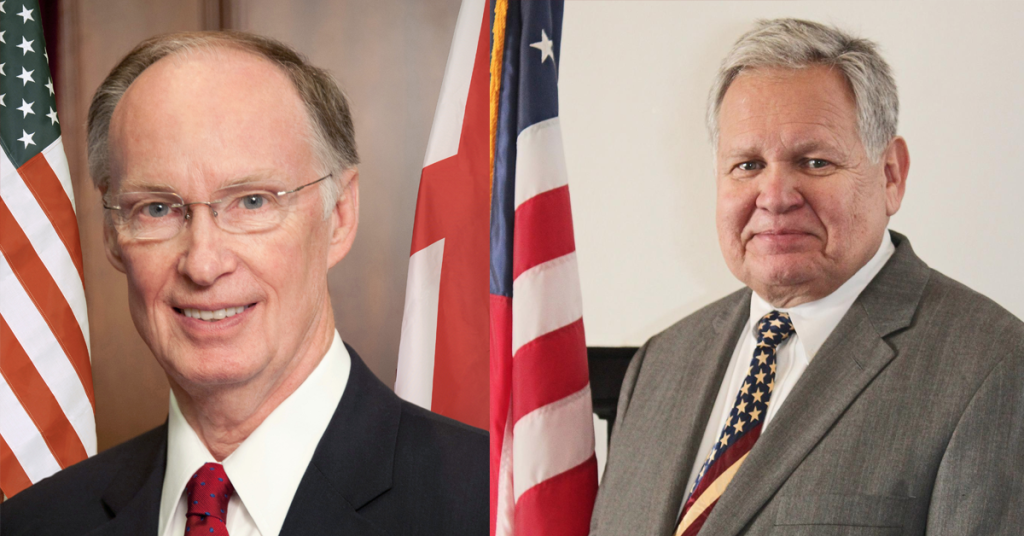
State Auditor Jim Zeigler sent a shot across the bow of the administration of Gov. Robert Bentley on Wednesday, calling failures in the state’s payroll system due to payment software problems evidence of deep trouble in the governor’s office. “We have known for some time that the Bentley administration had major internal problems, but we really did not know just how bad those are,” said Zeigler. “Now, they have become dysfunctional.” Zeigler’s comments come in the wake of reports of irregularities in the state government’s public payroll reporting system Open Alabama Checkbook. An investigation into the reporting discrepancies revealed massive state payroll failures leading to thousands of vendors receiving late payments and even state attorneys’ state Bar licenses lapsing due to the faulty system. Zeigler teed off on the news in a statement to reporters Wednesday. “The new state financial software does not work. It has not worked in months, and they have hid that fact. The state’s bills are not being paid,” said Zeigler. “Tens of thousands of bills.” A frequent combatant with the Bentley administration, whom he has also taken to task over state park closures among other priorities, Zeigler attributed the failure’s to a lack of leadership from the governor. He ended his missive on a grim note. “I wish this software was under my authority. Those who do have authority are fiddling while Montgomery burns,” said Zeigler.
New report ranks Alabama No. 29 in nation for business climate
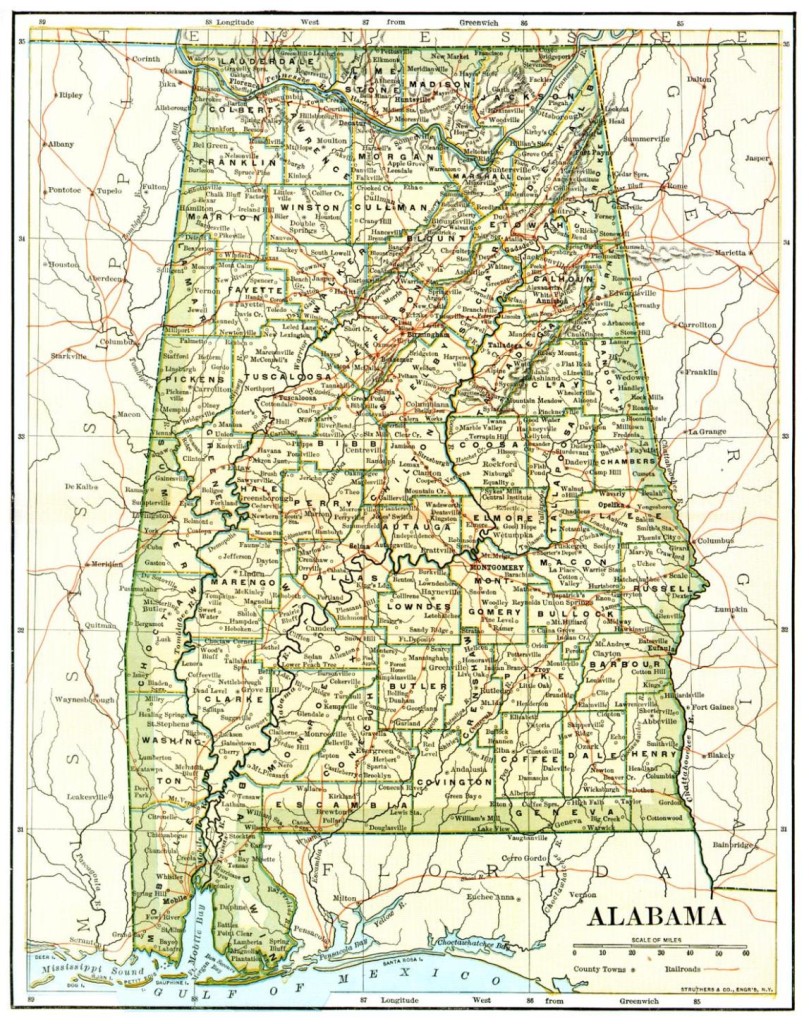
A new report released Tuesday from the Washington, D.C.-based Tax Foundation ranks Alabama at No. 29 in the nation in terms of business climate. The conservative-leaning group think-tank cited a high sales tax and middling rankings when it comes to the cost of unemployment insurance and the corporate tax rate when assigning the state its rating. Alabama’s relatively low property taxes and and personal income tax levels, on the other hand, were listed as better than average. The No. 29 slot was good for some ten spots better than neighboring Georgia, but considerably lower than its southern neighbors in Florida, which structures its revenue base primarily on tourism and real estate. Wyoming, South Dakota, Alaska and Nevada rounded out the top five along with the Sunshine State, which came in at No. 4. Alabama border states Tennessee (No. 16) and Mississippi (No. 20) also scored somewhat higher in the foundation’s ratings. Fiscally liberal bastions like Rhode Island, Vermont, Minnesota, California, New York were at the bottom of the list. New Jersey took home the dubious distinction of coming in very last among all states. “The states in the bottom 10 tend to have a number of afflictions in common: complex, non-neutral taxes with comparatively high rates,” the study explained. “New Jersey, for example, is hampered by some of the highest property tax burdens in the country, is one of just two states to levy both an inheritance tax and an estate tax, and maintains some of the worst-structured individual income taxes in the country.” The news isn’t all bad for Alabama – the Tax Foundation authors said taxes aren’t everything, and that quality of life and infrastructure play a significant role in luring businesses as well. “…[P]olicymakers routinely overestimate the degree to which tax policy affects business location decisions and that as a result of this misperception, they respond readily to public pressure for jobs and economic growth by proposing lower taxes. According to [Syracuse economist Michael] Wasylenko, other legislative actions are likely to accomplish more positive economic results because in reality, taxes do not drive economic growth.” They do, however, remain a major factor. “The taxes paid by businesses should be a concern to everyone because they are ultimately borne by individuals through lower wages, increased prices, and decreased shareholder value,” the authors wrote. “Every change to a state’s tax system makes its business tax climate more or less competitive compared to other states and makes the state more or less attractive to business.”
Gov. Robert Bentley says BP settlement won’t fix state budget
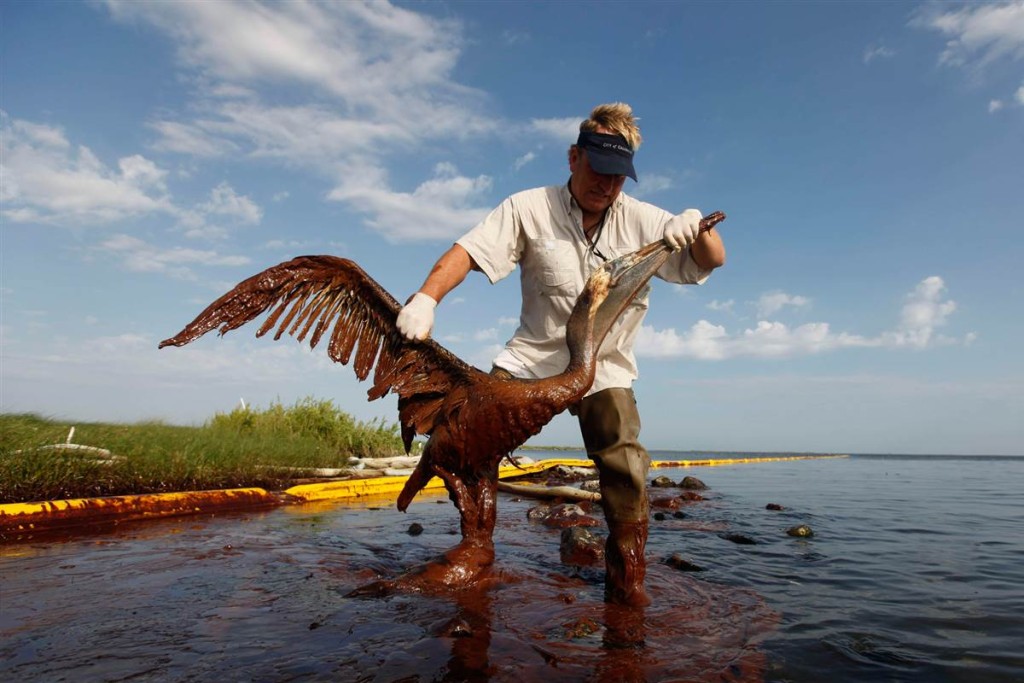
Alabama will receive about $2.3 billion in a settlement with BP over the 2010 Gulf of Mexico oil spill, Gov. Robert Bentley said Thursday. About $1 billion of that is for economic damages and will go to the state’s General Fund in payments during an 18-year period. Information about whether the money will come in equal annual amounts was not available Thursday, and it’s not known yet when the first payment will arrive. At a press conference Thursday, Bentley talked about the environmental and economic effects of the spill and said both were significant hardships for the state. Bentley said the announcement, shared Thursday by other coastal states, does not resolve the looming shortfall in the state’s 2016 General Fund budget. He said a Special Session to address the $200 million hole in the budget is still needed. “It will not factor into the special session,” Bentley said. Divided by 18 years, the $1 billion settlement equals about $55 million a year. Jere Beasley, head of the Beasley Allen Law Firm in Montgomery that assisted the state in the litigation and calculated damages, said the settlement amount was fair. “In fact, based on everything we had, information from all department heads, all the projections and actual losses that we could prove, it’s a very good settlement,” said Beasley, a former Alabama lieutenant governor. “In fact, it was more, quite honestly, than I thought they’d pay.” Republican Rep. Ed Henry of Hartselle said Thursday that he would like to see the money put aside in a separate trust. “Historically, the Legislature and the governor have taken these one-time moneys and used them to shore up state government,” Henry said. “If we are going to be fiscally responsible, we should take this settlement money, put it into a trust, and only use that interest to fund government.” Henry was supportive earlier this year of legislation that would put all state settlement money into a trust. Most of the interest generated would flow toward the General Fund. That bill didn’t get much traction, but Henry said it will be brought back next year. In total, the principal settlement among BP and other states after the 2010 oil spill is $18.7 billion. The agreements were signed Wednesday and still need court approval. Beasley said that should happen very soon. About $1.3 billion will go toward coastal restoration in Mobile and Baldwin counties. Alabama Attorney General Luther Strange said this case may be the largest economic damages case ever handled by the attorney general’s office. Asked how much money will go toward attorney fees, Bentley said that will be up to the court but won’t come from the settlement. Beasley said that his firm has put in more than 22,000 man hours and fronted about $1.5 million in costs for the state. Thursday’s settlement announcement comes as a federal judge was preparing to rule on how much BP owed in federal Clean Water Act penalties after well over 125 million gallons of oil spewed into the Gulf. BP PLC Chairman Carl-Henric Svanberg said the settlement reflected the company’s commitment to restoring the Gulf of Mexico economically and environmentally, and provided the company with closure going forward. “It resolves the company’s largest remaining legal exposures, provides clarity on costs and creates certainty of payment for all parties involved,” Svanberg said. The company had been facing an additional about $13.7 billion in possible Clean Water Act penalties alone, with possibly billions more resulting from other legal cases. BP has said its spill-related costs already exceed $42 billion, even without the Clean Water Act fine. It’s also unclear how much BP will end up paying under a 2012 settlement with individuals and businesses claiming spill-related losses. The spill resulted from the April 20, 2010, explosion of the Deepwater Horizon rig, which killed 11 workers. Republished with permission of The Associated Press.
Governor Robert Bentley threatens budget veto over state cuts
Gov. Robert Bentley threw down the gauntlet on Friday, saying unambiguously that he would wield his veto pen if “draconian” cuts to health care and other social services remained in a draft spending plan, effectively blowing up the entire budget process and setting the state for a showdown between Alabama’s legislative and executive branches. “This is a budget that is draconian, and it will hurt people,” Bentley told the Alabama Public Health Association Conference in Montgomery. The maneuvering by Bentley and his office comes amid deep concerns in his Cabinet and administration that the Legislature’s spending plan would, among other things, cut the state’s small and overstretched Medicaid program by more than a quarter of a billion dollars. “I don’t want to be hyperbolic, but I really don’t know if we can make a Medicaid program work that CMS will approve when you cut $350 million out of a program that already has the third-lowest cost in the country,” State Health Officer Don Williamson said. Bentley also continued to press for public support for his new tax program, which includes $541 million in new revenue by way of eight separate tax increases, in areas such as new automobile and tobacco sales. Lawmakers haven’t embraced Bentley’s tax proposal during the first third of the legislative session. Bentley has called out many of his fellow Republicans in the statehouse, who have criticized his tax package while, at the same time, seeking state funds in the budget. “If they’re not willing to stick their neck out, they don’t need to be sticking their hand out,” he said pointedly. Should the governor issue his threatened veto, the Legislature could override it with a simple majority vote. Alabama’s legislature is about a third of the way through its annual lawmaking Session, which ends June 15. —————– Information from the Associated Press was used in this report.
