
Kay Ivey: Exploring Alabama’s state parks
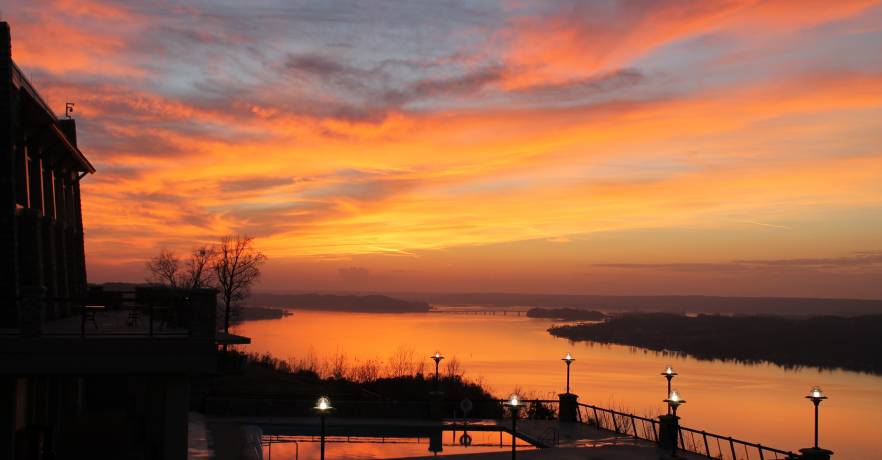
Summer is officially here— school’s out, graduations have wrapped up and the summer heat is in full swing. As you make summer travel plans for your family, consider exploring Alabama the beautiful. Alabama is home to over two dozen state parks reaching from the sugar-white beaches of the Gulf Coast to the foothills of the Appalachian Mountains. The state parks have in total 48,000 acres of land and water. With over 75 years of service to our State, the state parks acquire and preserve natural areas to develop, furnish, operate and maintain recreational facilities, and extend the public’s knowledge of the State’s natural environment. No matter your age, the state parks have an activity or amenity for you to enjoy. With more than 2,500 modern campsites, cabins and six resorts, there is plenty of room for an overnight, weekend or week stay. The parks provide public access to waterways for boating, fishing, water skiing and wildlife viewing. Also, there are miles of trails for biking, horseback riding, backpacking, geocaching, running and walking. Many of the parks have an opportunity for a wonderful dining experience. When looking for a place to cool off, waterways can be found all across this State. Water recreation can be enjoyed at the Gulf State Park on the white sand beaches of the Gulf of Mexico; Meaher State Park in Spanish Fort on the Mobile Delta; Lake Jackson RV State Park in Florala; Frank Jackson State Park in Opp; Blue Springs State Park in Clio, featuring a crystal clear underground spring; Wind Creek State Park on Lake Martin; Lakepoint State Park on Lake Eufaula, known as the bass capital of the world; Lake Lurleen State Park in Coker; Joe Wheeler State Park in Rogersville offering golfing on Wheeler Lake; and, last but not least, Lake Guntersville, Alabama’s largest lake. Two Alabama State Parks offer the unique experience of cave tours. At Rickwood State Park in Warrior, the massive 260 million-year-old cave is a must see. The underground wonder is a cool activity to escape the sweltering summer heat. The Cathedral Caverns State Park in Woodville is named for its cathedral-like large opening to the cave. The cave tours are sure to be the best 90 minutes spent touring our State’s natural wonders. Miles of trails can provide a source of exercise while viewing Alabama’s beautiful nature at our State’s largest park, Oak Mountain State Park. Cheaha State Park in Delta and Desoto State Park in Fort Payne provide mountain-top retreats. Bucks Pocket State Park in Grove Oak in the foothills of the Appalachian Mountains and Monte Sano State Park in Huntsville have serene mountain-setting experiences. The Chewacla State Park in Auburn provides trails for those looking for a challenging mountain bike trail. Our state parks in Alabama have recently faced critical budget issues and many devastating closures. This past Legislative Session, state Sen. Clay Scofield made a bold move for the sake of Alabama’s State Parks. SB260 is a constitutional amendment to permanently protect Alabama’s State Parks funding from being transferred to any other agency. The Constitutional Amendment will appear on the General Election Ballot in November for the people of Alabama to make a permanent decision in favor of the State Parks in our State. A vote for state parks is a vote for our future generation’s wildlife experiences. Each state park in Alabama provides a unique experience with a variety of amenities to enjoy. I encourage you to support our State and enjoy Alabama this summer. • • • Kay Ivey is the lieutenant governor of Alabama. Elected in 2010, she was the first Republican woman in Alabama’s history to hold the office.
Jim Zeigler to give “State of Our Parks” speech, update “Auditor’s Examination” of Robert Bentley
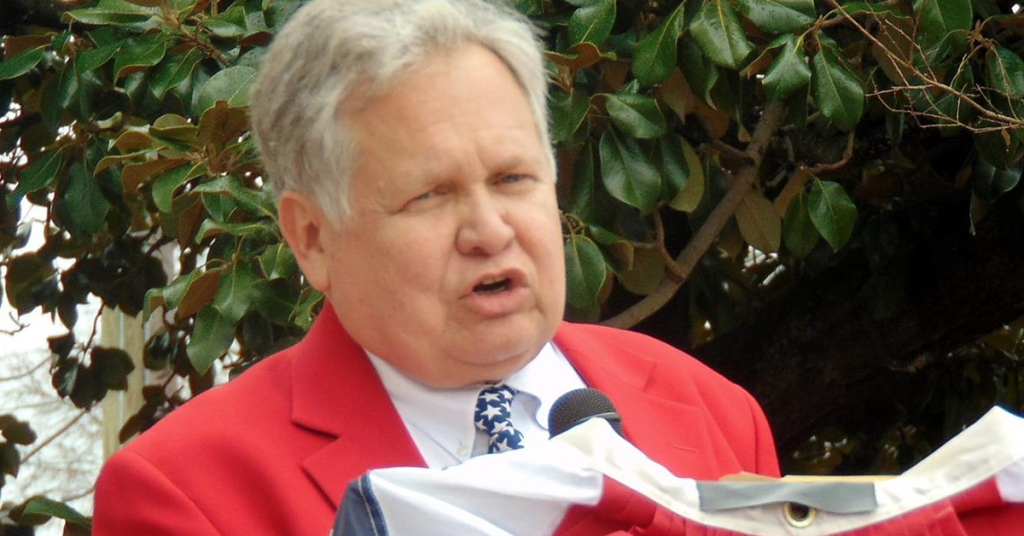
The never-ending saga of State Auditor Jim Zeigler and embattled Gov. Robert Bentley will continue this weekend. Zeigler, like Bentley a Republican, has been a vociferous critic of the governor and his policies on spending, state parks, and even the removal of portraits of Bentley’s predecessors — Govs. George Wallace and Lurleen Wallace — from the Capitol rotunda in Montgomery. On Saturday, he will address both at grand re-opening of Rickwood Caverns State Park in Warrior, Alabama Zeigler says he will deliver an address on the “State of Our Parks” at the event on Saturday, as well as an update to his “Auditor’s Examination” of the governor he gave earlier this month. Zeigler sharply criticized Bentley in recent remarks, saying he should be ousted from his post, sooner rather than later. “The people of Alabama want and need a solution to the serious problems in the governor’s office soon, not in 2017,” said Zeigler. “To allow the dysfunction… to linger until 2017 is not acceptable.” Zeigler called for a new mechanism to oust Cabinet members he called an “executive recall.” He proposed an amendment to the state constitution to allow voters to call for any executive branch leader’s removal from office. Under Zeigler’s plan, a petition signed by 10 percent of registered voters would trigger their ouster, and then a special election within 120 days to replace them. Zeigler and the Bentley administration have also jousted over Bentley’s handing of state parks issues. Rickwood, where he will speak Saturday, was one of six parks that closed in 2015 due to budget cuts. Zeigler called the closures “bad management” back in October, saying shuttering the parks was unnecessary since they are mostly self-sustaining through entry fees and gift shop revenues. Speaking of which, attendees of the Rockville Caverns State Park event must pay $3 for entry as visitors.
State park funds secure with passage of Clay Scofield legislation
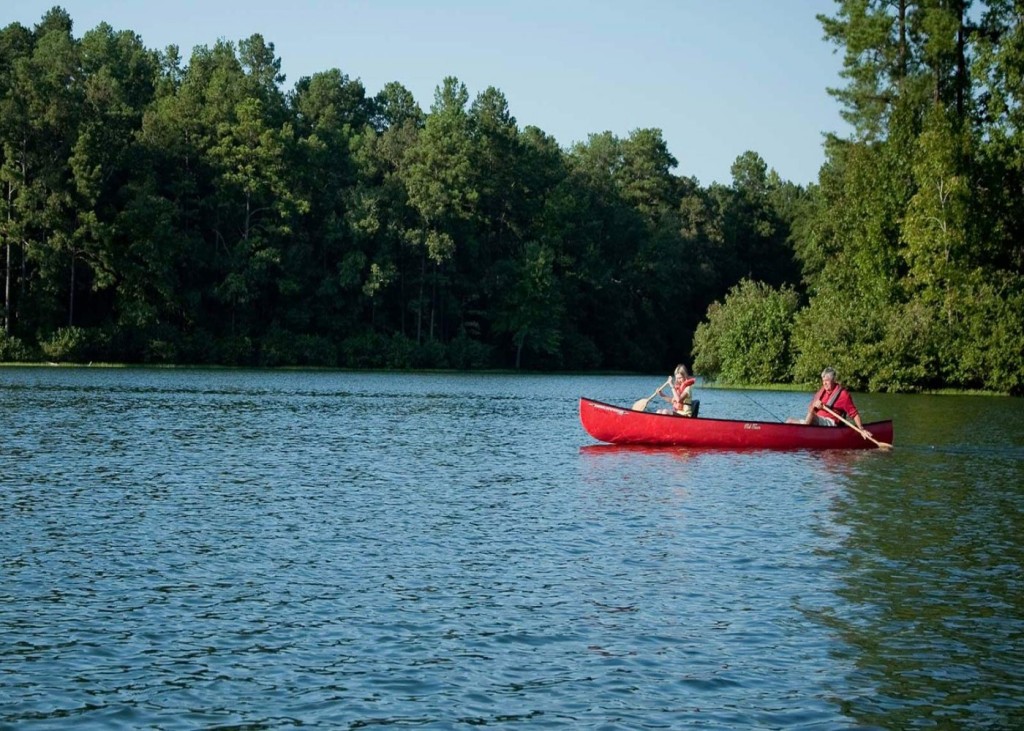
On Tuesday, the Alabama Senate passed SB260 from Sen. Clay Scofield (R-Guntersville), which is a constitutional amendment barring the legislature from using Alabama Department of Conservation funds. The legislation will ensure that all money earned through external sources, like entrance fees, merchandise sales, hunting and fishing licenses and golf course fees, will stay with the department. Over the last five years, $15 million has been transferred from state parks to the General Fund – in all, $30 million has been transferred from the department to fund other agencies. A move last year to take roughly $3 million from the department caused multiple parks to close, causing an uproar among the populace. “State parks have little incentive to provide great service to the public if the money earned is taken away each year by the Legislature,” Scofield said in a press release. “My proposal will allow the state parks to make plans for long-term improvements, since they will now have a predictable cash flow and can attract more visitors to Alabama. ” However, the bill specifies that if the State Parks Revolving Fund reaches more than $50 million in a fiscal year, the sales and use and cigarette tax money reserved for the system will be reduced in the following year. The money saved from doing so would be directed to the state’s General Fund. “Currently, state parks in Alabama are mostly self-funded through the services they provide to the public. Unfortunately, over the past five years the Legislature has raided the Department of Conservation and transferred money to the General Fund for other purposes,” Scofield said in the release. “State parks are important to Alabamians and the parks should be able to keep the money they earn.” After its passage in the Senate, the bill will be taken up by a Senate committee before it’s considered by the full House.
Daniel Sutter: A history lesson for our state parks
Last year’s budget fight threatened many Alabama State Parks with closure. In addition to budget cuts, $15 million in park revenues have been transferred to the General Fund since 2012. Senator Clay Scofield has proposed amending the state constitution to prevent future diversions of park revenues. While the Senator’s proposal is reasonable, I think that creative privatization offers a better option to protect our parks. And a case from American history illustrates the potential for creative private support. America in the 1790s needed a massive infrastructure investment, to fund roads able to handle wagon traffic. Improved roads were needed to connect towns in the countryside with commercial centers. Private turnpike companies built hundreds of roads across the northeastern U.S. The turnpike companies operated under rights granted by the states, were allowed to collect tolls, and typically sold stock to raise capital for road building. States limited the tolls and mandated toll exemptions, and travelers could detour around toll booths fairly easily. Consequently, the turnpikes generally lost money for the investors. We might interpret this as evidence for government built roads. But George Mason University economist Dan Klein argues that turnpike companies were a means for local interests to provide for the common good. Purchasing turnpike stock essentially amounted to donating to a good cause. Contributing through stock purchases allowed community leaders to bring social pressure to bear on those who did not contribute. Turnpike companies lost money, but their communities prospered. Today local communities typically look to the state or federal transportation departments to repair or improve roads. But state or federal funding depends on the whims of the political process, meaning that our roads might not get repaired. And ultimately state or federal money we hope to attract is really the taxes we have paid. Making decisions locally using local money is more reliable. The case of turnpikes reminds us that American ingenuity can creatively harness our willingness to contribute to the common good. Alabamians today recognize the value of state parks: we pay fees when we visit, and want to spend more on preservation and improvements. We pay $9 billion in state taxes each year, and yet our officials can’t find money in the budget for parks. We might be tempted to blame the parks’ plight on the deficiencies of our state officials. But our elected officials implement the policies which win elections, and often lose when they fail to do so. Spending money on state parks does not seem to be a winning electoral formula. The solution I think is to take state politics out of the process. The Property and Environment Research Center at Montana State University has extensively examined the privatization of state and national parks. We can privatize parks without worrying that developers will have, to quote Joni Mitchell, “paved paradise, put up a parking lot.” Covenants in the deeds could prohibit conversion away from preservation and recreation. Or development rights could be placed in trust, with only the rights to operate, maintain, and improve the park privatized. The owner or operator could be a nonprofit organization, including perhaps an existing environmental organization, or a for-profit company. A new form of organization introduced in 2010 known as a Benefit Corporation might be particularly appropriate. Benefit corporations resemble traditional corporations, except that the company commits to a specific public purpose or benefit in addition to profit. Explicit commitment allows company directors to act to advance the specified purpose when conflicts arise with near term profit maximization. Privatization via a benefit corporation might assure Alabamians that parks will never be compromised for a few extra dollars. Alabamians, I think, are willing to pay for our state parks, and creative forms of privatization offer the best way to ensure funding. We naturally trust democracy, or government by the people, to do our bidding. But democracy in practice means the policies that win elections. Alabama’s parks are a legacy for future generations and too important to leave to the mercy of elections. • • • Daniel Sutter is the Charles G. Koch Professor of Economics with the Manuel H. Johnson Center for Political Economy at Troy University and host of Econversations on TrojanVision.
Clay Scofield: Here’s my plan so future generations enjoy our state parks
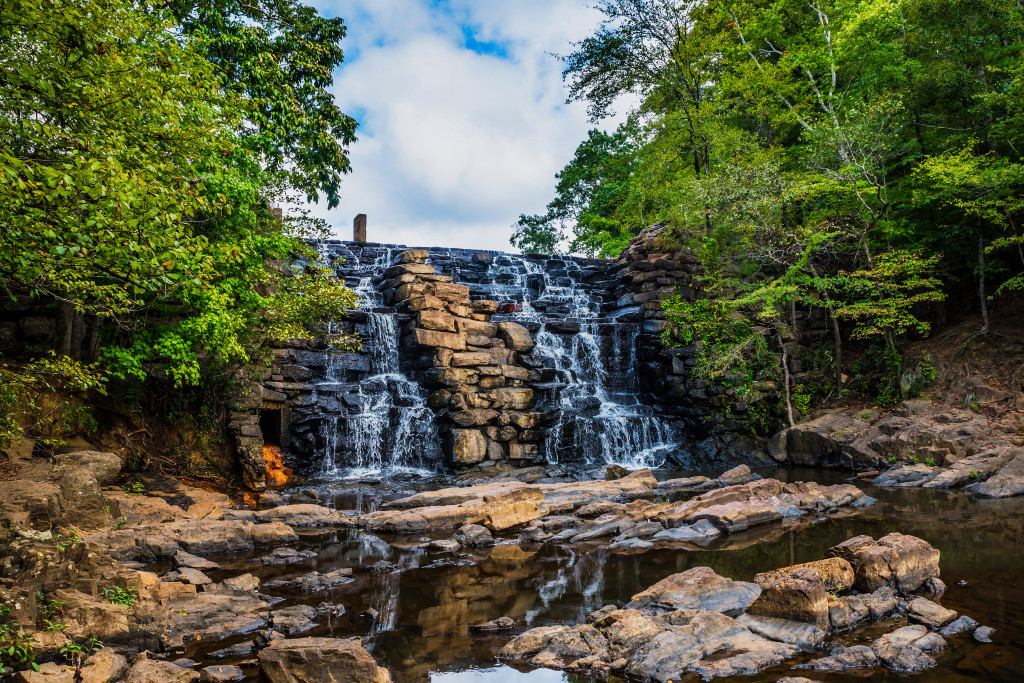
Alabama’s State Parks are treasures that should be cherished and protected for future generations. Unfortunately, over the past few years, the parks system has suffered from multiple budget transfers to fund other General Fund agency shortfalls. I have a plan that will help to permanently fund our state parks and keep these God-given resources available for future generations. Our state’s General Fund has faced great challenges the past few years in terms of identifying adequate funding for state services. To fill those shortfalls, funds were transferred from the Department of Conservation and Natural Resources (DCNR) and the State Parks to fund other areas of government. Since 2012, $30 million has been transferred from the DCNR, and $15 million of this came directly from the parks system’s accounts. I have a plan to stop this unfair practice of taking money directly from our parks to fund other areas of government. I’ve proposed a constitutional amendment that would allow citizens to vote this November to protect Alabama State Parks’ funding forever. This constitutional amendment would prohibit any further transfers from the parks system’s funds to the state’s General Fund. The people of Alabama deserve the opportunity to have a voice about the future of their State Parks. Alabama State Parks have always operated on a slim budget and are unique. Unlike other state agencies, which receive appropriations from the state’s General Fund each year, state parks earn most of their own funds through guest fees. Unfortunately, millions of dollars made at the parks have been transferred to other state agencies over the past few years. Half of the more than 4.5 million visitors to Alabama State Parks come from out of state. The parks provide an economic boost of more than $375 million, a significant return on investment compared with most other state agencies. The Alabama State Parks System is also unique in the minimal support received from tax dollars. The parks generate more than $30 million from guest fees each year, which makes up 80 to 90 percent of the parks system’s annual budget. Other state parks systems in the Southeast, and across the country, receive considerable contributions from taxpayers. In Florida, Georgia and Mississippi, state parks’ revenues account for only about 65 percent of the total cost of operating the parks. In Tennessee, less than 45 percent of the operating costs of the parks are made at the parks; the rest comes from tax dollars. Other states heavily contribute to the success of their parks system with tax dollars. In Alabama, we take from the parks to fund other government agencies. The continued loss of this revenue has caused our parks system to begin implementing emergency contingency plans across the state. What does that mean? To cut costs, the system has been forced to close five parks. There are now seasonal closures for facilities at a number of other parks, and one park has transitioned to day-use only and made other operational changes to save money. In addition, it is likely the fees for services already offered at our State Parks will have to be increased in the near future. Again, this has not been caused by anything the State Parks are doing wrong or inefficiently. As a matter a fact, even after terrible natural disasters — such as Hurricane Ivan, which destroyed the state’s most profitable park on the Gulf Coast, or the tornadoes of 2012 that ripped through the campground at Guntersville — the parks’ staff and its supporters rallied to ensure the parks system continued to prosper even during these difficult times. Like many Alabamians, I have spent countless hours making memories in our State Parks, and I want to ensure that all families in the state can continue this legacy. I’ve always been amazed at the wide array of people who use and enjoy our parks. They are people of all interests and income levels – state residents and tourists alike. It’s time we let the people of Alabama decide if our parks will be a priority. I have no doubt the outcome will be an overwhelming “Yes.” Before this measure can reach the citizens on the ballot in November, the Legislature must first vote in favor of this amendment to protect our parks funding. Reach out to your local state representative and state senator and ask them to support this constitutional amendment. • • • Clay Scofield is a state senator from Guntersville, Alabama. He represents the 9th district. He represents Blount, DeKalb, Madison and Marshall counties.
Jim Zeigler pushing constitutional amendment to prevent “raid” of state parks funds
State Auditor Jim Zeigler may occupy the executive branch, but that isn’t stopping him from getting involved in his favored issues during Alabama’s ongoing Legislative Session in Montgomery. Zeigler released a statement Monday night declaring his support for SB 260, a bill that would “stop the raiding of state parks revenues to fund other programs,” as Zeigler put it. Specifically the bill – sponsored by Republican Sen. Clay Scofield – would call for an amendment to the state constitution that would require revenues earned by the parks to stay in the parks’ operating budget. In recent years, state budget writers and Gov. Robert Bentley have chosen to close nearly half a dozen parks and reduce services in others, despite the parks’ general solvency. Funds from the parks have sometimes gone to subsidize other priorities through the Legislature’s general revenue fund. State parks have long been a priority for Zeigler. He recently accused the Bentley administration of mismanaging the parks system and using it as a cudgel against conservatives. “SB 260 is the first step in my plan for the state parks,” said Zeigler. “The parks internally generate around 85 percent of the money needed to operate. With tweaking, the parks can be self-funding, using NO tax dollars — requiring no money from the financially-strapped general fund. The Bentley administration would no longer be able to use the state parks as a political football, threatening closures if tax increases are not passed.”
Jim Zeigler calls out “dysfunctional” Bentley admin over state payroll failures

State Auditor Jim Zeigler sent a shot across the bow of the administration of Gov. Robert Bentley on Wednesday, calling failures in the state’s payroll system due to payment software problems evidence of deep trouble in the governor’s office. “We have known for some time that the Bentley administration had major internal problems, but we really did not know just how bad those are,” said Zeigler. “Now, they have become dysfunctional.” Zeigler’s comments come in the wake of reports of irregularities in the state government’s public payroll reporting system Open Alabama Checkbook. An investigation into the reporting discrepancies revealed massive state payroll failures leading to thousands of vendors receiving late payments and even state attorneys’ state Bar licenses lapsing due to the faulty system. Zeigler teed off on the news in a statement to reporters Wednesday. “The new state financial software does not work. It has not worked in months, and they have hid that fact. The state’s bills are not being paid,” said Zeigler. “Tens of thousands of bills.” A frequent combatant with the Bentley administration, whom he has also taken to task over state park closures among other priorities, Zeigler attributed the failure’s to a lack of leadership from the governor. He ended his missive on a grim note. “I wish this software was under my authority. Those who do have authority are fiddling while Montgomery burns,” said Zeigler.
In wake of budget cuts, state parks supporters asking for donations
Though the 2015 state budget row in Montgomery left few sectors of the government and public infrastructure unscathed, state parks took it on the chin in a major way, closing down entire parks and leading to municipal takeovers in others. But for those who needed more proof Alabama’s state parks are in a bad way, check out a recent missive Philip Darden, chair of the Alabama State Parks Partners Coalition, issued Monday. Darden asked friends of the state parks via email to donate to the park as part of so-called “#GivingTuesday,” a day following Black Friday and Cyber Monday generally aimed at philanthropic and humanitarian causes like disaster relief or disease research. “Our parks bring to much to the state of Alabama; by participating in this worldwide giving event the Alabama Parks Partners hope to inspire people and organizations to give back these great parks,” said Darden, a photographer and designer by trade. “Your donations will help this incredible state parks system thrive, help put on special projects and events and improve communication to supporters of Alabama State Parks. Public causes with the presumed backing of state governments are not usually the object of pleas for charity, but Darden’s group is making an exception due to the severity of the cuts. “Alabama State Parks have been hit hard with a fifth year of budget transfers by the Legislature,” wrote Darden. “Due to this continual transfer of park funds to the general fund, five parks have closed their doors. “The Parks System make the majority of its own money from park guest fees, but the Legislature has taken this money to fund other agencies of government; $30 million has been transferred from the Department of Conservation and Natural Resources since 2012. This year The Parks Partners are participating in #GivingTuesday to combat the severe losses of funding to Alabama State Parks.” Some critics say Alabama’s state parks were affected more than was necessary. State Auditor Jim Zeigler, for instance, has called the shuttering of six state parks so far “needless” and even equated the closures to mismanagement. State parks director Greg Lein penned an op-ed on the issue featured on Alabama Today in October, just days before of the looming park closures. “Despite seeing our money siphoned to other areas of government, we’ve been successful in helping our entire system thrive,” Lein wrote. “For the first time in nearly two decades all facilities at the parks are operational, and we were able to have one of our best peak seasons ever this summer. “Unfortunately, we’re now seeing nearly all of the revenue made off this record season transferred to the general fund,” wrote Lein.
In wake of state closures, city to take over Florala State Park
As the state shutters five state parks amid budget cuts in Montgomery, one Alabama city is taking matters into its own hands. The Florala City Council voted on Wednesday to approve a plan that would transfer the park into municipal hands. Paperwork is currently underway to finalize the takeover, including moves to absorb utilities payments at the park and hire a temporary manger to oversee it. The move was first announced on October 15, when the parks closures went into effect. Auditor Jim Zeigler loudly criticized the moves, saying the moves were unnecessary and amounted to “bad management.” “Will services remain the same? Absolutely not — they will be better,” Florala Mayor Robert Williamson said of the plan. Mayor Williamson said the process will be completely finished around the end of 2015. Florala’s move mirrors that taken by Arizona and other states in recent years, when federal budget cuts and uncertainty led to national park closures. The federal government shutdown in 2011 was a windfall for the Arizona state parks system, said system manager Ellen Bilbrey. “We have five state parks in the Yavapai County area and they all showed significant increases” following the shutdown, said Bilbrey. “Visitors were coming south and traveling around and hanging out in those areas which they probably wouldn’t have done otherwise. Whether the move will signal a trend towards devolution of authority over state parks to cities remains to be seen, but Florala will be an interesting case study on the matter going forward, as the statehouse seems unlikely to replenish the millions in gate fees it it has taken out of the parks system in recent years.
Auditor Jim Zeigler says state parks closures “bad management”
State Auditor Jim Zeigler again denounced the nature of budget cuts which have resulted from budget negotiations between Gov. Robert Bentley and a Legislature which is increasingly hostile to him. Zeigler – who started a public campaign last month to prevent deep cuts to his own office – said closures of five state parks slated to stem from the current budget are unnecessary despite a budget shortfall patched up by lawmakers this month after nearly six months of fits and starts in Montgomery. Barring drastic administrative changes, five state parks will close their gates October 15: Bladon Springs, Chickasaw, Paul Grist, Roland Cooper and Florala. Zeigler said in a statement over the weekend the closures are not primarily fiscal in nature, but rather due to poor choices state government officials have made. “Just in the past five years, $15 million made by the parks has been stolen from them and used to prop up other state programs. If this money had been left within the park system, there would be no closures,” Zeigler said. Zeigler says the parks generate “85-90 percent” of the money they need to operate from tickets, gift shop sales and fees. While Democratic U.S. Rep. Terri Sewell has focused her efforts on mobile driver’s license facilities which will shutter due to budget cuts – an issue she has said pose a threat to the civil rights of rural Alabamians – Zeigler has largely focused on the state parks issue. “The Bentley administration is hinting at more closures of more parks next year. We need better management and a long-term plan to keep the parks open. The simple thing to do is to stop taking money earned by the parks and let them keep it.” said Zeigler, a statewide elected official who occupies an unusual ombudsman or comptroller-like position. “With a few changes, the parks can be self-sustaining and not rely on taxpayer funds,” Zeigler said. “Nobody in Montgomery is taking a lead role in getting this done.” Zeigler will address the future of state parks on the day of the closures. Zeigler is set to speak this Thursday, Oct. 15 in Hoover at the 5:45 p.m. meeting of Rainy Day Patriots, a Tea Party-inspired political group. The open-press event will be held at Hoover Tactical Firearms, 1561 Montgomery Highway in Hoover.
Ahead of Special Session, auditor Jim Zeigler warns unfair budget cuts are on the table
State Auditor Jim Zeigler issued an announcement this morning in which he said the looming combination of budget cuts and tax increases the Gov. Robert Bentley and the Legislature will mull unfairly burden “the little guys.” Zeigler put out a list of possible reductions in the governor’s budget proposal, which Bentley says may be necessary should the executive and legislative branches again fail to reach a deal to backfill a $250 million shortfall currently projected in next year’s budget. Included are cuts to state parks, most drivers license officers, Medicaid for indigent Alabamians, the elimination of some 99 state troopers, and reductions in state hunting and fishing services. Zeigler took umbrage that highly visible public services max face the ax while administrative costs incurred by the governor himself and his staff are not on the chopping block. “It is obvious that the Bentley advisers are targeting cuts on the little guy but none on higher-up politicos. And none on the Governor’s office itself,” Zeigler said Tuesday. “This is an obvious strategy to get citizens concerned about the cuts to pressure the legislature to pass the Bentley tax package.” “My prediction is it will not work. Just ask voters in Baldwin, Lawrence, Colbert and Jackson Counties and in the City of Athens. They all voted down tax increases by wide margins in the past six months,” said Zeigler noting the recent local resurgence of anti-tax sentiment that had abated somewhat amid the economic recovery. Zeigler noted the absence of proposed cuts to items like the following: “The Governor’s fleet of airplanes and helicopters and their frequent use? The Governor’s entourage he carries around with him and their large costs, including over-time? The number of state vehicles issued to officials who do not need them for after-hours duty? The high-priced SUVs and other luxury vehicles? The ultra-high salaries of some officials?” read Zeigler’s extended rhetorical question. “No. No cuts threatened to the Governor’s staff and to politicos.” “The Bentley advisers are not listening to the citizens; they only listen to Montgomery insiders,” Zeigler continued. The Special Session begins this evening at 5 p.m. at the state Capitol Building in Montgomery.
