
Steven Reed and Randall Woodfin: Hope is on the horizon in Alabama thanks to the American Jobs Plan
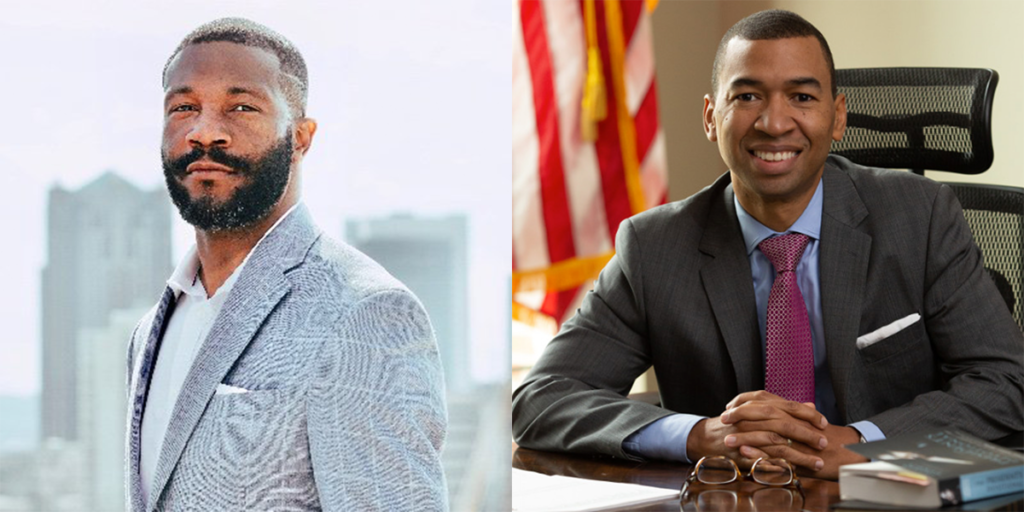
As our country and our communities continue their response to and recovery from the COVID-19 pandemic, hope is on the horizon, thanks to the American Jobs Plan. The Biden Administration’s American Rescue Act is helping with our nation’s continued recovery, but it is not enough to just recover. We need to address systemic inequities in our economy to create a more prosperous future for all residents. The American Jobs Plan is the overhaul our cities need to position our country for long-term success. President Joe Biden has put forth a plan that will ease the undue financial burdens facing many of our families, friends, and neighbors. And while many are struggling to survive week to week amid financial uncertainties, the American Jobs Plan offers the solutions that will ensure we have the opportunity to thrive long into the future. When Alabama entered into a stay-at-home order on April 3, 2020, we could not fathom the devastating human, social and economic impacts the COVID-19 virus would have on our residents and communities. Lives and livelihoods have been destroyed. Nearly 10% of Alabama’s population has been infected with the virus, and over 10,000 of our family members, friends, neighbors, and coworkers have died as a result of Coronavirus. The unemployment rate has almost doubled. 13 percent of adults in our state report not having enough food to eat. 21 percent of those renting their place to live report being behind on their rent payments. Almost 40 percent of adults in Alabama report having difficultly covering normal household expenses. Thousands of our young people have fallen behind academically from a lack of reliable internet. Too many of our small businesses have closed completely or laid off employees. These hardships were not caused by a lack of individual responsibility on the part of our residents; these were the tragic consequences of the pandemic. But hope is here. The American Jobs Plan will complement our local recovery efforts by solidifying the path forward to help fully heal those who have suffered immense loss, layoffs, shuttered businesses, or any measure of financial hardship due to the COVID-19 pandemic. Instead of fraught attempts to reignite the United States’ economy through stagnant or outdated systems, the Jobs Plan brings bold ideas and decisive action. It calls for investing in innovation and infrastructure to position us for the workforce and jobs of tomorrow. During the heights of the pandemic, we stood strong together in one of the greatest tests of our generation – a time that would have tested the mettle of any generation. Now, President Biden’s plan seeks to unify and mobilize our nation to meet the challenges ahead. We will overhaul our roads, bridges, highways, airports, rail lines, and ports to modernize the corridors of commerce throughout our country. In doing so, we will get Americans moving again. We will see the expansion of high-speed broadband access for all Alabamians and critical upgrades to information systems at core institutions like Maxwell-Gunter Air Force Base and Red Stone Arsenal, both of which play a major role in Alabama’s economy. We will be makers and creators again as President Biden’s Jobs plan stands alongside his Made in America Plan to foster growth and job creation at home. It will inspire an entirely new generation of entrepreneurs while encouraging proven innovators in our communities, like Chaymeriyia Moncrief. Chaymeriyia is a young Black woman from Montgomery whose vision and courage led to the creation of Tesix Wireless. Today, Tesix Wireless is valued at $10 million. Or like Selena Rodgers Dickerson, a Black woman from Birmingham who created her own engineering services firm in 2010 after getting laid off from her job during the nation’s worst economic crisis since the Great Depression. Selena’s firm, SARCOR, built a niche working in civil engineering and inspection services, primarily in the government/transportation space. Their stories shouldn’t be the exception but the rule. The American Jobs Plan – along with the Made in America Plan – will empower those with actionable ideas who live and work among us to stay in our communities and keep living and working with us. These are just some of the many ways the American Jobs Plan will help our local economies in Alabama, as well as those throughout the nation, rebound together. Challenges create opportunity, and tragedy begets triumph. We will overcome these challenging times to realize a more prosperous and equitable future for all. Steven L. Reed is mayor of Montgomery, and Randall L. Woodfin is mayor of Birmingham.
Montgomery Mayor Steven Reed wants to honor Civil Rights lawyer Fred Gray
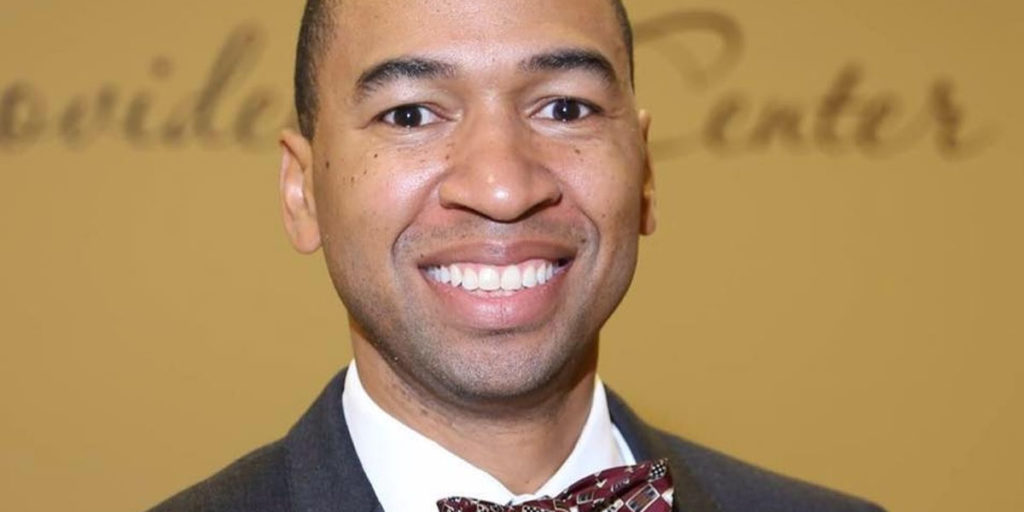
Fred Gray has long been a part of the Civil Rights movement. At just 24 years old, he helped defend Rosa Parks after her refusal to give up her seat on a Montgomery bus sparked the bus boycott and the beginning of the Civil Rights movement. He also is known for his work with school desegregation after Brown v. Board of Education in 1954 and for the Gomillion v. Lightfoot ruling that declared gerrymandering as a means of disenfranchising African Americans unconstitutional. Mayor Steven L. Reed of Montgomery now wants to find ways to commemorate the 65th anniversary of the city’s bus boycott, and he wants one of those to be to rename the street Gray grew up on. Gray grew up in Montgomery and moved to Jeff Davis Avenue, a street named for the president of the Confederacy, at 6 years old. As a boy, the significance of the name was lost on him. “I never thought about who Jeff Davis was, probably didn’t know anything about him until I got in high school,” he stated in a New York Times article. But as a young man, he became determined “to destroy everything segregated.” Mayor Reed’s call to change the street name has a caveat. A law Governor Kay Ivey signed into law in 2017 prohibits a change to the street. The Alabama Memorial Preservation Act states, “No architecturally significant building, memorial building, memorial street, or monument which is located on public property and has been so situated for 40 or more years may be relocated, removed, altered, renamed, or otherwise disturbed.” Those between 20 and 40 years old may only be disturbed in certain circumstances. In 2019, the law was ruled an unconstitutional violation of the right to free speech, and the Alabama Supreme Court ruled that it couldn’t be enforced. The penalty for violating the law was fixed at a $25,000 fine. Cities have been paying the $25,000 fine and have been taking down statues at a record pace since the controversial killing of George Floyd in May. Birmingham Mayor Randall Woodfin ordered the removal of a monument in Linn Park, stating the fine was less costly than continued civil unrest. A confederate monument in Huntsville was also removed in October and was reassembled in the Confederate burial section of a city-owned cemetery. Alabama Attorney General Steve Marshall has pledged to uphold the Alabama Memorial Preservation Act, stating in a video, “I urge my fellow Alabamians to take note of those casting votes and spending their tax dollars to violate a law of this state. It is now a question of when not if these same leaders will cast aside yet another law—being guided only by the political winds of the moment.” Despite the threat of a $25,000 fine, Mayor Reed is moving forward with the plan. He wants Gray to be present to see name change. “I don’t believe you should wait for people to die before you give them their flowers,” Reed stated. At 90 years old, the name change would help solidify Gray’s name in history and honor his life’s work. “This is about honoring those people who deserve to be honored,” Reed said in an interview. “And maybe confronting some of those who were honored at a previous time who never should have been.”
