
Steve Flowers: Defense spending important for Alabama
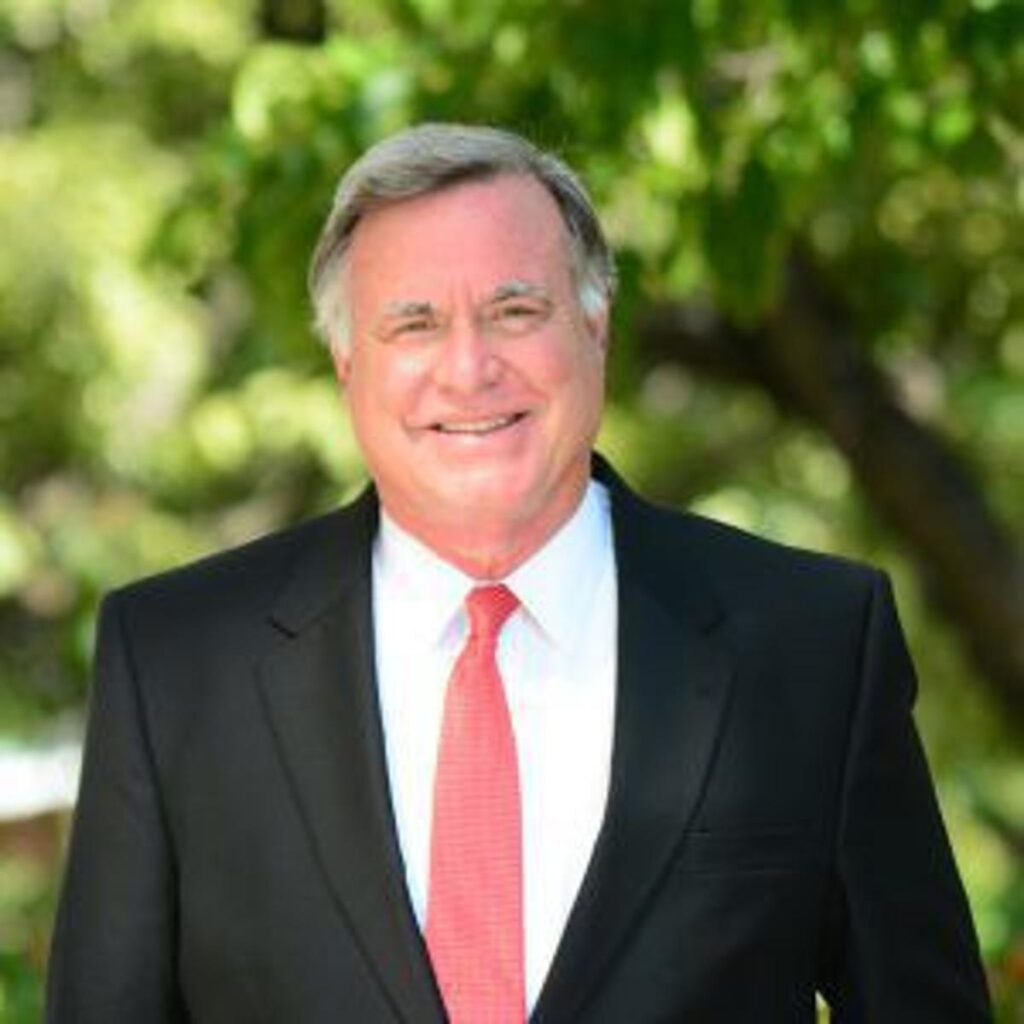
During the Great Depression and coming out of World War II, the deep south had immense power in Washington. We were fortunate to have a cadre of southern senators, who were seniority laden and knew how to bring home the bacon. This group of deep south southern Democrats controlled most of the prominent and consequential major committees in the United States Senate. In that era, all the jobs in the United States Capitol, as well as our state capitol, were patronage jobs or really could be called political jobs. Every clerk, stenographer, research analyst, secretary, and even elevator attendants were granted their jobs based on who you knew, not what you knew. Most people in Washington were working there because they were southerners who had connections to our southern senators. If you got in an elevator in the nation’s capital, you often-times would hear southern accents. That is not true now, today you would hear a foreign accent or foreign language. Our southern senior senators knew how to bring home the bacon like nobody’s business. The roll call included Stennis and Eastland from Mississippi, the southern lion Richard Russell from Georgia, Strom Thurmond from South Carolina, Russell Long from Louisiana, and last but not least our, our dynamic duo of distinguished, erudite powers, Lister Hill and John Sparkman. For this reason, a good many of our nation’s military bases are in the south. Ft. Benning in Georgia is there because of Richard Russell, and probably its location on Alabama’s eastern border of Columbus/Phenix City is no accident. Russell was granting deference to Hill and Sparkman, who really did not need any help. Eastland and Stennis did pretty well for Mississippi’s Gulf Coast when it comes to military and ship building facilities. Eglin and Tyndall Air Force Bases in the Florida panhandle are there thanks to one Bob Sikes “The He-Coon.” However, no state has benefitted more from military defense related locations than us in the good ole Heart of Dixie, thanks in large part to Lister Hill and John Sparkman. If you took the Redstone Arsenal in Huntsville, the Maxwell/Gunter Air Bases in Montgomery and Ft. Rucker in the Wiregrass out of Alabama, we would be more than wiped out. Our senior senator, Richard Shelby, has been the salvation for sustaining and saving our sacred military facilities. Shelby has not only been Chairman of the U.S. Senate Appropriations Committee, but he also retained the Chairmanship of the Senate Defense Appropriations Committee. He has made the difference for Redstone, Maxwell, and Rucker for the last decade. Folks, Shelby is retiring at the end of next year and Alabama is going to be up the proverbial creek without a paddle. I am here to tell you that national defense spending is very important to Alabama, but more importantly, it is vitally important to our nation’s security and future. Senator Shelby is sounding the alarm as the senate is crafting the next fiscal year’s budget. He is saying you cannot adhere to the Biden Democratic calls to cut defense spending. The national defense strategy provides a roadmap for our Department of Defense. The Democrat’s efforts to undermine the importance of strategic, long-term defense readiness plays into the hands of our competitors China and Russia. The Democratic Biden Administration budget proposal would allow Russia and China to overmatch our investments in readiness, state-of-the-art equipment, and technology. China seeks hegemony militarily, technologically, financially and is making unprecedented investments to see that come to fruition. Russia is also quietly building a massive military modernization program that saw its defense spending increase 30% over the last 10 years. We must outpace Russia and China in defense spending. Our state, and more importantly our nation, must adhere to Senator Shelby’s admonition that we as a nation cannot afford to cut military spending as President Joe Biden and liberal Democratic Senators in Washington are advocating. The two things that our country still does best and indeed the two most important things we need to do best are having the most superior military in the world and the ability to grow our own food and fiber. Military and Agriculture are America’s salvation and, by the way, defense dollars and agriculture are Alabama’s salvation. We as Alabamians can and should look closely as to who can and will work the hardest to protect defense and agriculture when we vote for the person to succeed Senator Richard Shelby in Washington in the U.S. Senate. That person would not be Mo Brooks. See you next week. Steve Flowers is Alabama’s leading political columnist. His weekly column appears in over 60 Alabama newspapers. He served 16 years in the state legislature. Steve may be reached at: www.steveflowers.us.
Inside the Statehouse: The story of the Dixiecrats and 1948 Truman election as President
Steve Flowers tells the story behind the 1948 Presidential election, which resulted in a historic upset by Harry Truman.
24 hours in, senators flout quaint impeachment rules
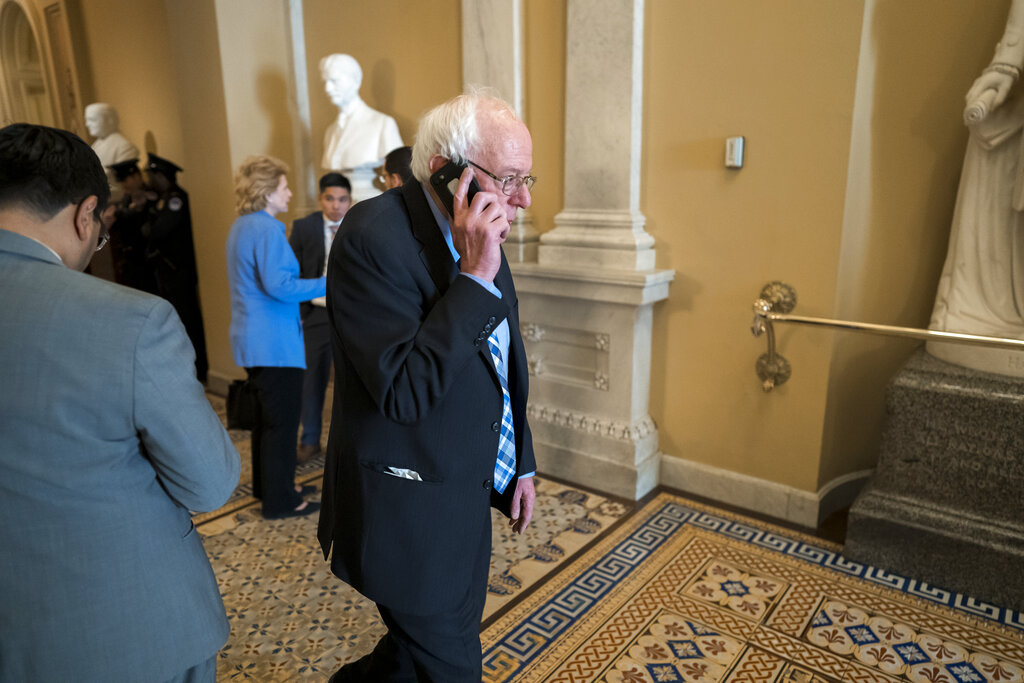
Some openly snickered when lead prosecutor Adam Schiff said he’d only speak for 10 minutes.
Darryl Paulson: It’s now or never for #NeverTrump
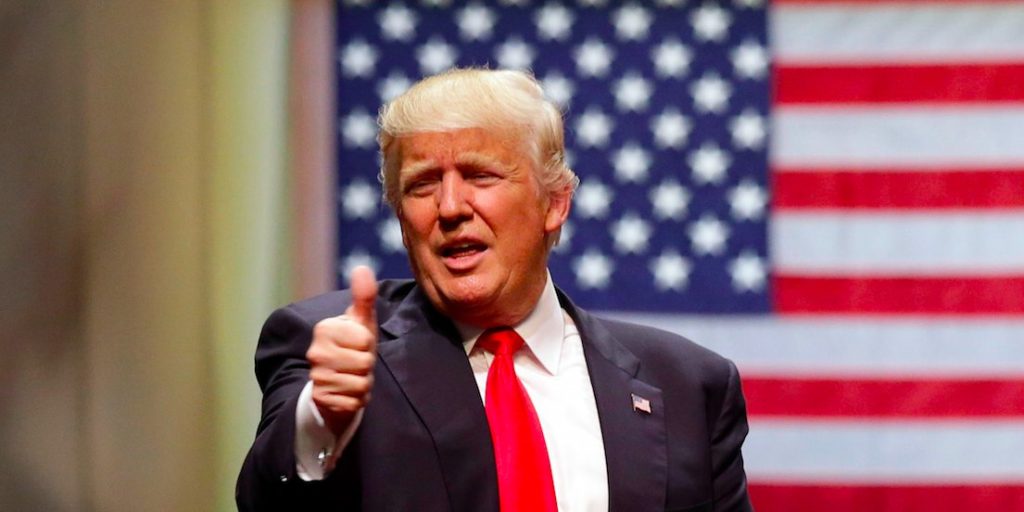
The opposition to Donald Trump has been constant from the start of the 2016 presidential campaign. However, it has been unfocused and essentially leaderless. Many Trump opponents believed he would not enter the race. When he entered, they believed he had no chance of winning. Now that Trump has won the nomination, they believe he can be stopped by an independent or third party campaign. As early as December 2015, before the first caucus or primary, Mike Fernandez, a Coral Gables, Florida health care executive and financial backer of Jeb Bush, took out full-page ads in the Miami Herald and other newspapers stating that he would support Hillary Clinton over Donald Trump. Fernandez described Trump as a narcissistic ”Bullyionaire” with a hunger to be adored. Fernandez was critical of fellow Republicans “blinded by the demagoguery” of Trump. In January 2016, National Review devoted an issue to conservative writers who made the case that Trump was not a conservative, and his nomination would do long-term damage to conservatism and the Republican Party. The issue contributed to the formation of the #NeverTrump movement, but it failed to stop Trump from winning the GOP nomination. With Trump having secured the nomination, many Republicans now look at the race as a binary choice: Donald Trump or Hillary Clinton. Most Republicans, unlike Mike Fernandez, see Trump as the preferred option. Foster Friess, a Wyoming financier and supporter of Republican candidates and causes, said Trump was not his first choice, but “he’s better than Hillary.” During the presidential primaries, even Jeb Bush stated that “Anybody is better than Hilary.” Some of Trump’s strongest critics have now jumped aboard the bandwagon. Texas Governor Rick Perry, who called Trump a “cancer” on the GOP who would lead the party to “Perdition,” has now offered to help Trump win the election. Oh, by the way, he would also be interested in being Trump’s Vice President. Many Republicans believe it is now a question of party loyalty. As Republican strategist Ford O’Connell observes, “political parties are not meant to be ideological vessels, but competing enterprises whose job is to win elections.” Rick Wilson, one of the most vehement anti-Trumpers, described the party loyalty argument as nothing more than “the DC establishment rolling over and becoming the Vichy Republicans we all know they would.” The last hope of the #NeverTrump movement is recruiting an independent or third-party candidate to provide an alternative to Trump and Clinton. RNC Chair Reince Priebus calls such efforts a “suicide mission.” Supporters argue that an independent candidate would not only give discontented voters a choice, but they believe such a candidate could win. At the very least, such a candidate could siphon off enough electoral votes to throw the election into the House, where the Republican majority could select someone other than Trump or Clinton. Supporters of an independent option argue that recent polls show 58 percent of voters are not happy with their choices, and 55 percent say they support an independent candidate. Historically, the idea of an independent candidate is more appealing than the reality. Teddy Roosevelt and his Bull Moose Party is widely regarded the most effective third-party movement. Roosevelt actually came in second and swamped incumbent Republican President William Howard Taft. Roosevelt received 27.4 percent of the vote and 88 electoral votes to only 23.2 percent and 8 electoral votes for Taft. In 1948, Governor Strom Thurmond of South Carolina won only 2.4 percent of the national vote but, because it was concentrated in a few Deep South states where Truman’s name did not appear on the ballot, Thurmond captured the electoral votes of four states. Twenty years later, Governor George Wallace replicated much of Thurmond’s success in winning 13.5 percent of the vote and 46 electoral votes in five southern states. In 1992, Texas businessman Ross Perot and his Reform Party won almost one out of five votes, but failed to capture a single state. At one point, Perot led both George H. W. Bush and Bill Clinton but, as Election Day approached, many of his supporters returned to support their traditional party. To run as an independent or third-party candidate, there is one important requirement: you need a candidate. So far, the #NeverTrump movement has not found a willing person to oppose Trump. Among the possible candidates are Mitt Romney, the 2012 Republican presidential nominee. Romney has name recognition and money, and would likely qualify for the debates. Romney was opposed by many conservatives in his 2012 race which would once again be a problem. In addition, Romney’s enthusiastic acceptance of Trump’s endorsement in that campaign would be another concern. Marine Corps General James Mattis seriously considered running before backing out. Mattis would have commanded support as a military figure and a political outsider. But, Mattis is not an Eisenhower and is an unknown commodity. Marco Rubio‘s name is being tossed about as a possible candidate. Rubio is young, charismatic and has appealed to woman and minority voters. The downside is that Rubio won only in Puerto Rico, Minnesota and the District of Columbia, and badly lost his home state of Florida to Trump. In addition, Rubio signed the pledge to support the Republican nominee “and I intend to keep it.” Ben Sasse, a first-term Republican Senator from Nebraska, has been a leader in the #NeverTrump movement. Sasse is only in his second year as a senator, which will raise questions about his experience. He also is unknown outside of Nebraska. Finally, former House member and Senator Tom Colburn has expressed interest in running and is highly respected by conservatives for his attempts to cut federal spending. Colburn has stated that Trump “needs to be stopped,” but recently said he would not be the candidate. One of the maxims of politics is that it takes something to beat nothing. So far, nothing looks like he has the race all wrapped up. ___ Darryl Paulson is Professor Emeritus of Government at USF St. Petersburg.
Darryl Paulson: Conventions have been disrupted by credentials, rules, platforms
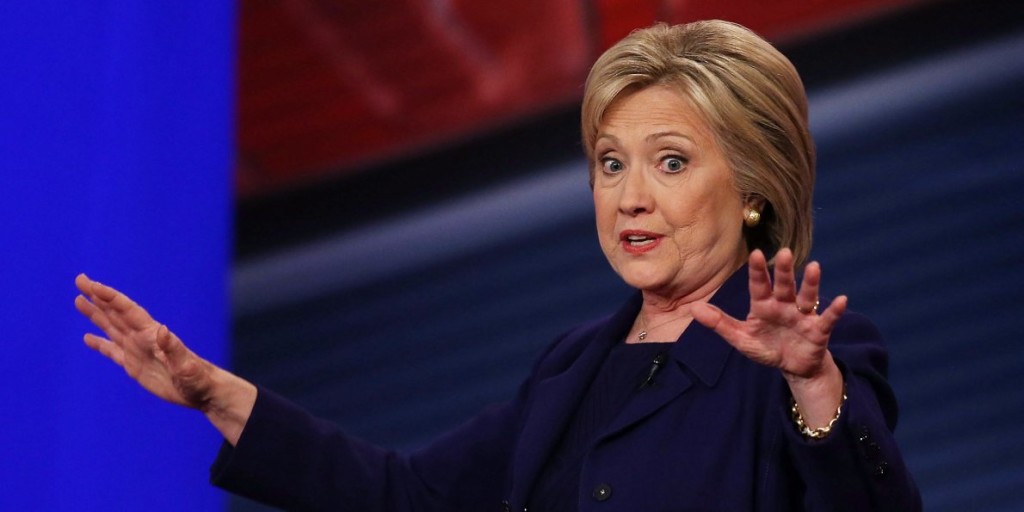
(Second of three parts) Political parties have held conventions in America since 1824. Many aspects of the convention have changed little in almost two centuries. This year, because the Summer Olympics are being held in August, both major parties will conduct their convention in July, with Republicans going first in Cleveland and Democrats following in Philadelphia. The first televised convention took place in 1940 when New York City’s NBC affiliate broadcast the Republican convention in Philadelphia. The other major networks quickly joined in and provided gavel-to-gavel coverage. As John Chancellor of NBC noted in 1972, “convention coverage is the most important thing we do. The conventions are not just political theater, but really serious stuff.” That attitude changed by 2004, when all the major networks cut back their coverage to several hours at night. As early as 1996, the networks were complaining that little of substance takes place. Ted Koppel, host of ABC’s Nightline, announced in 1996 that he was going home because the Republican Convention “is more of an infomercial than a news event.” What changed? It is true that many of the conventions of the 1940s through the 1970s made for great television. Platform fights were common, sometimes leading to a walkout of delegates. Just as explosive were fights over rules changes and the city of delegates. What made for good television, made for bad election results for the parties. They did not want to project an image of a divided party to the American electorate. Both parties instituted rules that made conventions less dramatic. The party image improved, but television now found conventions bland. During the first two days of the convention, the delegates decide on credentials, rules and the party platform. The credentials process determines the seating of state delegations and resolves any challenges to their legitimacy. The major credentials challenge in modern political history took place at the 1964 Democratic Convention. Two delegations from Mississippi both claimed to be the legitimate one. One delegation was the traditional, all-white Democratic delegation. No blacks were members or even allowed to participate in the selection of delegates. The other delegation came from the Mississippi Freedom Democratic Party (MFDP), which was open to both whites and blacks. The MFDP argued that its members should be seated because the party was open to all races, supported the party platform and backed the election of Lyndon Johnson. Many in the all-white delegation opposed the platform and its civil rights plank, and many supported Republican Barry Goldwater for president. Johnson selected his Vice President, Hubert Humphrey, to negotiate a solution. Humphrey’s solution was to seat the all-white delegation and several members of the MFDP. At all future Democratic conventions, race couldn’t be a factor in selecting delegates. Like most compromises, neither side was pleased. Platforms have often produced divided conventions. At the 1948 Democratic Convention in Philadelphia, the delegates narrowly approved a stronger civil rights plank introduced by Minneapolis Mayor Hubert Humphrey. Southern Democrats walked out and met several weeks later in Alabama and selected South Carolina Gov. Strom Thurmond to lead the Dixiecrats. Democrats feared that the split would cause Harry Truman to lose to Republican New York Gov. Thomas Dewey, but Truman won by a slim margin. The 1964 Republican platform led to a split between the moderate and conservative wings of the party. When the Goldwater forces defeated a moderate civil-rights plank by a 2-1 margin, it was clear that the Republican Party had moved to the right. Disputes over party rules have also led to disastrous conventions. In 1968, there were only 15 party primaries for the Democrats. Party committees or party leaders chose most delegates. The party leaders selected Humphrey and not the anti-war candidate Eugene McCarthy. In response to the 1968 fiasco in Chicago, the Democrats formed the McGovern-Fraser Committee to revise convention rules. The committee recommended that in the future, most delegates must be selected in primaries or caucuses, and that the delegates had to mirror the population of the state they represented. McGovern would be the Democratic presidential nominee in 1972. Some found it more than coincidental that the person who wrote the rules changes became the next nominee. Many Democrats considered McGovern too radical to win, and “ABM” committees (Anybody but McGovern) sprang up to oppose him. His opponents tried to stop McGovern by denying him all of California’s delegates that he won in a winner-take-all primary. The effort failed, but in retaliation, McGovern forces challenged Mayor Richard Daley‘s Chicago delegation as not meeting the diversity requirements. Daley and the other 58 members of the Chicago delegation were thrown out of the convention and replaced by a diverse slate elected by no one. For probably the first time in his life, Chicago Sun-Times journalist Mike Royko supported Daley. Royko said the new delegates contained only one Italian and three Poles. “Your reforms,” wrote Royko, “have disenfranchised Chicago’s white ethnic Democrats, which is a strange reform.” After McGovern lost 49 of the 50 states to Richard Nixon, the Democrats were back in the reform mode. This time, they created over 700 “super-delegates” who were party officials and elected Democrats who would be guaranteed seats at the convention and help to select the most “winnable” Democrat. If Hillary Clinton wins the Democratic nomination because she has the overwhelming support of super-delegates, look for Democrats to once again reform their rules. Republicans would never do that. They are still following the rules their grandparents made. (Tomorrow: Donald Trump needs 498 more delegates to avoid contested convention.) *** Darryl Paulson is Emeritus Professor of Government at USF St. Petersburg. He can be reached at darryl.paulson@gmail.com.
