
Amazon staff reject union in Alabama, lean toward it in NYC
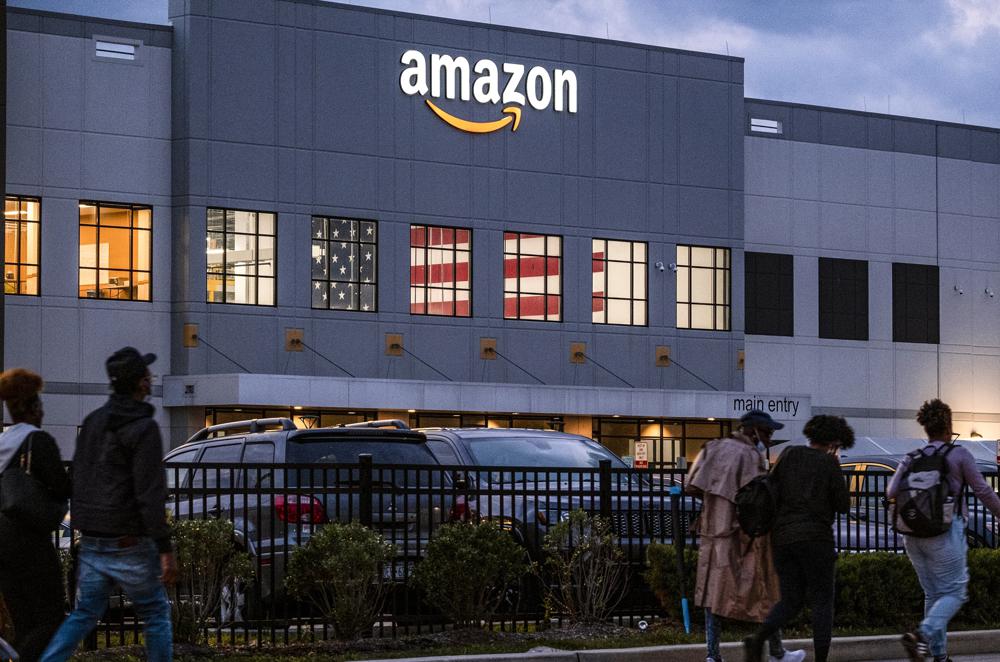
Amazon workers in Alabama appear to have rejected a union bid in a tight race, according to early results on Thursday. But outstanding challenged votes could change the outcome. In New York, union supporters have the edge in a count that will continue Friday morning. Warehouse workers in Bessemer, Alabama, voted 993 to 875 against forming a union. The National Labor Relations Board, which oversees the election, said that 416 challenged votes could potentially overturn that result. A hearing to go through the challenged ballots will occur in the next few days. Meanwhile, in a separate union election in Staten Island, New York, the nascent Amazon Labor Union is leading by more than 350 votes out of about 2,670 tallied. The close election in Bessemer marks a sharp contrast to last year when Amazon workers overwhelmingly rejected the union. “This is just the beginning, and we will continue to fight,” said Stuart Appelbaum, president of the Retail, Wholesale, and Department Store Union, which is organizing the union drive in Bessemer, at a Thursday press conference. “Regardless of the final outcome, workers have shown what is possible. They have helped ignite a movement.” Appelbaum said RWDSU will be filing objections to how Amazon handled the election but declined to be specific. He also took the opportunity to lash out at current labor laws, which he believes are rigged against unions and in favor of corporations. “It should not be so difficult to organize a union in the United States,” he said. If a majority of Amazon workers voted yes in either Bessemer or Staten Island, it would mark the first successful U.S. organizing effort in the company’s history. Organizers have faced an uphill battle against the nation’s second-largest private employer, which is making every effort to keep unions out. In New York, the ALU has led the charge to form a union along with Chris Smalls, a fired Amazon employee who now heads the fledging group. Turnout for the in-person election was unclear, but Smalls was hopeful of victory. “To be leading in Day One and be up a couple hundred against a trillion-dollar company, this is the best feeling in the world,” Smalls said after the conclusion of Thursday’s counting. While Smalls’ attention has been focused on securing victory in New York, similar efforts in Alabama also weighed heavily. “I’m not too sure what’s going in Alabama right now, but I know that the sky’s the limit if you can organize any warehouse,” he said, noting that the vote in Alabama could well end up differently. “I hope that they’re successful. I don’t know what’s going on yet, but we know we show our support and solidarity with them.” The warehouse in Staten Island employs more than 8,300 workers who pack and ship supplies to customers based mostly in the Northeast. A labor win there was considered difficult, but organizers believe their grassroots approach is more relatable to workers and could help them overcome where established unions have failed in the past. John Logan, director of Labor and Employment Studies at San Francisco State University, said the early vote counts in New York has been “shocking.” ALU has no backing from an established union and is powered by former and current warehouse workers. The group had also filed for a union election after getting support from about 30% of the facility’s workforce, a much lower percentage than what unions usually seek. “I don’t think that many people thought that the Amazon Labor Union had much of a chance of winning at all,” Logan said. “And I think we’re likely to see more of those (approaches) going forward.” Though RWDSU is currently lagging behind with challenged ballots outstanding, Logan said that the election was also remarkable because the union has made a good effort narrowing its margin from last year’s election. After a crushing defeat last year, when a majority of workers voted against forming a union, RWDSU is hoping for a different outcome in the Bessemer election, in which mail-in ballots were sent to 6,100 workers in early February. Federal labor officials scrapped the results of the first election there and ordered a re-do after ruling Amazon tainted the election process. The RWDSU said the election there had a turnout rate of about 39% this year, much smaller than last year. Appelbaum blamed the low numbers on high turnover — he believes thousands of people who worked for Amazon in January and were on the official list to be eligible to vote either quit or were fired. He also believes that an in-person election, which the RWDSU had asked for, would have made a difference. Amazon has pushed back hard in both elections. The retail giant held mandatory meetings, where workers were told unions are a bad idea. The company also launched an anti-union website targeting workers and placed English and Spanish posters across the Staten Island facility, urging them to reject the union. In Bessemer, Amazon has made some changes but still kept a controversial U.S. Postal Service mailbox that was key in the NLRB’s decision to invalidate last year’s vote. Both labor fights faced unique challenges. Alabama, for instance, is a right-to-work state that prohibits a company and a union from signing a contract that requires workers to pay dues to the union that represents them. The mostly Black workforce at the Amazon facility, which opened in 2020, mirrors the Bessemer population of more than 70% Black residents, according to the latest U.S. Census data. Pro-union workers say they want better working conditions, longer breaks, and higher wages. Regular full-time employees at the Bessemer facility earn at least $15.80 an hour, higher than the estimated $14.55 per hour on average in the city. That figure is based on an analysis of the U.S. Census Bureau’s annual median household income for Bessemer of $30,284, which could include more than one worker. The ALU said they don’t have a demographic breakdown of the warehouse workers on Staten Island, and Amazon declined to provide the information to The
Amazon, union organizers face off again in Alabama
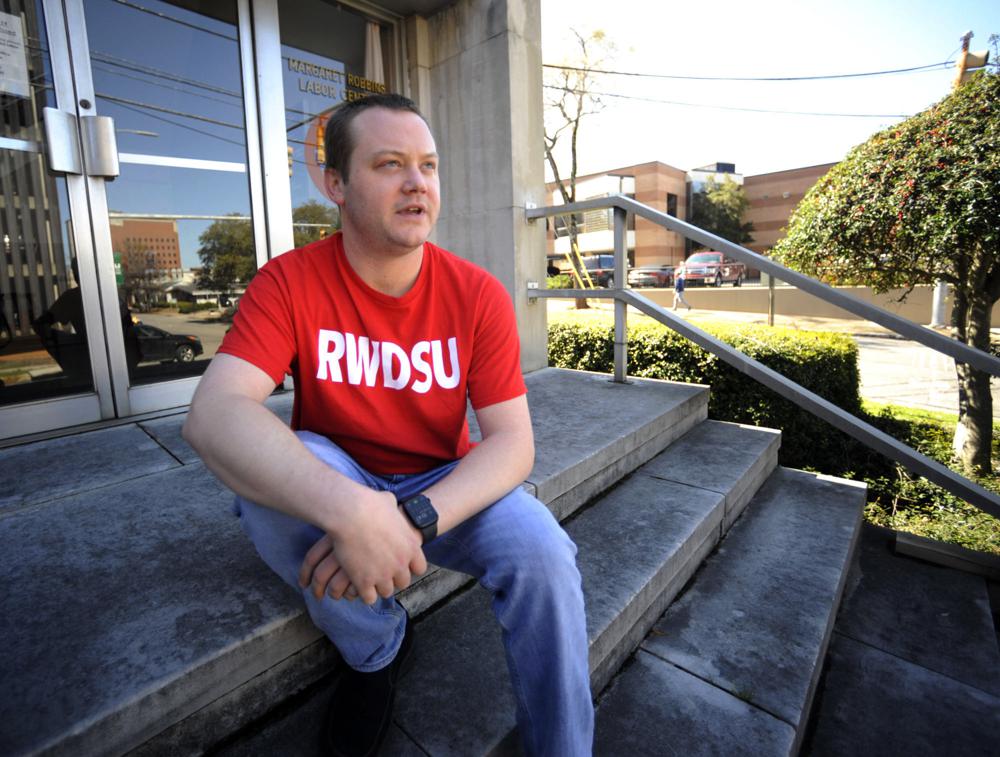
For union organizers at an Amazon warehouse in Bessemer, Alabama, the second time could be a charm — or not. After a crushing defeat last year, when a majority of workers voted against forming a union, the Retail, Wholesale and Department Store Union is hoping for a different outcome in a do-over election. The National Labor Relations Board on Monday began counting mail-in ballots that were sent to 6,100 workers in early February. Results could come as early as Thursday. If the vote goes in favor of the union, it would be Amazon’s first one ever in the U.S. Like last time, the RWDSU is driving the union campaign in Bessemer. Vaccines have made it easier for organizers to do face-to-face meetings during the pandemic as opposed to the texts, emails, and phone calls they relied on the first time around. “It’s been easier to spread the message this time, and we’ve had more support inside the building,” said Dale Wyatt, an Amazon worker at the Bessemer facility who’s assisting in the union push. “For example, more people are wearing T-shirts and pins and apparel, and more people are willing to come up and talk to us this time.” Amazon has had a chance to regroup as well after the NLRB determined that the company unfairly influenced last year’s election. The country’s second-largest private employer continues to hammer the message that it invests in both pay and benefits for its workers. Regular full-time employees in Bessemer earn at least $15.80 an hour, higher than the estimated $14.55 per hour on average in the city based on an analysis of the U.S. Census Bureau. They also get health care as well as a 401(k) with a company match. Amazon has also made some changes to but still kept a controversial U.S. Postal Service mailbox that was key in the NLRB’s decision to invalidate last year’s vote. Labor activists say the company is still relying on consultants and managers to hold mandatory staff meetings to talk about why unions are a bad idea. Such meetings stopped right before the ballots were sent, in accordance with labor laws. An Amazon spokesperson said the meetings give employees the opportunity to ask questions and learn what a union “could mean for them and their day-to-day life working at Amazon.” Prior to the Bessemer union drive, Amazon hadn’t faced a major union election in the U.S. since 2014 when the majority of the 30 workers at a warehouse in Delaware voted against organizing. In many European countries like France, Italy, Spain and Germany, where union membership is higher and there are fewer obstacles for labor groups, Amazon workers have long been unionized. Amazon also faces two union elections in the more labor-friendly New York City, though they’re being spearheaded by a nascent independent labor group. Amazon’s sprawling fulfillment center in Bessemer opened in 2020 just off an interstate exit where 18-wheelers painted with the Amazon logo come and go past small manufacturers, transportation companies, and the city’s high school. Bessemer itself is located about 20 miles southwest of Birmingham. The once-vibrant manufacturing town of 26,000 people fell on hard times after the area’s steel industry began slipping in the late 1900s. Today the city is more than 70% Black, with about a quarter of its residents living in poverty. Workers at the warehouse reflect Bessemer’s racial demographic — roughly 85% of them are Black, according to RWDSU. They drive to their jobs from as far away as metro Montgomery, nearly 100 miles to the south. RWDSU has been working with community organizations who have helped to frame the union push in Alabama in the context of the Civil Rights movement, focusing on the dignity and treatment of Amazon workers and linking their rights with human rights. “The community support has been essential, and it’s always been a part of the civil rights struggles in the South and other struggles in the South,” said Marc Bayard, the director of the Institute for Policy Studies’ Black Worker Initiative. Erica Iheme, deputy director of Jobs to Move America, said her organization honed its message from last year, going beyond pay. It visited barber shops, beauty shops, and other places where Black residents frequented and distributed 6,000 flyers. “For this election, what we have to get people to understand is it goes beyond bread and butter issues,” Iheme said. “Sometimes, your body has physical limitations. Sometimes you are tired. Sometimes you have children and you need to step away without losing your job. It’s about humanity of our community.” While unions are historically a tough sell in the South, Wyatt comes from a labor family. He began working at Amazon in August, taking items off incoming trucks and placing them into pods before they shipped to customers. “We need better working conditions, better hours, better pay,” Wyatt said. “We need longer breaks and more attention from management and a better HR system.” RWDSU’s first union campaign came in a year of widespread labor unrest at many corporations that has only reinvigorated the group’s cause. Workers at more than 140 Starbucks locations around the country, for instance, have requested union elections and several of them have already been successful. The pandemic spotlighted the plight of hourly workers who felt employers didn’t do enough to protect them from the virus. But labor shortages have only given workers more power to push for higher wages and better working conditions. Still, organizers are up against strong federal labor laws that favor corporations. Alabama itself is a right-to-work state, which means that companies and unions are prohibited from signing contracts that require workers to pay dues to the union that represents them. Labor activists also battle high turnover at the Bessemer facility. RWDSU estimates that roughly half of the 6,100 workers eligible to vote are new, making it difficult to organize. “It’s an uphill fight,” said Stuart Appelbaum, president of the RWDSU. “No matter what happens, we are not walking away. The first campaign initiated a global debate on the way Amazon
Amazon workers in Alabama get a do-over in union election
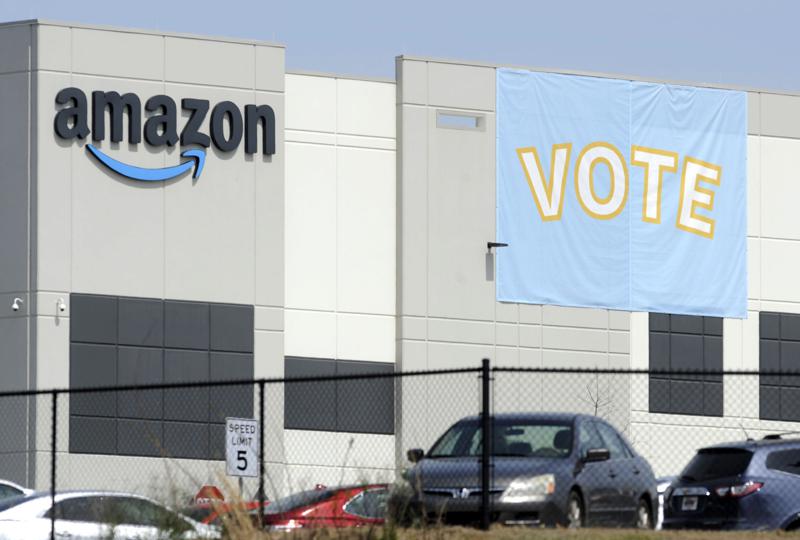
The National Labor Relations Board has ordered a new union election for Amazon workers in Bessemer, Alabama, based on objections to the first vote that took place in April. The move, announced Monday, is a major blow to Amazon, which had spent about a year aggressively campaigning for warehouse workers in Bessemer to reject the union, which they ultimately did by a wide margin. The board has not yet determined the date for the second election. The rare call for a do-over was first announced Monday by the Retail, Wholesale and Department Store Union, which spearheaded the union organizing movement. In a 20-page decision, the regional director for the NLRB focused much attention on Amazon’s installation of a U.S. Postal Service mailbox at the main employee entrance, which may have created the false impression that the company was the one conducting the election process. The regional director also refuted Amazon’s position that it was making voting easier and was trying to encourage as high a turnout as possible. “The employer’s flagrant disregard for the board’s typical mail-ballot procedure compromised the authority of the board and made a free and fair election impossible,” according to the decision. “By installing a postal mailbox at the main employee entrance, the employer essentially highjacked the process and gave a strong impression that it controlled the process. This dangerous and improper message to employees destroys trust in the board’s processes and in the credibility of the election results. “ The RWDSU charged Amazon with illegal misconduct during the first vote. In August, the hearing officer at NLRB who presided over the case determined that Amazon violated labor law and recommended that the regional director set aside the results and direct another election. About 53% of the nearly 6,000 workers cast ballots during the first election. Kelly Nantel, an Amazon spokesperson, called the decision “disappointing.” “Our employees have always had the choice of whether or not to join a union, and they overwhelmingly chose not to join the RWDSU earlier this year,” she said. “It’s disappointing that the NLRB has now decided that those votes shouldn’t count.” Stuart Appelbaum, president of the RWDSU, saw the NLRB decision as a victory. “Today’s decision confirms what we were saying all along – that Amazon’s intimidation and interference prevented workers from having a fair say in whether they wanted a union in their workplace – and as the Regional Director has indicated, that is both unacceptable and illegal, “ he said in a statement. “Amazon workers deserve to have a voice at work, which can only come from a union.” But even with a second election, labor experts say a union victory is a long shot. Amazon will likely appeal and try to delay another vote. And even when an election is held, workers may choose to vote against joining a union again. Last time around, 1,798 workers rejected the union, and 738 voted in favor of it. A repeat of the election means another battle for Amazon with the RWDSU. The first election garnered nationwide attention and put a spotlight on how Amazon treats its workers. It was the biggest union push in Amazon’s history and only the second time that an organizing effort from within the company had come to a vote. Pro-union employees at the Bessemer facility said they spent 10-hour shifts on their feet in the warehouse, where online orders are packed and shipped and didn’t have enough time to take breaks. A union could force Amazon to offer more break time or higher pay, those workers said. Amazon, meanwhile, argued that it already offered more than twice the minimum wage in Alabama plus benefits without workers having to pay union dues. Amazon has been fighting two different attempts by workers to unionize in the past year. Former Amazon employee Christian Smalls is organizing an effort at a distribution center in Staten Island, New York, without the help of a national sponsor. The labor board was expected to hold a hearing to determine whether there was sufficient interest to form a union there, but less than two weeks earlier, the group led by Smalls withdrew its petition. The workers, however, can refile. Other organizing efforts are afoot beyond Amazon, including by workers at three separate Starbucks stores in and around Buffalo, New York. Meanwhile, thousands of unionized workers at Kellogg Co. remain on strike amid widespread worker unrest across the country.
Amazon takes early lead as union vote count gets underway

Vote counting in the union push at an Amazon warehouse in Bessemer, Alabama, is underway but a winner may not be determined until Friday. By Thursday evening, the count was tilting heavily against the union, with 1,100 workers rejecting it and 463 voting in favor. The count will resume Friday morning. The Retail, Wholesale, and Department Store Union, which is organizing the Bessemer workers, said that 3,215 votes were sent in — about 55% of the nearly 6,000 workers who were eligible to vote. The union said hundreds of those votes were contested, mostly by Amazon, for various reasons such as the voter didn’t work there or doesn’t qualify to vote. The union would not specify how many votes were being contested. The National Labor Relations Board is conducting the vote count in Birmingham, Alabama. In order to determine a winner, the margin of victory must be more than the number of contested votes, otherwise a hearing would be held on whether or not to open the contested votes and count them toward the final tally. RWDSU President Stuart Appelbaum struck a grim tone Thursday in a statement ahead of the results: “Our system is broken, Amazon took full advantage of that, and we will be calling on the labor board to hold Amazon accountable for its illegal and egregious behavior during the campaign. But make no mistake about it; this still represents an important moment for working people and their voices will be heard.” Amazon could not be reached for immediate comment. The vote itself has garnered national attention, with professional athletes, Hollywood stars and even President Joe Biden weighing in on the side of the union. If the union wins, it would be the first in Amazon’s 26-year history. But the vote also has wide-reaching implications beyond Amazon, which is now the second-largest private employer in the U.S. after retailer Walmart. Whatever the outcome, labor organizers hope Bessemer will inspire thousands of workers nationwide — and not just at Amazon — to consider unionizing. For Amazon, which has more than 950,000 workers in the U.S. and has fought hard against organizing attempts, a union loss could chill similar efforts around the company. The labor board has already reviewed each vote, reading names and signatures on the envelopes with representatives from Amazon and the retail union, both of which had a chance to contest those votes. Contested votes were put to the side and not opened. Now the board is opening the uncontested votes from their envelopes and counting “yes” or “no” votes. Even if there’s a clear winner, the battle may be far from over. If workers vote against forming a union, the retail union could file objections accusing Amazon of tainting the election in some way, which could lead to to a redo of the election if the labor board agrees. Amazon could file its own objections if the workers vote to form a union. Republished with the permission of the Associated Press.
Amazon union vote may spark more union pushes
What happens inside a warehouse in Bessemer, Alabama, could have major implications not just for the country’s second-largest employer but the labor movement at large. Organizers are pushing for some 6,000 Amazon workers there to join the Retail, Wholesale and Department Store Union on the promise it will lead to better working conditions, better pay, and more respect. Amazon is pushing back, arguing that it already offers more than twice the minimum wage in Alabama and workers get such benefits as health care, vision, and dental insurance without paying union dues. The two sides are fully aware that it’s not just the Bessemer warehouse on the line. Organizers hope what happens there will inspire thousands of workers nationwide — and not just at Amazon — to consider unionizing and revive a labor movement that has been waning for decades. “This is lighting a fuse, which I believe is going to spark an explosion of union organizing across the country, regardless of the results,” says RWDSU president Stuart Appelbaum. The union push could spread to other parts of Amazon and threaten the company’s profits, which soared 84% last year to $21 billion. At a time when many companies were cutting jobs, Amazon was one of the few still hiring, bringing on board 500,000 people last year alone to keep up with a surge of online orders. Bessemer workers finished casting their votes on Monday. The counting begins on Tuesday, which could take days or longer depending on how many votes are received and how much time it takes for each side to review. The process is being overseen by the National Labor Relations Board and a majority of the votes will decide the final outcome. What that outcome will be is anyone’s guess. Appelbaum thinks workers who voted early likely rejected the union because Amazon’s messaging got to them first. He says momentum changed in March as organizers talked to more workers and heard from basketball players and high-profile elected officials, including President Joe Biden. For Amazon, which employs more than 950,000 full- and part-time workers in the U.S. and nearly 1.3 million worldwide, a union could lead to higher wages that would eat into its profits. Higher wages would also mean higher costs to get packages to shoppers’ doorsteps, which may prompt Amazon to raise prices, says Erik Gordon, a professor at the University of Michigan’s Ross School of Business. In a statement, Amazon says it encouraged all its employees to vote and that “their voices will be heard in the days ahead.” Any push to unionize is considered a long shot since labor laws tend to favor employers. Alabama itself is a “right-to-work” state, which allows workers in unionized shops to opt-out of paying union dues even as they retain the benefits and job protection negotiated by the union. Kent Wong, the director of the UCLA Labor Center, says companies in the past have closed stores, warehouses, or plants after workers have voted to unionize. “There’s a history of companies going to great lengths to avoid recognizing the union,” he says. Walmart, the nation’s largest retailer, and biggest private employer has successfully fought off organizing efforts over the years. In 2000, it got rid of butchers in 180 of its stores after they voted to form a union. Walmart said it cut the jobs because people preferred pre-packaged meat. Five years later, it closed a store in Canada where some 200 workers were close to winning a union contract. At the time, Walmart said demands from union negotiators made it impossible for the store to sustain itself. The only other time Amazon came up against a union vote was in 2014 when the majority of the 30 workers at a Delaware warehouse turned it down. This time around, Amazon has been hanging anti-union signs throughout the Bessemer warehouse, including inside bathroom stalls, and holding mandatory meetings to convince workers why the union is a bad idea, according to one worker who recently testified at a Senate hearing. It has also created a website for employees that tells them they’ll have to pay $500 in union dues a month, taking away money that could go to dinners and school supplies. Amazon’s hardball tactics extend beyond squashing union efforts. Last year, it fired a worker who organized a walkout at a New York warehouse to demand greater protection against coronavirus, saying the employee himself flouted distancing rules. When Seattle, the home of its headquarters, passed a new tax on big companies in 2018, Amazon protested by stopping construction of a new high-rise building in the city; the tax was repealed four weeks later. And in 2019, Amazon ditched plans to build a $2.5 billion headquarters for 25,000 workers in New York after pushback from progressive politicians and unions. Beyond Amazon is an anti-union culture that dominates the South. And unions have lost ground nationally for decades since their peak in the decades following World War II. In 1970, almost a third of the U.S. workforce belonged to a union. In 2020, that figure was 10.8%, according to the U.S. Bureau of Labor Statistics. Private sector workers now account for less than half of the 14.3 million union members across the country. Advocates say a victory would signal a shift in the narrative about unions, helping refute the typical arguments from companies, including Amazon, that workers can win adequate compensation and conditions by dealing with management directly. “It is because of unions that we have a five-day workweek. It is because of unions that we have safer conditions in our places of work. It is because of unions that we have benefits,” says Rep. Terri Sewell, whose congressional district includes the Amazon facility. “Workers should have the right to choose whether they organize or not.” Union leaders are circumspect about specific organizing plans after the Bessemer vote, and Appelbaum says he doesn’t want to tip off Amazon to any future efforts. But there is broad consensus that a win would spur workers at some of the 230 other Amazon warehouses to mount
Labor movement targets Amazon as a foothold in the South
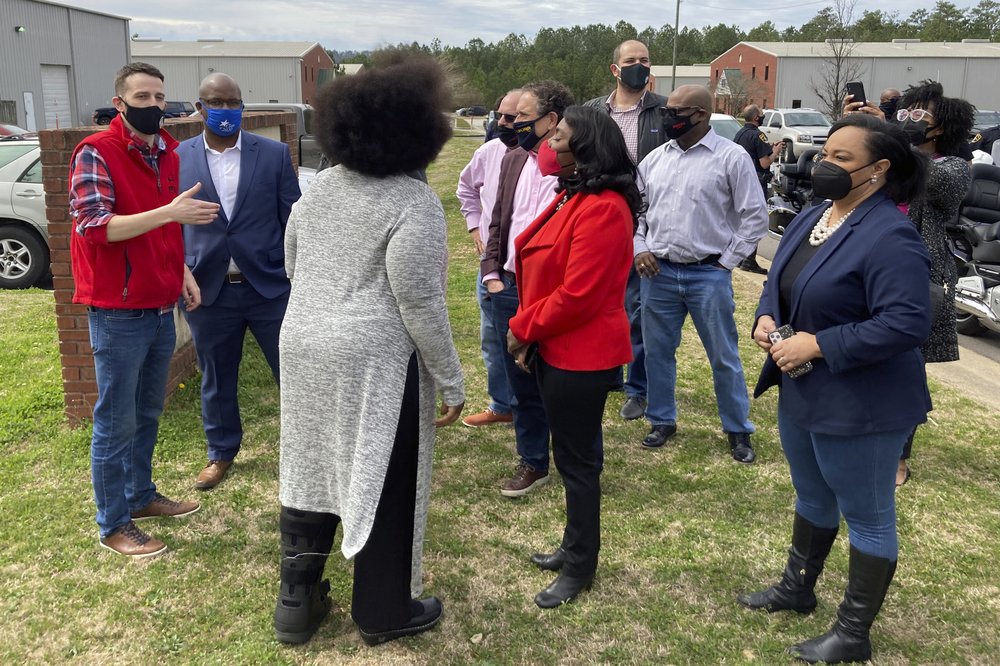
The South has never been hospitable to organized labor. But that may be changing, with an important test in Alabama, where thousands of workers at an Amazon campus are deciding whether to form a union. Labor organizers and advocates see the David-and-Goliath fight as a potential turning point in the region with a long history of undervalued labor and entrenched hostility to collective bargaining rights. A win could have economic and political ripples for the labor movement and its Democratic Party allies who want a stronger foothold in the South amid decades of dwindling union power nationally. “This election transcends this one workplace. It even transcends this one powerful company,” said Stuart Appelbaum, national president of the Retail, Wholesale and Department Store Union. “If workers at Amazon in Alabama, in the middle of the pandemic, can organize then that means that workers anywhere can organize.” The mere presence of a national union figure like Appelbaum in Alabama underscores the stakes. The Amazon vote comes as Democrats and Republicans are battling fiercely for working-class voters. Over decades, many white workers have drifted toward Republicans, attracted in part by cultural identity and an anti-establishment posture. That’s left Democrats looking to refine their economic pitch, arguing their party is the one fighting for higher wages, better working conditions, and more affordable health care. A win in Bessemer, where the vast majority of the workforce is Black, would have additional significance as a launchpad for new political organizing in the South, where Democrats want to build on recent successes. That could prove decisive in newfound battlegrounds like Georgia, which Joe Biden pulled into the party’s presidential column for the first time since 1992 and where Democrats won two Senate races. It could be a building block in GOP-dominated states like Alabama and Mississippi. And any domino effect nationally could boost Democrats in old industrial Rust Belt states like Pennsylvania and Ohio, where Republicans have gained ground. Biden drew plaudits from labor leaders with a recent video address pushing the right to organize through “free and fair elections,” although he did not directly mention the Amazon campaign. The ongoing mail vote by almost 6,000 workers is the largest union push ever at Amazon, one of the world’s wealthiest companies. The election, which runs through March, also ranks among the largest single organizing efforts in Southern history. It follows a series of failed organizing votes at automobile assembly plants — Nissan in Mississippi in 2017, Volkswagen in Tennessee in 2019, among others — that have flocked to the region over the last three decades. “Wages in this region have been depressed from the time of slavery,” said historian Keri Leigh Merritt, because “we’ve always had these competing underclasses of different races that white elites,” from the South and elsewhere, “have been able to play off each other.” The result, Merritt said, is nearly all laborers being paid “below the national market.” The 2019 median household income in the U.S. was $62,843, according to Census Bureau data. In Bessemer, part of an industrialized swath outside of Birmingham that once teemed with steel mills, that figure was $32,301. “We just want what’s owed to us,” said Kevin Jackson, a worker at the distribution center. Jackson, who is Black, compared Amazon wages, which start at $15 an hour, about double minimum wage, to the fortune of company founder and CEO Jeff Bezos, whose net worth measures in the hundreds of billions. “When you kick a dog so many times, he’s going to bite,” Jackson said. “We’re biting back.” The union’s election overlaps with Biden and Democrats in Congress pushing the “PRO Act,” legislation that would overhaul labor law to make organizing easier. The bill represents the most significant labor law change since the New Deal era and follows a decades-long slide in union membership. In 1970, almost a third of the U.S. workforce was unionized. In 2020, that number was 10.8%. The House approved the overhaul Tuesday on a largely party-line vote, but it faces almost certain defeat in the 50-50 Senate where major bills require at least 10 Republican votes to avoid a filibuster. Even without that law, labor leaders say the Amazon result could be a springboard for labor organizing nationwide. Regionally, a win would provide a roadmap for a Southern workforce unaccustomed to unions as a routine part of the economy. Mary Kay Henry, president of the Service Employees International Union, said the Alabama workers are “inspiring,” and added that her union and others are watching closely as they mull expansion. Organized labor’s Southern deficit is glaring: all 11 states of the old Confederacy have so-called “right to work” laws, which allow workers in unionized shops to opt-out of paying union dues even as they retain the benefits and job protections negotiated by the union. That weakens unions by reducing their membership and their negotiating leverage. Most Southern states also bar public employees from collective bargaining. The entire region lags in national union membership when measured as a percentage of the workforce. For example, the United Auto Workers has more than 400,000 members, but just 12,000 in Southern states, despite the region’s abundance of internationally owned auto plants and associated suppliers. Merritt, an expert on Southern labor politics, drew a straight line from the pre-Civil War economy to the current climate. Before slavery’s abolition, she said, white workers were threatened — explicitly or implicitly — with being replaced by slaves, stripping them of any leverage with employers. After emancipation, free Black laborers and poor white laborers had to compete in a devastated agricultural economy that struggled to rebuild itself from the war. Eventually, northern industrialists entered Southern markets, joining white Southern land barons to take advantage of cheap labor in industries including textiles, steel, and mining. The trend continued as the regional economy expanded with chemical plants and oil refineries in Texas and Louisiana, shipbuilding along the coasts, and, eventually, auto plants from Texas to the Carolinas. Generations of Southern elected officials — Democrats and
Amazon faces biggest union push in its history
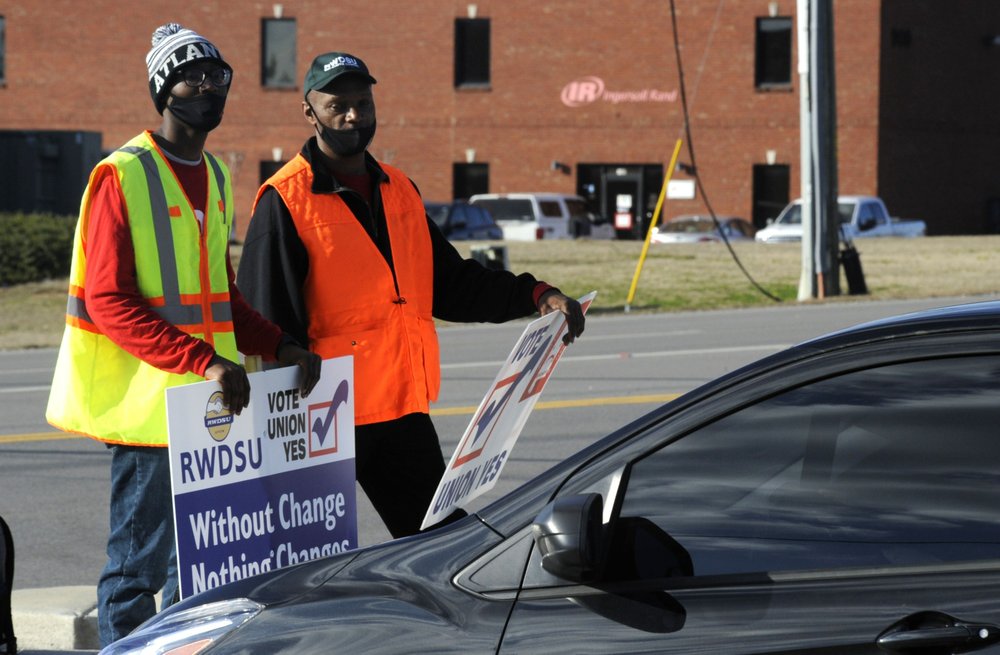
The second Jennifer Bates walks away from her post at the Amazon warehouse where she works, the clock starts ticking. She has precisely 30 minutes to get to the cafeteria and back for her lunch break. That means traversing a warehouse the size of 14 football fields, which eats up precious time. She avoids bringing food from home because warming it up in the microwave would cost her even more minutes. Instead, she opts for $4 cold sandwiches from the vending machine and hurries back to her post. If she makes it, she’s lucky. If she doesn’t, Amazon could cut her pay, or worse, fire her. It’s that kind of pressure that has led some Amazon workers to organize the biggest unionization push at the company since it was founded in 1995. And it’s happening in the unlikeliest of places: Bessemer, Alabama, a state with laws that don’t favor unions. The stakes are high. If organizers succeed in Bessemer, it could set off a chain reaction across Amazon’s operations nationwide, with thousands more workers rising up and demanding better working conditions. But they face an uphill battle against the second-largest employer in the country with a history of crushing unionizing efforts at its warehouses and its Whole Foods grocery stores. Attempts by Amazon to delay the vote in Bessemer have failed. So too have the company’s efforts to require in-person voting, which organizers argue would be unsafe during the pandemic. Mail-in voting started this week and will go on until the end of March. A majority of the 6,000 employees have to vote “yes” in order to unionize. Amazon, whose profits and revenues have skyrocketed during the pandemic, has campaigned hard to convince workers that a union will only suck money from their paycheck with little benefit. Spokeswoman Rachael Lighty says the company already offers them what unions want: benefits, career growth, and pay that starts at $15 an hour. She adds that the organizers don’t represent the majority of Amazon employees’ views. Bates makes $15.30 an hour unpacking boxes of deodorant, clothing, and countless other items that are eventually shipped to Amazon shoppers. The job, which the 48-year-old started in May, has her on her feet for most of her 10-hour shifts. Besides lunch, Bates says trips to the bathroom are also closely monitored, as is getting a drink of water or fetching a fresh pair of work gloves. Amazon denies that, saying it offers two 30-minute breaks during each shift and extra time to use the bathroom or get water. Fed up, Bates and a group of workers reached out to the Retail, Wholesale, and Department Store Union last summer. She hopes the union, which also represents poultry plant workers in Alabama, will mandate more breaks, prevent Amazon from firing workers for mundane reasons, and push for higher pay. “They will be a voice when we don’t have one,” Bates says. But according to Sylvia Allegretto, an economist and co-chair of the Center on Wage and Employment Dynamics at the University of California, Berkeley, “history tells us not to be optimistic.” The last time Amazon workers voted on whether they wanted to unionize was in 2014, and it was a much smaller group: 30 employees at a Amazon warehouse in Delaware who ultimately turned it down. Amazon currently employs nearly 1.3 million people worldwide. Also working against the unionizing effort is that it’s happening in Republican-controlled Alabama, which generally isn’t friendly to organized labor. Alabama is one of 27 “right-to-work states” where workers don’t have to pay dues to unions that represent them. In fact, the state is home to the only Mercedes-Benz plant in the world that isn’t unionized. That the union push at the Bessemer warehouse has even gotten this far is likely due to who the organizers are, says Michael Innis-Jiménez, an associate professor at the University of Alabama. Companies typically villainize union organizers as out-of-staters who don’t know what workers want. But the retail union has an office in nearby Birmingham and many of the organizers are Black, like the workers in the Bessemer warehouse. “I think that really helps a lot,” Innis-Jiménez said. “They’re not seen as outsiders.” More than 70% of the population of Bessemer is Black. The retail union estimates that as many as 85% of the workers are Black, much higher than the 22% for overall warehouse workers nationwide, according to an Associated Press analysis of census data. Stuart Appelbaum, the president of the Retail, Wholesale and Department Store Union, says the union’s success in Bessemer is partly due to the pandemic, with workers feeling betrayed by employers that didn’t do enough to protect them from the virus. And the Black Lives Matter movement, which has inspired people to demand to be treated with respect and dignity. Appelbaum says the union has heard from Amazon warehouse workers all over the country. “They want a voice in their workplace, too,” he says. Representatives of the Retail, Wholesale and Department Store Union spend most days outside the entrance of the Bessemer warehouse holding signs and wearing neon vests, although a lot of the unionization effort is being conducted online or by phone because of the pandemic. At the end of a recent workday, some Amazon employees leaving the plant rolled down their car windows and chatted with organizers; others hurried past without acknowledgement. Some workers from poultry plants have helped. Among them is Michael Foster, a union representative who works at a north Alabama poultry plant but has been in town for more than a month helping with the organizing push. He says an Amazon employee tried to shoo them away, saying they better make sure they’re not on Amazon property. “I let them know that this is not my first rodeo,” says Foster, who has helped get two other poultry plants to unionize. Inside the warehouse, Bates says Amazon has been holding daily classes on why workers should vote against the union. Lighty, the Amazon spokeswoman, says
