
Judge: Alabama has been ‘indifferent’ to isolated inmates
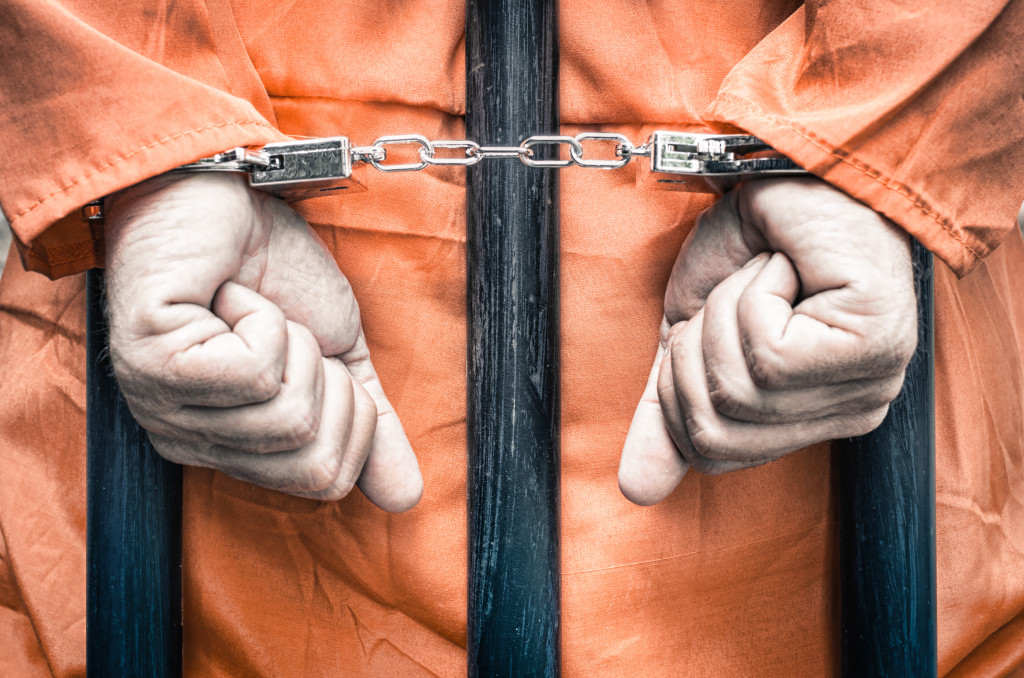
A federal judge said Monday that Alabama has been “deliberately indifferent” about monitoring the mental health of state inmates placed in the isolation of segregation cells. U.S. District Judge Myron Thompson issued the ruling days after attorneys for inmates said the suicide rate in state prisons has reached a crisis level. “The court finds that the (Alabama prison system’s) failure to provide adequate periodic mental-health assessments of prisoners in segregation creates a substantial risk of serious harm for those prisoners,” Thompson wrote in the 66-page order. Thompson wrote that prison officials have been “deliberately indifferent with regard to their failure to provide adequate periodic evaluations of mental health to prisoners in segregation.” Alabama Department of Corrections spokesman Bob Horton said the department is reviewing the decision. Thompson in 2017 wrote that mental health care in state prisons was “horrendously inadequate” and violated the Eighth Amendment’s prohibition on cruel and unusual punishment. In his Monday order, Thompson said the failure to adequately monitor inmates in segregation contributes to the unconstitutional conditions. Thompson directed the prison system and attorneys for inmates to confer on how to proceed. The Southern Poverty Law Center, which is representing inmates in the ongoing class-action lawsuit over prison mental health care, praised the decision. “It has been evident for years that ADOC has failed to identify, monitor, and properly care for people who have serious mental illnesses and who develop them in ADOC custody. That systematic failure has led to needless suffering, especially for people in segregation,” said Maria Morris, senior supervising attorney at the SPLC. The advocacy organization said Friday that there have been 13 suicides in 14 months. “People are killing themselves in our prisons because conditions are horrendous,” Southern Poverty Law Center President Richard Cohen said at a news conference with the families of inmates. The prison system said in a response Friday that it was working to address the issue, and said the suicide spike “calls into question the long-term effectiveness of the suicide prevention measures proposed by the SPLC” during the litigation. Republished with permission from the Associated Press
ADOC responds to SPLC’s claim state has prison suicide crisis

The Alabama Department of Corrections (ADOC) has responded to claims by the the Southern Poverty Law Center (SPLC) that the state has a suicide crisis that demands immediate action. The ADOC said the recent spike in suicides in an “on-going concern” and the department is actively working on a solution. As reported by a number of media outlets today, 13 inmates in the custody of the Alabama Department of Corrections have died by suicide in the past 14 months. While the total number of recent suicides is significant, each suicide within an ADOC facility is a tragic and unfortunate event. Each of these 13 suicides represents a different person who faced individual struggles and challenges that led to their death. Nevertheless, the ADOC investigates every suicide and the circumstances surrounding each suicide to evaluate ways in which the Department can improve its existing suicide prevention program. … The recent spike in suicides within ADOC is an on-going concern and will be addressed by the ADOC. On March 8, 2019, an expert retained by the ADOC will issue a report (jointly authored with an SPLC expert) on recommendations on additional suicide prevention measures. Once we receive this report, the ADOC intends to fully implement those measures that will ensure a long-term solution in the prevention of suicides. The ADOC is referring to the deaths of 13 inmates in state custody have committed suicide in the last 14 months. In fact, in 2018 the suicide rate in ADOC facilities was higher than any previous year. And since since November 21, 2018, there has been an average of one suicide every 11.4 days in the ADOC, with two of those having been completed in 2019 – just eighteen days into the year. Which is what led the SPLC to take action on Friday. The group, along with victims’ families and their attorney, met at the Alabama State House where they called on the ADOC, Governor Kay Ivey, and state legislators to immediately address the systemic mental health crisis and need for comprehensive criminal justice reform. “Since a federal court found that mental health care in ADOC facilities was grossly inadequate in the summer of 2017, ADOC has continued to fail to provide adequate protection for suicidal people in its custody,” said Maria Morris, senior supervising attorney for the SPLC. “The result is that Alabamians under the supervision of ADOC, many of whom suffer from mental illness, hopelessness, and despair and are not receiving the resources they need, have taken their own lives. ADOC should take action. They need to step up and treat this like what it is – a life and death emergency.” On staffing, ADOC’s previous analysis provided to a federal court states it must hire 2261 new corrections officers and 130 new corrections supervisors by February 2022 to meet basic legal and safety standards for both officers and prisoners, which will add over $100 million annually to the ADOC budget. According to the SPLC, there is little evidence that ADOC is on a path to meet those benchmarks. Meanwhile, press reports indicate that the governor and ADOC staff are preparing to build three mega-prisons at a cost of a billion dollars or more. “These men died senselessly from suicide because they did not get adequate care from the Alabama Department of Corrections,” added Mitch McGuire, attorney for many of the victims’ families. “That’s unacceptable and immoral, and their families will never replace them.” “The Legislature must solve this emergency because Governor Ivey and Commissioner Dunn have been derelict in their duty,” said Richard Cohen, president of the SPLC. “Every year without action, the crisis deepens and grows more expensive and harder to fix. The costs to the state of Alabama will grow and we will continue to mourn the deaths of incarcerated people who did not receive constitutionally-required care. Despite the SPLC’s complaints ADOC Commissioner Jeff Dunn says he is focused on solving this problem. “Our department is committed to providing appropriate care for those with mental illness and we have plan to address the conditions inside our prisons that hinder our ability to meet that commitment,” Dunn said. “In addition to increasing our mental health staff, we also are developing a prison revitalization plan that will consolidate the delivery of mental and medical health care in a new state-of-the-art health care facility. More information about the plan will be made public in the coming days. I am focused on solving this problem.” Suicides in ADOC from Dec. 2017 to Feb. 2019 (supplied by the SPLC):
Advocacy group: Alabama has prison suicide crisis
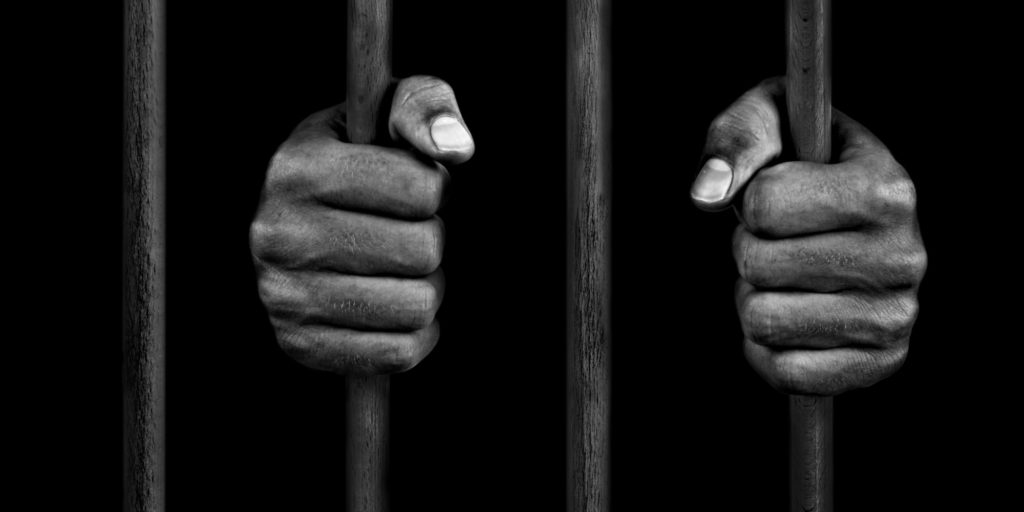
An advocacy group charged Friday that Alabama officials have failed to address a rising suicide rate in state prisons despite a federal court order to improve conditions for mentally ill inmates. Attorneys representing inmates in an ongoing lawsuit over mental health care argued state officials have done “precious little” to address inmate suicides. “People are killing themselves in our prisons because conditions are horrendous,” Southern Poverty Law Center President Richard Cohen said at a news conference outside the Alabama Statehouse. The organization said there have been 13 suicides in 14 months, the latest one on Wednesday. Alabama Gov. Kay Ivey’s office and the prison system did not immediately react to the allegations. A prison system spokesman said the department was working on a response. However, a state lawmaker said the prison system is working to improve conditions, but cautioned it will take time. “There is no question the suicide rate is higher than it should be. The data speaks for itself,” said state Sen. Cam Ward, who chairs a prison oversight committee. Alabama Department of Corrections monthly reports list that they were four inmate suicides in fiscal year 2017 and six in 2018. In late December and January, there were three suicides within four weeks in the state prisons. With their 8-year-old granddaughter beside her, Jerri Ford wiped away tears as she described the loss of her husband, Paul Ford. “He was our everything, everything and we don’t have him anymore. And it’s not right,” Jerri Ford said. Paul Ford, 49, was found hanging last month from a bed sheet in his cell at Kilby Correctional Facility. He was serving a sentence of life in prison without parole following a murder conviction. In court filings, the SPLC said, Ford had a prior suicide attempt and spent much of the past year in a restrictive setting or on some form of crisis watch. Jerri Ford said in the months before his death, she began to worry about her husband’s mental state. “He was seeing things, hallucinating. … He was scared to go to sleep,” she said. Inmate lawyers have asked a federal judge to block the state from placing prisoners with serious mental illnesses into segregation units or similar settings, where they said the extreme isolation becomes an incubator for worsening mental health symptoms. The judge responded by asking for the state to provide information on how many inmates are in such settings. U.S. District Judge Myron Thompson in 2017 ruled that mental health care in Alabama prisons was “horrendously inadequate.” In court filings, the state contends it has added mental health staff and is working to increase the number of corrections officers working in state prisons. Corrections Commissioner Jeff Dunn told lawmakers last month that the department is seeking a funding increase to hire 500 additional corrections officers, what he called a “down payment” amid plans to eventually add 2,000 correctional officers Ivey is expected to announce a proposal soon to replace state prisons, possibly leasing facilities built by private firms. The SPLC criticized the push for prison construction, saying the plan will be costly when the state faces a staff shortage. “Jamming thousands of people into some shiny new building will not solve the constitutional violations,” Maria Morris, an attorney with the SPLC, said. Republished with permission from the Associated Press
Alabama prison system ordered to report mental health segregation data
On Tuesday, U.S. District Judge Myron Thompson issued an order for the Alabama Department of Corrections (ADOC) to report how many inmates with mental illnesses have been placed in segregation units, The Associated Press reports. This comes when attorneys for inmates requested intervention after three suicides occurred in four weeks in state prisons. Thompson previously instructed state prisons not to isolate prisoners without extenuating circumstances after finding in 2017 that care for mentally ill inmates was “horrendously inadequate.” History of mental health issues in Alabama prisons The issue of mental health care in state prisons has been ongoing. In December 2018, Alabama prison officials stated that they were making “substantial progress” in increasing mental health staff and asked not to be held in contempt of court of an order requiring minimum levels of mental health staff. In a December filing, the ADOC wrote that Wexford Health Sources, the contractor hired to provide health care, had not been able to meet staffing targets but said “both are making all efforts to increase staffing as quickly as possible.” The letter continued, “In sum, the state is not contending that it has fulfilled every requirement of the staffing remedial order. But it has made in good faith all reasonable efforts to do so, and those efforts have resulted in substantial progress.” They claimed that a shortage of professionals available, especially in rural areas, has made staffing difficult. Lawyers for the inmates wrote “Defendants’ contempt is placing prisoners with serious mental-health needs at a substantial risk of serious harm every day. Their failures are most evident when looking at staffing levels for mental-health staff with advanced training, specifically psychiatrists, CRNPs, psychologists, and registered nurses.” In September of 2018, the Southern Poverty Law Center asked Judge Thompson to hold the ADOC in contempt. “Adequate staffing is critical to address the mental health needs and secure the safety of the prisoners in ADOC’s care,” said Maria Morris, senior supervising attorney at the SPLC. “Time and time again, ADOC has failed to meet court-ordered deadlines to fill essential staffing positions. We have no confidence that ADOC is doing all it can to hire enough staff to care for prisoners with mental illnesses. We are asking the court to rule ADOC in contempt for continuing to fail to meet these court-ordered deadlines.” This came after a warden testified in February 2018 after a mentally ill prisoner committed suicide.
VA data: Suicide rate for Alabama veterans up, especially for young veterans

Last month, the U.S. Department of Veterans Affairs (VA) officials released national and state-level findings from its most recent analysis of Veteran suicide data, which showed an average of two and half Alabama veterans died by suicide each week from 2015-2016. The research also revealed Alabama veterans are dying by suicide at a higher rate than the national average. The VA’s figures, which are the most recent year available, reveal 34.2 Alabama veterans per 100,000 died by suicide in 2016, whereas the national veteran suicide rate was only 30.1 per 100,000. Among their findings, 18-24 years old Alabamians committed suicide more often than any other age bracket at 52.8 per 100,000. Meanwhile only 45 per 100,000 non-veterans in the same age bracket committed suicided. In the 2016, veterans account for roughly 17 percent of all Alabama suicides. Among those suicides, an overwhelming 81.3 percent of veterans used firearms, whereas the national average for firearm use in suicide was only 51.4 percent. The analysis is part of VA’s ongoing examination of non-Veteran and Veteran death records that is being used to evaluate and improve VA’s Suicide Prevention Program. “Suicide prevention remains VA’s highest clinical priority. One life lost to suicide is one too many,” said VA Secretary Robert Wilkie. The report also found: There were more than 6,000 Veteran suicides each year from 2008 to 2016. In 2016, the suicide rate was 1.5 times greater for Veterans than for non-Veteran adults, after adjusting for age and gender. The suicide rate for Veterans ages 18–34 increased substantially, from 40.4 suicide deaths per 100,000 population in 2015 to 45 suicide deaths per 100,000 population in 2016. After adjusting for age, in 2016, the suicide rate for women Veterans was 1.8 times greater than the suicide rate for non-Veteran women. If you are a veteran or are concerned about one, call the national Veterans Crisis Line 24 hours a day, seven days a week.
What Alabama is doing to combat suicide, and what you can do to help

With Mental Health Awareness month, and the heavily publicized suicide of Alabama Attorney General Steve Marshall‘s wife, only a few weeks behind us, we would be remiss not to keep the conversation about mental health going. “Often times we only talk about suicide in the case of celebrities… Robin Williams, Kate Spade, Anthony Bourdain, and others. But the fact is suicide affects so many more of us. More importantly, the underlining cause of suicide, untreated mental illness or mental illness not responsive to medications and treatment, affects nearly all of us in some shape or form,” wrote Alabama Today publisher Apryl Marie Fogel. “I don’t know a single person not touched by mental illness — either persistent and severe conditions that plague them on and off throughout their lives, or acute in response to major life changes.” Which is why the Commissioner of the Alabama Department of Mental Health, Lynn Beshear, does not take her job lightly. Since taking the position in 2017, she has been working tirelessly to educate the public, and raise funds for the department to address these issues within the state. Alabama Today asked her about the departments attempts to combat Mental Health issues, and what friends and family members can do to assist those they know who are struggling with mental illness: In light of the recent uptick in celebrity and influencer suicides, what is the Dept. of Mental Health doing to combat suicide rates in Alabama? Stigma is the greatest barrier to care and funding, so ADMH’s role is to acknowledge the elephant in the room and to educate tirelessly. According to the Suicide Prevention Resource Center in Washington, D.C., some risk factors and suicidal warning signs may include: A history of depression, bipolar disorder, or other mental illness diagnoses A serious personal loss or number of losses and defeats taken personally Low self-esteem and self-loathing Social isolation Believing there is no hope of feeling better Chronic alcohol or another drug use Easy access to the means for dying We often hear about mental health conditions as a cause of suicide, but suicide is rarely associated with any single factor. More than half of people who die by suicide did not have a known mental health condition, according to the National Alliance on Mental Illness. The Suicide Prevention Resource Center offers these myths and facts about suicide: MYTH: A person who talks about dying by suicide won’t do it. FACT: About 80 percent of people who complete a suicide express their intentions to one or more persons. MYTH: Talking about suicide to someone who is depressed may cause them to kill himself or herself. FACT: Asking someone if they are thinking about suicide does not increase suicidal thoughts, but, in fact, may reduce them. MYTH: If a person shows improvement after a crisis point, the risk has passed. FACT: Most suicides occur within three months after the onset of improvement. MYTH: Suicide usually occurs without warning. FACT: Many survivors of suicide report they had thoughts of suicide long before their attempt. In Alabama, a person dies by suicide every 11 hours. In 2016, it was the 11th leading cause of death, with 788 citizens lost to suicide, compared to 543 deaths due to homicide. The National Suicide Prevention Lifeline provides 24/7, free and confidential support for people in distress, prevention and crisis resources for you or your loved ones, and best practices for professionals. Call: 1-800-273-8255. What can friends and family do if they think they know someone who is struggling with a mental illness? One way to help is to learn Mental Health First Aid, which teaches how to and speak directly and with empathy to someone in need. Mental Health First Aid is an eight-hour course that gives people the skills to help someone who is developing a mental health problem or experiencing a mental health crisis. Be patient and calm while a suicidal or a person in a mental crisis is talking about his or her feelings and listen without expressing judgment and without agreeing or disagreeing with the person’s behavior or point of view. A safety plan, an agreement between the person and the first-aider, is a way to ensure that the person understands that someone is there for them. A safety plan should include actions to help keep a suicidal person safe, such as contact numbers the person agrees to call if feeling suicidal, for the person’s doctor or mental-health care professional, or a crisis helpline, or for friends and family members who would help in an emergency. The other very serious issue facing, not only Alabama but the entire US, is opioid addiction. I am the co-chair of Governor Ivey’s Alabama Opioid Overdose & Addiction Council to address this almost overwhelmingly complex issue that involves every sector of society, as well as law enforcement, the medical profession and an array of governmental departments and services.
Let’s talk about mental health not in whispers, but in shouts

Today authorities confirmed what has widely been speculated since the death of Attorney General Steve Marshall‘s wife Bridgette — that she in fact committed suicide. Often times we only talk about suicide in the case of celebrities… Robin Williams, Kate Spade, Anthony Bourdain, and others. But the fact is suicide affects so many more of us. More importantly, the underlining cause of suicide, untreated mental illness or mental illness not responsive to medications and treatment, affects nearly all of us in some shape or form. I don’t know a single person not touched by mental illness — either persistent and severe conditions that plague them on and off throughout their lives, or acute in response to major life changes. We have to do better as a society. Although I write quite frequently about mental health and the importance of destigmafying it, and properly funding mental health care and community-based programs, and addressing it in our schools, even I feel like I don’t do enough. I talk openly about my generalized anxiety disorder and the co-occurring depression that can come with it in extreme periods of stress. But I feel like nothing is enough. We have to make this an everyday conversation and rather than whisper about it we should shout. We should say out loud that one can no more control mental illness than they can control asthma, diabetes and other health conditions. What we can control however is how we address it. How we treat it. How we talk about it. Treatment shouldn’t be a dirty secret. Seeking treatment shouldn’t be made to seem like a sign of weakness. Please join me and let’s all talk publicly about mental health. Let’s talk what’s happening in one another’s lives and in the lives of our loved ones, our neighbors, our colleagues. In loving, caring, and supportive ways. My heart breaks for Steve Marshall and his daughter Faith (I find myself in tears writing this now) and all I can ask for is in this time we don’t gloss over the opportunity to do better. I hereby call on state and lawmakers to take on this issue now. It shouldn’t take another mass shooting, or another celebrity suicide or God forbid the tragedy that the Marshall family is enduring right now to bring up the conversation. The time is now. Let’s all go out and do better! Here are some state and national resources below about mental health: NAMI Alabama: The mission statement/purpose of NAMI Alabama is to provide support, education, and advocacy for persons with mental illnesses, their families, and others whose lives are affected by these brain disorders. This is accomplished by: Educating the people of Alabama about mental illness thereby reducing stigma Providing support for individuals with mental illness to grow and contribute to their community Developing, nurturing and coordinating a statewide network of local affiliates Promoting public policies which expand services and improve treatment for all persons living with a mental illness and supporting research leading to the control and management of mental illness Alabama Department of Mental Health: The state agency tasked with, “Promoting the health and well-being of Alabamians with mental illnesses, developmental disabilities and substance use disorders.” Substance Abuse and Mental Health Services Administration (SAMHSA): The agency within the U.S. Department of Health and Human Services that leads public health efforts to advance the behavioral health of the nation. SAMHSA’s mission is to reduce the impact of substance abuse and mental illness on America’s communities.
Following suicide of 5th grader, State House passes anti-cyberbullying legislation

Following the suicide of an Alabama fifth grader, the State House unanimously passed a bill aimed to protect school children against cyberbullying. Montgomery-Democrat State Rep. John Knight introduced HB366, also known as the Jamari Terrell Williams Act, after the bill’s namesake committed suicide in October after he was bullied online. Existing law already prohibits bullying in schools, but Knight’s legislation expands the existing law to prevent to prevent student against student harassment, intimidation, violence, and threats of violence to students off campus as well. HB366 specifically includes cyberbullying in the definition of harassment. The legislation seeks to ensure that each local board of education adopt procedural policies to manage and possibly prevent these acts against any student by another student. It also requires all Alabama schools to develop plans or programs, including, but not limited to, peer mediation teams, in an effort to encourage students to report and address incidents of harassment, violence, or threats of violence. The bill, which had 88 co-sponsors in the 105-member House, now moves to the Senate for consideration.
UA study to take ‘deep dive’ into risk factors for veterans, suicides

University of Alabama researchers, America’s Warrior Partnership and The Bristol-Myers Squibb Foundation have partnered on a $2.9 million study to explore risk factors that contribute to suicides, early mortality and self-harm among military veterans. “Operation Deep Dive,” funded by the Bristol-Myers Squibb Foundation, aims to create better understanding of the risk factors, particularly at the organizational and community level. Drs. Karl Hamner, director of the Office of Evaluation for the College of Education, and David L. Albright, Hill Crest Foundation Endowed Chair in Mental Health and associate professor in the School of Social Work, are the principal investigators for UA on the study. Innovative new approach Recent research has shown that neither PTSD nor combat exposure is a good predictor of veterans and suicide, so researchers must cast a wider net, Hamner said. “Previous research has focused primarily on individual-level risk factors, like prior suicide attempts, mood disorders, substance abuse and access to lethal means, but suicide is a complex phenomenon, and those factors don’t paint the whole picture,” Albright said. The study is innovative in that it focuses on veterans across the spectrum of service, gender and lifespan, using data from America’s Warrior Partnership and the U.S. Department of Veterans Affairs, new data collected during the study, and data from the Department of Defense. For instance, female veterans, who are 2.5 times more likely to commit suicide than civilian women, will be spotlighted in the study. Both the DOD and the VA will be vital in identifying veterans with varying medical histories, combat experiences and discharges from military services. America’s Warrior Partnership will also help fill the gaps in identifying veterans who don’t fit criteria for VA benefits, like National Guard or Reserve personnel who aren’t activated, or anyone who has a dishonorable discharge, which could be for a variety of reasons. “The scope of this study is timely and so needed that we really believe we can move the needle,” Hamner said. A better understanding The first phase of the study is a five-year retrospective investigation of the DOD service use and pattern of VA care utilization to examine the impact of less-than-honorable discharges on suicides and suspected suicides, and the differences in suicides between those who receive and do not receive VA services. “Helping to identify the trends or predictors of veterans’ suicide could help immensely in reducing suicide rates and provide much-needed interventions for this community,” says John Damonti, president of the Bristol-Myers Squibb Foundation. “This project will take a deep dive to better understand what was happening at the community level to design better, more targeted intervention programs.” The second phase will incorporate these findings into a three-year study that will include input from medical examiners, mental health experts, veterans, family members and the community to conduct a “sociocultural autopsy” of all new or suspected suicides in America’s Warrior Partnership’s seven partnership communities, as well as in comparison communities. The results will explore how community context and engagement affect prevention of suicides in veterans and why some former service members commit suicide, while others do not. “The overarching goal of the study is to understand triggers of suicide in order to prevent potential suicides before they occur,” said Jim Lorraine, president and CEO of America’s Warrior Partnership. “With each organization bringing its own areas of expertise and data, we can make a difference in the lives of our nation’s warriors, particularly the most vulnerable veterans.” Both Hamner and Albright are committee chairs for the Alabama Veterans Network, or AlaVetNet, which connects Alabama veterans to resources and services. Alabama Gov. Kay Ivey recently signed Executive Order 712, which tasks the group in helping reduce and eliminate the opioid crisis as well as reducing the high veteran suicide rate. This story originally appeared on the University of Alabama’s website. Republished with permission from the Alabama NewsCenter.
Robert Bentley signs Jason Flatt suicide prevention act into law

Alabama Gov. Robert Bentley on Tuesday signed a bill into law that requires educators and others to have training on youth suicide awareness and prevention annually, teaching them how to engage students on the issue. Sponsored by Tuscaloosa-Republican Sen. Gerald Allen, SB11 also known as the Jason Flatt Act, was named after a 16-year-old who killed himself in 1997. Flatt’s father, Clark Flatt, created the Tennessee-based nonprofit, the Jason Foundation, to raise awareness of youth suicide after his son’s death. Saban began working with the organization while he was the head coach at LSU. The act’s passage also fulfills one of the goals of the 2016 “Right for Alabama” legislative agenda Senate Republicans laid out in January of this year to expand suicide prevention training. The following paragraph was included in the agenda: Expand Suicide Awareness Prevention Education Training Suicide affects youths of every ethnic, economic, and social background. Equipping K-12 teachers with the tools and training to speak with students about suicide prevention will reduce the stigma associated with suicide and the illnesses and emotions that lead to it. Bentley’s signature make Alabama the 18th state to pass the Jason Flatt Act since 2007. The law also passed in the following states: Alaska, Arkansas, California, Georgia, Illinois, Louisiana, Mississippi, Montana, North Dakota, Ohio, South Carolina, South Dakota, Tennessee, Texas, Utah, West Virginia, Wyoming, and Alabama.
